 BirdPedy
PluvialEgyptian Plover
Reporte de rarezaRarity report
Por qué es legendarioWhy it is legendaryAve africana asociada clásicamente al río Nilo. Su aparición en el territorio español es un hecho histórico de carácter accidental, constituyendo una de las mayores rarezas divagantes.African bird classically associated with the river Nile. Its appearance in Spain is a historical, accidental event, and it is one of the greatest vagrant rarities.
- EnvergaduraWingspan
- 50 cm50 cm
- LongitudLength
- 20 cm20 cm
- Lista Roja de EspañaSpanish Red List
- NE No evaluada en EspañaNot assessed in Spain

IdentificaciónIdentification
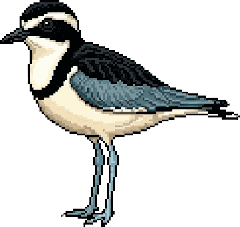
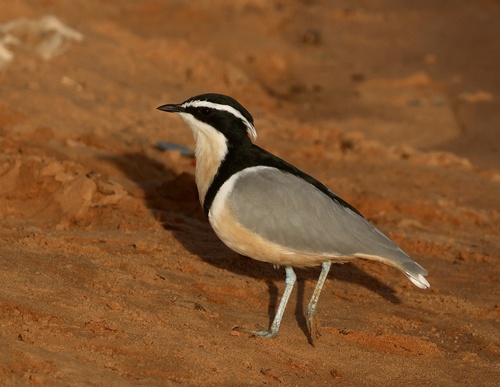
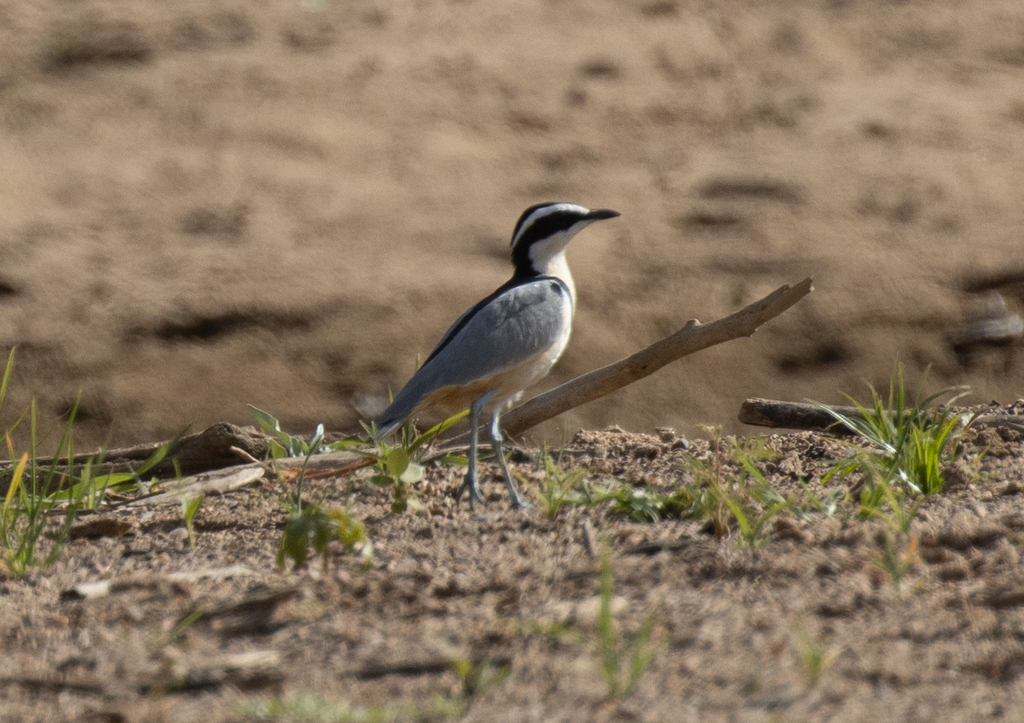
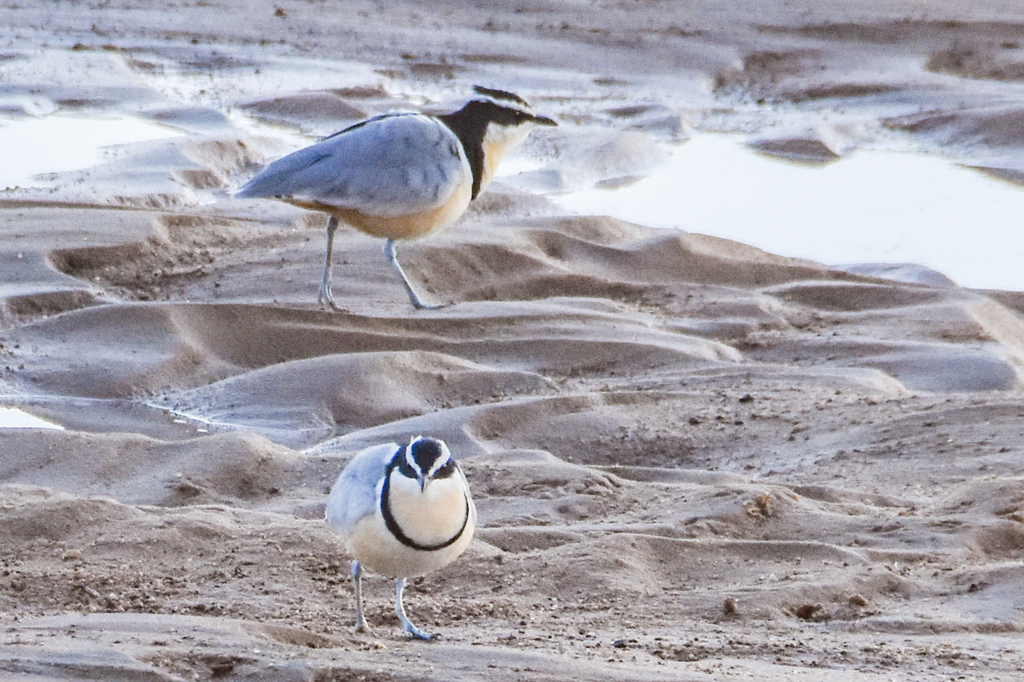
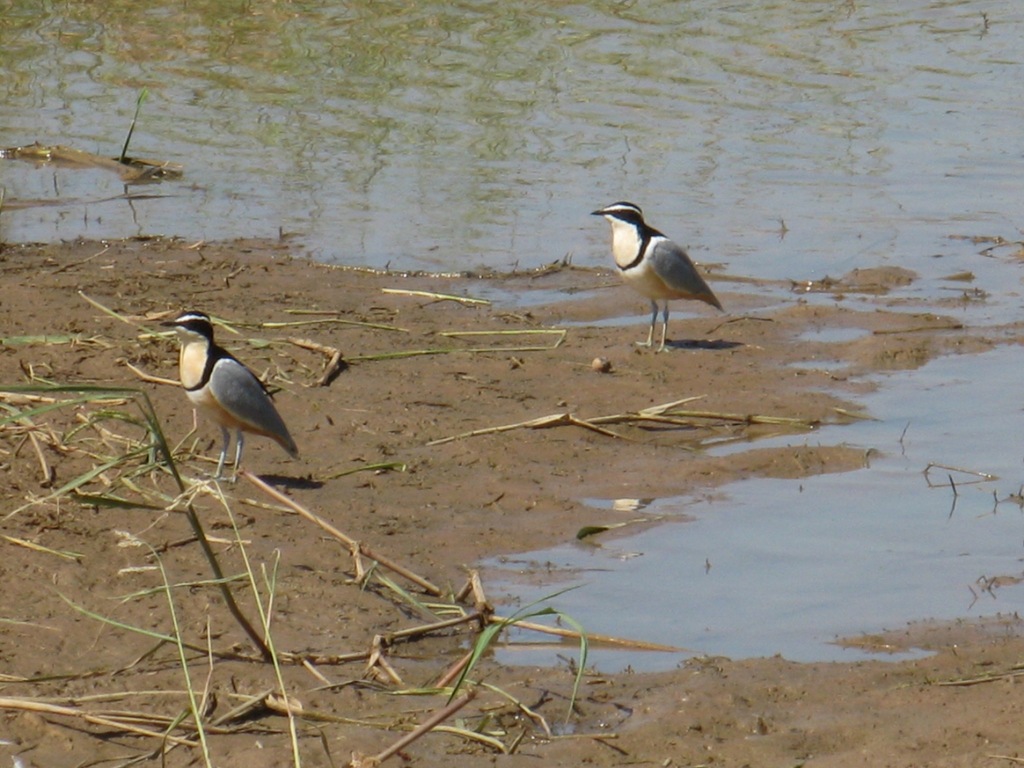
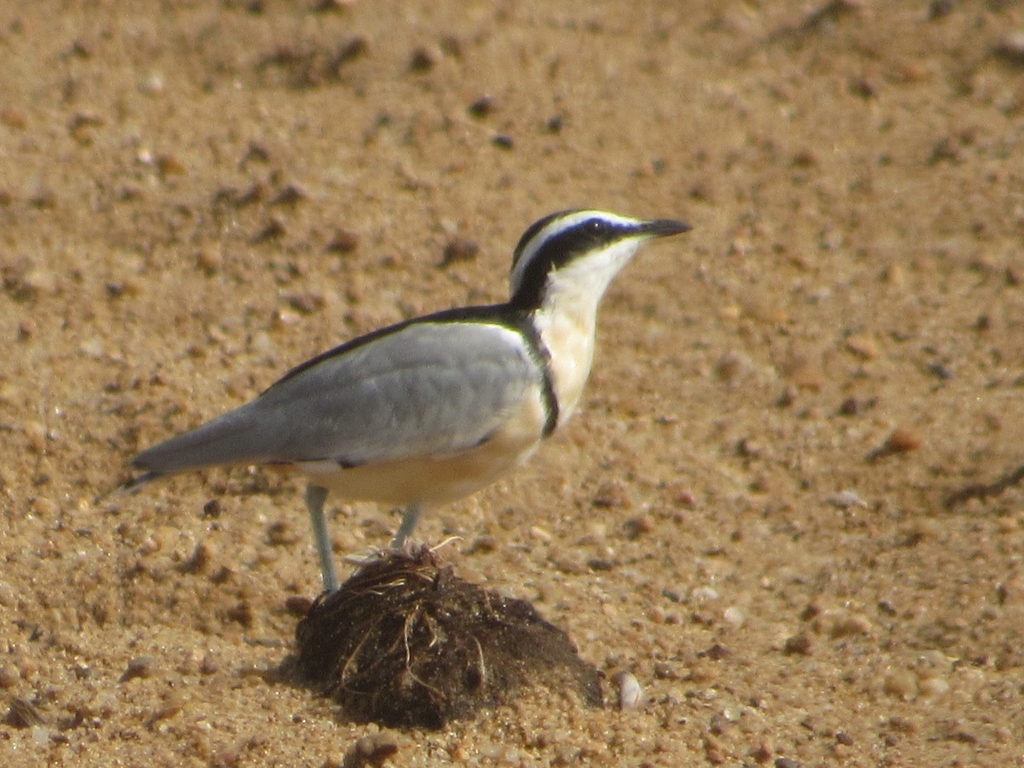
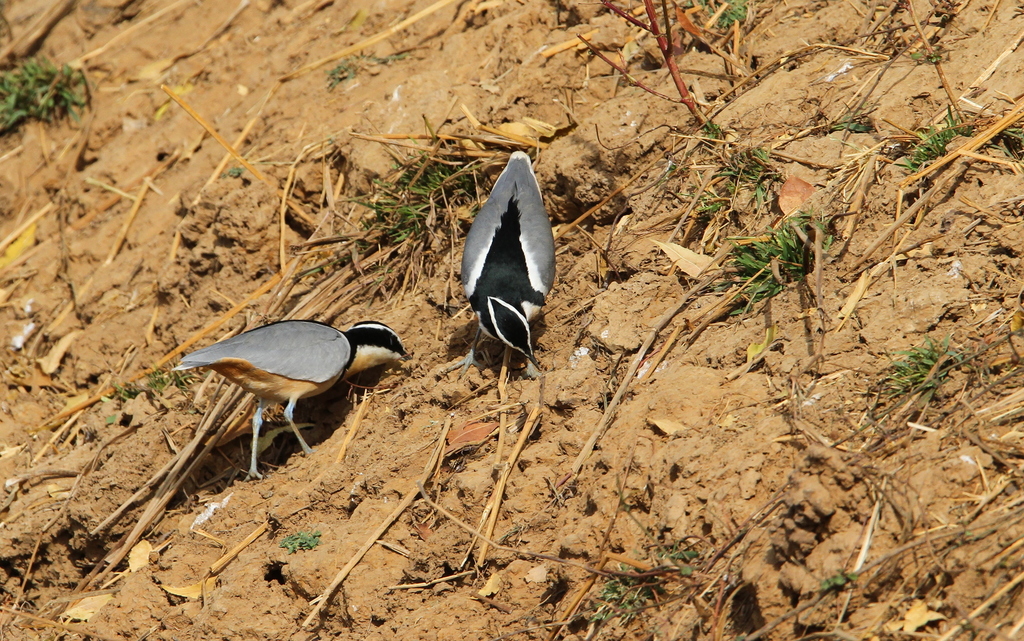
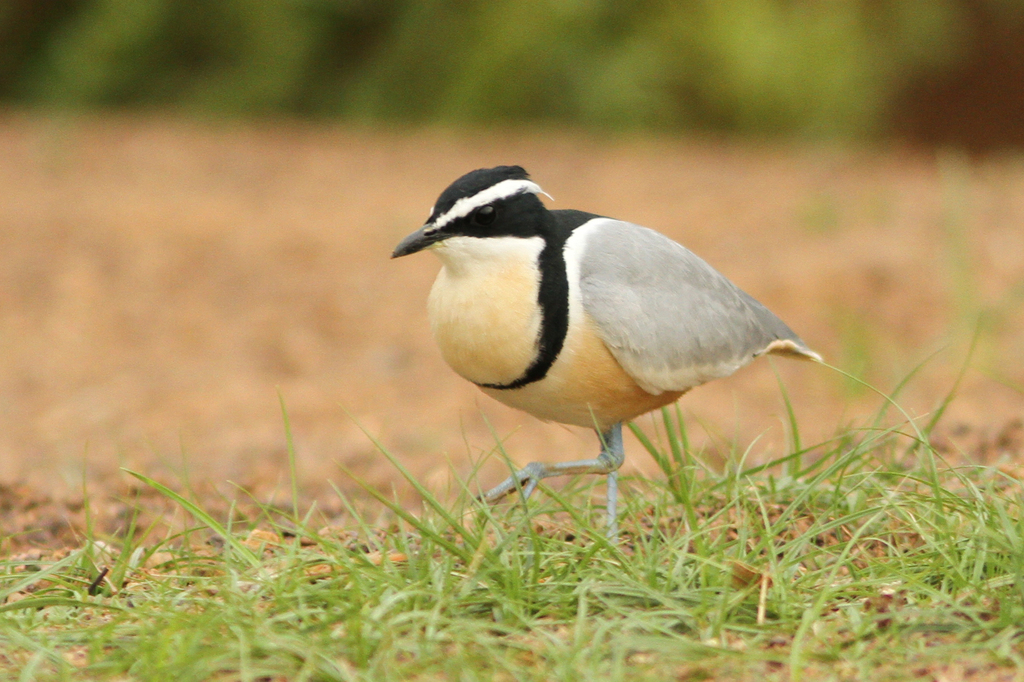
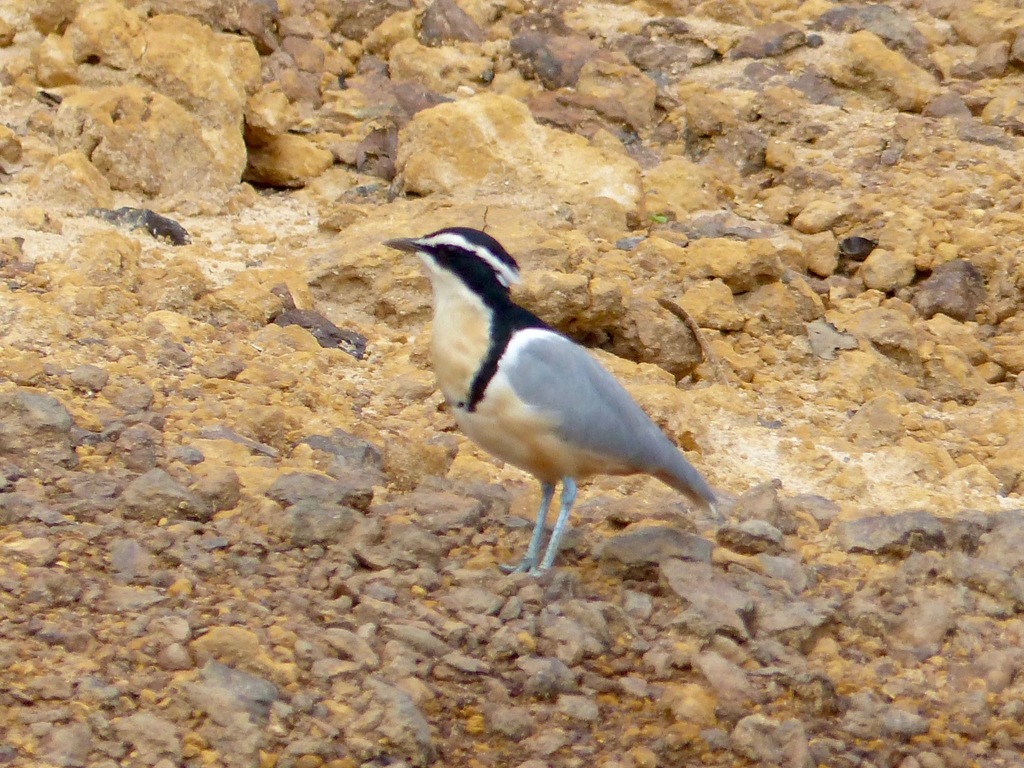
El pluvial posee un diseño sumamente distintivo, que combina los colores blanco, negro, gris y crema. Por lo demás, esta ave recuerda a los corredores, si bien es más pequeña y con patas más cortas.A unique and stunningly beautiful bird, also known as the 'Crocodile Bird' due to ancient (but likely mythical) stories of it cleaning the teeth of crocodiles. It has an unmistakable pattern of jet-black, pure white, and creamy-buff. It is related to the coursers but has shorter legs. It is highly terrestrial and has a very striking, high-contrast appearance that matches the sandy riverbanks of sub-Saharan Africa.
DistribuciónDistribution
Se ha citado como accidental en Jordania, Libia y las islas Canarias, aquí a partir de un ejemplar capturado en La Laguna (Tenerife) a finales del siglo XIX. En Europa (Polonia y Francia) hay un par de observaciones que se consideran debidas a escapes o a aves transportadas en barco.Very rare accidental visitor from Africa. Only one historical record for Spain: Tenerife (late 19th century). Exceptional.
Textos reproducidos con permiso de laTexts translated and reproduced with permission from the Guía de Aves de España © SEO/BirdLife
Estado de conservaciónConservation Status
- EX
- RE
- CR
- EN
- VU
- NT
- LC
NE
No evaluada en EspañaNot assessed in Spain
Sin categoría en el Libro Rojo de las Aves de España 2021No category in the Red Book of the Birds of Spain 2021
Qué significa cada categoríaWhat each category means
- LC
- Preocupación menor: Taxón evaluado que no califica para categorías amenazadas. Especies abundantes y ampliamente distribuidasLeast Concern - Evaluated taxon that does not qualify for threatened categories. Widespread and abundant taxa
- NT
- Casi amenazada: No califica actualmente como amenazada, pero está cerca de calificar o es probable que califique en el futuro cercanoNear Threatened - Does not currently qualify as threatened, but is close to qualifying or likely to qualify in the near future
- VU
- Vulnerable: Enfrenta un alto riesgo de extinción en estado silvestre según los criterios A a E de IUCNVulnerable - Facing a high risk of extinction in the wild based on IUCN criteria A to E
- EN
- En peligro: Enfrenta un riesgo muy alto de extinción en estado silvestre según los criterios A a E de IUCNEndangered - Facing a very high risk of extinction in the wild based on IUCN criteria A to E
- CR
- En peligro crítico: Enfrenta un riesgo extremadamente alto de extinción en estado silvestre según los criterios A a E de IUCNCritically Endangered - Facing an extremely high risk of extinction in the wild based on IUCN criteria A to E
- DD
- Datos insuficientes: Información inadecuada para evaluar el riesgo de extinción basándose en distribución o estado poblacionalData Deficient - Inadequate information to assess extinction risk based on distribution and/or population status
- NE
- No evaluada: No ha sido evaluada aún contra los criterios de la Lista Roja de IUCNNot Evaluated - Has not yet been assessed against the IUCN Red List criteria
- RE
- Extinta regionalmente: El taxón ya no existe en la región específica, aunque puede sobrevivir en otros lugaresRegionally Extinct - Taxon no longer exists in the specific region, though it may survive elsewhere
- EX
- Extinta - No existe duda razonable de que ha muerto el último individuo del taxónExtinct - No reasonable doubt that the last individual of the taxon has died
TaxonomíaTaxonomy
- OrdenOrder
- Charadriiformes
- FamiliaFamily
- Pluvianidae
Presencia en EspañaPresence in Spain
- OcasionalOccasional
Revisión científica de BirdPedyBirdPedy scientific review
Revisada por BirdPedy el 28/10/2026 ·Reviewed by BirdPedy on 28 October 2026 · Cómo revisamosHow we review
RarezaRarity
ReferenciasReferences
- GBIF.org (23/10/2026). Descarga de registros de aves de España, 2020-2024, con el día y la cuadrícula de 10 km de cada uno, para contar ocasiones y días.GBIF.org (23 October 2026). Occurrence download of birds in Spain, 2020-2024, with the day and 10 km square of each record, to count occasions and days. doi.org/10.15468/dl.bqdmdt
- GBIF.org (23/10/2026). Descarga de registros de aves de España, 2020-2024 (Observation.org, eBird, iNaturalist e ICO).GBIF.org (23 October 2026). Occurrence download of birds in Spain, 2020-2024 (Observation.org, eBird, iNaturalist and ICO). doi.org/10.15468/dl.r5sf2a
GaleríaGallery
© Markus Lampinen · CC BY · iNaturalist 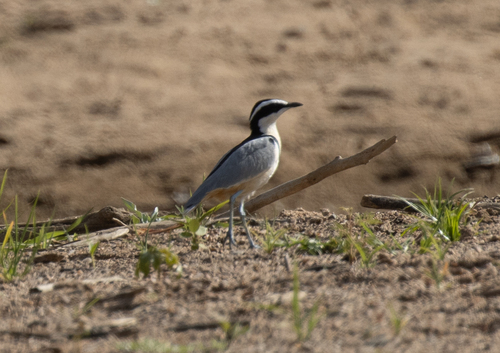
© avocat · CC BY · iNaturalist 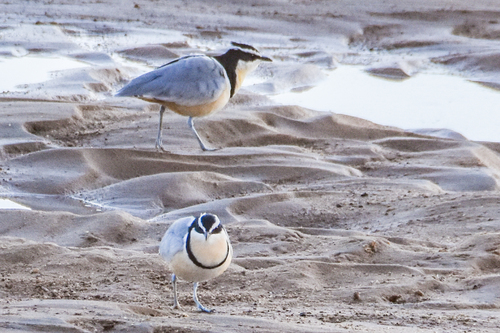
© Jay Pruett · CC BY · iNaturalist 
© Lucy Keith-Diagne · CC BY · iNaturalist 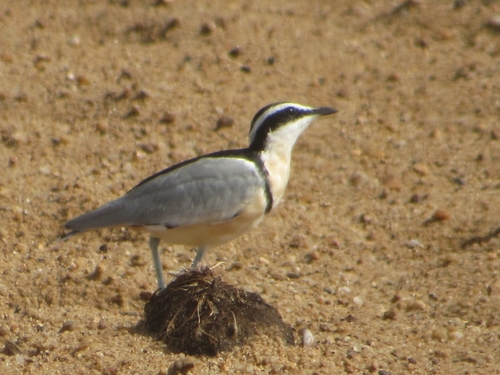
© Lucky Okpanachi Atabo · CC BY · iNaturalist 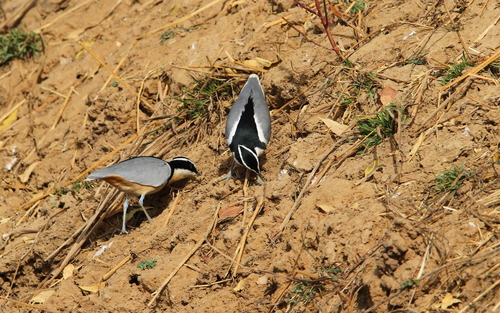
© Christoph Moning · CC BY · iNaturalist 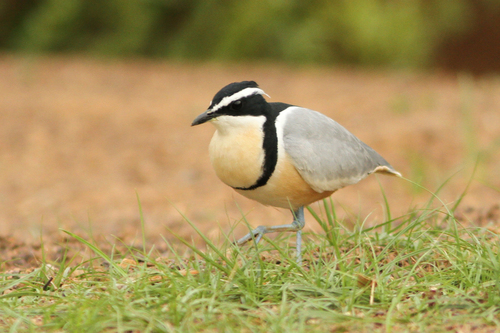
© Julien Renoult · CC BY · iNaturalist 
© Eamon Corbett · CC BY · iNaturalist
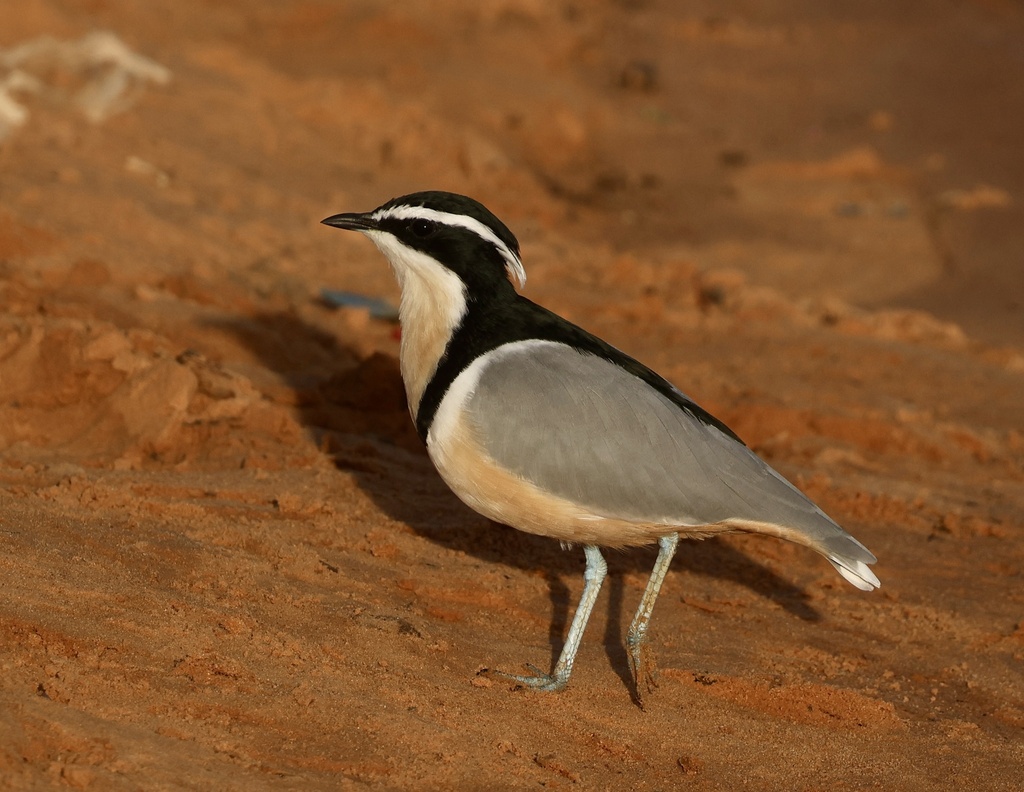
Especies relacionadasRelated species
Aves cercanas en la clasificación taxonómica.Birds that sit close by in the taxonomic order.
- LegendarioLegendary
 Correlimos batitúUpland SandpiperBartramia longicauda
- Poco comúnUncommon
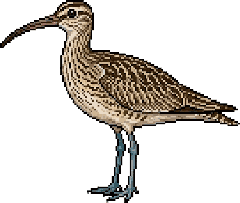 Zarapito trinadorWhimbrelNumenius phaeopus
- LegendarioLegendary
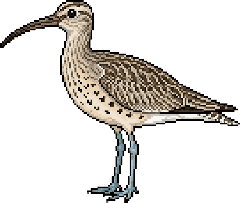 Zarapito finoSlender-billed CurlewNumenius tenuirostris
- Poco comúnUncommon
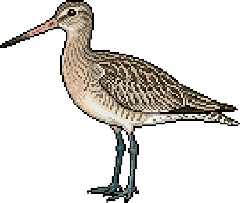 Aguja colipintaBar-tailed GodwitLimosa lapponica
- Poco comúnUncommon
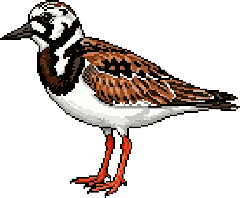 Vuelvepiedras comúnRuddy TurnstoneArenaria interpres
- LegendarioLegendary
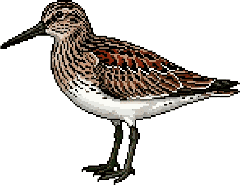 Correlimos grandeGreat KnotCalidris tenuirostris
- Poco comúnUncommon
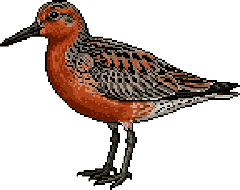 Correlimos gordoRed KnotCalidris canutus
- Poco comúnUncommon
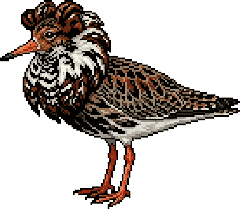 CombatienteRuffCalidris pugnax
 Gratis, sin anuncios ni comprasFree, no ads, no purchases