 BirdPedy
CombatienteRuff
En 48 provincias en abril y en 19 en junioIn 48 provinces in April and 19 in June
Reporte de rarezaRarity report
Por qué es poco comúnWhy it is uncommonLimícola inconfundible, especialmente los machos por su espectacular plumaje nupcial de gola. Muy frecuente durante los pasos migratorios en humedales someros, marismas y arrozales de interior.Unmistakable wader, especially the males with their spectacular ruffed breeding plumage. Very frequent during migration in shallow wetlands, marshes and inland rice fields.
Cada carrizo es un mes: su altura, las provincias con registros de 2020 a 2024.Each reed is a month: its height, the provinces with records from 2020 to 2024.- Provincias con registrosProvinces with records
- 51 de 52of 52
- En la appIn the app
- Todo el añoAll year
- EnvergaduraWingspan
- 48-60 cm48-60 cm
- LongitudLength
- 20-30 cm20-30 cm
- Lista Roja de EspañaSpanish Red List
- LC Preocupación menorLeast Concern

Información generalGeneral Information
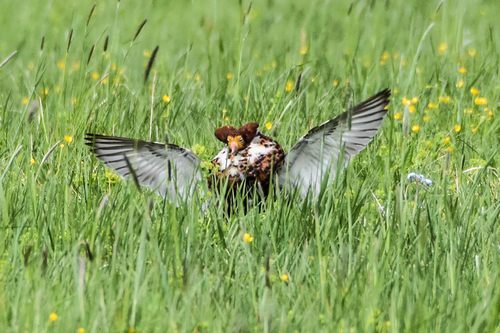
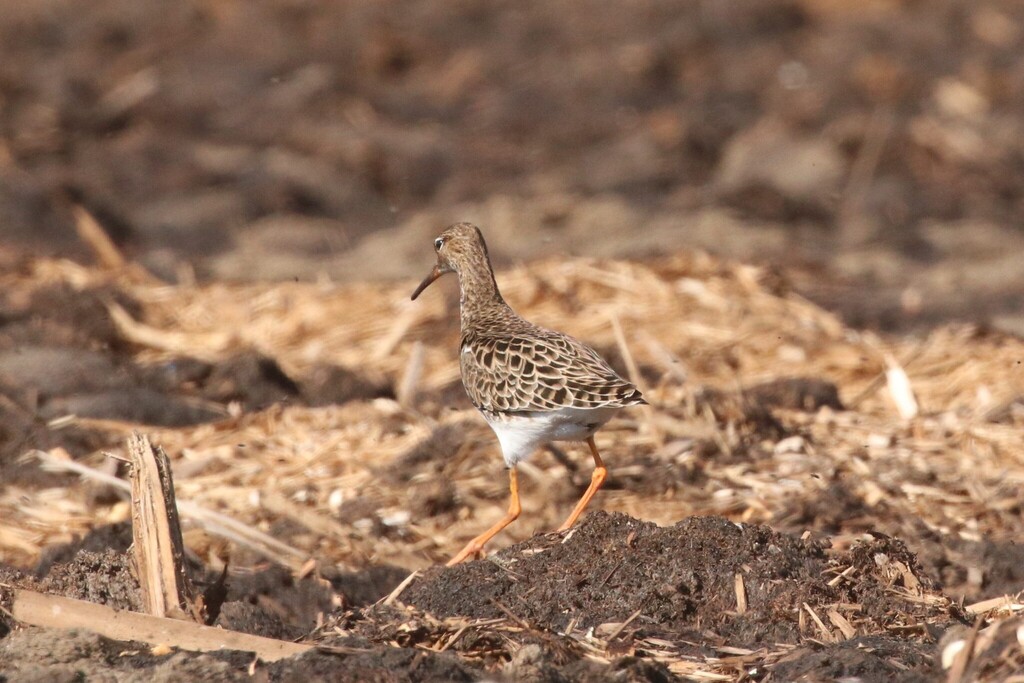
El combatiente es una limícola de bastante buen tamaño, difícil de distinguir de otras especies cercanas. Su rasgo más característico consiste en el vistoso atuendo nupcial que lucen los machos, que se adornan con llamativas golas y penachos cefálicos de plumas, con los que, mediante posturas estereotipadas, danzas y movimientos de alas, se enfrentan a otros machos en interminables combates (de ahí el nombre de la especie) por las hembras.The Ruff is the most unique shorebird in terms of sexual behavior. While their colorful leks are not seen in Spain (as they breed much further north), they are very common winterers in our wetlands, especially in rice fields. They are highly adaptable and often feed in drier areas compared to other waders. Their social nature and the massive size difference between 'ruffs' and 'reeves' (females) makes them fascinating to watch.
IdentificaciónIdentification
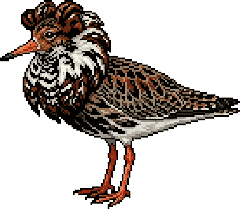
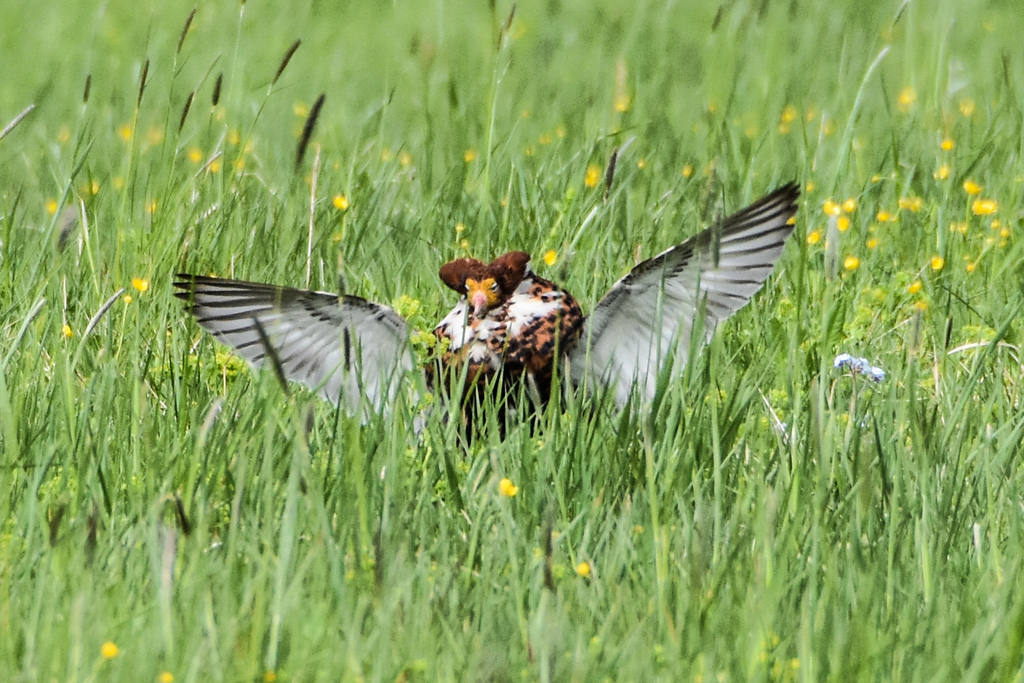
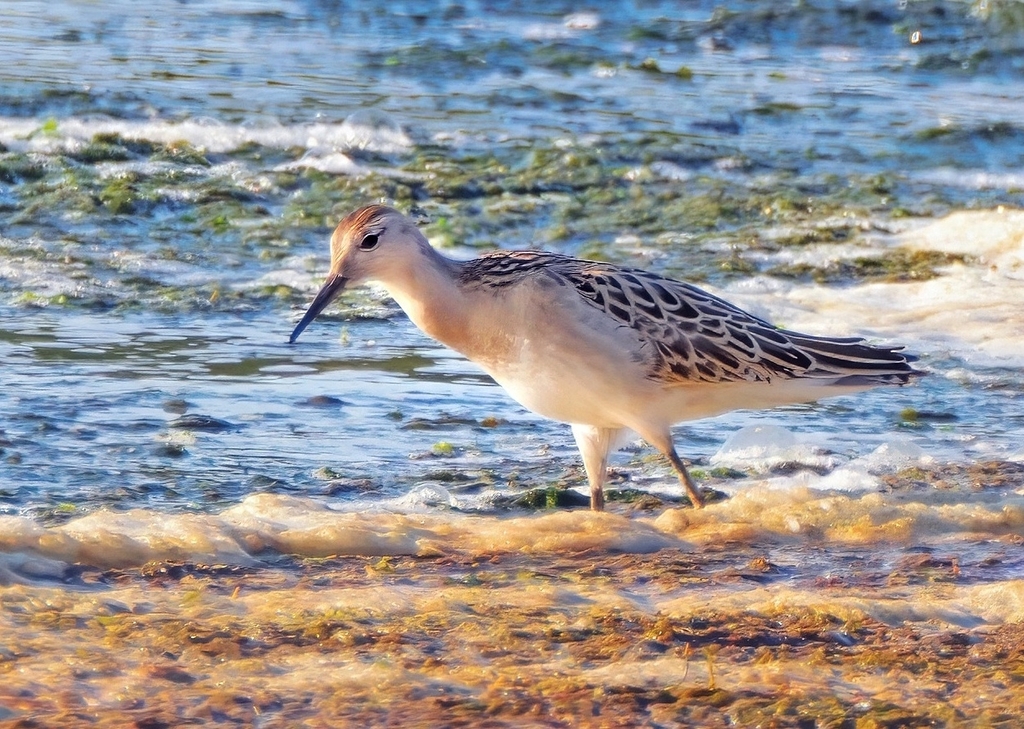
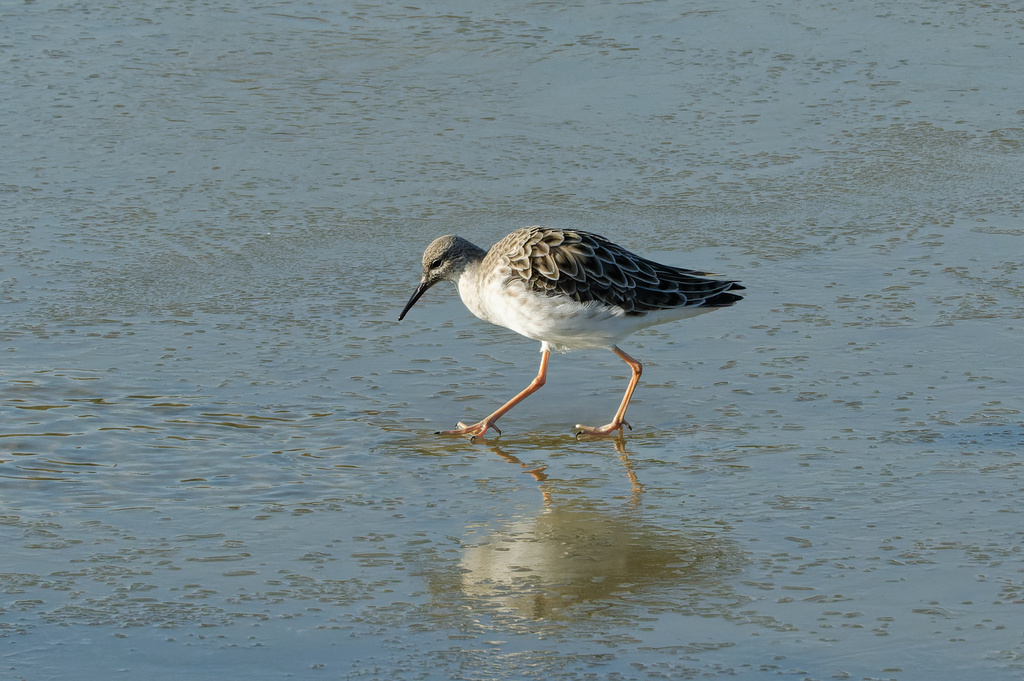
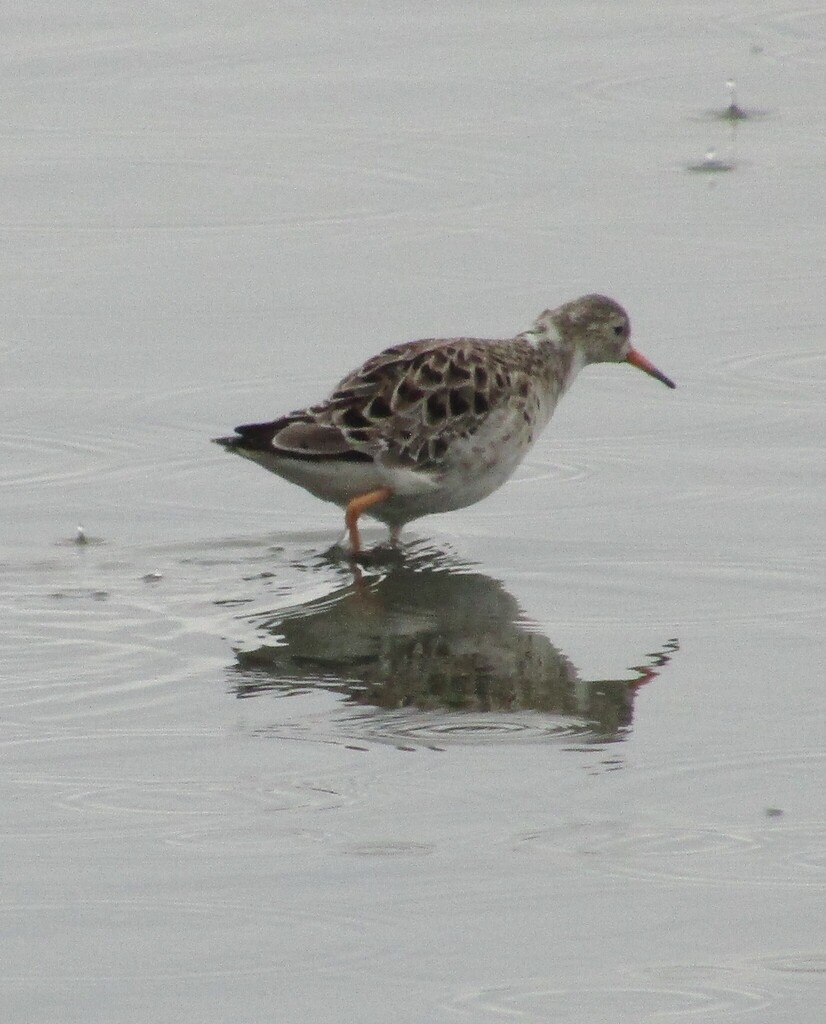
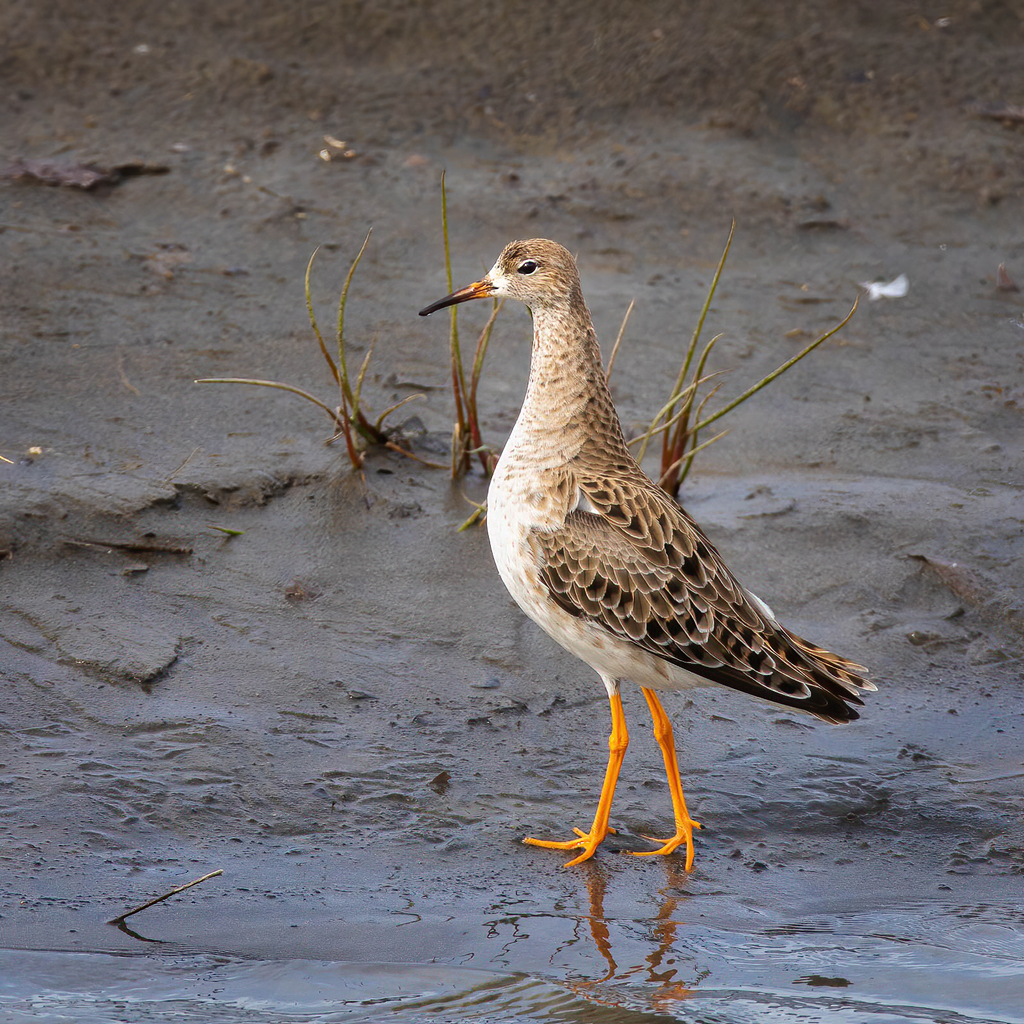
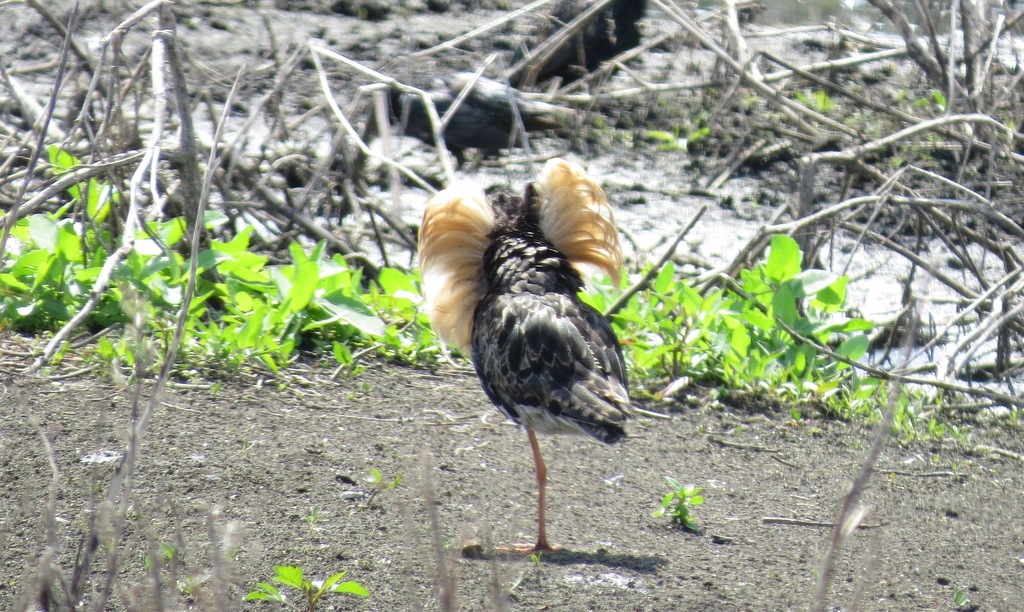
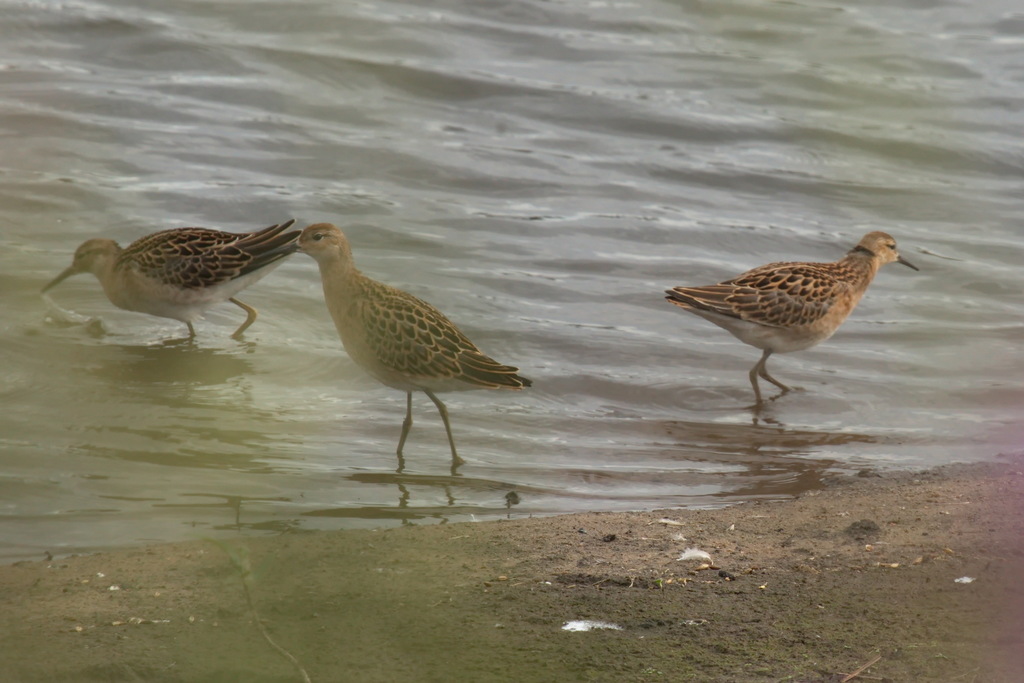
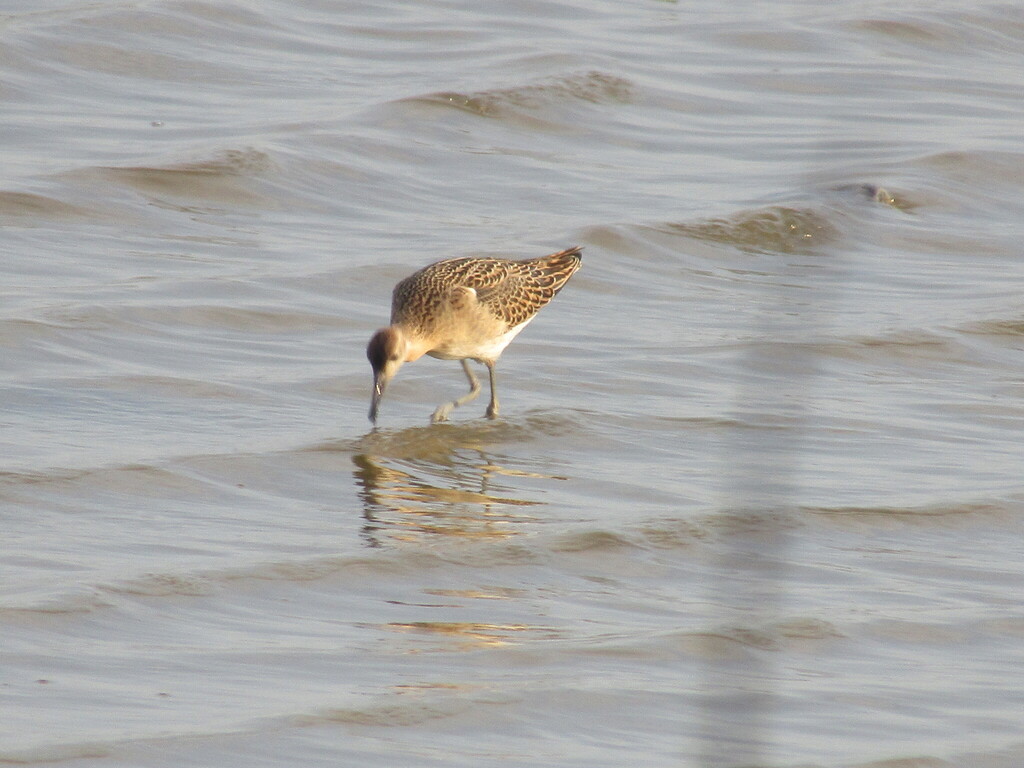
El combatiente es un ave limícola más bien grande, con el cuello largo, la cabeza pequeña, el pico relativamente corto y las patas no demasiado largas. El macho en plumaje nupcial (dibujo 1 y dibujo 2) presenta un aspecto absolutamente inconfundible, ya que se adorna con una gola de plumas y unos penachos cefálicos de coloración variable (blancos, negruzcos, rayados, vermiculados) según el individuo. Además, adquiere en esa época unas características rugosidades faciales. La hembra en plumaje nupcial nunca presenta golas ni orejas, si bien las plumas de sus partes superiores muestran dibujos variados. El pecho y los flancos suelen estar moteados de marrón oscuro y su vientre es claro. Los adultos no reproductores presentan un tono gris oscuro, algo más claro en los flancos y el vientre blanquecino, mientras que los juveniles tienen las plumas de las partes superiores muy bien delimitadas por bordes ante y blanco. La cabeza, el cuello y el pecho son de tonos ante, y las partes inferiores, blancas.A medium-sized shorebird with a very high degree of variation in size (males being much larger than females) and plumage. Males in spring are legendary for their massive feather 'ruffs' and 'ear tufts' which come in almost any color (black, white, orange, barred). They perform spectacular displays at traditional gathering spots called 'leks.' In winter, they are a subtle grayish-brown with orange/yellowish legs and a relatively short bill.
DistribuciónDistribution
En nuestro país, durante el invierno está presente tanto en humedales costeros como de interior, fundamentalmente arrozales. En el litoral, las mayores concentraciones se dan en el arco atlántico andaluz (particularmente en Doñana). Se extiende además por Extremadura, vega del Guadiana, Toledo y Aragón. Durante el paso primaveral, las áreas de distribución se solapan en gran medida con las de la invernada, si bien se diversifica, habiéndose observado tanto en Baleares como en Canarias, aunque no hay registros en Ceuta y Melilla. También aparece de forma más habitual en humedales de La Mancha y del norte de Castilla y León.Common passage migrant and winter visitor. Found in both coastal and inland wetlands (especially rice fields of Doñana, Extremadura, Ebro). Widespread. Regular in archipelagos.
Textos reproducidos con permiso de laTexts translated and reproduced with permission from the Guía de Aves de España © SEO/BirdLife
Estado de conservaciónConservation Status
- EX
- RE
- CR
- EN
- VU
- NT
- LC
Preocupación menorLeast Concern
Qué significa cada categoríaWhat each category means
- LC
- Preocupación menor: Taxón evaluado que no califica para categorías amenazadas. Especies abundantes y ampliamente distribuidasLeast Concern - Evaluated taxon that does not qualify for threatened categories. Widespread and abundant taxa
- NT
- Casi amenazada: No califica actualmente como amenazada, pero está cerca de calificar o es probable que califique en el futuro cercanoNear Threatened - Does not currently qualify as threatened, but is close to qualifying or likely to qualify in the near future
- VU
- Vulnerable: Enfrenta un alto riesgo de extinción en estado silvestre según los criterios A a E de IUCNVulnerable - Facing a high risk of extinction in the wild based on IUCN criteria A to E
- EN
- En peligro: Enfrenta un riesgo muy alto de extinción en estado silvestre según los criterios A a E de IUCNEndangered - Facing a very high risk of extinction in the wild based on IUCN criteria A to E
- CR
- En peligro crítico: Enfrenta un riesgo extremadamente alto de extinción en estado silvestre según los criterios A a E de IUCNCritically Endangered - Facing an extremely high risk of extinction in the wild based on IUCN criteria A to E
- DD
- Datos insuficientes: Información inadecuada para evaluar el riesgo de extinción basándose en distribución o estado poblacionalData Deficient - Inadequate information to assess extinction risk based on distribution and/or population status
- NE
- No evaluada: No ha sido evaluada aún contra los criterios de la Lista Roja de IUCNNot Evaluated - Has not yet been assessed against the IUCN Red List criteria
- RE
- Extinta regionalmente: El taxón ya no existe en la región específica, aunque puede sobrevivir en otros lugaresRegionally Extinct - Taxon no longer exists in the specific region, though it may survive elsewhere
- EX
- Extinta - No existe duda razonable de que ha muerto el último individuo del taxónExtinct - No reasonable doubt that the last individual of the taxon has died
TaxonomíaTaxonomy
- OrdenOrder
- Charadriiformes
- FamiliaFamily
- Scolopacidae
Presencia en EspañaPresence in Spain
- De pasoPassage migrant
- HabitualRegular
- InvernanteWinter visitor
En la app: todo el año.In the app: all year.
Dónde verlaWhere to see it
606 cuadrículas de 10 km con registros de 2020 a 2024. Toca un mes para ver dónde se ha visto.606 10 km squares with records from 2020 to 2024. Pick a month to see where it has been seen.
Cargando el mapa…Loading the map…
Dónde es regularWhere it is regular
Provincias con registros en al menos 3 de los 5 años algún mes, de más a menos frecuente, y sus mejores meses.Provinces with records in at least 3 of the 5 years in some month, from most to least frequent, and their best months.
- ValenciaValenciaseptiembre, agosto, julioSeptember, August, July
- TarragonaTarragonaseptiembre, agosto, eneroSeptember, August, January
- Ciudad RealCiudad Realseptiembre, octubre, agostoSeptember, October, August
- ÁlavaÁlavaseptiembre, agosto, octubreSeptember, August, October
- ToledoToledoseptiembre, octubre, agostoSeptember, October, August
- ZamoraZamoraseptiembre, febrero, noviembreSeptember, February, November
- SalamancaSalamancaseptiembre, octubre, agostoSeptember, October, August
- SevillaSevillaagosto, septiembre, octubreAugust, September, October
- AlbaceteAlbaceteseptiembre, agosto, marzoSeptember, August, March
- GironaGironaseptiembre, agosto, abrilSeptember, August, April
Ver las 48 provinciasSee all 48 provinces
- AlmeríaAlmeríaseptiembre, julio, octubreSeptember, July, October
- LeónLeónseptiembre, abril, marzoSeptember, April, March
- HuescaHuescaseptiembre, marzo, abrilSeptember, March, April
- NavarraNavarraseptiembre, octubre, agostoSeptember, October, August
- BadajozBadajozseptiembre, agosto, octubreSeptember, August, October
- SegoviaSegoviaseptiembre, abril, agostoSeptember, April, August
- CuencaCuencaseptiembre, diciembre, noviembreSeptember, December, November
- ZaragozaZaragozaseptiembre, noviembre, diciembreSeptember, November, December
- ÁvilaÁvilamarzo, noviembre, febreroMarch, November, February
- CáceresCáceresseptiembre, agosto, octubreSeptember, August, October
- La RiojaLa Riojaseptiembre, agostoSeptember, August
- CantabriaCantabriaseptiembre, agosto, abrilSeptember, August, April
- TeruelTeruelfebrero, septiembre, marzoFebruary, September, March
- BalearesBalearic Islandsseptiembre, agosto, marzoSeptember, August, March
- A CoruñaA Coruñaseptiembre, mayo, abrilSeptember, May, April
- AlicanteAlicanteoctubre, agosto, septiembreOctober, August, September
- BarcelonaBarcelonaseptiembre, marzo, abrilSeptember, March, April
- CastellónCastellónmarzo, abril, septiembreMarch, April, September
- MálagaMálagaabril, marzo, septiembreApril, March, September
- ValladolidValladolidseptiembre, abril, marzoSeptember, April, March
- VizcayaVizcayaabril, mayo, septiembreApril, May, September
- Las PalmasLas Palmasseptiembre, noviembre, octubreSeptember, November, October
- HuelvaHuelvafebrero, agosto, septiembreFebruary, August, September
- BurgosBurgosseptiembre, agosto, abrilSeptember, August, April
- PalenciaPalenciamarzo, abril, agostoMarch, April, August
- CádizCádizseptiembre, octubre, agostoSeptember, October, August
- GuipúzcoaGuipúzcoaseptiembre, abril, agostoSeptember, April, August
- LugoLugoabril, septiembre, marzoApril, September, March
- MurciaMurciaseptiembre, agosto, octubreSeptember, August, October
- MadridMadridseptiembre, agosto, marzoSeptember, August, March
- OurenseOurenseabrilApril
- AsturiasAsturiasseptiembre, abril, octubreSeptember, April, October
- LleidaLleidaseptiembre, noviembre, octubreSeptember, November, October
- PontevedraPontevedraseptiembreSeptember
- Santa Cruz de TenerifeSanta Cruz de TenerifeseptiembreSeptember
- GranadaGranadaagosto, septiembreAugust, September
- SoriaSoriaabril, marzo, mayoApril, March, May
- CórdobaCórdobamarzoMarch
Datos: registros en GBIF de 2020 a 2024 de Observation.org, eBird, iNaturalist y el ICO, descargados el 23/10/2026.Data: GBIF records from 2020 to 2024 from Observation.org, eBird, iNaturalist and the ICO, downloaded on 23/10/2026. GBIF.org (23 October 2026) GBIF Occurrence Download · doi:10.15468/dl.r5sf2a · CC BY-NC 4.0
GaleríaGallery
© Jay Pruett · CC BY · iNaturalist 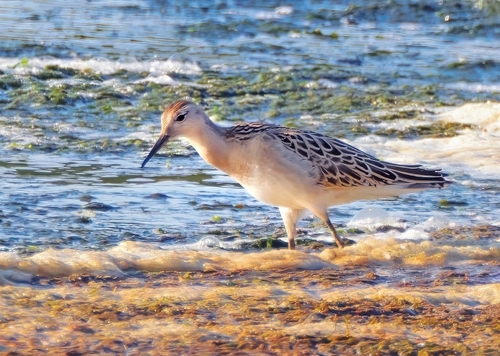
© Олеся · CC BY · iNaturalist 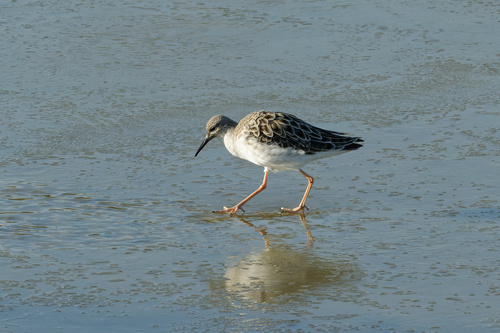
© Donald Davesne · CC BY · iNaturalist 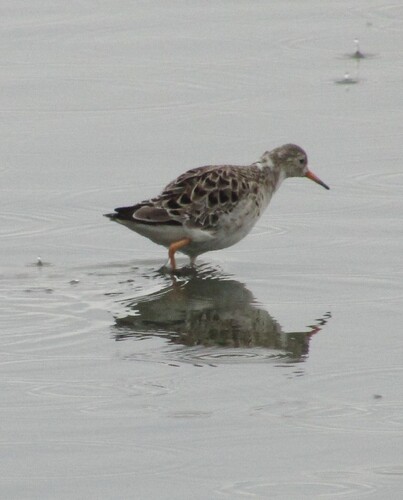
© SteveM4560 · CC BY · iNaturalist 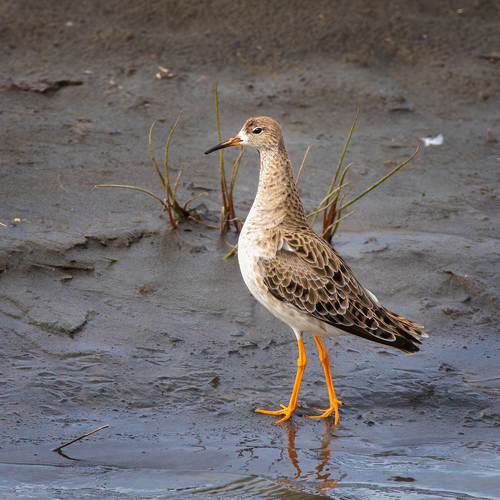
© egorbirder · CC BY · iNaturalist 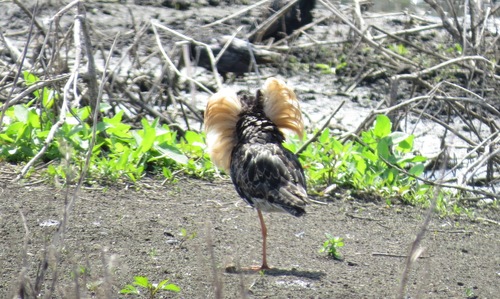
© Вячеслав Юсупов · CC BY · iNaturalist 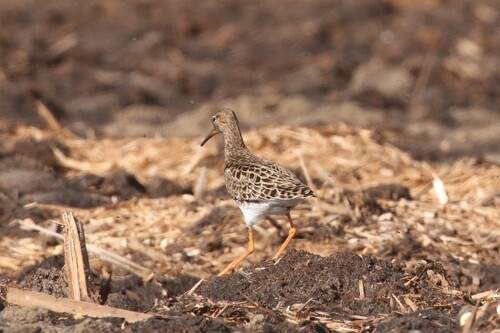
© Константин Селивёрстов · CC BY · iNaturalist 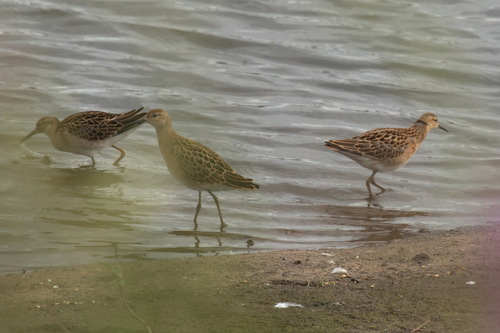
© Вячеслав Юсупов · CC BY · iNaturalist 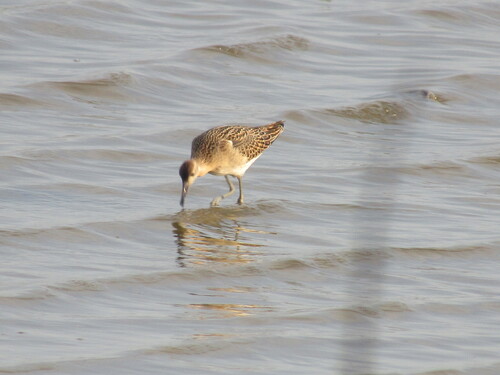
© SteveM4560 · CC BY · iNaturalist
Especies relacionadasRelated species
Otras aves de la familia Scolopacidae y de órdenes cercanos.Other birds from the Scolopacidae family and nearby orders.
- ÉpicoEpic
 Correlimos falcineloBroad-billed SandpiperCalidris falcinellus
- LegendarioLegendary
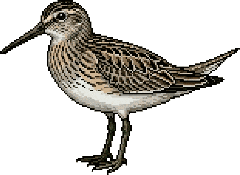 Correlimos acuminadoSharp-tailed SandpiperCalidris acuminata
- LegendarioLegendary
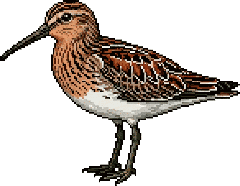 Correlimos zancolínStilt SandpiperCalidris himantopus
- Poco comúnUncommon
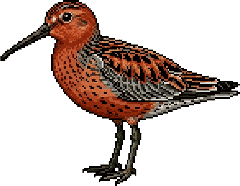 Correlimos zarapitínCurlew SandpiperCalidris ferruginea
- Poco comúnUncommon
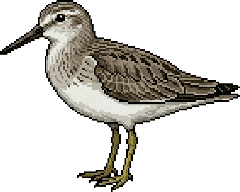 Correlimos de TemminckTemminck's StintCalidris temminckii
- LegendarioLegendary
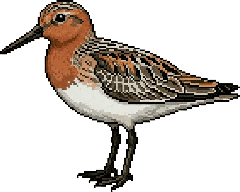 Correlimos cuellirrojoRed-necked StintCalidris ruficollis
- Poco comúnUncommon
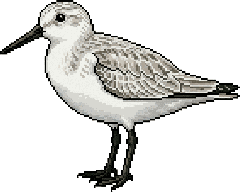 Correlimos tridáctiloSanderlingCalidris alba
- Poco comúnUncommon
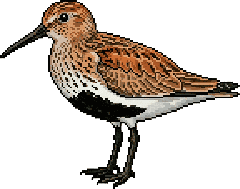 Correlimos comúnDunlinCalidris alpina
 Gratis, sin anuncios ni comprasFree, no ads, no purchases