 BirdPedy
Correlimos grandeGreat Knot
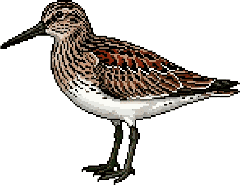
Reporte de rarezaRarity report
Por qué es legendarioWhy it is legendaryRareza asiática de gran tamaño proveniente del Extremo Oriente. Su observación accidental en humedales o marismas del continente europeo es un acontecimiento excepcional de carácter legendario.Large Asian rarity from the Far East. An accidental sighting in wetlands or marshes of mainland Europe is an exceptional, legendary event.
- En la appIn the app
- Agosto a noviembreAugust to November
- EnvergaduraWingspan
- 62-66 cm62-66 cm
- LongitudLength
- 26-28 cm26-28 cm
- Lista Roja de EspañaSpanish Red List
- NE No evaluada en EspañaNot assessed in Spain

IdentificaciónIdentification
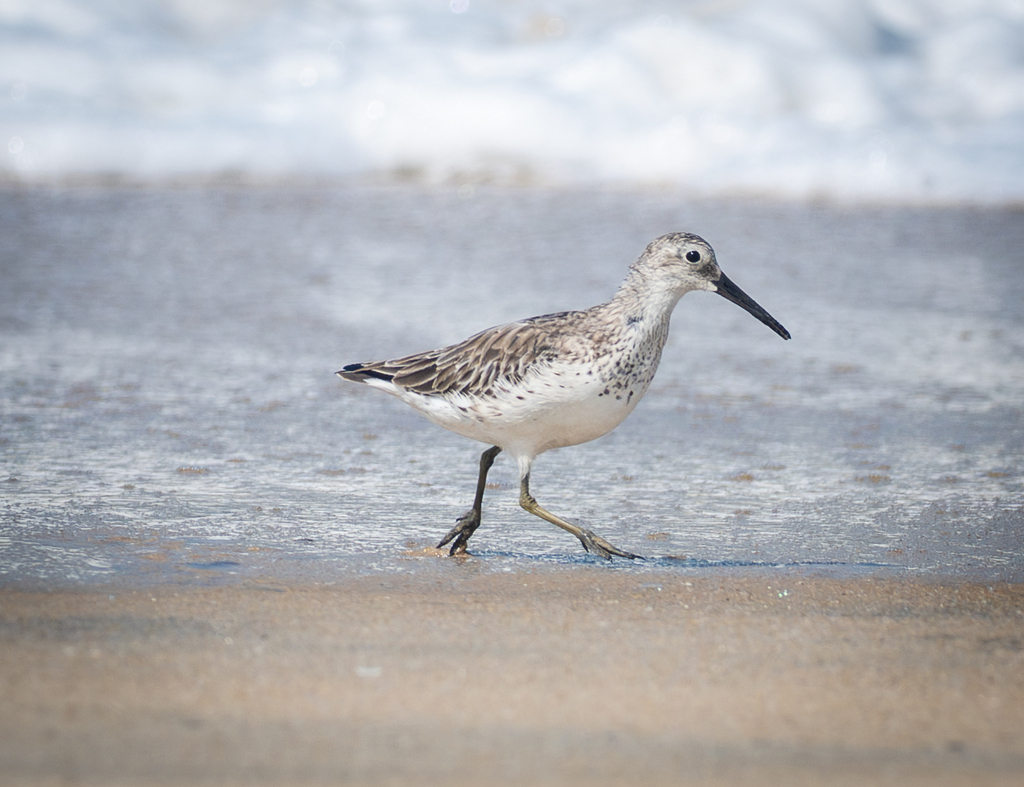
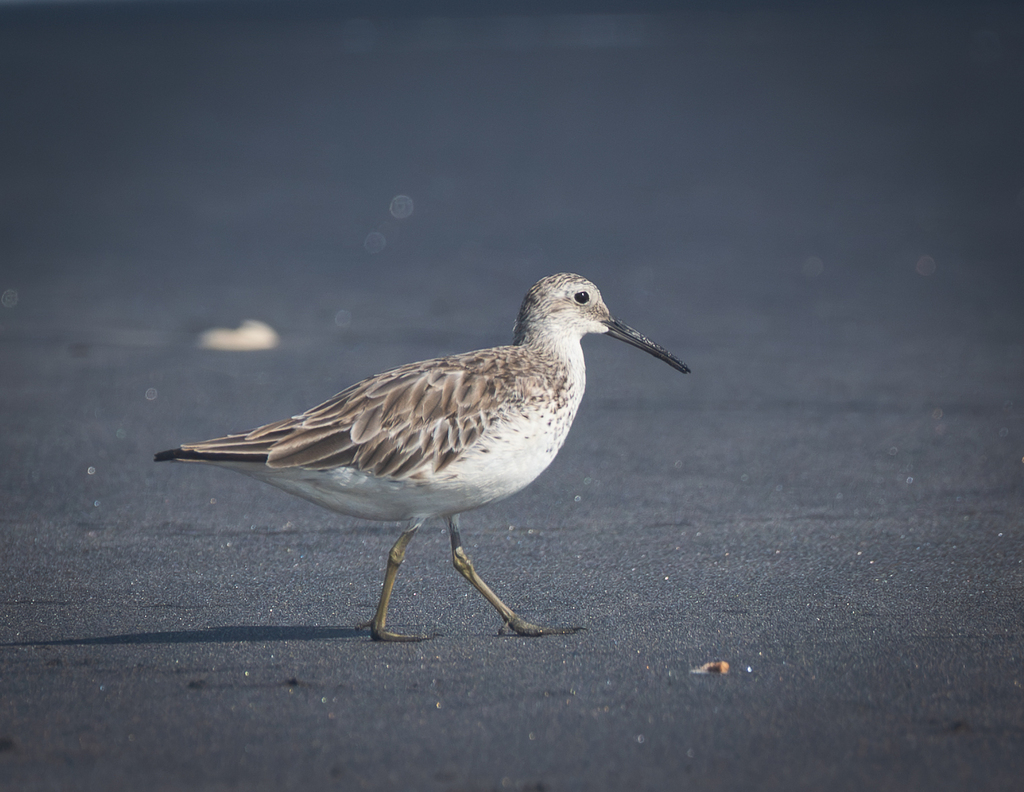
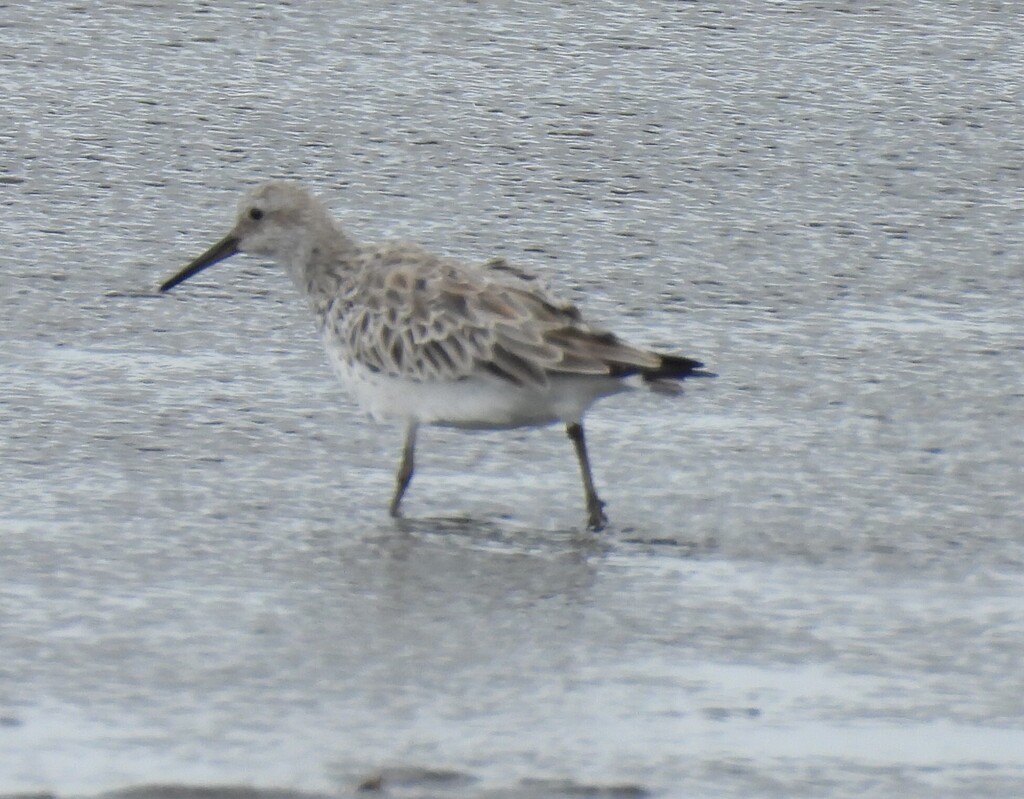
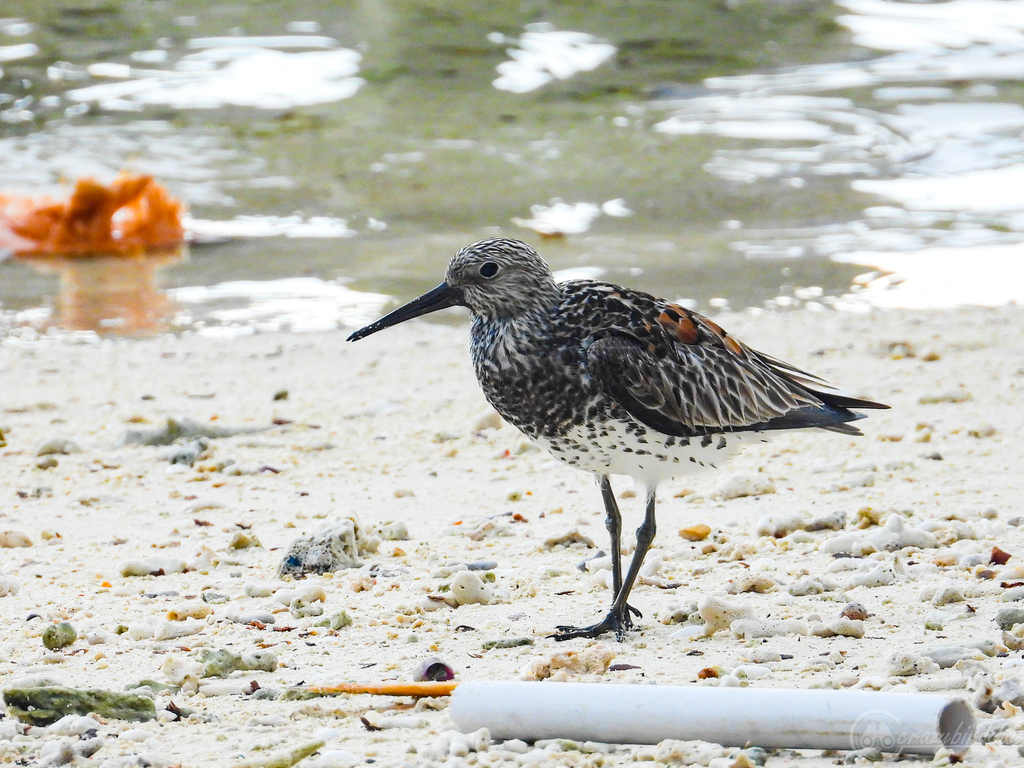
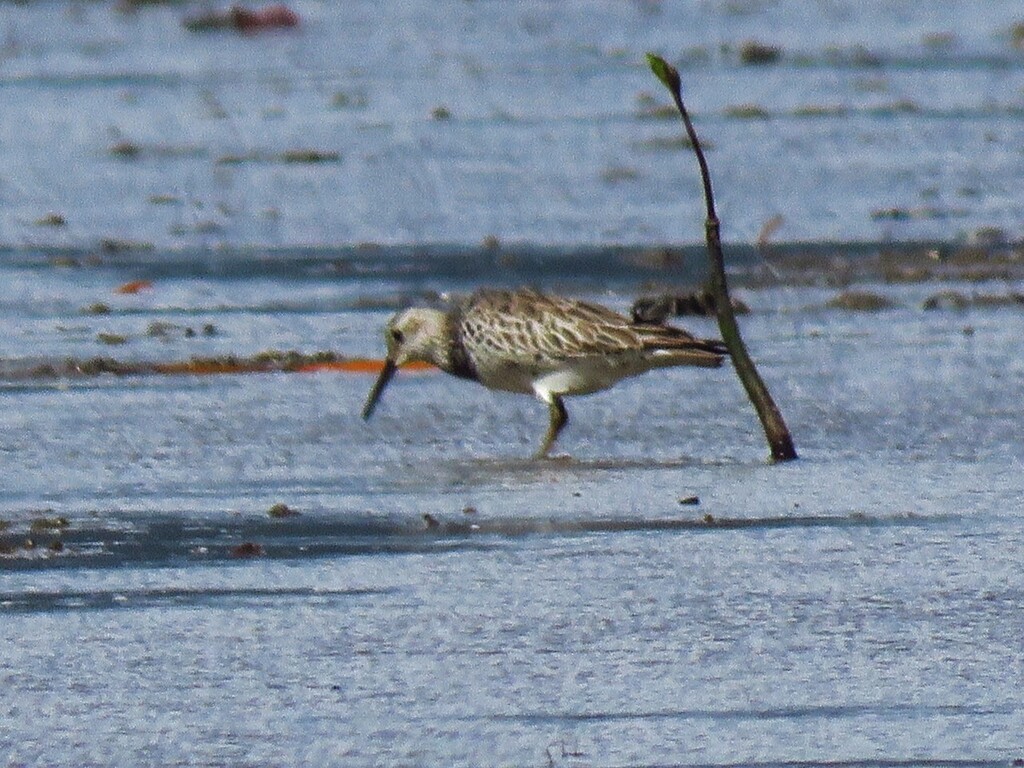
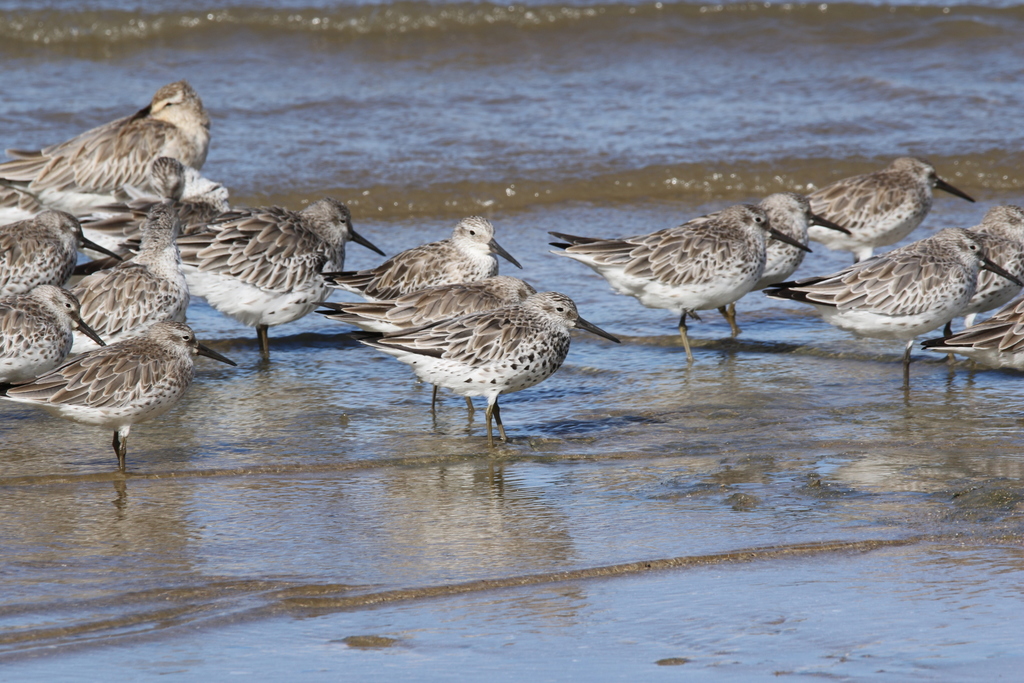
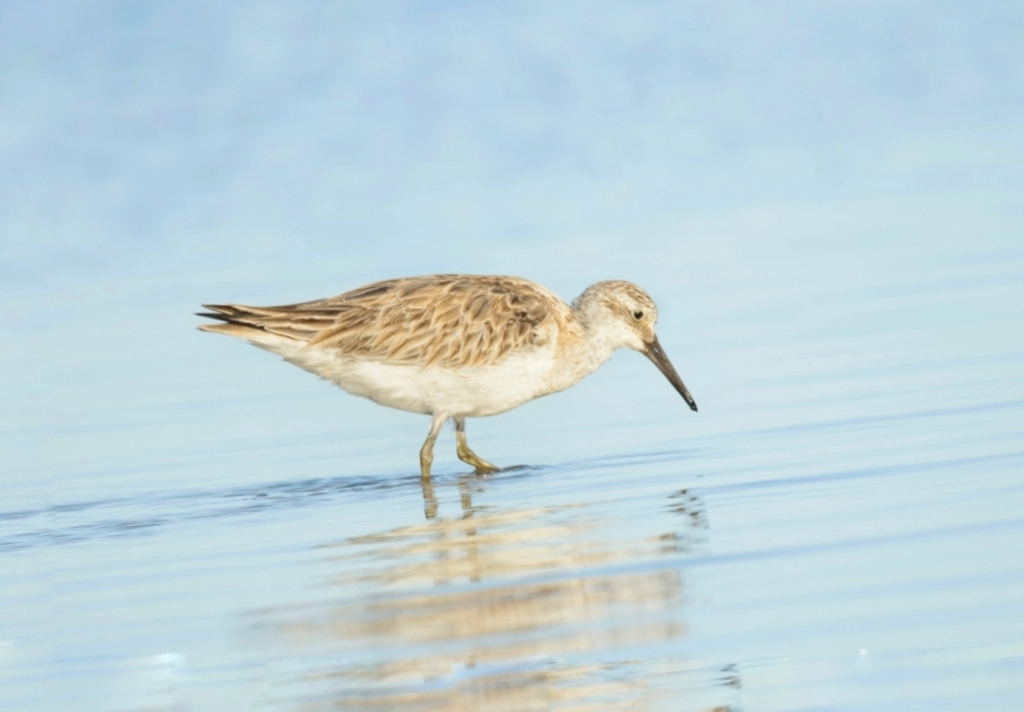
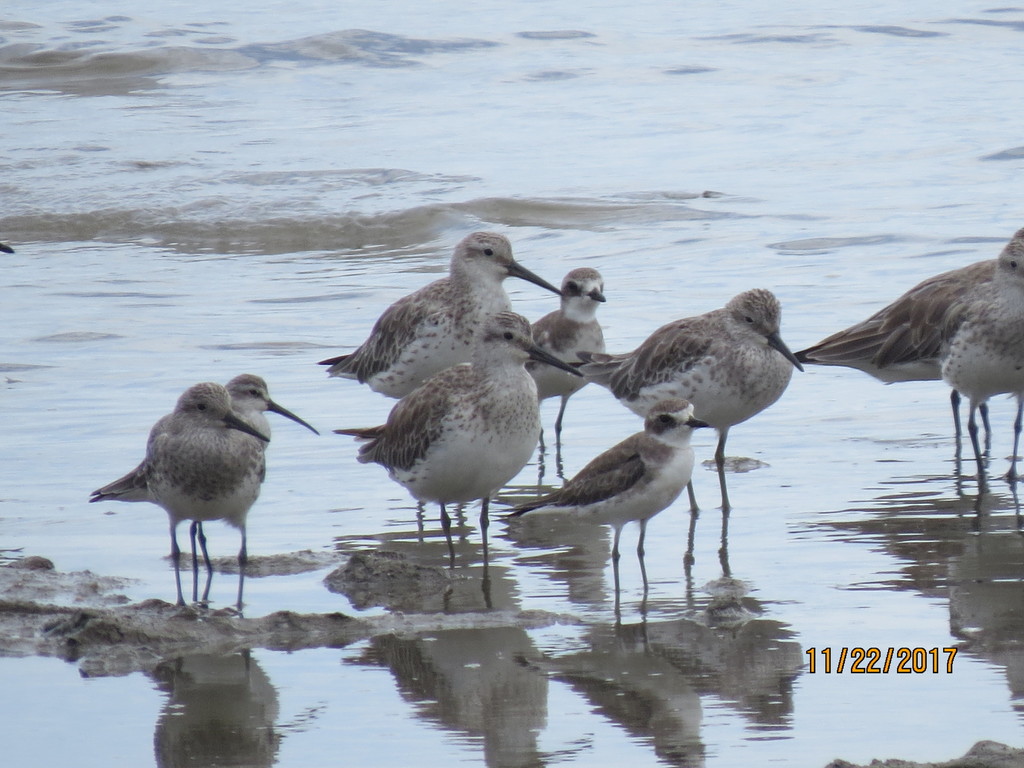
El correlimos grande es mayor incluso que el correlimos gordo, al que recuerda, aunque tiene el pico mayor y las alas más largas, por lo que plegadas sobrepasan claramente el extremo de la cola. Además no muestra partes inferiores rojizas en plumaje estival (solo las escapulares). Por su parte, los jóvenes y adultos no reproductores se diferencian de sus congéneres por presentar un denso moteado negro en el pecho y los flancos y por carecer de lista superciliar.A large Shorebird, larger even than the Red Knot. It has a relatively long, robust bill and very long wings that project past the tail in repose. In summer, it is unique for having a very dark, heavily spotted breast and flanks, and chestnut-red scapular feathers. In winter, it is a uniform gray with a pale face. It originates from the Siberian Arctic and traditionally winters in Southeast Asia and Australia.
DistribuciónDistribution
Se conocen muy pocas citas de este correlimos en el oeste del Paleártico, apenas una docena, que en general se producen entre agosto y noviembre. La primera tuvo lugar en España, concretamente en el delta del Ebro (Cataluña) el 7 de abril de 1979.Very rare accidental visitor from Siberia/Asia. The first European record was in the Ebro Delta (1979). Only a handful of records since then across Europe.
Textos reproducidos con permiso de laTexts translated and reproduced with permission from the Guía de Aves de España © SEO/BirdLife
Estado de conservaciónConservation Status
- EX
- RE
- CR
- EN
- VU
- NT
- LC
NE
No evaluada en EspañaNot assessed in Spain
Sin categoría en el Libro Rojo de las Aves de España 2021No category in the Red Book of the Birds of Spain 2021
Qué significa cada categoríaWhat each category means
- LC
- Preocupación menor: Taxón evaluado que no califica para categorías amenazadas. Especies abundantes y ampliamente distribuidasLeast Concern - Evaluated taxon that does not qualify for threatened categories. Widespread and abundant taxa
- NT
- Casi amenazada: No califica actualmente como amenazada, pero está cerca de calificar o es probable que califique en el futuro cercanoNear Threatened - Does not currently qualify as threatened, but is close to qualifying or likely to qualify in the near future
- VU
- Vulnerable: Enfrenta un alto riesgo de extinción en estado silvestre según los criterios A a E de IUCNVulnerable - Facing a high risk of extinction in the wild based on IUCN criteria A to E
- EN
- En peligro: Enfrenta un riesgo muy alto de extinción en estado silvestre según los criterios A a E de IUCNEndangered - Facing a very high risk of extinction in the wild based on IUCN criteria A to E
- CR
- En peligro crítico: Enfrenta un riesgo extremadamente alto de extinción en estado silvestre según los criterios A a E de IUCNCritically Endangered - Facing an extremely high risk of extinction in the wild based on IUCN criteria A to E
- DD
- Datos insuficientes: Información inadecuada para evaluar el riesgo de extinción basándose en distribución o estado poblacionalData Deficient - Inadequate information to assess extinction risk based on distribution and/or population status
- NE
- No evaluada: No ha sido evaluada aún contra los criterios de la Lista Roja de IUCNNot Evaluated - Has not yet been assessed against the IUCN Red List criteria
- RE
- Extinta regionalmente: El taxón ya no existe en la región específica, aunque puede sobrevivir en otros lugaresRegionally Extinct - Taxon no longer exists in the specific region, though it may survive elsewhere
- EX
- Extinta - No existe duda razonable de que ha muerto el último individuo del taxónExtinct - No reasonable doubt that the last individual of the taxon has died
TaxonomíaTaxonomy
- OrdenOrder
- Charadriiformes
- FamiliaFamily
- Scolopacidae
Presencia en EspañaPresence in Spain
- De pasoPassage migrant
- OcasionalOccasional
En la app: agosto a noviembre.In the app: August to November.
Revisión científica de BirdPedyBirdPedy scientific review
Revisada por BirdPedy el 28/10/2026 ·Reviewed by BirdPedy on 28 October 2026 · Cómo revisamosHow we review
RarezaRarity
ReferenciasReferences
- GBIF.org (23/10/2026). Descarga de registros de aves de España, 2020-2024, con el día y la cuadrícula de 10 km de cada uno, para contar ocasiones y días.GBIF.org (23 October 2026). Occurrence download of birds in Spain, 2020-2024, with the day and 10 km square of each record, to count occasions and days. doi.org/10.15468/dl.bqdmdt
- GBIF.org (23/10/2026). Descarga de registros de aves de España, 2020-2024 (Observation.org, eBird, iNaturalist e ICO).GBIF.org (23 October 2026). Occurrence download of birds in Spain, 2020-2024 (Observation.org, eBird, iNaturalist and ICO). doi.org/10.15468/dl.r5sf2a
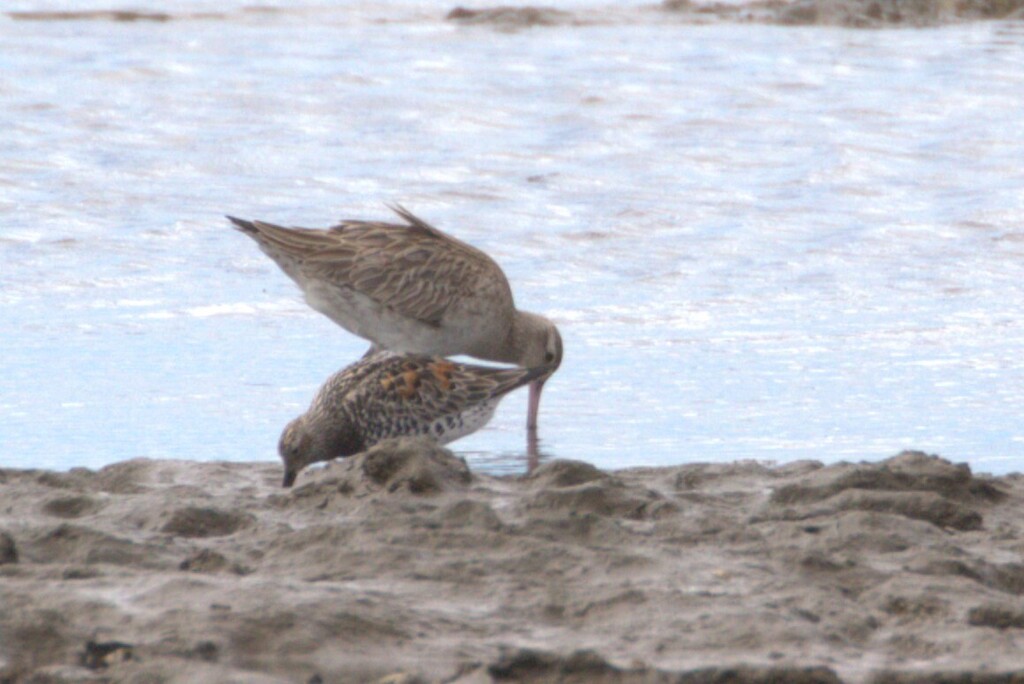
GaleríaGallery
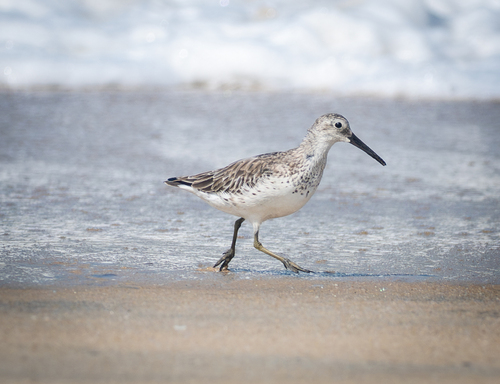
© white_cheeked_barbet · CC BY · iNaturalist 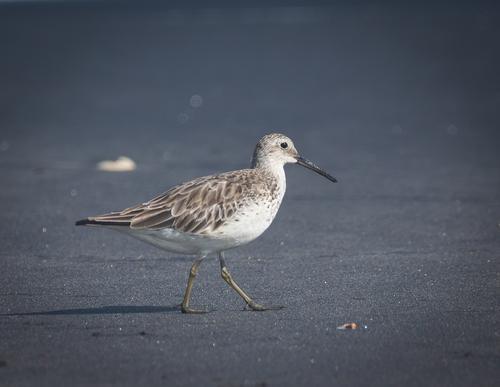
© white_cheeked_barbet · CC BY · iNaturalist 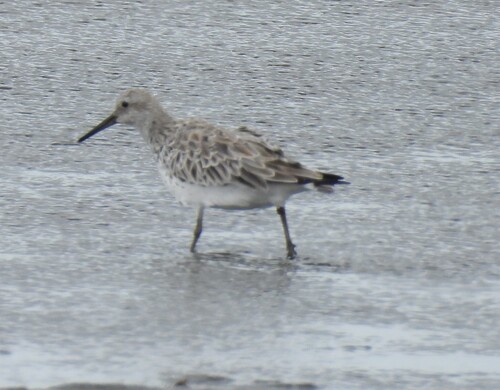
© Mark Clarke · CC BY · iNaturalist 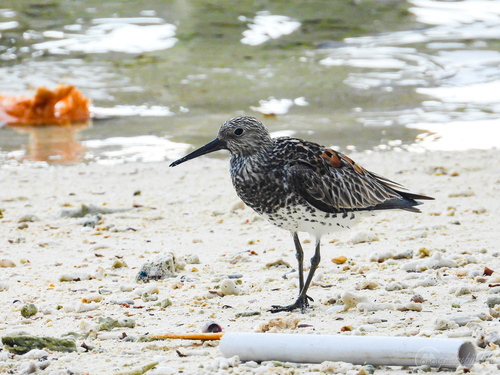
© ꦥꦤ꧀ꦗꦶꦒꦸꦱ꧀ꦠꦶꦄꦏ꧀ꦧꦂ · CC BY · iNaturalist 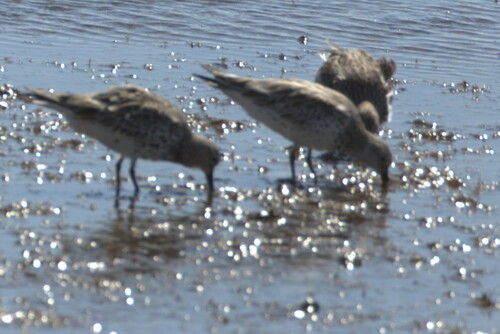
© Martin Rady · CC BY · iNaturalist 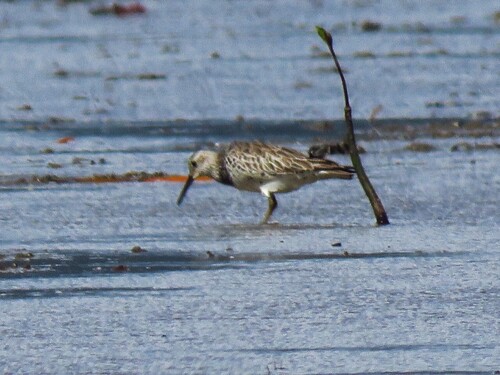
© Annika Lindqvist · CC BY · iNaturalist 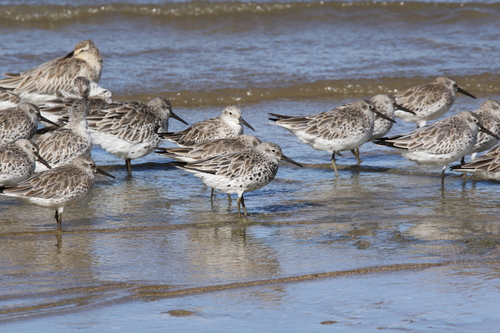
© Donald Hobern · CC BY · iNaturalist 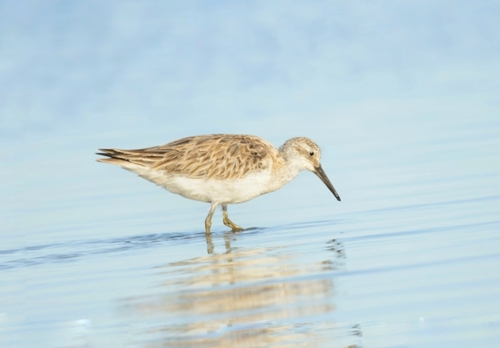
© Afsar Nayakkan · CC BY · iNaturalist 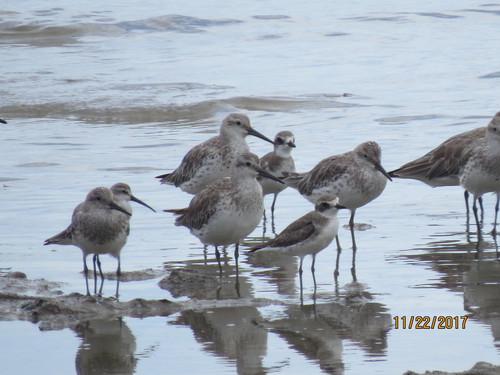
© Rob Foster · CC BY · iNaturalist 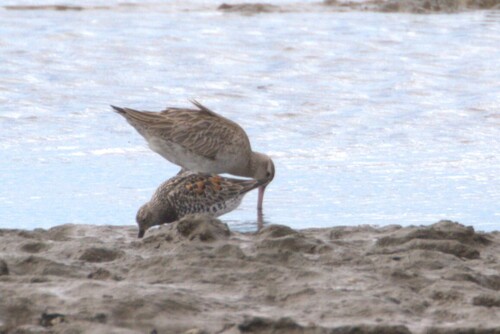
© Martin Rady · CC BY · iNaturalist
Especies relacionadasRelated species
Otras aves de la familia Scolopacidae y de órdenes cercanos.Other birds from the Scolopacidae family and nearby orders.
- Poco comúnUncommon
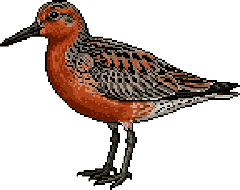 Correlimos gordoRed KnotCalidris canutus
- Poco comúnUncommon
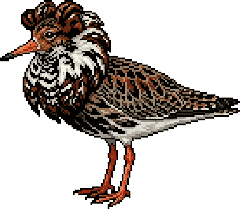 CombatienteRuffCalidris pugnax
- ÉpicoEpic
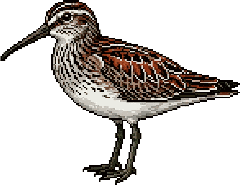 Correlimos falcineloBroad-billed SandpiperCalidris falcinellus
- LegendarioLegendary
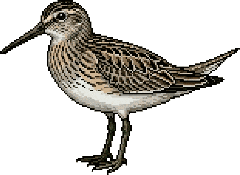 Correlimos acuminadoSharp-tailed SandpiperCalidris acuminata
- LegendarioLegendary
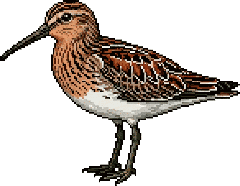 Correlimos zancolínStilt SandpiperCalidris himantopus
- Poco comúnUncommon
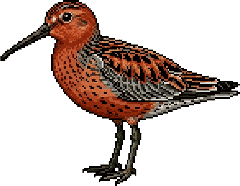 Correlimos zarapitínCurlew SandpiperCalidris ferruginea
- Poco comúnUncommon
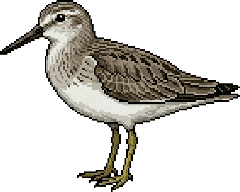 Correlimos de TemminckTemminck's StintCalidris temminckii
- LegendarioLegendary
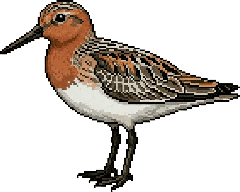 Correlimos cuellirrojoRed-necked StintCalidris ruficollis
 Gratis, sin anuncios ni comprasFree, no ads, no purchases