 BirdPedy
Urraca comúnEurasian Magpie
En 48 provincias en febrero y en 47 en eneroIn 48 provinces in February and 47 in January
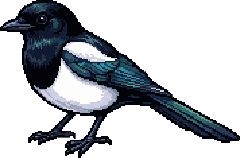
Reporte de rarezaRarity report
Por qué es comúnWhy it is commonUno de los córvidos más adaptables y omnipresentes de España. Ocupa todo tipo de medios abiertos, zonas agrícolas y entornos urbanos con una distribución masiva.One of the most adaptable and ever-present corvids in Spain. It occupies all kinds of open habitats, farmland and towns, and is found almost everywhere.
Cada carrizo es un mes: su altura, las provincias con registros de 2020 a 2024.Each reed is a month: its height, the provinces with records from 2020 to 2024.- Provincias con registrosProvinces with records
- 48 de 52of 52
- En la appIn the app
- Todo el añoAll year
- EnvergaduraWingspan
- 52-60 cm52-60 cm
- LongitudLength
- 40-51 cm40-51 cm
- Lista Roja de EspañaSpanish Red List
- LC Preocupación menorLeast Concern

Información generalGeneral Information
La urraca es el córvido más abundante y extendido en la Península, donde cuenta con poblaciones que, si bien han ido en claro aumento hasta principios de siglo, durante los últimos tiempos ha pasado a estabilizarse e, incluso a iniciar un moderado declive. Aunque en el pasado fue muy perseguida por sus supuestos daños a la caza y a los cultivos, la urraca ha alcanzado un notable éxito por su capacidad para adaptarse a los ambientes más humanizados.The Eurasian Magpie is a masterpiece of adaptation. It is one of the few animals (and the only bird so far) proven to recognize itself in a mirror, a sign of high self-awareness. While once persecuted as a 'pest,' it is a vital part of the ecosystem as both a predator and a scavenger. It builds large, domed stick nests that are often reused by other species like long-eared owls and kestrels.
IdentificaciónIdentification
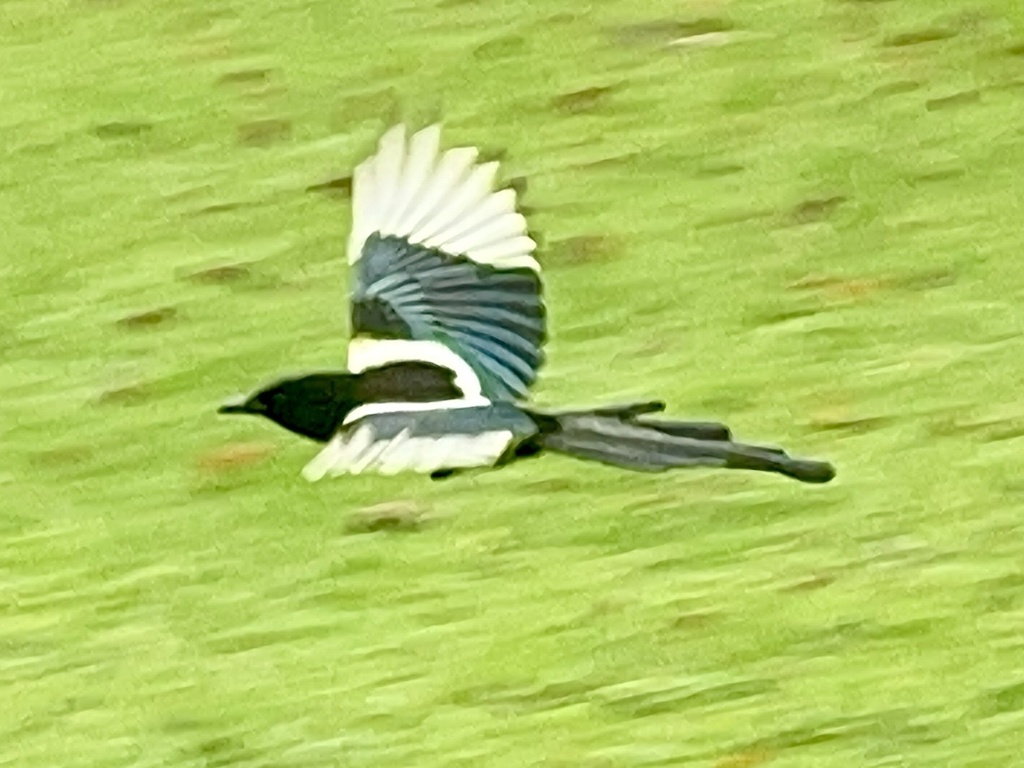
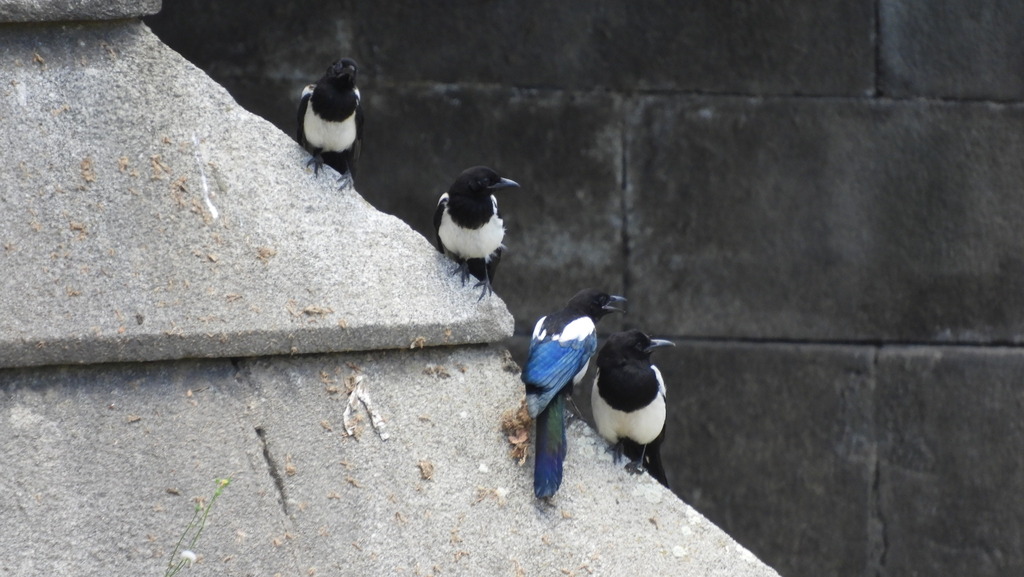
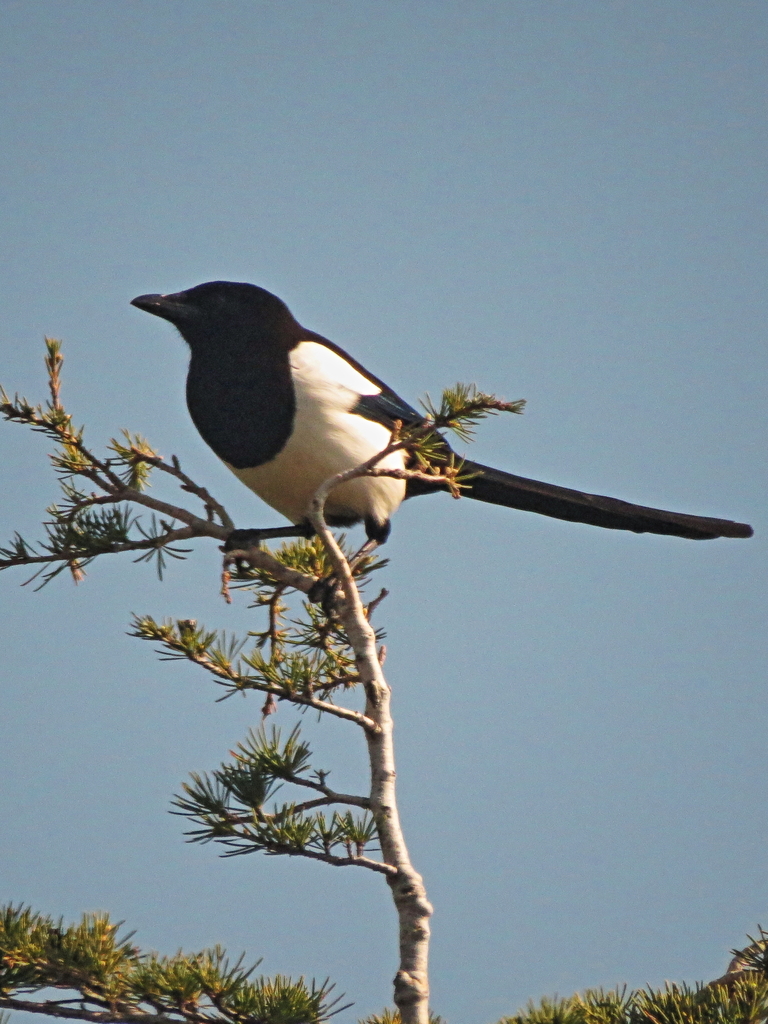
La urraca es una de las más conocidas especies de la fauna española, circunstancia a la que contribuyen no solo su inconfundible aspecto, sino también unos hábitos poco recatados y su capacidad de instalarse en hábitats muy transformados, incluido el interior de las grandes ciudades. Especie de tamaño intermedio entre los córvidos, la urraca luce un llamativo y característico plumaje blanquinegro, que adquiere bellas irisaciones en diferentes zonas, sobre todo en las plumas caudales. Cuando se desplaza resulta también fácilmente identificable, además de por su diseño cromático, por poseer una silueta característica y un vuelo ondulante durante el cual bate espasmódicamente las alas. Extremadamente inteligente, la urraca es hasta la fecha el único ave que ha demostrado ser capaz de reconocer su propia imagen frente a un espejo.One of the most recognizable birds in Spain. It has a bold black-and-white plumage with a very long, wedge-shaped tail. While it looks black at a distance, its wings and tail show beautiful green, blue, and purple metallic iridescence in good light. It has a robust black bill and a noisy, chattering call. It is famously intelligent and adaptable, equally at home in urban parks, farmland, and mountain edges.
DistribuciónDistribution
Está distribuida prácticamente por toda la Península, donde es una de las especies más comunes y repartidas. Falta, sin embargo, en ambos archipiélagos y en las plazas norteafricanas. Resulta particularmente abundante en la mitad norte, mientras que las menores densidades se registran en la franja mediterránea levantina, Cádiz, Málaga y el valle del Guadalquivir, áreas en las que, incluso, llega a estar ausente por completo. En España está presente la subespecie melanotos.Widespread and abundant across almost the entire Peninsula. Absent only from the two archipelagos, Ceuta, and Melilla. Scarce or missing in parts of the southeast coast and the most humid core of the Cantabrian strip. Subspecies 'melanotos'.
Textos reproducidos con permiso de laTexts translated and reproduced with permission from the Guía de Aves de España © SEO/BirdLife
Estado de conservaciónConservation Status
- EX
- RE
- CR
- EN
- VU
- NT
- LC
Preocupación menorLeast Concern
Qué significa cada categoríaWhat each category means
- LC
- Preocupación menor: Taxón evaluado que no califica para categorías amenazadas. Especies abundantes y ampliamente distribuidasLeast Concern - Evaluated taxon that does not qualify for threatened categories. Widespread and abundant taxa
- NT
- Casi amenazada: No califica actualmente como amenazada, pero está cerca de calificar o es probable que califique en el futuro cercanoNear Threatened - Does not currently qualify as threatened, but is close to qualifying or likely to qualify in the near future
- VU
- Vulnerable: Enfrenta un alto riesgo de extinción en estado silvestre según los criterios A a E de IUCNVulnerable - Facing a high risk of extinction in the wild based on IUCN criteria A to E
- EN
- En peligro: Enfrenta un riesgo muy alto de extinción en estado silvestre según los criterios A a E de IUCNEndangered - Facing a very high risk of extinction in the wild based on IUCN criteria A to E
- CR
- En peligro crítico: Enfrenta un riesgo extremadamente alto de extinción en estado silvestre según los criterios A a E de IUCNCritically Endangered - Facing an extremely high risk of extinction in the wild based on IUCN criteria A to E
- DD
- Datos insuficientes: Información inadecuada para evaluar el riesgo de extinción basándose en distribución o estado poblacionalData Deficient - Inadequate information to assess extinction risk based on distribution and/or population status
- NE
- No evaluada: No ha sido evaluada aún contra los criterios de la Lista Roja de IUCNNot Evaluated - Has not yet been assessed against the IUCN Red List criteria
- RE
- Extinta regionalmente: El taxón ya no existe en la región específica, aunque puede sobrevivir en otros lugaresRegionally Extinct - Taxon no longer exists in the specific region, though it may survive elsewhere
- EX
- Extinta - No existe duda razonable de que ha muerto el último individuo del taxónExtinct - No reasonable doubt that the last individual of the taxon has died
TaxonomíaTaxonomy
- OrdenOrder
- Passeriformes
- FamiliaFamily
- Corvidae
Presencia en EspañaPresence in Spain
- HabitualRegular
- ResidenteResident
En la app: todo el año.In the app: all year.
Revisión científica de BirdPedyBirdPedy scientific review
Revisada por BirdPedy el 28/10/2026 ·Reviewed by BirdPedy on 28 October 2026 · Cómo revisamosHow we review
HábitatsHabitats
BirdPedy usa 14 categorías de hábitat propias, con definiciones fijas, y apoya cada una en el texto de la ficha de seo.org [1] o, cuando no basta, en el III Atlas u otra fuente sobre España. En esta especie hay decisiones que se apartan de la ficha o que merecen explicación.
Añadimos “Cultivos leñosos”: en el II Atlas sus mayores densidades eran de olivares y encinares [2]. Mantenemos “Bosque mediterráneo”: en el II Atlas sus mayores densidades eran de olivares y encinares [2]. Mantenemos “Urbano y rural”: periferia de zonas habitadas y parques; hoy su densidad es máxima en ciudades y pueblos [2].
BirdPedy uses 14 habitat categories of its own, with fixed definitions, and supports each one with the text of the seo.org account [1] or, when that is not enough, with the III Atlas or another source on Spain. For this species, some decisions depart from the account or deserve an explanation.
We add “Woody crops”: in the II Atlas its highest densities were in olive groves and holm oak woods [2]. We keep “Mediterranean forest”: in the II Atlas its highest densities were in olive groves and holm oak woods [2]. We keep “Urban and rural”: outskirts of settlements and parks; today its density is highest in towns and villages [2].
ReferenciasReferences
- SEO/BirdLife. Guía de aves de seo.org, ficha: Urraca común (consultada el 23/10/2026).SEO/BirdLife. Bird guide on seo.org, Eurasian Magpie account (accessed 23 October 2026). seo.org
- Molina, B. et al. (eds.) (2022). III Atlas de las aves en época de reproducción en España, ficha: Urraca común. SEO/BirdLife. Madrid.Molina, B. et al. (eds.) (2022). III Atlas de las aves en época de reproducción en España (Atlas of breeding birds in Spain), Eurasian Magpie account. SEO/BirdLife. Madrid. atlasaves.seo.org
Dónde verlaWhere to see it
4.210 cuadrículas de 10 km con registros de 2020 a 2024. Toca un mes para ver dónde se ha visto.4,210 10 km squares with records from 2020 to 2024. Pick a month to see where it has been seen.
Cargando el mapa…Loading the map…
Dónde es regularWhere it is regular
Provincias con registros en al menos 3 de los 5 años algún mes, de más a menos frecuente, y sus mejores meses.Provinces with records in at least 3 of the 5 years in some month, from most to least frequent, and their best months.
- MadridMadridoctubre, enero, noviembreOctober, January, November
- BurgosBurgosenero, febrero, diciembreJanuary, February, December
- NavarraNavarraenero, febrero, diciembreJanuary, February, December
- ToledoToledoenero, febrero, marzoJanuary, February, March
- BarcelonaBarcelonaenero, diciembre, febreroJanuary, December, February
- OurenseOurenseenero, octubre, marzoJanuary, October, March
- ValladolidValladoliddiciembre, enero, febreroDecember, January, February
- LeónLeónenero, octubre, diciembreJanuary, October, December
- PalenciaPalenciafebrero, enero, diciembreFebruary, January, December
- ZaragozaZaragozaenero, diciembre, marzoJanuary, December, March
Ver las 47 provinciasSee all 47 provinces
- PontevedraPontevedraabril, marzo, febreroApril, March, February
- AsturiasAsturiasfebrero, enero, marzoFebruary, January, March
- GuadalajaraGuadalajaraenero, septiembre, diciembreJanuary, September, December
- Ciudad RealCiudad Realenero, diciembre, febreroJanuary, December, February
- ÁlavaÁlavaenero, octubre, diciembreJanuary, October, December
- LugoLugoenero, febrero, abrilJanuary, February, April
- VizcayaVizcayaenero, febrero, diciembreJanuary, February, December
- ValenciaValenciaoctubre, noviembre, eneroOctober, November, January
- CantabriaCantabriamarzo, abril, octubreMarch, April, October
- A CoruñaA Coruñafebrero, marzo, eneroFebruary, March, January
- LleidaLleidafebrero, marzo, eneroFebruary, March, January
- CastellónCastellónenero, diciembre, febreroJanuary, December, February
- SalamancaSalamancaoctubre, enero, noviembreOctober, January, November
- GranadaGranadanoviembre, marzo, febreroNovember, March, February
- La RiojaLa Riojadiciembre, enero, febreroDecember, January, February
- SegoviaSegoviaenero, diciembre, octubreJanuary, December, October
- SoriaSoriaenero, diciembre, noviembreJanuary, December, November
- JaénJaénenero, diciembre, septiembreJanuary, December, September
- HuelvaHuelvaoctubre, septiembre, noviembreOctober, September, November
- ÁvilaÁvilaenero, diciembre, octubreJanuary, December, October
- ZamoraZamoraenero, noviembre, diciembreJanuary, November, December
- AlbaceteAlbacetediciembre, febrero, octubreDecember, February, October
- AlmeríaAlmeríajulio, enero, octubreJuly, January, October
- GironaGironaoctubre, enero, febreroOctober, January, February
- TarragonaTarragonanoviembre, octubre, junioNovember, October, June
- BadajozBadajozoctubre, enero, diciembreOctober, January, December
- HuescaHuescaenero, febrero, marzoJanuary, February, March
- TeruelTeruelenero, diciembre, noviembreJanuary, December, November
- GuipúzcoaGuipúzcoamarzo, enero, febreroMarch, January, February
- CuencaCuencafebrero, marzo, octubreFebruary, March, October
- MurciaMurciaenero, octubre, diciembreJanuary, October, December
- CáceresCáceresenero, octubre, septiembreJanuary, October, September
- AlicanteAlicantenoviembre, marzo, febreroNovember, March, February
- CórdobaCórdobaagosto, julio, mayoAugust, July, May
- SevillaSevilladiciembre, enero, noviembreDecember, January, November
- CádizCádiznoviembre, febrero, junioNovember, February, June
- MálagaMálagamarzo, junio, julioMarch, June, July
Datos: registros en GBIF de 2020 a 2024 de Observation.org, eBird, iNaturalist y el ICO, descargados el 23/10/2026.Data: GBIF records from 2020 to 2024 from Observation.org, eBird, iNaturalist and the ICO, downloaded on 23/10/2026. GBIF.org (23 October 2026) GBIF Occurrence Download · doi:10.15468/dl.r5sf2a · CC BY-NC 4.0
GaleríaGallery

© bitsnbirds · CC BY · iNaturalist 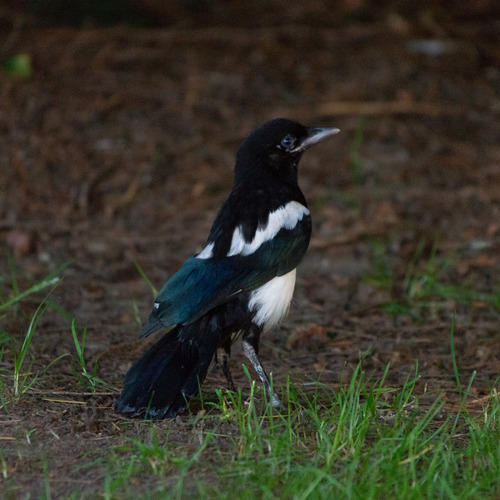
© euqirneto · CC BY · iNaturalist 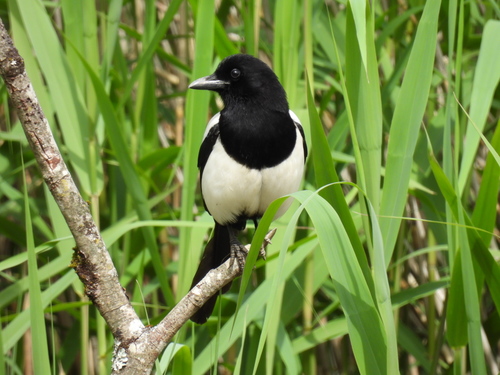
© Phil James · CC BY · iNaturalist 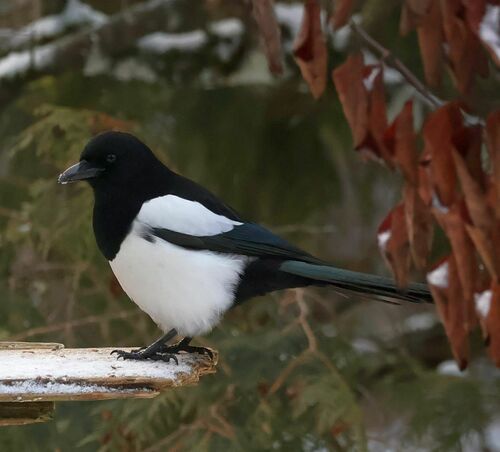
© Andrejus Gaidamavičius · CC BY · iNaturalist 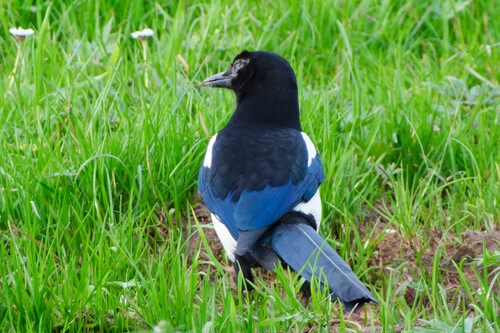
© David Kleuker · CC BY · iNaturalist 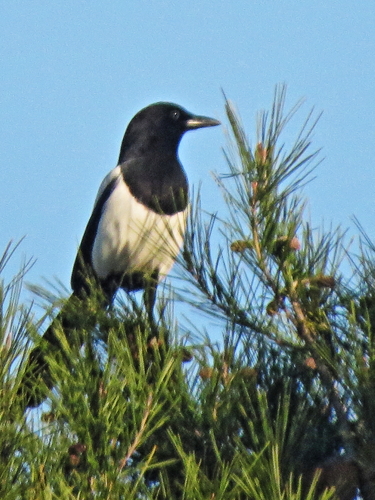
© Gianni Del Bufalo bygdb · CC BY · iNaturalist 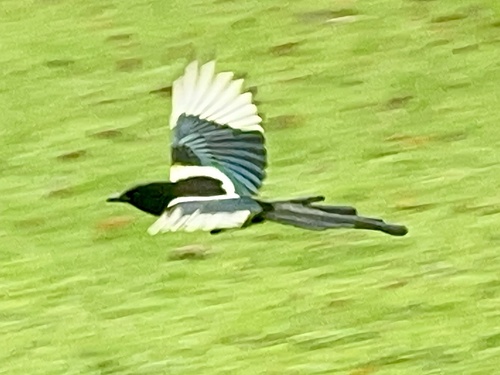
© Kieran Roy Powell · CC BY · iNaturalist 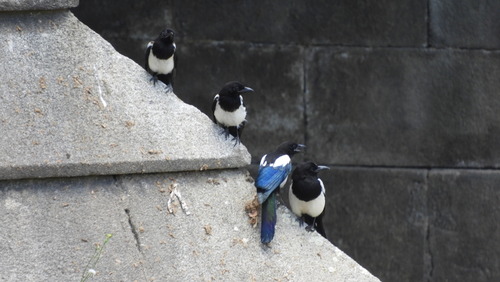
© Javier Sánchez Álvarez · CC BY · iNaturalist 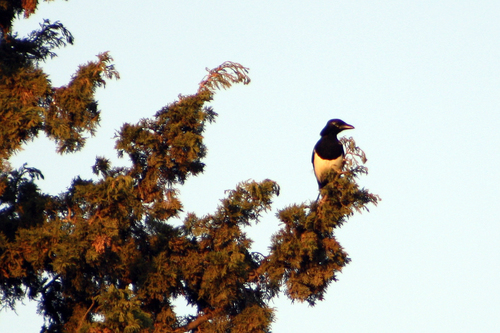
© Chris Taklis · CC BY · iNaturalist 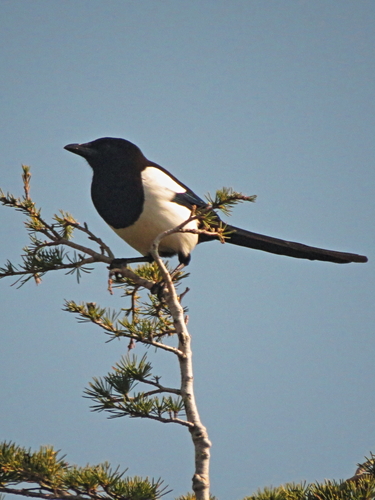
© Gianni Del Bufalo bygdb · CC BY · iNaturalist


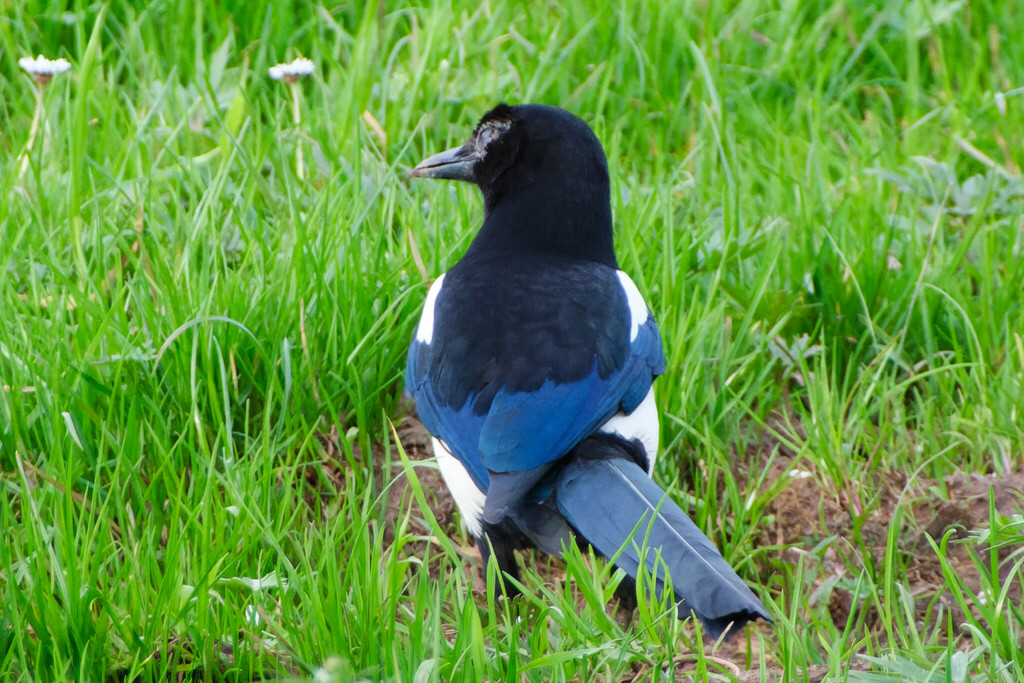
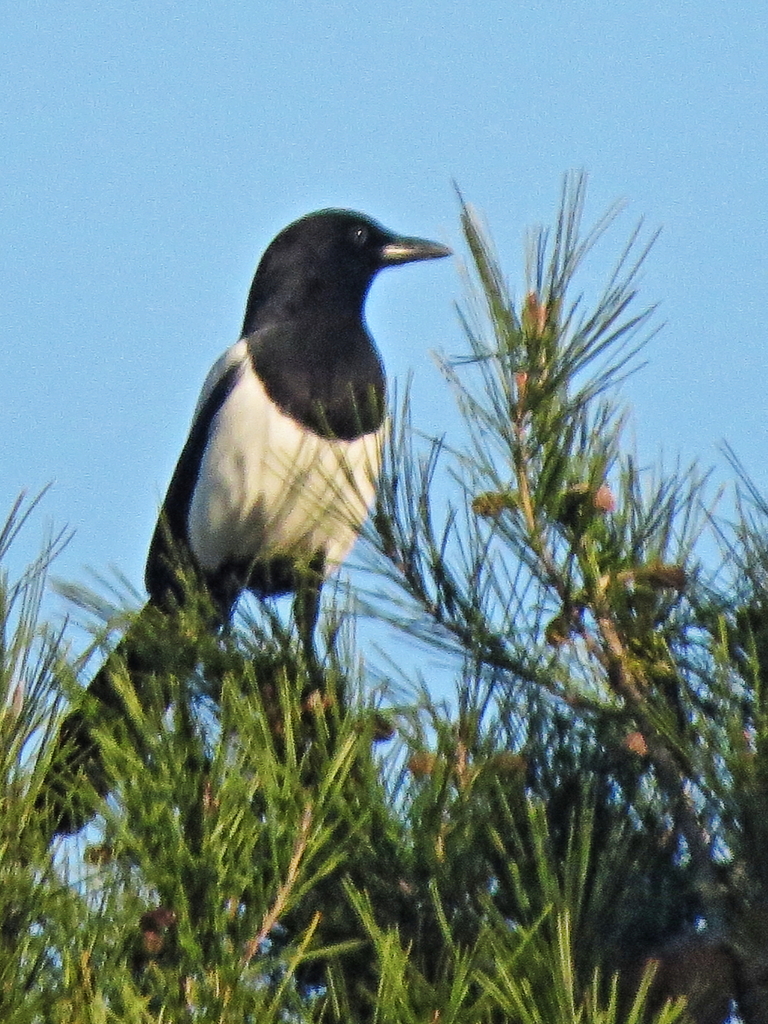
Especies relacionadasRelated species
Otras aves de la familia Corvidae y de órdenes cercanos.Other birds from the Corvidae family and nearby orders.
- Poco comúnUncommon
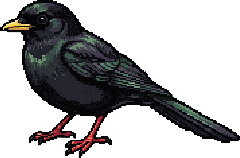 Chova piquigualdaAlpine ChoughPyrrhocorax graculus
- ComúnCommon
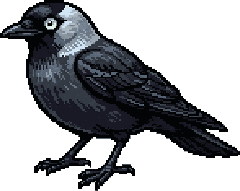 Grajilla occidentalEurasian JackdawCorvus monedula
- RaroRare
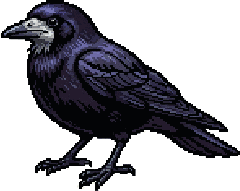 GrajaRookCorvus frugilegus
- ComúnCommon
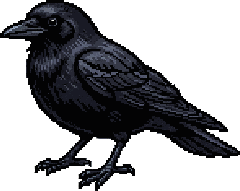 Corneja negraCarrion CrowCorvus corone
- ComúnCommon
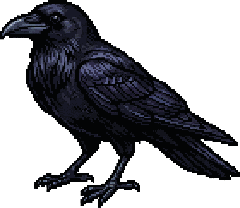 Cuervo grandeCommon RavenCorvus corax
- LegendarioLegendary
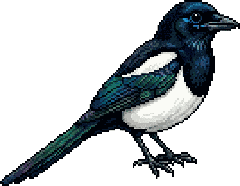 Urraca magrebíMaghreb MagpiePica mauritanica
- LegendarioLegendary
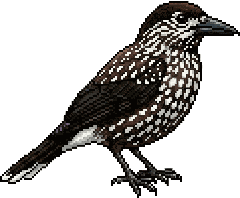 Cascanueces comúnSpotted NutcrackerNucifraga caryocatactes
- ComúnCommon
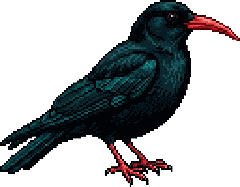 Chova piquirrojaRed-billed ChoughPyrrhocorax pyrrhocorax
 Gratis, sin anuncios ni comprasFree, no ads, no purchases