 BirdPedy
Chova piquirrojaRed-billed Chough
En 48 provincias en enero y en 46 en octubreIn 48 provinces in January and 46 in October
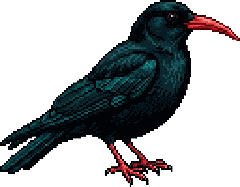
Reporte de rarezaRarity report
Por qué es comúnWhy it is commonLigada a cortados rocosos y dehesas de montaña. Gregaria y muy acrobática en el vuelo, reconocible por su reclamo chillón y patas rojas.Tied to cliffs and mountain dehesas. Gregarious and very acrobatic in flight, recognizable by its shrill call and red legs.
Cada carrizo es un mes: su altura, las provincias con registros de 2020 a 2024.Each reed is a month: its height, the provinces with records from 2020 to 2024.- Provincias con registrosProvinces with records
- 50 de 52of 52
- En la appIn the app
- Todo el añoAll year
- EnvergaduraWingspan
- 68-80 cm68-80 cm
- LongitudLength
- 37-41 cm37-41 cm
- Lista Roja de EspañaSpanish Red List
- NT Casi amenazadaNear Threatened

Información generalGeneral Information
Habitante de los tajos fluviales, de las escarpadas paredes altimontanas, de los roquedos serranos, de los acantilados costeros y, en general, de los más abruptos y ásperos parajes, la chova piquirroja es un ave acróbata y bastante sociable, que se alimenta fundamentalmente de invertebrados. Antaño frecuente en muchas zonas de nuestro territorio, la intensificación agrícola, el uso de plaguicidas y la pérdida de lugares de nidificación han hecho disminuir sensiblemente sus poblaciones.The Red-billed Chough is the 'acrobat' of our mountains. It is a social and highly intelligent bird that lives in the most rugged landscapes of Spain, from the highest Pyrenean peaks to the sea cliffs. In Spain, we have some of the most important populations in Europe. Unfortunately, it is declining due to changes in grazing habits and pesticides. Its energetic, playful flight over a mountain canyon is one of the most joyous sights in our nature. It is a symbol of our wild, high-altitude heritage.
IdentificaciónIdentification
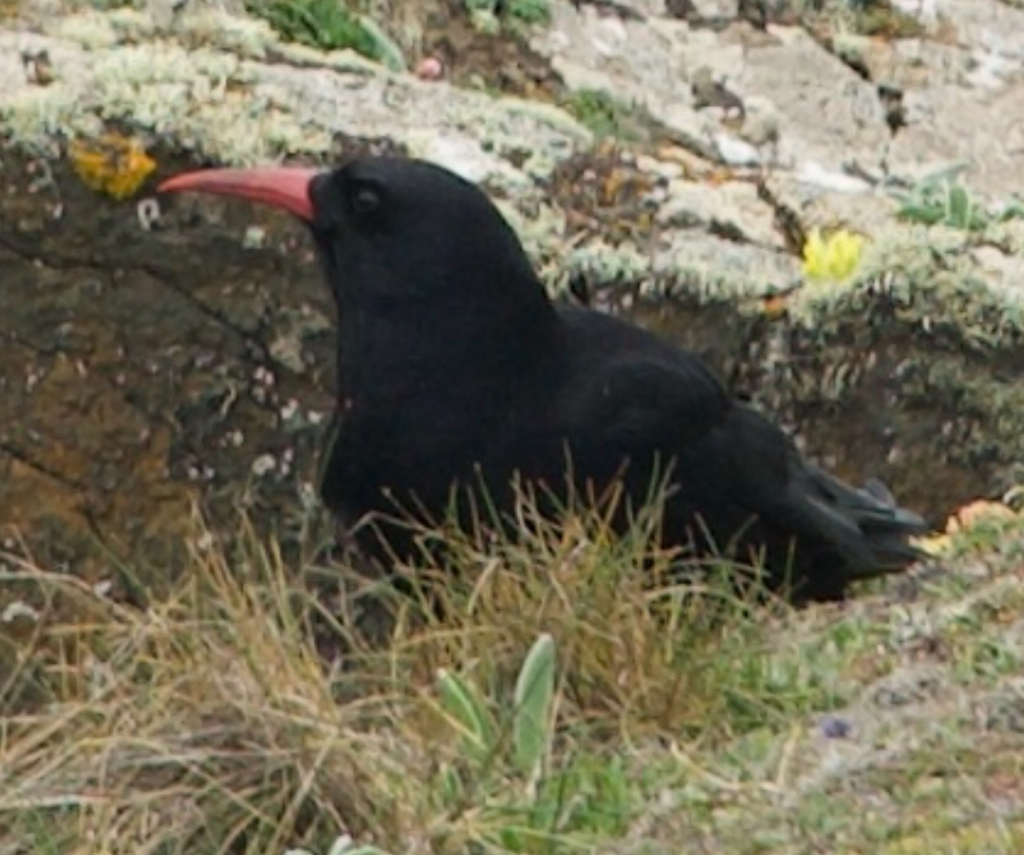
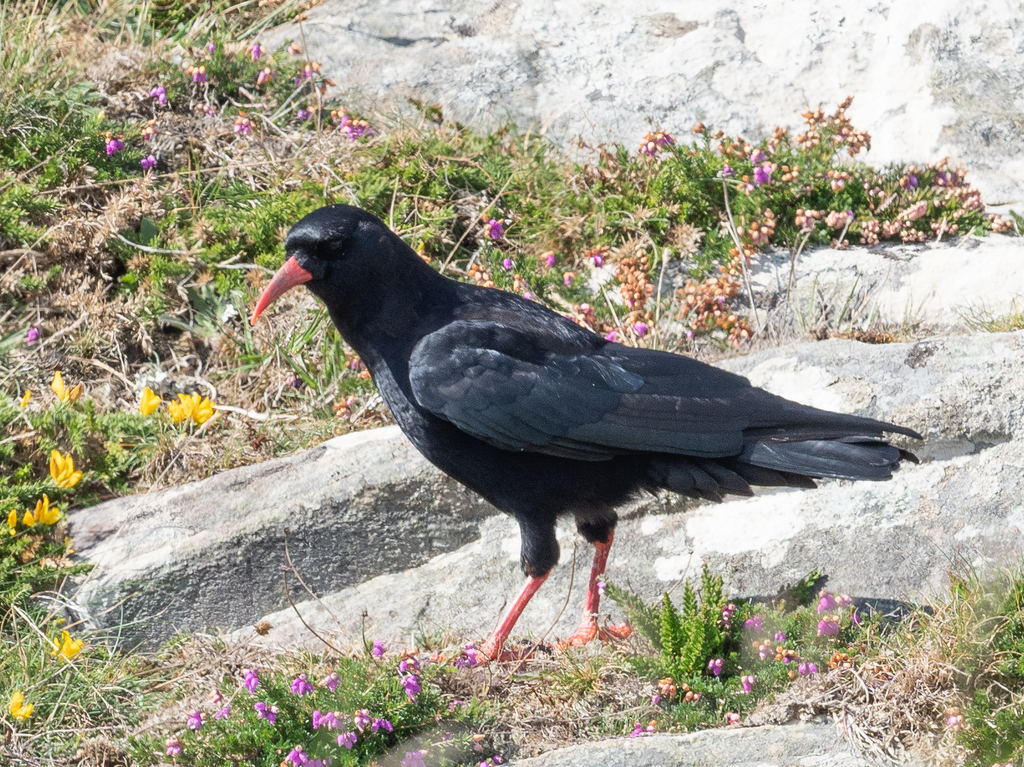
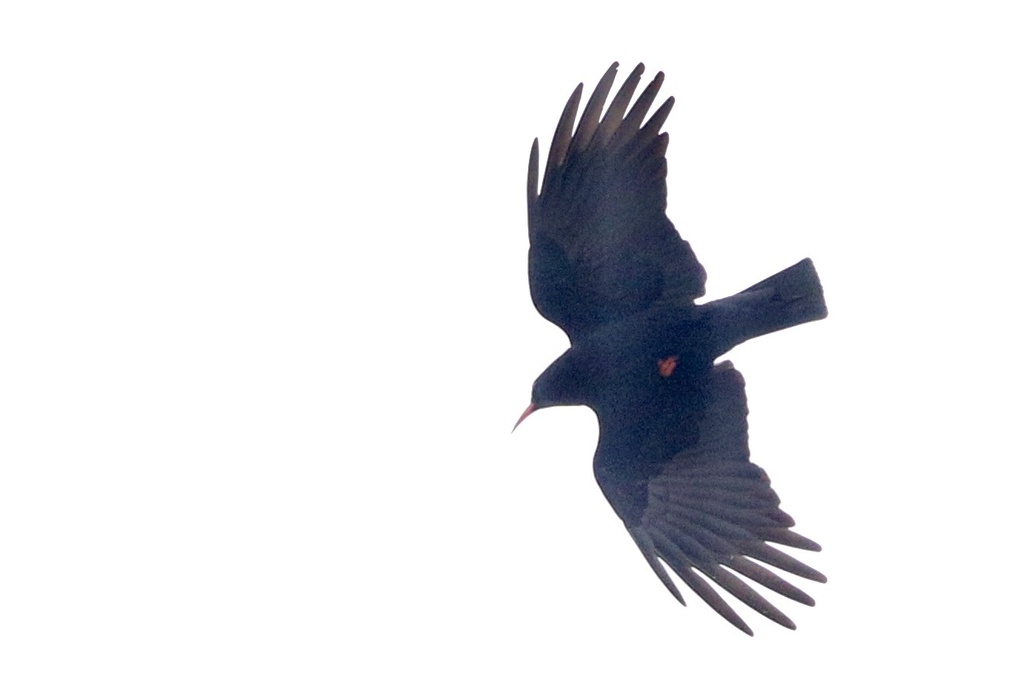
Este mediano córvido, de tamaño algo mayor que una grajilla, presenta un gran parecido con su cercano pariente la chova piquigualda, de la que se diferencia básicamente por tener el pico más alargado y curvo, con una intensa coloración rojiza. Este vivo color se adquiere durante el primer invierno de vida del ave, ya que en los jóvenes es de tonalidad amarillo-parduzca. Como resulta habitual en la familia, el plumaje es intensamente negro, adornado con irisaciones metálicas azules y verdosas. Aves gregarias y bulliciosas, suelen organizarse en multitudinarios bandos que sobrevuelan cortados y cárcavas, mientras realizan acrobáticas maniobras y picados. Durante estos vuelos lucen su característica silueta, en la que destacan unas alas anchas y profundamente digitadas. La cola es corta y cuadrangular.A medium-sized, glossy black crow with a diagnostic, long, curved, bright red bill. It has bright red legs. It is a master of acrobatic mountain flight, often performing high-speed dives and rolls. Its call is a loud, ringing 'chee-ow'. It is much more localized and specialized than the Jackdaw.
DistribuciónDistribution
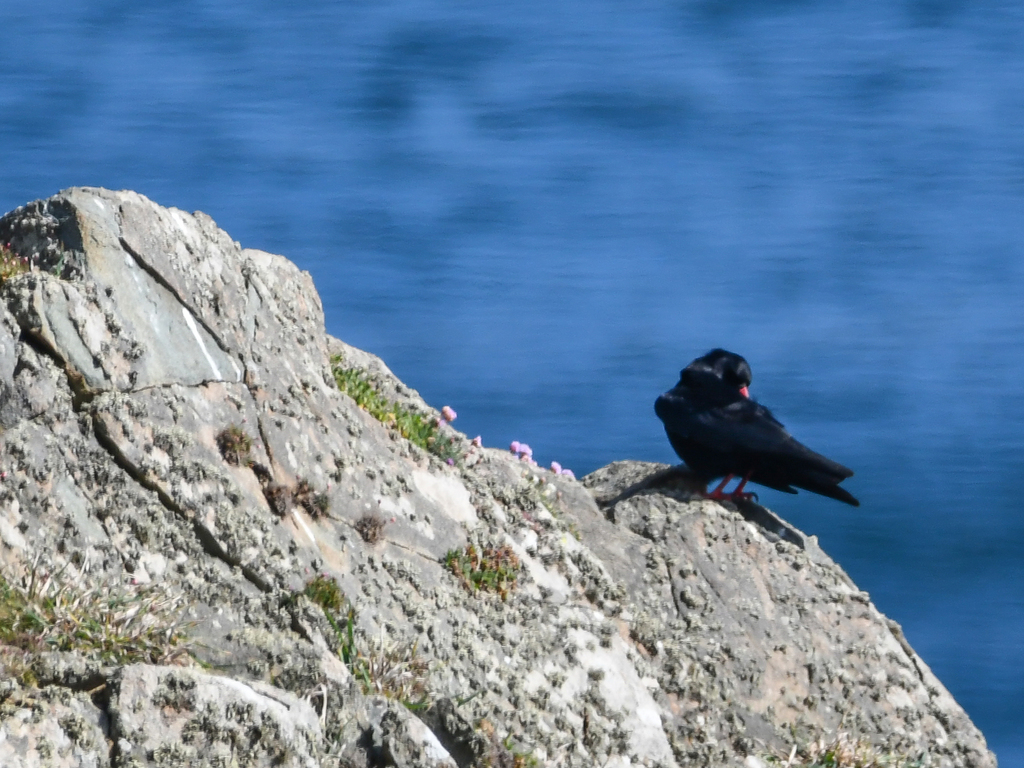
En nuestro territorio, este bello córvido se distribuye de forma bastante amplia, aunque resulta más común en las áreas montuosas y quebradas de los grandes macizos montañosos, así como en zonas costeras acantiladas de los litorales atlántico, cantábrico y levantino. En general, aparecen pequeñas poblaciones o parejas aisladas en casi todas las provincias, si bien la especie escasea en las grandes mesetas y depresiones cultivadas. No cría en Baleares, aunque aparece ocasionalmente, ni en Ceuta ni Melilla, pero sí en Canarias (actualmente solo en La Palma, tras desaparecer en Tenerife, La Gomera y El Hierro), donde se encuentra la subespecie barbarus. En la Península, por su parte, habita la subespecie erythrorhamphus.Common resident. Widespread across the Peninsula, favoring mountain ranges and sea cliffs. Absent from Baleares; resident in La Palma, Canarias (ssp. Barbarus).
Textos reproducidos con permiso de laTexts translated and reproduced with permission from the Guía de Aves de España © SEO/BirdLife
Estado de conservaciónConservation Status
- EX
- RE
- CR
- EN
- VU
- NT
- LC
Casi amenazadaNear Threatened
Qué significa cada categoríaWhat each category means
- LC
- Preocupación menor: Taxón evaluado que no califica para categorías amenazadas. Especies abundantes y ampliamente distribuidasLeast Concern - Evaluated taxon that does not qualify for threatened categories. Widespread and abundant taxa
- NT
- Casi amenazada: No califica actualmente como amenazada, pero está cerca de calificar o es probable que califique en el futuro cercanoNear Threatened - Does not currently qualify as threatened, but is close to qualifying or likely to qualify in the near future
- VU
- Vulnerable: Enfrenta un alto riesgo de extinción en estado silvestre según los criterios A a E de IUCNVulnerable - Facing a high risk of extinction in the wild based on IUCN criteria A to E
- EN
- En peligro: Enfrenta un riesgo muy alto de extinción en estado silvestre según los criterios A a E de IUCNEndangered - Facing a very high risk of extinction in the wild based on IUCN criteria A to E
- CR
- En peligro crítico: Enfrenta un riesgo extremadamente alto de extinción en estado silvestre según los criterios A a E de IUCNCritically Endangered - Facing an extremely high risk of extinction in the wild based on IUCN criteria A to E
- DD
- Datos insuficientes: Información inadecuada para evaluar el riesgo de extinción basándose en distribución o estado poblacionalData Deficient - Inadequate information to assess extinction risk based on distribution and/or population status
- NE
- No evaluada: No ha sido evaluada aún contra los criterios de la Lista Roja de IUCNNot Evaluated - Has not yet been assessed against the IUCN Red List criteria
- RE
- Extinta regionalmente: El taxón ya no existe en la región específica, aunque puede sobrevivir en otros lugaresRegionally Extinct - Taxon no longer exists in the specific region, though it may survive elsewhere
- EX
- Extinta - No existe duda razonable de que ha muerto el último individuo del taxónExtinct - No reasonable doubt that the last individual of the taxon has died
TaxonomíaTaxonomy
- OrdenOrder
- Passeriformes
- FamiliaFamily
- Corvidae
Presencia en EspañaPresence in Spain
- HabitualRegular
- ResidenteResident
En la app: todo el año.In the app: all year.
Dónde verlaWhere to see it
2.330 cuadrículas de 10 km con registros de 2020 a 2024. Toca un mes para ver dónde se ha visto.2,330 10 km squares with records from 2020 to 2024. Pick a month to see where it has been seen.
Cargando el mapa…Loading the map…
Dónde es regularWhere it is regular
Provincias con registros en al menos 3 de los 5 años algún mes, de más a menos frecuente, y sus mejores meses.Provinces with records in at least 3 of the 5 years in some month, from most to least frequent, and their best months.
- SegoviaSegovianoviembre, marzo, abrilNovember, March, April
- JaénJaénfebrero, marzo, octubreFebruary, March, October
- CantabriaCantabriajulio, mayo, junioJuly, May, June
- Santa Cruz de TenerifeSanta Cruz de Tenerifeoctubre, abril, agostoOctober, April, August
- HuescaHuescajulio, octubre, junioJuly, October, June
- AsturiasAsturiasagosto, junio, julioAugust, June, July
- TeruelTeruelmarzo, septiembre, mayoMarch, September, May
- ZaragozaZaragozamarzo, abril, octubreMarch, April, October
- LleidaLleidaseptiembre, abril, febreroSeptember, April, February
- GuadalajaraGuadalajaramarzo, abril, octubreMarch, April, October
Ver las 47 provinciasSee all 47 provinces
- NavarraNavarramarzo, octubre, abrilMarch, October, April
- GranadaGranadamayo, octubre, abrilMay, October, April
- MálagaMálagamayo, junio, octubreMay, June, October
- LeónLeónnoviembre, octubre, junioNovember, October, June
- CuencaCuencaoctubre, diciembre, noviembreOctober, December, November
- MurciaMurciamarzo, mayo, abrilMarch, May, April
- BurgosBurgosoctubre, diciembre, noviembreOctober, December, November
- AlbaceteAlbaceteoctubre, junio, agostoOctober, June, August
- SoriaSoriafebrero, diciembre, octubreFebruary, December, October
- ÁlavaÁlavajunio, mayo, marzoJune, May, March
- La RiojaLa Riojaoctubre, abril, mayoOctober, April, May
- PalenciaPalencianoviembre, julio, septiembreNovember, July, September
- Ciudad RealCiudad Realmarzo, noviembre, abrilMarch, November, April
- CastellónCastellónjunio, mayo, julioJune, May, July
- A CoruñaA Coruñamarzo, octubre, noviembreMarch, October, November
- VizcayaVizcayajunio, abril, mayoJune, April, May
- AlicanteAlicantejunio, mayo, marzoJune, May, March
- BadajozBadajozabril, mayo, marzoApril, May, March
- BarcelonaBarcelonajulio, junio, agostoJuly, June, August
- ValladolidValladolidmarzo, febrero, septiembreMarch, February, September
- AlmeríaAlmeríamayo, junio, julioMay, June, July
- CórdobaCórdobamarzo, abril, octubreMarch, April, October
- GironaGironajulio, junio, noviembreJuly, June, November
- ToledoToledomarzo, julio, abrilMarch, July, April
- MadridMadridmarzo, octubre, febreroMarch, October, February
- ÁvilaÁvilamayo, junio, marzoMay, June, March
- GuipúzcoaGuipúzcoajunio, julio, mayoJune, July, May
- CádizCádizjunio, mayo, abrilJune, May, April
- LugoLugooctubre, abril, septiembreOctober, April, September
- ValenciaValenciajunio, mayo, abrilJune, May, April
- OurenseOurensemayo, junio, julioMay, June, July
- SalamancaSalamancanoviembre, septiembre, junioNovember, September, June
- ZamoraZamoramayo, octubre, marzoMay, October, March
- SevillaSevillajunio, marzo, agostoJune, March, August
- CáceresCáceresmayo, marzo, abrilMay, March, April
- TarragonaTarragonaoctubre, diciembre, julioOctober, December, July
- HuelvaHuelvaseptiembre, febrero, abrilSeptember, February, April
Datos: registros en GBIF de 2020 a 2024 de Observation.org, eBird, iNaturalist y el ICO, descargados el 23/10/2026.Data: GBIF records from 2020 to 2024 from Observation.org, eBird, iNaturalist and the ICO, downloaded on 23/10/2026. GBIF.org (23 October 2026) GBIF Occurrence Download · doi:10.15468/dl.r5sf2a · CC BY-NC 4.0
GaleríaGallery
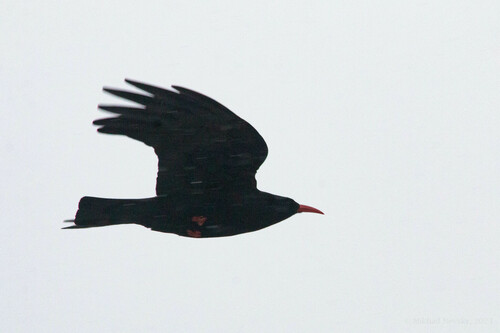
© Mikhail Nevsky · CC BY · iNaturalist 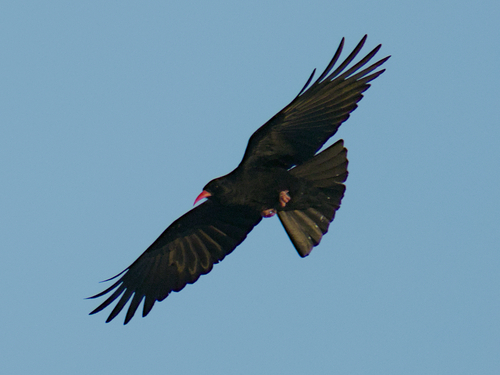
© Cristian Hurtado Cusnir · CC BY · iNaturalist 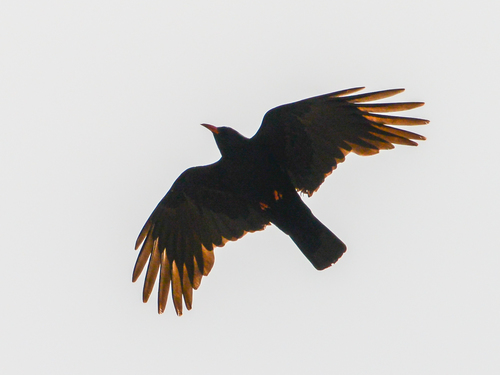
© William Stephens · CC BY · iNaturalist 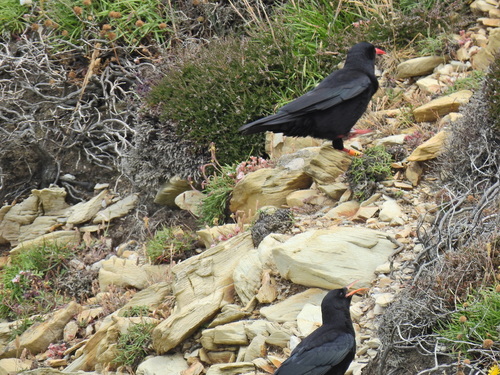
© Susan Marley · CC BY · iNaturalist 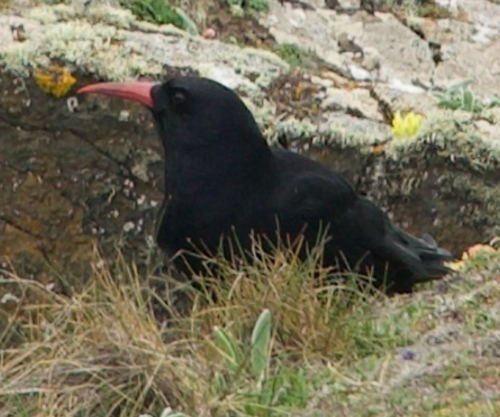
© Luke · CC BY · iNaturalist 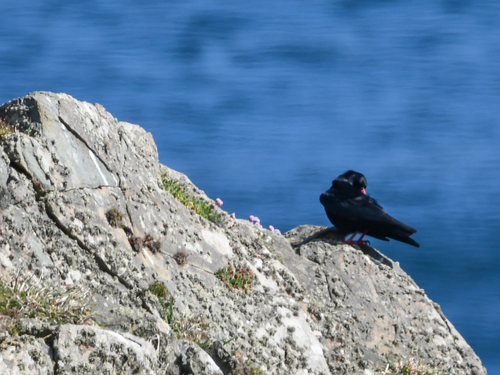
© Frank Sengpiel · CC BY · iNaturalist 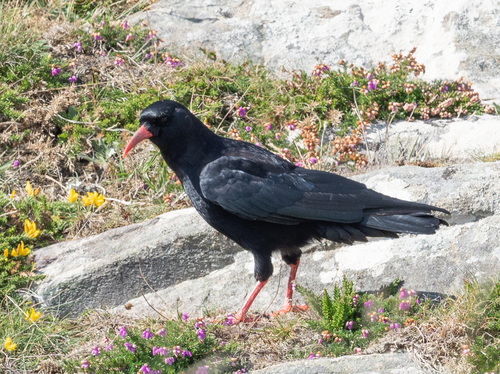
© William Stephens · CC BY · iNaturalist 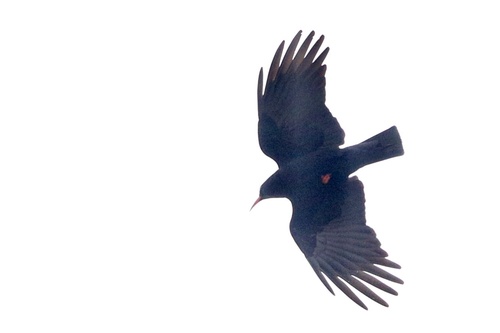
© eloise kerroux · CC BY · iNaturalist

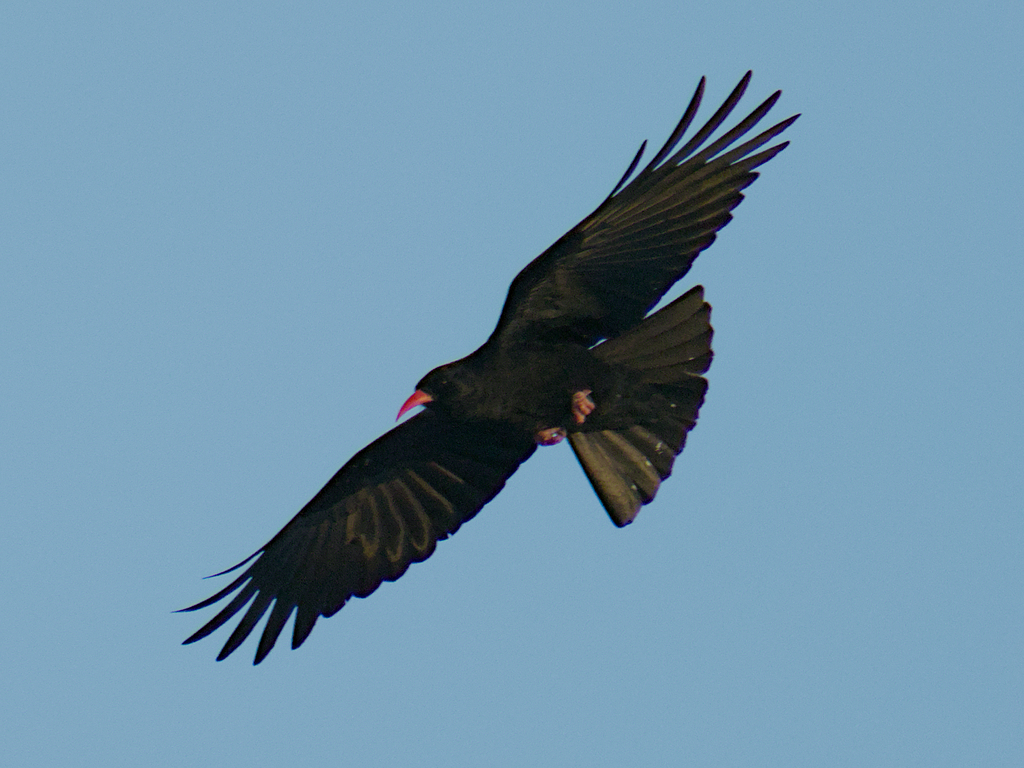
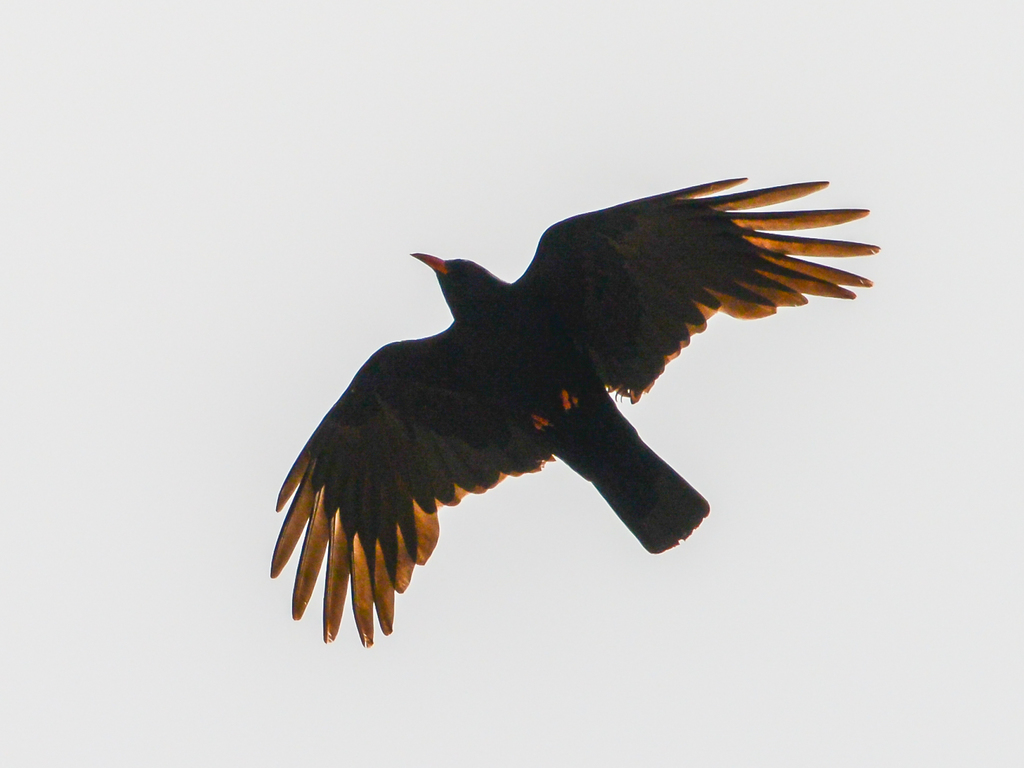
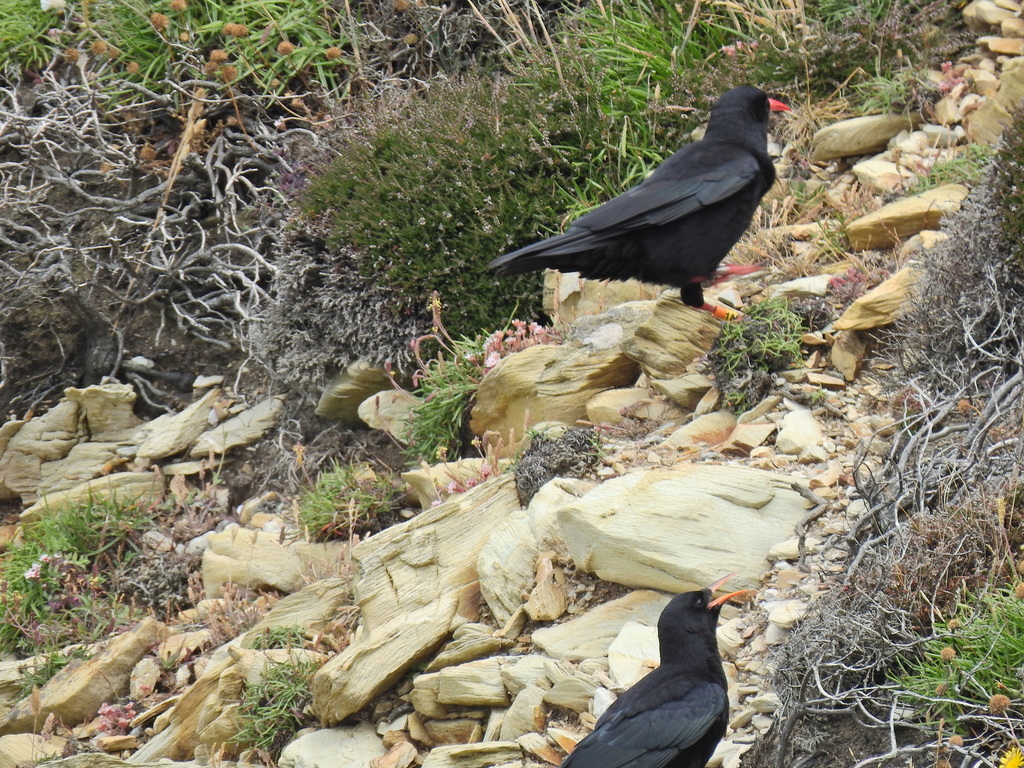
Especies relacionadasRelated species
Otras aves de la familia Corvidae y de órdenes cercanos.Other birds from the Corvidae family and nearby orders.
- ÉpicoEpic
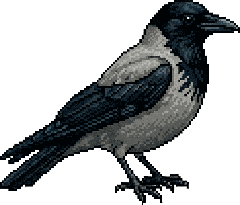 Corneja cenicientaHooded CrowCorvus cornix
- LegendarioLegendary
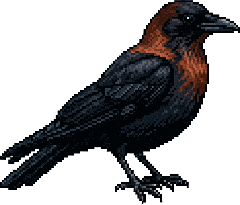 Cuervo desertícolaBrown-necked RavenCorvus ruficollis
- ÉpicoEpic
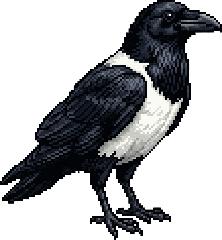 Cuervo píoPied CrowCorvus albus
- ComúnCommon
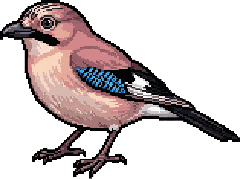 Arrendajo euroasiáticoEurasian JayGarrulus glandarius
- Poco comúnUncommon
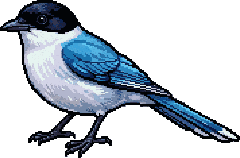 Rabilargo ibéricoIberian MagpieCyanopica cooki
- ComúnCommon
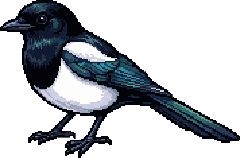 Urraca comúnEurasian MagpiePica pica
- Poco comúnUncommon
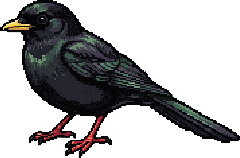 Chova piquigualdaAlpine ChoughPyrrhocorax graculus
- ComúnCommon
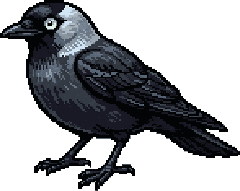 Grajilla occidentalEurasian JackdawCorvus monedula
 Gratis, sin anuncios ni comprasFree, no ads, no purchases