 BirdPedy
Serreta medianaRed-breasted Merganser
En 20 provincias en noviembre y sin registros 4 meses del añoIn 20 provinces in November, and no records in 4 months of the year
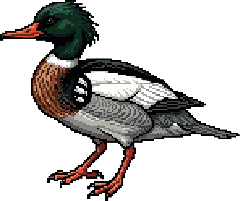
Reporte de rarezaRarity report
Por qué es raroWhy it is rareEntre 2020 y 2024 se vio en España en 216 ocasiones distintas, que suman 409 días, todos los años (datos de Observation.org, eBird, iNaturalist y el ICO publicados en GBIF). En la guía de aves de SEO/BirdLife figura como habitual en España.Between 2020 and 2024 it was seen in Spain on 216 separate occasions, adding up to 409 days, every year (data from Observation.org, eBird, iNaturalist and ICO published on GBIF). SEO/BirdLife's bird guide lists it as regular in Spain.
Cada carrizo es un mes: su altura, las provincias con registros de 2020 a 2024.Each reed is a month: its height, the provinces with records from 2020 to 2024.- Provincias con registrosProvinces with records
- 24 de 52of 52
- En la appIn the app
- Octubre a abrilOctober to April
- EnvergaduraWingspan
- 67-82 cm67-82 cm
- LongitudLength
- 52-58 cm52-58 cm
- Lista Roja de EspañaSpanish Red List
- NE No evaluada en EspañaNot assessed in Spain

Información generalGeneral Information
De las varias especies de serretas (unos curiosos patos que se alimentan básicamente de peces) que habitan en Europa, la serreta mediana es la más fácilmente detectable y la única que aparece de forma habitual en nuestras aguas, ya que acude a invernar todas las temporadas, si bien en escaso número.The Red-breasted Merganser is a specialist of the sea and estuaries. Small groups can be found every winter in the best-preserved coastal wetlands of Spain, including the Cantabrian rías, the Ebro Delta, and the saltmarshes of the south. It is an amazing diver, often seen swimming with its head underwater to search for fish. It is a hardy visitor that remains in our waters until early spring.
IdentificaciónIdentification
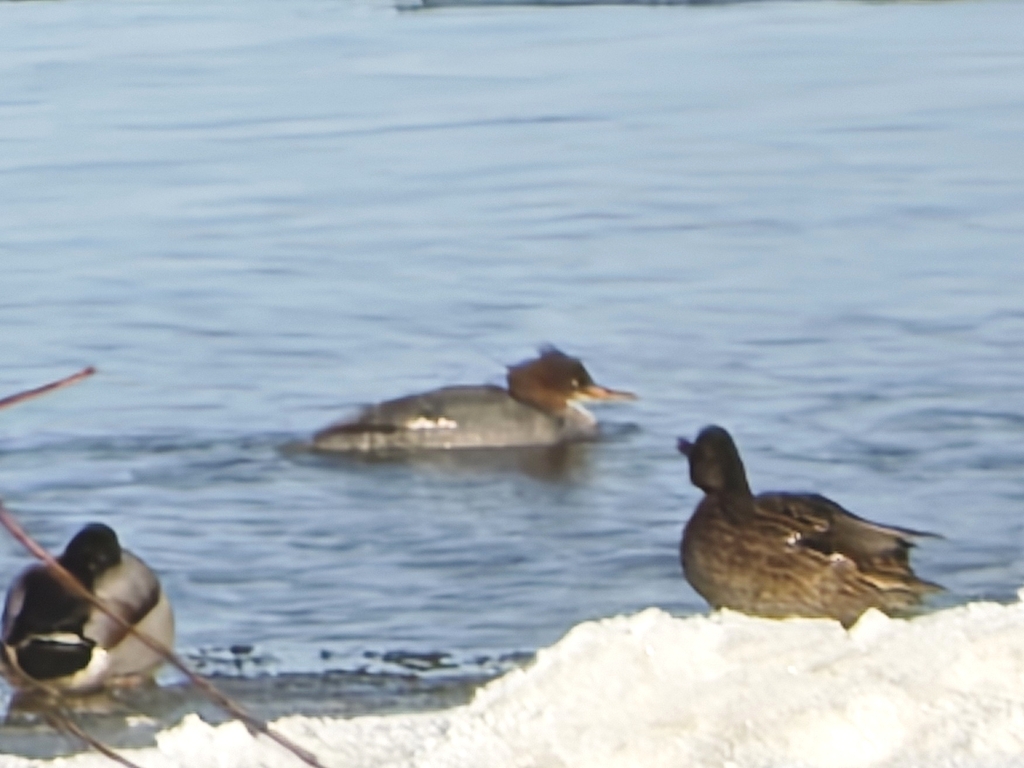
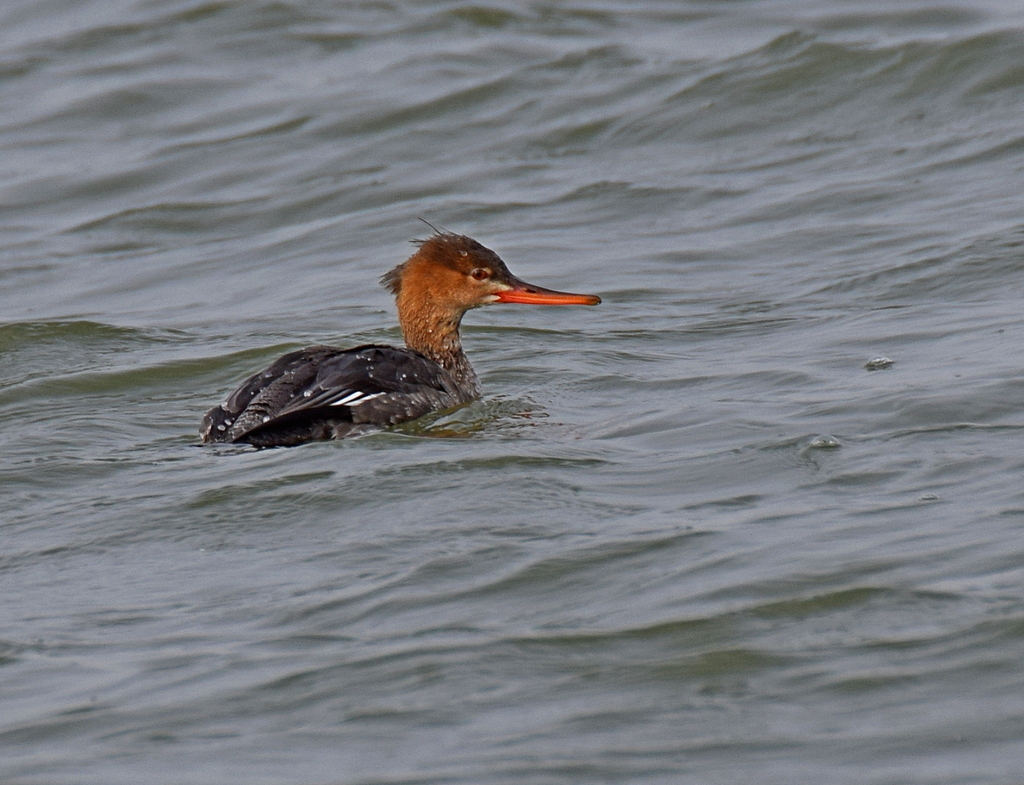
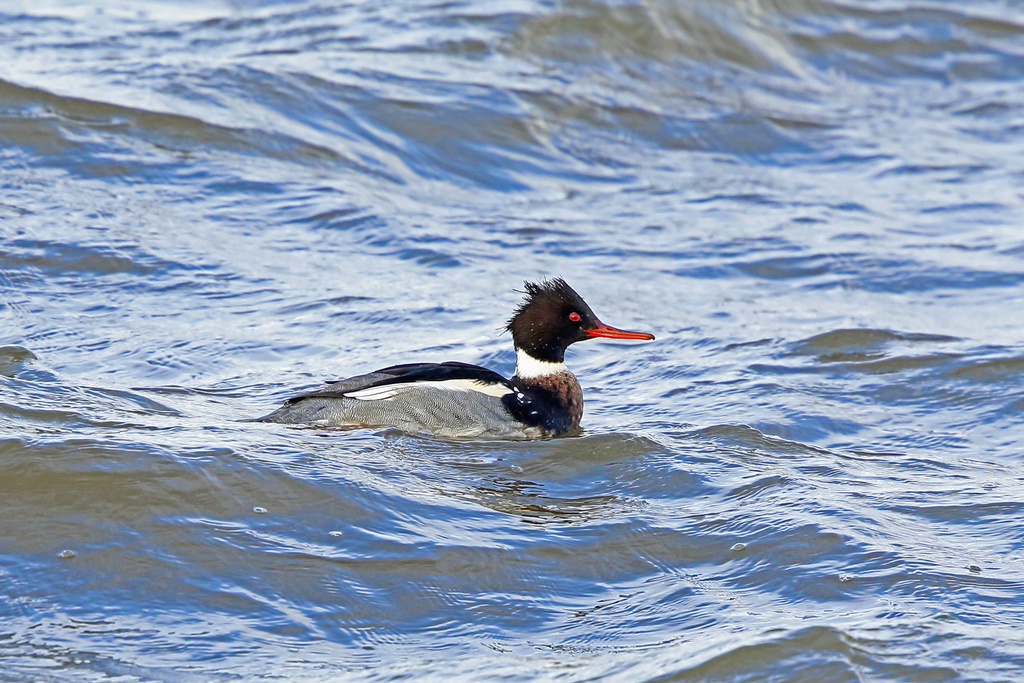
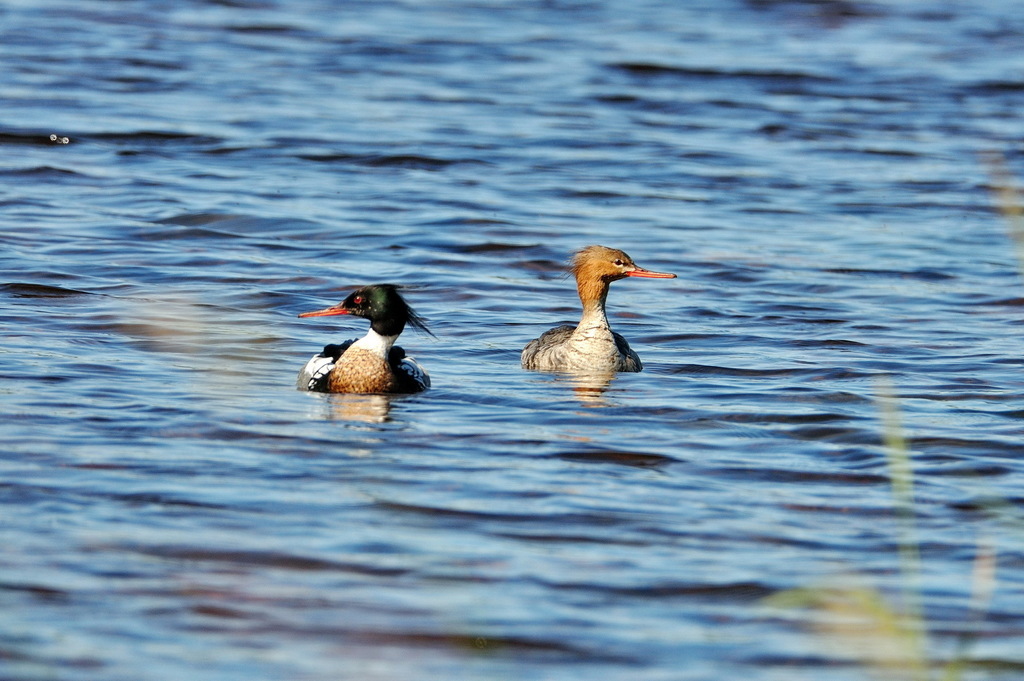
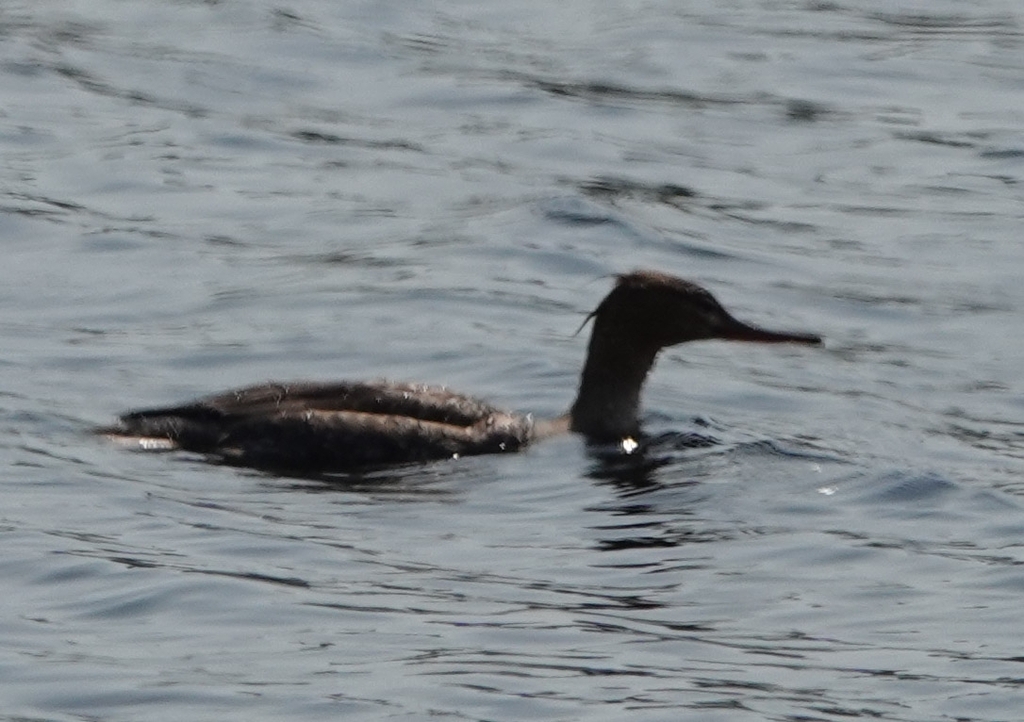
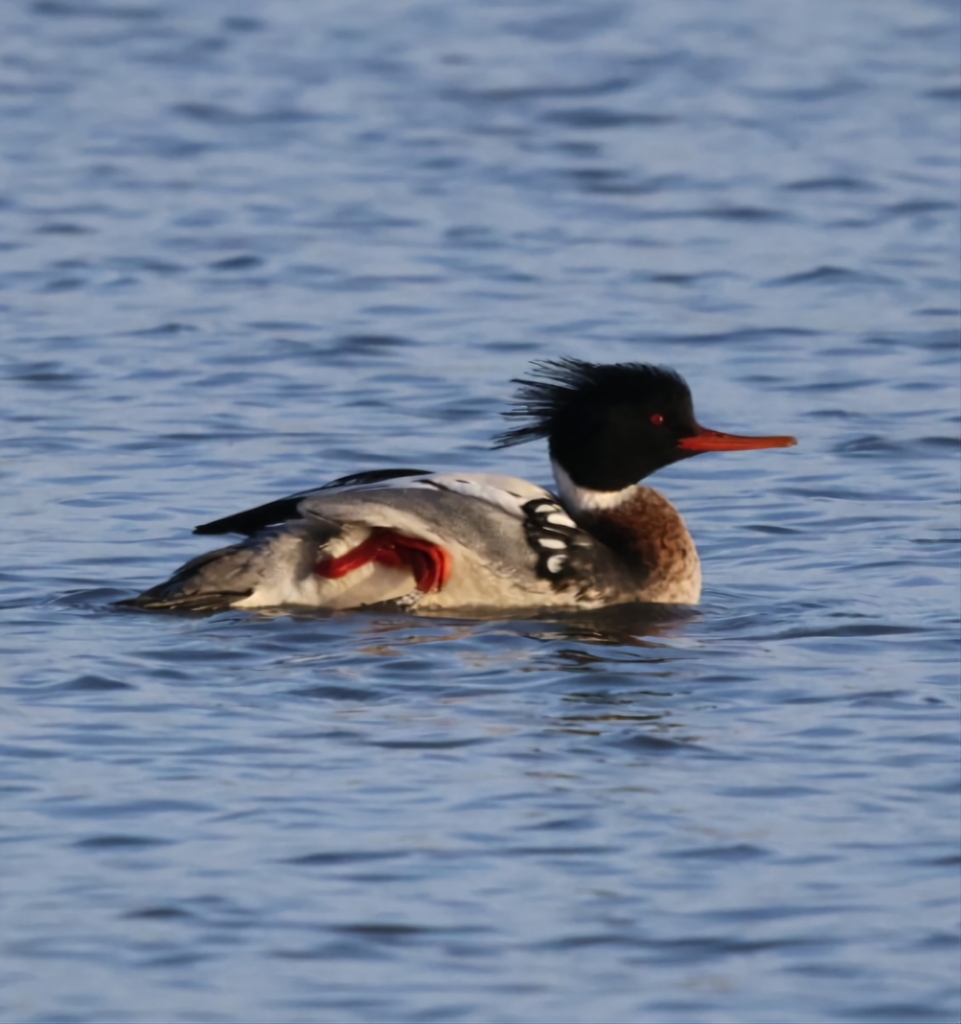
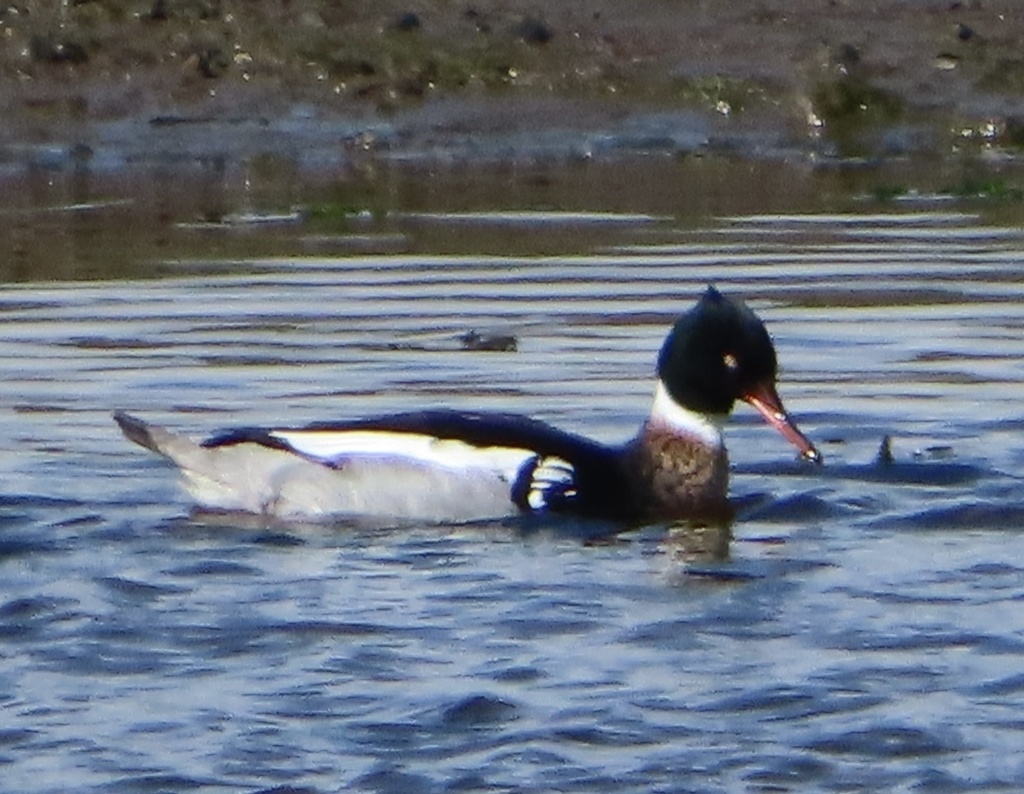
Es un pato marino no demasiado grande, con el pico rojo muy largo, estrecho y aserrado, que en todos los plumajes (en ambos sexos y en todas las edades) muestra una característica cresta despeinada. El macho adulto en plumaje nupcial presenta la cabeza negra con un brillo verdoso y un collar blanco poco definido por encima del pecho, que es pardo y moteado de oscuro. Las regiones dorsales son negras, al igual que los laterales del pecho, que lucen unas llamativas manchas blancas. Las hembras son mucho más apagadas, pues poseen un plumaje grisáceo en casi todo el cuerpo a excepción de la cabeza, que adquiere un tono acastañado. Los ejemplares inmaduros se parecen mucho a las hembras. En vuelo se observa el espejuelo blanco dividido en dos por una fina línea negra y los flancos de un gris bastante oscuro.A medium-sized diving duck with a long, thin, saw-edged bill and a distinctive 'shaggy' double crest on the head (present in all plumages). Males have a dark green head, a white collar, and a mottled reddish-brown breast. Females are gray with a less defined brownish head that blends into the white of the neck. It is the only sawbill that is a regular and relatively frequent winter visitor to our coastal waters.
DistribuciónDistribution
Aparece en zonas costeras atlánticas y cantábricas, como las Rías Bajas, la ría de Villaviciosa, o algunas marismas de Cantabria (Santoña), aunque también se la puede encontrar en el mar Menor, las marismas del Odiel y el delta del Ebro.Widespread but scarce winter visitor. Found in the Cantabrian and Atlantic rías (Santoña, Vilagarcía), as well as the Ebro Delta, the Mar Menor, and Doñana. More regular than its larger cousins.
Textos reproducidos con permiso de laTexts translated and reproduced with permission from the Guía de Aves de España © SEO/BirdLife
Estado de conservaciónConservation Status
- EX
- RE
- CR
- EN
- VU
- NT
- LC
NE
No evaluada en EspañaNot assessed in Spain
Qué significa cada categoríaWhat each category means
- LC
- Preocupación menor: Taxón evaluado que no califica para categorías amenazadas. Especies abundantes y ampliamente distribuidasLeast Concern - Evaluated taxon that does not qualify for threatened categories. Widespread and abundant taxa
- NT
- Casi amenazada: No califica actualmente como amenazada, pero está cerca de calificar o es probable que califique en el futuro cercanoNear Threatened - Does not currently qualify as threatened, but is close to qualifying or likely to qualify in the near future
- VU
- Vulnerable: Enfrenta un alto riesgo de extinción en estado silvestre según los criterios A a E de IUCNVulnerable - Facing a high risk of extinction in the wild based on IUCN criteria A to E
- EN
- En peligro: Enfrenta un riesgo muy alto de extinción en estado silvestre según los criterios A a E de IUCNEndangered - Facing a very high risk of extinction in the wild based on IUCN criteria A to E
- CR
- En peligro crítico: Enfrenta un riesgo extremadamente alto de extinción en estado silvestre según los criterios A a E de IUCNCritically Endangered - Facing an extremely high risk of extinction in the wild based on IUCN criteria A to E
- DD
- Datos insuficientes: Información inadecuada para evaluar el riesgo de extinción basándose en distribución o estado poblacionalData Deficient - Inadequate information to assess extinction risk based on distribution and/or population status
- NE
- No evaluada: No ha sido evaluada aún contra los criterios de la Lista Roja de IUCNNot Evaluated - Has not yet been assessed against the IUCN Red List criteria
- RE
- Extinta regionalmente: El taxón ya no existe en la región específica, aunque puede sobrevivir en otros lugaresRegionally Extinct - Taxon no longer exists in the specific region, though it may survive elsewhere
- EX
- Extinta - No existe duda razonable de que ha muerto el último individuo del taxónExtinct - No reasonable doubt that the last individual of the taxon has died
TaxonomíaTaxonomy
- OrdenOrder
- Anseriformes
- FamiliaFamily
- Anatidae
Presencia en EspañaPresence in Spain
- HabitualRegular
- InvernanteWinter visitor
En la app: octubre a abril.In the app: October to April.
Dónde verlaWhere to see it
108 cuadrículas de 10 km con registros de 2020 a 2024. Toca un mes para ver dónde se ha visto.108 10 km squares with records from 2020 to 2024. Pick a month to see where it has been seen.
Cargando el mapa…Loading the map…
Dónde es regularWhere it is regular
Provincias con registros en al menos 3 de los 5 años algún mes, de más a menos frecuente, y sus mejores meses.Provinces with records in at least 3 of the 5 years in some month, from most to least frequent, and their best months.
- HuelvaHuelvadiciembre, enero, febreroDecember, January, February
- CantabriaCantabriaenero, febrero, diciembreJanuary, February, December
- LugoLugodiciembre, noviembreDecember, November
- A CoruñaA Coruñaabril, diciembre, noviembreApril, December, November
- GuipúzcoaGuipúzcoanoviembreNovember
- TarragonaTarragonadiciembre, enero, noviembreDecember, January, November
- PontevedraPontevedraenero, diciembre, febreroJanuary, December, February
- BalearesBalearic Islandsdiciembre, noviembreDecember, November
- BarcelonaBarcelonadiciembre, noviembre, eneroDecember, November, January
- VizcayaVizcayanoviembre, diciembreNovember, December
Ver las 15 provinciasSee all 15 provinces
- AsturiasAsturiaseneroJanuary
- MálagaMálagadiciembreDecember
- AlicanteAlicantediciembreDecember
- MurciaMurciadiciembre, eneroDecember, January
- ValenciaValenciadiciembreDecember
Datos: registros en GBIF de 2020 a 2024 de Observation.org, eBird, iNaturalist y el ICO, descargados el 23/10/2026.Data: GBIF records from 2020 to 2024 from Observation.org, eBird, iNaturalist and the ICO, downloaded on 23/10/2026. GBIF.org (23 October 2026) GBIF Occurrence Download · doi:10.15468/dl.r5sf2a · CC BY-NC 4.0
GaleríaGallery
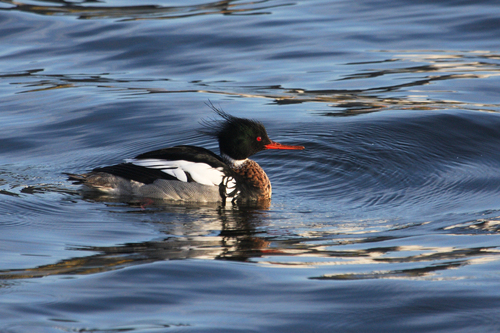
© Thomas Galewski · CC BY · iNaturalist 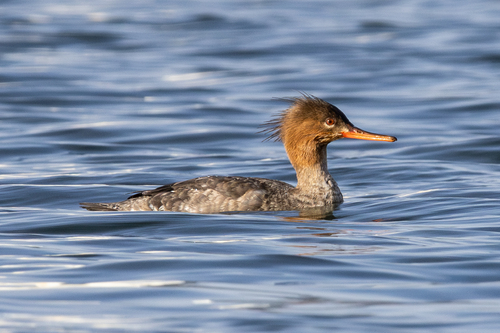
© Diego González Dopico · CC BY · iNaturalist 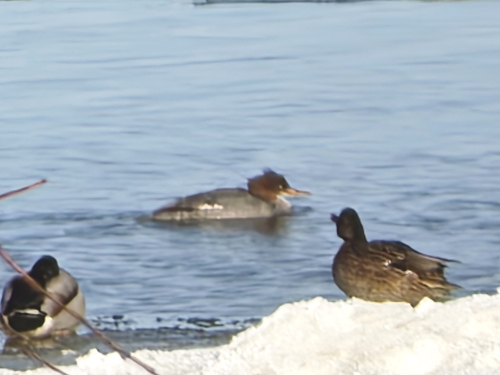
© Igor Balashov · CC BY · iNaturalist 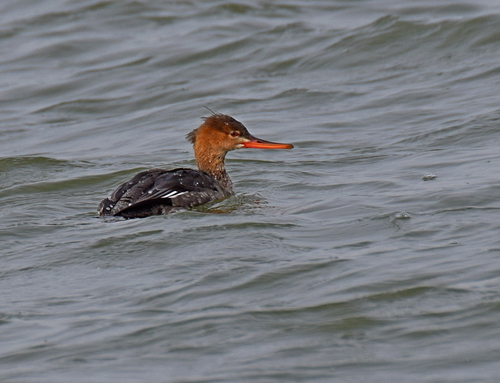
© Kostas Zontanos · CC BY · iNaturalist 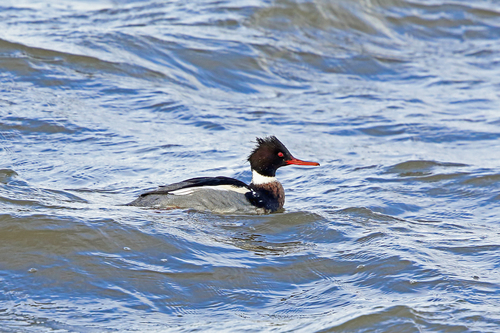
© Nigel Voaden · CC BY · iNaturalist 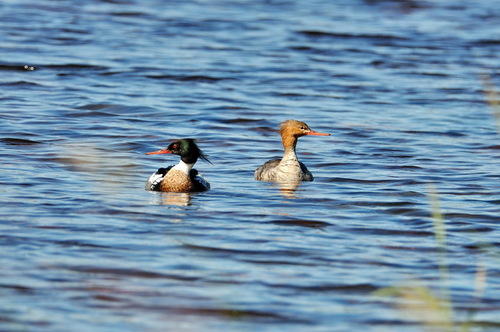
© Viktor N. Chekan · CC BY · iNaturalist 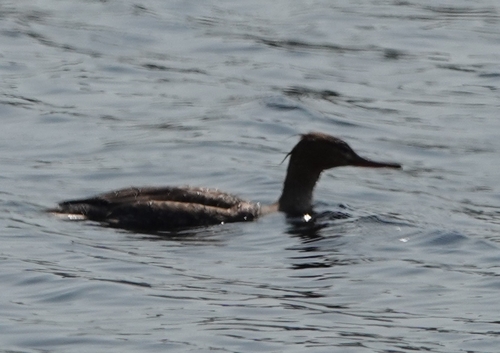
© Roman Titov · CC BY · iNaturalist 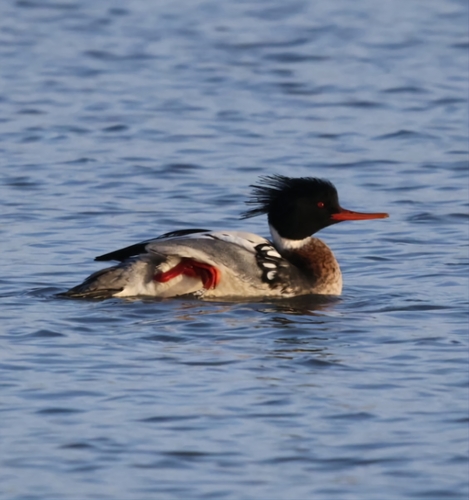
© ikelman · CC BY · iNaturalist 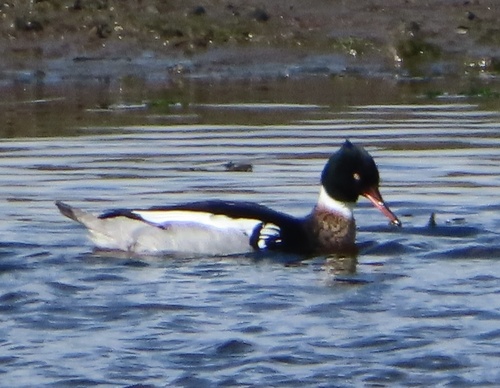
© Anne Thomson · CC BY · iNaturalist
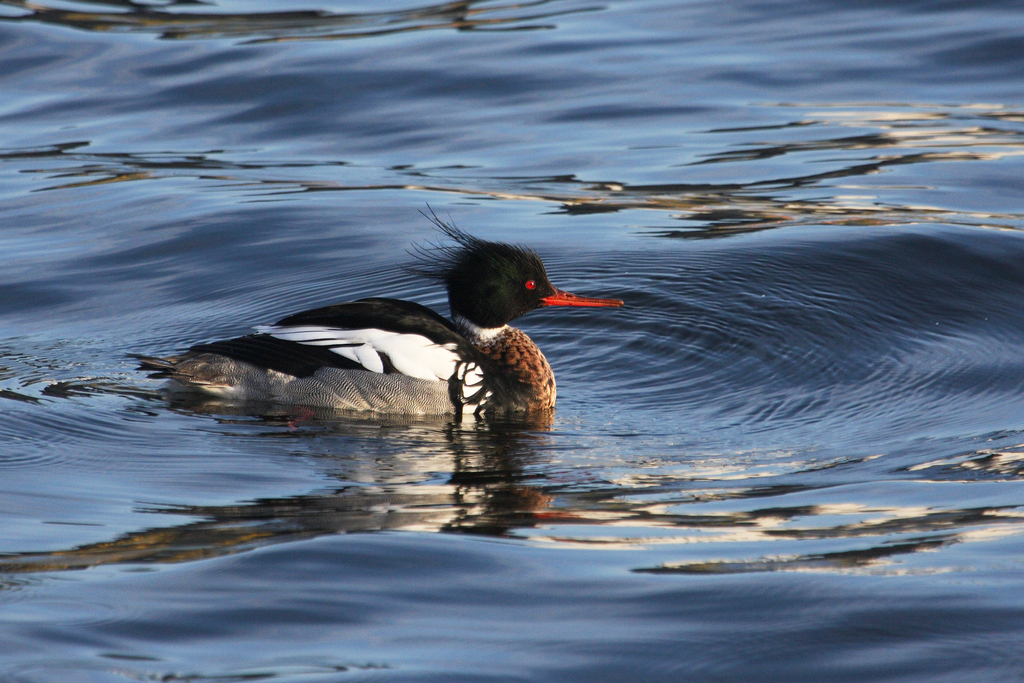
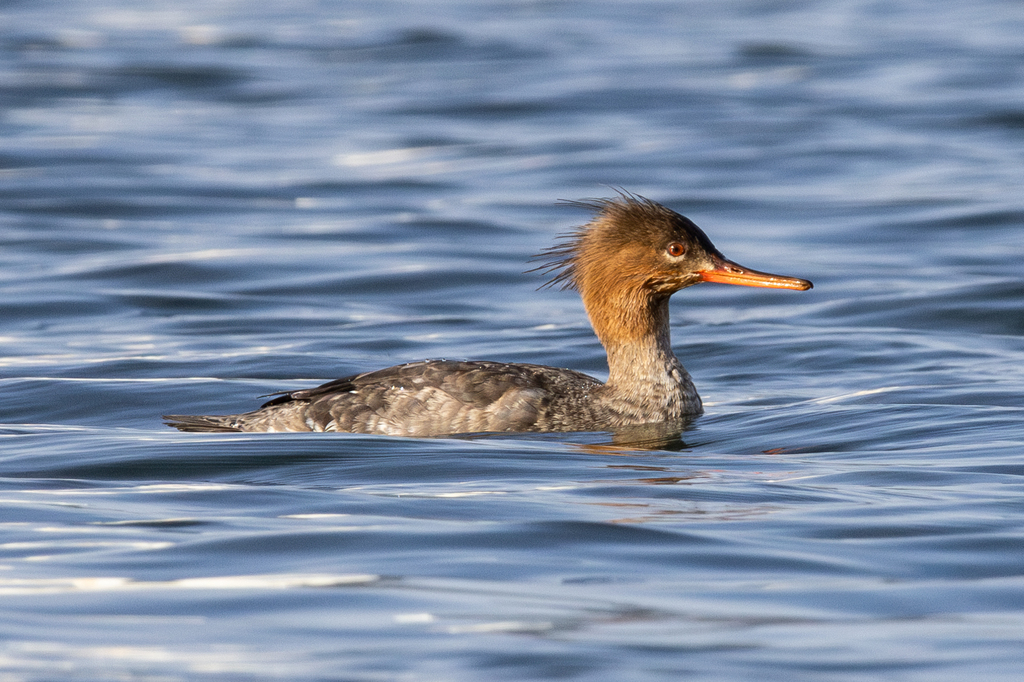
Especies relacionadasRelated species
Otras aves de la familia Anatidae y de órdenes cercanos.Other birds from the Anatidae family and nearby orders.
- ÉpicoEpic
 Suirirí cariblancoWhite-faced Whistling DuckDendrocygna viduata
- LegendarioLegendary
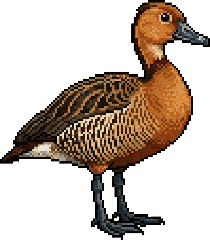 Suirirí bicolorFulvous Whistling DuckDendrocygna bicolor
- LegendarioLegendary
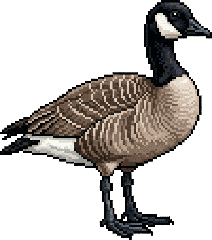 Barnacla canadiense chicaCackling GooseBranta hutchinsii
- LegendarioLegendary
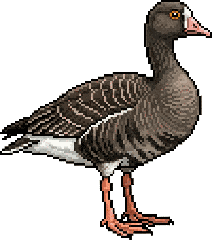 Ánsar chicoLesser White-fronted GooseAnser erythropus
- ÉpicoEpic
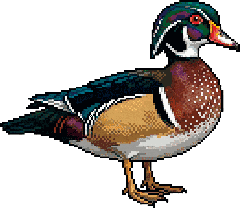 Pato joyuyoWood DuckAix sponsa
- LegendarioLegendary
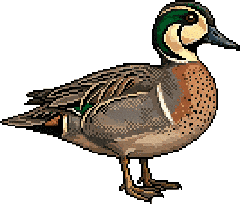 Cerceta del BaikalBaikal TealSibirionetta formosa
- ÉpicoEpic
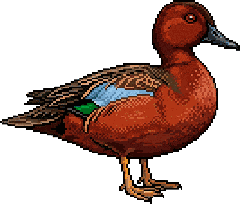 Cerceta coloradaCinnamon TealSpatula cyanoptera
- ÉpicoEpic
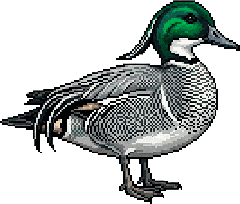 Cerceta de alfanjesFalcated DuckMareca falcata
 Gratis, sin anuncios ni comprasFree, no ads, no purchases