 BirdPedy
Gaviota sombríaLesser Black-backed Gull
En 52 provincias en enero y en 47 en junioIn 52 provinces in January and 47 in June
Reporte de rarezaRarity report
Por qué es comúnWhy it is commonInvernante masiva en todo el territorio español, con poblaciones que se alimentan frecuentemente en vertederos y zonas agrícolas. Su presencia es ubicua durante gran parte del año, siendo una de las gaviotas más frecuentes.A massive winter visitor throughout Spain, with populations that often feed at landfills and on farmland. It is ever-present for much of the year and is one of the most frequent gulls.
Cada carrizo es un mes: su altura, las provincias con registros de 2020 a 2024.Each reed is a month: its height, the provinces with records from 2020 to 2024.- Provincias con registrosProvinces with records
- 52 de 52of 52
- En la appIn the app
- Todo el añoAll year
- EnvergaduraWingspan
- 118-150 cm118-150 cm
- LongitudLength
- 49-57 cm49-57 cm
- Lista Roja de EspañaSpanish Red List
- LC Preocupación menorLeast Concern

Información generalGeneral Information
La progresión con la que las gaviotas sombrías están expandiéndose por nuestras costas, así como el creciente número de aves invernantes en España —tanto en el litoral como en el interior—, son muestra de las características biológicas de una especie que ha hecho de la versatilidad y de la capacidad de adaptación a las más variadas circunstancias el argumento para sobreponerse a los inconvenientes de un mundo profundamente modificado por las actividades del hombre.The rapid expansion of the Lesser Black-backed Gull in Spain—both as a recent breeder and a massive winterer—reflects its biological versatility. It has successfully exploited human-modified environments like landfills and intensive agriculture to overcome traditional natural limitations.
IdentificaciónIdentification
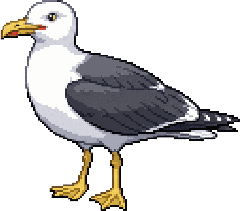
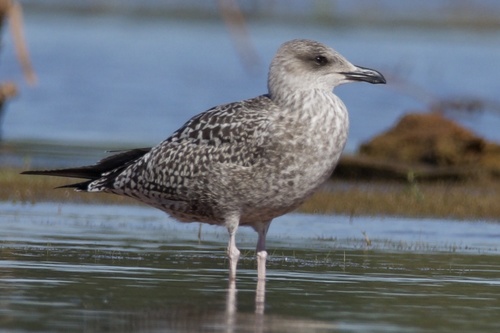
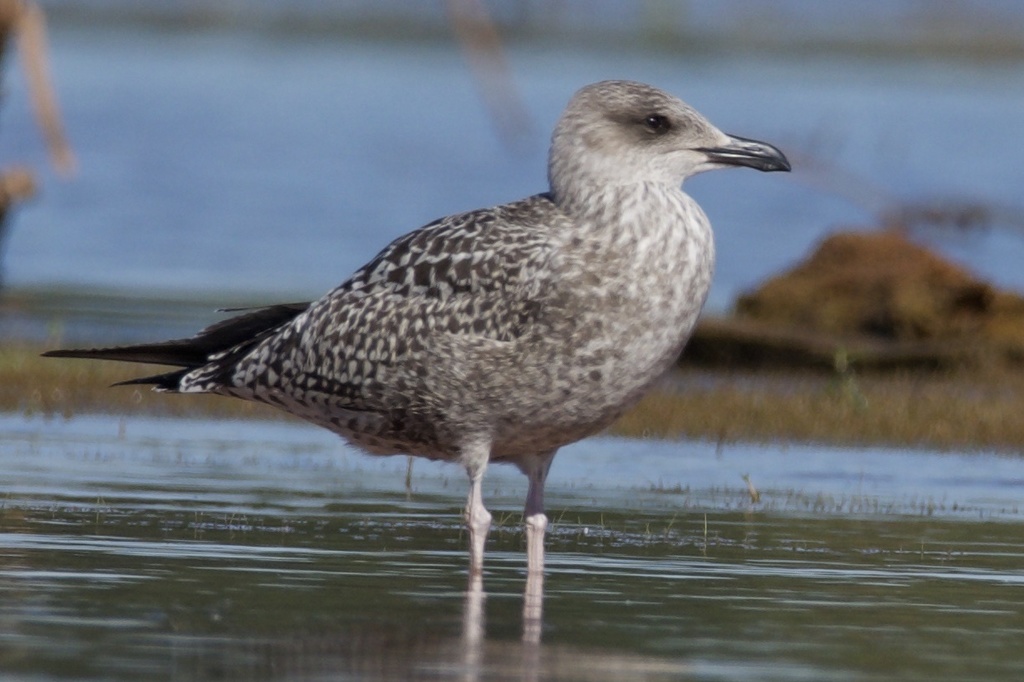
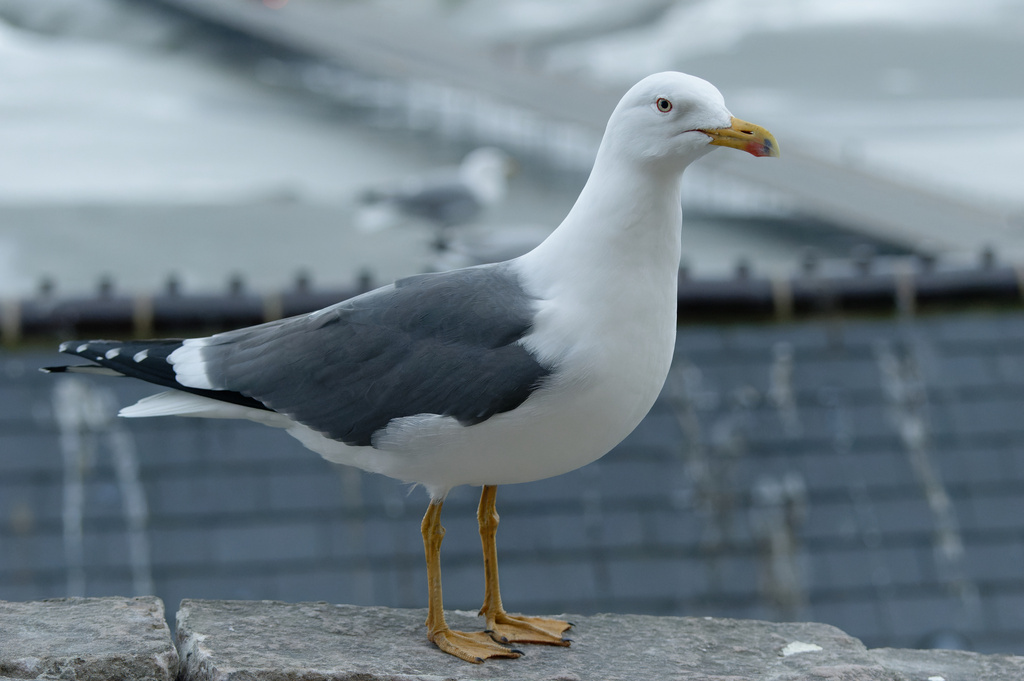
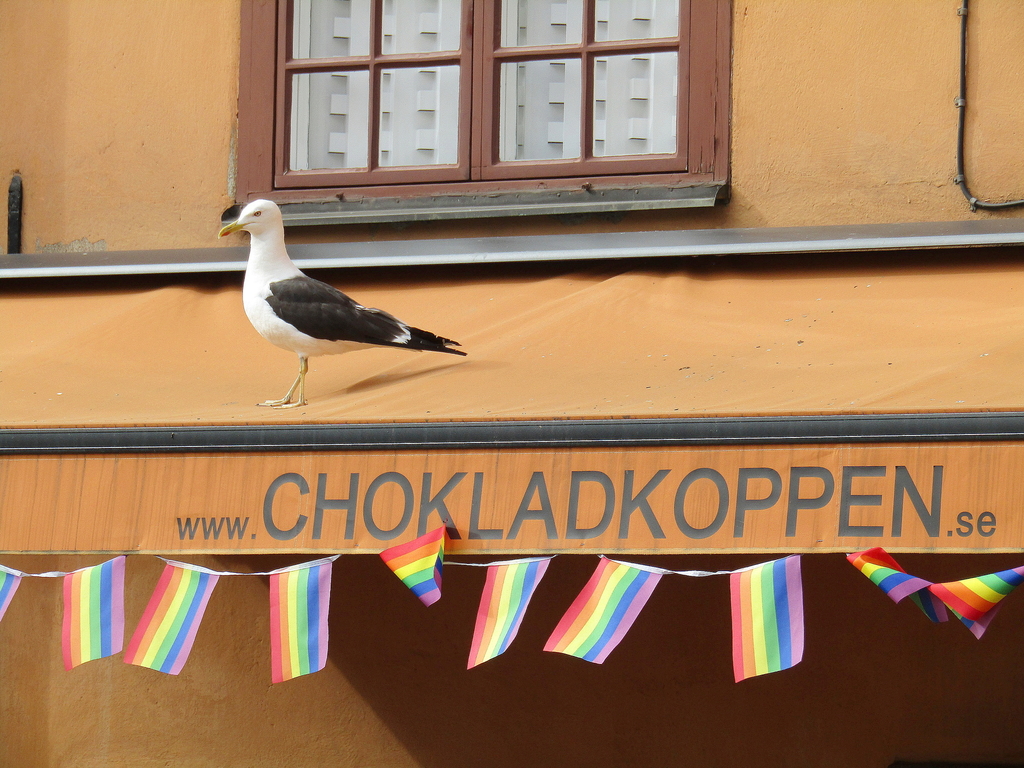
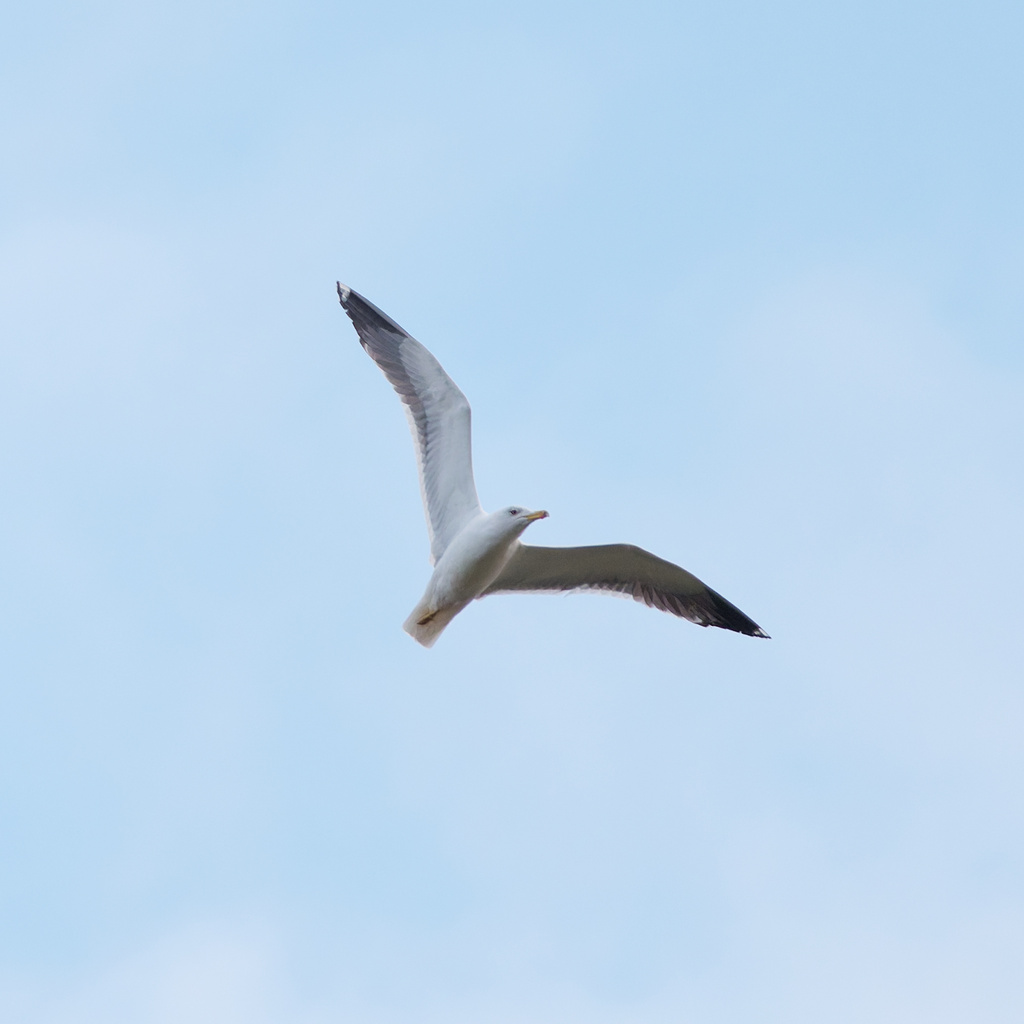
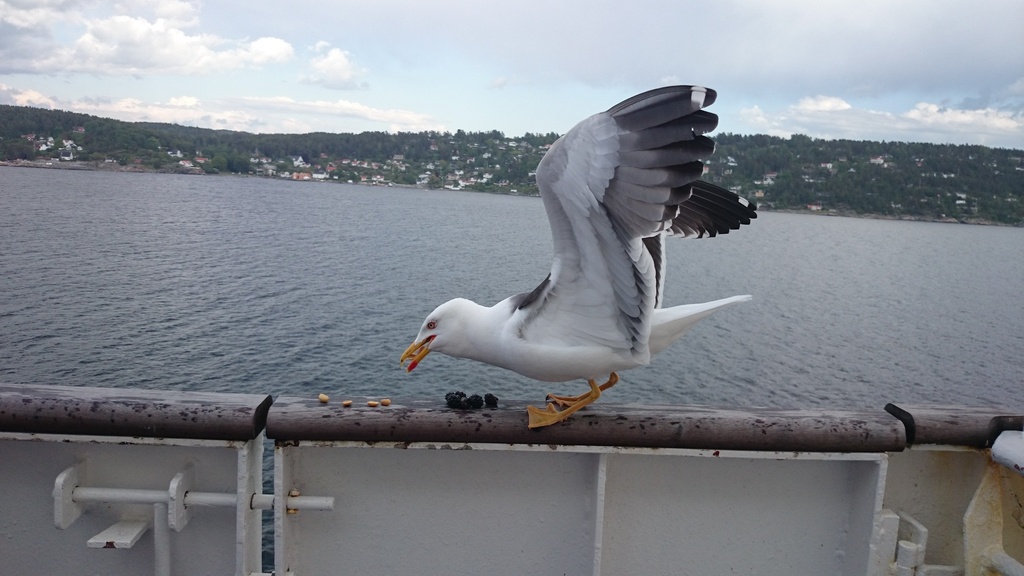
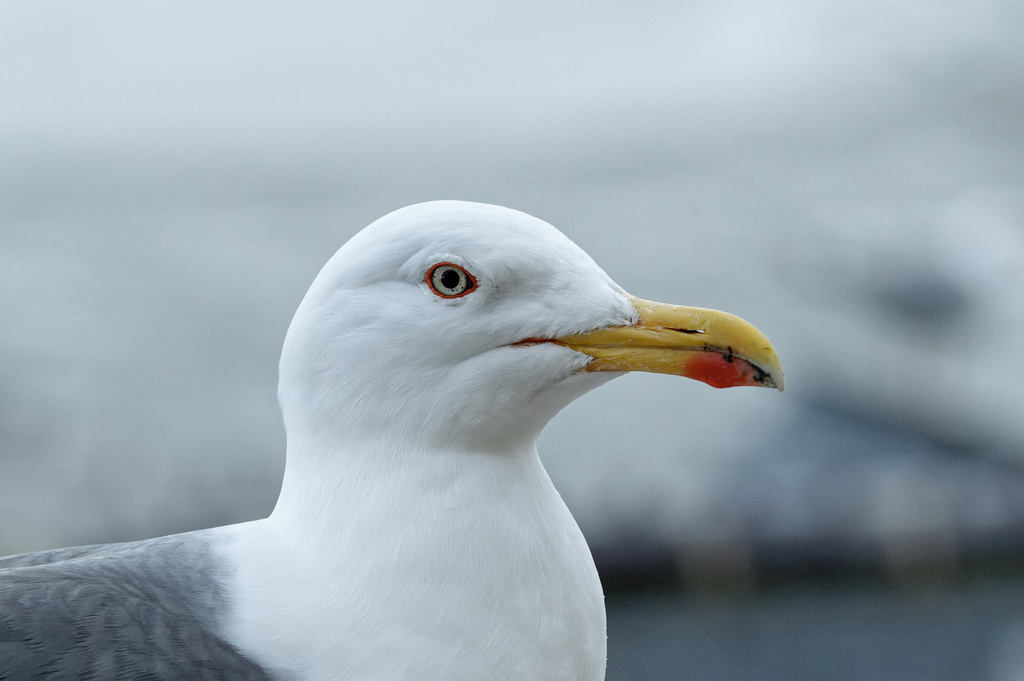
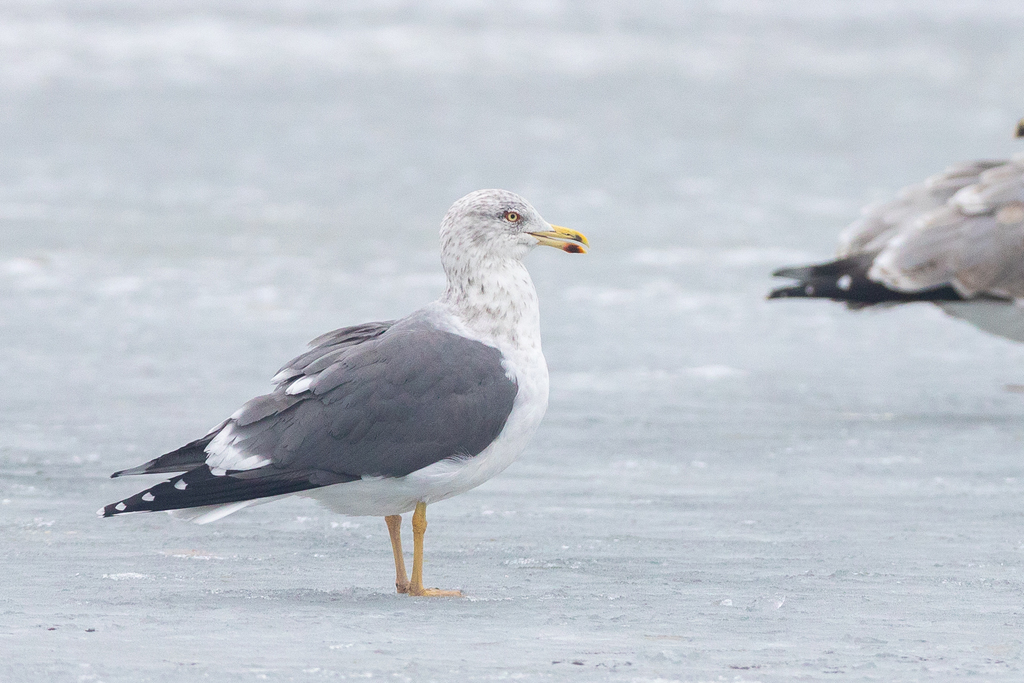
La gaviota sombría es de tamaño grande y dorso muy oscuro, en mayor o menor medida según la subespecie. Las hembras y los machos son idénticos en apariencia, aunque con pequeñas diferencias de tamaño entre ambos sexos, ya que el macho es algo mayor. El plumaje definitivo de estas aves es completamente blanco en las regiones ventrales y de un intenso color gris en las dorsales, en tanto que las patas y el pico resultan de un vivo color amarillo, al igual que el iris, que luce un anillo ocular rojo (dibujo 1 y dibujo 2). Los ejemplares jóvenes, en cambio, presentan una librea dominada por los tonos marrones y blanco sucio, con abundantes motas y estrías; el pico es negro y las patas rosadas. Los inmaduros realizan tres mudas en sucesivos veranos, hasta alcanzar en su cuarto año de vida un plumaje prácticamente idéntico al del adulto, con ligeras diferencias que desaparecerán tras la muda del año siguiente.A large gull with dark slate-gray upper parts and bright yellow legs and bill (the bill has a red spot). It is distinguished from the Yellow-legged Gull by its darker back. Juveniles go through several mottled brown stages, reaching adult plumage in their fourth year. It is a highly versatile and aggressive species that has adapted perfectly to human presence, often feeding at landfills and nesting in urban areas.
DistribuciónDistribution
La gaviota sombría es una especie que, como reproductora, ha colonizado recientemente nuestro territorio, donde suele instalarse de forma dispersa o en pequeños núcleos inmersos en el seno de las congregaciones de gaviota patiamarilla. Actualmente sucede esto en diferentes enclaves de las costas cantábricas y atlánticas y en el delta del Ebro. En los islotes de Alegranza y Montaña Clara (Canarias), donde se constató la reproducción de doce parejas en 2009, no se han encontrado evidencias de la repetición del acontecimiento. Durante el invierno resulta una especie muy común, tanto en toda la costa peninsular como en ríos y embalses del suroeste interior (humedales de Madrid, La Mancha, Extremadura y vega del Guadalquivir), muchas veces asociada a la existencia de vertederos, donde busca alimento. Los individuos invernantes pertenecen tanto a la subespecie intermedius como a graellsii, mientras que los ejemplares de la subespecie fuscus resultan bastante más raros.Recently colonized Spain as a breeder, nesting in small numbers within Yellow-legged Gull colonies in the Cantabrian/Atlantic coasts and the Ebro Delta. Very common winterer along all coasts and in large numbers in inland reservoirs (Madrid, Extremadura, Guadalquivir). Subspecies 'intermedius' and 'graellsii'.
Textos reproducidos con permiso de laTexts translated and reproduced with permission from the Guía de Aves de España © SEO/BirdLife
Estado de conservaciónConservation Status
- EX
- RE
- CR
- EN
- VU
- NT
- LC
Preocupación menorLeast Concern
Qué significa cada categoríaWhat each category means
- LC
- Preocupación menor: Taxón evaluado que no califica para categorías amenazadas. Especies abundantes y ampliamente distribuidasLeast Concern - Evaluated taxon that does not qualify for threatened categories. Widespread and abundant taxa
- NT
- Casi amenazada: No califica actualmente como amenazada, pero está cerca de calificar o es probable que califique en el futuro cercanoNear Threatened - Does not currently qualify as threatened, but is close to qualifying or likely to qualify in the near future
- VU
- Vulnerable: Enfrenta un alto riesgo de extinción en estado silvestre según los criterios A a E de IUCNVulnerable - Facing a high risk of extinction in the wild based on IUCN criteria A to E
- EN
- En peligro: Enfrenta un riesgo muy alto de extinción en estado silvestre según los criterios A a E de IUCNEndangered - Facing a very high risk of extinction in the wild based on IUCN criteria A to E
- CR
- En peligro crítico: Enfrenta un riesgo extremadamente alto de extinción en estado silvestre según los criterios A a E de IUCNCritically Endangered - Facing an extremely high risk of extinction in the wild based on IUCN criteria A to E
- DD
- Datos insuficientes: Información inadecuada para evaluar el riesgo de extinción basándose en distribución o estado poblacionalData Deficient - Inadequate information to assess extinction risk based on distribution and/or population status
- NE
- No evaluada: No ha sido evaluada aún contra los criterios de la Lista Roja de IUCNNot Evaluated - Has not yet been assessed against the IUCN Red List criteria
- RE
- Extinta regionalmente: El taxón ya no existe en la región específica, aunque puede sobrevivir en otros lugaresRegionally Extinct - Taxon no longer exists in the specific region, though it may survive elsewhere
- EX
- Extinta - No existe duda razonable de que ha muerto el último individuo del taxónExtinct - No reasonable doubt that the last individual of the taxon has died
TaxonomíaTaxonomy
- OrdenOrder
- Charadriiformes
- FamiliaFamily
- Laridae
Presencia en EspañaPresence in Spain
- De pasoPassage migrant
- HabitualRegular
- InvernanteWinter visitor
- ResidenteResident
En la app: todo el año.In the app: all year.
Dónde verlaWhere to see it
1.617 cuadrículas de 10 km con registros de 2020 a 2024. Toca un mes para ver dónde se ha visto.1,617 10 km squares with records from 2020 to 2024. Pick a month to see where it has been seen.
Cargando el mapa…Loading the map…
Dónde es regularWhere it is regular
Provincias con registros en al menos 3 de los 5 años algún mes, de más a menos frecuente, y sus mejores meses.Provinces with records in at least 3 of the 5 years in some month, from most to least frequent, and their best months.
- MadridMadridenero, diciembre, febreroJanuary, December, February
- CantabriaCantabriaenero, diciembre, febreroJanuary, December, February
- A CoruñaA Coruñaagosto, septiembre, diciembreAugust, September, December
- ToledoToledofebrero, enero, diciembreFebruary, January, December
- CórdobaCórdobaenero, febrero, diciembreJanuary, February, December
- AsturiasAsturiasenero, diciembre, noviembreJanuary, December, November
- Ciudad RealCiudad Realenero, febrero, diciembreJanuary, February, December
- HuelvaHuelvaseptiembre, octubre, eneroSeptember, October, January
- LugoLugodiciembre, octubre, noviembreDecember, October, November
- MálagaMálagaenero, febrero, diciembreJanuary, February, December
Ver las 51 provinciasSee all 51 provinces
- CádizCádizenero, noviembre, diciembreJanuary, November, December
- PontevedraPontevedradiciembre, enero, octubreDecember, January, October
- AlmeríaAlmeríadiciembre, enero, febreroDecember, January, February
- GuipúzcoaGuipúzcoadiciembre, noviembre, eneroDecember, November, January
- TarragonaTarragonaseptiembre, diciembre, noviembreSeptember, December, November
- SalamancaSalamancaenero, diciembre, noviembreJanuary, December, November
- BadajozBadajozenero, febrero, diciembreJanuary, February, December
- SevillaSevilladiciembre, octubre, eneroDecember, October, January
- ValenciaValenciafebrero, diciembre, eneroFebruary, December, January
- ZamoraZamorafebrero, enero, marzoFebruary, January, March
- CeutaCeutafebrero, enero, marzoFebruary, January, March
- ÁlavaÁlavadiciembre, febrero, eneroDecember, February, January
- CuencaCuencafebrero, diciembre, eneroFebruary, December, January
- VizcayaVizcayanoviembre, octubre, diciembreNovember, October, December
- CáceresCáceresenero, diciembre, febreroJanuary, December, February
- ÁvilaÁvilaseptiembre, noviembre, octubreSeptember, November, October
- AlbaceteAlbacetediciembre, enero, marzoDecember, January, March
- GranadaGranadaenero, febrero, diciembreJanuary, February, December
- Las PalmasLas Palmasfebrero, diciembre, noviembreFebruary, December, November
- JaénJaénnoviembre, febrero, diciembreNovember, February, December
- BurgosBurgosnoviembre, octubre, septiembreNovember, October, September
- PalenciaPalenciaagosto, marzo, febreroAugust, March, February
- Santa Cruz de TenerifeSanta Cruz de Tenerifeenero, noviembre, marzoJanuary, November, March
- CastellónCastellóndiciembre, noviembre, eneroDecember, November, January
- LleidaLleidanoviembre, enero, febreroNovember, January, February
- ZaragozaZaragozadiciembre, enero, noviembreDecember, January, November
- HuescaHuescaenero, febrero, septiembreJanuary, February, September
- ValladolidValladolidnoviembre, septiembre, diciembreNovember, September, December
- MurciaMurciafebrero, enero, marzoFebruary, January, March
- AlicanteAlicanteenero, diciembre, febreroJanuary, December, February
- NavarraNavarranoviembre, diciembre, septiembreNovember, December, September
- LeónLeónnoviembre, enero, octubreNovember, January, October
- La RiojaLa Riojanoviembre, febrero, diciembreNovember, February, December
- TeruelTerueldiciembre, enero, septiembreDecember, January, September
- GuadalajaraGuadalajaradiciembreDecember
- SegoviaSegovianoviembre, diciembre, octubreNovember, December, October
- BalearesBalearic Islandsenero, diciembre, octubreJanuary, December, October
- BarcelonaBarcelonamarzo, enero, febreroMarch, January, February
- GironaGironaenero, febrero, marzoJanuary, February, March
- OurenseOurenseseptiembreSeptember
- SoriaSorianoviembre, septiembre, agostoNovember, September, August
Datos: registros en GBIF de 2020 a 2024 de Observation.org, eBird, iNaturalist y el ICO, descargados el 23/10/2026.Data: GBIF records from 2020 to 2024 from Observation.org, eBird, iNaturalist and the ICO, downloaded on 23/10/2026. GBIF.org (23 October 2026) GBIF Occurrence Download · doi:10.15468/dl.r5sf2a · CC BY-NC 4.0
GaleríaGallery
© Cody Delano · CC BY · iNaturalist 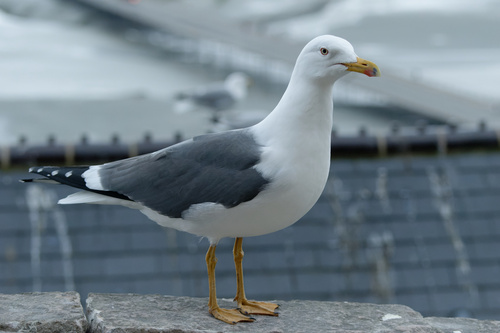
© Donald Davesne · CC BY · iNaturalist 
© Andrew Bazdyrev · CC BY · iNaturalist 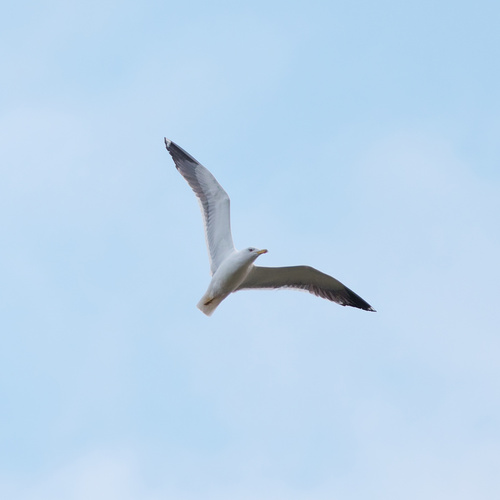
© Rich Agar · CC BY · iNaturalist 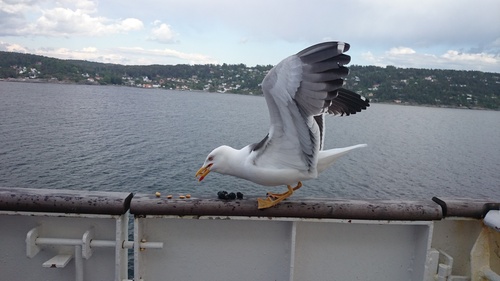
© mohabo · CC BY · iNaturalist 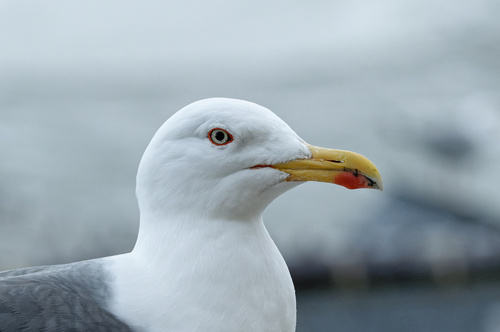
© Donald Davesne · CC BY · iNaturalist 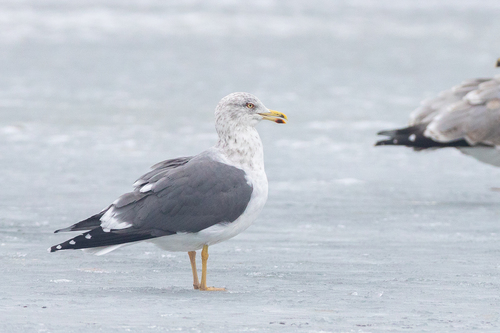
© egorbirder · CC BY · iNaturalist
Especies relacionadasRelated species
Otras aves de la familia Laridae y de órdenes cercanos.Other birds from the Laridae family and nearby orders.
- Poco comúnUncommon
 Gaviota argéntea europeaEuropean Herring GullLarus argentatus
- ComúnCommon
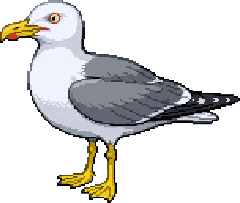 Gaviota patiamarillaYellow-legged GullLarus michahellis
- Poco comúnUncommon
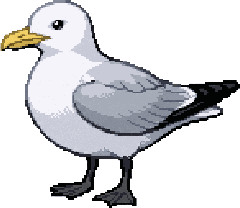 Gaviota tridáctilaBlack-legged KittiwakeRissa tridactyla
- Poco comúnUncommon
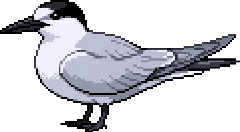 Pagaza piconegraGull-billed TernGelochelidon nilotica
- RaroRare
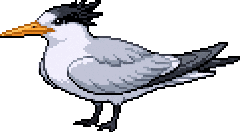 Charrán bengalíLesser Crested TernThalasseus bengalensis
- Poco comúnUncommon
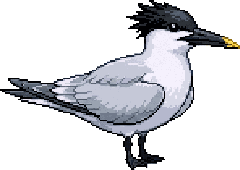 Charrán patinegroSandwich TernThalasseus sandvicensis
- RaroRare
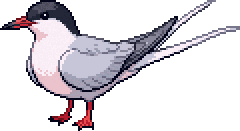 Charrán rosadoRoseate TernSterna dougallii
- Poco comúnUncommon
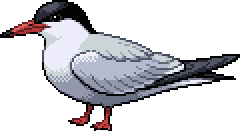 Charrán comúnCommon TernSterna hirundo
 Gratis, sin anuncios ni comprasFree, no ads, no purchases