 BirdPedy
Gaviota canaMew Gull
En 32 provincias en enero y en 10 en agostoIn 32 provinces in January and 10 in August
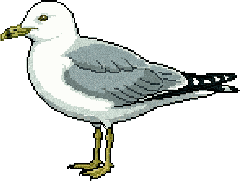
Reporte de rarezaRarity report
Por qué es poco comúnWhy it is uncommonInvernante regular pero en bajo número, especialmente en el litoral norte peninsular y rías gallegas.A regular winter visitor but in low numbers, especially on the northern coast of the Peninsula and in the Galician rías.
Cada carrizo es un mes: su altura, las provincias con registros de 2020 a 2024.Each reed is a month: its height, the provinces with records from 2020 to 2024.- Provincias con registrosProvinces with records
- 40 de 52of 52
- En la appIn the app
- Octubre a marzoOctober to March
- EnvergaduraWingspan
- 100-130 cm100-130 cm
- LongitudLength
- 40-45 cm40-45 cm
- Lista Roja de EspañaSpanish Red List
- NE No evaluada en EspañaNot assessed in Spain

Información generalGeneral Information
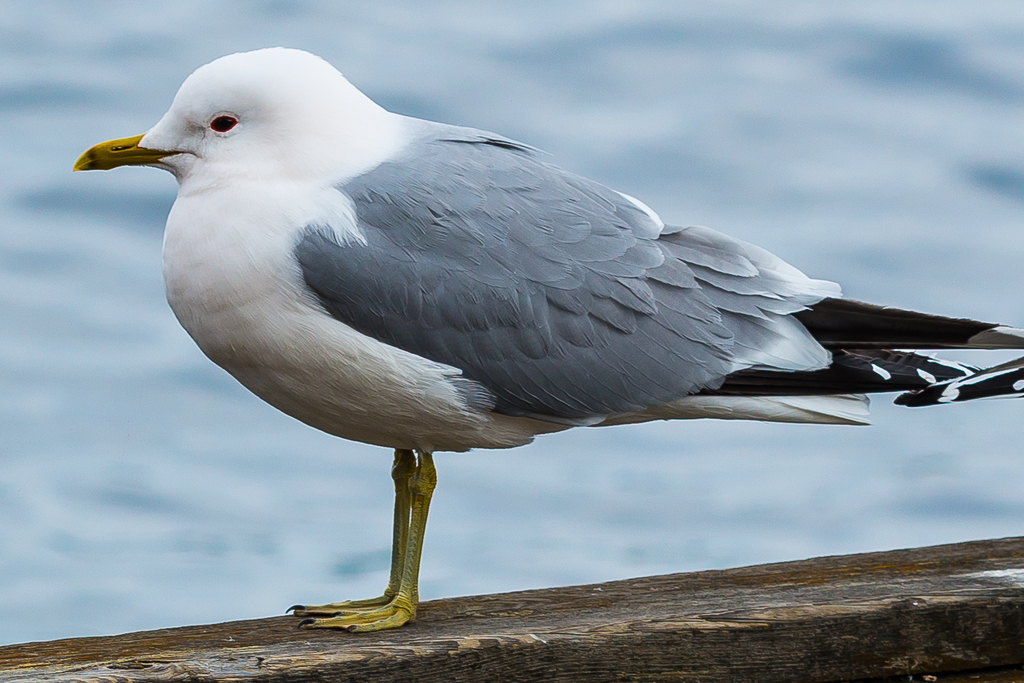
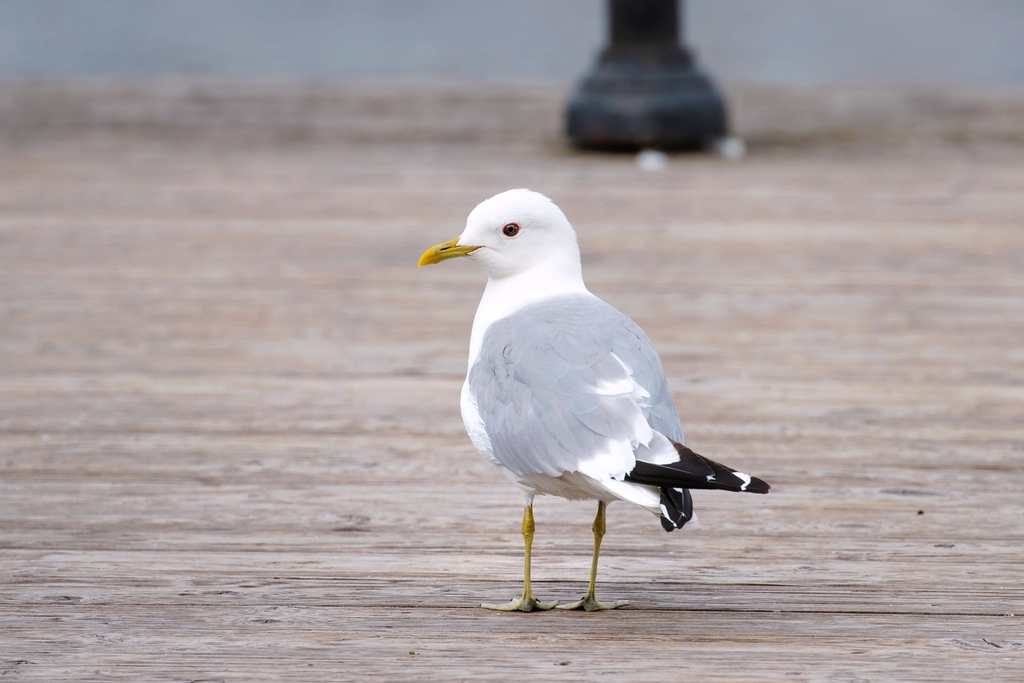
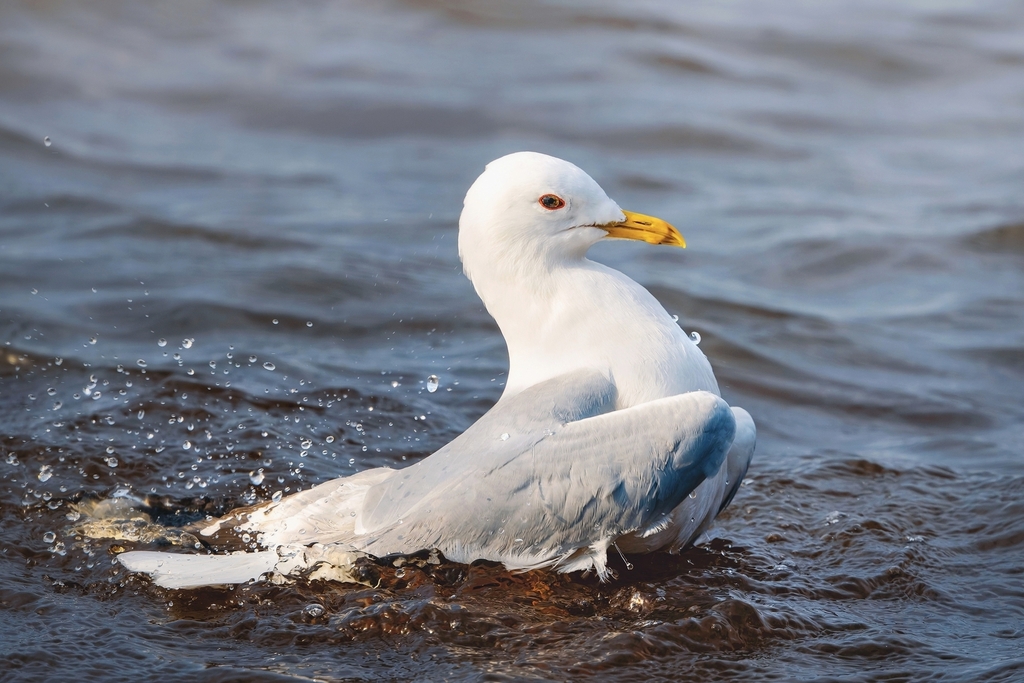
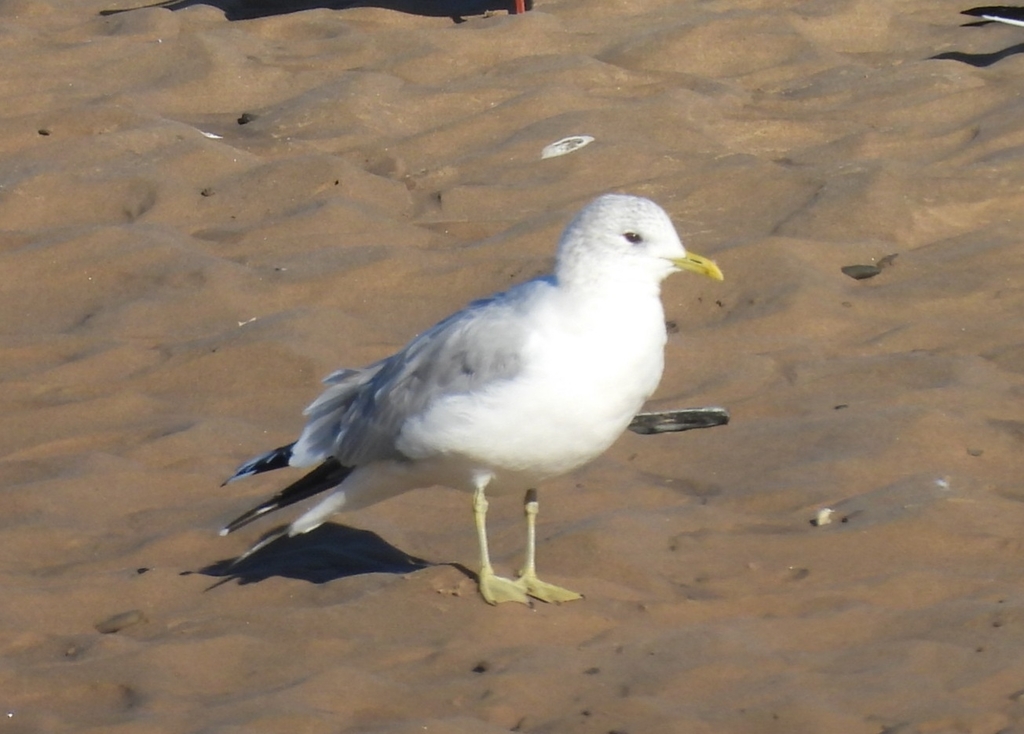
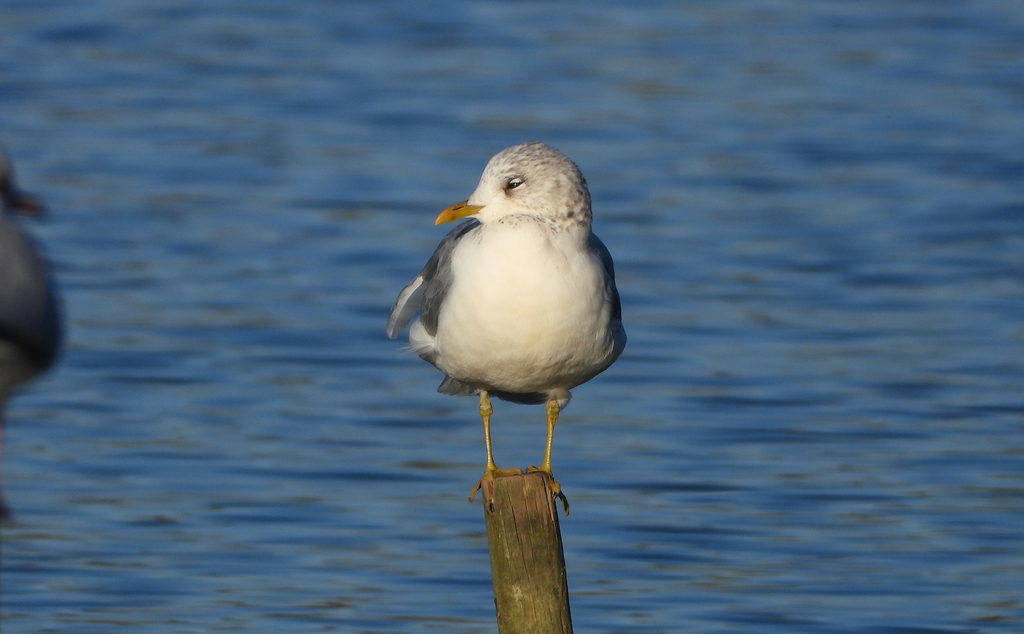
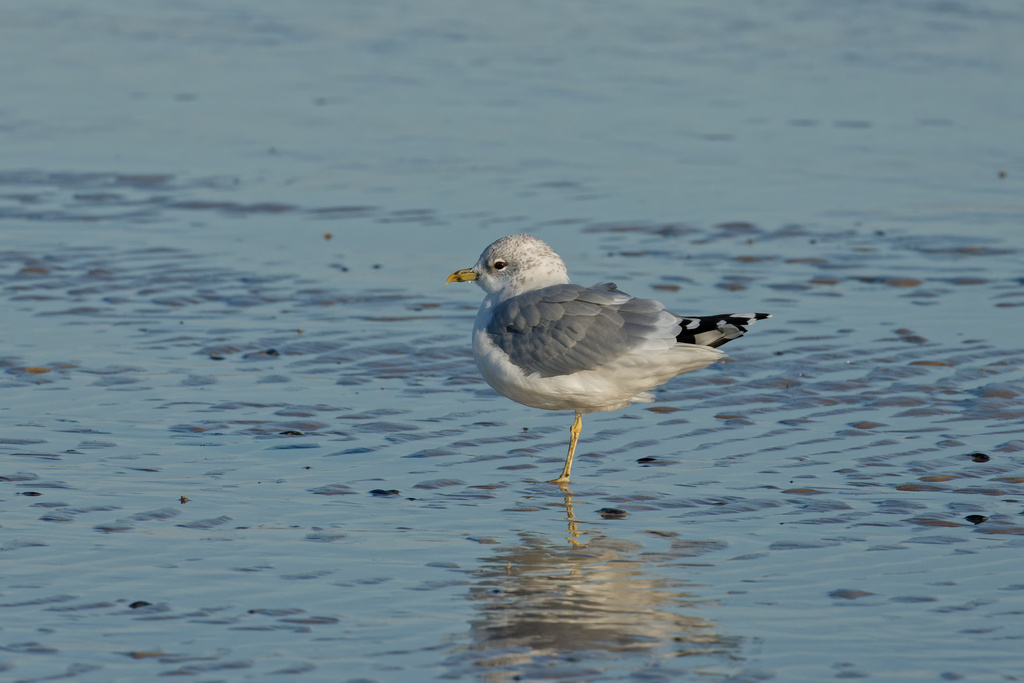
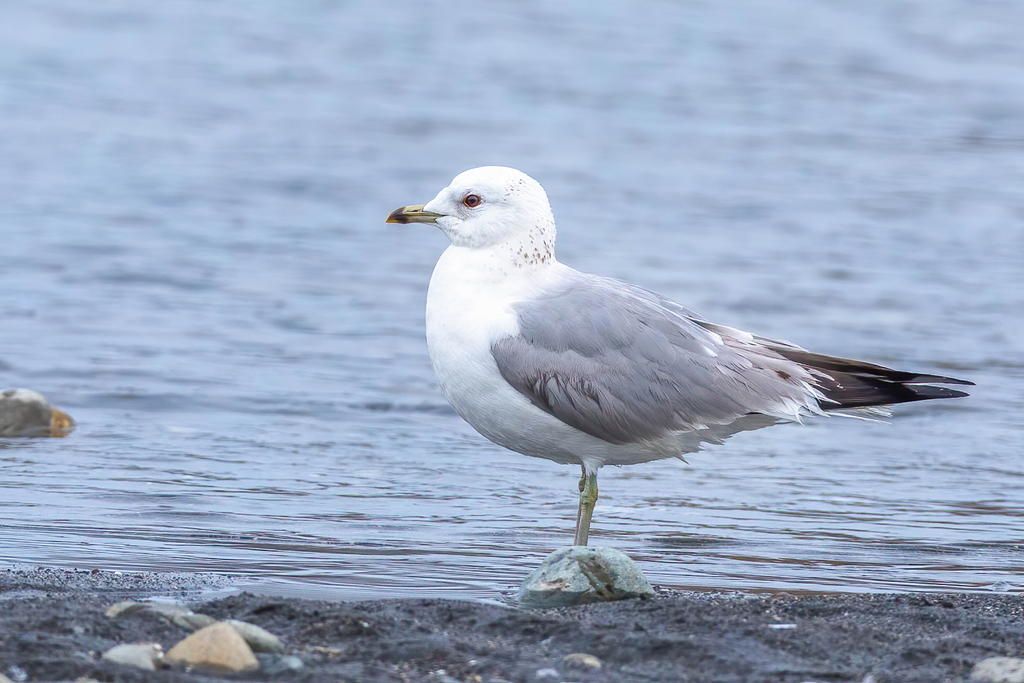
Gaviota de mediano tamaño, intermedio entre el de las más comunes gaviotas patiamarilla y reidora. Tiene la cabeza más redondeada y el pico más débil que otras gaviotas. Es común en el norte de Europa, pero en España está presente tan solo durante la invernada, de forma regular pero en número escaso, principalmente en las costas gallegas y cantábricas.The Mew Gull is a classic gull of Northern Europe and the Arctic. In Spain, it is a regular but scarce winterer, mostly found on the Cantabrian and Galician coasts. It often visits harbors and fields. It is much less aggressive than the larger gulls and has a gentler appearance. Its presence in the south is a sign of cold weather systems pushing Northern European birds down into the Peninsula.
IdentificaciónIdentification
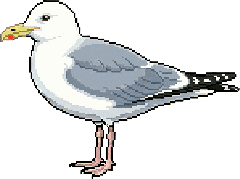
La gaviota cana es de mediano tamaño, intermedia por forma y tamaño entre una gaviota argéntea y una reidora. Su plumaje varía según la edad, hasta que después de la muda del segundo verano adquiere el típico aspecto de adulto. A diferencia de los individuos juveniles, en los que predomina el color marrón grisáceo, los adultos lucen dorso grisáceo claro, partes inferiores blancas, pico y patas amarillentos, y grandes “espejos” blancos en las puntas de las primarias externas.A medium-sized gull, intermediate between Black-headed and Yellow-legged. It has a relatively small, social-looking head and a fine, yellowish-green bill. Adults have a pale gray mantle and white 'mirrors' on the wing tips. It is distinguished from larger gulls by its more delicate build and the absence of a red spot on the bill. In winter, its head is heavily streaked with gray.
DistribuciónDistribution
La gaviota cana está considerada como invernante regular (dibujo 3), aunque en número escaso. Sus mayores efectivos se localizan en las costas cántabro-atlánticas (decenas de individuos, en Asturias y Galicia), haciéndose un ave menos frecuente cuanto más se avanza hacia el sur. Resulta muy escasa en Andalucía occidental y en el Mediterráneo. También aparece, aunque de forma escasa, en el interior, especialmente durante las olas de frío.Regular but scarce winter visitor. Most frequent along the Cantabrian and Atlantic coasts (Asturias, Galicia). Becomes significantly rarer further south and in the Mediterranean. Occasional inland.
Textos reproducidos con permiso de laTexts translated and reproduced with permission from the Guía de Aves de España © SEO/BirdLife
Estado de conservaciónConservation Status
- EX
- RE
- CR
- EN
- VU
- NT
- LC
NE
No evaluada en EspañaNot assessed in Spain
Qué significa cada categoríaWhat each category means
- LC
- Preocupación menor: Taxón evaluado que no califica para categorías amenazadas. Especies abundantes y ampliamente distribuidasLeast Concern - Evaluated taxon that does not qualify for threatened categories. Widespread and abundant taxa
- NT
- Casi amenazada: No califica actualmente como amenazada, pero está cerca de calificar o es probable que califique en el futuro cercanoNear Threatened - Does not currently qualify as threatened, but is close to qualifying or likely to qualify in the near future
- VU
- Vulnerable: Enfrenta un alto riesgo de extinción en estado silvestre según los criterios A a E de IUCNVulnerable - Facing a high risk of extinction in the wild based on IUCN criteria A to E
- EN
- En peligro: Enfrenta un riesgo muy alto de extinción en estado silvestre según los criterios A a E de IUCNEndangered - Facing a very high risk of extinction in the wild based on IUCN criteria A to E
- CR
- En peligro crítico: Enfrenta un riesgo extremadamente alto de extinción en estado silvestre según los criterios A a E de IUCNCritically Endangered - Facing an extremely high risk of extinction in the wild based on IUCN criteria A to E
- DD
- Datos insuficientes: Información inadecuada para evaluar el riesgo de extinción basándose en distribución o estado poblacionalData Deficient - Inadequate information to assess extinction risk based on distribution and/or population status
- NE
- No evaluada: No ha sido evaluada aún contra los criterios de la Lista Roja de IUCNNot Evaluated - Has not yet been assessed against the IUCN Red List criteria
- RE
- Extinta regionalmente: El taxón ya no existe en la región específica, aunque puede sobrevivir en otros lugaresRegionally Extinct - Taxon no longer exists in the specific region, though it may survive elsewhere
- EX
- Extinta - No existe duda razonable de que ha muerto el último individuo del taxónExtinct - No reasonable doubt that the last individual of the taxon has died
TaxonomíaTaxonomy
- OrdenOrder
- Charadriiformes
- FamiliaFamily
- Laridae
Presencia en EspañaPresence in Spain
- De pasoPassage migrant
- HabitualRegular
- InvernanteWinter visitor
En la app: octubre a marzo.In the app: October to March.
Dónde verlaWhere to see it
270 cuadrículas de 10 km con registros de 2020 a 2024. Toca un mes para ver dónde se ha visto.270 10 km squares with records from 2020 to 2024. Pick a month to see where it has been seen.
Cargando el mapa…Loading the map…
Dónde es regularWhere it is regular
Provincias con registros en al menos 3 de los 5 años algún mes, de más a menos frecuente, y sus mejores meses.Provinces with records in at least 3 of the 5 years in some month, from most to least frequent, and their best months.
- LugoLugoenero, diciembre, febreroJanuary, December, February
- AsturiasAsturiasdiciembre, enero, febreroDecember, January, February
- A CoruñaA Coruñadiciembre, enero, noviembreDecember, January, November
- GuipúzcoaGuipúzcoadiciembre, noviembre, octubreDecember, November, October
- PontevedraPontevedradiciembre, enero, febreroDecember, January, February
- CádizCádizenero, febrero, diciembreJanuary, February, December
- MálagaMálagamarzo, febrero, abrilMarch, February, April
- VizcayaVizcayaseptiembre, octubre, noviembreSeptember, October, November
- CantabriaCantabriaenero, febrero, diciembreJanuary, February, December
- SalamancaSalamancamarzo, febrero, octubreMarch, February, October
Ver las 24 provinciasSee all 24 provinces
- ValenciaValenciafebrero, enero, marzoFebruary, January, March
- ZamoraZamoraenero, marzoJanuary, March
- HuelvaHuelvadiciembreDecember
- HuescaHuescafebrero, enero, diciembreFebruary, January, December
- BurgosBurgosnoviembreNovember
- MurciaMurciaeneroJanuary
- Las PalmasLas Palmasenero, febreroJanuary, February
- TarragonaTarragonaeneroJanuary
- BarcelonaBarcelonaenero, febrero, marzoJanuary, February, March
- GironaGironafebreroFebruary
- CáceresCáceresenero, diciembre, noviembreJanuary, December, November
- ZaragozaZaragozafebrero, diciembreFebruary, December
- MadridMadridenero, marzo, febreroJanuary, March, February
- BadajozBadajozdiciembreDecember
Datos: registros en GBIF de 2020 a 2024 de Observation.org, eBird, iNaturalist y el ICO, descargados el 23/10/2026.Data: GBIF records from 2020 to 2024 from Observation.org, eBird, iNaturalist and the ICO, downloaded on 23/10/2026. GBIF.org (23 October 2026) GBIF Occurrence Download · doi:10.15468/dl.r5sf2a · CC BY-NC 4.0
GaleríaGallery
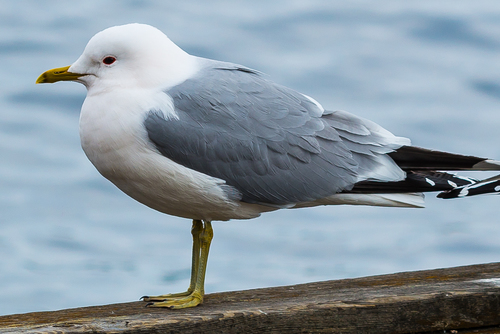
© Bengt Nyman · CC BY · iNaturalist 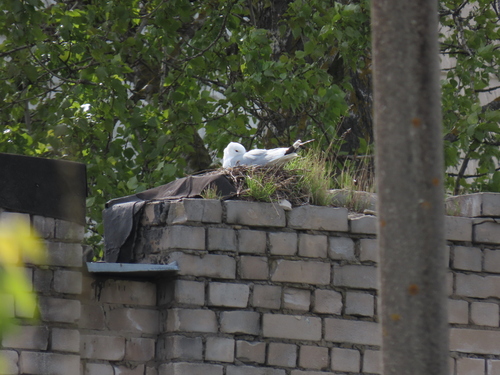
© Дмитрий Кошелев · CC BY · iNaturalist 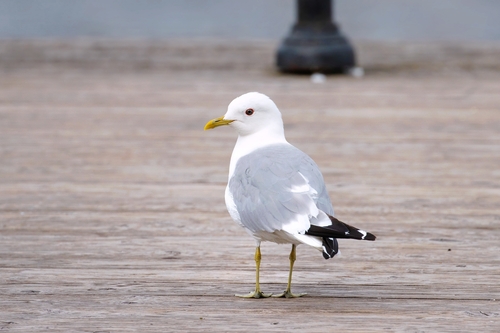
© Олеся · CC BY · iNaturalist 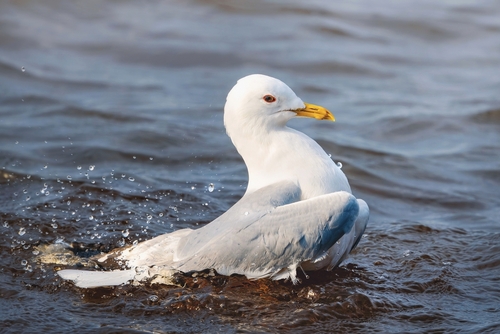
© Олеся · CC BY · iNaturalist 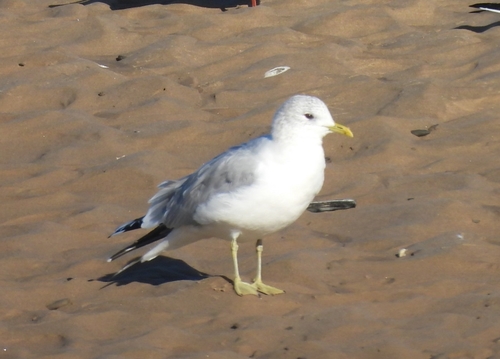
© Clare Edwards · CC BY · iNaturalist 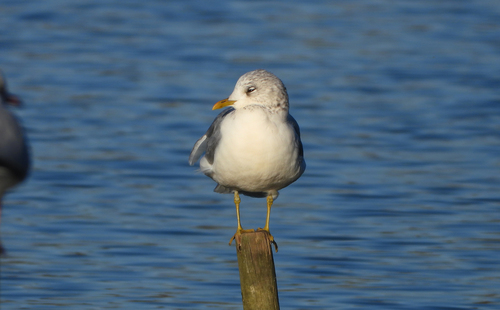
© Paul Lewis · CC BY · iNaturalist 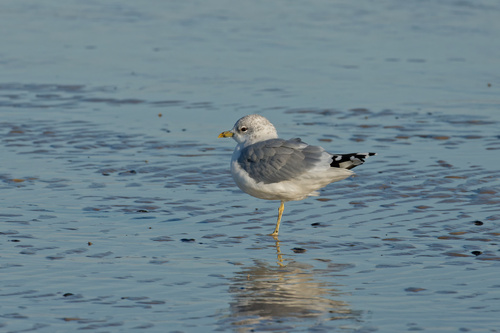
© Donald Davesne · CC BY · iNaturalist 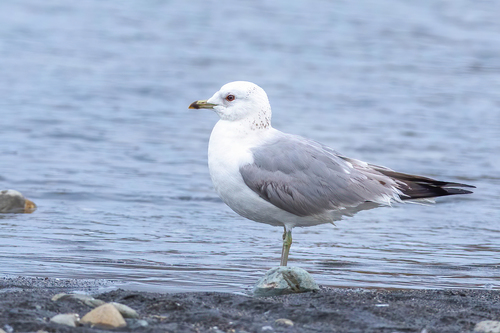
© egorbirder · CC BY · iNaturalist
Especies relacionadasRelated species
Otras aves de la familia Laridae y de órdenes cercanos.Other birds from the Laridae family and nearby orders.
- RaroRare
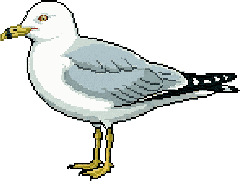 Gaviota de DelawareRing-billed GullLarus delawarensis
- Poco comúnUncommon
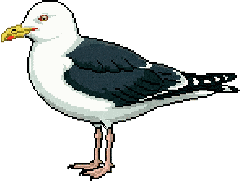 Gavión atlánticoGreat Black-backed GullLarus marinus
- ÉpicoEpic
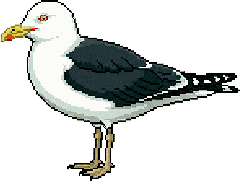 Gaviota cocineraKelp GullLarus dominicanus
- LegendarioLegendary
 Gaviota de BeringGlaucous-winged GullLarus glaucescens
- RaroRare
 Gavión hiperbóreoGlaucous GullLarus hyperboreus
- RaroRare
 Gaviota groenlandesaIceland GullLarus glaucoides
- ÉpicoEpic
 Gaviota argéntea americanaAmerican Herring GullLarus smithsonianus
- RaroRare
 Gaviota del CaspioCaspian GullLarus cachinnans
 Gratis, sin anuncios ni comprasFree, no ads, no purchases