 BirdPedy
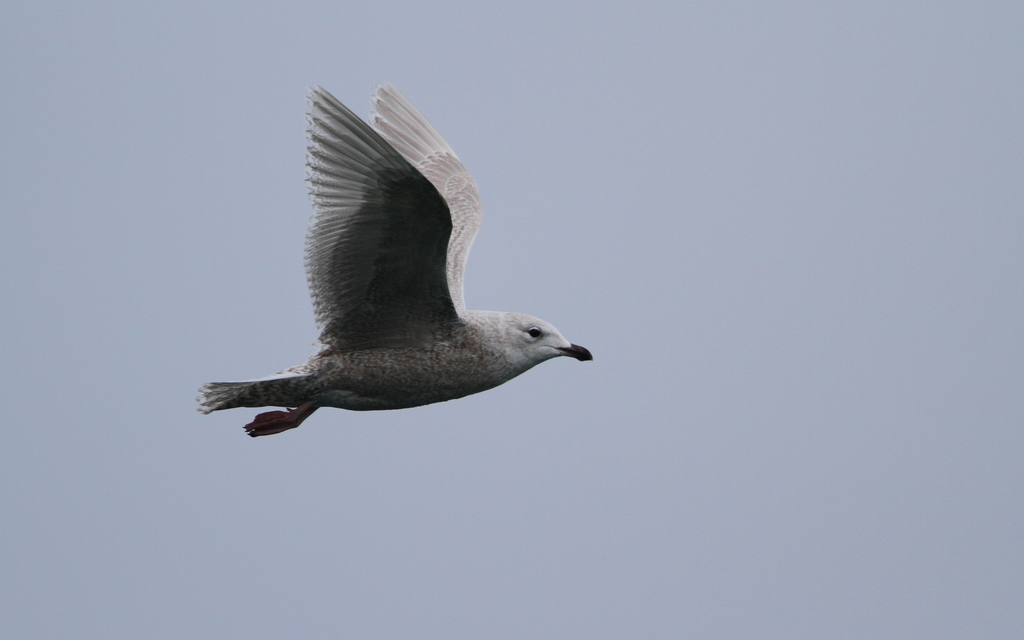
Gaviota groenlandesaIceland Gull
En 9 provincias en febrero y sin registros 2 meses del añoIn 9 provinces in February, and no records in 2 months of the year
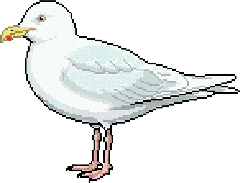
Reporte de rarezaRarity report
Por qué es raroWhy it is rareSimilar a la anterior pero de menor tamaño. Invernante ártica escasa y puntual en el litoral cantábrico y gallego.Similar to the previous species but smaller. A scarce, occasional Arctic winter visitor on the Cantabrian and Galician coasts.
Cada carrizo es un mes: su altura, las provincias con registros de 2020 a 2024.Each reed is a month: its height, the provinces with records from 2020 to 2024.- Provincias con registrosProvinces with records
- 11 de 52of 52
- En la appIn the app
- Octubre a abrilOctober to April
- EnvergaduraWingspan
- 1,4-1,5 m1.4-1.5 m
- LongitudLength
- 52-60 cm52-60 cm
- Lista Roja de EspañaSpanish Red List
- NE No evaluada en EspañaNot assessed in Spain

Información generalGeneral Information
Natural del norte canadiense y Groenlandia, se reconocen tres subespecies de gaviota groenlandesa, de las que la nominal es la menos infrecuente en España. El número de gaviotas groenlandesas que invernan en Europa resulta bajo y fluctuante, pero hay citas cada año en países como Irlanda, Inglaterra, Suecia, Dinamarca, Holanda y Francia. En España, la especie aparece como invernante regular, aunque escasa.The Iceland Gull is a master of elegance. It is a regular but scarce winterer in Spain, arriving in small numbers on the northern coasts. Its appearance is highly dependent on ocean storms and ice conditions in the North Atlantic. It often associates with gulls in harbors, where its pure white wings and petite features make it a favorite for birders. It is a delicate, beautiful traveler from the ice-choked fjords of Greenland.
IdentificaciónIdentification
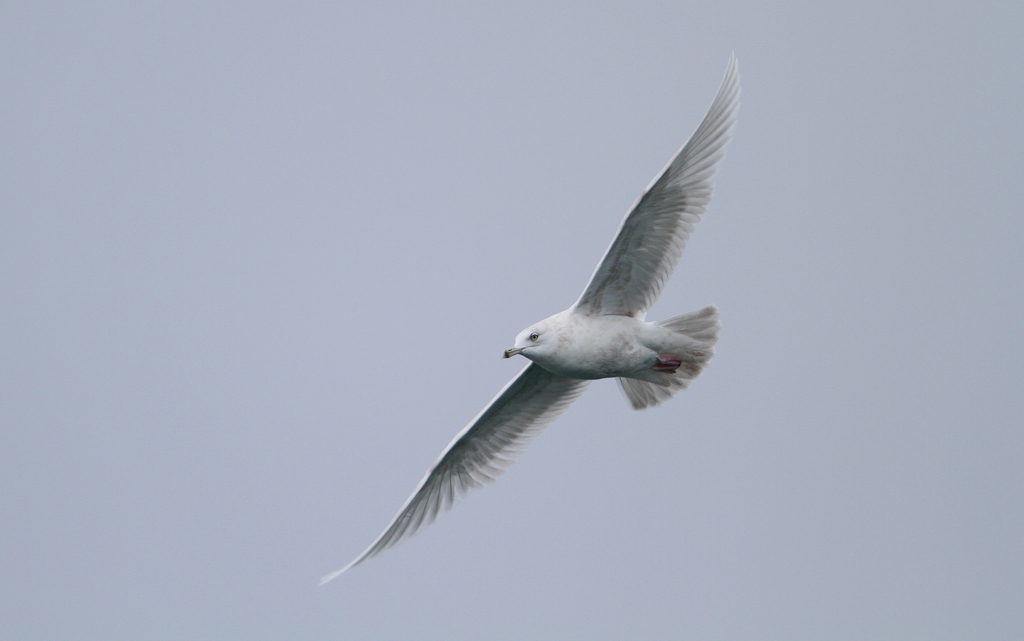
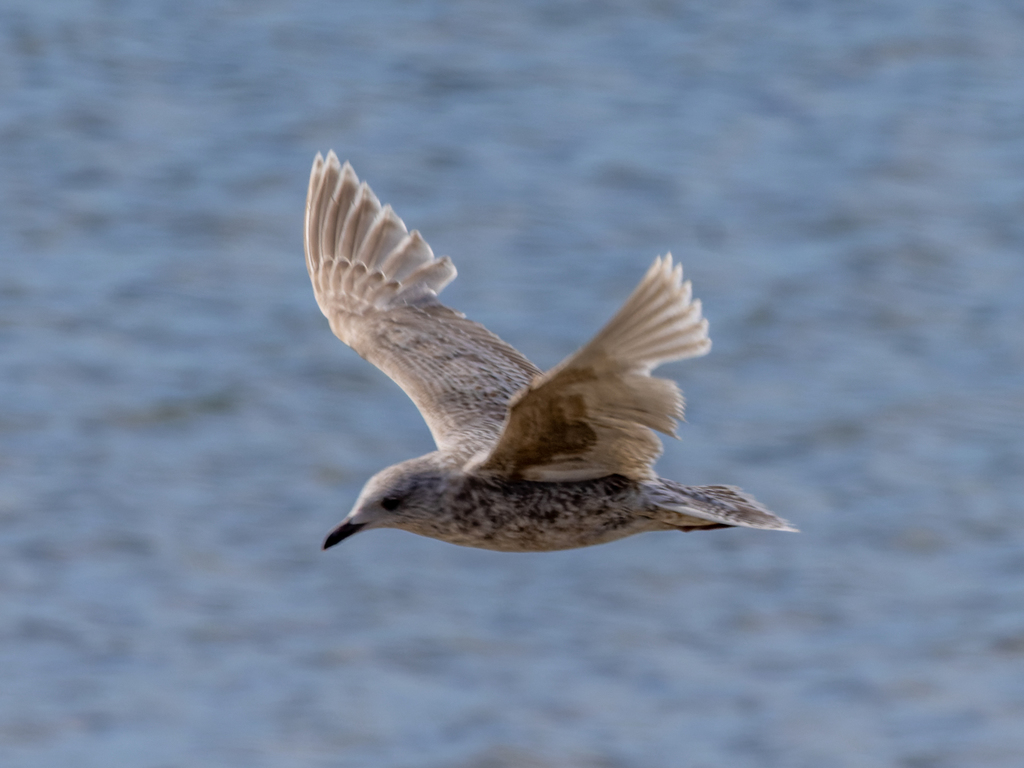
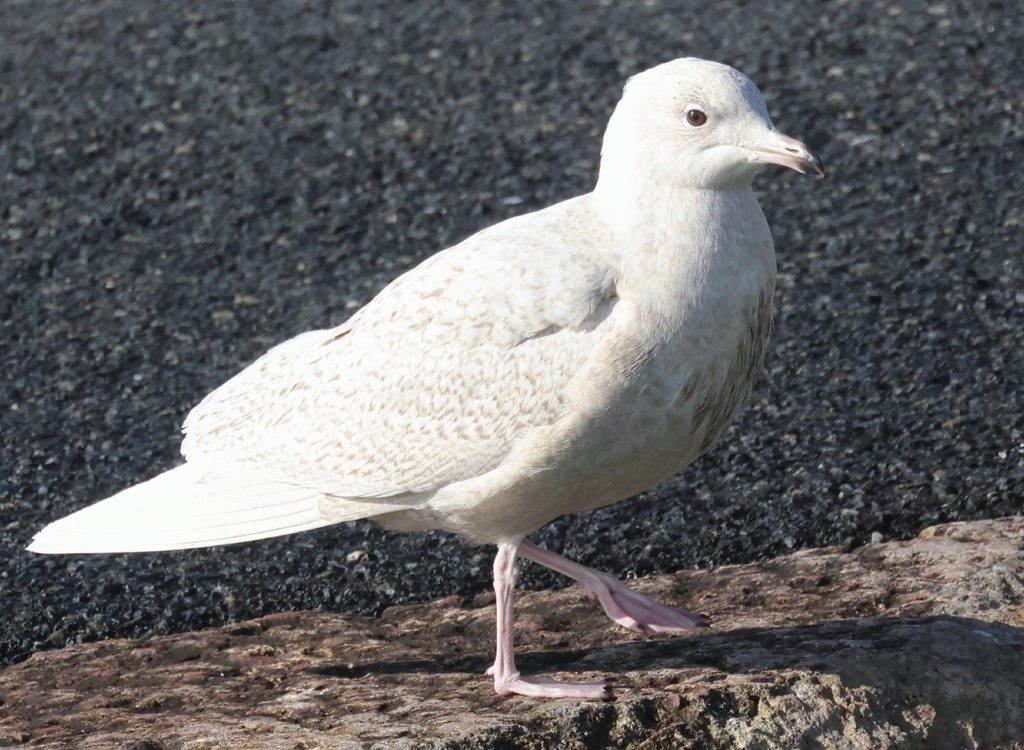
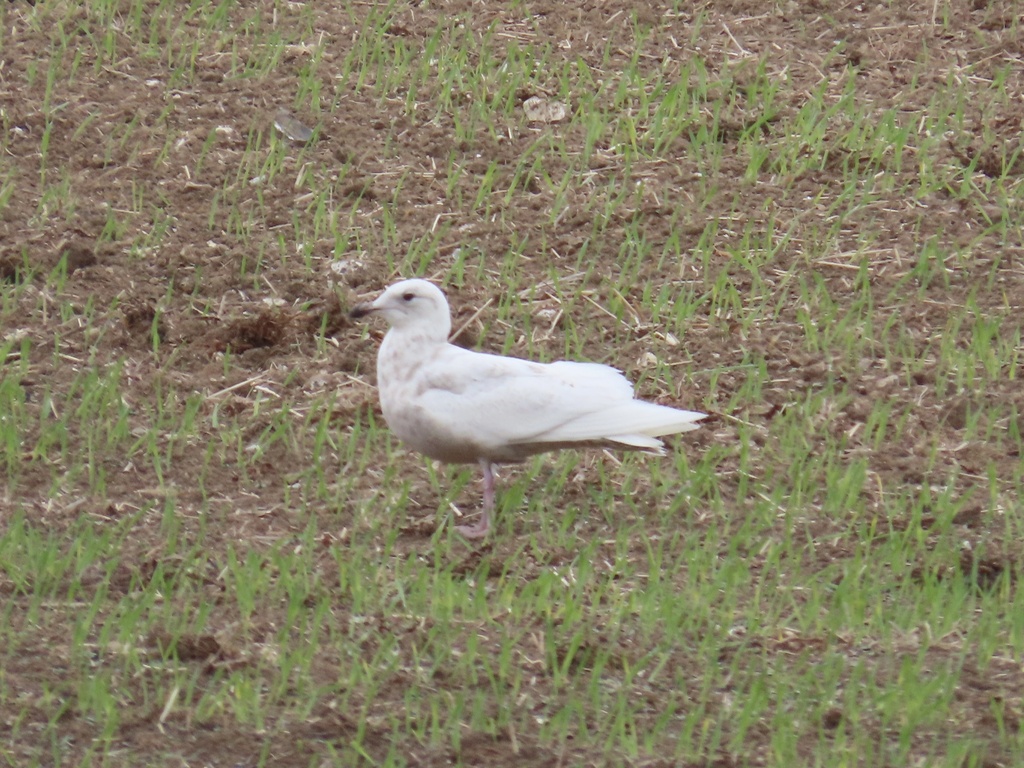
La gaviota groenlandesa, junto con el gavión hiperbóreo, es la única de las gaviotas grandes que muestra en los adultos primarias blanquecinas, aunque la subespecie canadiense, kumlieni, presenta también algo de gris. Se diferencia del gavión hiperbóreo por su menor tamaño y por tener la cabeza más redondeada, las alas más largas, los ojos más grandes y el pico más corto (de longitud claramente inferior a la proyección de las primarias bajo las terciarias). Las aves de primer año lucen un pico totalmente oscuro o con solo la base aclarada.Similar to the Glaucous Gull but significantly smaller and more delicate, with a more rounded head and a shorter, finer bill. It also features very long wings that project far past the tail. Adults have white or very pale gray wing tips and pink legs. It has a gentler, more 'Mew Gull-like' expression compared to its larger cousin. It originates from Greenland and the Canadian Arctic.
DistribuciónDistribution
Son pocos los ejemplares de la especie que llegan cada invierno hasta las costas españolas, perteneciendo mayoritariamente a la subespecie glaucoides. Un porcentaje muy elevado de las observaciones pertenecen al litoral gallego y cantábrico, siendo testimonial su presencia en las costas andaluzas o mediterráneas. La alta variabilidad interanual está probablemente ligada a circunstancias meteorológicas en el mar del Norte.Regular but scarce winter visitor. Found mainly in Galicia and the Cantabrian Sea. Rare in Andalusia and the Mediterranean. High inter-annual variability. Primarily subspecies 'glaucoides'.
Textos reproducidos con permiso de laTexts translated and reproduced with permission from the Guía de Aves de España © SEO/BirdLife
Estado de conservaciónConservation Status
- EX
- RE
- CR
- EN
- VU
- NT
- LC
NE
No evaluada en EspañaNot assessed in Spain
Qué significa cada categoríaWhat each category means
- LC
- Preocupación menor: Taxón evaluado que no califica para categorías amenazadas. Especies abundantes y ampliamente distribuidasLeast Concern - Evaluated taxon that does not qualify for threatened categories. Widespread and abundant taxa
- NT
- Casi amenazada: No califica actualmente como amenazada, pero está cerca de calificar o es probable que califique en el futuro cercanoNear Threatened - Does not currently qualify as threatened, but is close to qualifying or likely to qualify in the near future
- VU
- Vulnerable: Enfrenta un alto riesgo de extinción en estado silvestre según los criterios A a E de IUCNVulnerable - Facing a high risk of extinction in the wild based on IUCN criteria A to E
- EN
- En peligro: Enfrenta un riesgo muy alto de extinción en estado silvestre según los criterios A a E de IUCNEndangered - Facing a very high risk of extinction in the wild based on IUCN criteria A to E
- CR
- En peligro crítico: Enfrenta un riesgo extremadamente alto de extinción en estado silvestre según los criterios A a E de IUCNCritically Endangered - Facing an extremely high risk of extinction in the wild based on IUCN criteria A to E
- DD
- Datos insuficientes: Información inadecuada para evaluar el riesgo de extinción basándose en distribución o estado poblacionalData Deficient - Inadequate information to assess extinction risk based on distribution and/or population status
- NE
- No evaluada: No ha sido evaluada aún contra los criterios de la Lista Roja de IUCNNot Evaluated - Has not yet been assessed against the IUCN Red List criteria
- RE
- Extinta regionalmente: El taxón ya no existe en la región específica, aunque puede sobrevivir en otros lugaresRegionally Extinct - Taxon no longer exists in the specific region, though it may survive elsewhere
- EX
- Extinta - No existe duda razonable de que ha muerto el último individuo del taxónExtinct - No reasonable doubt that the last individual of the taxon has died
TaxonomíaTaxonomy
- OrdenOrder
- Charadriiformes
- FamiliaFamily
- Laridae
Presencia en EspañaPresence in Spain
- HabitualRegular
- InvernanteWinter visitor
En la app: octubre a abril.In the app: October to April.
Dónde verlaWhere to see it
43 cuadrículas de 10 km con registros de 2020 a 2024. Toca un mes para ver dónde se ha visto.43 10 km squares with records from 2020 to 2024. Pick a month to see where it has been seen.
Cargando el mapa…Loading the map…
Dónde es regularWhere it is regular
Provincias con registros en al menos 3 de los 5 años algún mes, de más a menos frecuente, y sus mejores meses.Provinces with records in at least 3 of the 5 years in some month, from most to least frequent, and their best months.
- A CoruñaA Coruñamarzo, febreroMarch, February
- LugoLugomarzoMarch
- AsturiasAsturiasenero, diciembre, febreroJanuary, December, February
Datos: registros en GBIF de 2020 a 2024 de Observation.org, eBird, iNaturalist y el ICO, descargados el 23/10/2026.Data: GBIF records from 2020 to 2024 from Observation.org, eBird, iNaturalist and the ICO, downloaded on 23/10/2026. GBIF.org (23 October 2026) GBIF Occurrence Download · doi:10.15468/dl.r5sf2a · CC BY-NC 4.0
GaleríaGallery
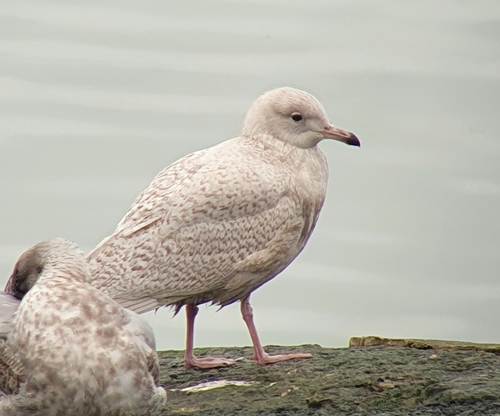
© Quentin Benet-Cibois · CC BY · iNaturalist 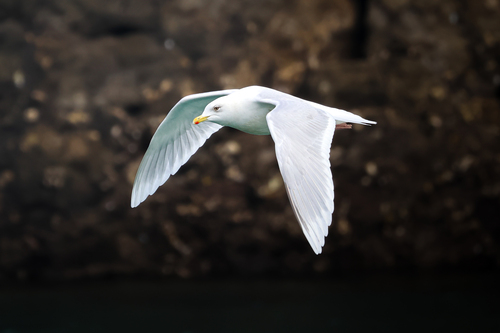
© Diego González Dopico · CC BY · iNaturalist 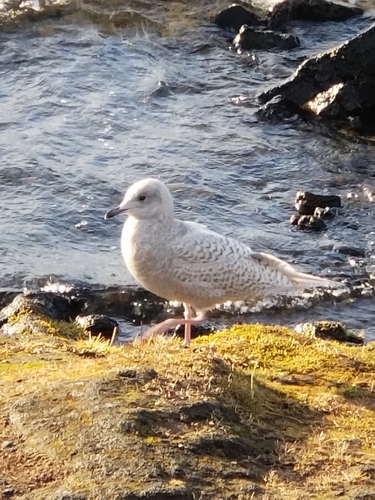
© Natasha Haggard · CC BY · iNaturalist 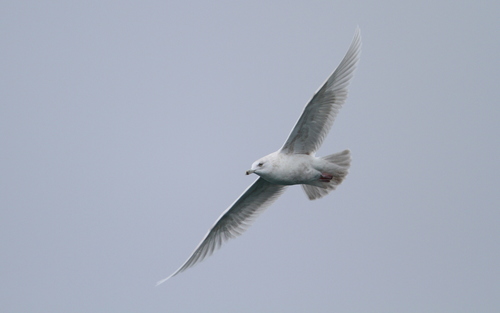
© Christoph Moning · CC BY · iNaturalist 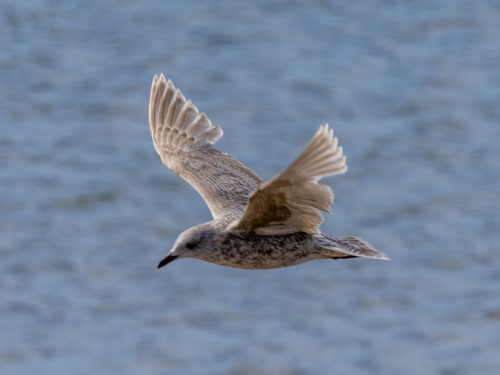
© William Stephens · CC BY · iNaturalist 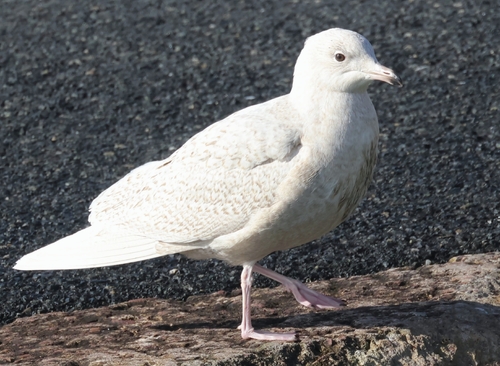
© Olivier Morel · CC BY · iNaturalist 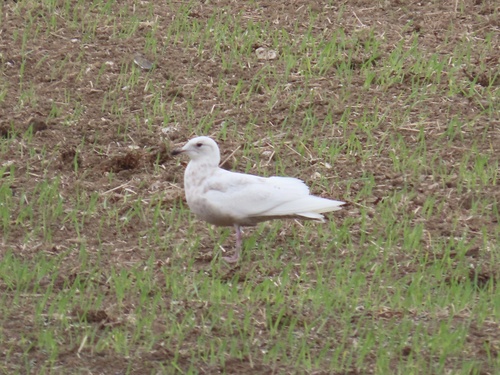
© gjecology · CC BY · iNaturalist 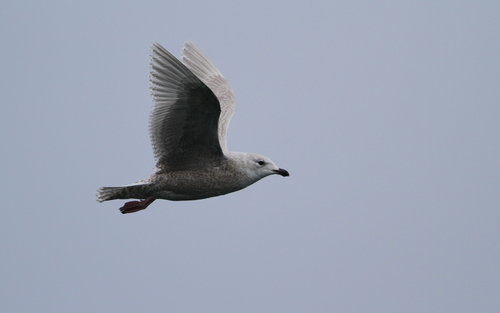
© Christoph Moning · CC BY · iNaturalist
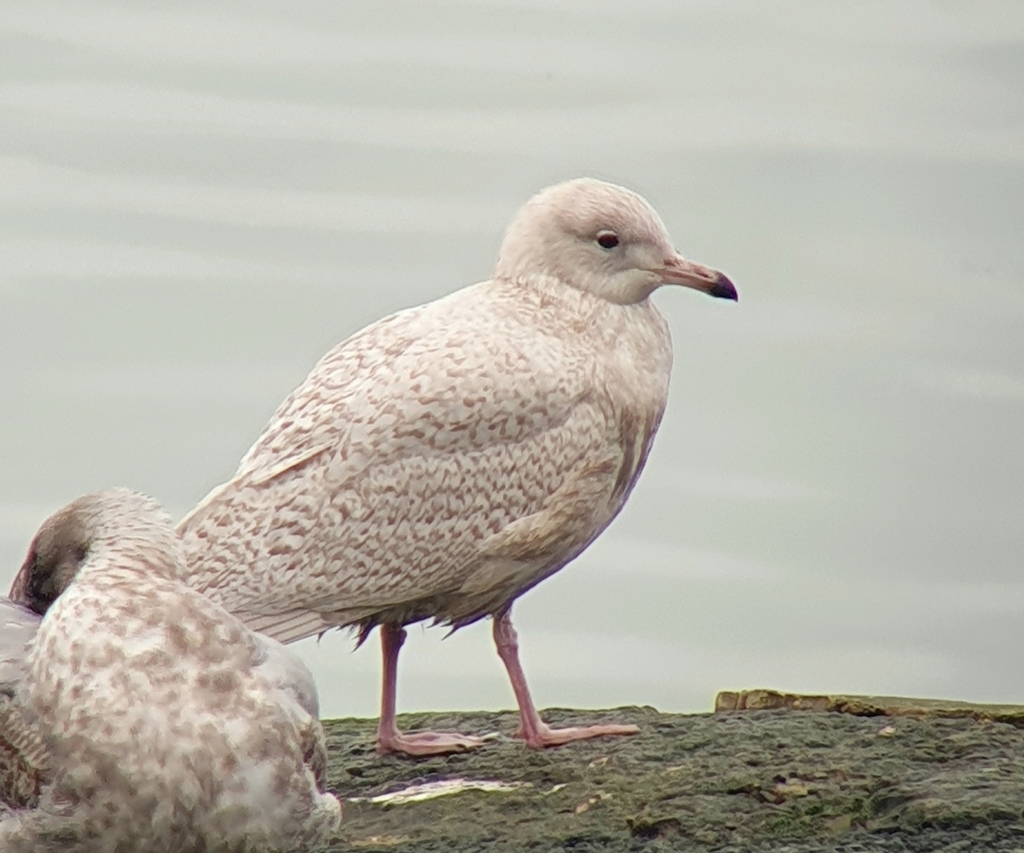
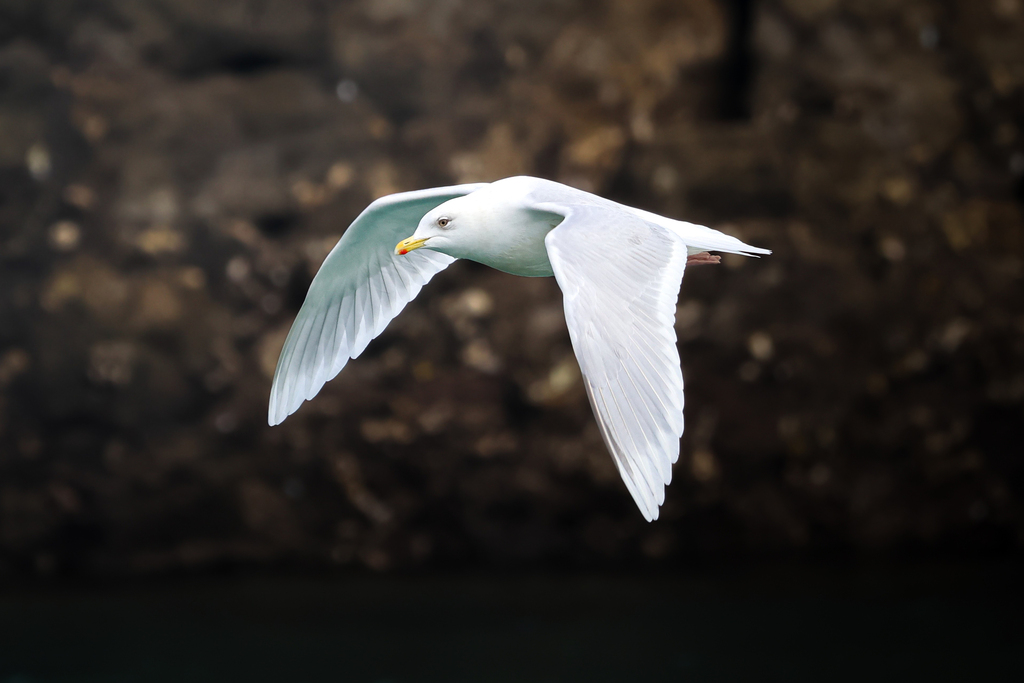
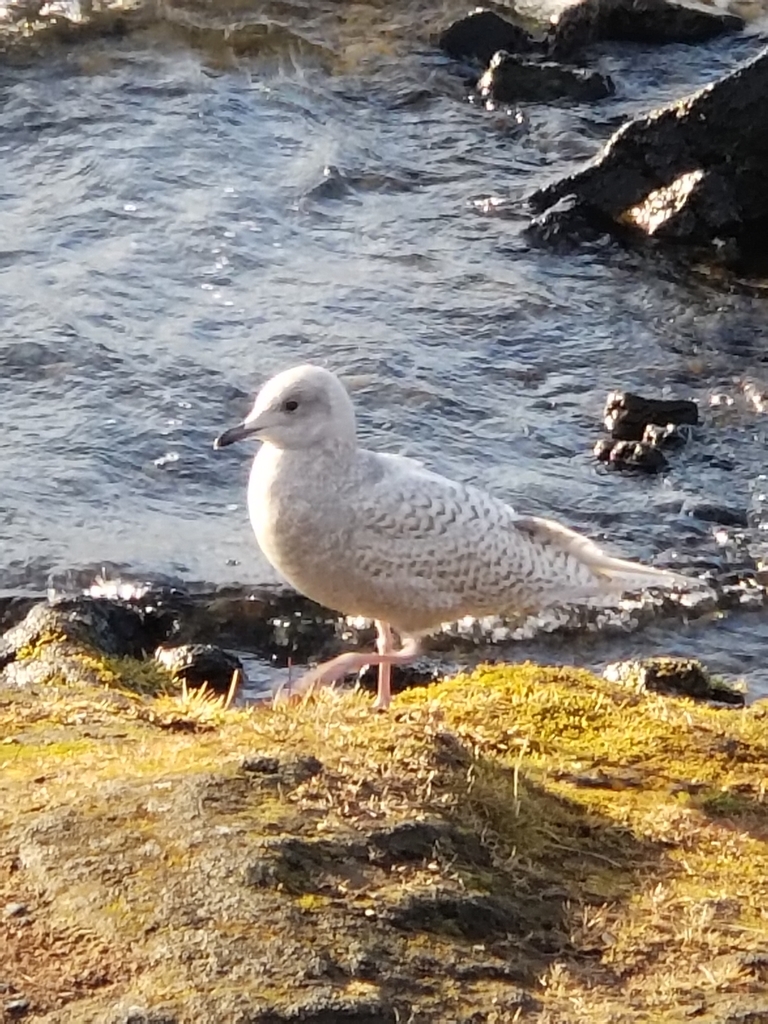
Especies relacionadasRelated species
Otras aves de la familia Laridae y de órdenes cercanos.Other birds from the Laridae family and nearby orders.
- ÉpicoEpic
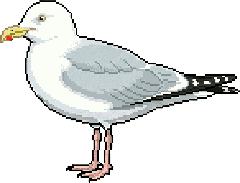 Gaviota argéntea americanaAmerican Herring GullLarus smithsonianus
- RaroRare
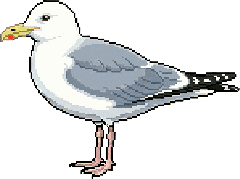 Gaviota del CaspioCaspian GullLarus cachinnans
- Poco comúnUncommon
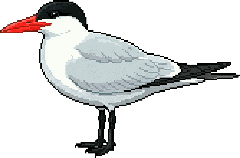 Pagaza piquirrojaCaspian TernHydroprogne caspia
- LegendarioLegendary
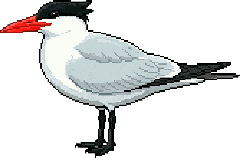 Charrán realRoyal TernThalasseus maximus
- ÉpicoEpic
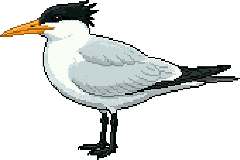 Charrán eleganteElegant TernThalasseus elegans
- LegendarioLegendary
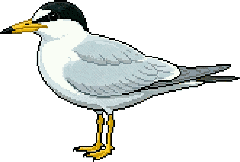 Charrancito americanoLeast TernSternula antillarum
- LegendarioLegendary
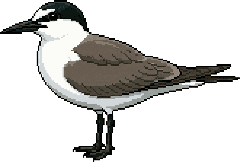 Charrán embridadoBridled TernOnychoprion anaethetus
- LegendarioLegendary
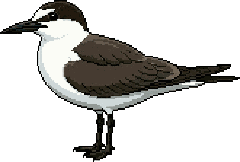 Charrán sombríoSooty TernOnychoprion fuscatus
 Gratis, sin anuncios ni comprasFree, no ads, no purchases