 BirdPedy
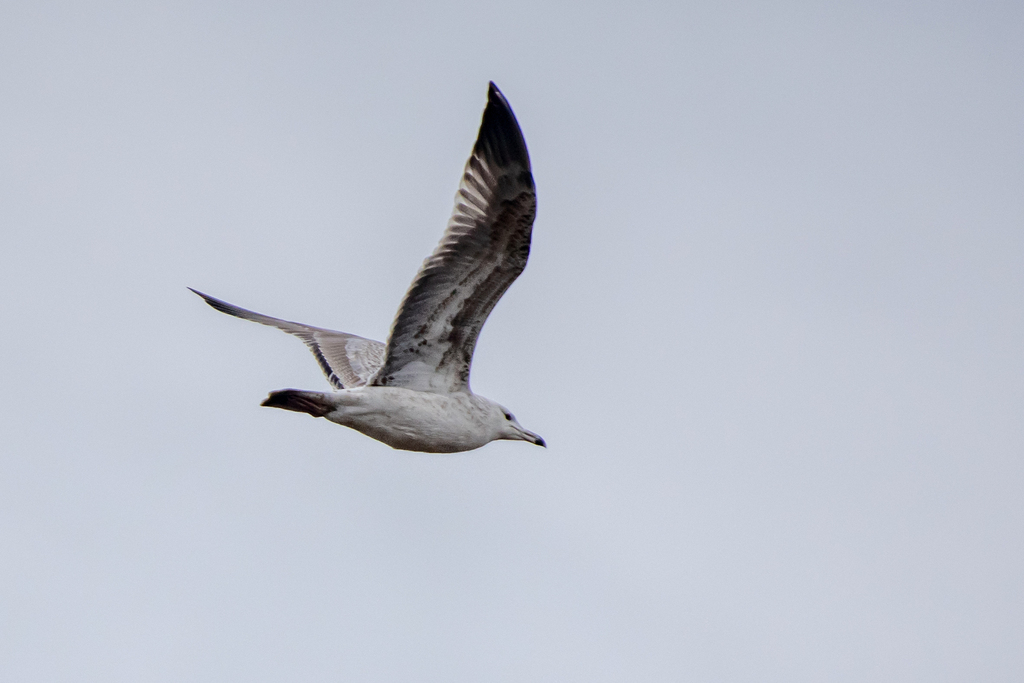
Gaviota del CaspioCaspian Gull
En 19 provincias en enero y sin registros un mes del añoIn 19 provinces in January, and no records in one month of the year
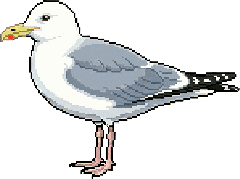
Reporte de rarezaRarity report
Por qué es raroWhy it is rareInvernante escasa identificada regularmente en puertos y vertederos, procedente de las cuencas del mar Negro y Caspio.A scarce winter visitor, regularly identified at ports and landfills, coming from the Black Sea and Caspian basins.
Cada carrizo es un mes: su altura, las provincias con registros de 2020 a 2024.Each reed is a month: its height, the provinces with records from 2020 to 2024.- Provincias con registrosProvinces with records
- 26 de 52of 52
- En la appIn the app
- Noviembre a marzoNovember to March
- EnvergaduraWingspan
- 137-145 cm137-145 cm
- LongitudLength
- 56-68 cm56-68 cm
- Lista Roja de EspañaSpanish Red List
- NE No evaluada en EspañaNot assessed in Spain

Información generalGeneral Information
La gaviota del Caspio es un divagante frecuente, aunque escaso en número, de las costas sobre todo cantábricas y, en menor medida, mediterráneas, si bien se deja ver cada invierno también de manera más puntual en el interior y el litoral atlántico. Durante mucho tiempo fue considerada una subespecie de la gaviota argéntea (Larus argentatus), pero algunos caracteres morfológicos y datos moleculares han llevado a considerarla una especie independiente.The Caspian Gull was once a major rarity but is now a regular winterer in Spain. It has expanded its range significantly across Europe in recent years. It is most often found in the north but is reaching Mediterranean and inland sites. Its elegant, long-necked silhouette and focused gaze make it stand out among the common harbor gulls. It is a symbol of the fluid and expanding connections between the Eurasian steppes and the Atlantic coast.
IdentificaciónIdentification
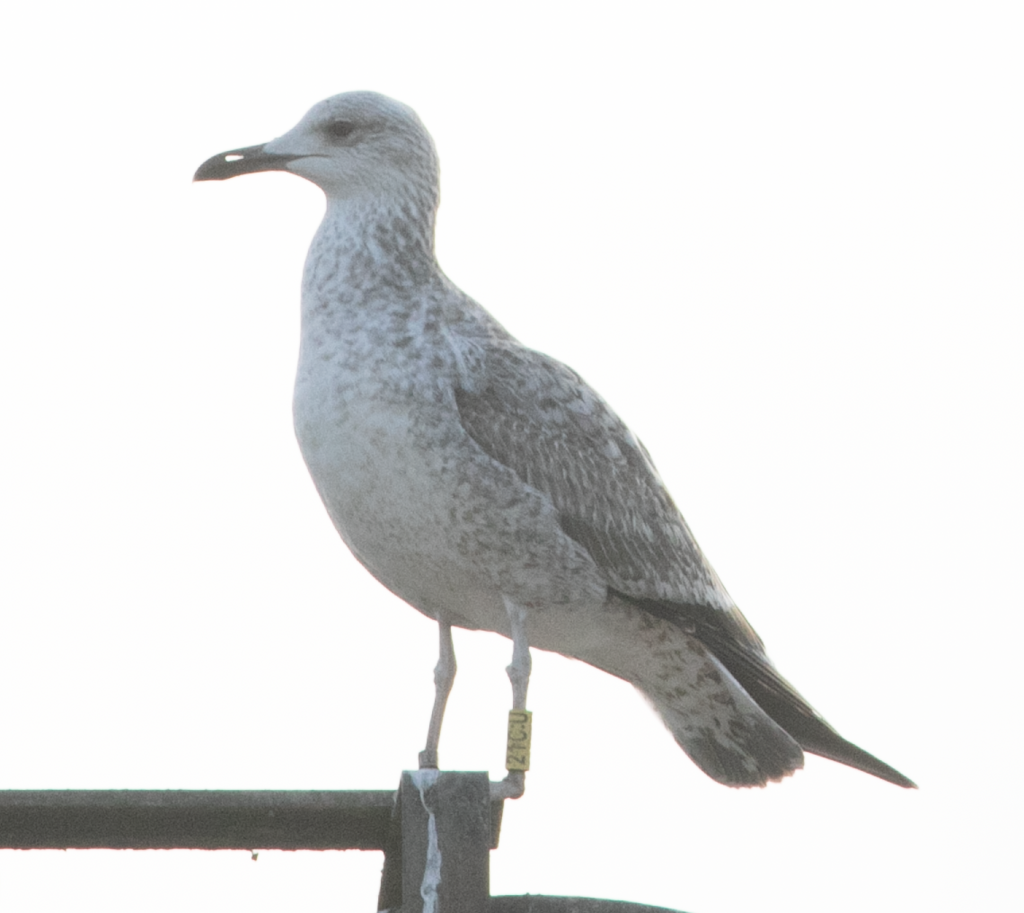
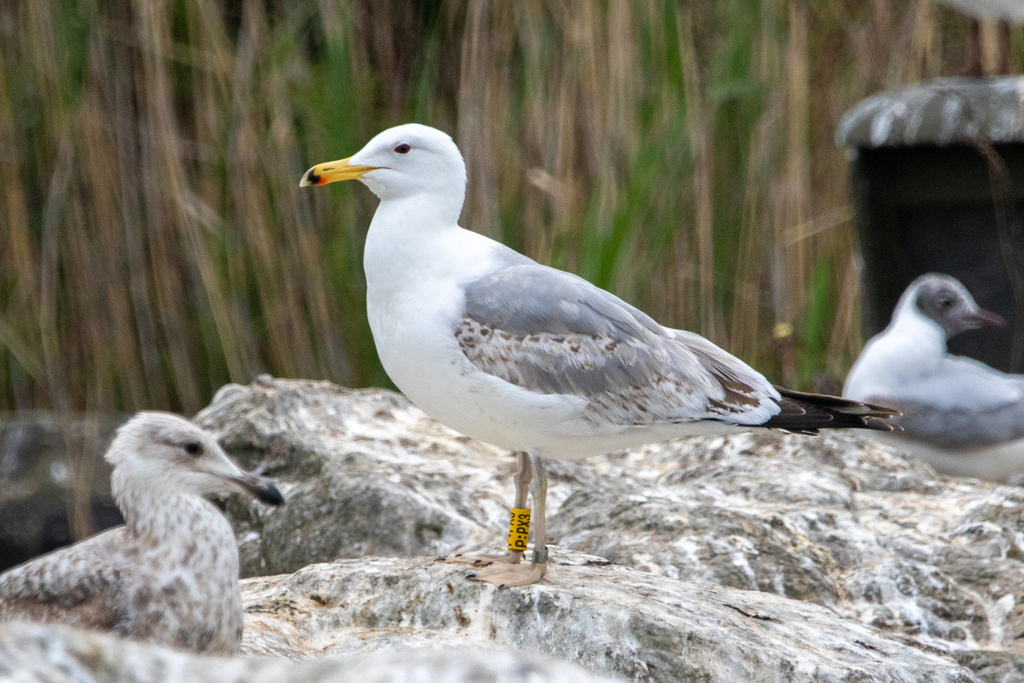
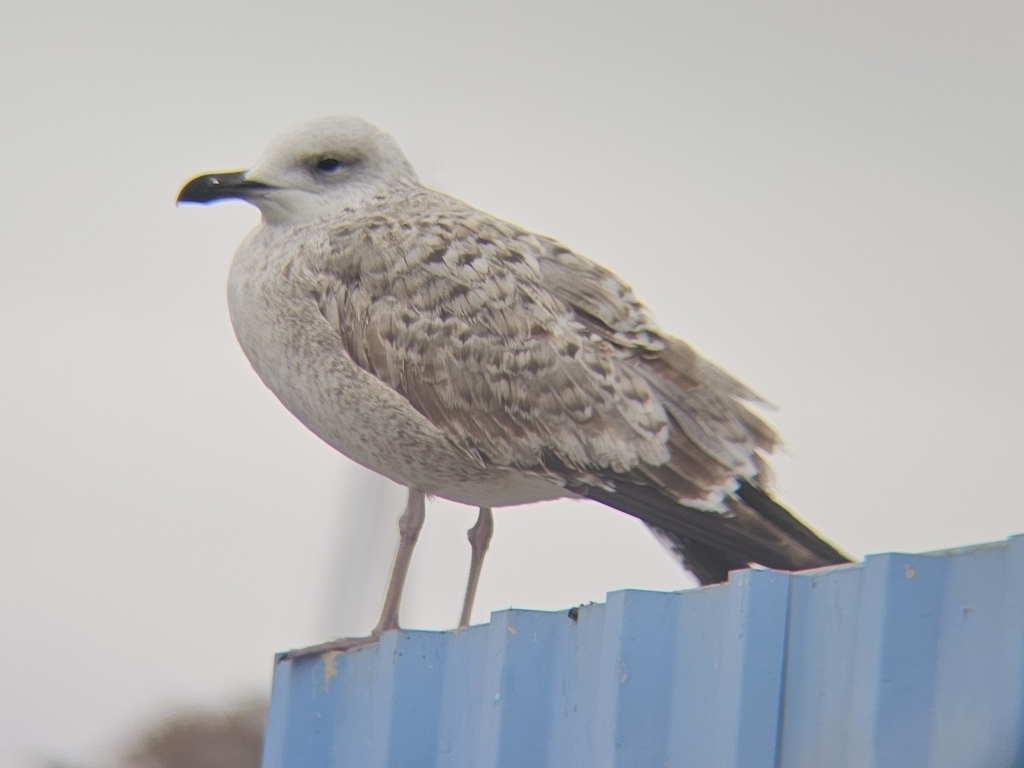
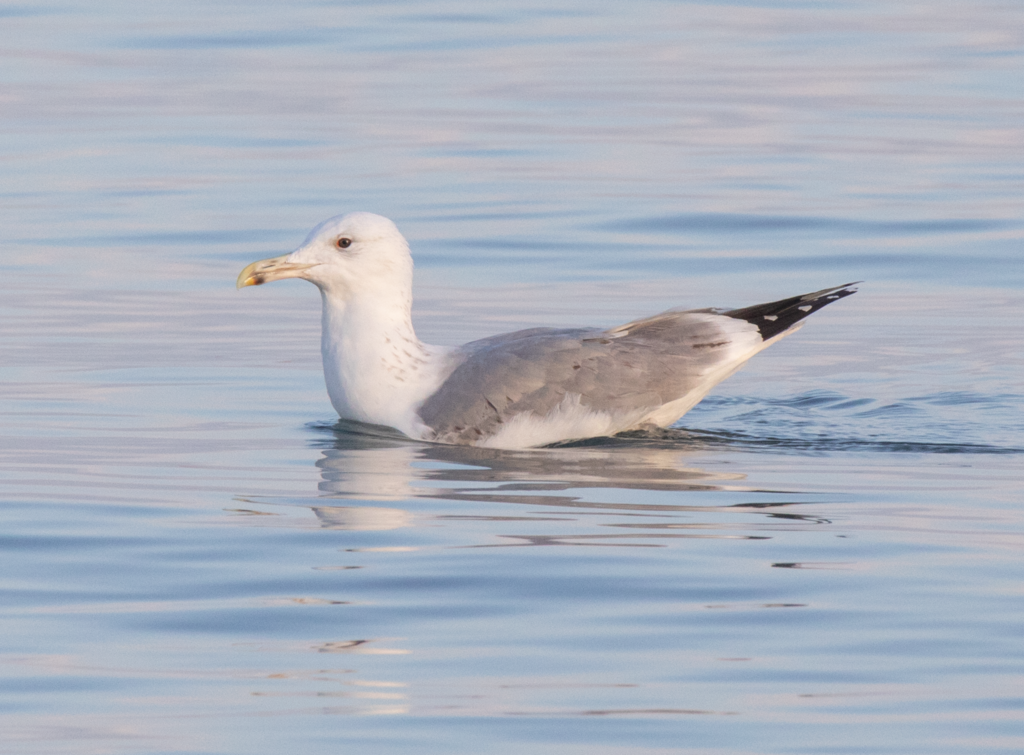
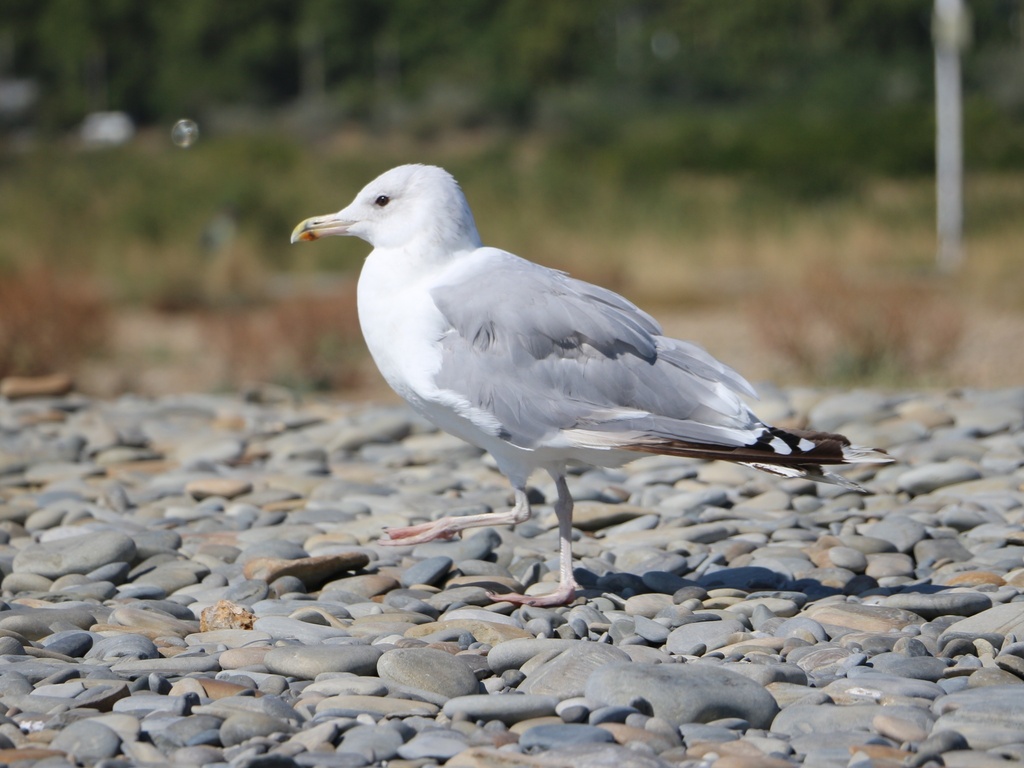
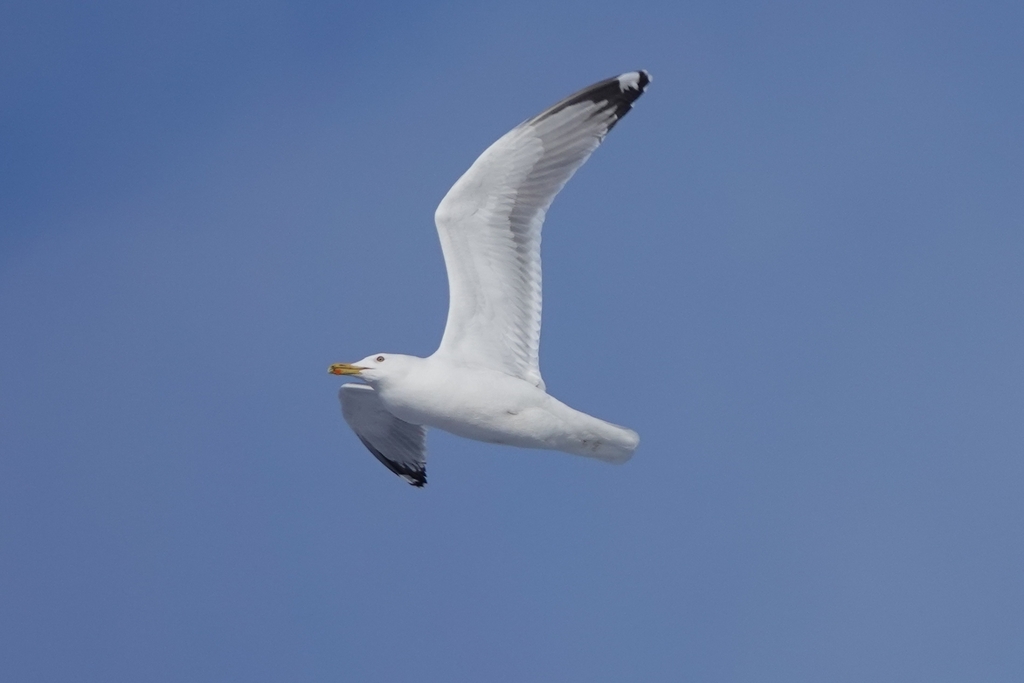
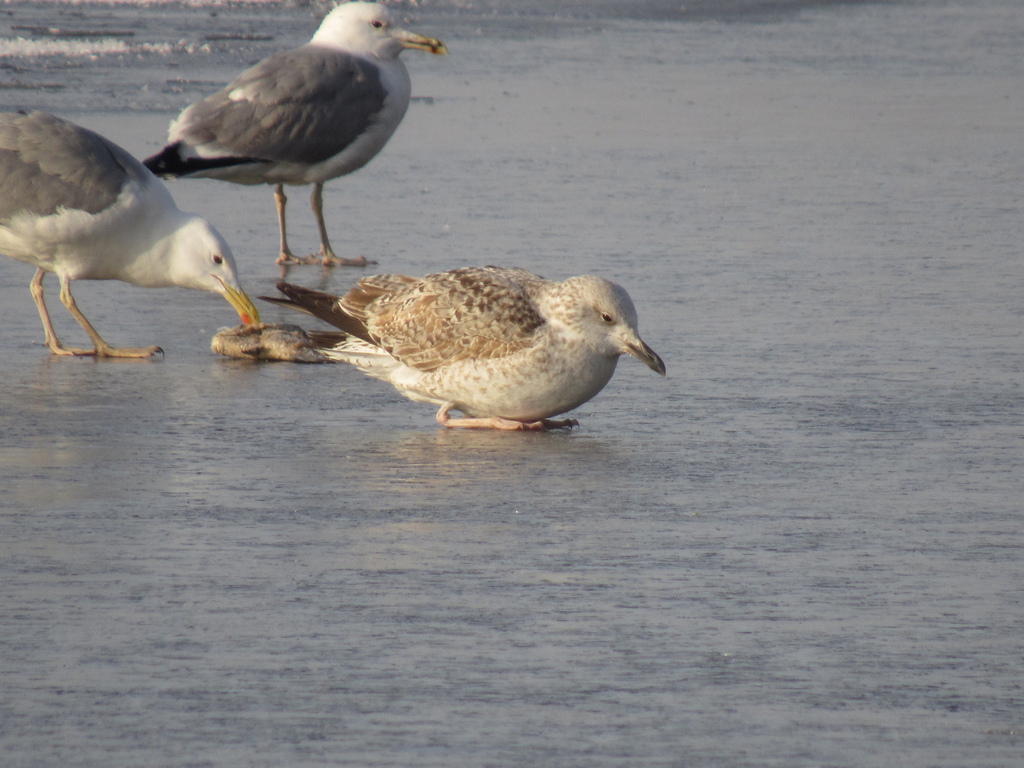
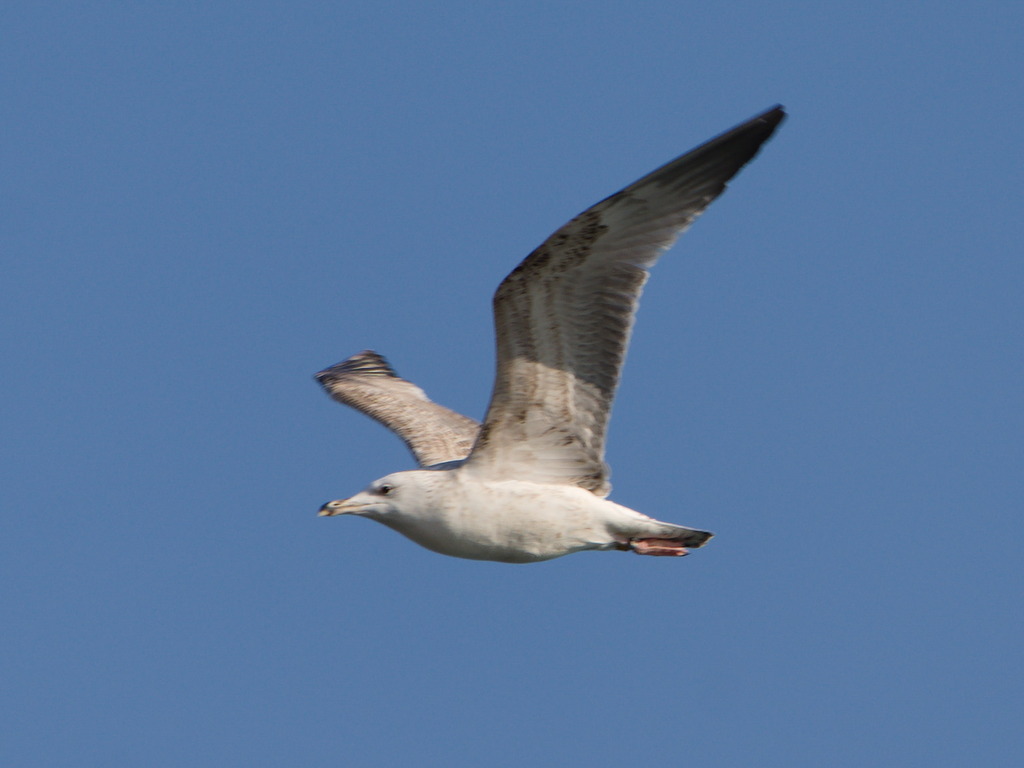
La gaviota del Caspio es una gaviota de gran tamaño, con la cabeza pequeña, la frente aplanada, nuca angulada y pico largo, amarillo intenso en los adultos, y delgado, con una gran mancha gonial roja brillante. Las patas resultan relativamente largas, la parte superior del plumaje es de tonos grisáceos y las regiones ventrales, blancas Adopta una postura más erguida que otras especies de gaviota. Adquieren el plumaje adulto al cuarto año de edad.A large gull, recently split from the Herring Gull complex. It has a very distinctive 'aristocratic' look: a small head, a long and thin bill, and very long legs that give it a tall, upright posture. Adults have a pale gray mantle and dark eyes. It is distinguished from the Yellow-legged Gull by its more slender build and specialized wing-tip pattern. It stems from the Black and Caspian Sea regions.
DistribuciónDistribution
En nuestro país dejó de catalogarse la especie como rareza en 2016, dado el número anual de registros y una presencia cada vez más regular durante los meses de invierno en las costas peninsulares e incluso baleares. Estas llegadas son más frecuentes en Galicia y la costa cantábrica, alcanzando también diversos puntos del Mediterráneo y, de manera más infrecuente, el Mar de Alborán y el Atlántico andaluz. En el interior, su presencia es testimonial.Increasing winter visitor. No longer a rarity since 2016. Widespread along the Cantabrian coast and Galicia; rare but increasing in the Mediterranean and the interior.
Textos reproducidos con permiso de laTexts translated and reproduced with permission from the Guía de Aves de España © SEO/BirdLife
Estado de conservaciónConservation Status
- EX
- RE
- CR
- EN
- VU
- NT
- LC
NE
No evaluada en EspañaNot assessed in Spain
Qué significa cada categoríaWhat each category means
- LC
- Preocupación menor: Taxón evaluado que no califica para categorías amenazadas. Especies abundantes y ampliamente distribuidasLeast Concern - Evaluated taxon that does not qualify for threatened categories. Widespread and abundant taxa
- NT
- Casi amenazada: No califica actualmente como amenazada, pero está cerca de calificar o es probable que califique en el futuro cercanoNear Threatened - Does not currently qualify as threatened, but is close to qualifying or likely to qualify in the near future
- VU
- Vulnerable: Enfrenta un alto riesgo de extinción en estado silvestre según los criterios A a E de IUCNVulnerable - Facing a high risk of extinction in the wild based on IUCN criteria A to E
- EN
- En peligro: Enfrenta un riesgo muy alto de extinción en estado silvestre según los criterios A a E de IUCNEndangered - Facing a very high risk of extinction in the wild based on IUCN criteria A to E
- CR
- En peligro crítico: Enfrenta un riesgo extremadamente alto de extinción en estado silvestre según los criterios A a E de IUCNCritically Endangered - Facing an extremely high risk of extinction in the wild based on IUCN criteria A to E
- DD
- Datos insuficientes: Información inadecuada para evaluar el riesgo de extinción basándose en distribución o estado poblacionalData Deficient - Inadequate information to assess extinction risk based on distribution and/or population status
- NE
- No evaluada: No ha sido evaluada aún contra los criterios de la Lista Roja de IUCNNot Evaluated - Has not yet been assessed against the IUCN Red List criteria
- RE
- Extinta regionalmente: El taxón ya no existe en la región específica, aunque puede sobrevivir en otros lugaresRegionally Extinct - Taxon no longer exists in the specific region, though it may survive elsewhere
- EX
- Extinta - No existe duda razonable de que ha muerto el último individuo del taxónExtinct - No reasonable doubt that the last individual of the taxon has died
TaxonomíaTaxonomy
- OrdenOrder
- Charadriiformes
- FamiliaFamily
- Laridae
Presencia en EspañaPresence in Spain
- HabitualRegular
- InvernanteWinter visitor
En la app: noviembre a marzo.In the app: November to March.
Dónde verlaWhere to see it
102 cuadrículas de 10 km con registros de 2020 a 2024. Toca un mes para ver dónde se ha visto.102 10 km squares with records from 2020 to 2024. Pick a month to see where it has been seen.
Cargando el mapa…Loading the map…
Dónde es regularWhere it is regular
Provincias con registros en al menos 3 de los 5 años algún mes, de más a menos frecuente, y sus mejores meses.Provinces with records in at least 3 of the 5 years in some month, from most to least frequent, and their best months.
- LugoLugofebrero, diciembre, marzoFebruary, December, March
- ÁlavaÁlavafebrero, marzoFebruary, March
- GuipúzcoaGuipúzcoadiciembre, enero, noviembreDecember, January, November
- AsturiasAsturiasenero, diciembre, marzoJanuary, December, March
- A CoruñaA Coruñamarzo, febrero, eneroMarch, February, January
- ValenciaValenciafebrero, marzoFebruary, March
- CantabriaCantabriadiciembre, eneroDecember, January
- HuescaHuescaeneroJanuary
- VizcayaVizcayadiciembre, marzo, octubreDecember, March, October
- SalamancaSalamancadiciembreDecember
Ver las 11 provinciasSee all 11 provinces
- MadridMadridfebrero, diciembre, eneroFebruary, December, January
Datos: registros en GBIF de 2020 a 2024 de Observation.org, eBird, iNaturalist y el ICO, descargados el 23/10/2026.Data: GBIF records from 2020 to 2024 from Observation.org, eBird, iNaturalist and the ICO, downloaded on 23/10/2026. GBIF.org (23 October 2026) GBIF Occurrence Download · doi:10.15468/dl.r5sf2a · CC BY-NC 4.0
GaleríaGallery
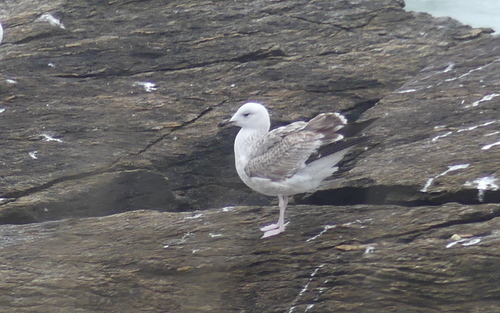
© Julien Fougeroux · CC BY · iNaturalist 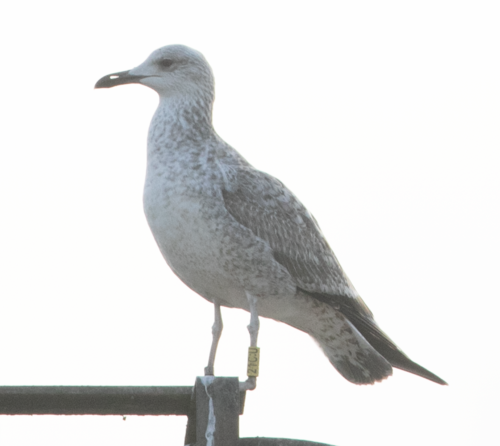
© Paolo Zucca · CC BY · iNaturalist 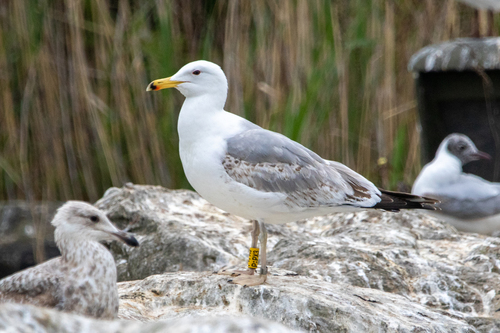
© Alexis Lours · CC BY · iNaturalist 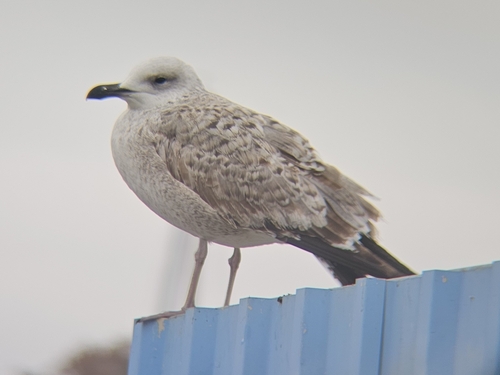
© Emil Jantke · CC BY · iNaturalist 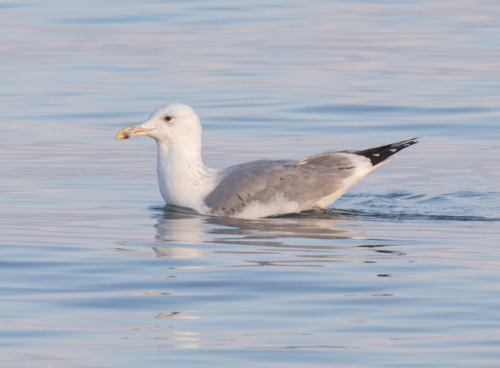
© Paolo Zucca · CC BY · iNaturalist 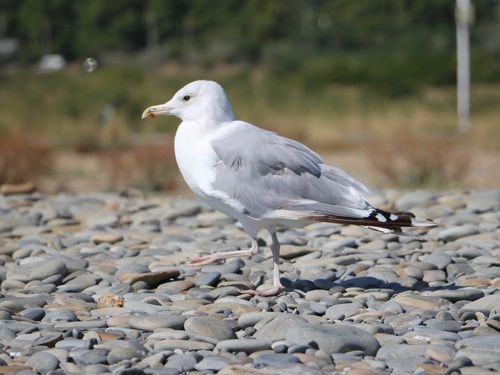
© Юрий Данилевский (Yuriy Danilevsky) · CC BY · iNaturalist 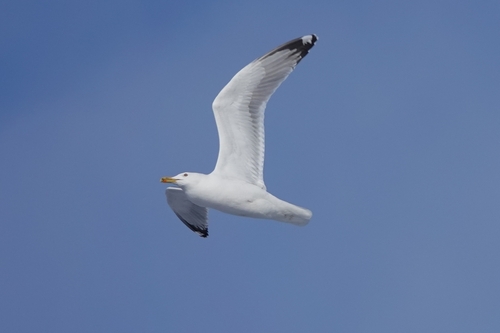
© Валерия Ковалева · CC BY · iNaturalist 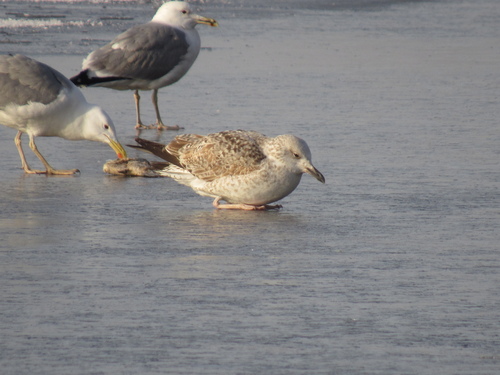
© Igor Balashov · CC BY · iNaturalist 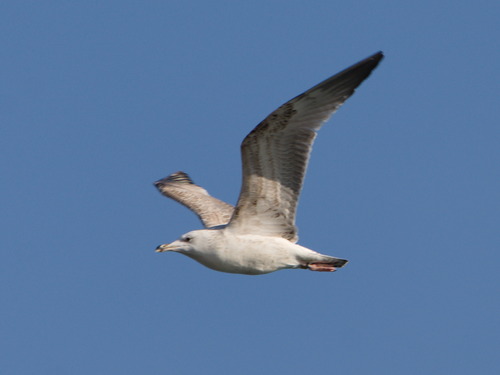
© Cosimo Costanzia di Costigliole · CC BY · iNaturalist 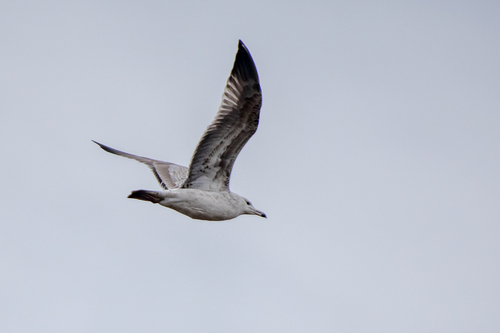
© Codrin Bucur · CC BY · iNaturalist
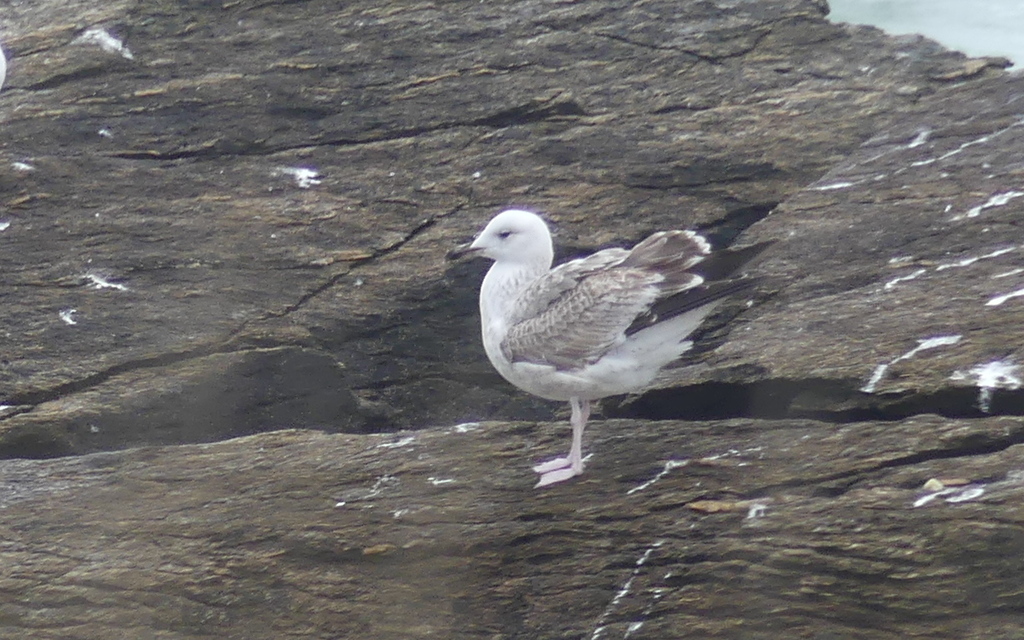
Especies relacionadasRelated species
Otras aves de la familia Laridae y de órdenes cercanos.Other birds from the Laridae family and nearby orders.
- Poco comúnUncommon
 Pagaza piquirrojaCaspian TernHydroprogne caspia
- LegendarioLegendary
 Charrán realRoyal TernThalasseus maximus
- ÉpicoEpic
 Charrán eleganteElegant TernThalasseus elegans
- LegendarioLegendary
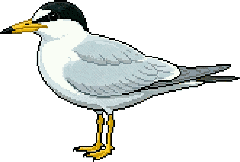 Charrancito americanoLeast TernSternula antillarum
- LegendarioLegendary
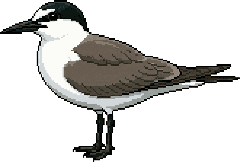 Charrán embridadoBridled TernOnychoprion anaethetus
- LegendarioLegendary
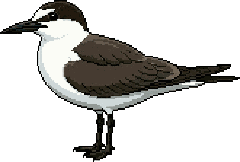 Charrán sombríoSooty TernOnychoprion fuscatus
- RaroRare
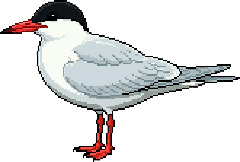 Charrán árticoArctic TernSterna paradisaea
- LegendarioLegendary
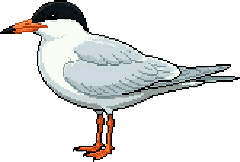 Charrán de ForsterForster's TernSterna forsteri
 Gratis, sin anuncios ni comprasFree, no ads, no purchases