 BirdPedy
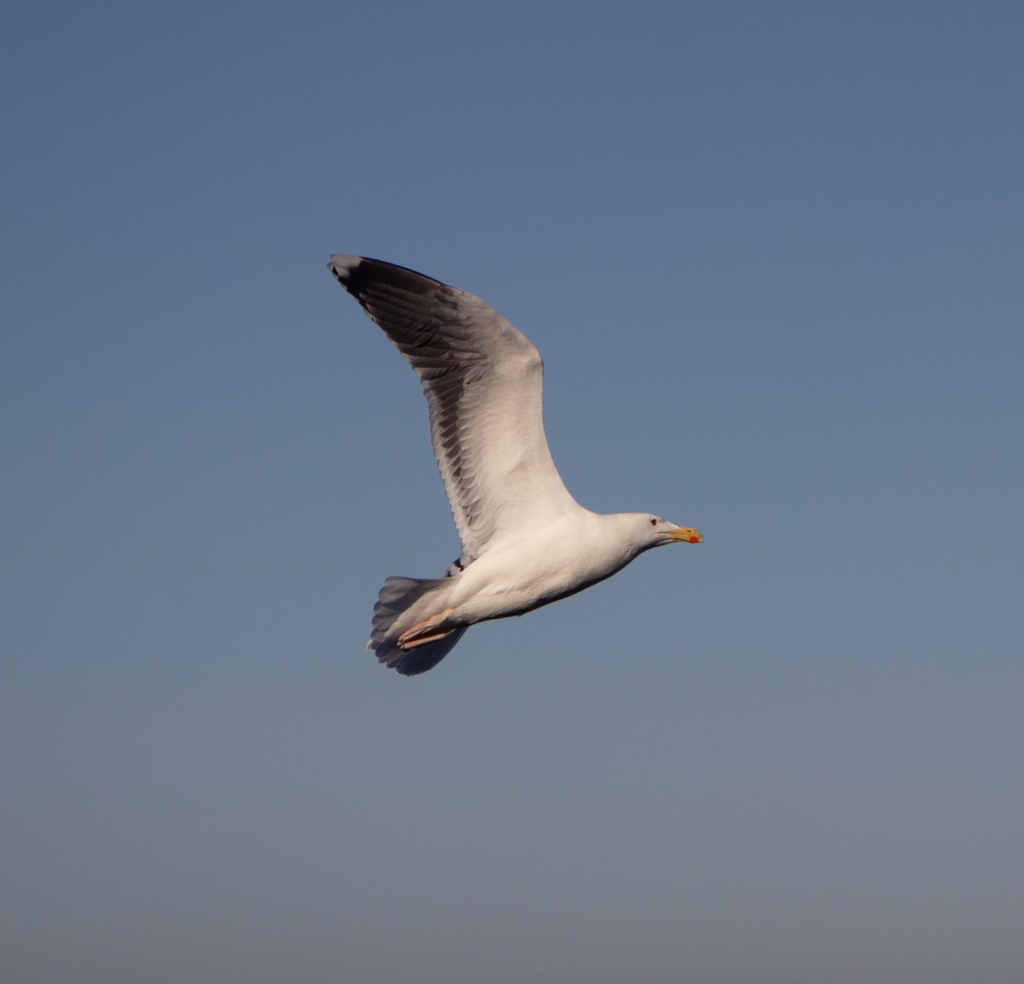
Gavión atlánticoGreat Black-backed Gull
En 20 provincias en febrero y en 8 en junioIn 20 provinces in February and 8 in June
Reporte de rarezaRarity report
Por qué es poco comúnWhy it is uncommonLa gaviota de mayor tamaño. Invernante regular y bien distribuido en las costas cantábricas y gallegas; escaso en el resto del litoral.The largest gull. A regular, well distributed winter visitor on the Cantabrian and Galician coasts; scarce along the rest of the coast.
Cada carrizo es un mes: su altura, las provincias con registros de 2020 a 2024.Each reed is a month: its height, the provinces with records from 2020 to 2024.- Provincias con registrosProvinces with records
- 24 de 52of 52
- En la appIn the app
- Septiembre a abrilSeptember to April
- EnvergaduraWingspan
- 145-165 cm145-165 cm
- LongitudLength
- 61-78 cm61-78 cm
- Lista Roja de EspañaSpanish Red List
- LC Preocupación menorLeast Concern

Información generalGeneral Information
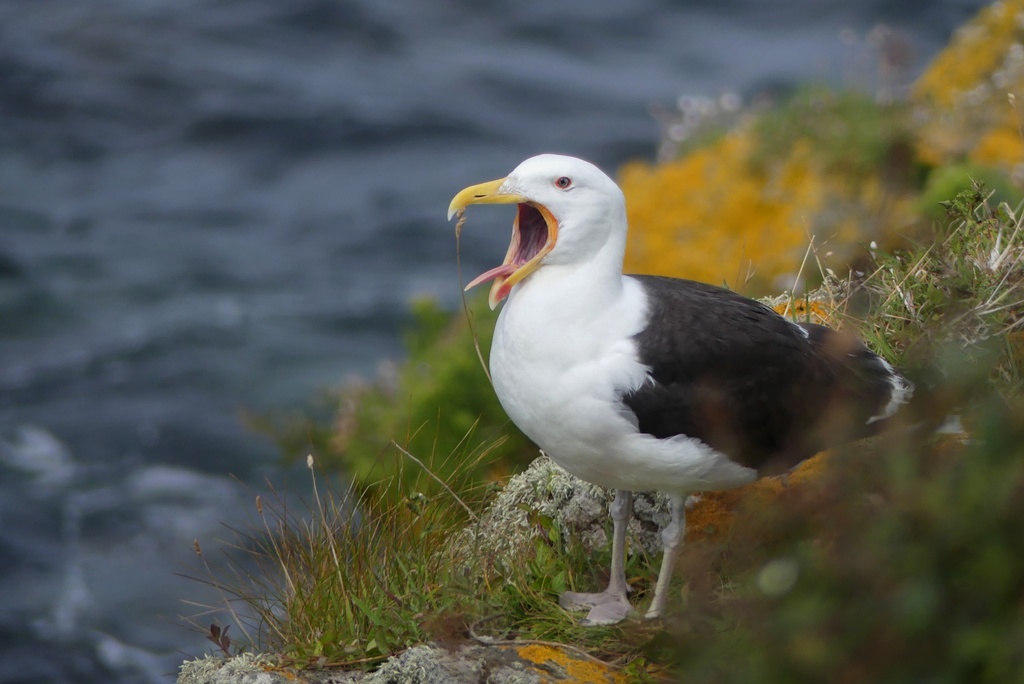
Es la mayor de las gaviotas que pueden observarse en España, muy característica por su gran tamaño y su dorso negro. Se reproduce en ambas orillas del Atlántico norte, y llega de forma escasa a la Península, principalmente a las costas de Galicia y del Cantábrico.The Great Black-backed Gull is the 'king' of the North Atlantic gulls. It breeds around the northern shores of Europe and America and is a regular but scarce winterer and passage migrant in Spain. In recent years, it has even begun to nest in small numbers in Galicia and the Basque Country. It is a powerful, dominant bird that symbolizes the wildness of the northern seas. Encountering one in a harbor always commands respect.
IdentificaciónIdentification
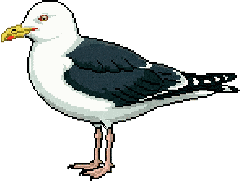
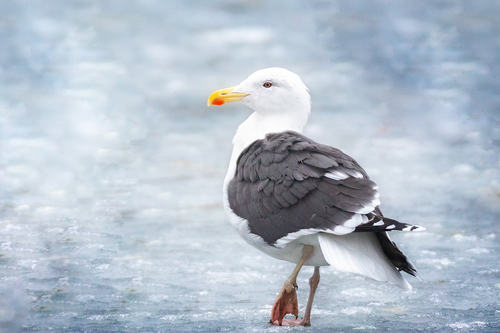
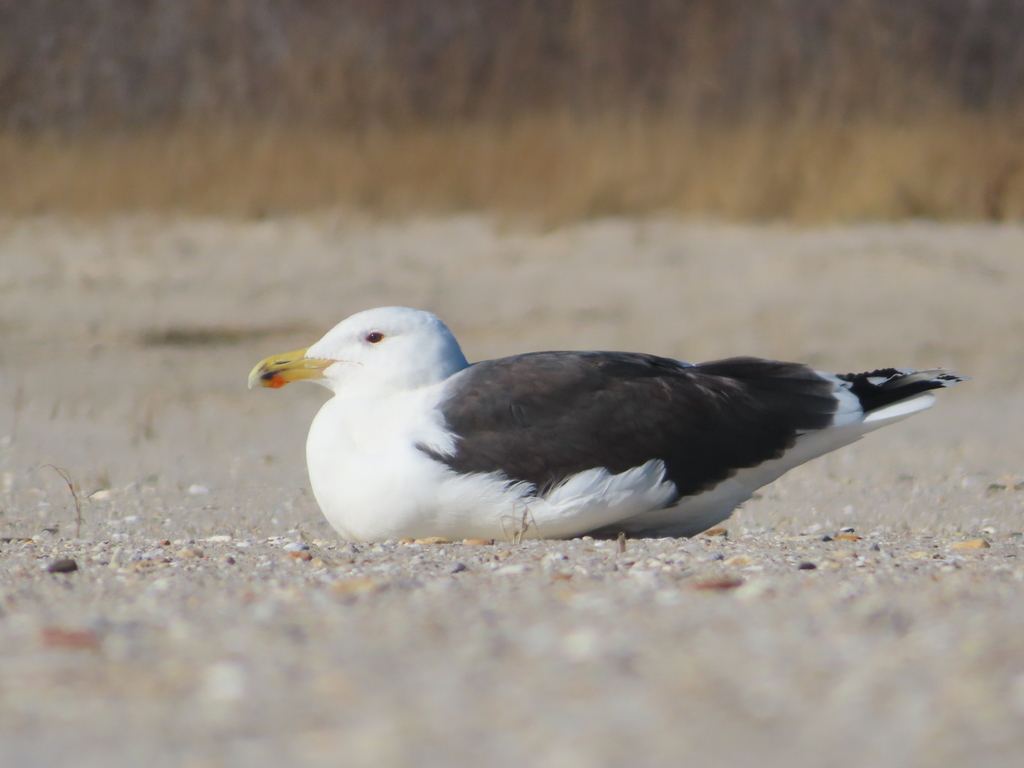
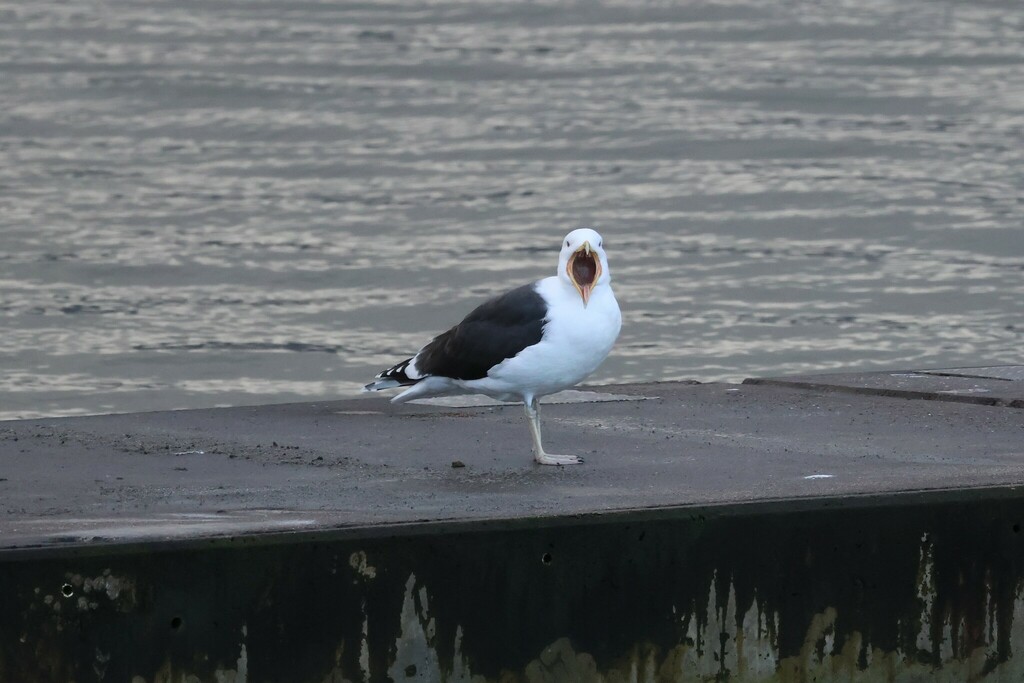
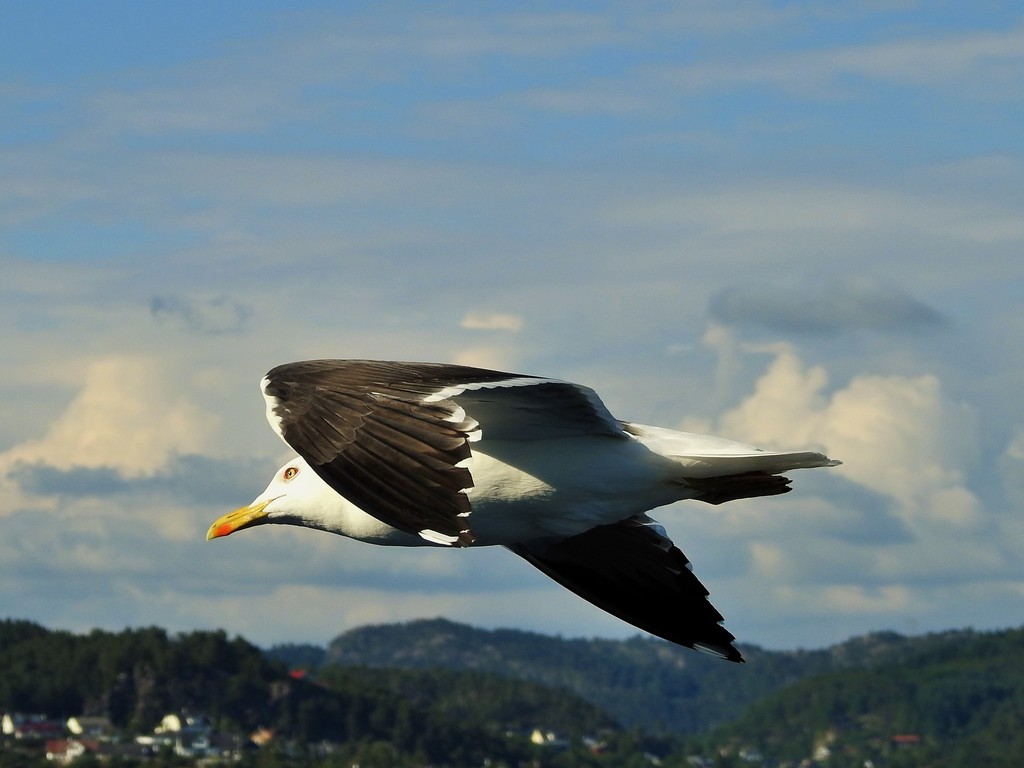
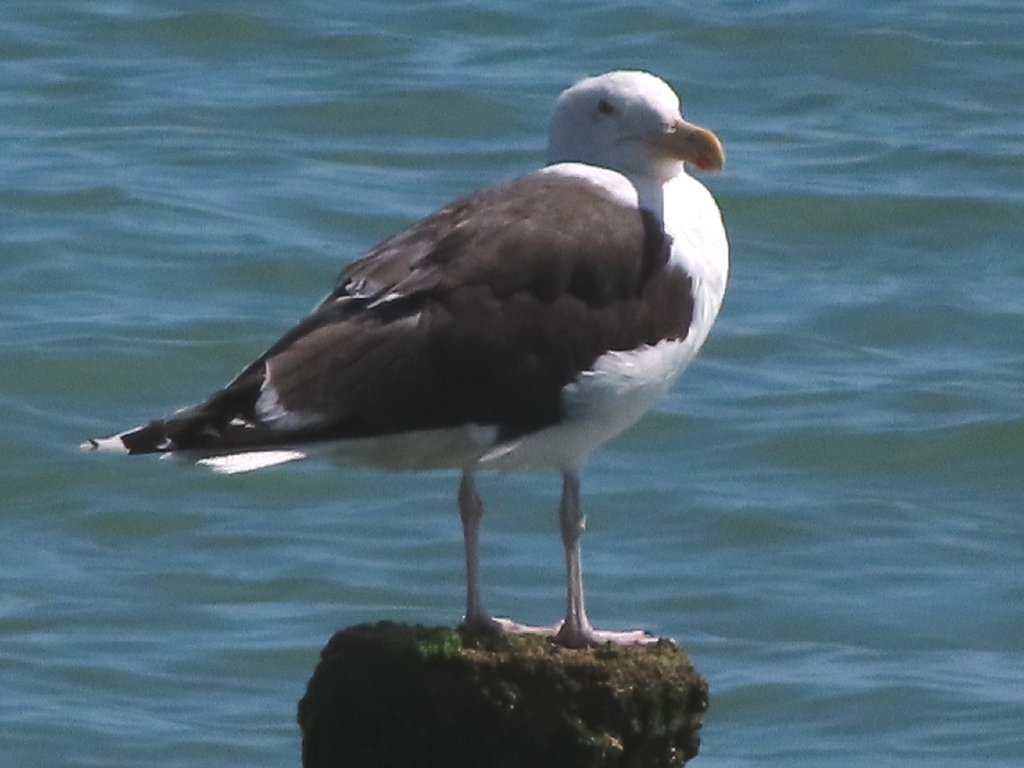
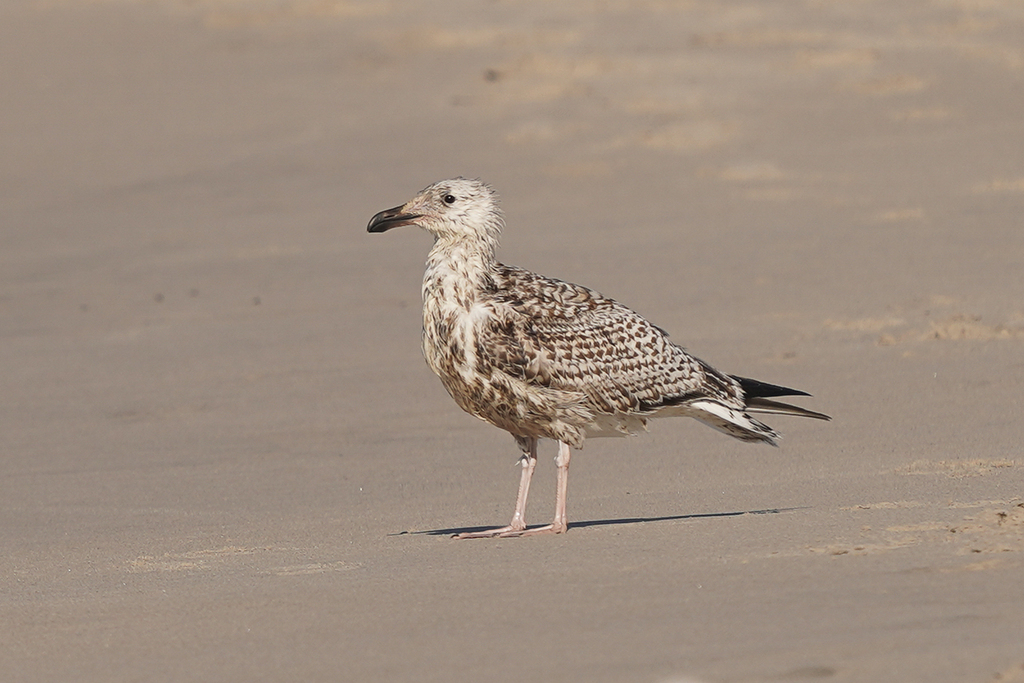
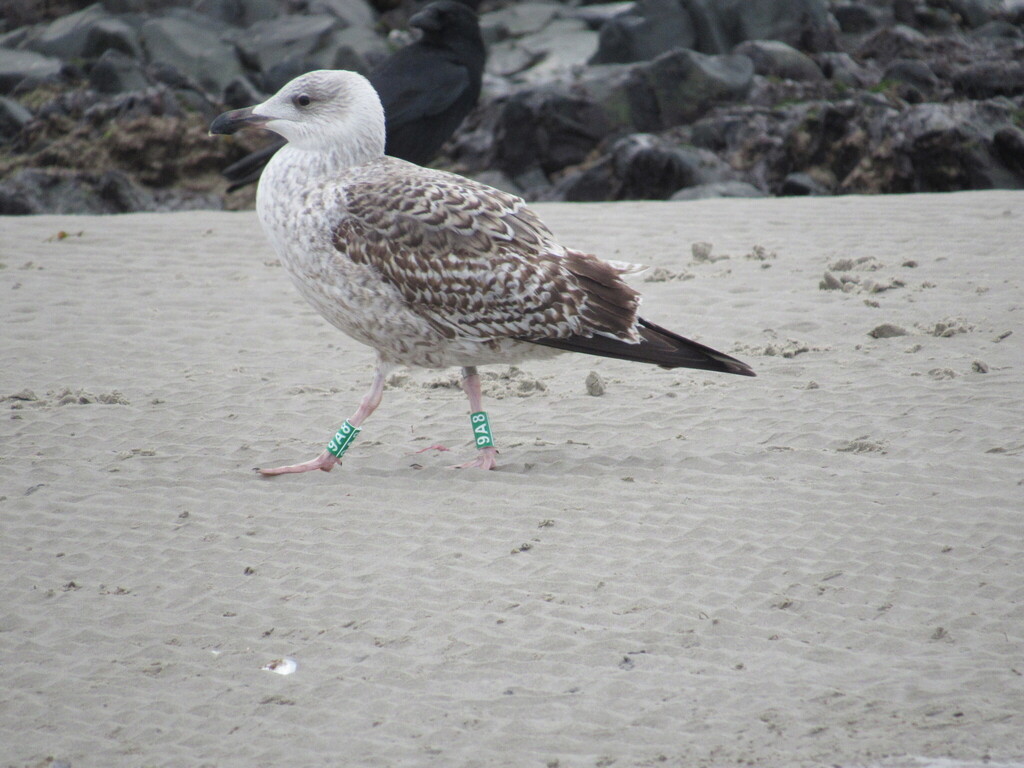
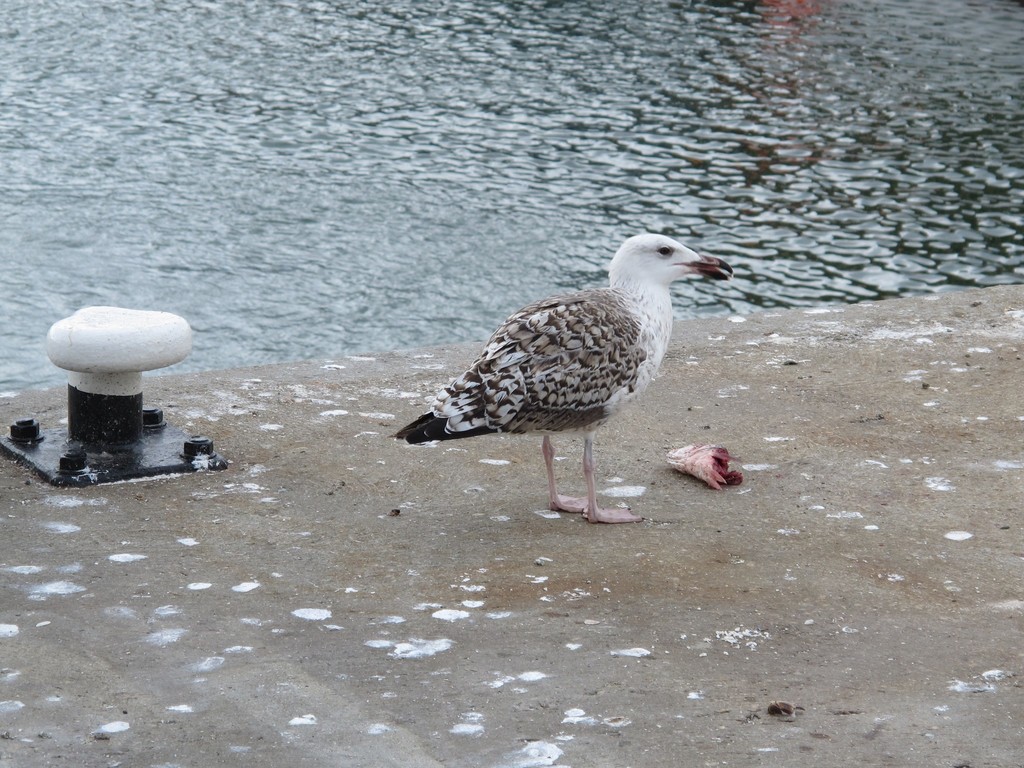
El gavión atlántico es la gaviota de mayor tamaño y de dorso más oscuro, prácticamente negro. Tiene las patas rosadas, diferentes a las de la gaviota sombría, de color amarillo. Realiza tres mudas en veranos sucesivos (ejemplar de 2º invierno, dibujo 2), hasta que en su cuarto año de vida adquiere su plumaje definitivo, tipo adulto. No obstante, algunos ejemplares aún pueden retener algún carácter inmaduro a esa edad.The largest gull in the world, with a massive, powerful bill and a wingspan of over 1.5 meters. Adults have a solid jet-black mantle (much darker than the Lesser Black-backed) and thick, pinkish legs. It is a predatory gull, often attacking other birds and mammals. Its size and deep, bark-like call make it an imposing presence in any harbor or coastal cliff.
DistribuciónDistribution
Existe constancia de la nidificación del gavión atlántico en diferentes puntos del litoral gallego desde 2005, y, de forma más reciente, en varios puntos de Vizcaya, Guipúzcoa y Cantabria. En todas las observaciones los nidos se situaron con colonias de gaviota patiamarilla y algún nido de gaviota sombría. De forma más mayoritaria, la especie se presenta como migradora habitual por la franja del noroeste peninsular.Scarce breeder and regular passage migrant/winterer. Recently established as a breeder in Galicia and the Basque Country. Most frequent in the Northwest. Scarce further south.
Textos reproducidos con permiso de laTexts translated and reproduced with permission from the Guía de Aves de España © SEO/BirdLife
Estado de conservaciónConservation Status
- EX
- RE
- CR
- EN
- VU
- NT
- LC
Preocupación menorLeast Concern
Qué significa cada categoríaWhat each category means
- LC
- Preocupación menor: Taxón evaluado que no califica para categorías amenazadas. Especies abundantes y ampliamente distribuidasLeast Concern - Evaluated taxon that does not qualify for threatened categories. Widespread and abundant taxa
- NT
- Casi amenazada: No califica actualmente como amenazada, pero está cerca de calificar o es probable que califique en el futuro cercanoNear Threatened - Does not currently qualify as threatened, but is close to qualifying or likely to qualify in the near future
- VU
- Vulnerable: Enfrenta un alto riesgo de extinción en estado silvestre según los criterios A a E de IUCNVulnerable - Facing a high risk of extinction in the wild based on IUCN criteria A to E
- EN
- En peligro: Enfrenta un riesgo muy alto de extinción en estado silvestre según los criterios A a E de IUCNEndangered - Facing a very high risk of extinction in the wild based on IUCN criteria A to E
- CR
- En peligro crítico: Enfrenta un riesgo extremadamente alto de extinción en estado silvestre según los criterios A a E de IUCNCritically Endangered - Facing an extremely high risk of extinction in the wild based on IUCN criteria A to E
- DD
- Datos insuficientes: Información inadecuada para evaluar el riesgo de extinción basándose en distribución o estado poblacionalData Deficient - Inadequate information to assess extinction risk based on distribution and/or population status
- NE
- No evaluada: No ha sido evaluada aún contra los criterios de la Lista Roja de IUCNNot Evaluated - Has not yet been assessed against the IUCN Red List criteria
- RE
- Extinta regionalmente: El taxón ya no existe en la región específica, aunque puede sobrevivir en otros lugaresRegionally Extinct - Taxon no longer exists in the specific region, though it may survive elsewhere
- EX
- Extinta - No existe duda razonable de que ha muerto el último individuo del taxónExtinct - No reasonable doubt that the last individual of the taxon has died
TaxonomíaTaxonomy
- OrdenOrder
- Charadriiformes
- FamiliaFamily
- Laridae
Presencia en EspañaPresence in Spain
- De pasoPassage migrant
- HabitualRegular
- InvernanteWinter visitor
En la app: septiembre a abril.In the app: September to April.
Dónde verlaWhere to see it
180 cuadrículas de 10 km con registros de 2020 a 2024. Toca un mes para ver dónde se ha visto.180 10 km squares with records from 2020 to 2024. Pick a month to see where it has been seen.
Cargando el mapa…Loading the map…
Dónde es regularWhere it is regular
Provincias con registros en al menos 3 de los 5 años algún mes, de más a menos frecuente, y sus mejores meses.Provinces with records in at least 3 of the 5 years in some month, from most to least frequent, and their best months.
- A CoruñaA Coruñaagosto, diciembre, eneroAugust, December, January
- LugoLugodiciembre, enero, noviembreDecember, January, November
- PontevedraPontevedradiciembre, enero, octubreDecember, January, October
- CantabriaCantabriadiciembre, enero, febreroDecember, January, February
- GuipúzcoaGuipúzcoadiciembre, enero, noviembreDecember, January, November
- AsturiasAsturiasenero, noviembre, diciembreJanuary, November, December
- VizcayaVizcayanoviembre, octubre, eneroNovember, October, January
- SalamancaSalamancaseptiembre, agosto, diciembreSeptember, August, December
- CádizCádizenero, diciembre, noviembreJanuary, December, November
- HuelvaHuelvaseptiembre, noviembre, eneroSeptember, November, January
Datos: registros en GBIF de 2020 a 2024 de Observation.org, eBird, iNaturalist y el ICO, descargados el 23/10/2026.Data: GBIF records from 2020 to 2024 from Observation.org, eBird, iNaturalist and the ICO, downloaded on 23/10/2026. GBIF.org (23 October 2026) GBIF Occurrence Download · doi:10.15468/dl.r5sf2a · CC BY-NC 4.0
GaleríaGallery
© egorbirder · CC BY · iNaturalist 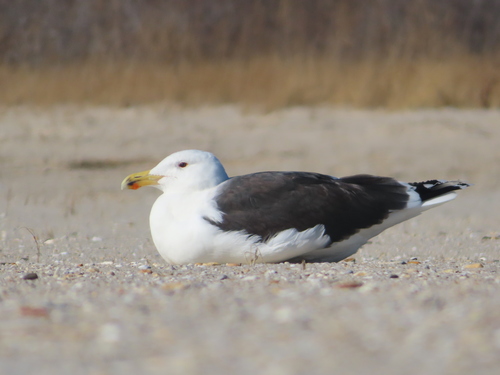
© Mila C. · CC BY · iNaturalist 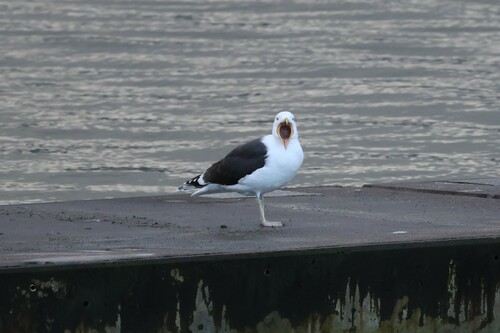
© Diego González Dopico · CC BY · iNaturalist 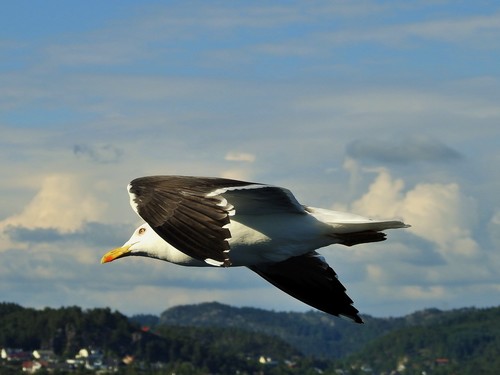
© amantedarmanin · CC BY · iNaturalist 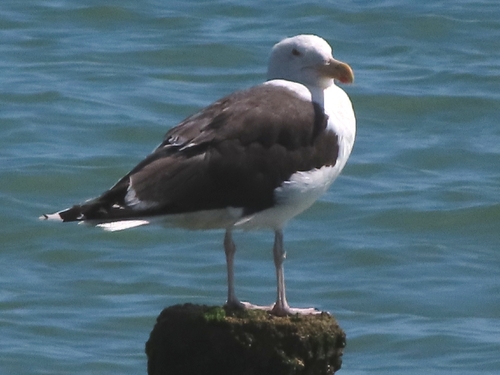
© Nigel Bentley · CC BY · iNaturalist 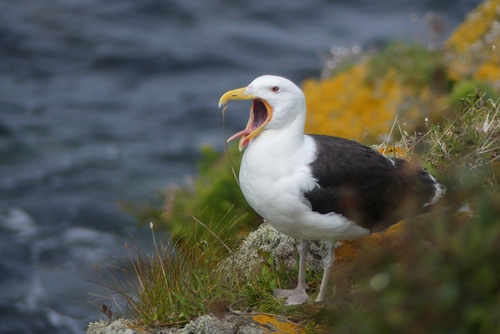
© Julien Fougeroux · CC BY · iNaturalist 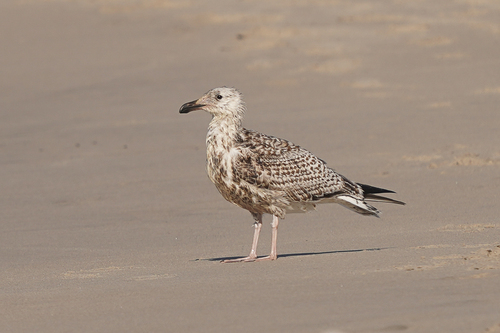
© Dr. Sven Gippner · CC BY · iNaturalist 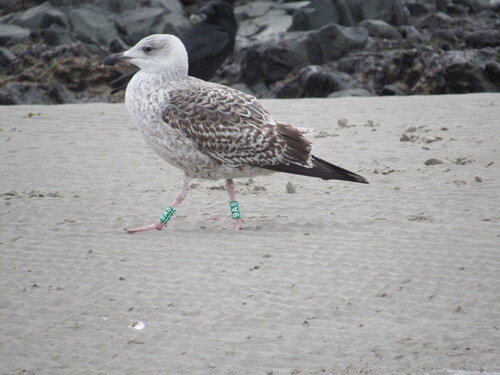
© D. Rafael S. Fernandes · CC BY · iNaturalist 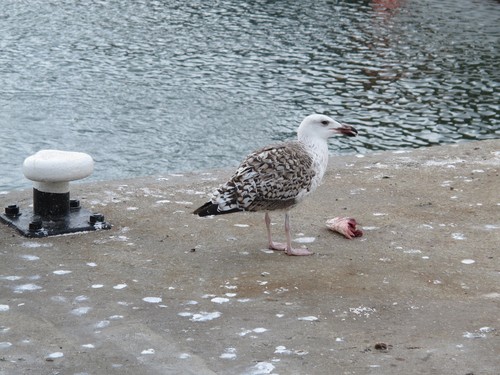
© bogsuckers · CC BY · iNaturalist 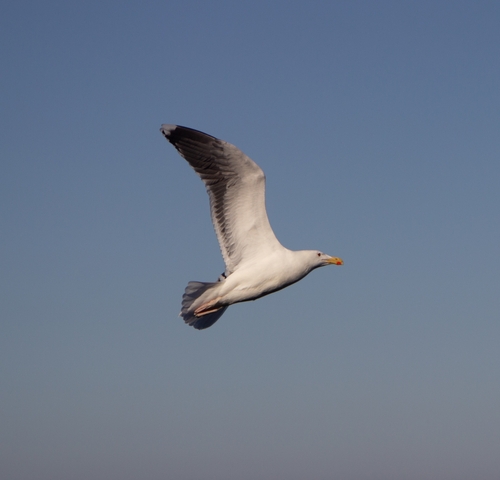
© Jenni Ly · CC BY · iNaturalist
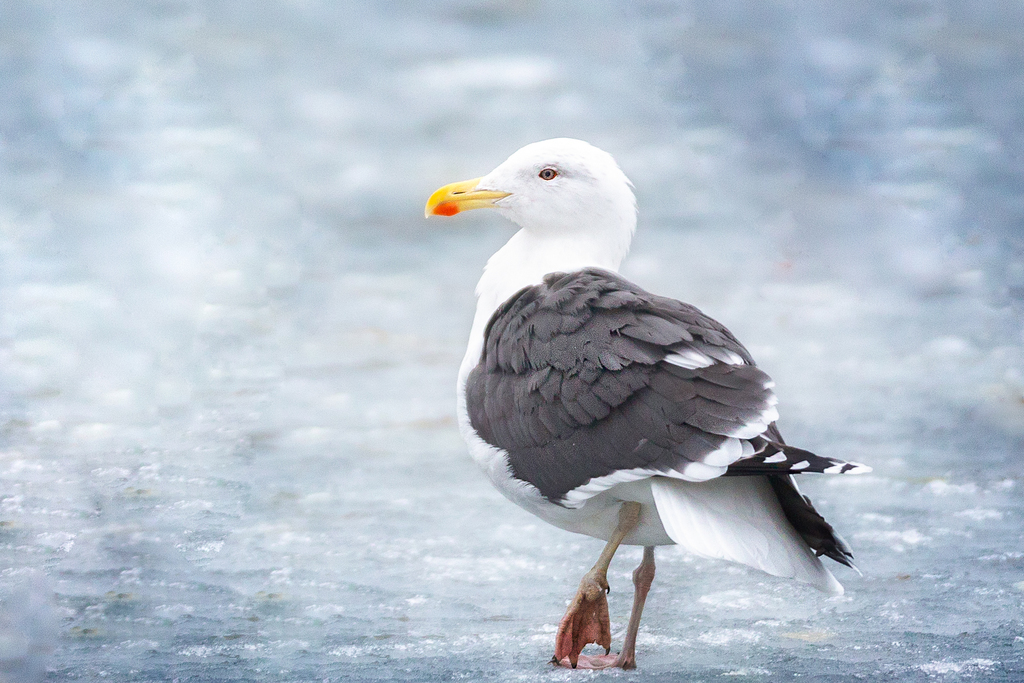
Especies relacionadasRelated species
Otras aves de la familia Laridae y de órdenes cercanos.Other birds from the Laridae family and nearby orders.
- ÉpicoEpic
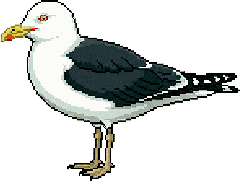 Gaviota cocineraKelp GullLarus dominicanus
- LegendarioLegendary
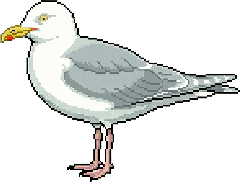 Gaviota de BeringGlaucous-winged GullLarus glaucescens
- RaroRare
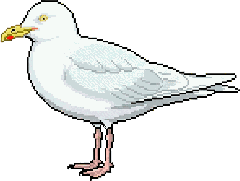 Gavión hiperbóreoGlaucous GullLarus hyperboreus
- RaroRare
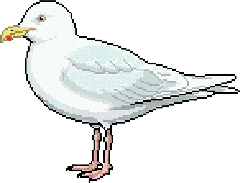 Gaviota groenlandesaIceland GullLarus glaucoides
- ÉpicoEpic
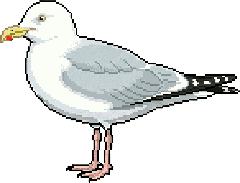 Gaviota argéntea americanaAmerican Herring GullLarus smithsonianus
- RaroRare
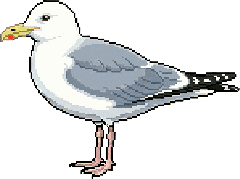 Gaviota del CaspioCaspian GullLarus cachinnans
- Poco comúnUncommon
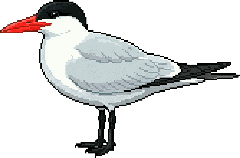 Pagaza piquirrojaCaspian TernHydroprogne caspia
- LegendarioLegendary
 Charrán realRoyal TernThalasseus maximus
 Gratis, sin anuncios ni comprasFree, no ads, no purchases