 BirdPedy
Gavión hiperbóreoGlaucous Gull
En 6 provincias en febrero y sin registros 5 meses del añoIn 6 provinces in February, and no records in 5 months of the year
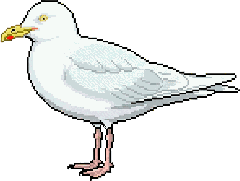
Reporte de rarezaRarity report
Por qué es raroWhy it is rareEntre 2020 y 2024 se vio en España en 52 ocasiones distintas, que suman 93 días, todos los años (datos de Observation.org, eBird y iNaturalist publicados en GBIF). En la guía de aves de SEO/BirdLife figura como habitual en España.Between 2020 and 2024 it was seen in Spain on 52 separate occasions, adding up to 93 days, every year (data from Observation.org, eBird and iNaturalist published on GBIF). SEO/BirdLife's bird guide lists it as regular in Spain.
Cada carrizo es un mes: su altura, las provincias con registros de 2020 a 2024.Each reed is a month: its height, the provinces with records from 2020 to 2024.- Provincias con registrosProvinces with records
- 9 de 52of 52
- En la appIn the app
- Octubre a abrilOctober to April
- EnvergaduraWingspan
- 1,5-1,6 m1.5-1.6 m
- LongitudLength
- 62-68 cm62-68 cm
- Lista Roja de EspañaSpanish Red List
- NE No evaluada en EspañaNot assessed in Spain

Información generalGeneral Information
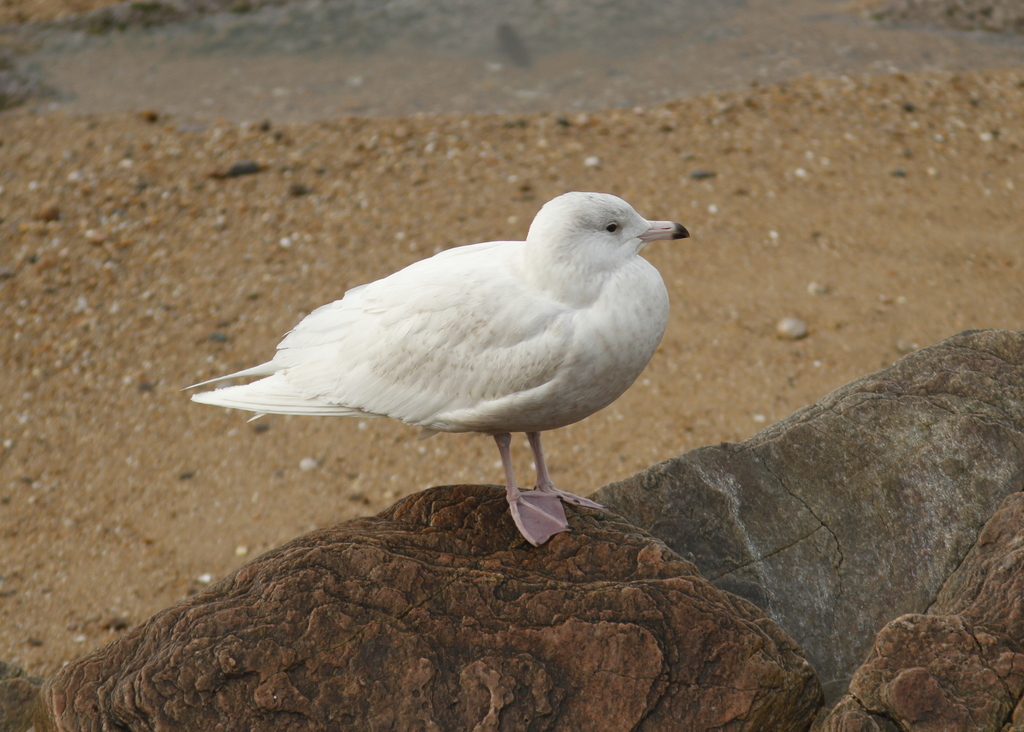
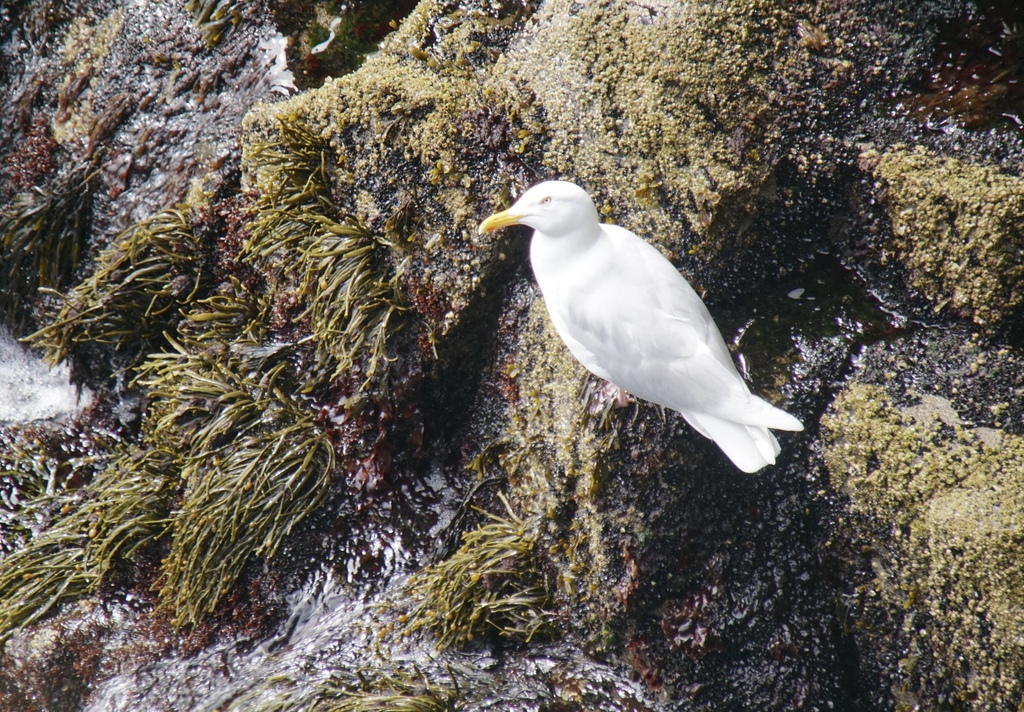
Esta ave, habitante de algunas de las zonas más frías del planeta, anida en hábitats del norte que incluyen tundra abierta, altos acantilados costeros, islas en lagos de tundra de agua dulce e islotes arenosos en las desembocaduras de los ríos. En España se empezó a detectar regularmente durante su invernada en los años setenta, y ahora hay citas casi cada año, habiéndose homologado 85 hasta el año 2004, correspondientes quizás a 94 ejemplares.The Glaucous Gull is the 'Ghost Gull' of the north. It is a regular but scarce winterer in Spain, with its numbers fluctuating according to the severity of northern winters. It is mostly seen in Asturias and Galicia. Unlike the common gulls, it stays on the most exposed coasts. Its pure white wing tips and massive size make it look like a pale giant among the harbor gulls. It is a spectacular visitor from the land of the midnight sun.
IdentificaciónIdentification
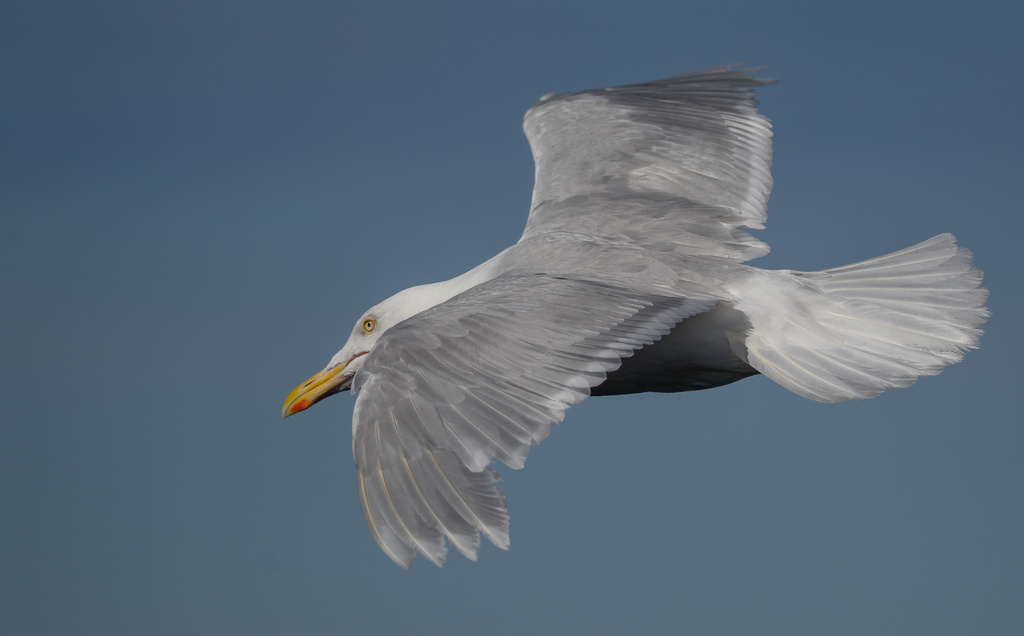
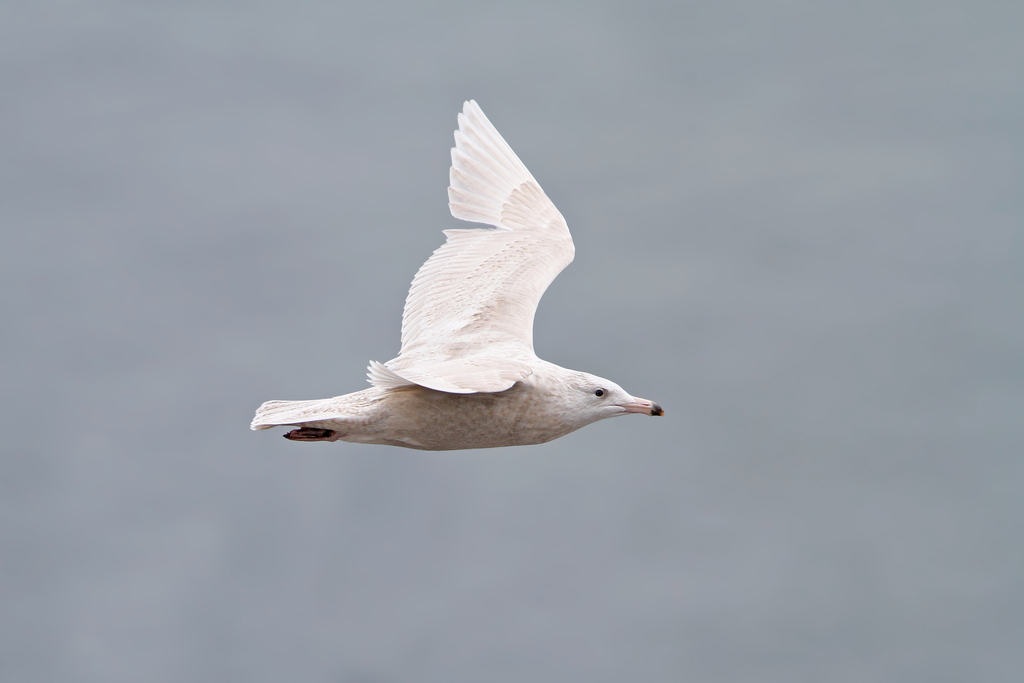
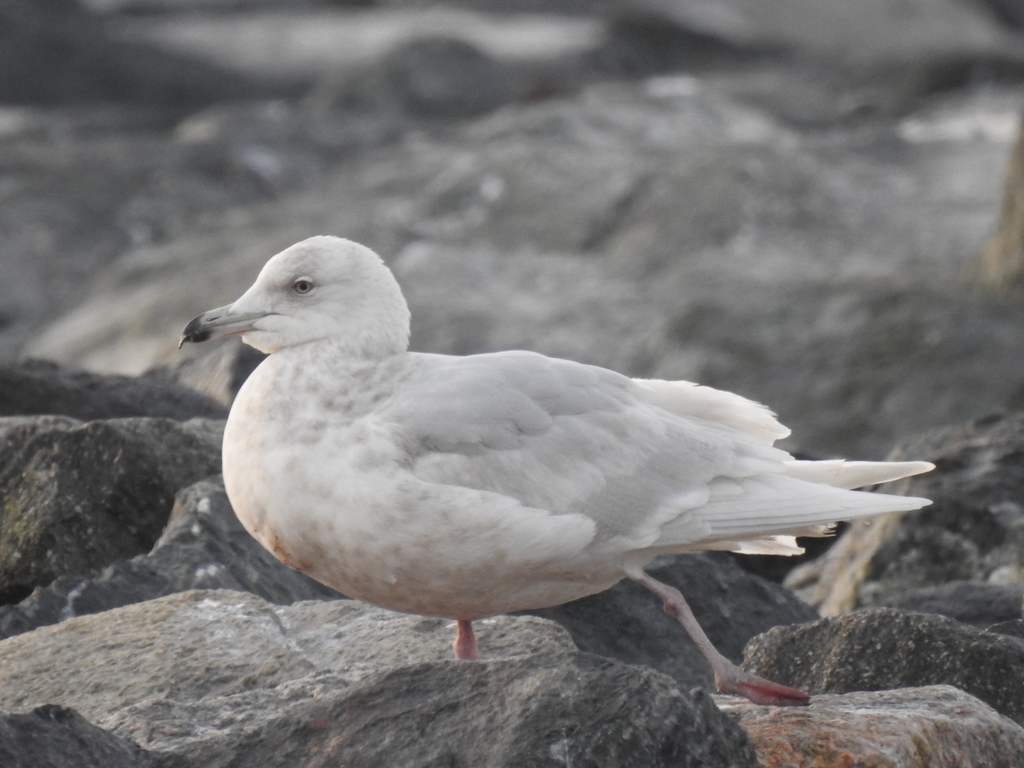
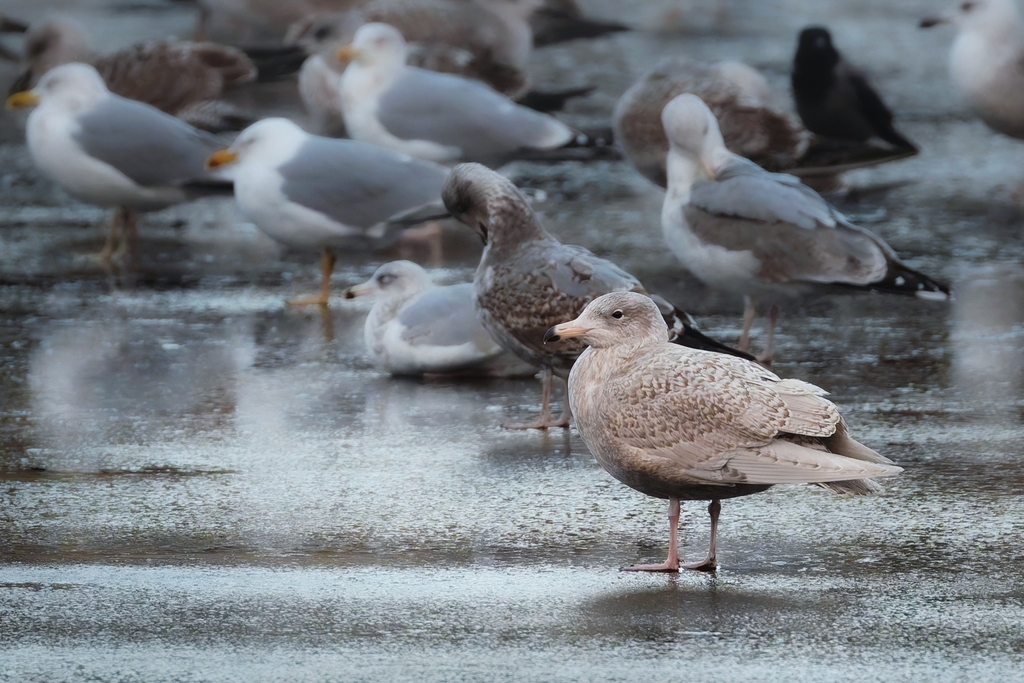
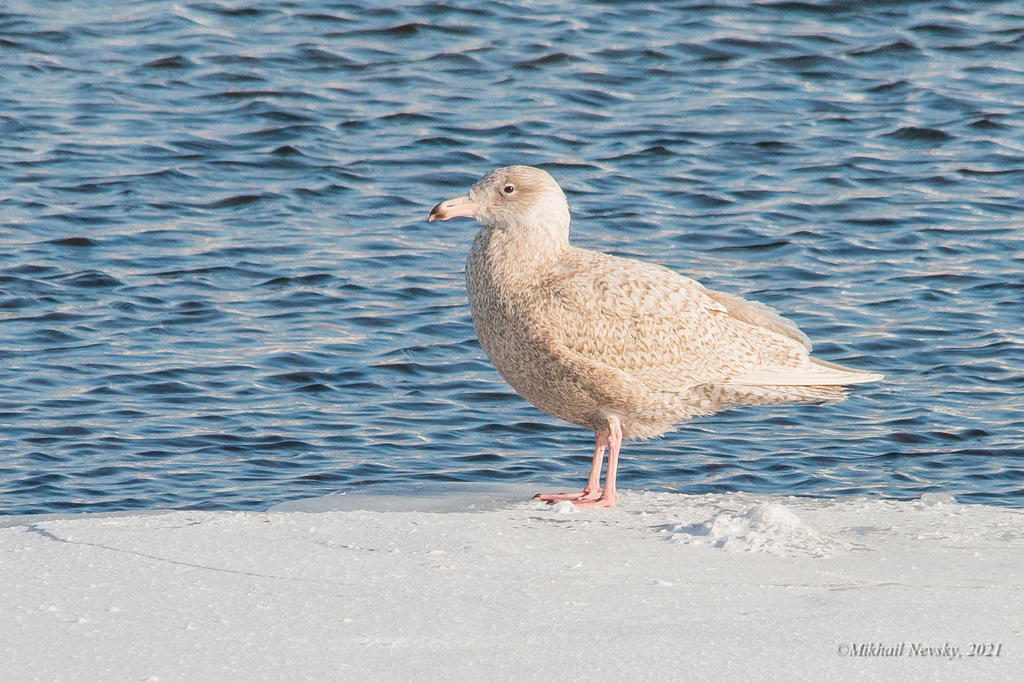
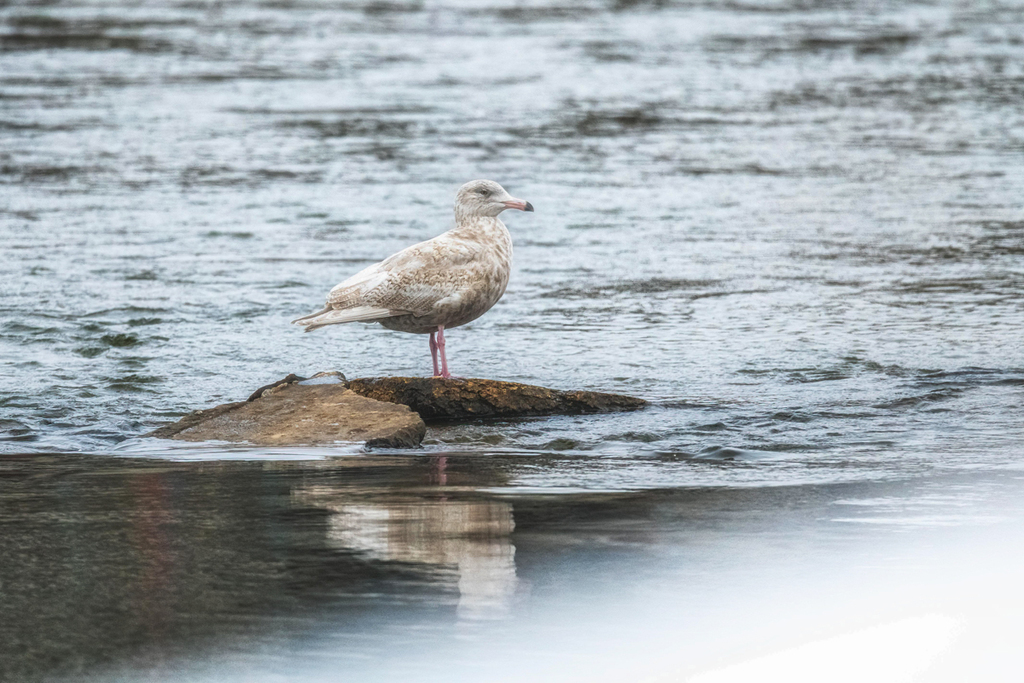
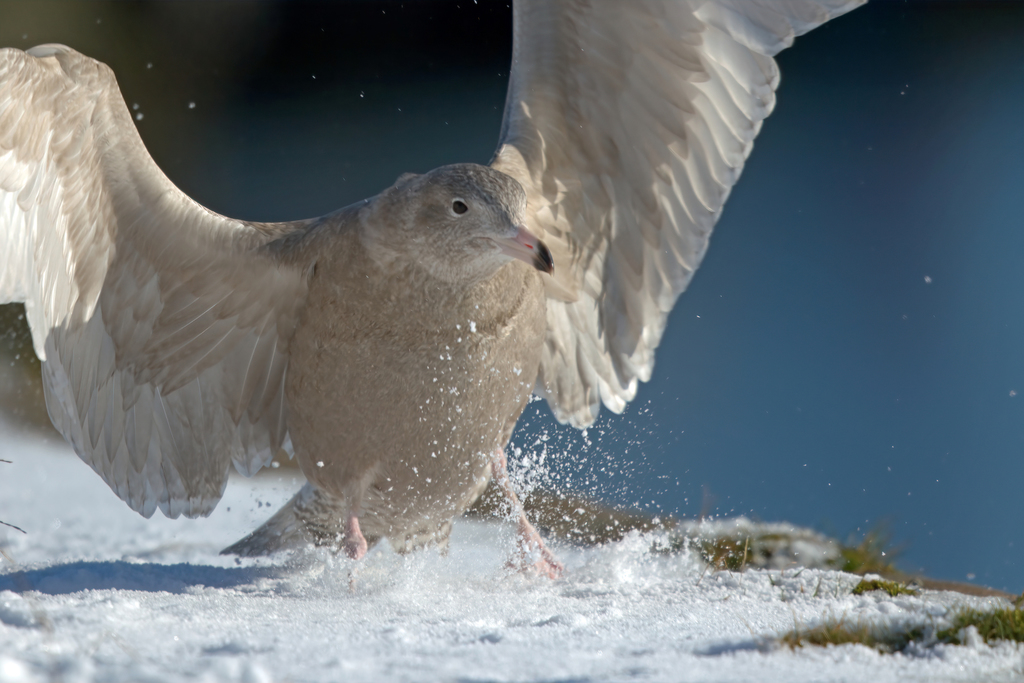
El gavión hiperbóreo se parece a la gaviota groenlandesa en que los adultos tienen las primarias blanquecinas, pero suele ser bastante mayor. Además, proporcionalmente presenta las alas más cortas (las puntas sobrepasan poco la cola) y el pico más largo (de longitud igual o superior a la proyección de las primarias). En ambas especies se pueden originar confusiones con individuos albinos o leucísticos de otras gaviotas grandes. Las aves de primer año poseen pico bicolor, con los dos tercios basales rosados y la punta negra, claramente delimitada.A massive gull, nearly as large as the Great Black-backed, but with an entirely pale plumage. Adults have white primaries (no black on the wings), a pale gray mantle, and pink legs. Its bill is very long and powerful with a red spot. It has a characteristic 'scared' look due to its small, pale eyes and steeply sloped forehead. It is a specialist of the High Arctic shores.
DistribuciónDistribution
En España se presenta como una especie invernante escasa pero regular. Desde los años 70, su presencia en el litoral cantábrico ha sido más o menos constante durante los inviernos, con un número creciente de registros, principalmente en Asturias y Galicia, aunque se recogen casos de observaciones puntuales de Canarias (4), Andalucía (1) y Ceuta (1). En las citas, centradas en los meses de invierno (entre diciembre y marzo, con pico en enero), predominan con claridad las aves de primer y segundo invierno.Scarce but regular winter visitor. Most frequent along the Cantabrian and Galician coasts. Records typically span December to March. Primarily first and second-winter birds. Occasional in Canarias.
Textos reproducidos con permiso de laTexts translated and reproduced with permission from the Guía de Aves de España © SEO/BirdLife
Estado de conservaciónConservation Status
- EX
- RE
- CR
- EN
- VU
- NT
- LC
NE
No evaluada en EspañaNot assessed in Spain
Qué significa cada categoríaWhat each category means
- LC
- Preocupación menor: Taxón evaluado que no califica para categorías amenazadas. Especies abundantes y ampliamente distribuidasLeast Concern - Evaluated taxon that does not qualify for threatened categories. Widespread and abundant taxa
- NT
- Casi amenazada: No califica actualmente como amenazada, pero está cerca de calificar o es probable que califique en el futuro cercanoNear Threatened - Does not currently qualify as threatened, but is close to qualifying or likely to qualify in the near future
- VU
- Vulnerable: Enfrenta un alto riesgo de extinción en estado silvestre según los criterios A a E de IUCNVulnerable - Facing a high risk of extinction in the wild based on IUCN criteria A to E
- EN
- En peligro: Enfrenta un riesgo muy alto de extinción en estado silvestre según los criterios A a E de IUCNEndangered - Facing a very high risk of extinction in the wild based on IUCN criteria A to E
- CR
- En peligro crítico: Enfrenta un riesgo extremadamente alto de extinción en estado silvestre según los criterios A a E de IUCNCritically Endangered - Facing an extremely high risk of extinction in the wild based on IUCN criteria A to E
- DD
- Datos insuficientes: Información inadecuada para evaluar el riesgo de extinción basándose en distribución o estado poblacionalData Deficient - Inadequate information to assess extinction risk based on distribution and/or population status
- NE
- No evaluada: No ha sido evaluada aún contra los criterios de la Lista Roja de IUCNNot Evaluated - Has not yet been assessed against the IUCN Red List criteria
- RE
- Extinta regionalmente: El taxón ya no existe en la región específica, aunque puede sobrevivir en otros lugaresRegionally Extinct - Taxon no longer exists in the specific region, though it may survive elsewhere
- EX
- Extinta - No existe duda razonable de que ha muerto el último individuo del taxónExtinct - No reasonable doubt that the last individual of the taxon has died
TaxonomíaTaxonomy
- OrdenOrder
- Charadriiformes
- FamiliaFamily
- Laridae
Presencia en EspañaPresence in Spain
- HabitualRegular
- InvernanteWinter visitor
En la app: octubre a abril.In the app: October to April.
Dónde verlaWhere to see it
37 cuadrículas de 10 km con registros de 2020 a 2024. Toca un mes para ver dónde se ha visto.37 10 km squares with records from 2020 to 2024. Pick a month to see where it has been seen.
Cargando el mapa…Loading the map…
Dónde es regularWhere it is regular
Provincias con registros en al menos 3 de los 5 años algún mes, de más a menos frecuente, y sus mejores meses.Provinces with records in at least 3 of the 5 years in some month, from most to least frequent, and their best months.
- A CoruñaA Coruñafebrero, enero, marzoFebruary, January, March
- AsturiasAsturiasfebrero, marzoFebruary, March
Datos: registros en GBIF de 2020 a 2024 de Observation.org, eBird, iNaturalist y el ICO, descargados el 23/10/2026.Data: GBIF records from 2020 to 2024 from Observation.org, eBird, iNaturalist and the ICO, downloaded on 23/10/2026. GBIF.org (23 October 2026) GBIF Occurrence Download · doi:10.15468/dl.r5sf2a · CC BY-NC 4.0
GaleríaGallery
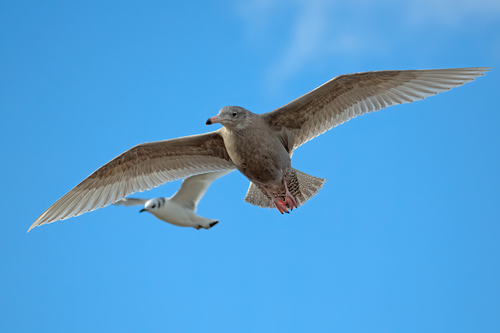
© Nigel Voaden · CC BY · iNaturalist 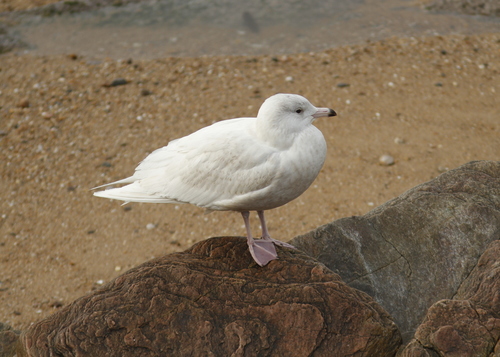
© Julien Renoult · CC BY · iNaturalist 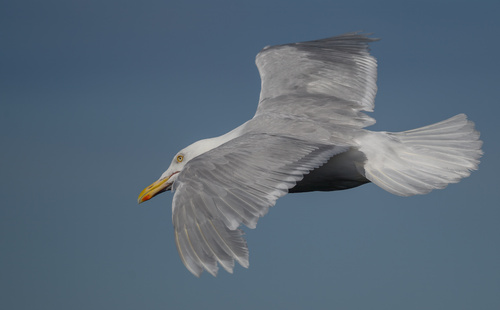
© Rob Wadsworth · CC BY · iNaturalist 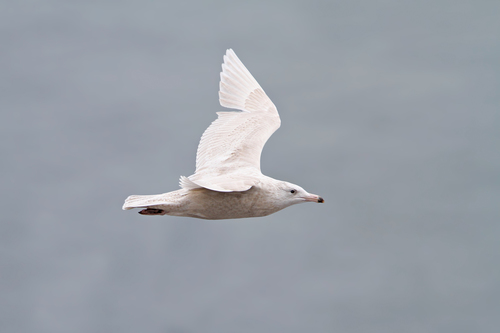
© Christoph Moning · CC BY · iNaturalist 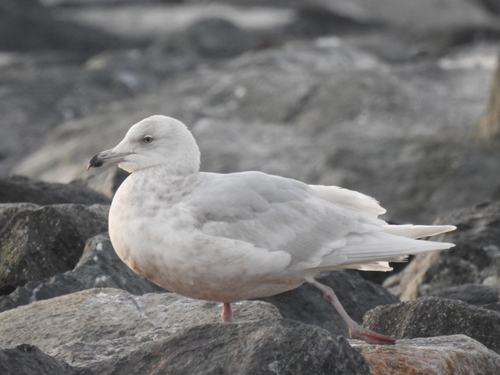
© Olivier Morel · CC BY · iNaturalist 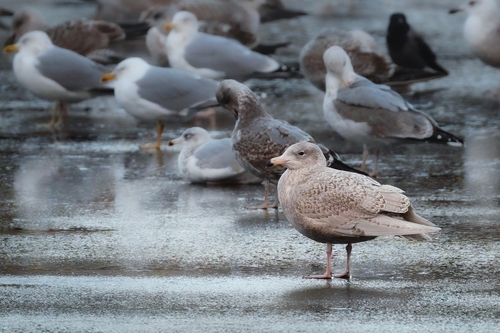
© Олеся · CC BY · iNaturalist 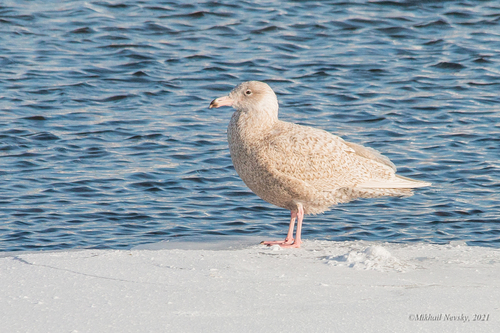
© Mikhail Nevsky · CC BY · iNaturalist 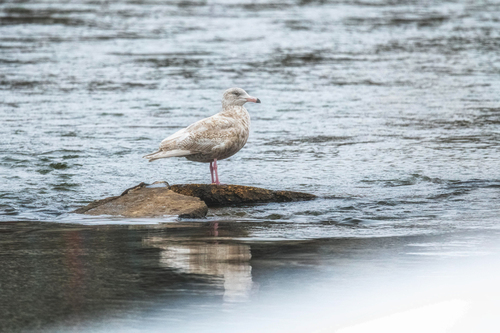
© Dmitry Ivanov · CC BY · iNaturalist 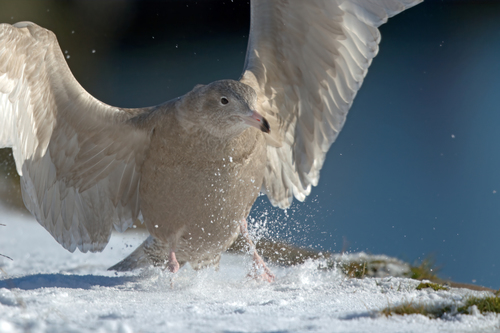
© Nigel Voaden · CC BY · iNaturalist 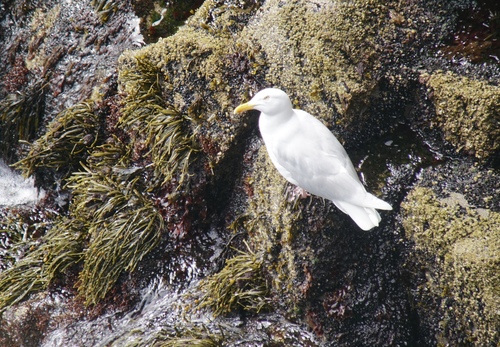
© Karen (with occasional help from Mike) · CC BY · iNaturalist
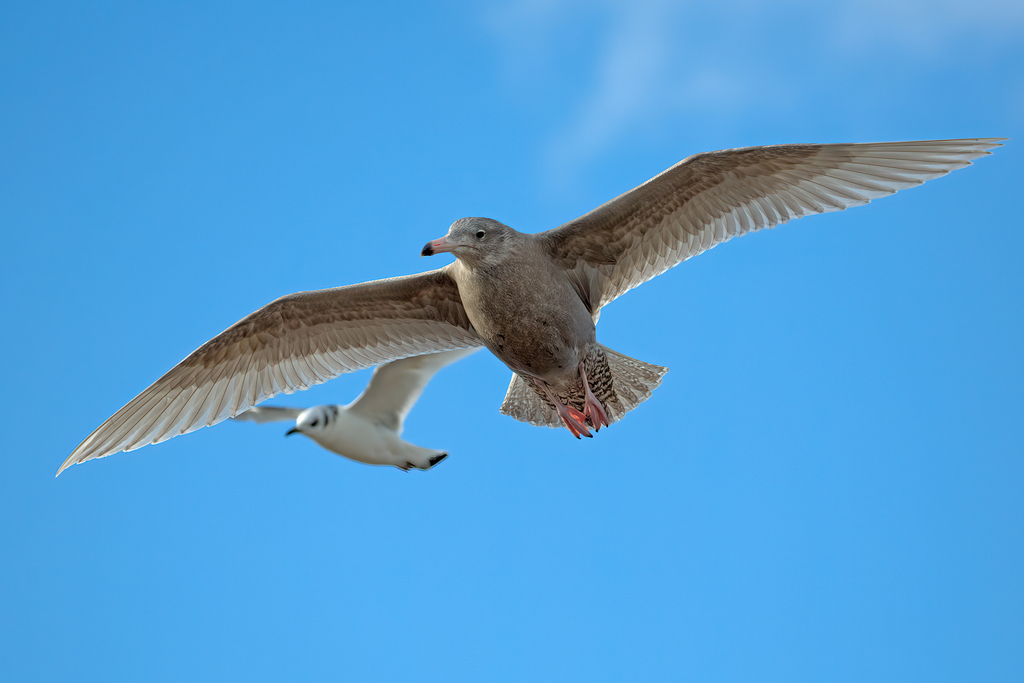
Especies relacionadasRelated species
Otras aves de la familia Laridae y de órdenes cercanos.Other birds from the Laridae family and nearby orders.
- RaroRare
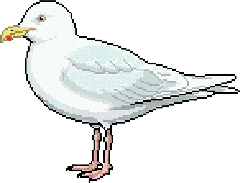 Gaviota groenlandesaIceland GullLarus glaucoides
- ÉpicoEpic
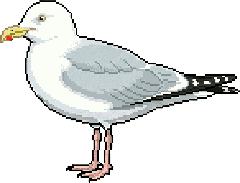 Gaviota argéntea americanaAmerican Herring GullLarus smithsonianus
- RaroRare
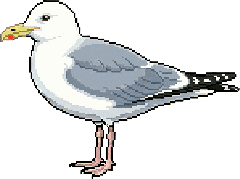 Gaviota del CaspioCaspian GullLarus cachinnans
- Poco comúnUncommon
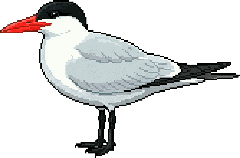 Pagaza piquirrojaCaspian TernHydroprogne caspia
- LegendarioLegendary
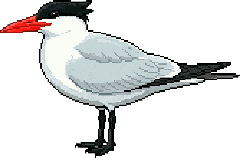 Charrán realRoyal TernThalasseus maximus
- ÉpicoEpic
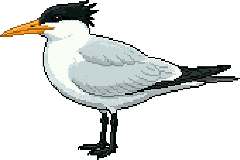 Charrán eleganteElegant TernThalasseus elegans
- LegendarioLegendary
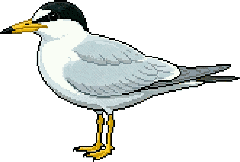 Charrancito americanoLeast TernSternula antillarum
- LegendarioLegendary
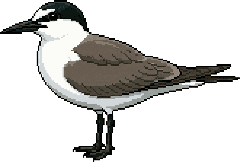 Charrán embridadoBridled TernOnychoprion anaethetus
 Gratis, sin anuncios ni comprasFree, no ads, no purchases