 BirdPedy
Zarcero icterinoIcterine Warbler
En 7 provincias en mayo y sin registros 6 meses del añoIn 7 provinces in May, and no records in 6 months of the year
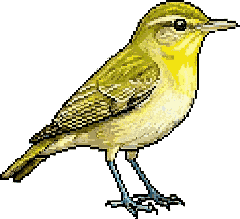
Reporte de rarezaRarity report
Por qué es raroWhy it is rareEntre 2020 y 2024 se vio en España en 50 ocasiones distintas, que suman 61 días, todos los años (datos de Observation.org, eBird y el ICO publicados en GBIF). En la guía de aves de SEO/BirdLife figura como habitual en España.Between 2020 and 2024 it was seen in Spain on 50 separate occasions, adding up to 61 days, every year (data from Observation.org, eBird and ICO published on GBIF). SEO/BirdLife's bird guide lists it as regular in Spain.
Cada carrizo es un mes: su altura, las provincias con registros de 2020 a 2024.Each reed is a month: its height, the provinces with records from 2020 to 2024.- Provincias con registrosProvinces with records
- 10 de 52of 52
- En la appIn the app
- Abril a mayo y de julio a septiembreApril to May and July to September
- EnvergaduraWingspan
- 20-24 cm20-24 cm
- LongitudLength
- 13-14 cm13-14 cm
- Lista Roja de EspañaSpanish Red List
- DD Datos insuficientesData Deficient

Información generalGeneral Information
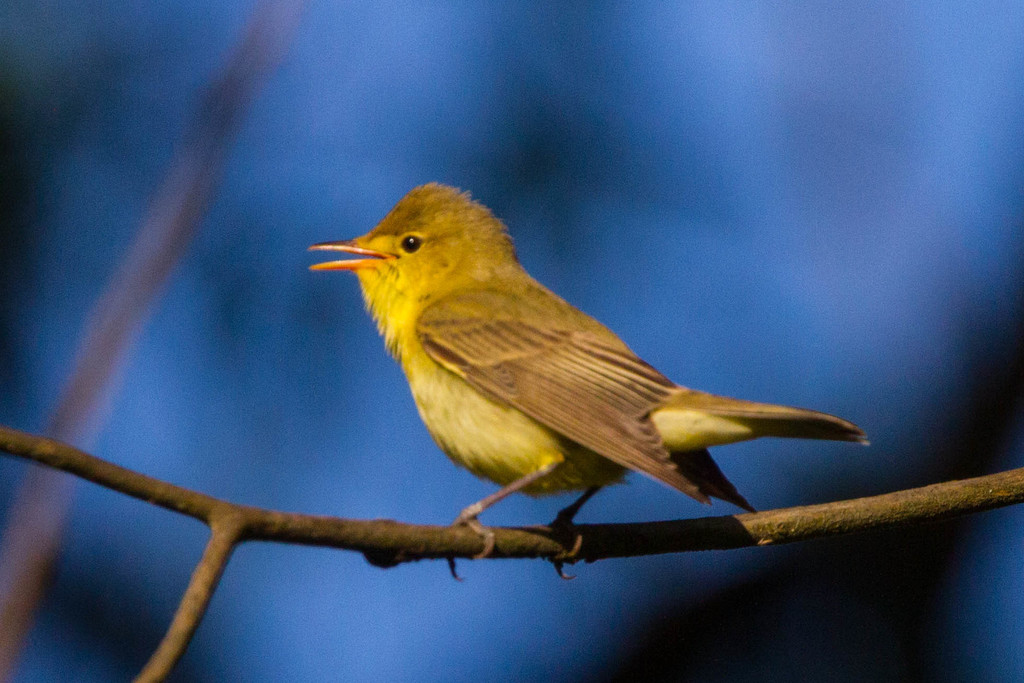
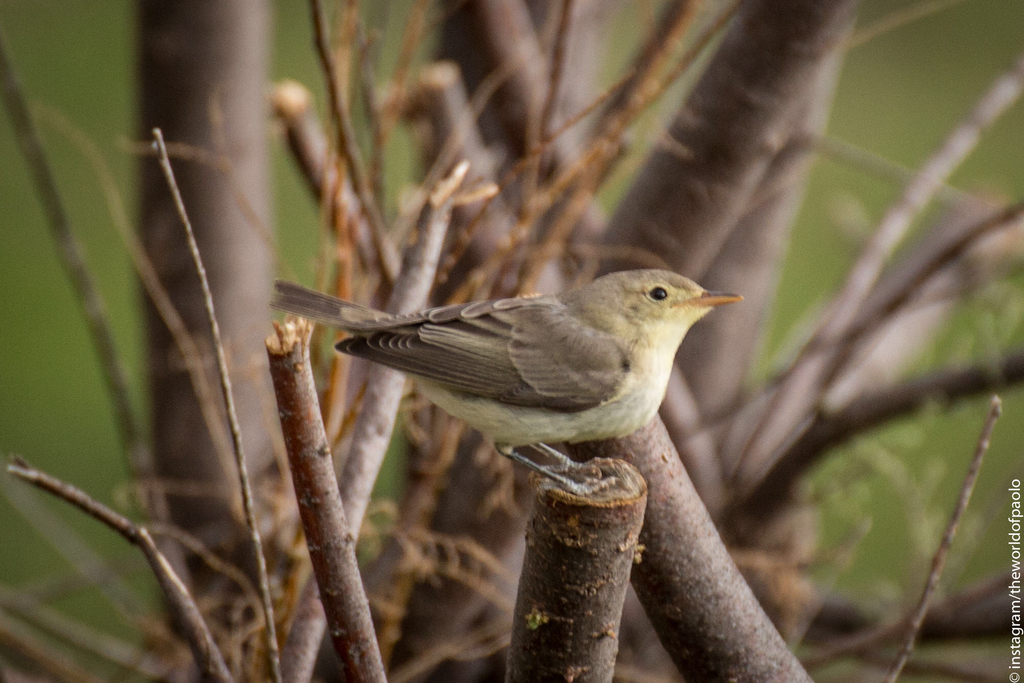
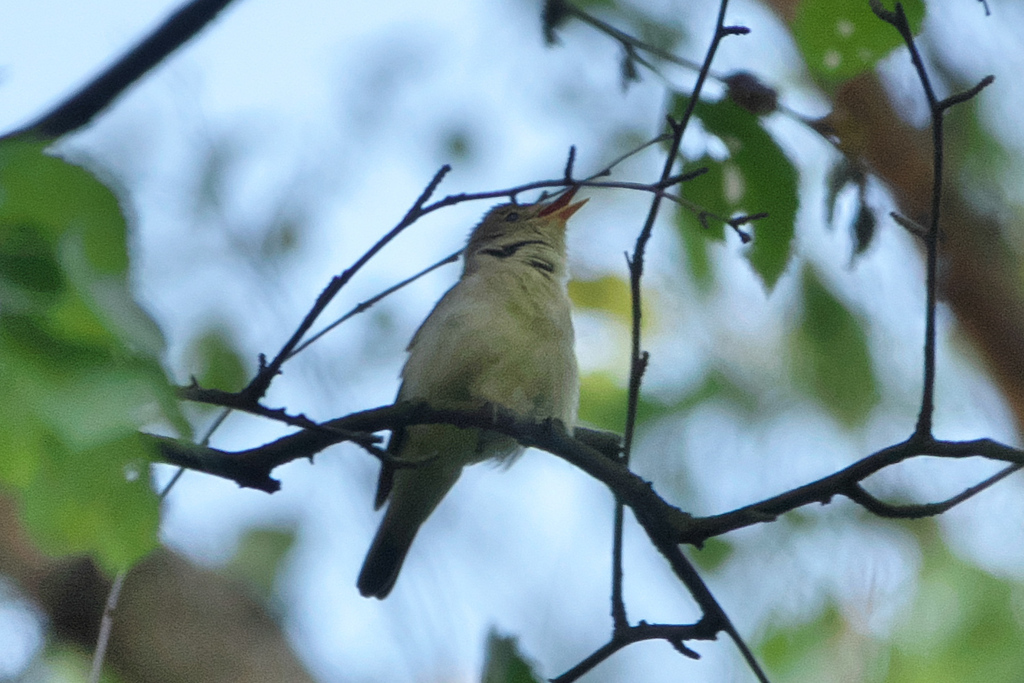
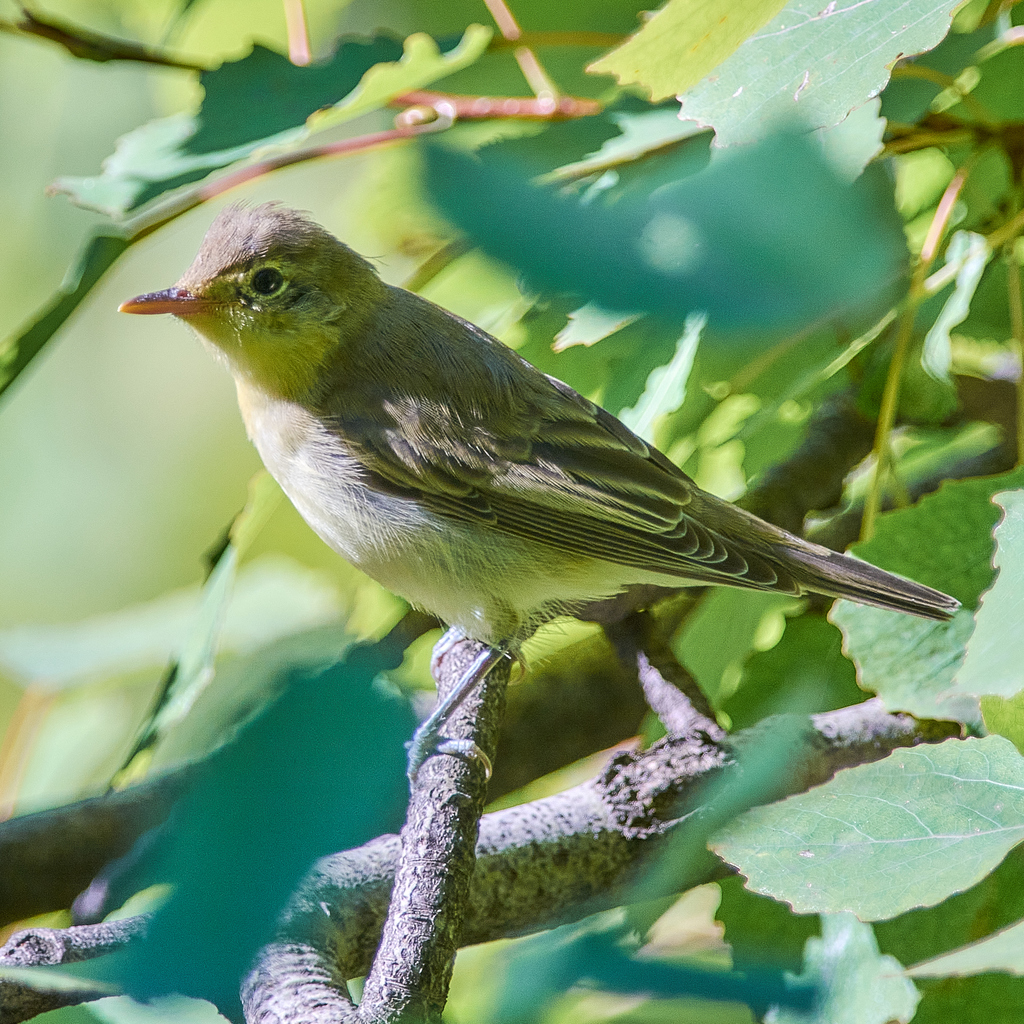
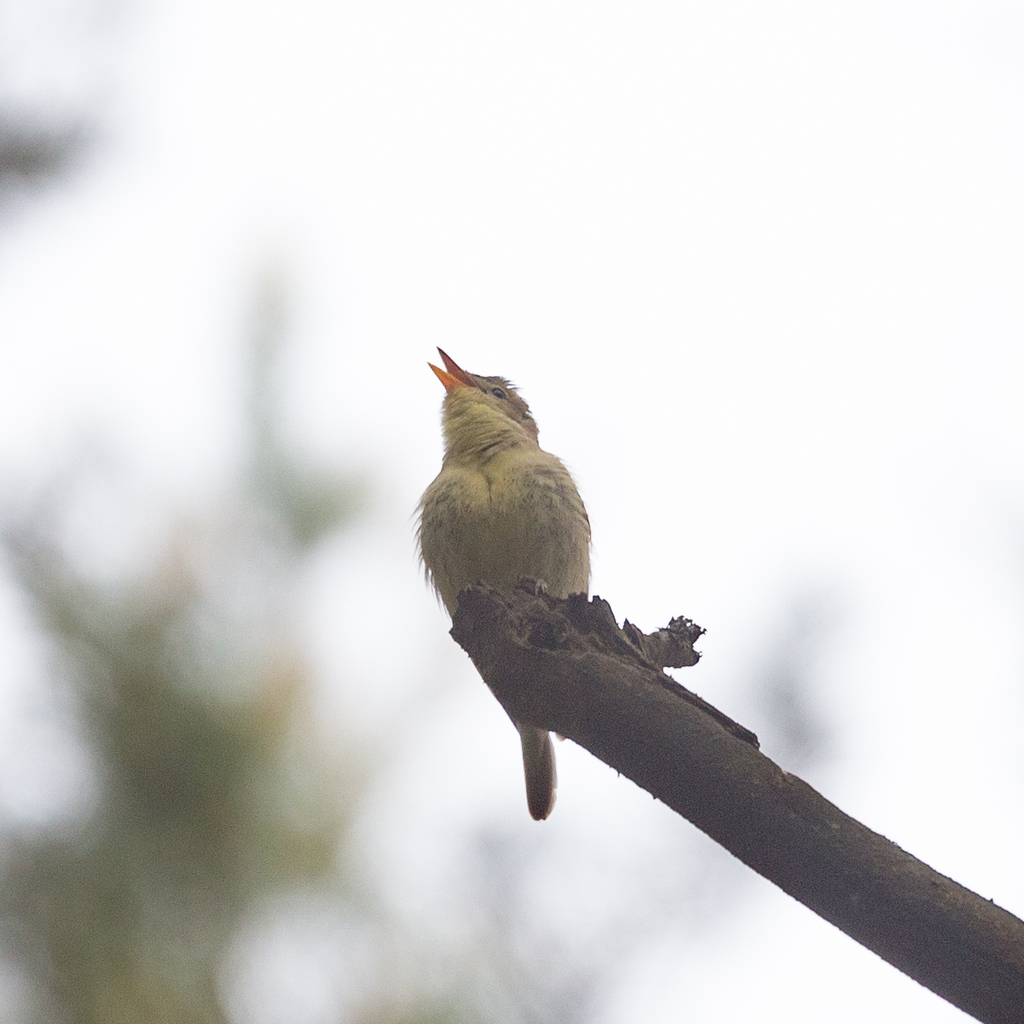
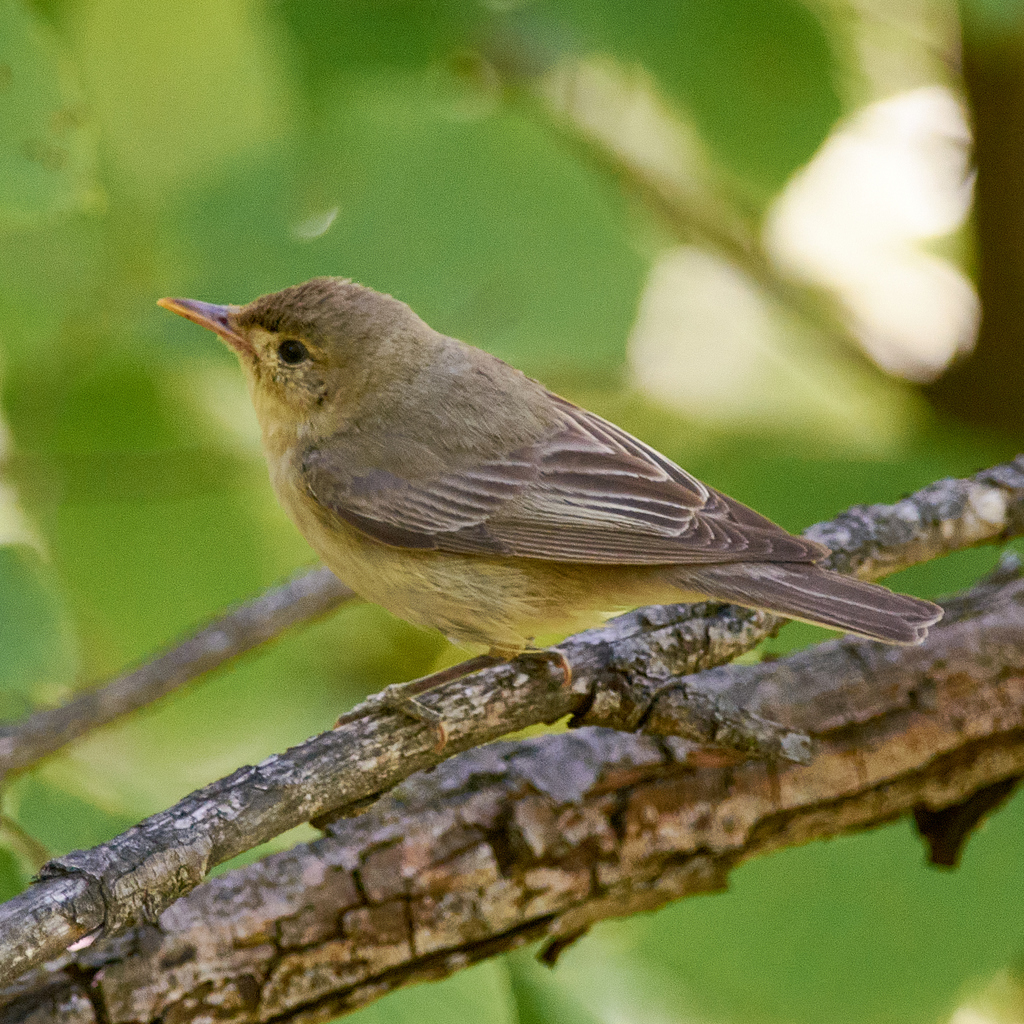
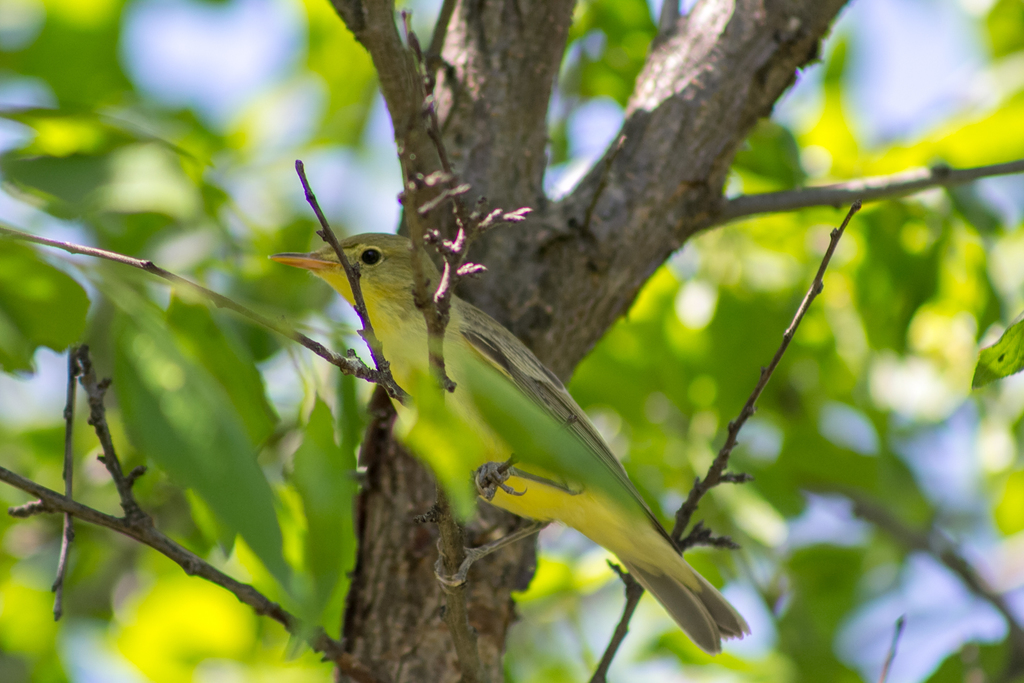
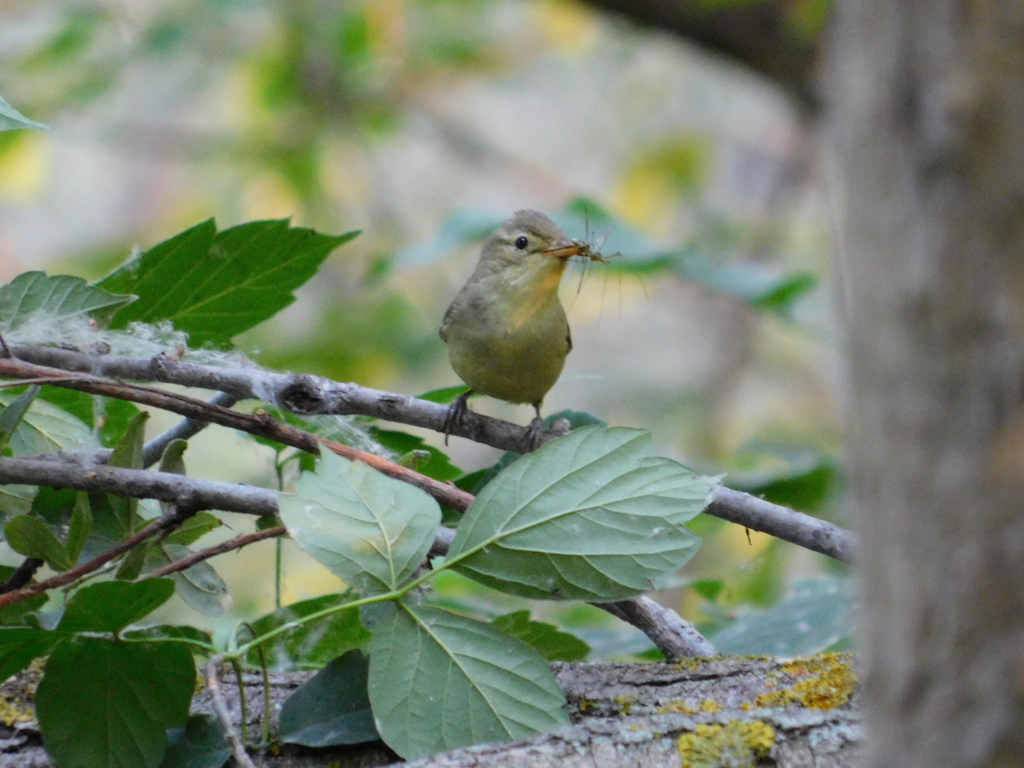
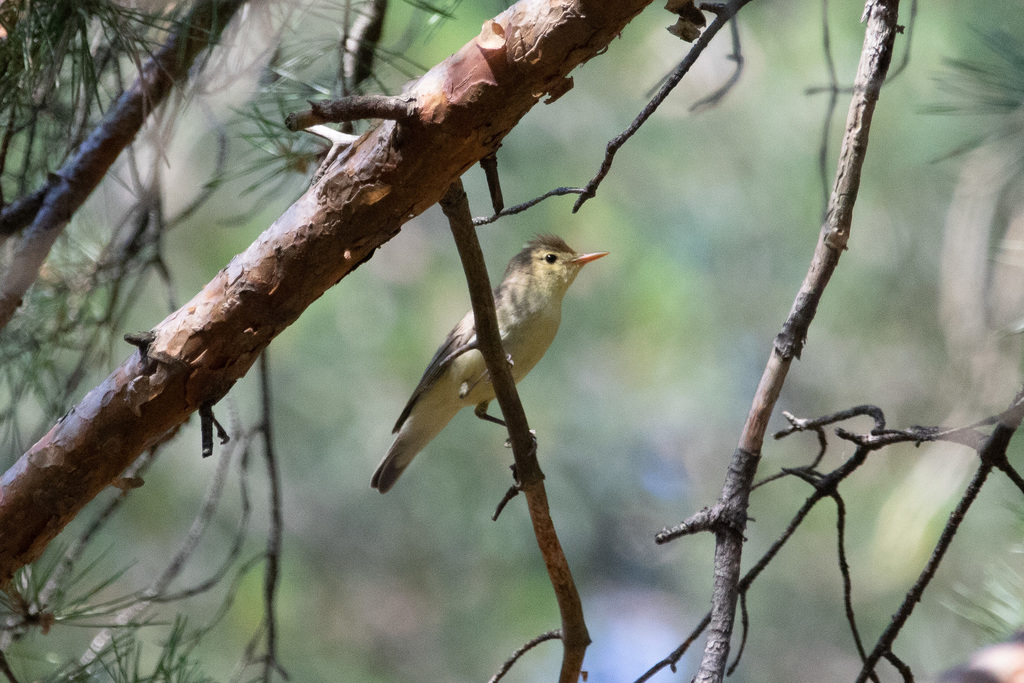
El zarcero icterino, muy similar al zarcero políglota, del que resulta difícil de distinguir en el campo, es una especie muy rara en España que solo se presenta durante los pasos migratorios, principalmente en el litoral levantino y Baleares.The Icterine Warbler is the 'Eastern' twin of our local Melodious Warbler. While common in Central and Northern Europe, it is a rare visitor to Spain, seen mostly in the Balearic Islands and along the Mediterranean coast during migration. It is an arboreal hunter that glides gracefully through the canopy. Its vibrant colors and powerful voice make it a highlight of the spring migration. It is a symbol of the lush, green European forests reaching our shores.
IdentificaciónIdentification
Se trata de un pequeño paseriforme de apariencia esbelta, que, como otros zarceros, presenta la cola con el borde exterior cuadrado y la base del pico ancha. Posee el dorso de color verde grisáceo y el vientre amarillo pálido uniforme. A diferencia de los mosquiteros, con los que muestra cierto parecido, carece de ceja patente. Es, sin embargo, muy similar al zarcero políglota, del que se distingue solamente por leves matices visibles únicamente a corta distancia o en mano, como el color gris azulado de las patas, más pardas en el políglota, o sus largas primarias, de la misma longitud que las terciarias y que en el común son la mitad de cortas. Los sexos son similares.A medium-sized, elegant warbler with a long bill and a 'peaked' head profile. It has a beautiful olive-green back and a contrasting pale yellow belly. It is very similar to the Melodious Warbler but distinguished by its longer primary projection and blue-gray legs (brownish in Melodious). Its song is a loud and complex series of high-pitched whistles and whistles.
DistribuciónDistribution
Está presente únicamente durante los pasos migratorios, donde resulta poco común o raro en Baleares y el litoral mediterráneo y muy raro u ocasional en el resto de nuestro territorio.Rare passage migrant. Concentrated in Baleares and the Mediterranean coast. Absent from the rest of the Peninsula. Trans-Saharan migrant.
Textos reproducidos con permiso de laTexts translated and reproduced with permission from the Guía de Aves de España © SEO/BirdLife
Estado de conservaciónConservation Status
- EX
- RE
- CR
- EN
- VU
- NT
- LC
DD
Datos insuficientesData Deficient
Qué significa cada categoríaWhat each category means
- LC
- Preocupación menor: Taxón evaluado que no califica para categorías amenazadas. Especies abundantes y ampliamente distribuidasLeast Concern - Evaluated taxon that does not qualify for threatened categories. Widespread and abundant taxa
- NT
- Casi amenazada: No califica actualmente como amenazada, pero está cerca de calificar o es probable que califique en el futuro cercanoNear Threatened - Does not currently qualify as threatened, but is close to qualifying or likely to qualify in the near future
- VU
- Vulnerable: Enfrenta un alto riesgo de extinción en estado silvestre según los criterios A a E de IUCNVulnerable - Facing a high risk of extinction in the wild based on IUCN criteria A to E
- EN
- En peligro: Enfrenta un riesgo muy alto de extinción en estado silvestre según los criterios A a E de IUCNEndangered - Facing a very high risk of extinction in the wild based on IUCN criteria A to E
- CR
- En peligro crítico: Enfrenta un riesgo extremadamente alto de extinción en estado silvestre según los criterios A a E de IUCNCritically Endangered - Facing an extremely high risk of extinction in the wild based on IUCN criteria A to E
- DD
- Datos insuficientes: Información inadecuada para evaluar el riesgo de extinción basándose en distribución o estado poblacionalData Deficient - Inadequate information to assess extinction risk based on distribution and/or population status
- NE
- No evaluada: No ha sido evaluada aún contra los criterios de la Lista Roja de IUCNNot Evaluated - Has not yet been assessed against the IUCN Red List criteria
- RE
- Extinta regionalmente: El taxón ya no existe en la región específica, aunque puede sobrevivir en otros lugaresRegionally Extinct - Taxon no longer exists in the specific region, though it may survive elsewhere
- EX
- Extinta - No existe duda razonable de que ha muerto el último individuo del taxónExtinct - No reasonable doubt that the last individual of the taxon has died
TaxonomíaTaxonomy
- OrdenOrder
- Passeriformes
- FamiliaFamily
- Acrocephalidae
Presencia en EspañaPresence in Spain
- De pasoPassage migrant
- HabitualRegular
En la app: abril a mayo y de julio a septiembre.In the app: April to May and July to September.
Dónde verlaWhere to see it
48 cuadrículas de 10 km con registros de 2020 a 2024. Toca un mes para ver dónde se ha visto.48 10 km squares with records from 2020 to 2024. Pick a month to see where it has been seen.
Cargando el mapa…Loading the map…
Dónde es regularWhere it is regular
Provincias con registros en al menos 3 de los 5 años algún mes, de más a menos frecuente, y sus mejores meses.Provinces with records in at least 3 of the 5 years in some month, from most to least frequent, and their best months.
- TarragonaTarragonamayoMay
- GironaGironamayo, abrilMay, April
- BalearesBalearic IslandsmayoMay
- BarcelonaBarcelonamayo, abrilMay, April
Datos: registros en GBIF de 2020 a 2024 de Observation.org, eBird, iNaturalist y el ICO, descargados el 23/10/2026.Data: GBIF records from 2020 to 2024 from Observation.org, eBird, iNaturalist and the ICO, downloaded on 23/10/2026. GBIF.org (23 October 2026) GBIF Occurrence Download · doi:10.15468/dl.r5sf2a · CC BY-NC 4.0
GaleríaGallery

© Ron Knight · CC BY · iNaturalist 
© Paolo Zucca · CC BY · iNaturalist 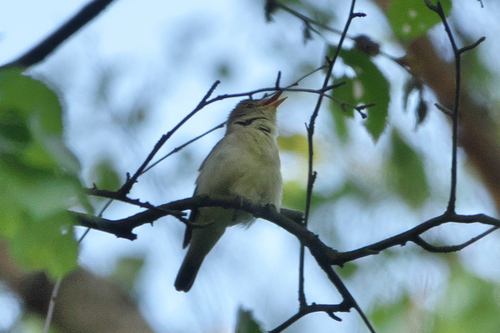
© Andrey Gulivanov · CC BY · iNaturalist 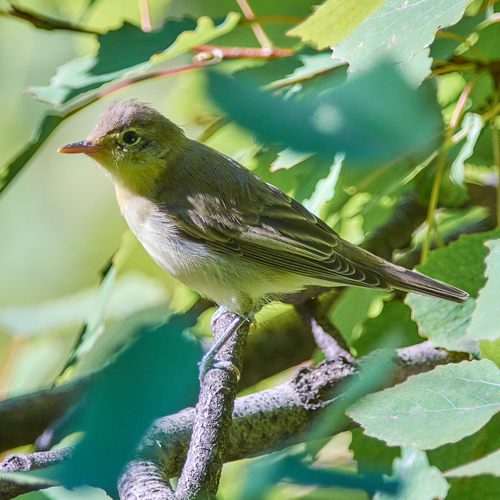
© Сергей Неклюдов · CC BY · iNaturalist 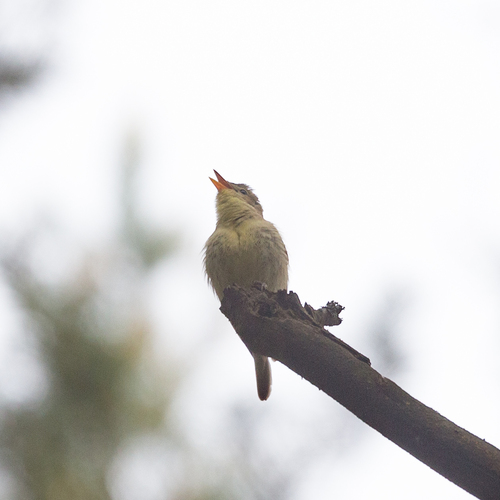
© Павел Кунгуров · CC BY · iNaturalist 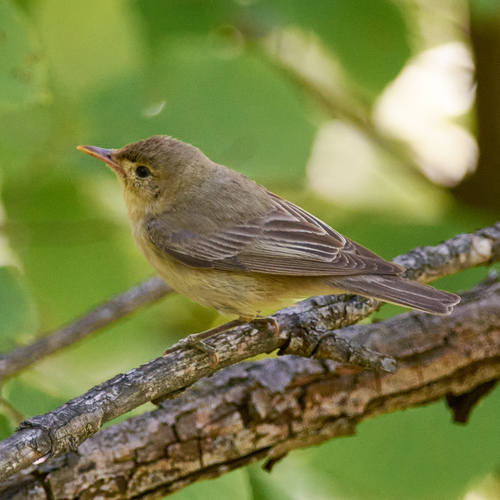
© Сергей Неклюдов · CC BY · iNaturalist 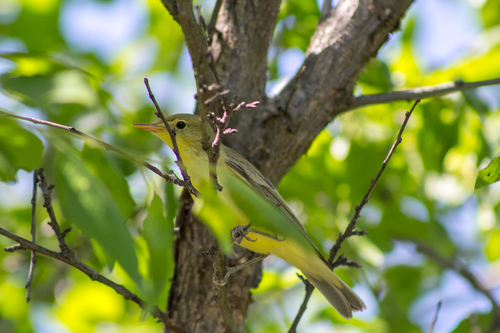
© Safina Rezeda · CC BY · iNaturalist 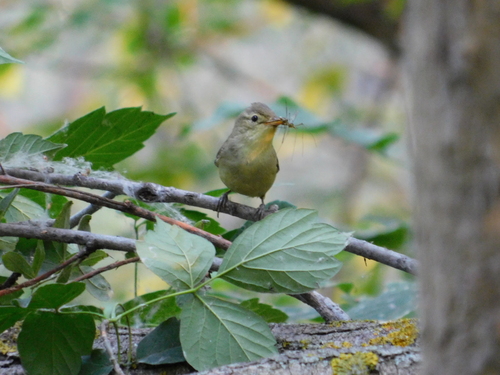
© Марат Адиев · CC BY · iNaturalist 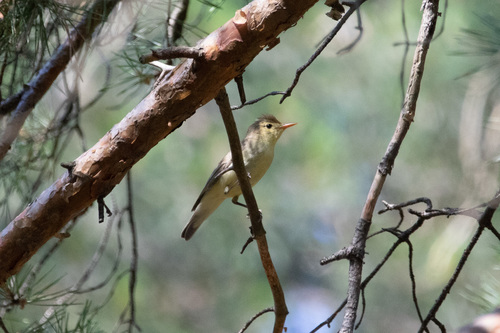
© Дмитрий Еременко · CC BY · iNaturalist
Especies relacionadasRelated species
Otras aves de la familia Acrocephalidae y de órdenes cercanos.Other birds from the Acrocephalidae family and nearby orders.
- Poco comúnUncommon
 Carricerín realMoustached WarblerAcrocephalus melanopogon
- Poco comúnUncommon
 Carricerín comúnSedge WarblerAcrocephalus schoenobaenus
- ComúnCommon
 Carricero comúnReed WarblerAcrocephalus scirpaceus
- Poco comúnUncommon
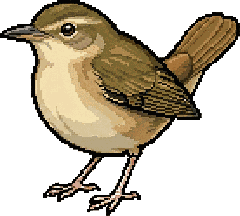 Carricero tordalGreat Reed WarblerAcrocephalus arundinaceus
- Poco comúnUncommon
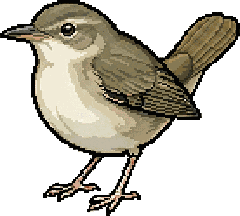 Zarcero bereberWestern Olivaceous WarblerIduna opaca
- ComúnCommon
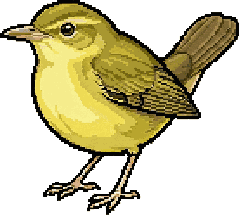 Zarcero políglotaMelodious WarblerHippolais polyglotta
- RaroRare
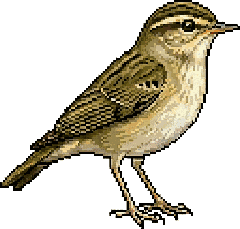 Carricerín cejudoAquatic WarblerAcrocephalus paludicola
- LegendarioLegendary
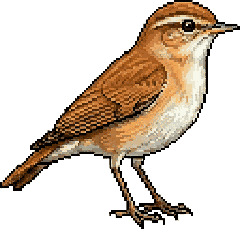 Carricero agrícolaPaddyfield WarblerAcrocephalus agricola
 Gratis, sin anuncios ni comprasFree, no ads, no purchases