 BirdPedy
Zarcero políglotaMelodious Warbler
En 52 provincias en agosto y en 1 en eneroIn 52 provinces in August and 1 in January
Reporte de rarezaRarity report
Por qué es comúnWhy it is commonEstival migradora común y muy extendida en matorrales, huertos, orlas forestales y sotos de gran parte de la península. Su canto variado y capacidad de imitación lo hacen fácil de detectar.Common and very widespread summer migrant in scrub, orchards, woodland edges and riverside woods over much of the Peninsula. Its varied song and its mimicry make it easy to detect.
Cada carrizo es un mes: su altura, las provincias con registros de 2020 a 2024.Each reed is a month: its height, the provinces with records from 2020 to 2024.- Provincias con registrosProvinces with records
- 52 de 52of 52
- En la appIn the app
- Marzo a octubreMarch to October
- EnvergaduraWingspan
- 20-24 cm20-24 cm
- LongitudLength
- 13-14 cm13-14 cm
- Lista Roja de EspañaSpanish Red List
- LC Preocupación menorLeast Concern

Información generalGeneral Information
Los zarceros son pequeños pájaros amantes de las espesuras, que no presentan caracteres morfológicos muy distintivos, por lo que no resulta fácil diferenciarlos de otras especies de su mismo género o de otros cercanos, como carriceros, mosquiteros o currucas. El zarcero políglota es el más abundante y extendido representante de su grupo, que puede encontrarse en una gran variedad de marañas vegetales, donde resulta más fácil de detectar por su sonoro y áspero canto.The Melodious Warbler is the most common of its genus in Spain. It is a specialist of the 'marañas'—the chaotic thickets of brambles, rosehips, and broom. Its name refers to its varied and energetic song. It is a strictly summer visitor, arriving in late spring. Despite its plain appearance, it is a vital part of the Mediterranean countryside's soundscape.
IdentificaciónIdentification
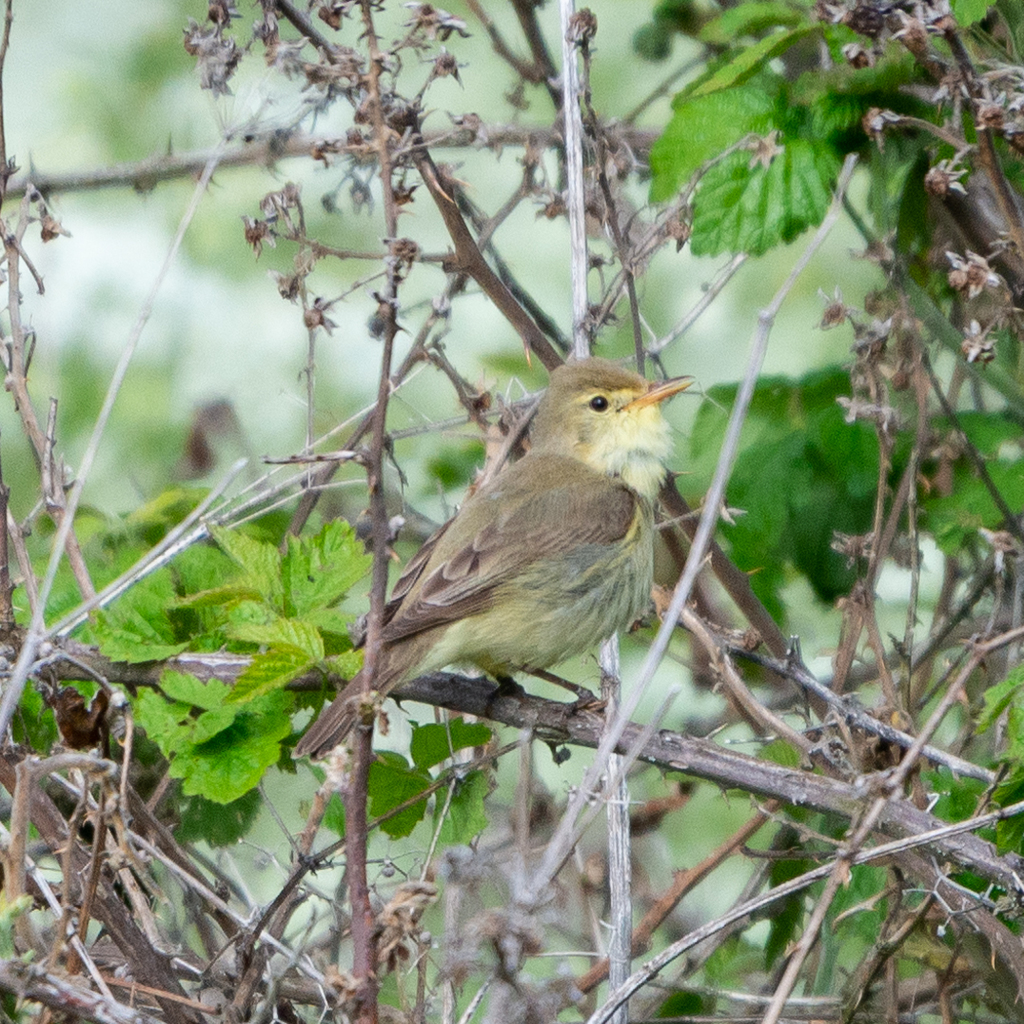
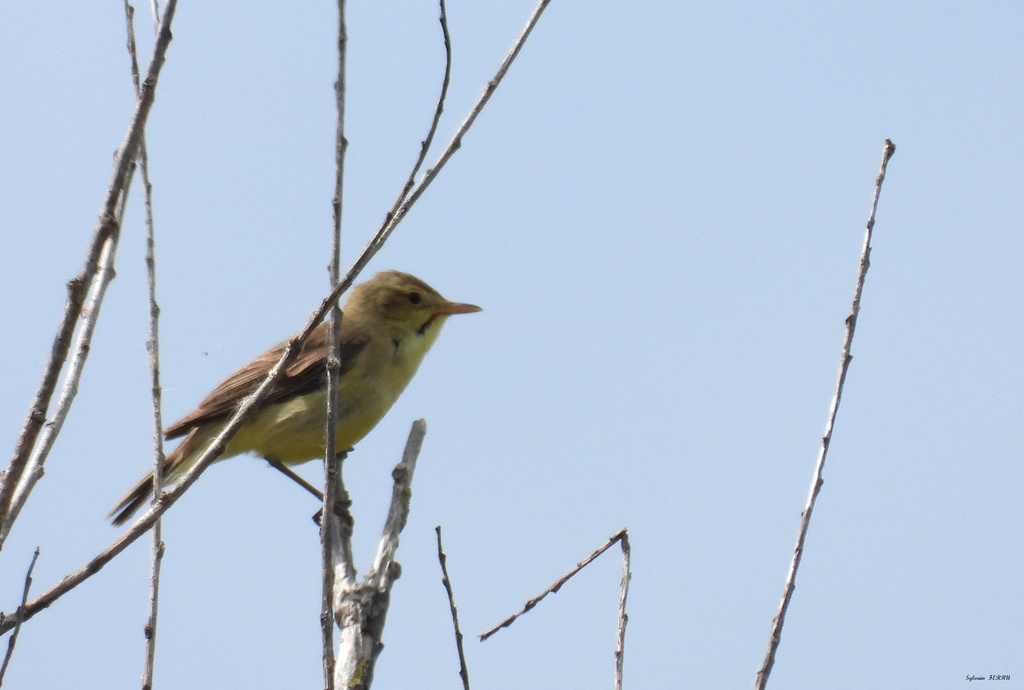
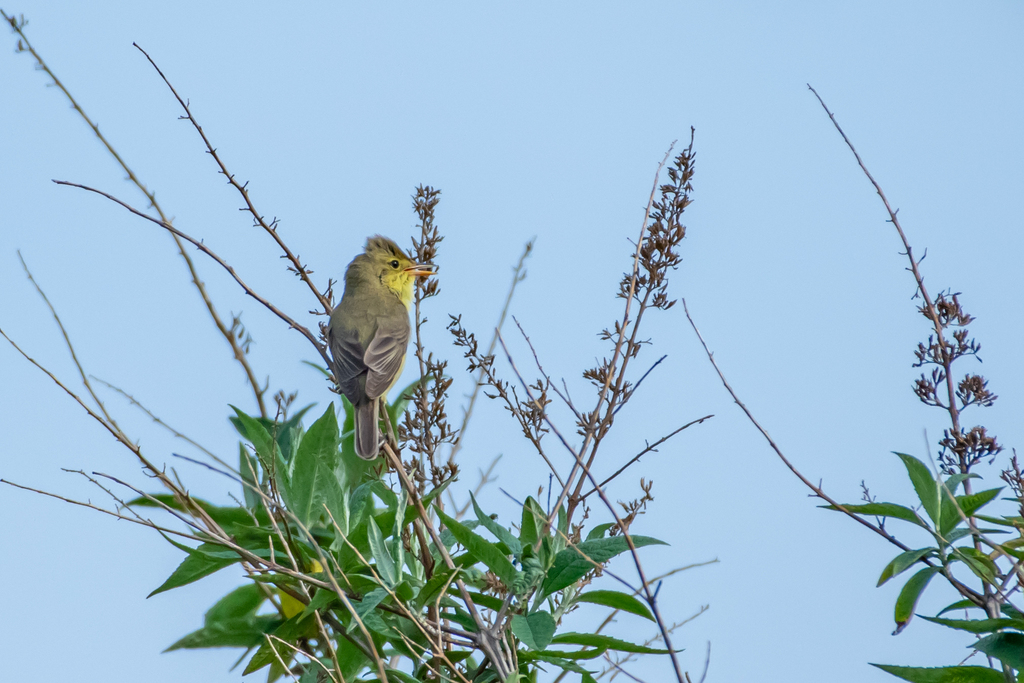
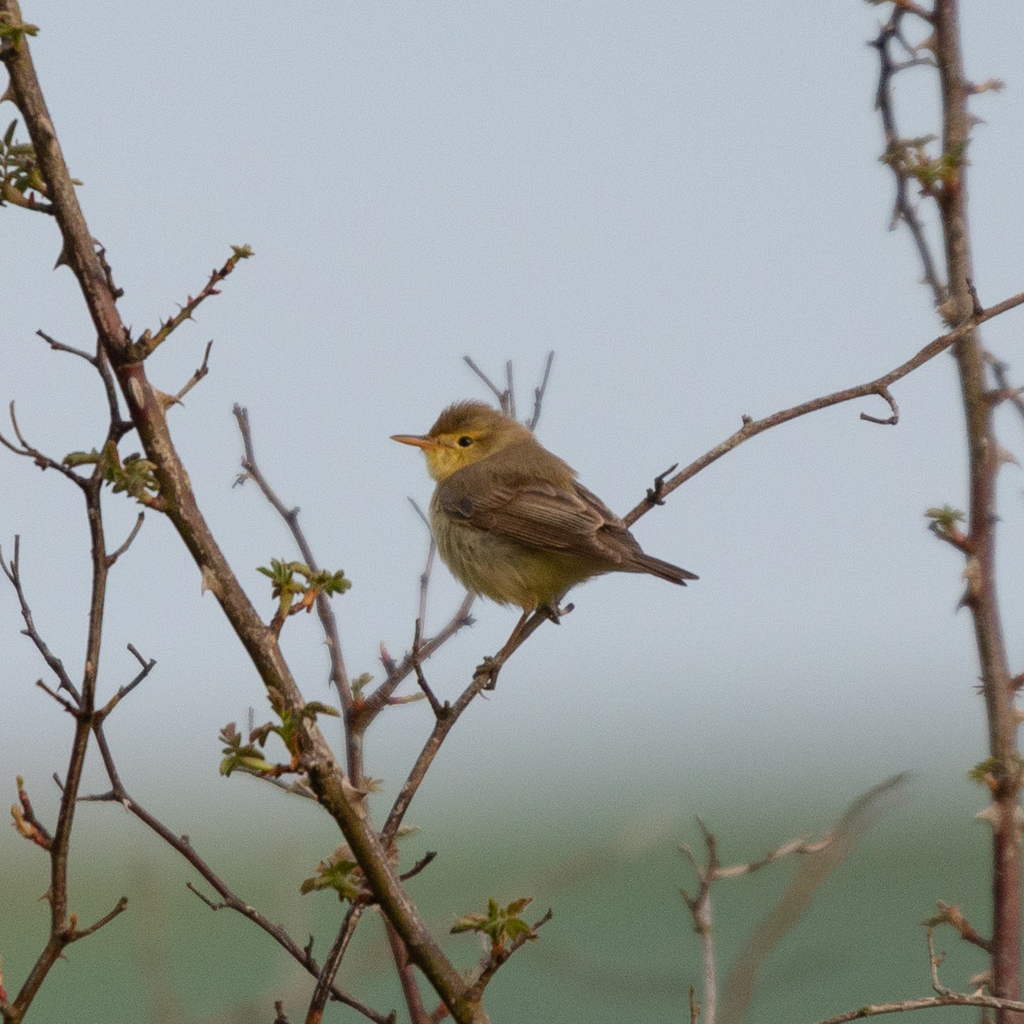
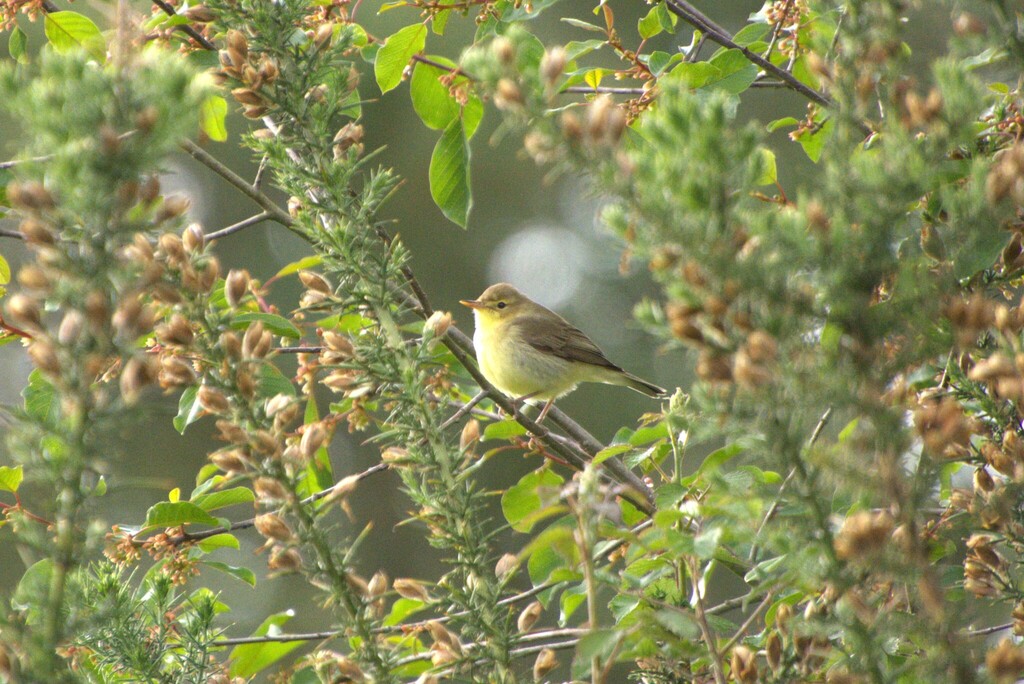
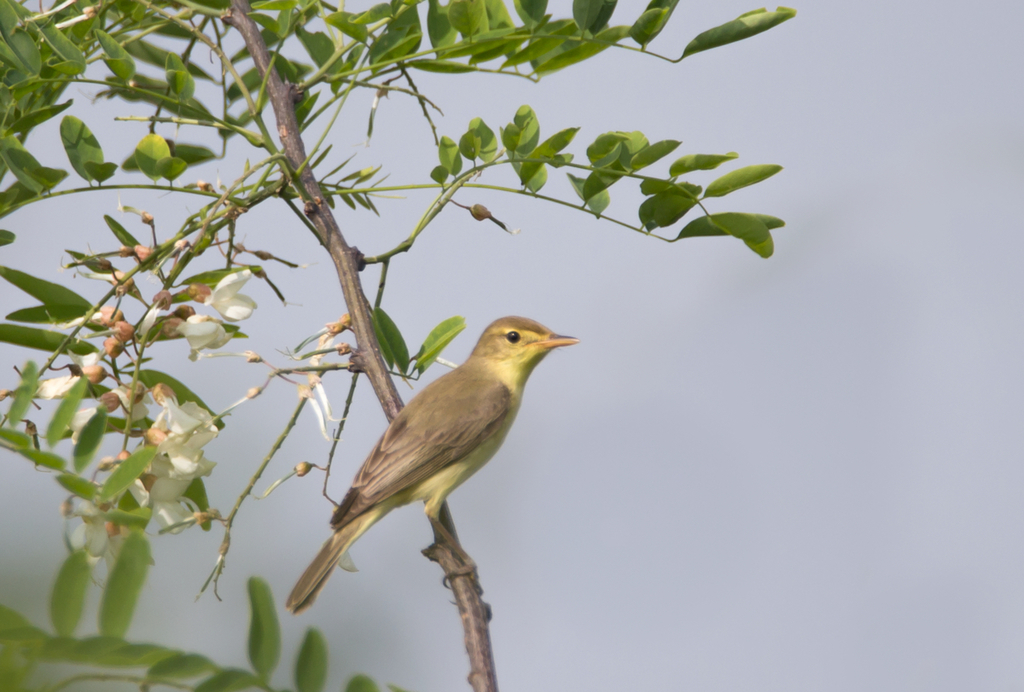
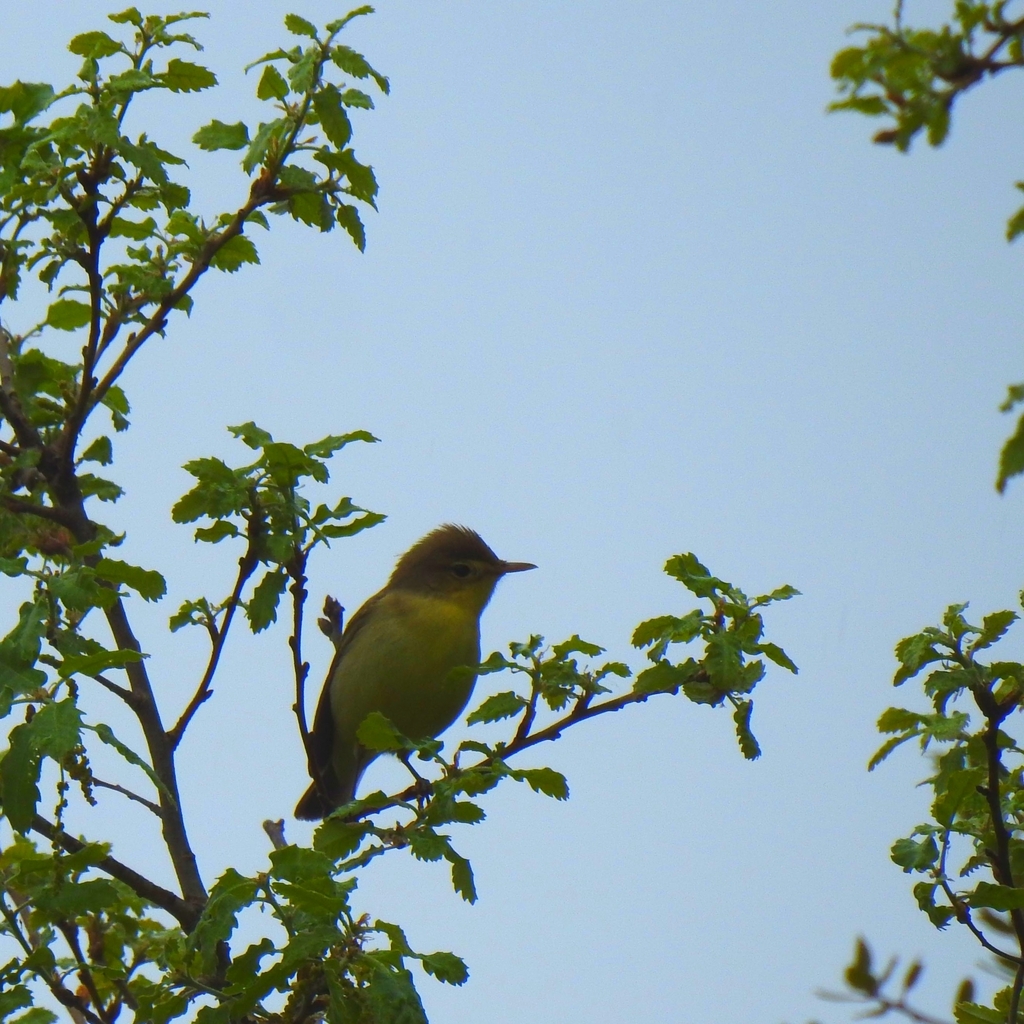
Se trata de un pájaro de tamaño pequeño y tonos generales amarillo-verdosos. Presenta el dorso de color verde grisáceo y la zona ventral amarillenta (más pálida en los jóvenes). Es muy similar al raro zarcero icterino, del que resulta difícil de distinguir en el campo. Algunos ejemplares muy pálidos o con el plumaje muy desgastado pueden generar también confusión con otras especies, como el zarcero pálido o la curruca mosquitera. Ambos sexos son similares.A small, active warbler with a greenish-brown back and varying amounts of yellow on the underparts (very bright in fresh plumage, pale in worn birds). It is very similar to the rare Icterine Warbler. It has a relatively heavy bill and a rather large head. Its most characteristic feature is its fast, babbling, and loud song. It is highly adaptable, found in any area with dense shrubs, from forest edges to urban gardens.
DistribuciónDistribution
Se extiende de forma amplia y continua por toda la Península Ibérica, si bien falta o escasea en los sistemas montañosos más elevados (Pirineos, Cordillera Cantábrica, Sistema Ibérico, Sierra Nevada) o en las zonas más deforestadas de la meseta Sur. También cría en Ceuta y en Melilla, pero está ausente de Baleares y Canarias, donde tan solo aparece en paso migratorio.Widespread across the entire Peninsula and North African territories. Absent from Balearics and Canaries (only as a migrant). Scarce in the highest mountains and true deserts.
Textos reproducidos con permiso de laTexts translated and reproduced with permission from the Guía de Aves de España © SEO/BirdLife
Estado de conservaciónConservation Status
- EX
- RE
- CR
- EN
- VU
- NT
- LC
Preocupación menorLeast Concern
Qué significa cada categoríaWhat each category means
- LC
- Preocupación menor: Taxón evaluado que no califica para categorías amenazadas. Especies abundantes y ampliamente distribuidasLeast Concern - Evaluated taxon that does not qualify for threatened categories. Widespread and abundant taxa
- NT
- Casi amenazada: No califica actualmente como amenazada, pero está cerca de calificar o es probable que califique en el futuro cercanoNear Threatened - Does not currently qualify as threatened, but is close to qualifying or likely to qualify in the near future
- VU
- Vulnerable: Enfrenta un alto riesgo de extinción en estado silvestre según los criterios A a E de IUCNVulnerable - Facing a high risk of extinction in the wild based on IUCN criteria A to E
- EN
- En peligro: Enfrenta un riesgo muy alto de extinción en estado silvestre según los criterios A a E de IUCNEndangered - Facing a very high risk of extinction in the wild based on IUCN criteria A to E
- CR
- En peligro crítico: Enfrenta un riesgo extremadamente alto de extinción en estado silvestre según los criterios A a E de IUCNCritically Endangered - Facing an extremely high risk of extinction in the wild based on IUCN criteria A to E
- DD
- Datos insuficientes: Información inadecuada para evaluar el riesgo de extinción basándose en distribución o estado poblacionalData Deficient - Inadequate information to assess extinction risk based on distribution and/or population status
- NE
- No evaluada: No ha sido evaluada aún contra los criterios de la Lista Roja de IUCNNot Evaluated - Has not yet been assessed against the IUCN Red List criteria
- RE
- Extinta regionalmente: El taxón ya no existe en la región específica, aunque puede sobrevivir en otros lugaresRegionally Extinct - Taxon no longer exists in the specific region, though it may survive elsewhere
- EX
- Extinta - No existe duda razonable de que ha muerto el último individuo del taxónExtinct - No reasonable doubt that the last individual of the taxon has died
TaxonomíaTaxonomy
- OrdenOrder
- Passeriformes
- FamiliaFamily
- Acrocephalidae
Presencia en EspañaPresence in Spain
- De pasoPassage migrant
- EstivalSummer visitor
- HabitualRegular
En la app: marzo a octubre.In the app: March to October.
Revisión científica de BirdPedyBirdPedy scientific review
Revisada por BirdPedy el 28/10/2026 ·Reviewed by BirdPedy on 28 October 2026 · Cómo revisamosHow we review
HábitatsHabitats
BirdPedy usa 14 categorías de hábitat propias, con definiciones fijas, y apoya cada una en el texto de la ficha de seo.org [1] o, cuando no basta, en el III Atlas u otra fuente sobre España. En esta especie hay decisiones que se apartan de la ficha o que merecen explicación.
Añadimos “Humedales y aguas dulces”: el III Atlas da los humedales como su segundo hábitat por densidad [2]. Añadimos “Mosaico agrícola”: abunda en setos y linderos y en mosaicos de cultivo [2]. Quitamos “Bosque mediterráneo”: la ficha no nombra encinares ni dehesas y el III Atlas dice que evita los bosques [2]. Quitamos “Urbano y rural”: el III Atlas lo da en las afueras de pueblos y ciudades, no dentro; la ficha no lo nombra [2].
BirdPedy uses 14 habitat categories of its own, with fixed definitions, and supports each one with the text of the seo.org account [1] or, when that is not enough, with the III Atlas or another source on Spain. For this species, some decisions depart from the account or deserve an explanation.
We add “Wetlands and fresh water”: the III Atlas gives wetlands as its second habitat by density [2]. We add “Agricultural mosaic”: it is common in hedges and field margins and in mixed farmland [2]. We remove “Mediterranean forest”: the account does not mention holm oak woods or wood pastures, and the III Atlas says it avoids forests [2]. We remove “Urban and rural”: the III Atlas places it on the outskirts of villages and towns, not inside them; the account does not mention it [2].
ReferenciasReferences
- SEO/BirdLife. Guía de aves de seo.org, ficha: Zarcero políglota (consultada el 23/10/2026).SEO/BirdLife. Bird guide on seo.org, Melodious Warbler account (accessed 23 October 2026). seo.org
- Molina, B. et al. (eds.) (2022). III Atlas de las aves en época de reproducción en España, ficha: Zarcero políglota. SEO/BirdLife. Madrid.Molina, B. et al. (eds.) (2022). III Atlas de las aves en época de reproducción en España (Atlas of breeding birds in Spain), Melodious Warbler account. SEO/BirdLife. Madrid. atlasaves.seo.org
Dónde verlaWhere to see it
3.345 cuadrículas de 10 km con registros de 2020 a 2024. Toca un mes para ver dónde se ha visto.3,345 10 km squares with records from 2020 to 2024. Pick a month to see where it has been seen.
Cargando el mapa…Loading the map…
Dónde es regularWhere it is regular
Provincias con registros en al menos 3 de los 5 años algún mes, de más a menos frecuente, y sus mejores meses.Provinces with records in at least 3 of the 5 years in some month, from most to least frequent, and their best months.
- GuipúzcoaGuipúzcoamayo, junio, julioMay, June, July
- CeutaCeutamayo, abril, junioMay, April, June
- GuadalajaraGuadalajaramayo, junio, julioMay, June, July
- La RiojaLa Riojajunio, mayo, julioJune, May, July
- OurenseOurensemayo, junio, julioMay, June, July
- VizcayaVizcayamayo, junio, julioMay, June, July
- ÁlavaÁlavajunio, mayo, julioJune, May, July
- LugoLugomayo, junio, julioMay, June, July
- ÁvilaÁvilajunio, mayo, julioJune, May, July
- NavarraNavarrajunio, mayo, julioJune, May, July
Ver las 50 provinciasSee all 50 provinces
- A CoruñaA Coruñajunio, mayo, julioJune, May, July
- PontevedraPontevedrajunio, mayo, julioJune, May, July
- SoriaSoriamayo, junio, julioMay, June, July
- CuencaCuencajunio, julio, mayoJune, July, May
- TeruelTerueljunio, mayo, julioJune, May, July
- CastellónCastellónjunio, mayo, julioJune, May, July
- HuescaHuescajunio, mayo, julioJune, May, July
- CantabriaCantabriajunio, mayo, julioJune, May, July
- ZaragozaZaragozamayo, junio, julioMay, June, July
- CádizCádizmayo, junio, abrilMay, June, April
- SalamancaSalamancamayo, julio, junioMay, July, June
- CórdobaCórdobamayo, abril, junioMay, April, June
- LleidaLleidamayo, junio, julioMay, June, July
- GironaGironamayo, junio, julioMay, June, July
- BurgosBurgosjunio, mayo, julioJune, May, July
- SegoviaSegoviajunio, mayo, julioJune, May, July
- AsturiasAsturiasmayo, junio, julioMay, June, July
- MadridMadridmayo, junio, julioMay, June, July
- PalenciaPalenciajunio, mayo, agostoJune, May, August
- MálagaMálagamayo, junio, julioMay, June, July
- AlbaceteAlbacetemayo, junio, julioMay, June, July
- BarcelonaBarcelonamayo, junio, julioMay, June, July
- HuelvaHuelvamayo, abril, agostoMay, April, August
- LeónLeónjunio, julio, mayoJune, July, May
- JaénJaénjulio, mayo, junioJuly, May, June
- CáceresCáceresjunio, mayo, julioJune, May, July
- ValladolidValladolidjulio, mayo, junioJuly, May, June
- ZamoraZamorajunio, mayo, agostoJune, May, August
- SevillaSevillamayo, junio, abrilMay, June, April
- Ciudad RealCiudad Realagosto, julio, mayoAugust, July, May
- AlicanteAlicantemayo, junio, julioMay, June, July
- BadajozBadajozmayo, junio, agostoMay, June, August
- ValenciaValenciamayo, junio, julioMay, June, July
- TarragonaTarragonamayo, junio, julioMay, June, July
- ToledoToledomayo, junio, agostoMay, June, August
- GranadaGranadajunio, mayo, agostoJune, May, August
- AlmeríaAlmeríaagosto, mayo, junioAugust, May, June
- MurciaMurciamayo, junio, julioMay, June, July
- Las PalmasLas Palmasagosto, abril, septiembreAugust, April, September
- BalearesBalearic Islandsmayo, abrilMay, April
Datos: registros en GBIF de 2020 a 2024 de Observation.org, eBird, iNaturalist y el ICO, descargados el 23/10/2026.Data: GBIF records from 2020 to 2024 from Observation.org, eBird, iNaturalist and the ICO, downloaded on 23/10/2026. GBIF.org (23 October 2026) GBIF Occurrence Download · doi:10.15468/dl.r5sf2a · CC BY-NC 4.0
GaleríaGallery

© Donald Davesne · CC BY · iNaturalist 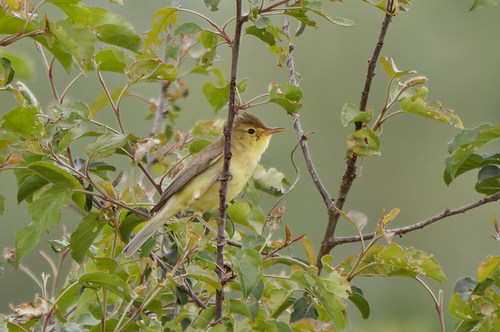
© Donald Davesne · CC BY · iNaturalist 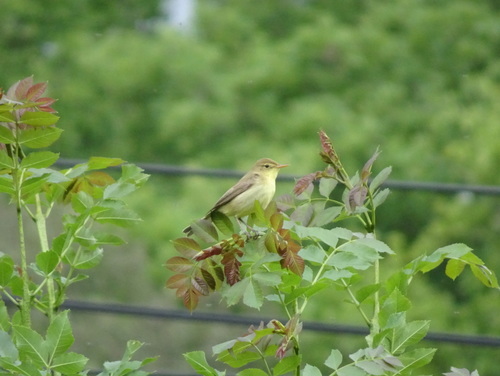
© Thomas Koffel · CC BY · iNaturalist 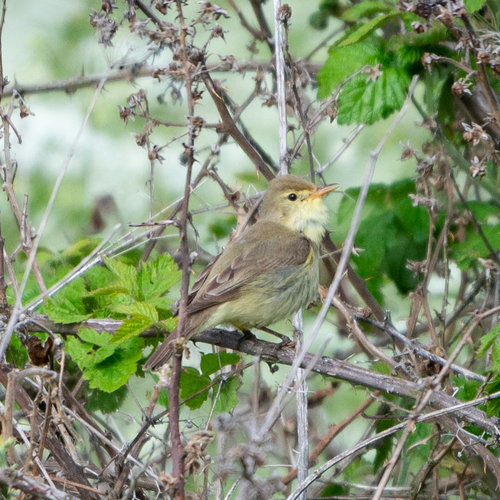
© euqirneto · CC BY · iNaturalist 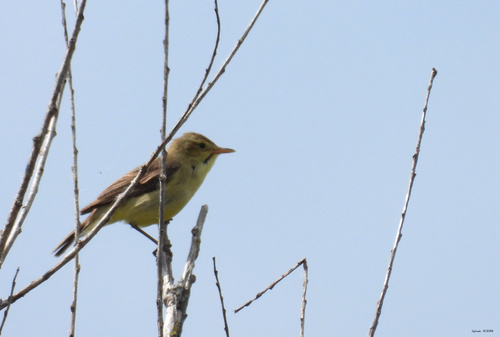
© sylvainferru · CC BY · iNaturalist 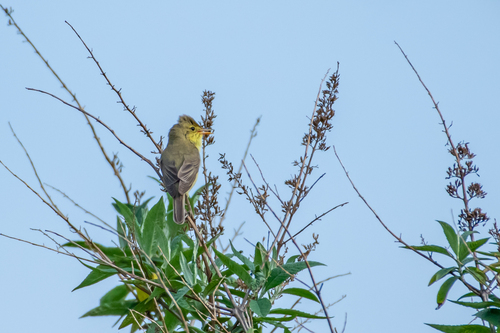
© Codrin Bucur · CC BY · iNaturalist 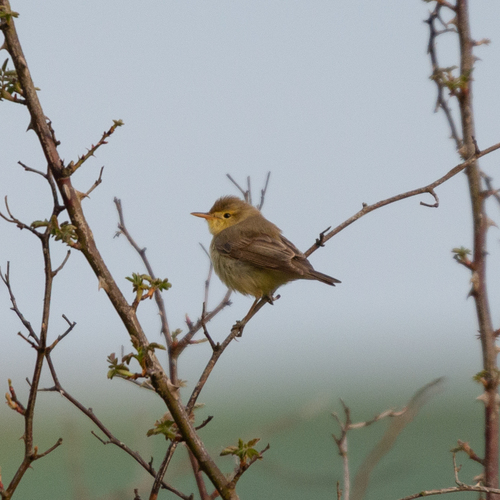
© euqirneto · CC BY · iNaturalist 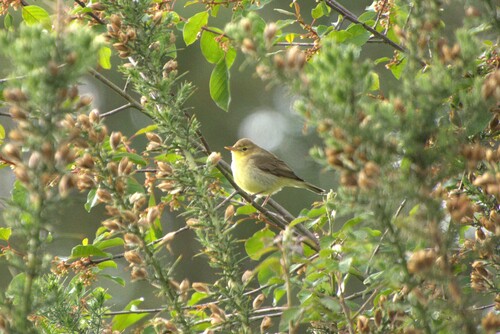
© Tristo · CC BY · iNaturalist 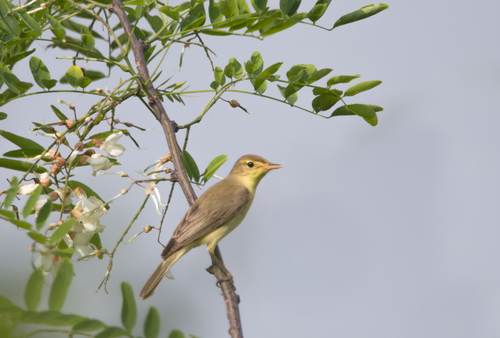
© Paolo Zucca · CC BY · iNaturalist 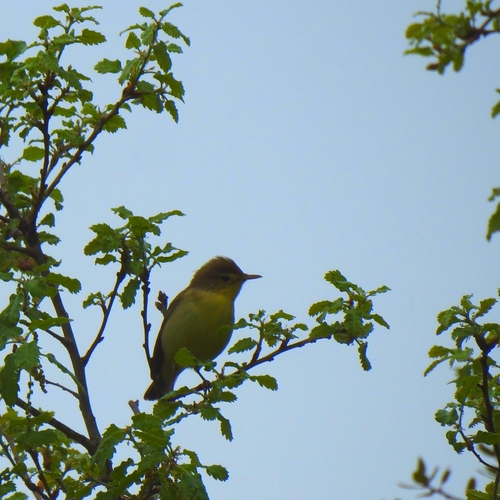
© Olivier Morel · CC BY · iNaturalist

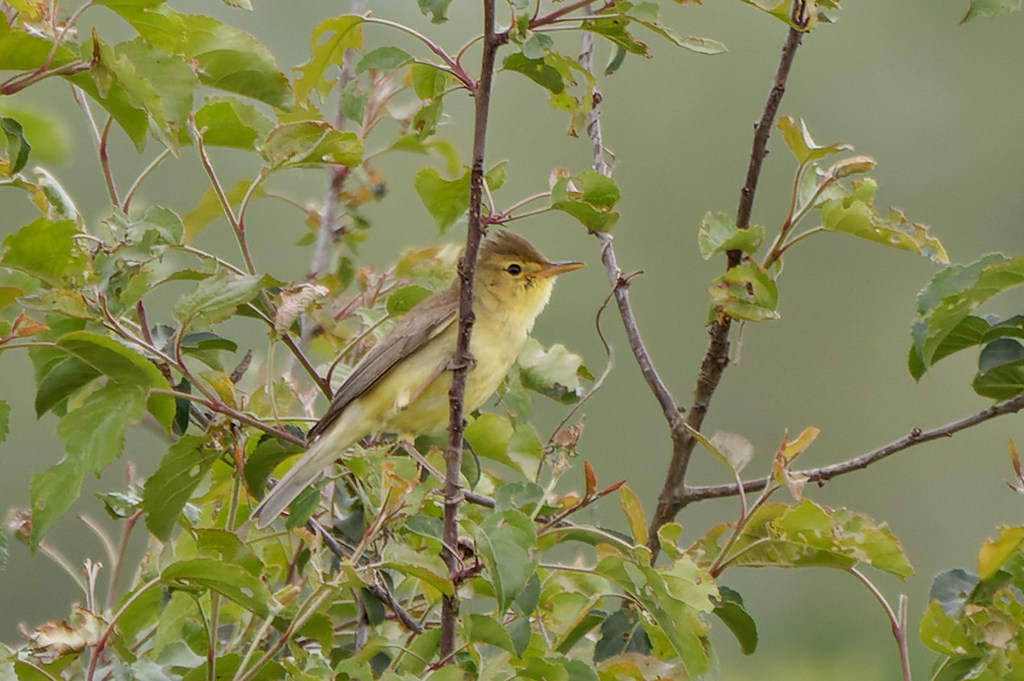
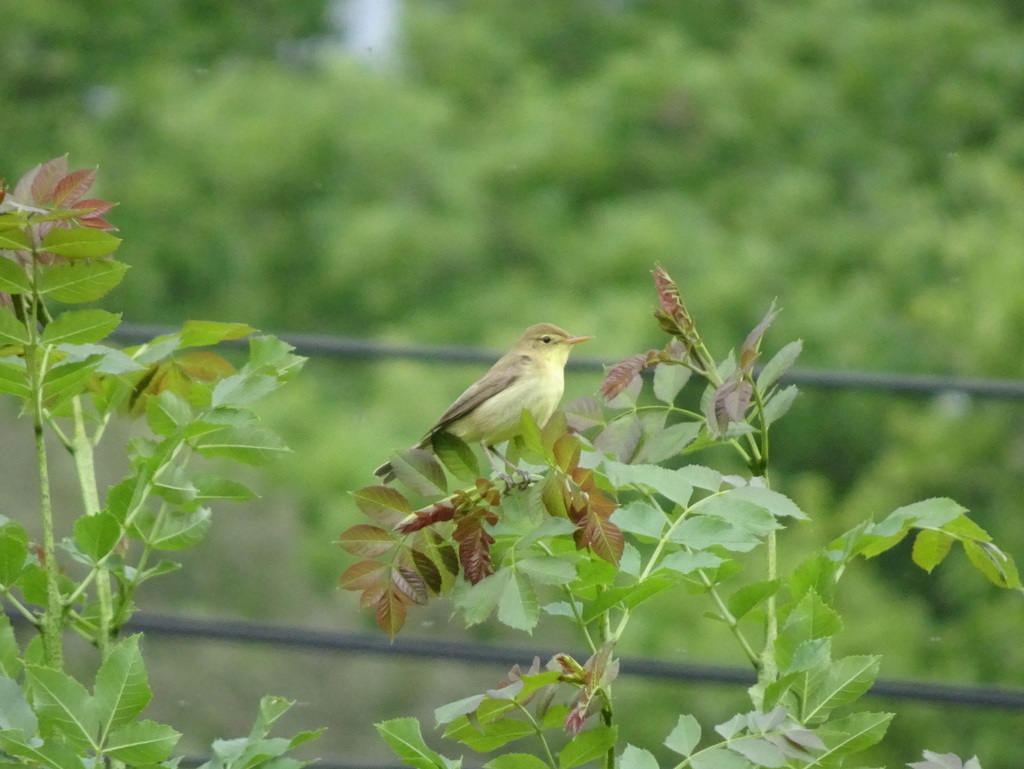
Especies relacionadasRelated species
Otras aves de la familia Acrocephalidae y de órdenes cercanos.Other birds from the Acrocephalidae family and nearby orders.
- RaroRare
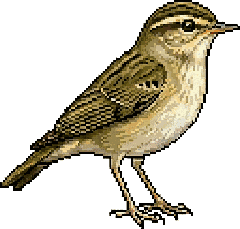 Carricerín cejudoAquatic WarblerAcrocephalus paludicola
- LegendarioLegendary
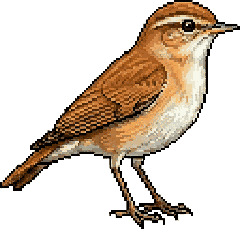 Carricero agrícolaPaddyfield WarblerAcrocephalus agricola
- LegendarioLegendary
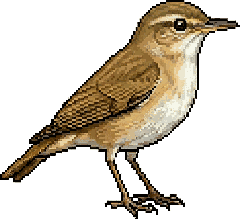 Carricero de BlythBlyth's Reed WarblerAcrocephalus dumetorum
- LegendarioLegendary
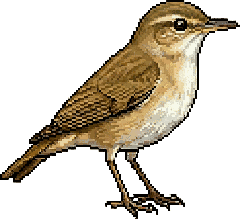 Carricero políglotaMarsh WarblerAcrocephalus palustris
- LegendarioLegendary
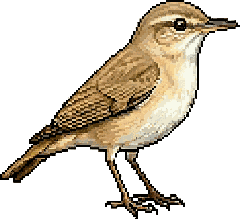 Zarcero escitaBooted WarblerIduna caligata
- LegendarioLegendary
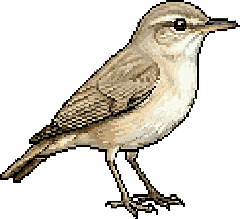 Zarcero pálidoEastern Olivaceous WarblerIduna pallida
- RaroRare
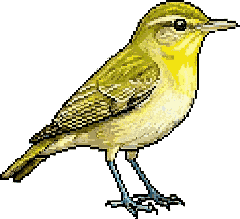 Zarcero icterinoIcterine WarblerHippolais icterina
- Poco comúnUncommon
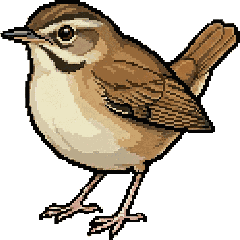 Carricerín realMoustached WarblerAcrocephalus melanopogon
 Gratis, sin anuncios ni comprasFree, no ads, no purchases