 BirdPedy
Cernícalo primillaLesser Kestrel
En 47 provincias en agosto y en 11 en diciembreIn 47 provinces in August and 11 in December
Reporte de rarezaRarity report
Por qué es poco comúnWhy it is uncommonHalcón colonial que nidifica en edificios históricos y cortijos de la mitad sur y centro. Sufre un fuerte declive poblacional por la pérdida de hábitat estepario y lugares de cría, volviéndose cada vez más localizado.A colonial falcon that nests in historic buildings and farmhouses in the south and center. It is suffering a sharp decline from the loss of steppe habitat and breeding sites, and is becoming increasingly localized.
Cada carrizo es un mes: su altura, las provincias con registros de 2020 a 2024.Each reed is a month: its height, the provinces with records from 2020 to 2024.- Provincias con registrosProvinces with records
- 51 de 52of 52
- En la appIn the app
- Todo el añoAll year
- EnvergaduraWingspan
- 66-72 cm66-72 cm
- LongitudLength
- 26-31 cm26-31 cm
- Lista Roja de EspañaSpanish Red List
- VU VulnerableVulnerable

Información generalGeneral Information
El menor de nuestros halcones fue, hasta mediados del pasado siglo, un habitante frecuente de torres, cortijos, casonas, palacios y castillos situados en regiones dedicadas a la agricultura y la ganadería extensivas, en las que podía encontrar abundantes invertebrados con los que alimentarse. Las transformaciones sufridas por el campo español en las últimas décadas mermaron su hábitat y ocasionaron un acusado declive, aunque en los últimos años la situación de la especie parece haberse estabilizado tras verse favorecida por numerosas iniciativas y planes de conservación.The smallest of our falcons was once a familiar sight in towers, country houses, and castles across agricultural regions. Changes in farming (loss of insects) led to a massive decline, though stabilization is occurring thanks to conservation efforts like providing nesting boxes. Highly gregarious, often nesting in 'primillares' (dedicated towers).
IdentificaciónIdentification
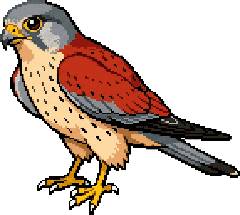
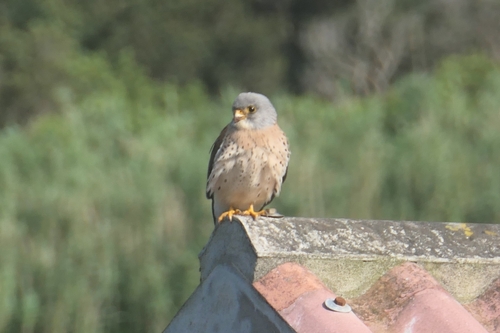
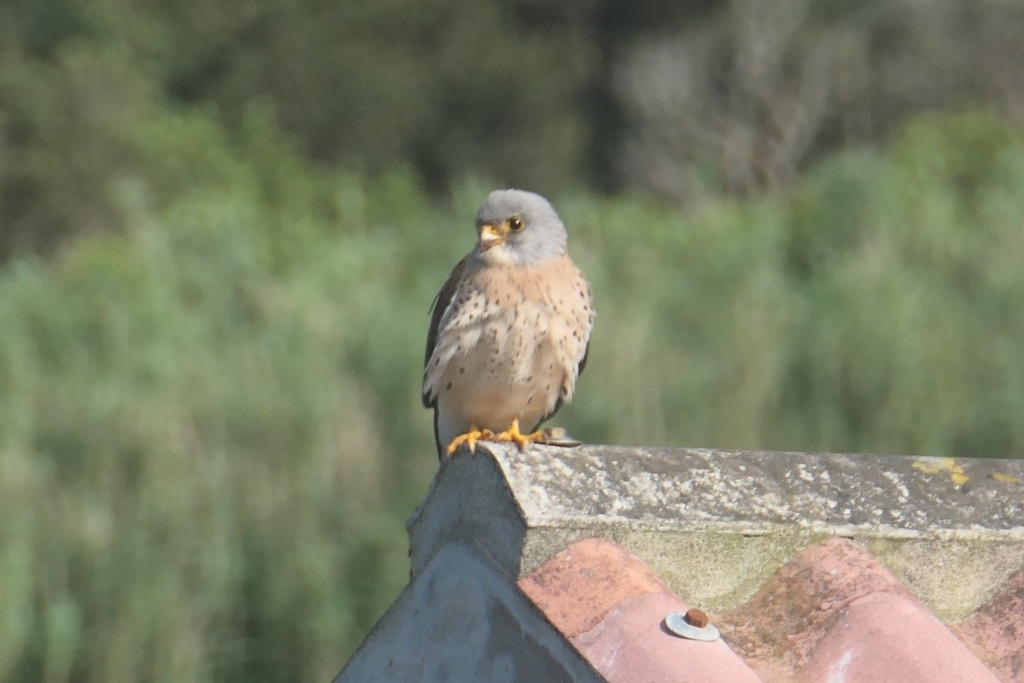
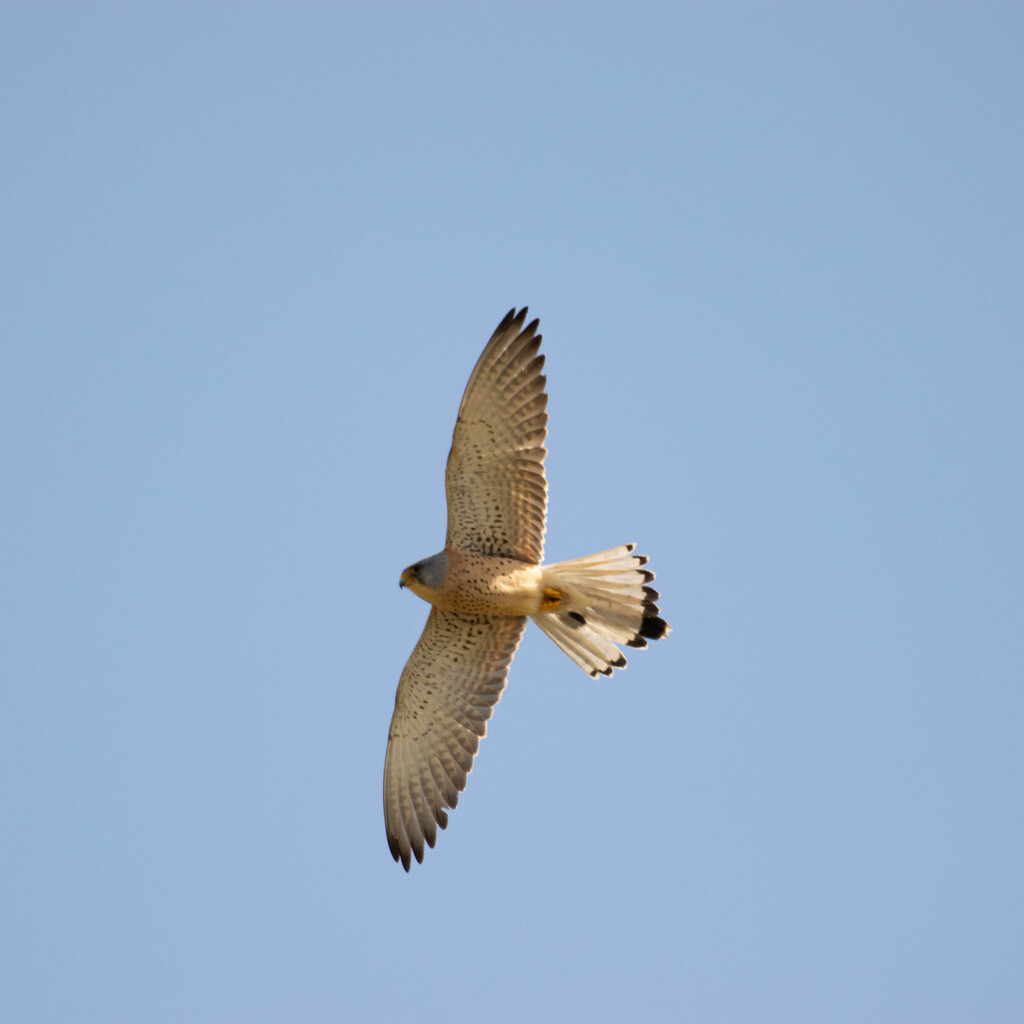
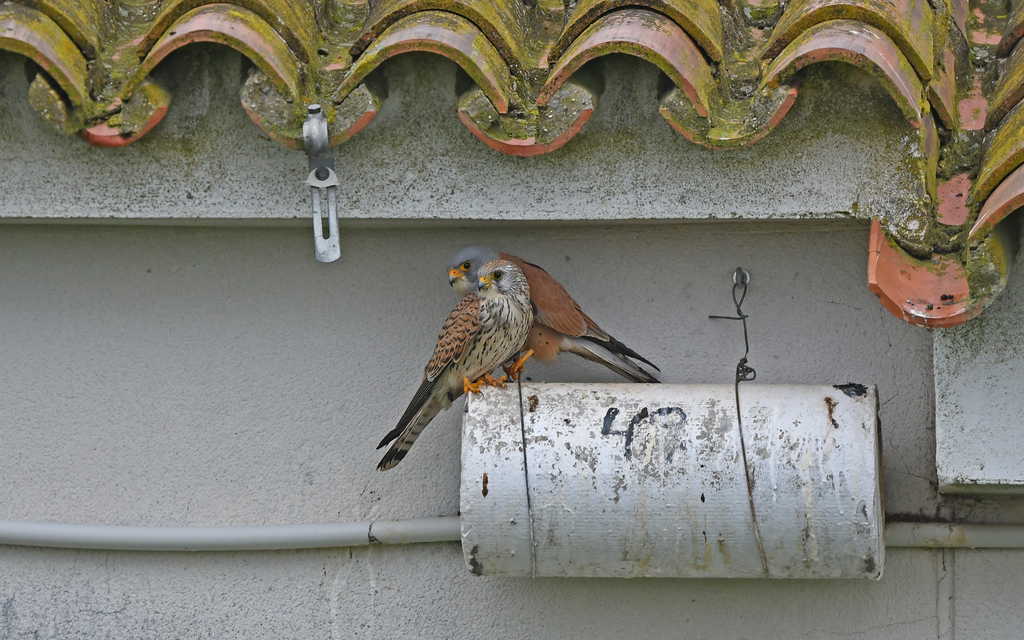
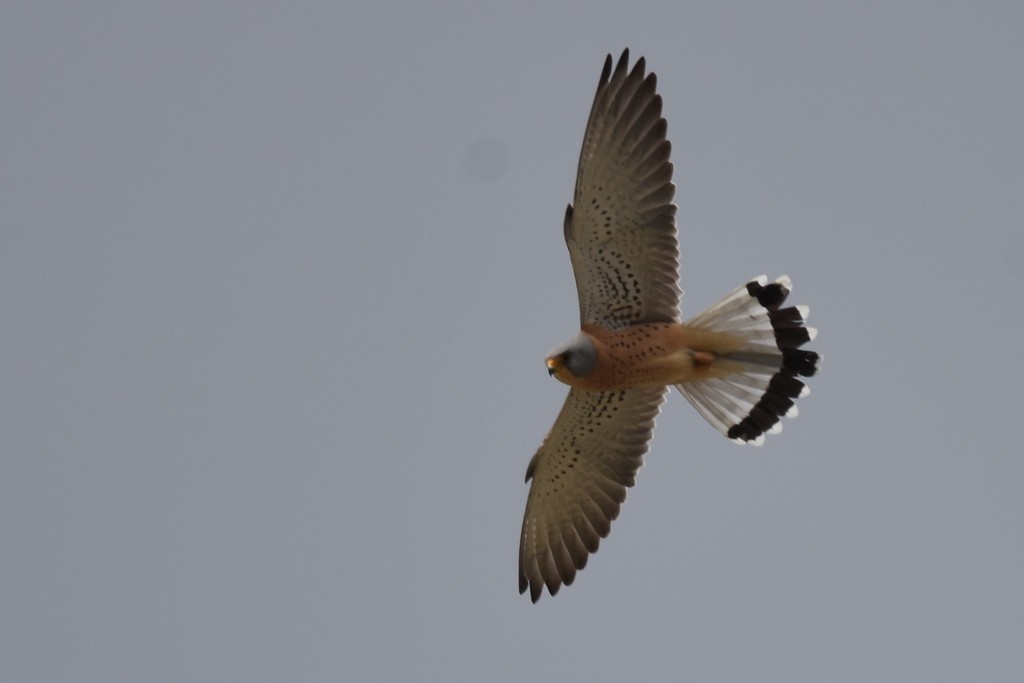
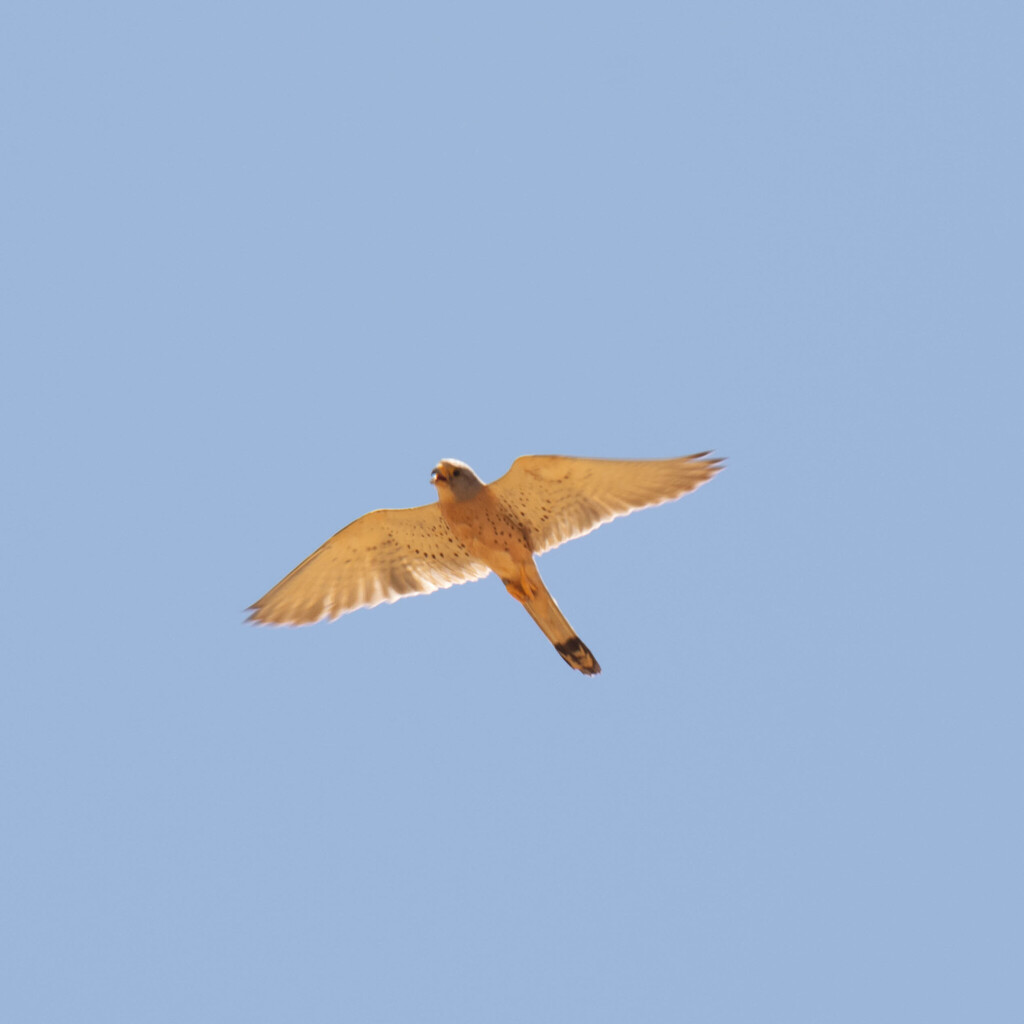
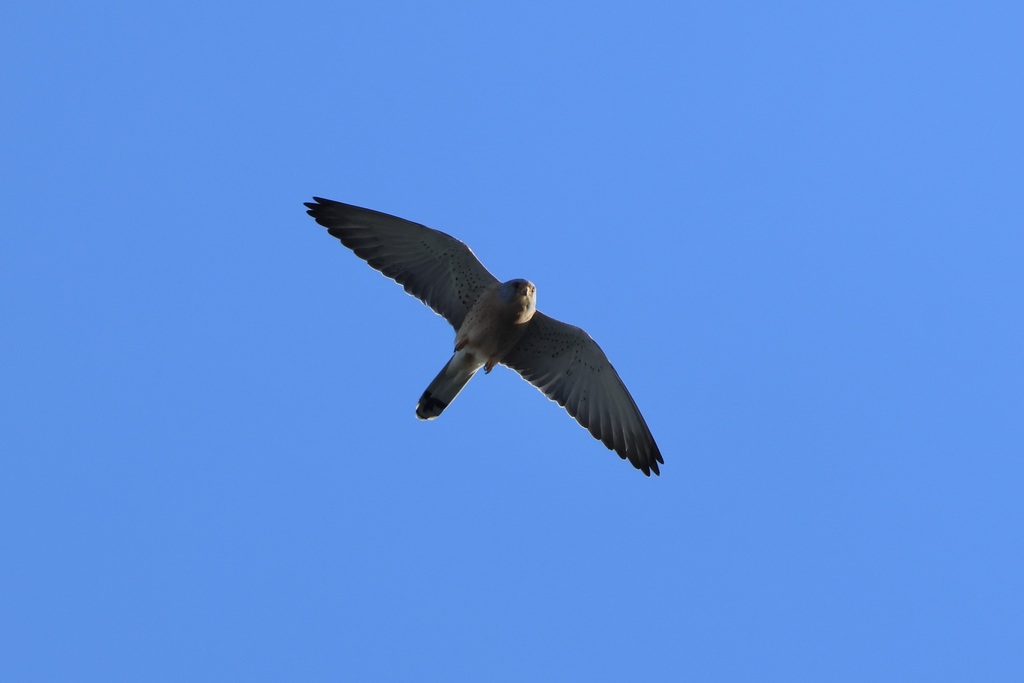
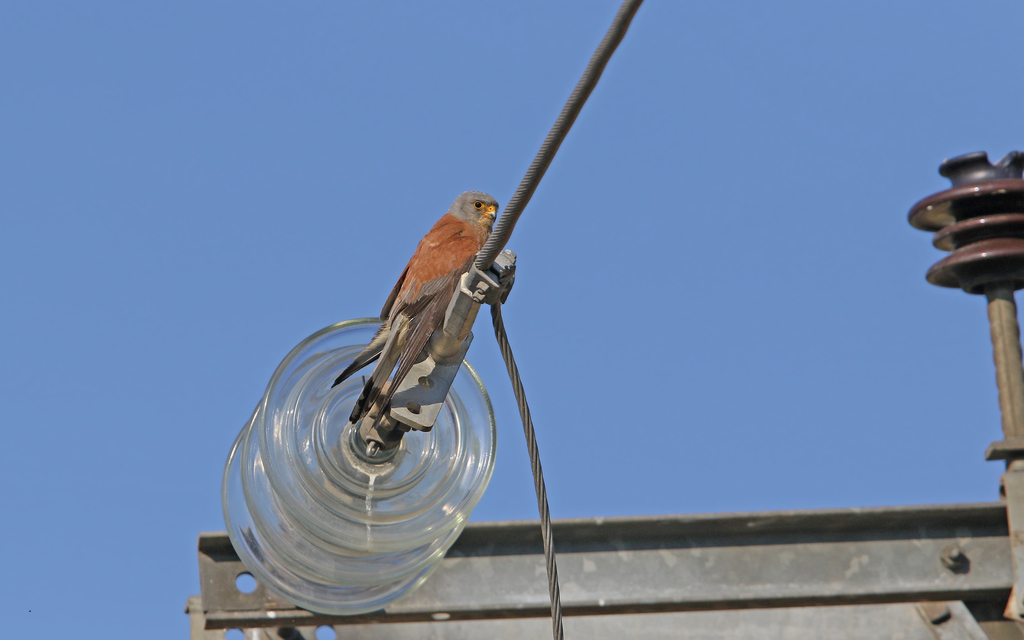
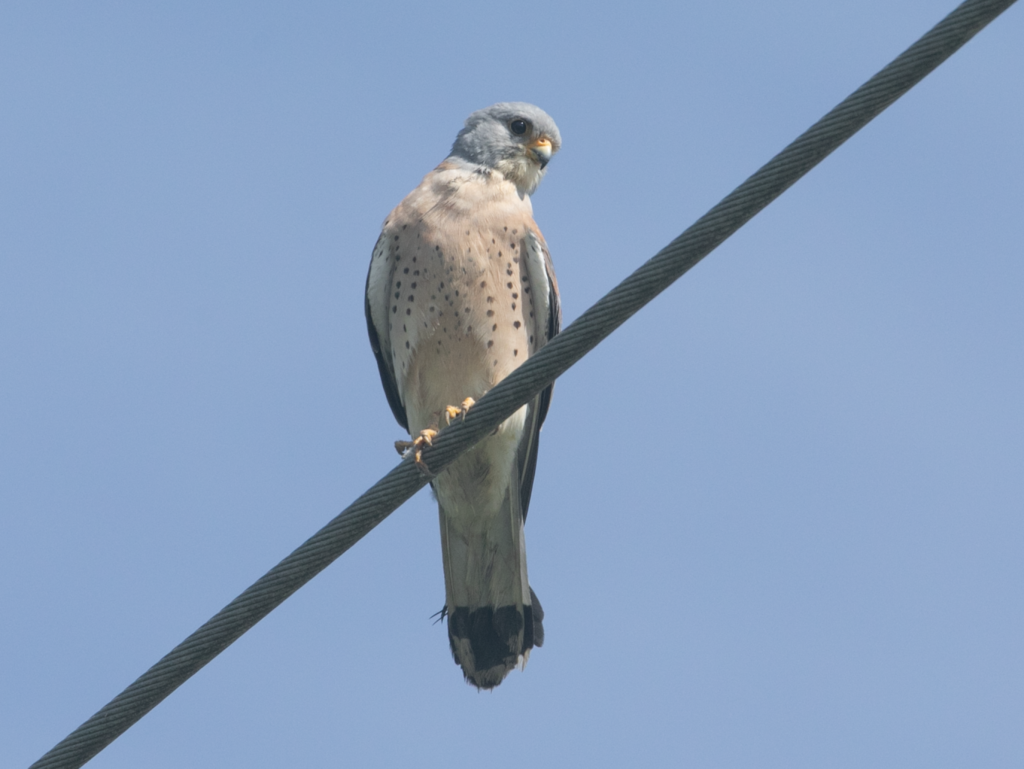
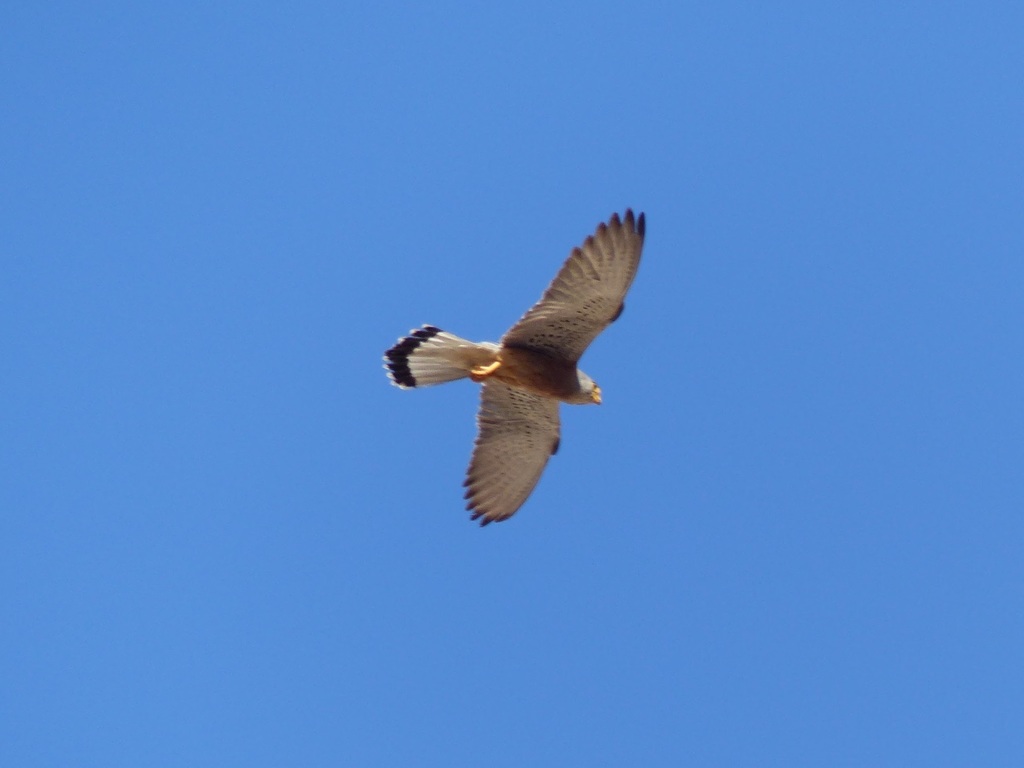
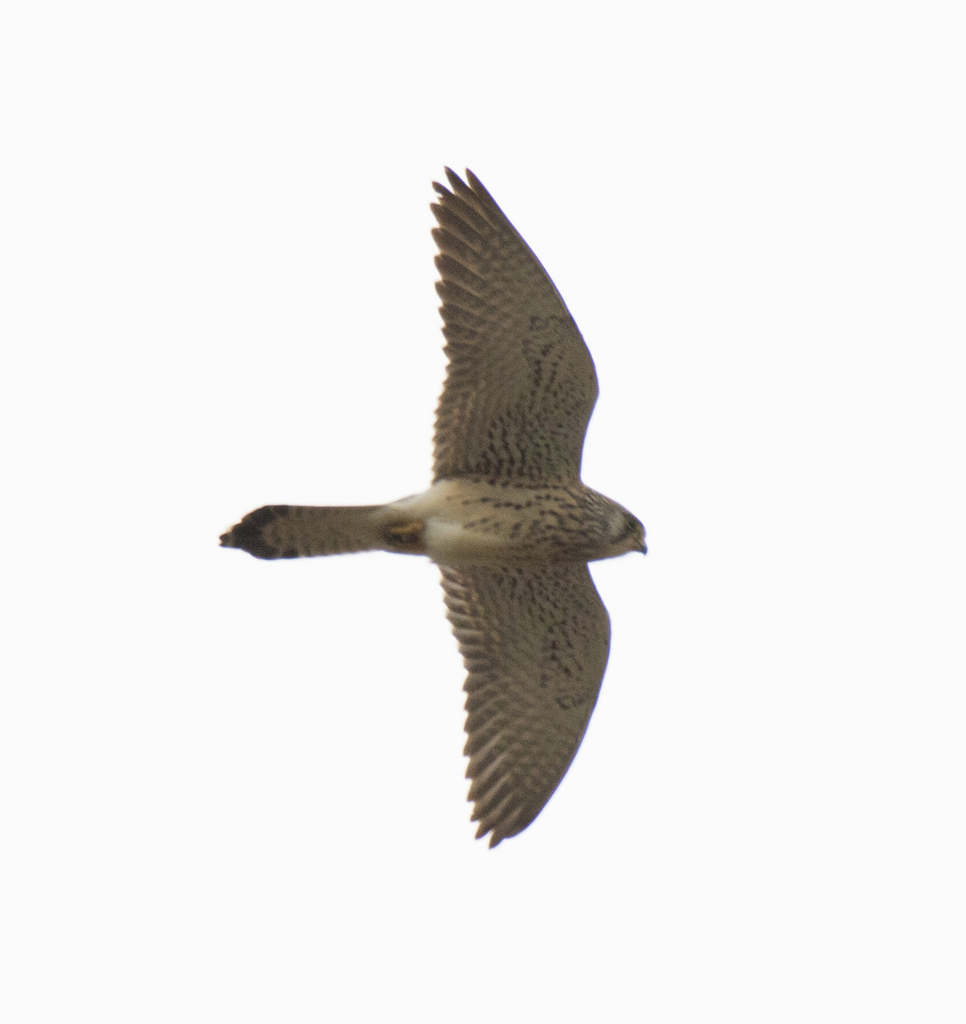
El cernícalo primilla, de aspecto bastante similar al del cernícalo vulgar, se distingue de este por su menor tamaño y por una serie de características morfológicas que algunas veces no son fácilmente identificables en el campo, como sucede con el color de las uñas: blancas en el primilla, negras en el vulgar. El macho adulto tiene el dorso rojizo, sin manchas. La cabeza y las grandes coberteras son de color gris azulado, las plumas de vuelo, negras, y las partes inferiores, de un suave tono crema con tintes rosados y levemente tachonado de pintas oscuras. Carece de bigotera, a diferencia del cernícalo vulgar, y presenta la cera del pico y el anillo ocular de color amarillo. En vuelo ofrece un aspecto muy pálido, tanto en la cara inferior de las alas como en el cuerpo y la cola, de color gris claro y rematada por una banda terminal negra sobre la que destacan las rectrices centrales, que son más largas. La hembra luce un tono general bastante más apagado y homogéneo. Sus partes superiores son de color marrón rojizo, con un profuso barrado transversal, y las inferiores, muy claras, aunque con un moteado más abundante que el del macho. La bigotera resulta menos marcada que la de la hembra del cernícalo vulgar, y en vuelo las partes inferiores son más pálidas y menos barradas. El joven es muy similar a la hembra adulta y también a hembras y jóvenes de cernícalo vulgar. De los segundos se distingue por tener una bigotera poco marcada y ser menos barrado en la parte inferior.A small, colonial falcon similar to the Common Kestrel but slightly smaller and with white talons (Common Kestrel has black ones). Adult males have unspotted reddish-brown backs, bluish-gray heads and upper wing coverts, and black flight feathers; underparts are pale cream with a pinkish tint and few spots. They lack the dark 'moustache' (malar stripe) of their relative. In flight, they appear very pale with central tail feathers that are longer and more pointed. Females are brownish and barred above, with fewer spots and paler underparts than female Common Kestrels. They are social birds, often nesting in old buildings and feeding on large insects.
DistribuciónDistribution
Se distribuye principalmente por el cuadrante suroccidental de la Península Ibérica, pero también se encuentra en ambas mesetas, Andalucía oriental y el valle del Ebro. Los principales núcleos se hallan en Extremadura, Andalucía, Castilla y León y Castilla-La Mancha. Está presente en Melilla y falta en ambos archipiélagos y en Ceuta. Se han citado algunos individuos invernantes en el valle del Ebro, Castilla y León, Castilla- La Mancha y Extremadura.Mainly in the southwestern quadrant (Extremadura, Andalusia, Castile-La Mancha) and the Ebro Valley. Present in Melilla; absent from both archipelagos and Ceuta. Strictly migratory, wintering in Africa.
Textos reproducidos con permiso de laTexts translated and reproduced with permission from the Guía de Aves de España © SEO/BirdLife
Estado de conservaciónConservation Status
- EX
- RE
- CR
- EN
- VU
- NT
- LC
VulnerableVulnerable
Qué significa cada categoríaWhat each category means
- LC
- Preocupación menor: Taxón evaluado que no califica para categorías amenazadas. Especies abundantes y ampliamente distribuidasLeast Concern - Evaluated taxon that does not qualify for threatened categories. Widespread and abundant taxa
- NT
- Casi amenazada: No califica actualmente como amenazada, pero está cerca de calificar o es probable que califique en el futuro cercanoNear Threatened - Does not currently qualify as threatened, but is close to qualifying or likely to qualify in the near future
- VU
- Vulnerable: Enfrenta un alto riesgo de extinción en estado silvestre según los criterios A a E de IUCNVulnerable - Facing a high risk of extinction in the wild based on IUCN criteria A to E
- EN
- En peligro: Enfrenta un riesgo muy alto de extinción en estado silvestre según los criterios A a E de IUCNEndangered - Facing a very high risk of extinction in the wild based on IUCN criteria A to E
- CR
- En peligro crítico: Enfrenta un riesgo extremadamente alto de extinción en estado silvestre según los criterios A a E de IUCNCritically Endangered - Facing an extremely high risk of extinction in the wild based on IUCN criteria A to E
- DD
- Datos insuficientes: Información inadecuada para evaluar el riesgo de extinción basándose en distribución o estado poblacionalData Deficient - Inadequate information to assess extinction risk based on distribution and/or population status
- NE
- No evaluada: No ha sido evaluada aún contra los criterios de la Lista Roja de IUCNNot Evaluated - Has not yet been assessed against the IUCN Red List criteria
- RE
- Extinta regionalmente: El taxón ya no existe en la región específica, aunque puede sobrevivir en otros lugaresRegionally Extinct - Taxon no longer exists in the specific region, though it may survive elsewhere
- EX
- Extinta - No existe duda razonable de que ha muerto el último individuo del taxónExtinct - No reasonable doubt that the last individual of the taxon has died
TaxonomíaTaxonomy
- OrdenOrder
- Falconiformes
- FamiliaFamily
- Falconidae
Presencia en EspañaPresence in Spain
- EstivalSummer visitor
- HabitualRegular
- InvernanteWinter visitor
En la app: todo el año.In the app: all year.
Dónde verlaWhere to see it
1.756 cuadrículas de 10 km con registros de 2020 a 2024. Toca un mes para ver dónde se ha visto.1,756 10 km squares with records from 2020 to 2024. Pick a month to see where it has been seen.
Cargando el mapa…Loading the map…
Dónde es regularWhere it is regular
Provincias con registros en al menos 3 de los 5 años algún mes, de más a menos frecuente, y sus mejores meses.Provinces with records in at least 3 of the 5 years in some month, from most to least frequent, and their best months.
- BadajozBadajozabril, marzo, junioApril, March, June
- SevillaSevillajunio, abril, mayoJune, April, May
- CáceresCáceresabril, junio, mayoApril, June, May
- Ciudad RealCiudad Realjunio, marzo, abrilJune, March, April
- ToledoToledojulio, junio, abrilJuly, June, April
- AlbaceteAlbacetemayo, junio, septiembreMay, June, September
- ZamoraZamoramayo, abril, marzoMay, April, March
- SalamancaSalamancamayo, junio, abrilMay, June, April
- MálagaMálagajunio, abril, marzoJune, April, March
- ZaragozaZaragozaagosto, septiembre, julioAugust, September, July
Ver las 43 provinciasSee all 43 provinces
- PalenciaPalenciaabril, mayo, agostoApril, May, August
- CádizCádizabril, septiembre, mayoApril, September, May
- ÁvilaÁvilaabril, mayo, marzoApril, May, March
- LleidaLleidamayo, abril, julioMay, April, July
- JaénJaénmarzo, junio, abrilMarch, June, April
- CuencaCuencajulio, mayo, abrilJuly, May, April
- TeruelTeruelagosto, julio, septiembreAugust, July, September
- ValladolidValladolidagosto, julio, abrilAugust, July, April
- CórdobaCórdobajunio, abril, mayoJune, April, May
- HuescaHuescaseptiembre, agosto, abrilSeptember, August, April
- GranadaGranadamarzo, mayo, abrilMarch, May, April
- SegoviaSegoviamarzo, abril, agostoMarch, April, August
- GironaGironamayo, abril, junioMay, April, June
- GuadalajaraGuadalajaraagosto, julio, abrilAugust, July, April
- BurgosBurgosseptiembre, agosto, mayoSeptember, August, May
- LeónLeónjulio, abril, septiembreJuly, April, September
- SoriaSoriaagosto, julio, septiembreAugust, July, September
- MurciaMurciaseptiembre, marzo, abrilSeptember, March, April
- HuelvaHuelvamayo, junio, abrilMay, June, April
- NavarraNavarrajulio, abril, marzoJuly, April, March
- BalearesBalearic Islandsmayo, abril, septiembreMay, April, September
- AlicanteAlicantejunio, abril, mayoJune, April, May
- La RiojaLa Riojaagosto, mayo, abrilAugust, May, April
- MadridMadridmayo, marzo, abrilMay, March, April
- PontevedraPontevedraagosto, septiembreAugust, September
- AlmeríaAlmeríaseptiembre, junio, mayoSeptember, June, May
- LugoLugoagostoAugust
- ValenciaValenciamayo, junio, marzoMay, June, March
- Las PalmasLas PalmasmayoMay
- AsturiasAsturiasseptiembre, agostoSeptember, August
- CantabriaCantabriajulio, septiembreJuly, September
- TarragonaTarragonamayo, abrilMay, April
- BarcelonaBarcelonaoctubreOctober
Datos: registros en GBIF de 2020 a 2024 de Observation.org, eBird, iNaturalist y el ICO, descargados el 23/10/2026.Data: GBIF records from 2020 to 2024 from Observation.org, eBird, iNaturalist and the ICO, downloaded on 23/10/2026. GBIF.org (23 October 2026) GBIF Occurrence Download · doi:10.15468/dl.r5sf2a · CC BY-NC 4.0
GaleríaGallery
© Addshore · CC BY · iNaturalist 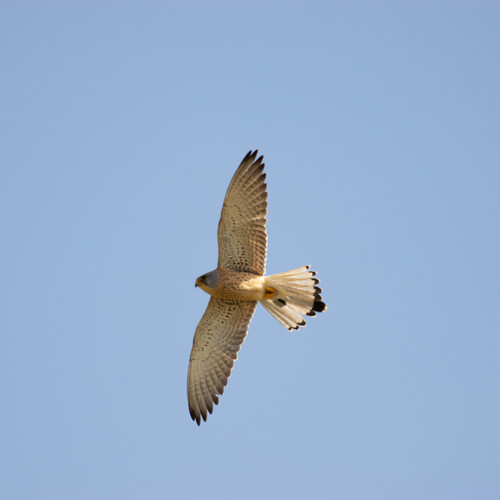
© Nuno Fialho · CC BY · iNaturalist 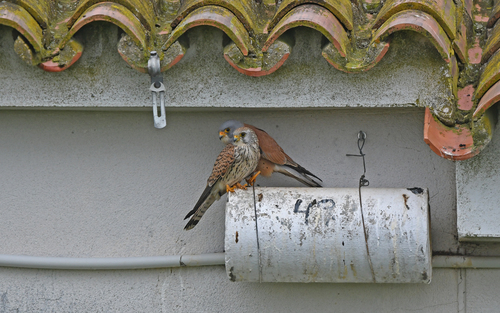
© Christoph Moning · CC BY · iNaturalist 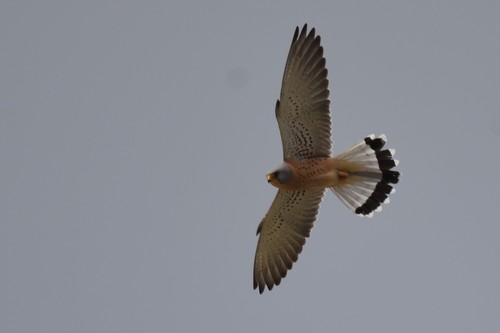
© Justine · CC BY · iNaturalist 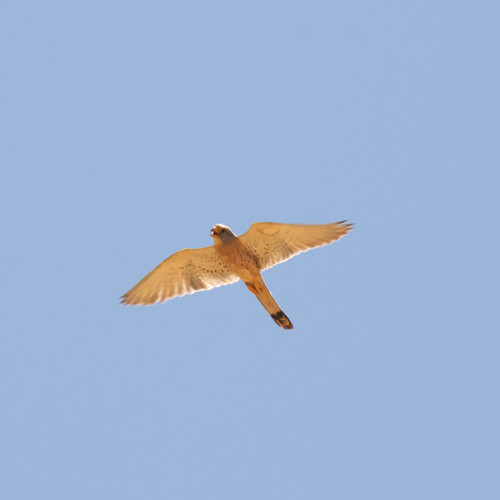
© Nuno Fialho · CC BY · iNaturalist 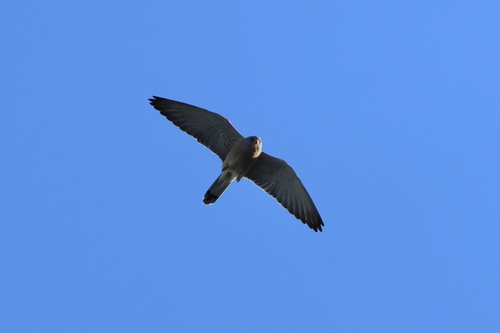
© er-birds · CC BY · iNaturalist 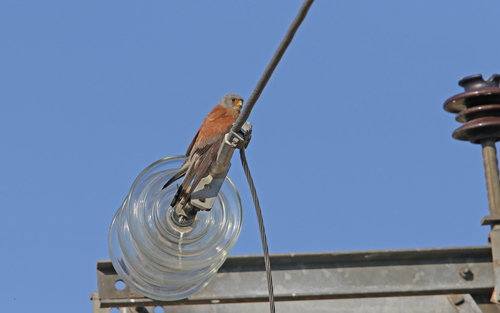
© Christoph Moning · CC BY · iNaturalist 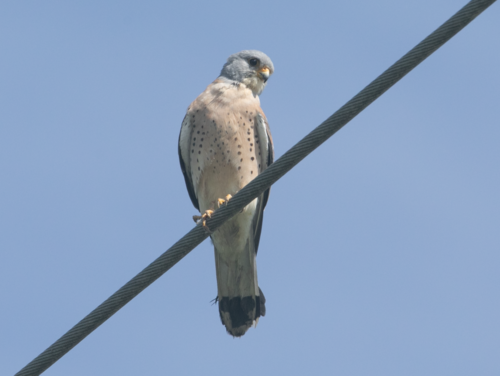
© Paolo Zucca · CC BY · iNaturalist 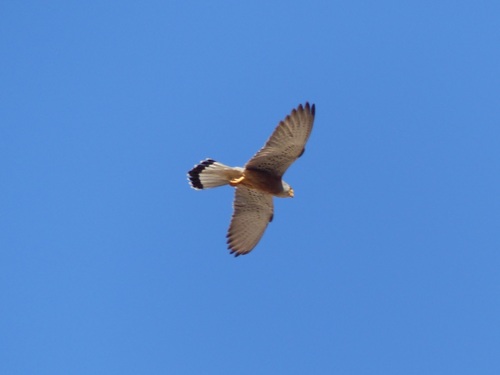
© Eamon Corbett · CC BY · iNaturalist 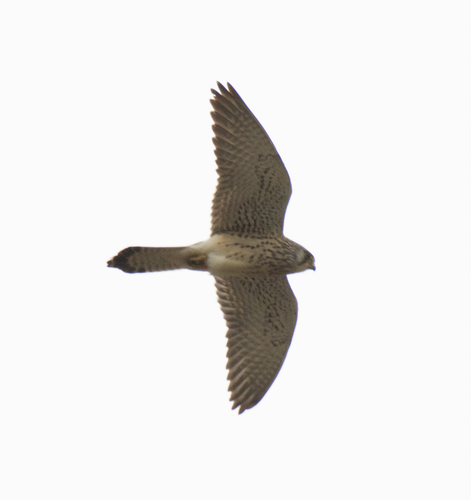
© Полина Полежанкина · CC BY · iNaturalist
Especies relacionadasRelated species
Otras aves de la familia Falconidae y de órdenes cercanos.Other birds from the Falconidae family and nearby orders.
- ComúnCommon
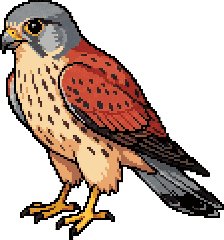 Cernícalo vulgarCommon KestrelFalco tinnunculus
- Poco comúnUncommon
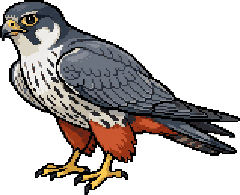 Alcotán europeoEurasian HobbyFalco subbuteo
- RaroRare
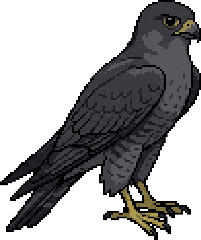 Halcón de EleonoraEleonora's FalconFalco eleonorae
- ComúnCommon
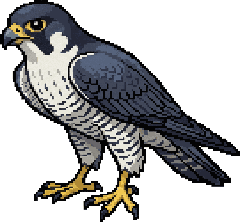 Halcón peregrinoPeregrine FalconFalco peregrinus
- RaroRare
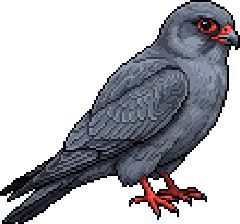 Cernícalo patirrojoRed-footed FalconFalco vespertinus
- LegendarioLegendary
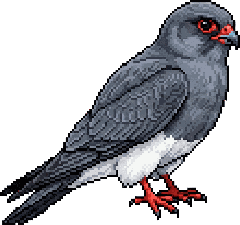 Cernícalo del AmurAmur FalconFalco amurensis
- Poco comúnUncommon
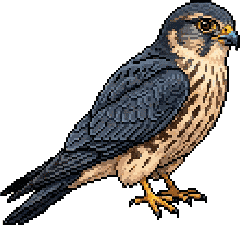 EsmerejónMerlinFalco columbarius
- Poco comúnUncommon
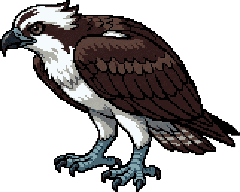 Águila pescadoraOspreyPandion haliaetus
 Gratis, sin anuncios ni comprasFree, no ads, no purchases