 BirdPedy
Cernícalo patirrojoRed-footed Falcon
En 32 provincias en mayo y sin registros 2 meses del añoIn 32 provinces in May, and no records in 2 months of the year
Reporte de rarezaRarity report
Por qué es raroWhy it is rarePequeño falcónido migrador que atraviesa España en números bajos, especialmente durante el paso primaveral por el litoral de Levante.Small migratory falconid that crosses Spain in low numbers during spring passage along Levant coast.
Cada carrizo es un mes: su altura, las provincias con registros de 2020 a 2024.Each reed is a month: its height, the provinces with records from 2020 to 2024.- Provincias con registrosProvinces with records
- 36 de 52of 52
- En la appIn the app
- Abril a junio y de agosto a septiembreApril to June and August to September
- EnvergaduraWingspan
- 65-76 cm65-76 cm
- LongitudLength
- 28-34 cm28-34 cm
- Lista Roja de EspañaSpanish Red List
- NE No evaluada en EspañaNot assessed in Spain

Información generalGeneral Information
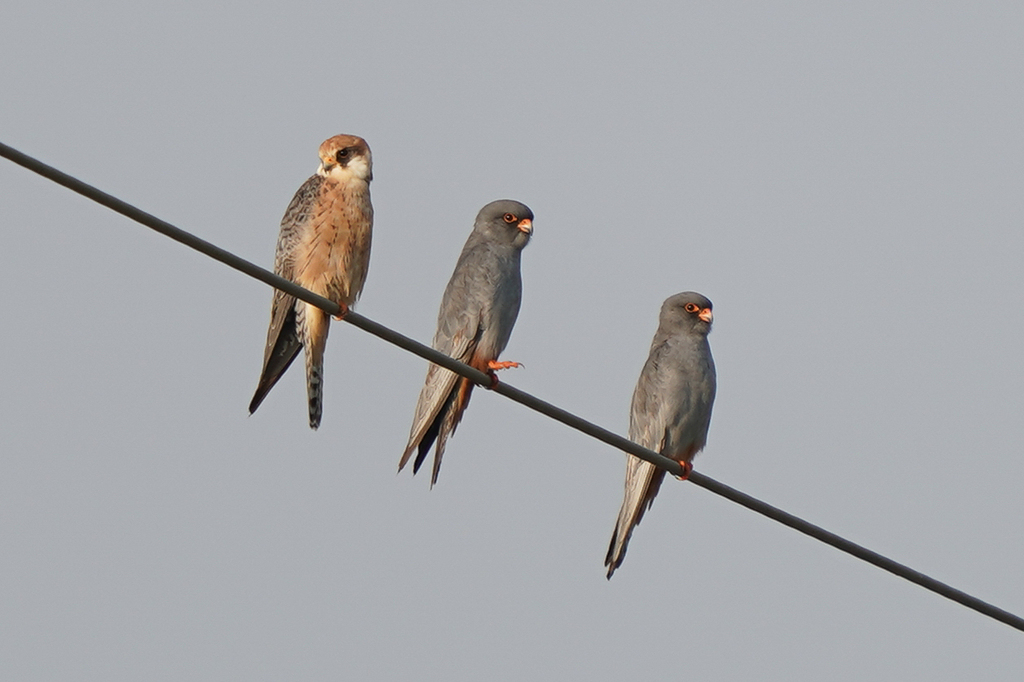
El cernícalo patirrojo es una pequeña y vistosa rapaz que se reproduce en regiones abiertas de Europa oriental, desde donde algunos escasos ejemplares alcanzan todos los años la Península, especialmente las regiones del noreste y Baleares.The Red-footed Falcon is a traveler from the East. It breeds in Eastern Europe and Central Asia and is a regular but scarce passage migrant in Spain, especially in the northeast and the Balearic Islands. It is an insect-eater that often hunts in open fields and over wetlands. Its spectacular colors and social nature make it a favorite for birders during the spring migration. It is a symbol of the vast Eurasian steppes reaching the Mediterranean.
IdentificaciónIdentification
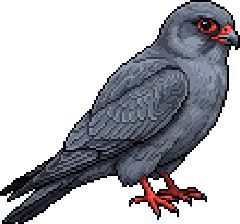
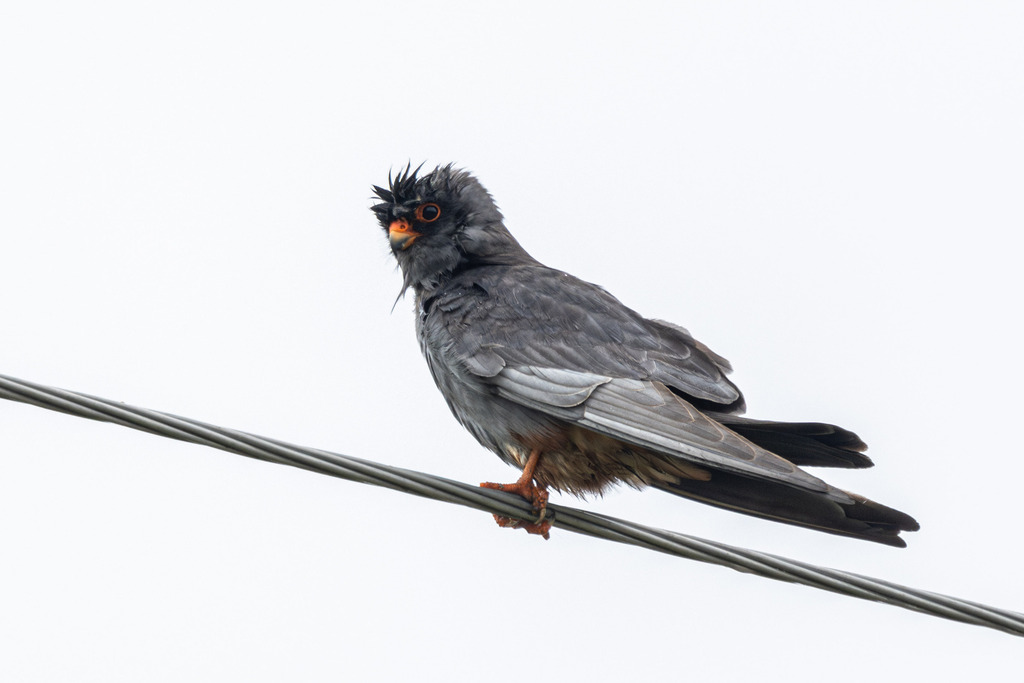
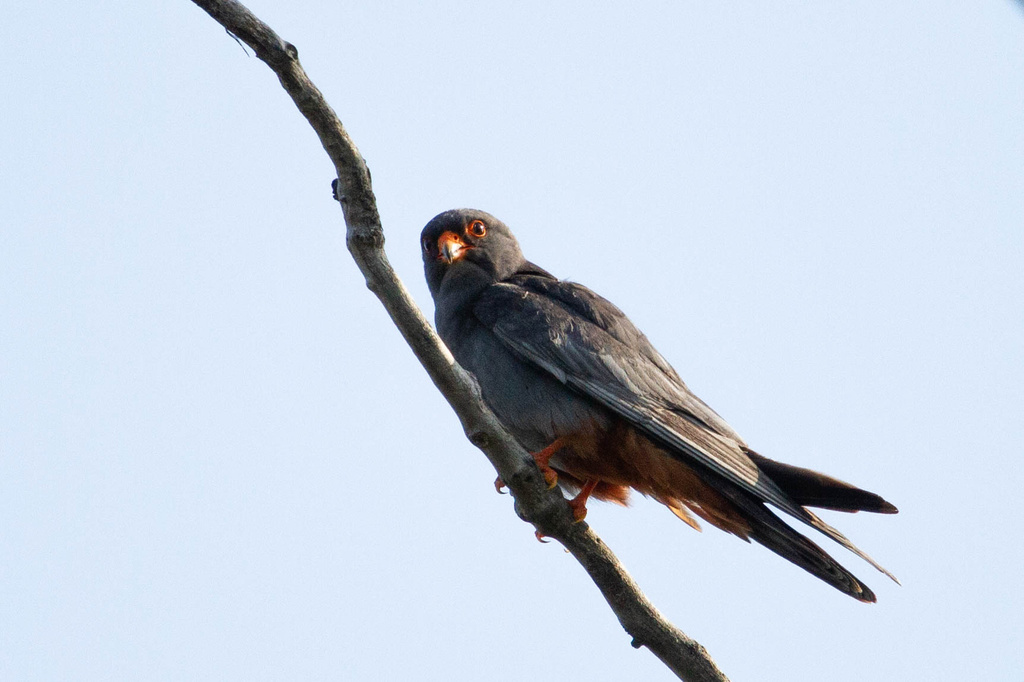
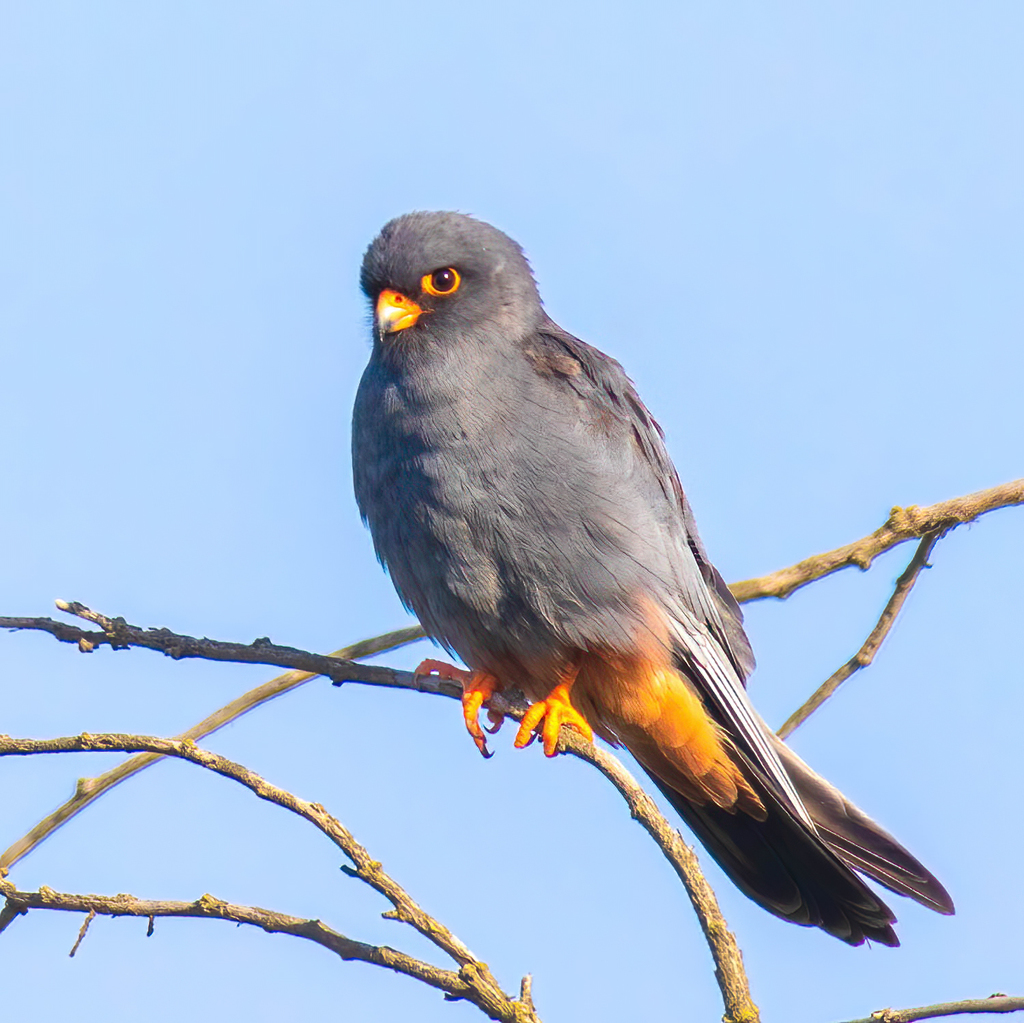
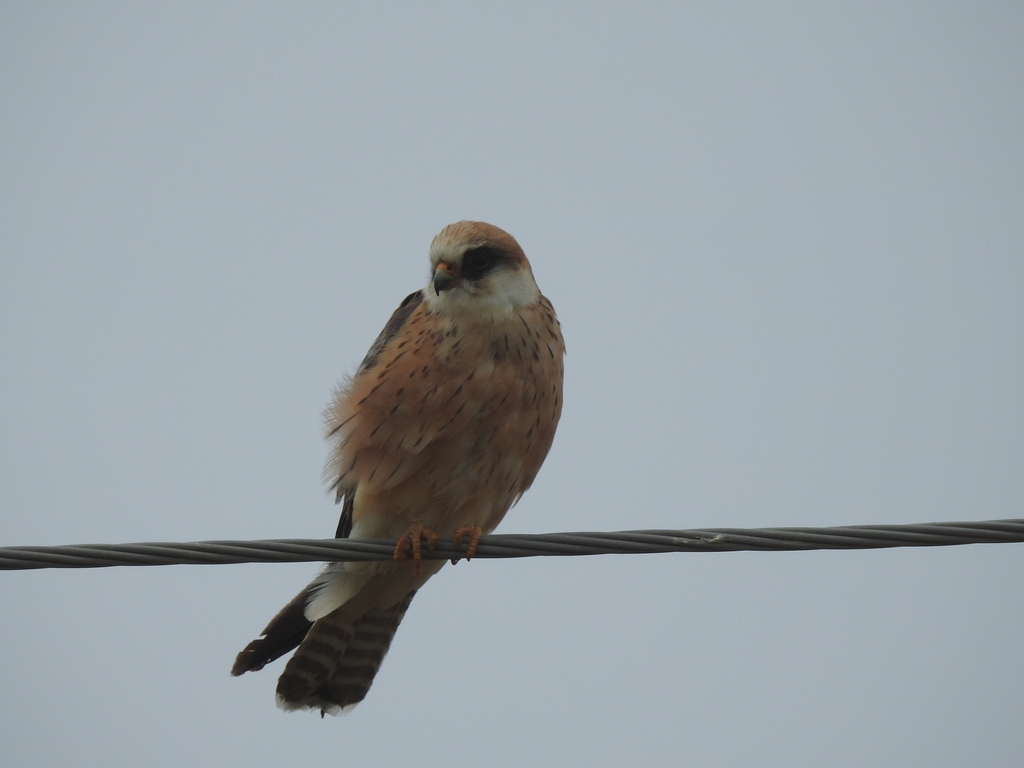
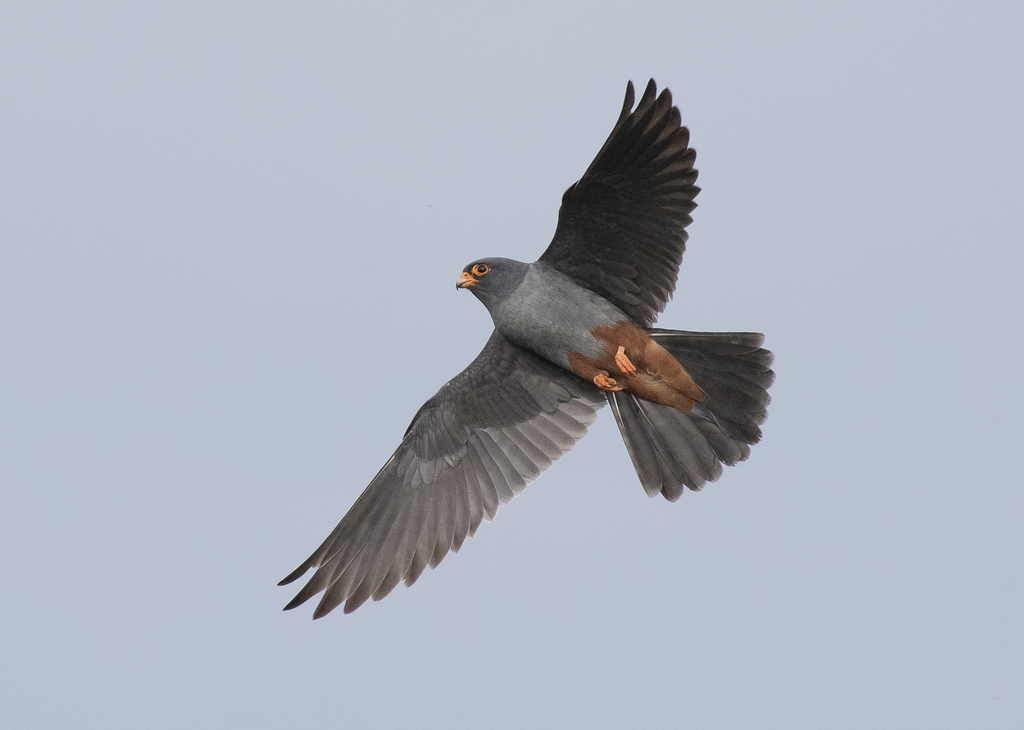
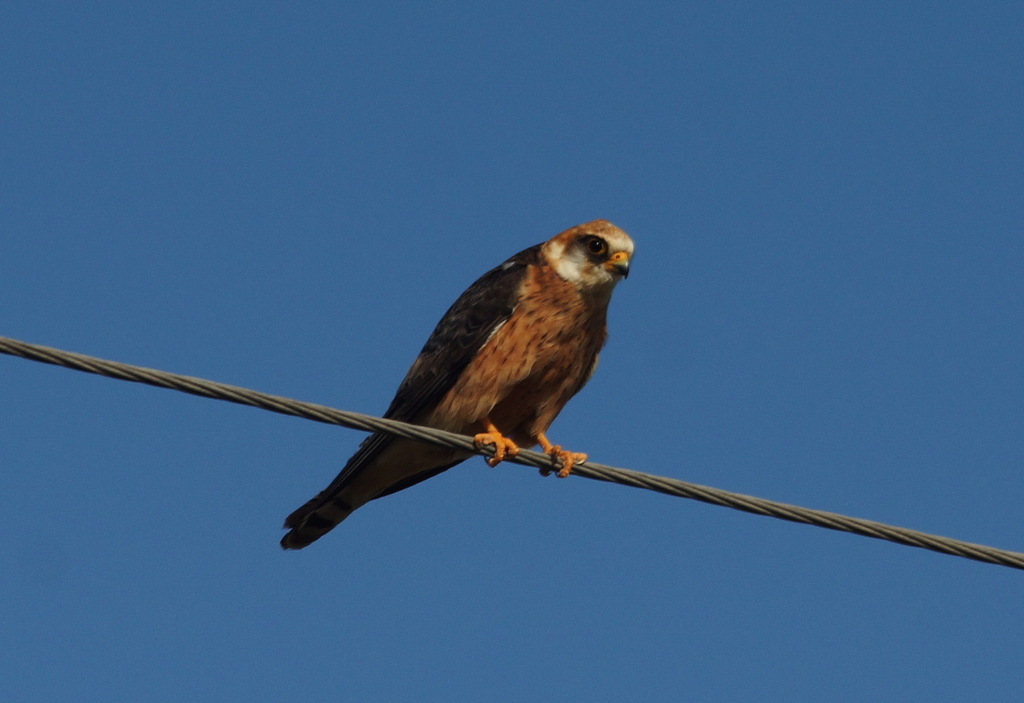
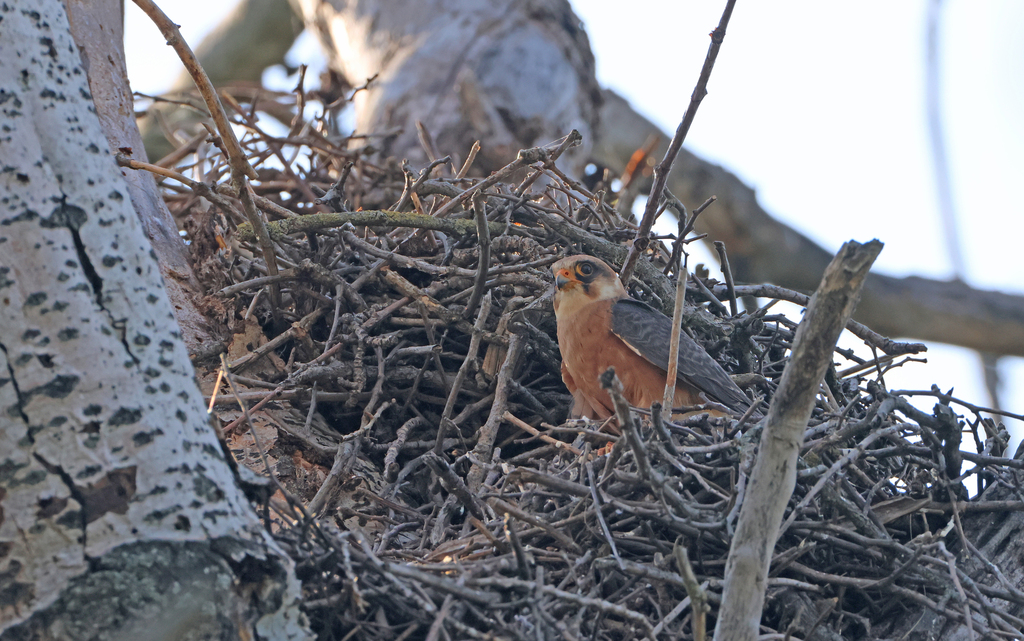
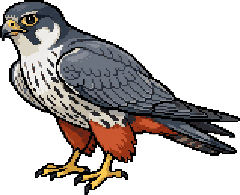
El cernícalo patirrojo es un halcón de pequeño tamaño que presenta un acusado dimorfismo sexual, ya que las hembras son mayores que los machos y ambos lucen plumajes muy diferentes. El macho adulto es predominantemente gris-azulado, con las plumas de la región anal y las “calzas” de color rojo óxido, al igual que las patas (dibujo 1 y dibujo 3). La hembra adulta posee el píleo, la garganta y las partes inferiores de color ocre rojizo, con un fino moteado vertical. El dorso es gris pizarra y en la mejilla pálida destaca una bigotera oscura Los ejemplares juveniles, por su parte, presentan el manto pardo-grisáceo y exhiben una bigotera oscura que resalta sobre la mejilla, que es muy pálida. Las regiones inferiores son más claras y aparecen toscamente listadas.A small, elegant falcon with a very sharp silhouette. It has a marked sexual dimorphism. Adult males are almost entirely slate-gray with striking orange-red 'trousers' (thighs) and undertail, and bright red feet. Females have a buff head and underparts with fine streaking and a gray, barred back. Juveniles are brownish with a pale face and dark mustache. It is highly social, often seen in groups.
DistribuciónDistribution
Un número de ejemplares pertenecientes a la subespecie vespertinus aparece en el cuadrante noreste de la Península y en las islas Baleares durante la migración, representando España el límite occidental de su ruta migratoria. Su aparición se produce, principalmente, en los meses de abril a junio y, también, entre agosto y septiembre. Durante la migración postnupcial aparece de forma mucho más escasa.Regular passage migrant (mostly spring, April-June). Frequent in the Northeast, Mediterranean coast, and Balearic Islands. Rare in the rest of the Peninsula. Primarily trans-Saharan migrant.
Textos reproducidos con permiso de laTexts translated and reproduced with permission from the Guía de Aves de España © SEO/BirdLife
Estado de conservaciónConservation Status
- EX
- RE
- CR
- EN
- VU
- NT
- LC
NE
No evaluada en EspañaNot assessed in Spain
Qué significa cada categoríaWhat each category means
- LC
- Preocupación menor: Taxón evaluado que no califica para categorías amenazadas. Especies abundantes y ampliamente distribuidasLeast Concern - Evaluated taxon that does not qualify for threatened categories. Widespread and abundant taxa
- NT
- Casi amenazada: No califica actualmente como amenazada, pero está cerca de calificar o es probable que califique en el futuro cercanoNear Threatened - Does not currently qualify as threatened, but is close to qualifying or likely to qualify in the near future
- VU
- Vulnerable: Enfrenta un alto riesgo de extinción en estado silvestre según los criterios A a E de IUCNVulnerable - Facing a high risk of extinction in the wild based on IUCN criteria A to E
- EN
- En peligro: Enfrenta un riesgo muy alto de extinción en estado silvestre según los criterios A a E de IUCNEndangered - Facing a very high risk of extinction in the wild based on IUCN criteria A to E
- CR
- En peligro crítico: Enfrenta un riesgo extremadamente alto de extinción en estado silvestre según los criterios A a E de IUCNCritically Endangered - Facing an extremely high risk of extinction in the wild based on IUCN criteria A to E
- DD
- Datos insuficientes: Información inadecuada para evaluar el riesgo de extinción basándose en distribución o estado poblacionalData Deficient - Inadequate information to assess extinction risk based on distribution and/or population status
- NE
- No evaluada: No ha sido evaluada aún contra los criterios de la Lista Roja de IUCNNot Evaluated - Has not yet been assessed against the IUCN Red List criteria
- RE
- Extinta regionalmente: El taxón ya no existe en la región específica, aunque puede sobrevivir en otros lugaresRegionally Extinct - Taxon no longer exists in the specific region, though it may survive elsewhere
- EX
- Extinta - No existe duda razonable de que ha muerto el último individuo del taxónExtinct - No reasonable doubt that the last individual of the taxon has died
TaxonomíaTaxonomy
- OrdenOrder
- Falconiformes
- FamiliaFamily
- Falconidae
Presencia en EspañaPresence in Spain
- De pasoPassage migrant
- HabitualRegular
En la app: abril a junio y de agosto a septiembre.In the app: April to June and August to September.
Dónde verlaWhere to see it
199 cuadrículas de 10 km con registros de 2020 a 2024. Toca un mes para ver dónde se ha visto.199 10 km squares with records from 2020 to 2024. Pick a month to see where it has been seen.
Cargando el mapa…Loading the map…
Dónde es regularWhere it is regular
Provincias con registros en al menos 3 de los 5 años algún mes, de más a menos frecuente, y sus mejores meses.Provinces with records in at least 3 of the 5 years in some month, from most to least frequent, and their best months.
- AlbaceteAlbacetemayoMay
- GironaGironamayo, abril, junioMay, April, June
- LleidaLleidamayo, septiembre, junioMay, September, June
- BalearesBalearic Islandsmayo, abril, junioMay, April, June
- TeruelTeruelmayoMay
- HuescaHuescamayoMay
- BarcelonaBarcelonamayo, abril, octubreMay, April, October
- GuadalajaraGuadalajaramayoMay
- TarragonaTarragonamayoMay
- ValenciaValenciamayoMay
Ver las 11 provinciasSee all 11 provinces
- ZaragozaZaragozamayoMay
Datos: registros en GBIF de 2020 a 2024 de Observation.org, eBird, iNaturalist y el ICO, descargados el 23/10/2026.Data: GBIF records from 2020 to 2024 from Observation.org, eBird, iNaturalist and the ICO, downloaded on 23/10/2026. GBIF.org (23 October 2026) GBIF Occurrence Download · doi:10.15468/dl.r5sf2a · CC BY-NC 4.0
GaleríaGallery

© Mourad Harzallah · CC BY · iNaturalist 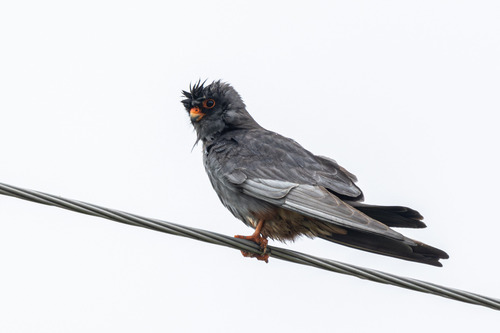
© Антон Лабачоў · CC BY · iNaturalist 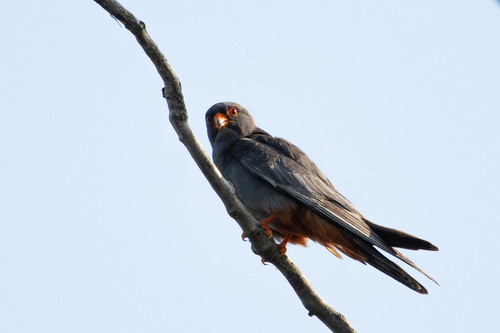
© Benjámin Gábor Balog · CC BY · iNaturalist 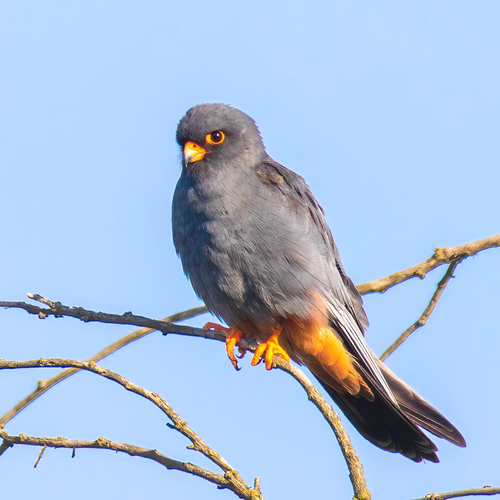
© egorbirder · CC BY · iNaturalist 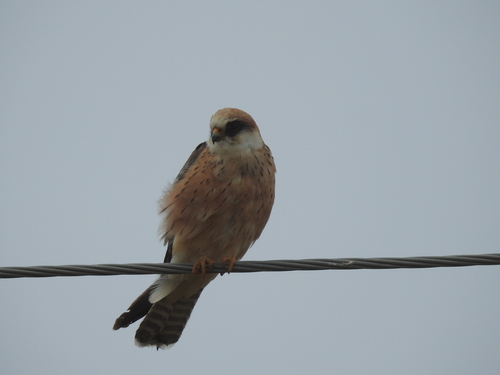
© Ксения Волянская · CC BY · iNaturalist 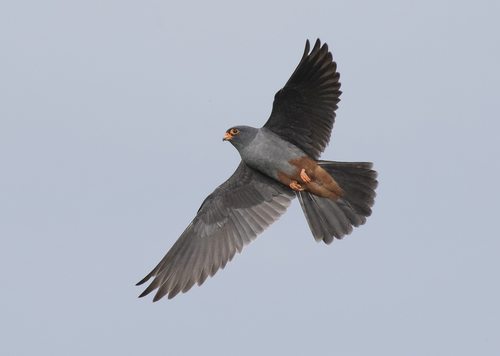
© Griha Hasanov · CC BY · iNaturalist 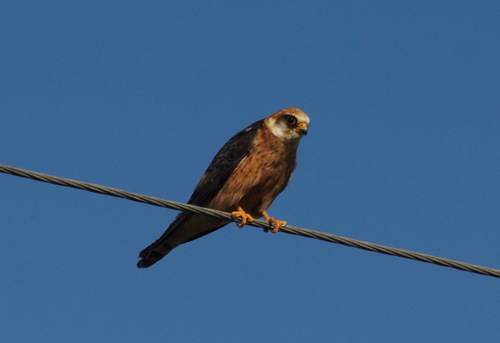
© SIA · CC BY · iNaturalist 
© Алина Урусова · CC BY · iNaturalist 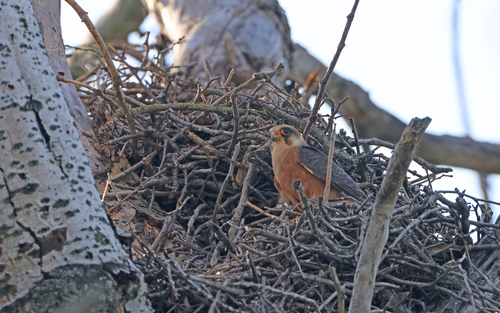
© Christoph Moning · CC BY · iNaturalist 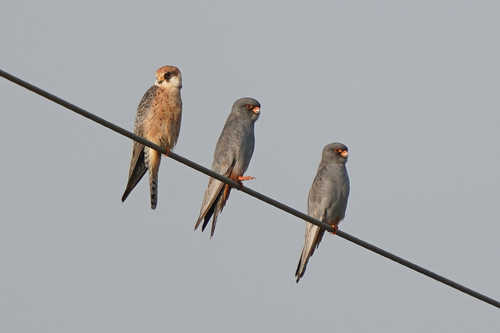
© Dr. Sven Gippner · CC BY · iNaturalist


Especies relacionadasRelated species
Otras aves de la familia Falconidae y de órdenes cercanos.Other birds from the Falconidae family and nearby orders.
- LegendarioLegendary
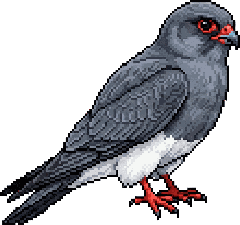 Cernícalo del AmurAmur FalconFalco amurensis
- Poco comúnUncommon
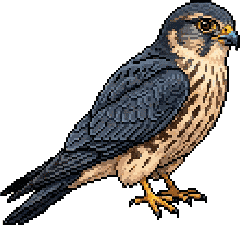 EsmerejónMerlinFalco columbarius
- RaroRare
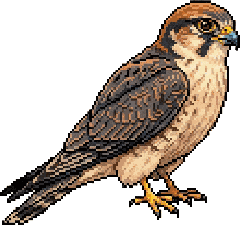 Halcón borníLanner FalconFalco biarmicus
- LegendarioLegendary
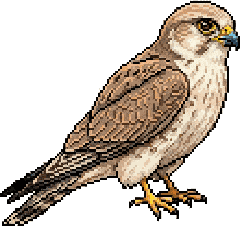 Halcón sacreSaker FalconFalco cherrug
- LegendarioLegendary
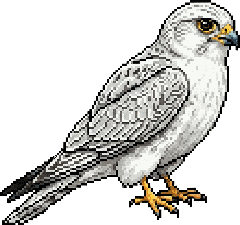 Halcón gerifalteGyrfalconFalco rusticolus
- Poco comúnUncommon
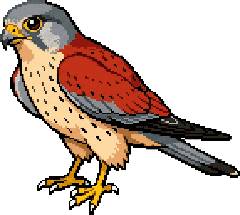 Cernícalo primillaLesser KestrelFalco naumanni
- ComúnCommon
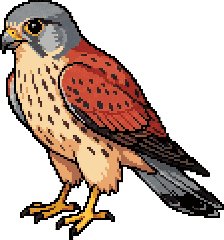 Cernícalo vulgarCommon KestrelFalco tinnunculus
- Poco comúnUncommon
 Alcotán europeoEurasian HobbyFalco subbuteo
 Gratis, sin anuncios ni comprasFree, no ads, no purchases