 BirdPedy
Andarríos chicoCommon Sandpiper
En 52 provincias en enero y en 48 en junioIn 52 provinces in January and 48 in June
Reporte de rarezaRarity report
Por qué es comúnWhy it is commonLimícola bien distribuido por las cuencas fluviales, orillas de embalses y costas pedregosas. Aunque como nidificante es más frecuente en el norte, su presencia en paso y como invernante es constante y común en todo el país.Wader well distributed by river basins and reservoirs. Common in passage and as a winterer across the entire country.
Cada carrizo es un mes: su altura, las provincias con registros de 2020 a 2024.Each reed is a month: its height, the provinces with records from 2020 to 2024.- Provincias con registrosProvinces with records
- 52 de 52of 52
- En la appIn the app
- Todo el añoAll year
- EnvergaduraWingspan
- 32-35 cm32-35 cm
- LongitudLength
- 18-20,5 cm18-20.5 cm
- Lista Roja de EspañaSpanish Red List
- NT Casi amenazadaNear Threatened

Información generalGeneral Information
El andarríos chico es una de nuestras escasas limícolas reproductoras, aunque se trata de una especie no muy común que, además, manifiesta unos requerimientos ambientales muy específicos, pues precisa para instalarse de la presencia de ríos y arroyos de montaña con abundantes guijarros, gravas y orillas arenosas.Unlike many waders, the Common Sandpiper prefers running water and mountain streams with gravel or sandy banks. It is a discreet breeder with specific ecological requirements. During migration, it is much more widespread and can be seen at almost any body of water, from puddles to rocky coasts.
IdentificaciónIdentification
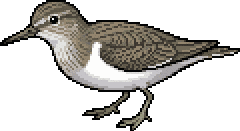
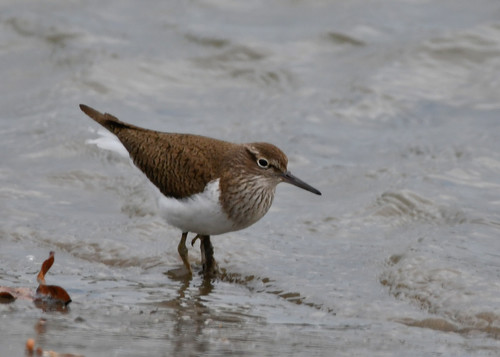
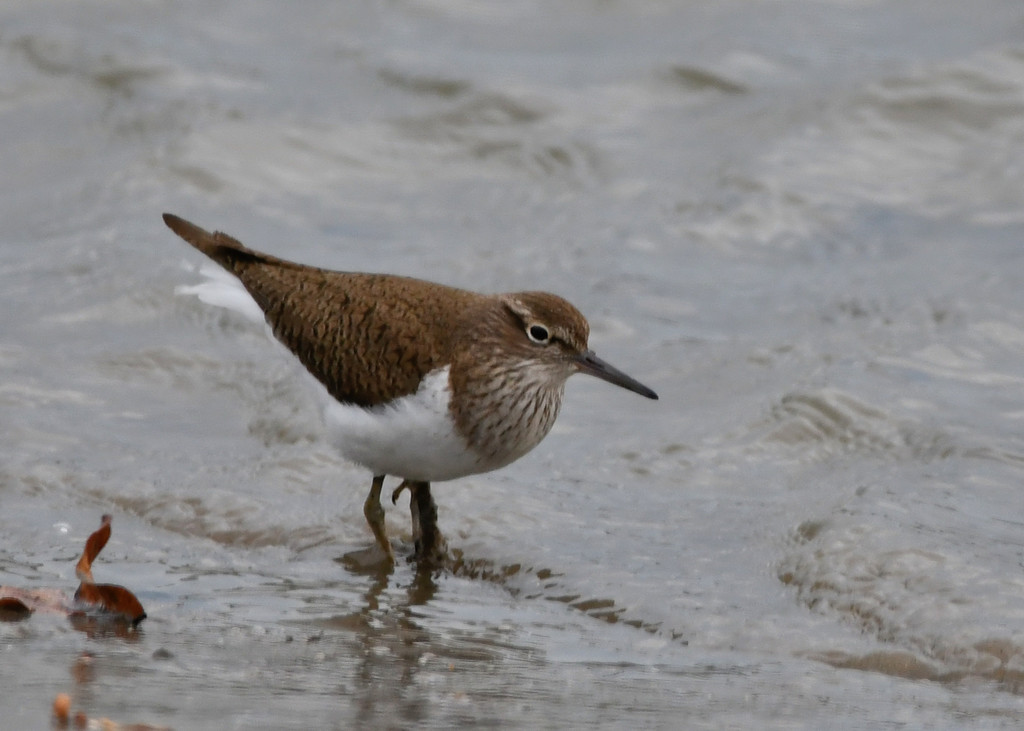
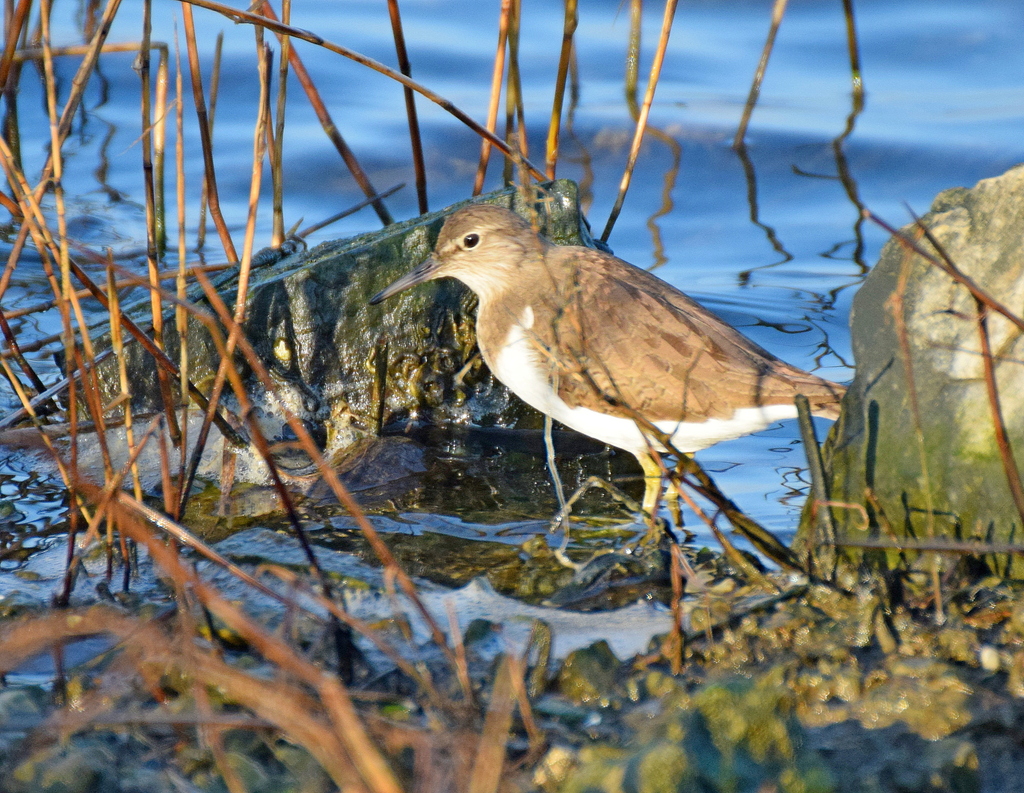
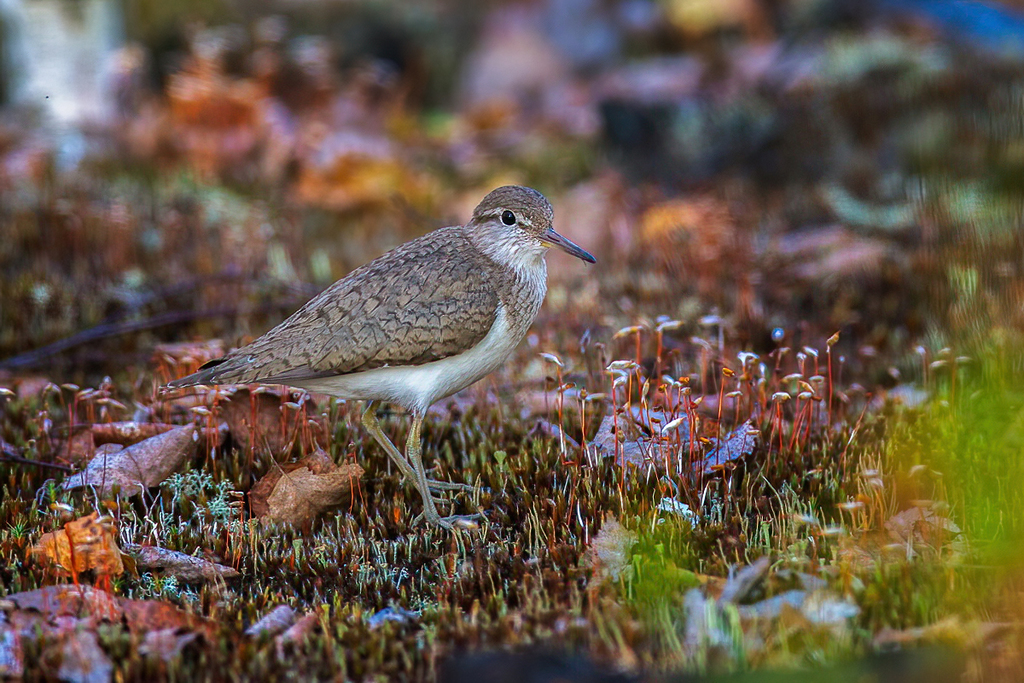
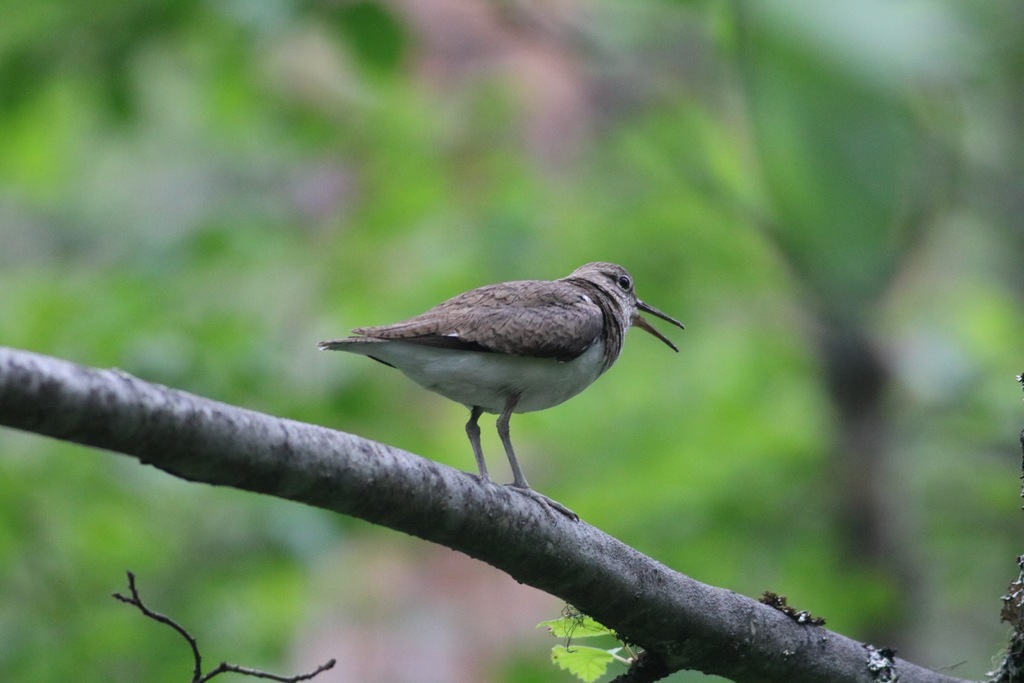
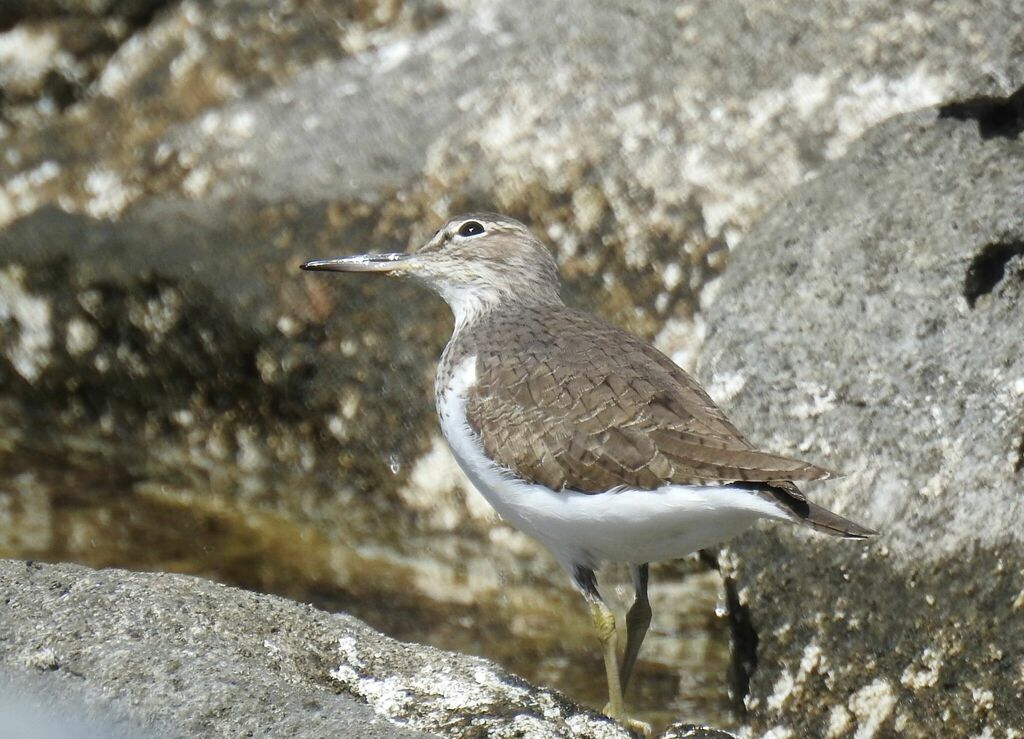
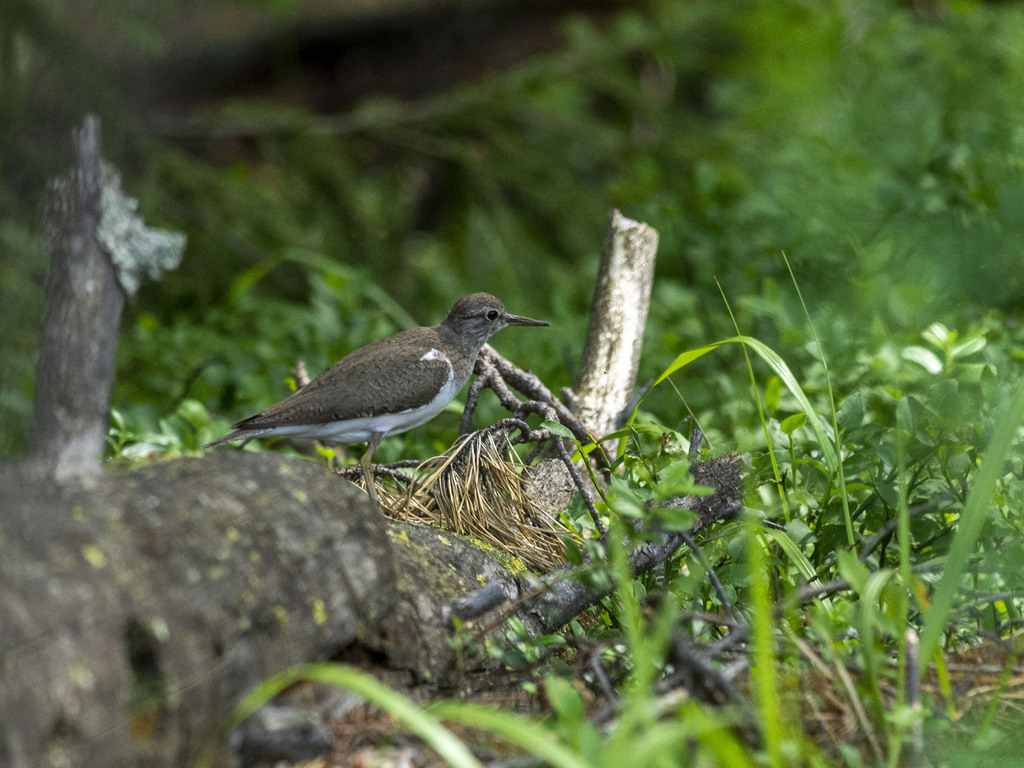
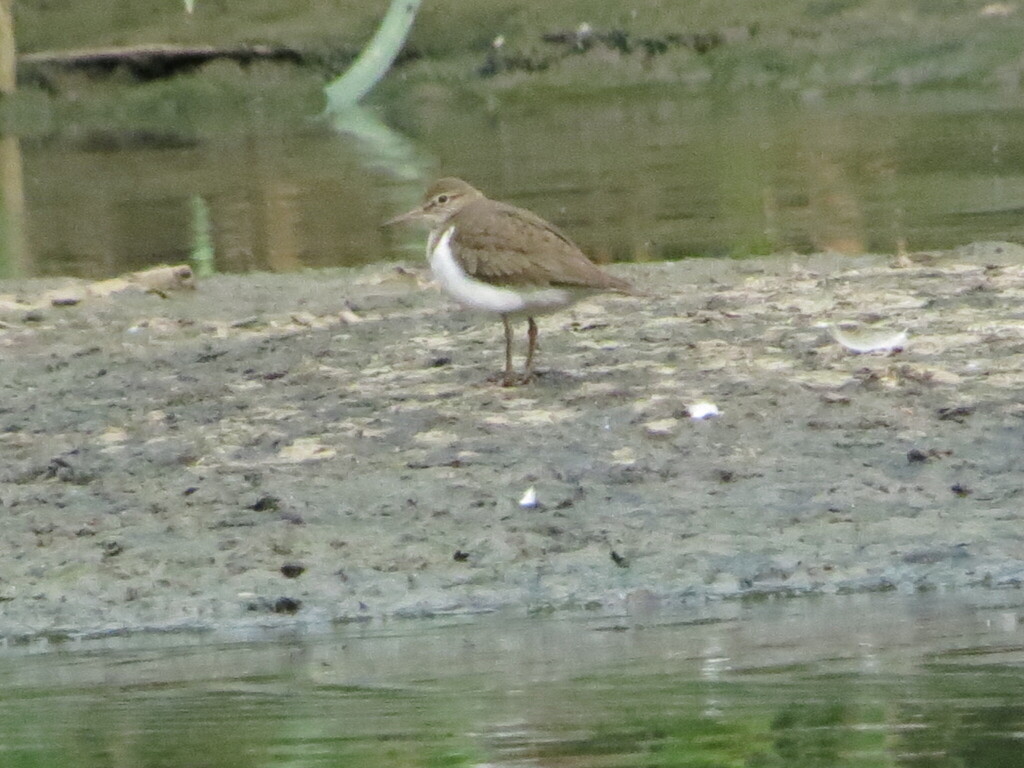
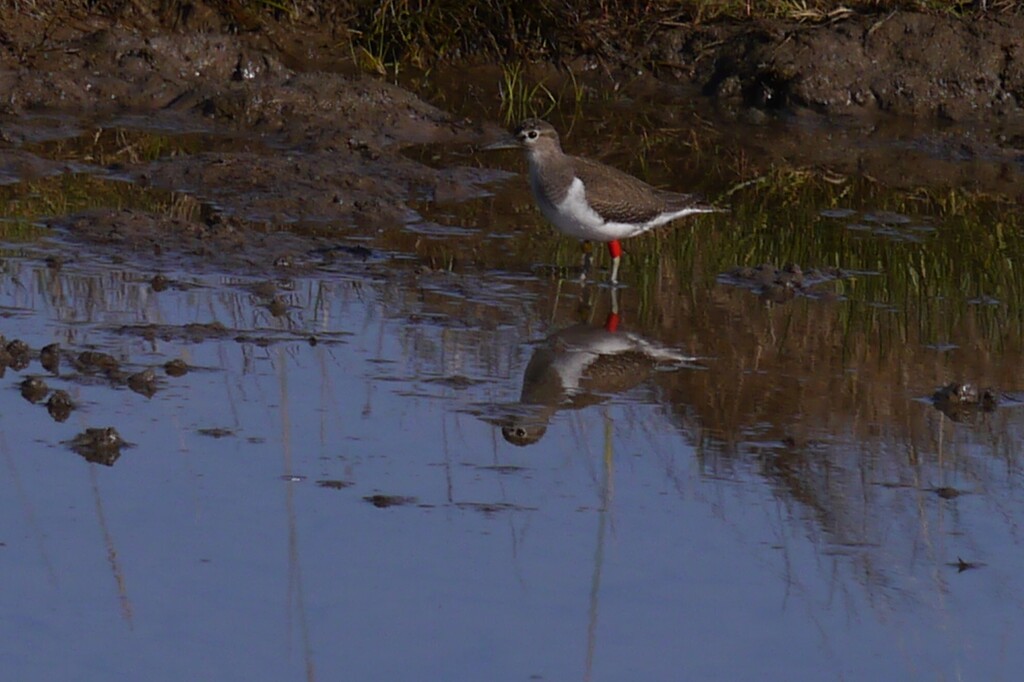
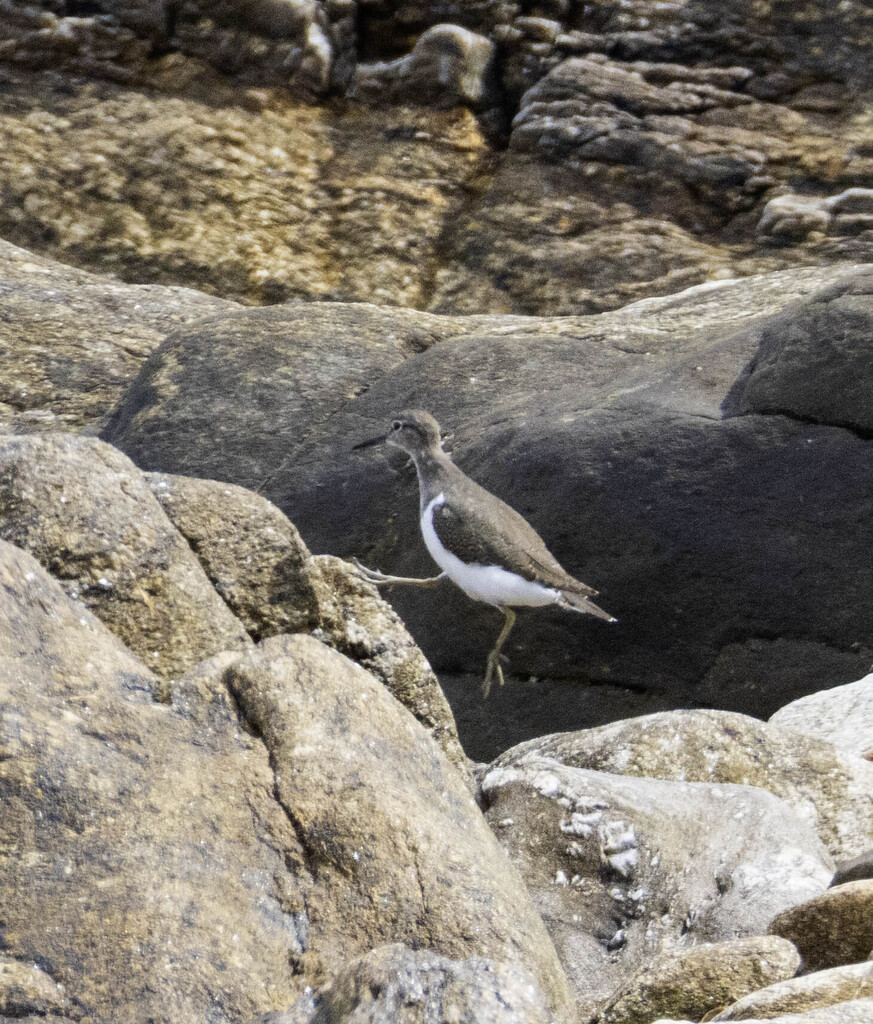
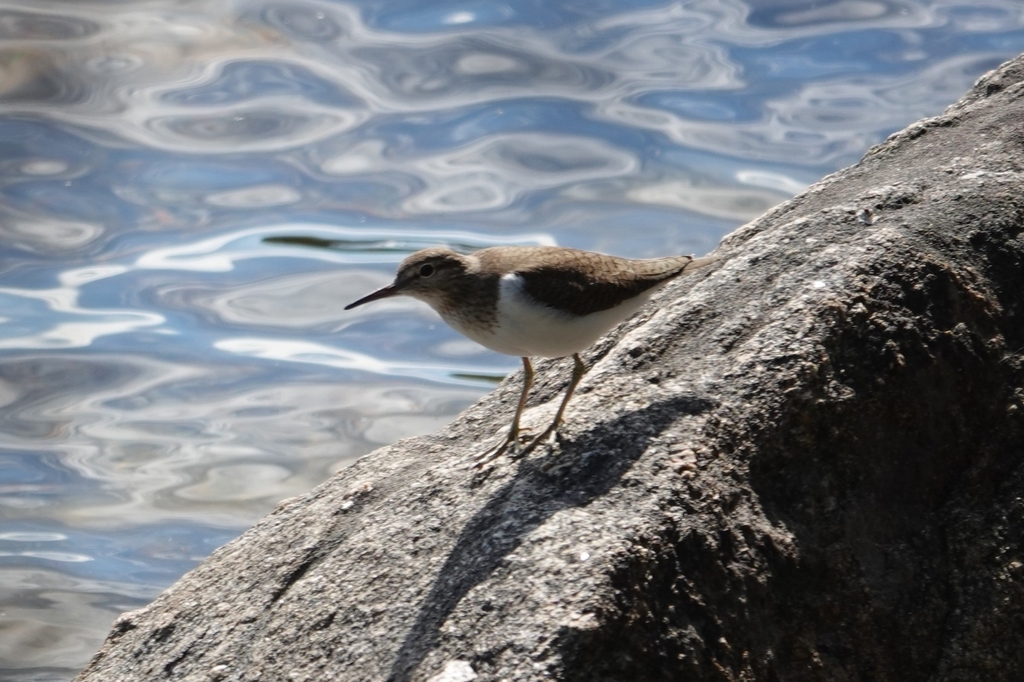
El andarríos chico es una limícola estilizada, de pequeño tamaño (el menor entre los andarríos) y patas bastante cortas, que balancea la cola y la cabeza de forma característica cuando está posada. Sus partes superiores son pardas y las inferiores, blancas, con un característico entrante pálido que sube desde los lados del pecho hasta el cuello, por delante del vértice del ala. El adulto en plumaje nupcial luce las plumas de las partes superiores de color pardo grisáceo, con barrados y punteaduras que le dan un aspecto poco uniforme. Fuera de la estación reproductora, las plumas presentan el raquis finamente destacado de oscuro y el borde ante, con una banda subapical negra, mientras que las coberteras muestran un doble barrado apical negro y ante. El juvenil es similar al adulto no reproductor, pero con los márgenes de las plumas más destacados. En vuelo, el andarríos chico exhibe un diseño alar característico, con una ancha franja blanca enmarcada por plumas más oscuras.A small, stylized wader with relatively short legs and a characteristic 'teetering' habit (bobbing its tail and head). It has olive-brown upper parts and pure white underparts, with a distinctive white 'dent' that extends up the side of the breast in front of the wing. In flight, it shows a prominent white wing bar and a low, stiff-winged flight pattern over water. Breeding birds have subtle dark barring on the back.
DistribuciónDistribution
El andarríos chico se distribuye por toda la península, supeditando su presencia a la de arroyos, ríos y embalses, por lo que resulta más frecuente en la mitad norte y en zonas de cierta altitud, donde se localizan sus áreas de cría, mientras que escasea en amplias áreas del sur y Levante. Está presente en las cuencas altas y medias de los ríos Miño, Duero, Tajo y Guadiana, y especialmente en el Ebro y sus afluentes. No se encuentra como reproductor en Baleares, Canarias, Ceuta y Melilla. En invernada la población está muy dispersa, pero tiende a ocupar enclaves propicios de Andalucía atlántica, Galicia, Asturias y algunos humedales del litoral mediterráneo, incluyendo las albuferas baleares. También está presente en Canarias y Ceuta. Durante este tiempo, la población ibérica, eminentemente sedentaria, se ve reforzada con la llegada de individuos desde Europa occidental.Distributed throughout the Peninsula near rivers and reservoirs, more common in the north and at higher altitudes where it breeds. Absent as a breeder from the archipelagos. Widespread winterer in Andalusia, Galicia, Asturias, and Mediterranean wetlands.
Textos reproducidos con permiso de laTexts translated and reproduced with permission from the Guía de Aves de España © SEO/BirdLife
Estado de conservaciónConservation Status
- EX
- RE
- CR
- EN
- VU
- NT
- LC
Casi amenazadaNear Threatened
Qué significa cada categoríaWhat each category means
- LC
- Preocupación menor: Taxón evaluado que no califica para categorías amenazadas. Especies abundantes y ampliamente distribuidasLeast Concern - Evaluated taxon that does not qualify for threatened categories. Widespread and abundant taxa
- NT
- Casi amenazada: No califica actualmente como amenazada, pero está cerca de calificar o es probable que califique en el futuro cercanoNear Threatened - Does not currently qualify as threatened, but is close to qualifying or likely to qualify in the near future
- VU
- Vulnerable: Enfrenta un alto riesgo de extinción en estado silvestre según los criterios A a E de IUCNVulnerable - Facing a high risk of extinction in the wild based on IUCN criteria A to E
- EN
- En peligro: Enfrenta un riesgo muy alto de extinción en estado silvestre según los criterios A a E de IUCNEndangered - Facing a very high risk of extinction in the wild based on IUCN criteria A to E
- CR
- En peligro crítico: Enfrenta un riesgo extremadamente alto de extinción en estado silvestre según los criterios A a E de IUCNCritically Endangered - Facing an extremely high risk of extinction in the wild based on IUCN criteria A to E
- DD
- Datos insuficientes: Información inadecuada para evaluar el riesgo de extinción basándose en distribución o estado poblacionalData Deficient - Inadequate information to assess extinction risk based on distribution and/or population status
- NE
- No evaluada: No ha sido evaluada aún contra los criterios de la Lista Roja de IUCNNot Evaluated - Has not yet been assessed against the IUCN Red List criteria
- RE
- Extinta regionalmente: El taxón ya no existe en la región específica, aunque puede sobrevivir en otros lugaresRegionally Extinct - Taxon no longer exists in the specific region, though it may survive elsewhere
- EX
- Extinta - No existe duda razonable de que ha muerto el último individuo del taxónExtinct - No reasonable doubt that the last individual of the taxon has died
TaxonomíaTaxonomy
- OrdenOrder
- Charadriiformes
- FamiliaFamily
- Scolopacidae
Presencia en EspañaPresence in Spain
- De pasoPassage migrant
- HabitualRegular
- InvernanteWinter visitor
- ResidenteResident
En la app: todo el año.In the app: all year.
Dónde verlaWhere to see it
2.513 cuadrículas de 10 km con registros de 2020 a 2024. Toca un mes para ver dónde se ha visto.2,513 10 km squares with records from 2020 to 2024. Pick a month to see where it has been seen.
Cargando el mapa…Loading the map…
Dónde es regularWhere it is regular
Provincias con registros en al menos 3 de los 5 años algún mes, de más a menos frecuente, y sus mejores meses.Provinces with records in at least 3 of the 5 years in some month, from most to least frequent, and their best months.
- Las PalmasLas Palmasseptiembre, noviembre, eneroSeptember, November, January
- MelillaMelillaabrilApril
- PontevedraPontevedraseptiembre, octubre, agostoSeptember, October, August
- GuipúzcoaGuipúzcoaagosto, septiembre, diciembreAugust, September, December
- Santa Cruz de TenerifeSanta Cruz de Tenerifeseptiembre, octubre, noviembreSeptember, October, November
- CantabriaCantabriaseptiembre, enero, agostoSeptember, January, August
- BalearesBalearic Islandsagosto, septiembre, octubreAugust, September, October
- ZamoraZamoraseptiembre, agosto, julioSeptember, August, July
- VizcayaVizcayaagosto, septiembre, octubreAugust, September, October
- ValenciaValenciaagosto, septiembre, julioAugust, September, July
Ver las 52 provinciasSee all 52 provinces
- TarragonaTarragonaagosto, septiembre, marzoAugust, September, March
- ÁlavaÁlavaagosto, septiembre, julioAugust, September, July
- A CoruñaA Coruñaseptiembre, enero, octubreSeptember, January, October
- La RiojaLa Riojaagosto, septiembre, abrilAugust, September, April
- AsturiasAsturiasseptiembre, agosto, diciembreSeptember, August, December
- LugoLugoseptiembre, agosto, diciembreSeptember, August, December
- CáceresCáceresagosto, septiembre, julioAugust, September, July
- ÁvilaÁvilaagosto, septiembre, julioAugust, September, July
- SalamancaSalamancaseptiembre, agosto, julioSeptember, August, July
- LeónLeónseptiembre, abril, agostoSeptember, April, August
- HuelvaHuelvaagosto, septiembre, octubreAugust, September, October
- BadajozBadajozagosto, septiembre, eneroAugust, September, January
- ToledoToledoagosto, septiembre, mayoAugust, September, May
- GironaGironaagosto, septiembre, julioAugust, September, July
- CeutaCeutanoviembre, diciembre, abrilNovember, December, April
- CórdobaCórdobaagosto, septiembre, diciembreAugust, September, December
- AlicanteAlicanteagosto, septiembre, abrilAugust, September, April
- AlmeríaAlmeríaagosto, septiembre, julioAugust, September, July
- CádizCádizenero, agosto, diciembreJanuary, August, December
- PalenciaPalenciaseptiembre, agosto, abrilSeptember, August, April
- MurciaMurciaagosto, septiembre, octubreAugust, September, October
- SevillaSevillaagosto, septiembre, abrilAugust, September, April
- Ciudad RealCiudad Realagosto, julio, abrilAugust, July, April
- ZaragozaZaragozaagosto, septiembre, mayoAugust, September, May
- BarcelonaBarcelonaagosto, septiembre, abrilAugust, September, April
- BurgosBurgosagosto, septiembre, abrilAugust, September, April
- MálagaMálagaagosto, abril, septiembreAugust, April, September
- CastellónCastellónagosto, septiembre, abrilAugust, September, April
- SegoviaSegoviaseptiembre, agosto, julioSeptember, August, July
- NavarraNavarraagosto, septiembre, mayoAugust, September, May
- ValladolidValladolidagosto, septiembre, abrilAugust, September, April
- MadridMadridagosto, septiembre, mayoAugust, September, May
- GranadaGranadaagosto, septiembre, abrilAugust, September, April
- AlbaceteAlbaceteagosto, abril, septiembreAugust, April, September
- CuencaCuencamayo, septiembre, abrilMay, September, April
- OurenseOurenseoctubre, septiembre, diciembreOctober, September, December
- HuescaHuescaseptiembre, agosto, mayoSeptember, August, May
- SoriaSoriaseptiembre, agosto, mayoSeptember, August, May
- TeruelTeruelmayo, agosto, abrilMay, August, April
- GuadalajaraGuadalajaraagosto, mayo, abrilAugust, May, April
- JaénJaénseptiembre, agosto, octubreSeptember, August, October
- LleidaLleidaagosto, septiembre, mayoAugust, September, May
Datos: registros en GBIF de 2020 a 2024 de Observation.org, eBird, iNaturalist y el ICO, descargados el 23/10/2026.Data: GBIF records from 2020 to 2024 from Observation.org, eBird, iNaturalist and the ICO, downloaded on 23/10/2026. GBIF.org (23 October 2026) GBIF Occurrence Download · doi:10.15468/dl.r5sf2a · CC BY-NC 4.0
GaleríaGallery
© Frank Sengpiel · CC BY · iNaturalist 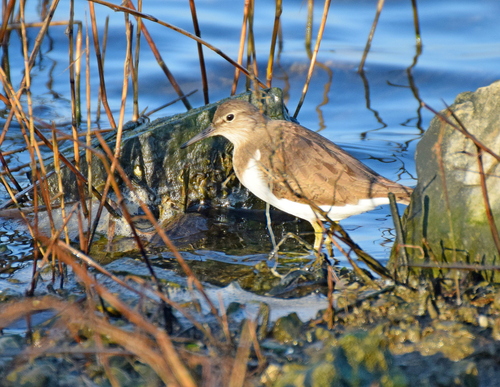
© Kostas Zontanos · CC BY · iNaturalist 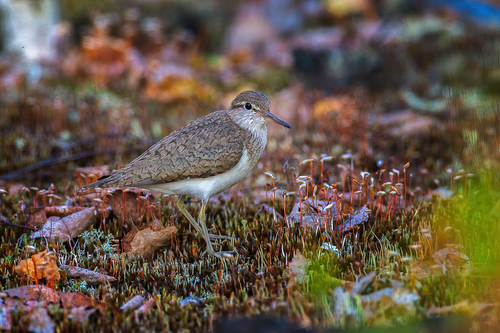
© egorbirder · CC BY · iNaturalist 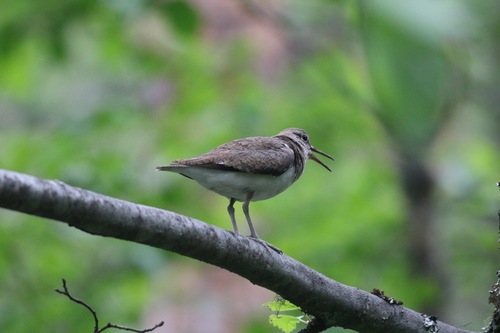
© Vsevolod Rudyi · CC BY · iNaturalist 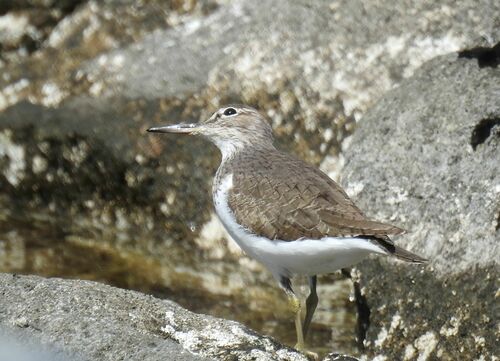
© Yves Bas · CC BY · iNaturalist 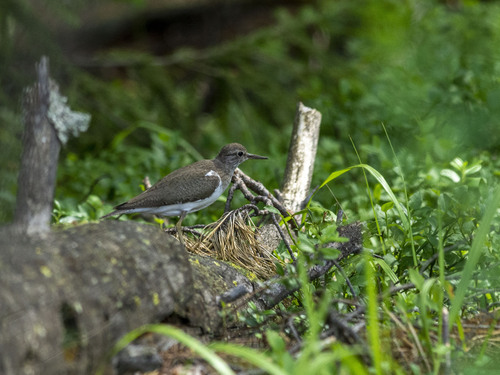
© Борис Георги · CC BY · iNaturalist 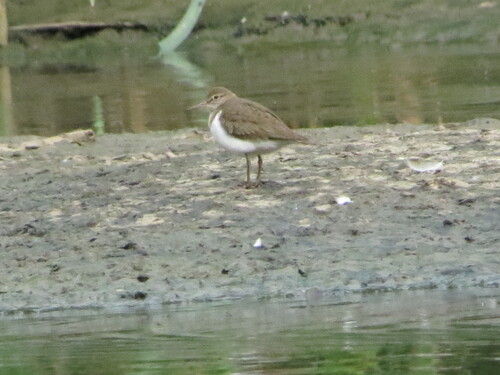
© k · CC BY · iNaturalist 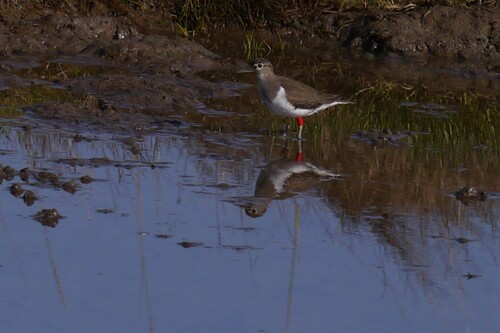
© joy russell · CC BY · iNaturalist 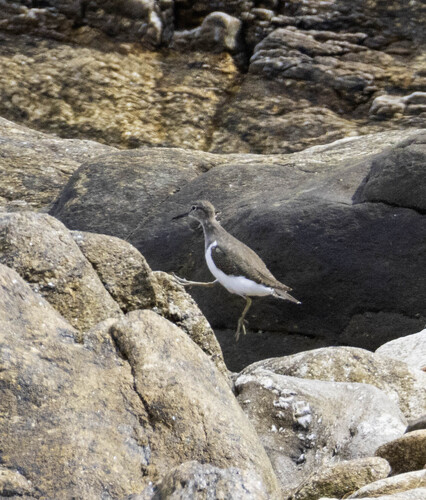
© Clara Veiga-Rilo · CC BY · iNaturalist 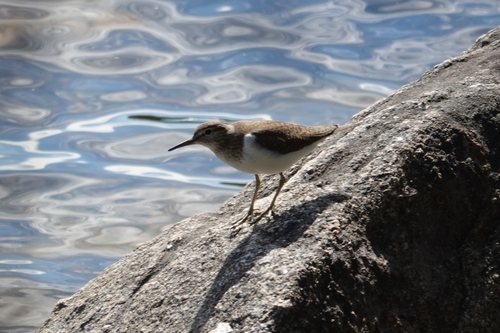
© Antti Latikka · CC BY · iNaturalist
Especies relacionadasRelated species
Otras aves de la familia Scolopacidae y de órdenes cercanos.Other birds from the Scolopacidae family and nearby orders.
- LegendarioLegendary
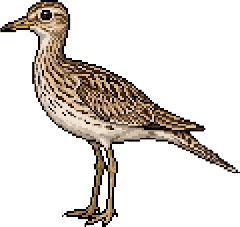 Correlimos batitúUpland SandpiperBartramia longicauda
- Poco comúnUncommon
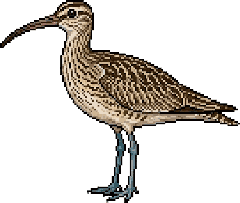 Zarapito trinadorWhimbrelNumenius phaeopus
- LegendarioLegendary
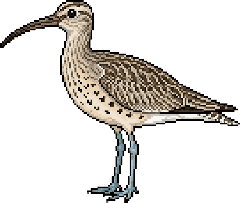 Zarapito finoSlender-billed CurlewNumenius tenuirostris
- Poco comúnUncommon
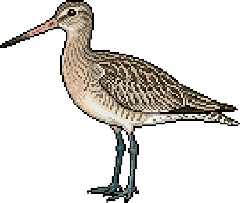 Aguja colipintaBar-tailed GodwitLimosa lapponica
- Poco comúnUncommon
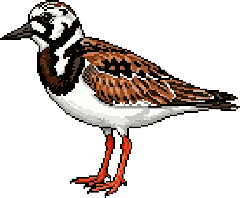 Vuelvepiedras comúnRuddy TurnstoneArenaria interpres
- LegendarioLegendary
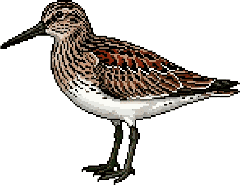 Correlimos grandeGreat KnotCalidris tenuirostris
- Poco comúnUncommon
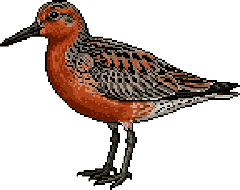 Correlimos gordoRed KnotCalidris canutus
- Poco comúnUncommon
 CombatienteRuffCalidris pugnax
 Gratis, sin anuncios ni comprasFree, no ads, no purchases