 BirdPedy
Andarríos solitarioSolitary Sandpiper
Reporte de rarezaRarity report
Por qué es legendarioWhy it is legendaryAve americana de hábitos recoletos y solitarios. Su aparición accidental en el territorio español es extremadamente rara y de gran interés para el catálogo de rarezas.American bird of secluded and solitary habits. Accidental appearance in Spain is extremely rare.
- EnvergaduraWingspan
- 55-59 cm55-59 cm
- LongitudLength
- 18-21 cm18-21 cm
- Lista Roja de EspañaSpanish Red List
- NE No evaluada en EspañaNot assessed in Spain

IdentificaciónIdentification
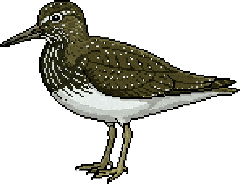
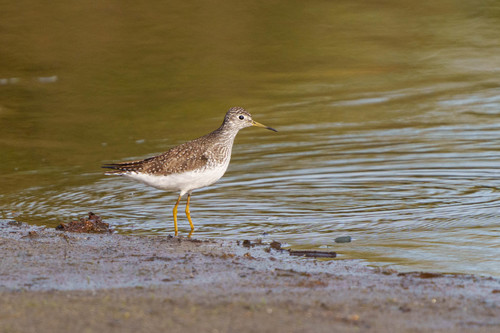
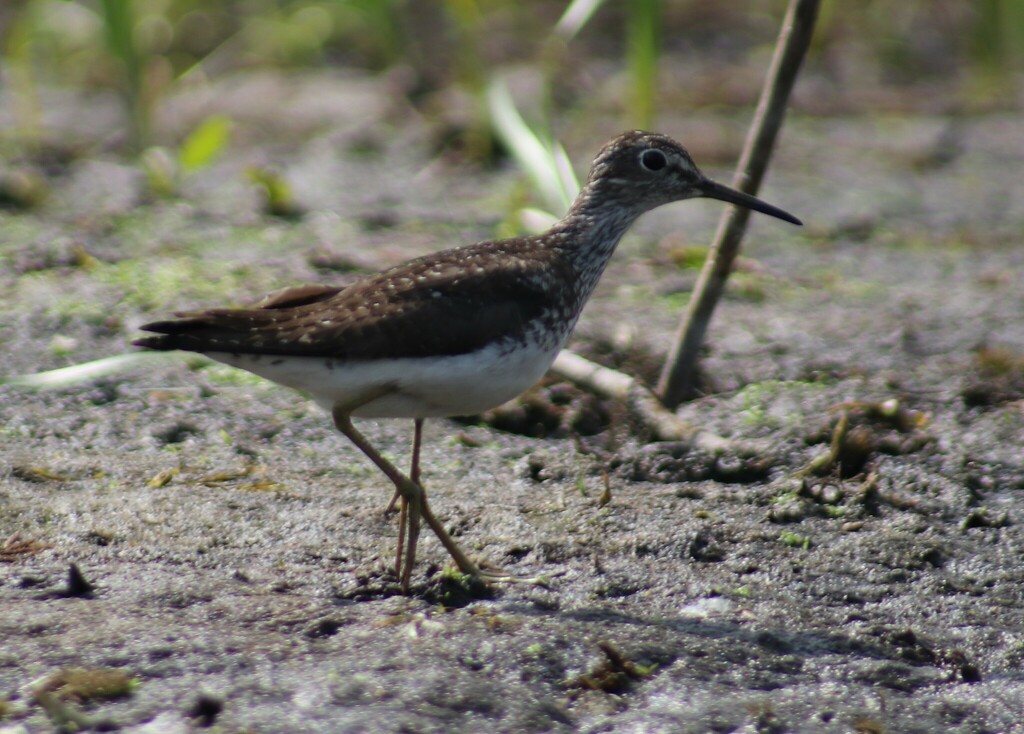
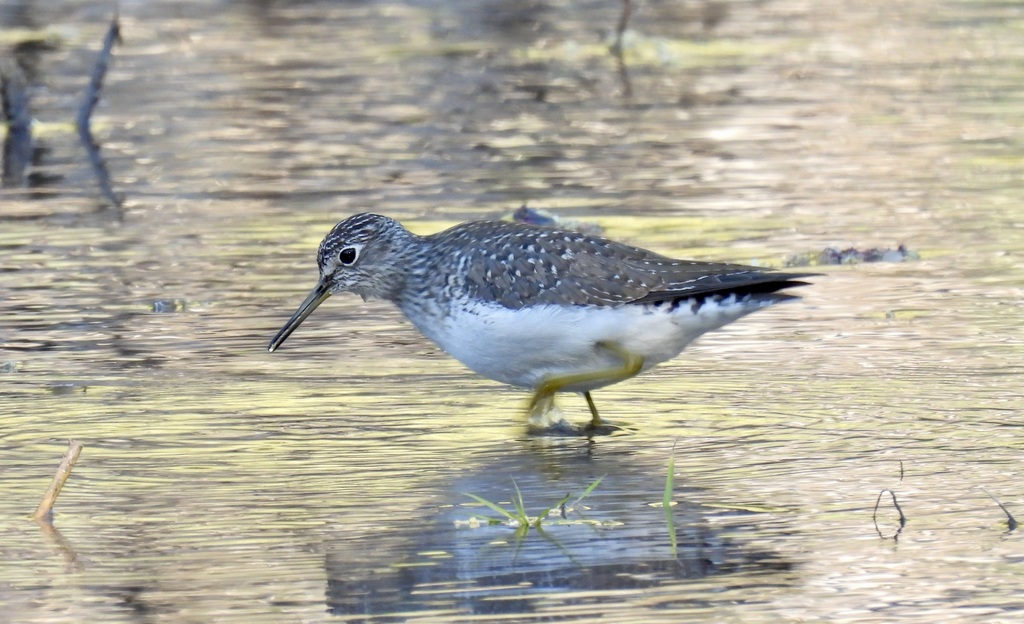
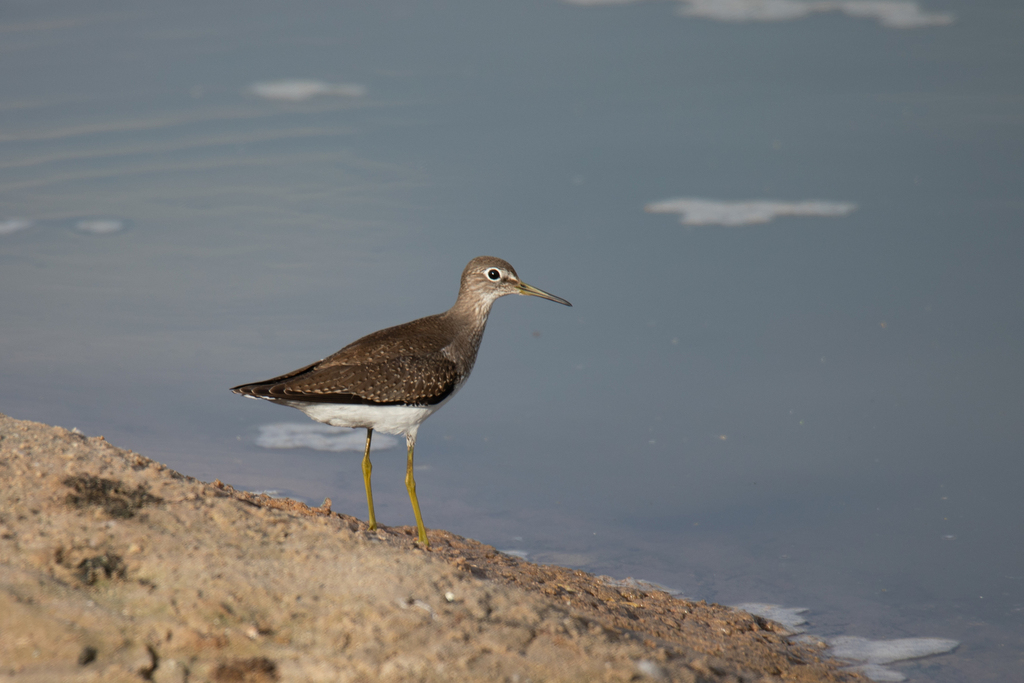
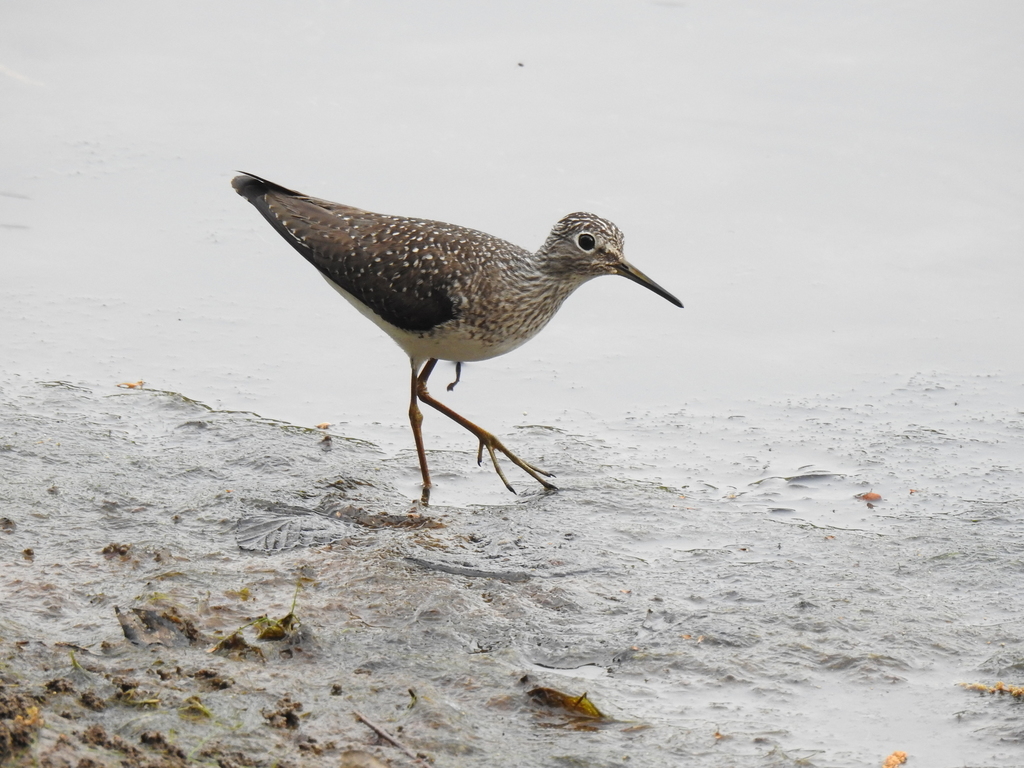
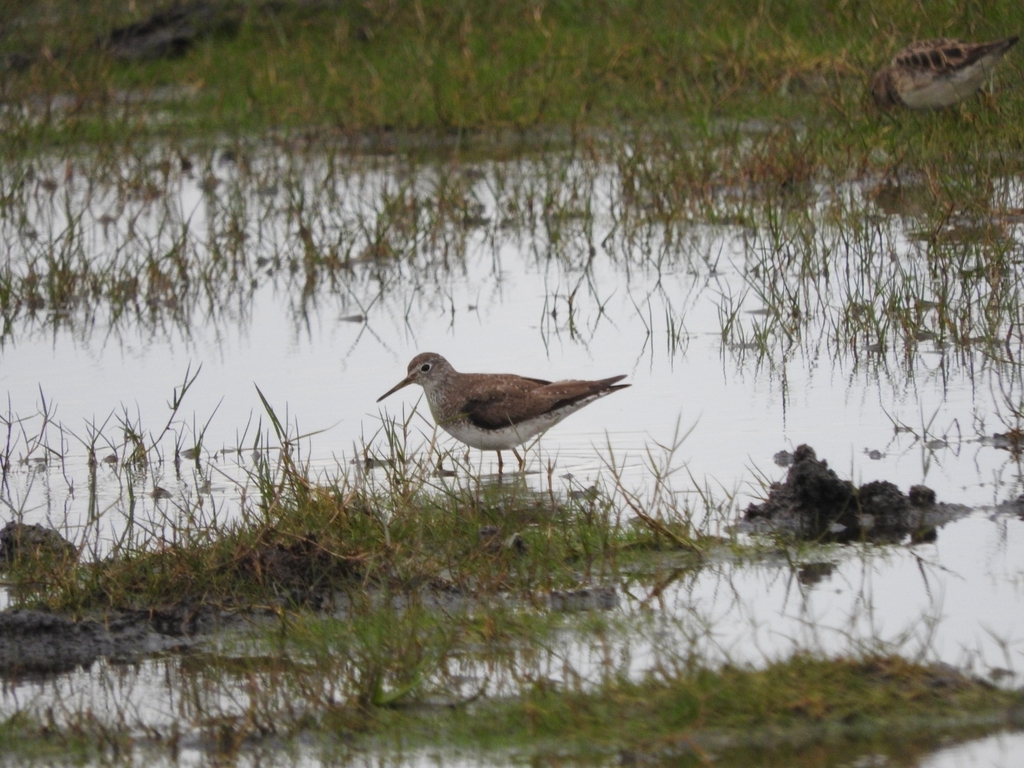
El andarríos solitario es un ave muy parecida al andarríos grande, del que se diferencia por ser algo menor y, sobre todo, por tener el obispillo y el centro de la cola negros en lugar de blancos. Por otra parte, los bordes de la cola están fuertemente barrados, la cara inferior de las alas resulta bastante oscura, aunque no tanto como en el andarríos grande, el pico se curva ligeramente hacia abajo, y el anillo ocular, blanco, se marca con nitidez.Very similar to the Green Sandpiper but slightly smaller and more delicate. It is distinguished by having a dark (not white) rump and center of the tail, and more heavily barred tail corners. It also has darker underwings and a darker bill. It originates from the forest bogs of North America and is an exceptionally rare accidental visitor to Europe, with birds likely being blown off-course during their trans-continental migrations.
DistribuciónDistribution
El andarríos solitario es un divagante muy raro en Europa, con la mayoría de las citas en Gran Bretaña, generalmente en agosto o septiembre. Para España hay un registro anterior al Comité de Rarezas, referente a un ejemplar anotado en la ría de Villaviciosa (Asturias) a mediados de septiembre de 1974. Existen otros dos registros posteriores, uno en las Marismas de Alvor (Faro) en junio de 1989 y el otro cerca de Villaviciosa (Asturias) en octubre de 2005.Very rare accidental visitor from North America. Three records confirmed for Spain: Asturias (1974, 2005) and Portugal (1889). Exceptional.
Textos reproducidos con permiso de laTexts translated and reproduced with permission from the Guía de Aves de España © SEO/BirdLife
Estado de conservaciónConservation Status
- EX
- RE
- CR
- EN
- VU
- NT
- LC
NE
No evaluada en EspañaNot assessed in Spain
Sin categoría en el Libro Rojo de las Aves de España 2021No category in the Red Book of the Birds of Spain 2021
Qué significa cada categoríaWhat each category means
- LC
- Preocupación menor: Taxón evaluado que no califica para categorías amenazadas. Especies abundantes y ampliamente distribuidasLeast Concern - Evaluated taxon that does not qualify for threatened categories. Widespread and abundant taxa
- NT
- Casi amenazada: No califica actualmente como amenazada, pero está cerca de calificar o es probable que califique en el futuro cercanoNear Threatened - Does not currently qualify as threatened, but is close to qualifying or likely to qualify in the near future
- VU
- Vulnerable: Enfrenta un alto riesgo de extinción en estado silvestre según los criterios A a E de IUCNVulnerable - Facing a high risk of extinction in the wild based on IUCN criteria A to E
- EN
- En peligro: Enfrenta un riesgo muy alto de extinción en estado silvestre según los criterios A a E de IUCNEndangered - Facing a very high risk of extinction in the wild based on IUCN criteria A to E
- CR
- En peligro crítico: Enfrenta un riesgo extremadamente alto de extinción en estado silvestre según los criterios A a E de IUCNCritically Endangered - Facing an extremely high risk of extinction in the wild based on IUCN criteria A to E
- DD
- Datos insuficientes: Información inadecuada para evaluar el riesgo de extinción basándose en distribución o estado poblacionalData Deficient - Inadequate information to assess extinction risk based on distribution and/or population status
- NE
- No evaluada: No ha sido evaluada aún contra los criterios de la Lista Roja de IUCNNot Evaluated - Has not yet been assessed against the IUCN Red List criteria
- RE
- Extinta regionalmente: El taxón ya no existe en la región específica, aunque puede sobrevivir en otros lugaresRegionally Extinct - Taxon no longer exists in the specific region, though it may survive elsewhere
- EX
- Extinta - No existe duda razonable de que ha muerto el último individuo del taxónExtinct - No reasonable doubt that the last individual of the taxon has died
TaxonomíaTaxonomy
- OrdenOrder
- Charadriiformes
- FamiliaFamily
- Scolopacidae
Presencia en EspañaPresence in Spain
- OcasionalOccasional
Revisión científica de BirdPedyBirdPedy scientific review
Revisada por BirdPedy el 28/10/2026 ·Reviewed by BirdPedy on 28 October 2026 · Cómo revisamosHow we review
RarezaRarity
ReferenciasReferences
- GBIF.org (23/10/2026). Descarga de registros de aves de España, 2020-2024, con el día y la cuadrícula de 10 km de cada uno, para contar ocasiones y días.GBIF.org (23 October 2026). Occurrence download of birds in Spain, 2020-2024, with the day and 10 km square of each record, to count occasions and days. doi.org/10.15468/dl.bqdmdt
- GBIF.org (23/10/2026). Descarga de registros de aves de España, 2020-2024 (Observation.org, eBird, iNaturalist e ICO).GBIF.org (23 October 2026). Occurrence download of birds in Spain, 2020-2024 (Observation.org, eBird, iNaturalist and ICO). doi.org/10.15468/dl.r5sf2a
GaleríaGallery
© Pete Lypkie · CC BY · iNaturalist 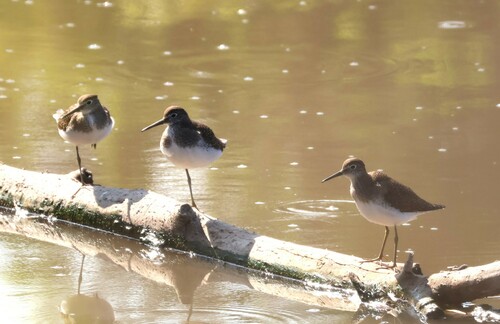
© Millie Basden · CC BY · iNaturalist 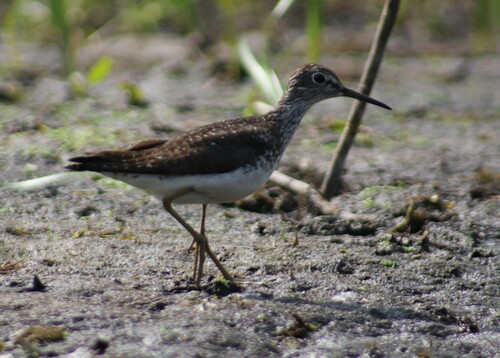
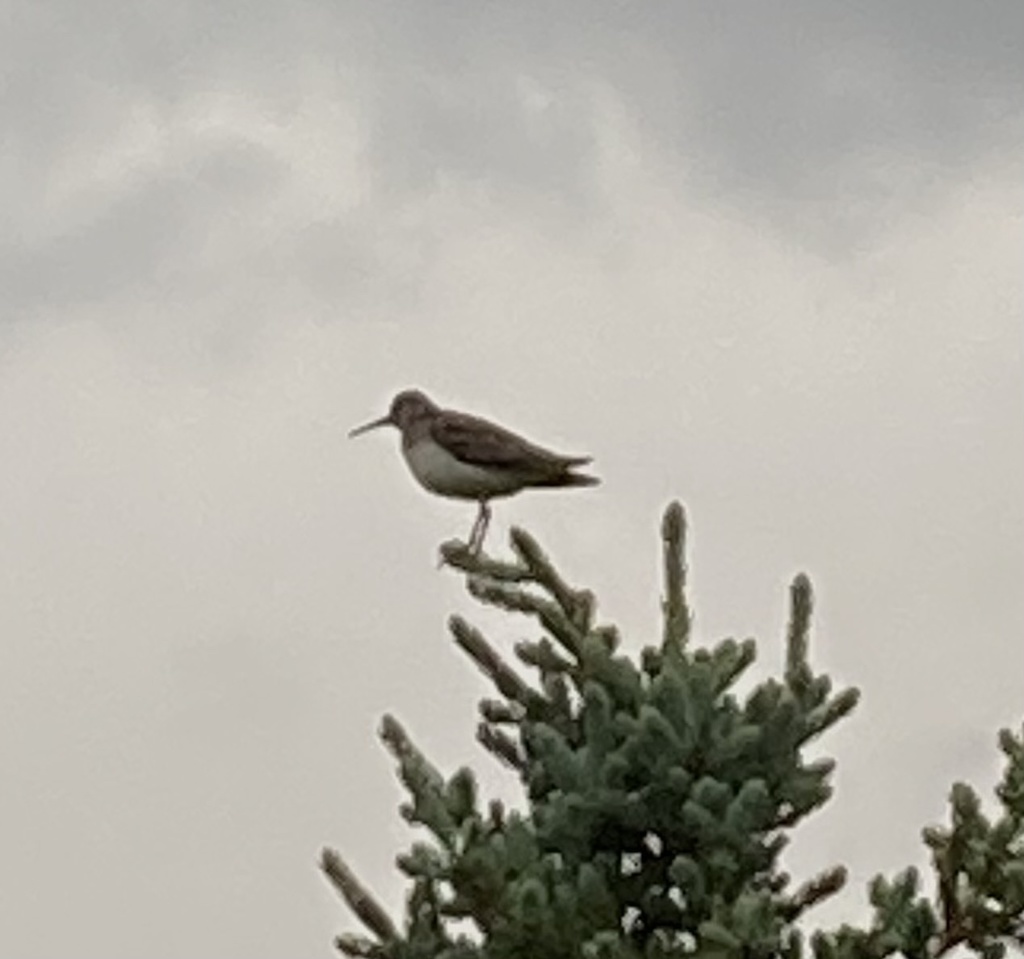
© Sean Frey · CC BY · iNaturalist 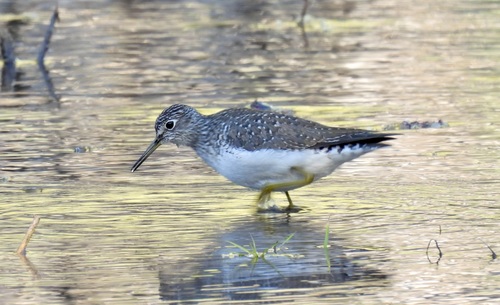
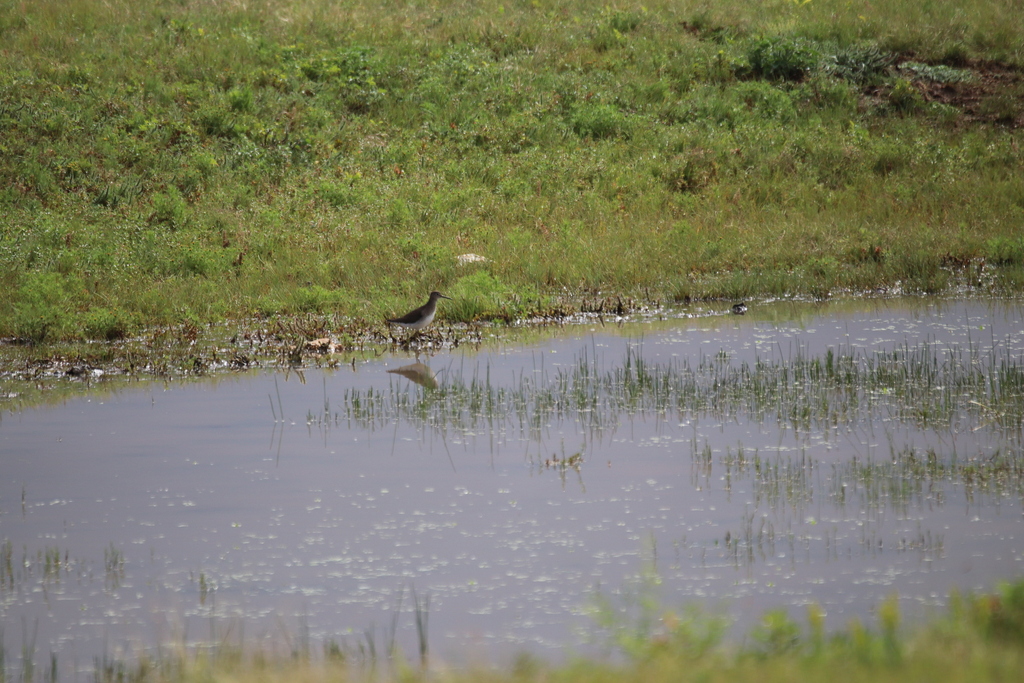
© Bob Nieman · CC BY · iNaturalist 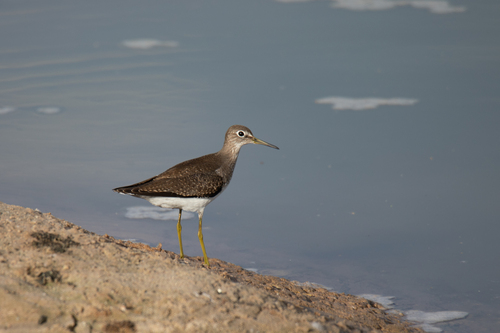
© Kevin Floyd · CC BY · iNaturalist 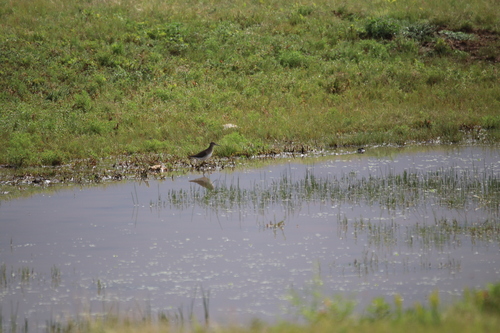
© Roland Godon · CC BY · iNaturalist 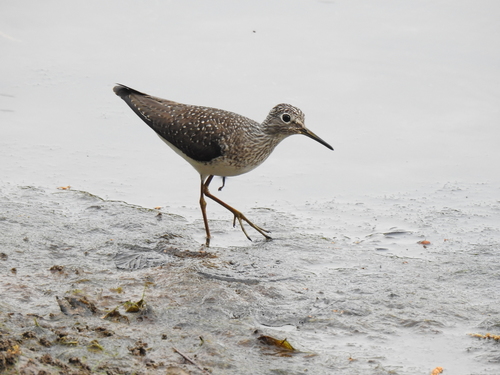
© gabbieb · CC BY · iNaturalist 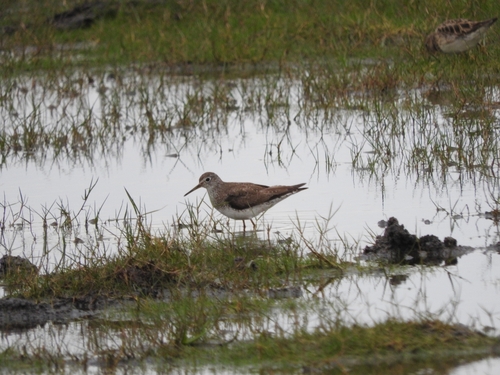
© Agustina Medina · CC BY · iNaturalist 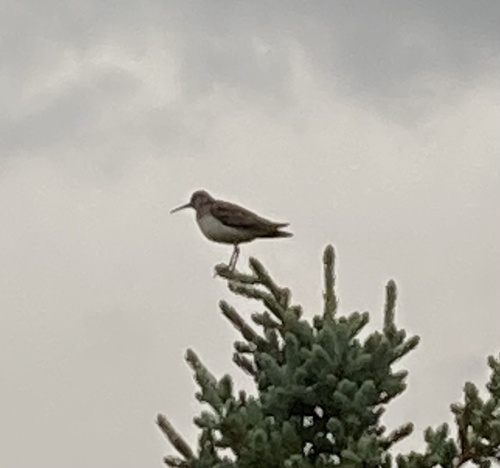
© Caleb Catto · CC BY · iNaturalist
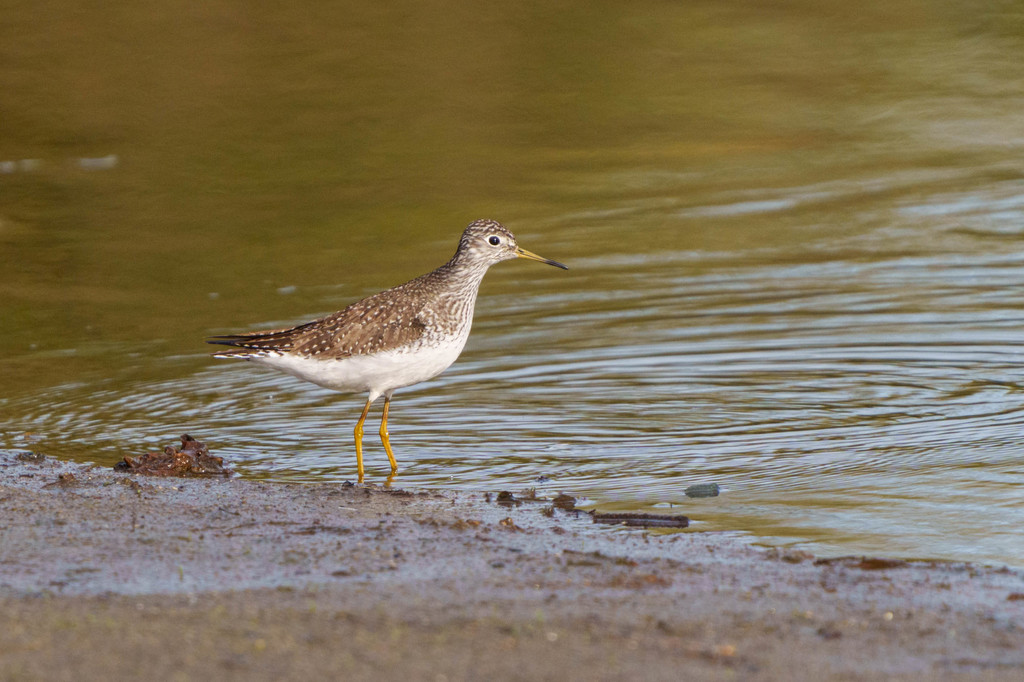
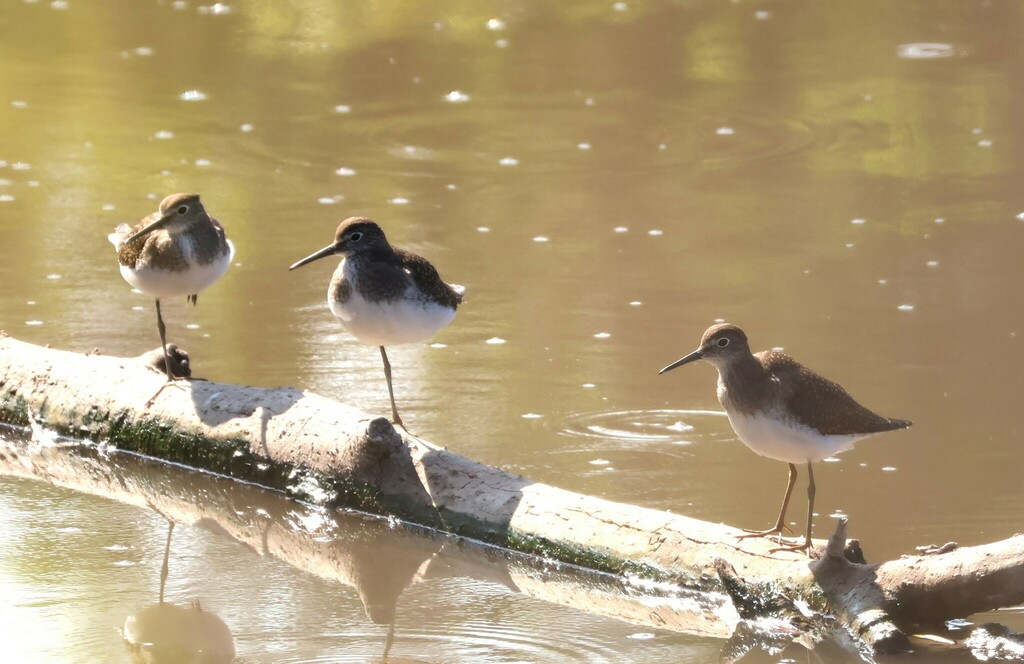
Especies relacionadasRelated species
Otras aves de la familia Scolopacidae y de órdenes cercanos.Other birds from the Scolopacidae family and nearby orders.
- ÉpicoEpic
 Archibebe patigualdo chicoLesser YellowlegsTringa flavipes
- RaroRare
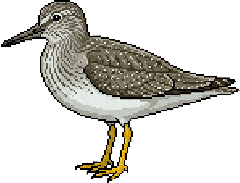 Archibebe finoMarsh SandpiperTringa stagnatilis
- Poco comúnUncommon
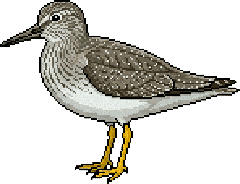 Andarríos bastardoWood SandpiperTringa glareola
- Poco comúnUncommon
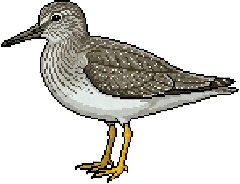 Archibebe oscuroSpotted RedshankTringa erythropus
- ComúnCommon
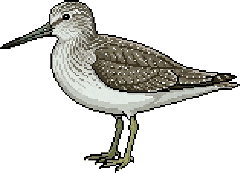 Archibebe claroCommon GreenshankTringa nebularia
- LegendarioLegendary
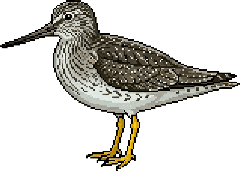 Archibebe patigualdo grandeGreater YellowlegsTringa melanoleuca
- ComúnCommon
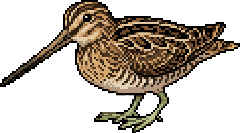 Agachadiza comúnCommon SnipeGallinago gallinago
- Poco comúnUncommon
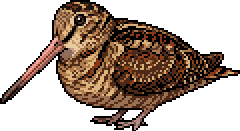 Chocha perdizEurasian WoodcockScolopax rusticola
 Gratis, sin anuncios ni comprasFree, no ads, no purchases