 BirdPedy
Chocha perdizEurasian Woodcock
En 50 provincias en diciembre y en 6 en agostoIn 50 provinces in December and 6 in August
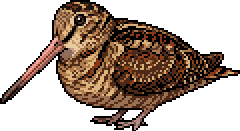
Reporte de rarezaRarity report
Por qué es poco comúnWhy it is uncommonLimícola de bosque de plumaje muy críptico. Cría en escaso número en el norte peninsular, algunas sierras del interior y Canarias, y en invierno llegan muchas más del norte y el centro de Europa. Invernante regular pero difícil de detectar: vive en bosques densos y permanece inmóvil hasta que casi se la pisa.A woodland wader with very cryptic plumage. It breeds in small numbers in the north of the Peninsula, some inland mountain ranges and the Canaries, and many more arrive in winter from northern and central Europe. A regular winter visitor but hard to detect: it lives in dense forest and stays still until it is almost stepped on.
Cada carrizo es un mes: su altura, las provincias con registros de 2020 a 2024.Each reed is a month: its height, the provinces with records from 2020 to 2024.- Provincias con registrosProvinces with records
- 51 de 52of 52
- En la appIn the app
- Todo el añoAll year
- EnvergaduraWingspan
- 55-65 cm55-65 cm
- LongitudLength
- 33-38 cm33-38 cm
- Lista Roja de EspañaSpanish Red List
- DD Datos insuficientesData Deficient

Información generalGeneral Information
No cabe duda de que la chocha perdiz o becada es una limícola muy particular, ya que prefiere instalarse en el interior de bosques densos y húmedos, donde se mueve discretamente entre la hojarasca. Dotada de extraordinarias adaptaciones, como su críptico plumaje, un largo y sensible pico y un amplísimo campo de visión (gracias a la posición de los ojos en su cráneo), la chocha perdiz es un ave huidiza y enigmática, que en nuestro territorio se reproduce en escaso número, si bien durante la invernada se reciben abundantes ejemplares procedentes del norte y centro de Europa.The Woodcock (or 'Becada') is unique among waders for preferring dense, humid forests over wetlands. It is a master of camouflage and a shy, nocturnal bird that feeds by probing deep into soft soil for earthworms. While few breed in Spain, large numbers arrive from northern Europe to spend the winter in our forests.
IdentificaciónIdentification
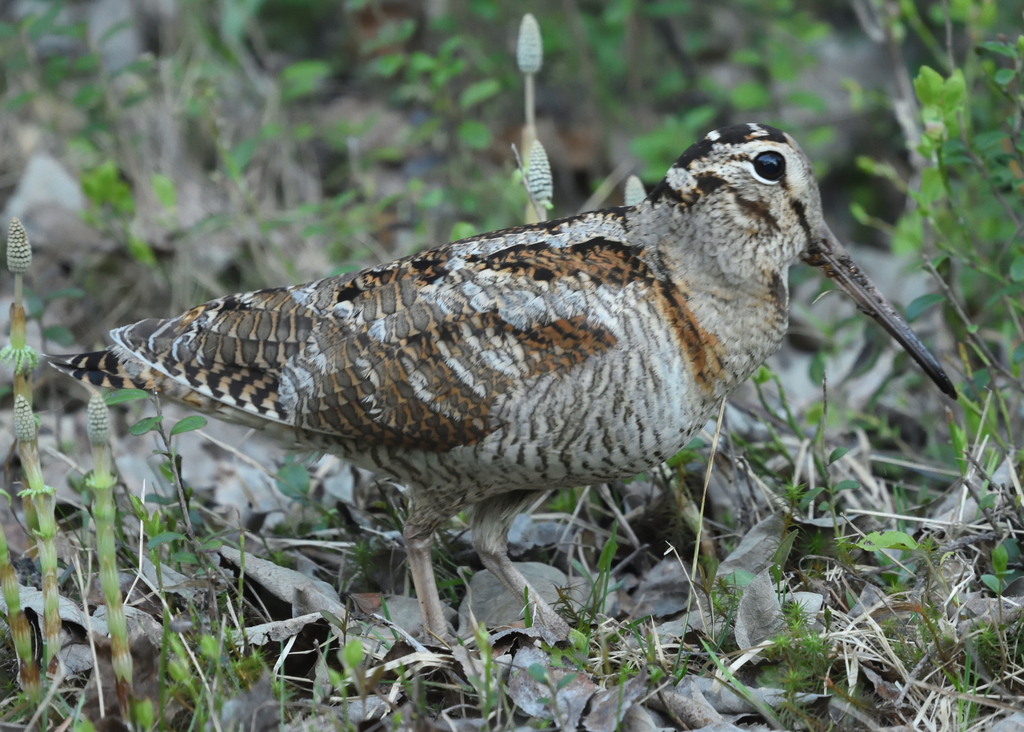
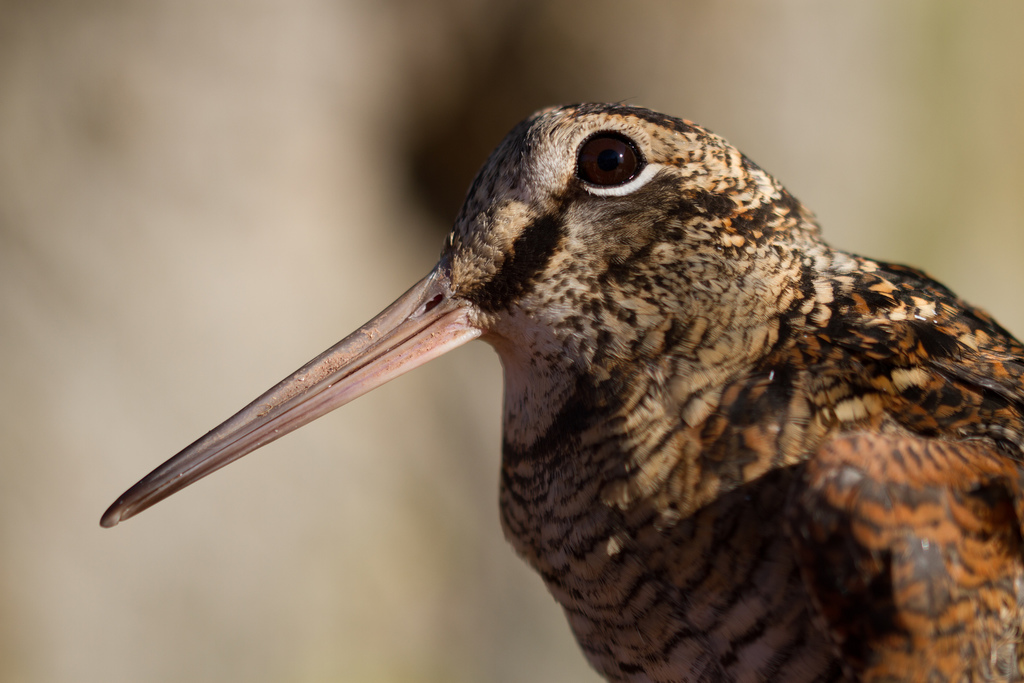
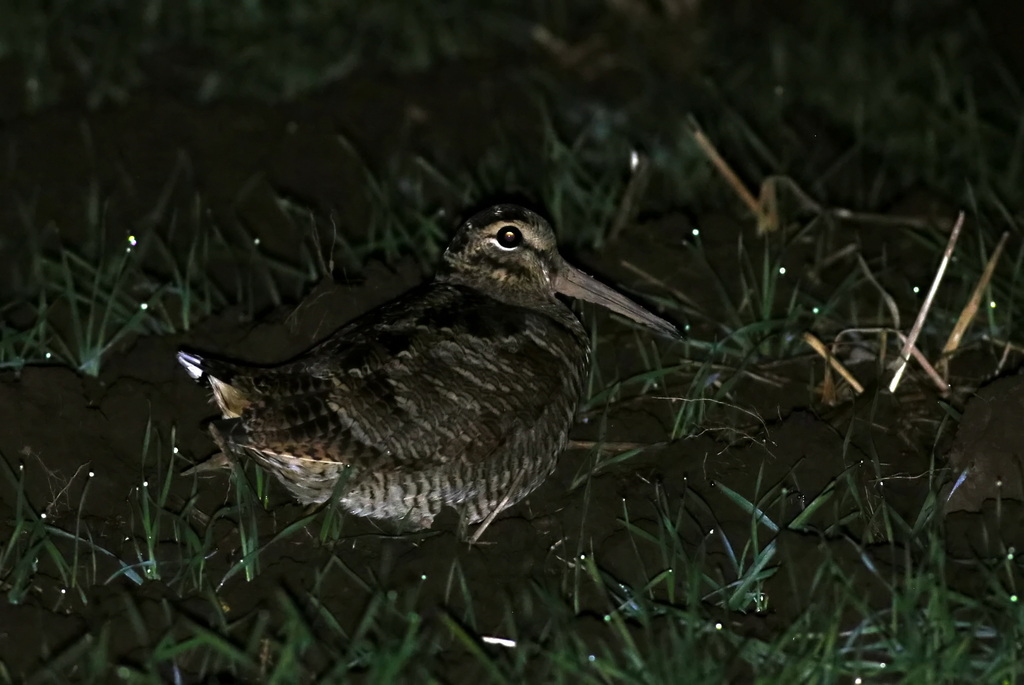
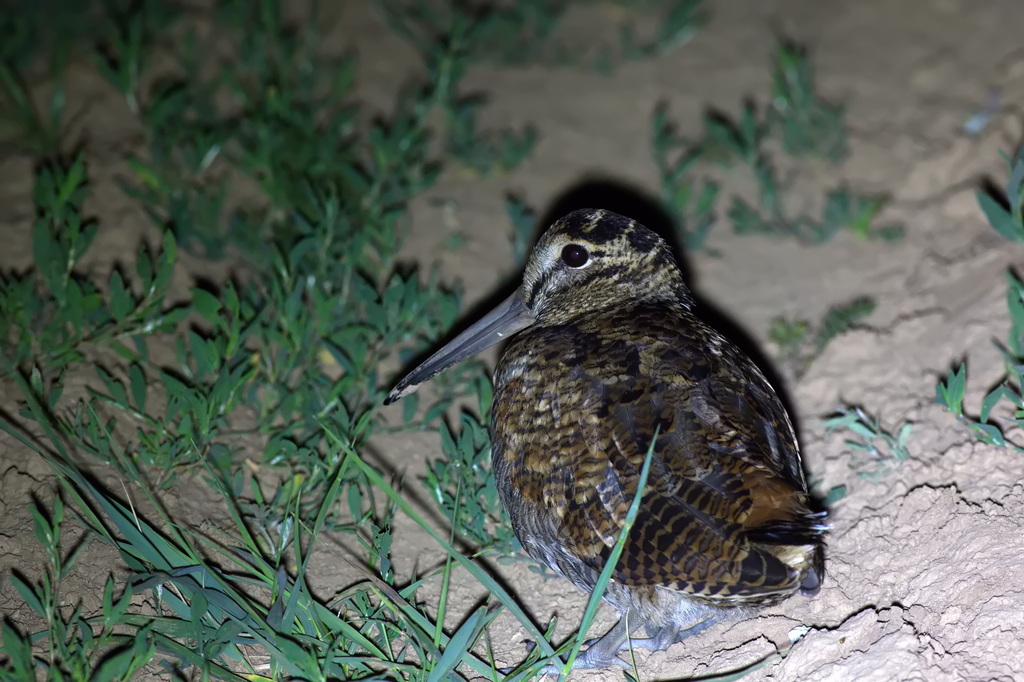
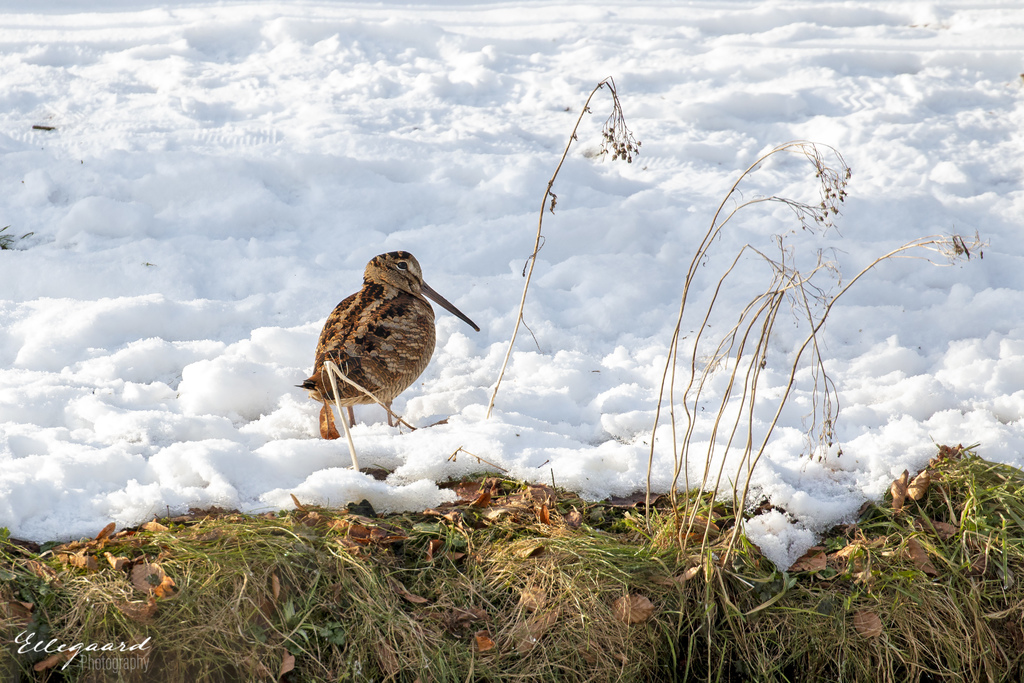
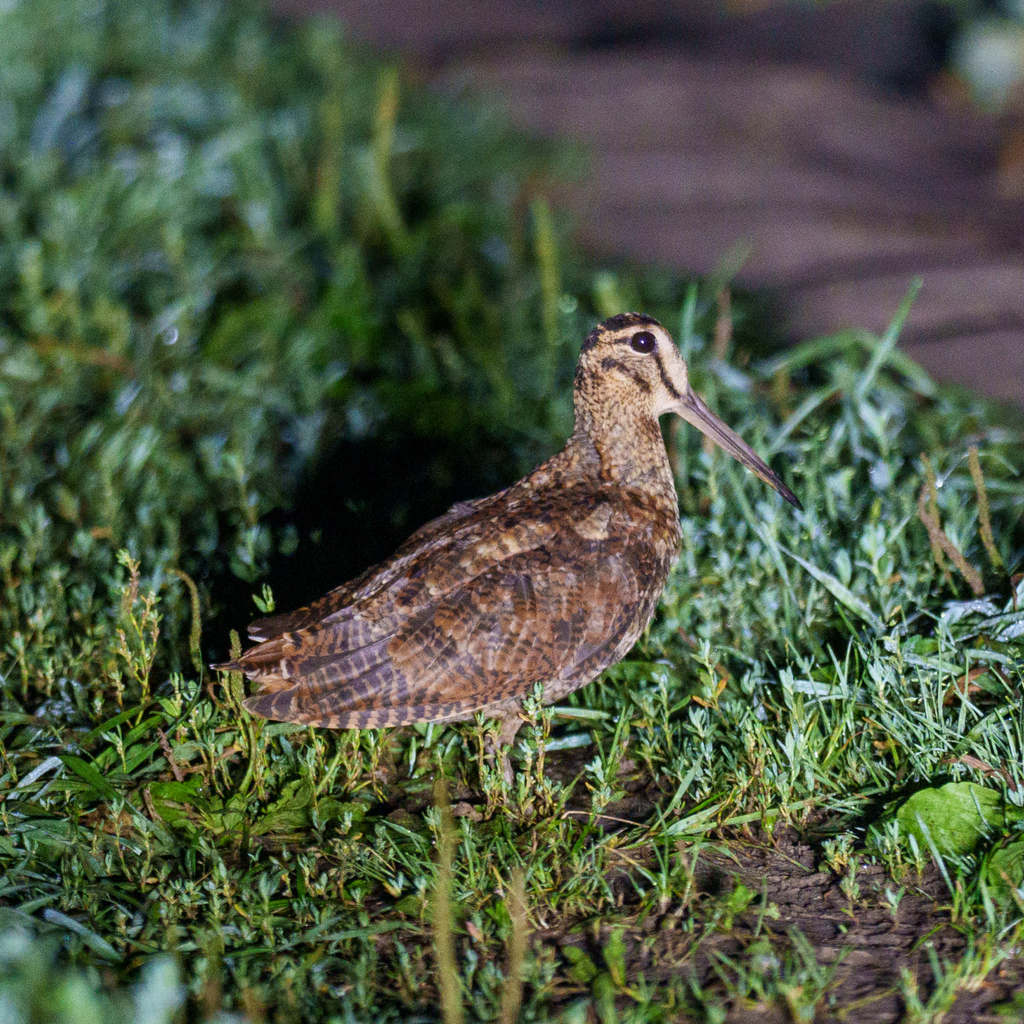
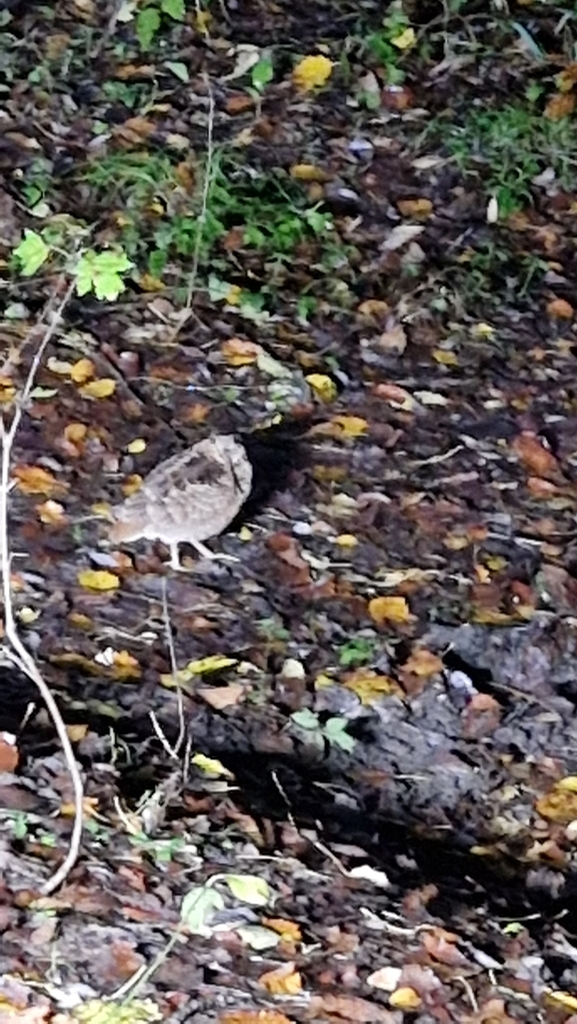
La chocha perdiz es una limícola relativamente grande, de largo pico, patas bastante cortas y grandes ojos oscuros, muy desplazados hacia atrás y hacia arriba en la cabeza. Posee un plumaje extremadamente críptico, dominado por los tonos marrones y rojizos, que en el dorso adquieren una notable complejidad, con un diseño abigarrado de barrados, punteados y manchas de diferente tonalidad. Las regiones ventrales son de tonos cremosos, con abundantes estrías transversales de color más oscuro. Los adultos y los jóvenes son prácticamente idénticos. En vuelo resulta más pesada que otras especies cercanas y se caracteriza por sus alas redondeadas y su silueta masiva. Es un ave reacia a volar, pues confía plenamente en las virtudes de su mimética librea, pero, si siente una amenaza próxima, emprende un vuelo errático y zigzagueante a baja altura entre los árboles.A relatively large, forest-dwelling wader with short legs and a long bill. It has incredibly cryptic plumage of reddish-brown, buff, and black, making it nearly invisible on the forest floor. Its large eyes are set far back on its head, giving it 360-degree vision. It is famous for its 'roding' display flight at dusk. Reluctant to fly, it relies on its camouflage but will burst into a silent, zig-zagging flight between trees if disturbed.
DistribuciónDistribution
Su distribución como reproductora se restringe en la Península a la húmeda franja norteña, desde Galicia hasta Cataluña, así como a ciertos bosques serranos del Sistema Ibérico y Sistema Central. Cría además en las islas de Gran Canaria, Tenerife, La Gomera, El Hierro y La Palma. En Baleares se ha citado su posible reproducción. En invierno, su distribución resulta más amplia, ya que ocupa lugares propicios de casi toda la Península y Baleares, aunque es más abundante en el norte y en la mitad occidental de aquella, y siempre vinculada a ambientes forestales, frescos y húmedos. Además, la población nativa se ve reforzada con un importante contingente de aves llegadas desde el norte y el centro europeo.Breeds along the humid northern strip (Galicia to Catalonia) and certain mountains in the Iberian and Central Systems. Also resident in the Canary Islands (forested islands). Widespread winterer in humid woodlands throughout the Peninsula and Balearics.
Textos reproducidos con permiso de laTexts translated and reproduced with permission from the Guía de Aves de España © SEO/BirdLife
Estado de conservaciónConservation Status
- EX
- RE
- CR
- EN
- VU
- NT
- LC
DD
Datos insuficientesData Deficient
Qué significa cada categoríaWhat each category means
- LC
- Preocupación menor: Taxón evaluado que no califica para categorías amenazadas. Especies abundantes y ampliamente distribuidasLeast Concern - Evaluated taxon that does not qualify for threatened categories. Widespread and abundant taxa
- NT
- Casi amenazada: No califica actualmente como amenazada, pero está cerca de calificar o es probable que califique en el futuro cercanoNear Threatened - Does not currently qualify as threatened, but is close to qualifying or likely to qualify in the near future
- VU
- Vulnerable: Enfrenta un alto riesgo de extinción en estado silvestre según los criterios A a E de IUCNVulnerable - Facing a high risk of extinction in the wild based on IUCN criteria A to E
- EN
- En peligro: Enfrenta un riesgo muy alto de extinción en estado silvestre según los criterios A a E de IUCNEndangered - Facing a very high risk of extinction in the wild based on IUCN criteria A to E
- CR
- En peligro crítico: Enfrenta un riesgo extremadamente alto de extinción en estado silvestre según los criterios A a E de IUCNCritically Endangered - Facing an extremely high risk of extinction in the wild based on IUCN criteria A to E
- DD
- Datos insuficientes: Información inadecuada para evaluar el riesgo de extinción basándose en distribución o estado poblacionalData Deficient - Inadequate information to assess extinction risk based on distribution and/or population status
- NE
- No evaluada: No ha sido evaluada aún contra los criterios de la Lista Roja de IUCNNot Evaluated - Has not yet been assessed against the IUCN Red List criteria
- RE
- Extinta regionalmente: El taxón ya no existe en la región específica, aunque puede sobrevivir en otros lugaresRegionally Extinct - Taxon no longer exists in the specific region, though it may survive elsewhere
- EX
- Extinta - No existe duda razonable de que ha muerto el último individuo del taxónExtinct - No reasonable doubt that the last individual of the taxon has died
TaxonomíaTaxonomy
- OrdenOrder
- Charadriiformes
- FamiliaFamily
- Scolopacidae
Presencia en EspañaPresence in Spain
- HabitualRegular
- InvernanteWinter visitor
- ResidenteResident
En la app: todo el año.In the app: all year.
Dónde verlaWhere to see it
818 cuadrículas de 10 km con registros de 2020 a 2024. Toca un mes para ver dónde se ha visto.818 10 km squares with records from 2020 to 2024. Pick a month to see where it has been seen.
Cargando el mapa…Loading the map…
Dónde es regularWhere it is regular
Provincias con registros en al menos 3 de los 5 años algún mes, de más a menos frecuente, y sus mejores meses.Provinces with records in at least 3 of the 5 years in some month, from most to least frequent, and their best months.
- Santa Cruz de TenerifeSanta Cruz de Tenerifejulio, agosto, septiembreJuly, August, September
- ÁlavaÁlavaenero, diciembreJanuary, December
- AlbaceteAlbacetediciembreDecember
- LleidaLleidadiciembre, enero, febreroDecember, January, February
- CuencaCuencadiciembre, marzo, noviembreDecember, March, November
- NavarraNavarradiciembre, enero, noviembreDecember, January, November
- HuescaHuescadiciembre, mayo, noviembreDecember, May, November
- TeruelTeruelfebrero, eneroFebruary, January
- VizcayaVizcayadiciembre, noviembre, eneroDecember, November, January
- GironaGironafebrero, enero, noviembreFebruary, January, November
Ver las 44 provinciasSee all 44 provinces
- BalearesBalearic Islandsenero, diciembre, febreroJanuary, December, February
- BurgosBurgosdiciembre, enero, febreroDecember, January, February
- AsturiasAsturiasnoviembre, diciembre, marzoNovember, December, March
- MálagaMálagadiciembre, enero, febreroDecember, January, February
- LeónLeóndiciembre, noviembreDecember, November
- SoriaSoriadiciembre, noviembre, febreroDecember, November, February
- La RiojaLa Riojadiciembre, marzoDecember, March
- SalamancaSalamancadiciembre, enero, febreroDecember, January, February
- GuipúzcoaGuipúzcoanoviembre, diciembre, eneroNovember, December, January
- GuadalajaraGuadalajaranoviembreNovember
- ZaragozaZaragozaenero, diciembre, febreroJanuary, December, February
- BarcelonaBarcelonadiciembre, enero, noviembreDecember, January, November
- ÁvilaÁvilafebrero, enero, diciembreFebruary, January, December
- LugoLugodiciembreDecember
- Ciudad RealCiudad Realnoviembre, febrero, marzoNovember, February, March
- A CoruñaA Coruñadiciembre, noviembre, eneroDecember, November, January
- PontevedraPontevedradiciembre, eneroDecember, January
- CastellónCastellóneneroJanuary
- CáceresCáceresdiciembre, febrero, noviembreDecember, February, November
- ZamoraZamoraenero, diciembreJanuary, December
- ValladolidValladoliddiciembre, marzoDecember, March
- BadajozBadajozdiciembre, noviembre, marzoDecember, November, March
- CórdobaCórdobadiciembreDecember
- TarragonaTarragonadiciembre, enero, noviembreDecember, January, November
- Las PalmasLas PalmasagostoAugust
- AlmeríaAlmeríadiciembreDecember
- MadridMadridenero, diciembre, febreroJanuary, December, February
- CantabriaCantabriamarzo, febrero, octubreMarch, February, October
- JaénJaéneneroJanuary
- HuelvaHuelvadiciembre, febreroDecember, February
- ValenciaValenciaenero, febreroJanuary, February
- SevillaSevilladiciembreDecember
- CádizCádizenero, diciembreJanuary, December
- AlicanteAlicanteenero, febreroJanuary, February
Datos: registros en GBIF de 2020 a 2024 de Observation.org, eBird, iNaturalist y el ICO, descargados el 23/10/2026.Data: GBIF records from 2020 to 2024 from Observation.org, eBird, iNaturalist and the ICO, downloaded on 23/10/2026. GBIF.org (23 October 2026) GBIF Occurrence Download · doi:10.15468/dl.r5sf2a · CC BY-NC 4.0
GaleríaGallery
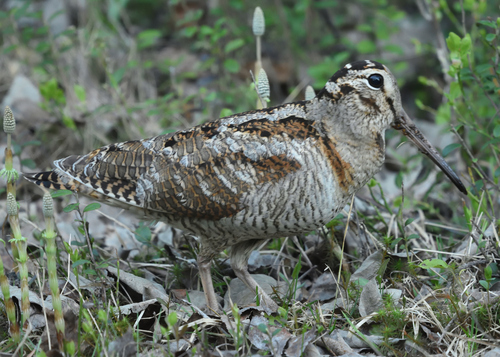
© Guy Babineau · CC BY · iNaturalist 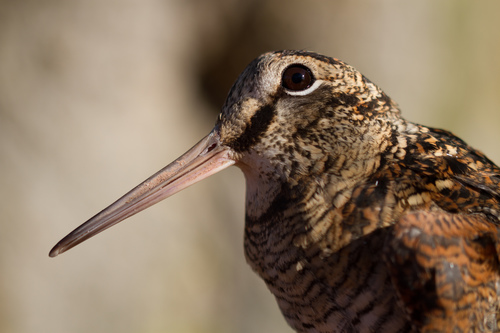
© Claude Kolwelter · CC BY · iNaturalist 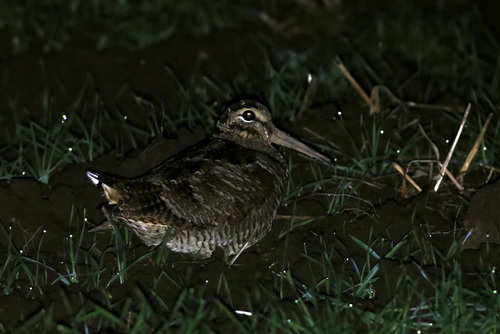
© Вячеслав Юсупов · CC BY · iNaturalist 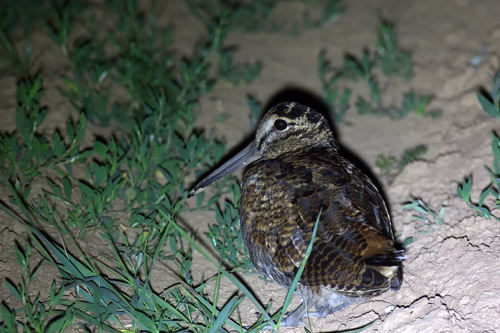
© Вячеслав Юсупов · CC BY · iNaturalist 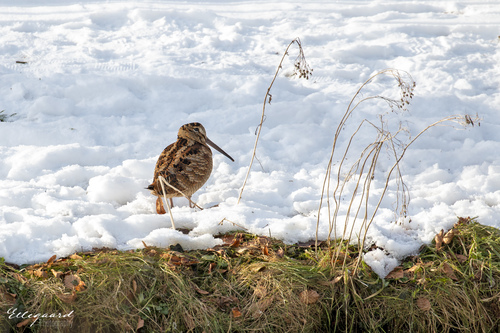
© Tina Ellegaard Poulsen · CC BY · iNaturalist 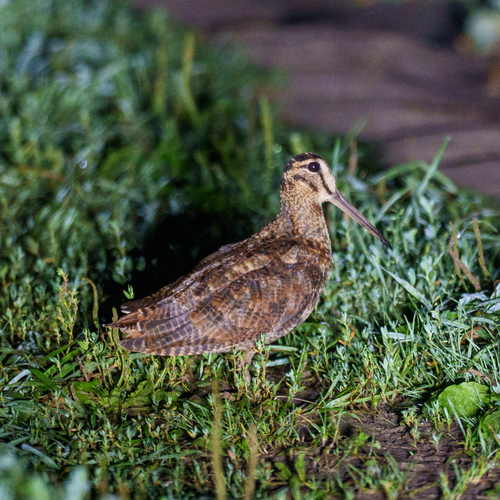
© Шальнов Кирилл · CC BY · iNaturalist 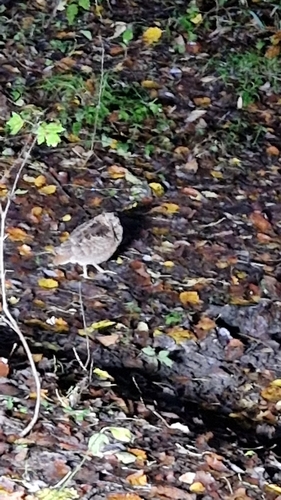
© Алена Ручка · CC BY · iNaturalist
Especies relacionadasRelated species
Otras aves de la familia Scolopacidae y de órdenes cercanos.Other birds from the Scolopacidae family and nearby orders.
- Poco comúnUncommon
 Aguja colinegraBlack-tailed GodwitLimosa limosa
- Poco comúnUncommon
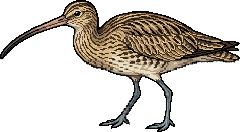 Zarapito realEurasian CurlewNumenius arquata
- Poco comúnUncommon
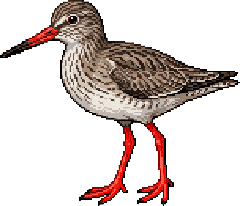 Archibebe comúnCommon RedshankTringa totanus
- ComúnCommon
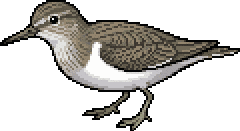 Andarríos chicoCommon SandpiperActitis hypoleucos
- LegendarioLegendary
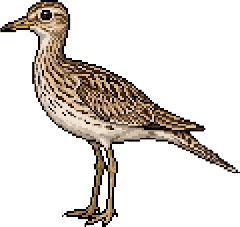 Correlimos batitúUpland SandpiperBartramia longicauda
- Poco comúnUncommon
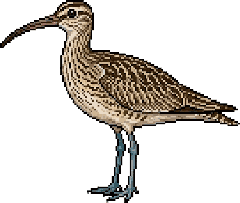 Zarapito trinadorWhimbrelNumenius phaeopus
- LegendarioLegendary
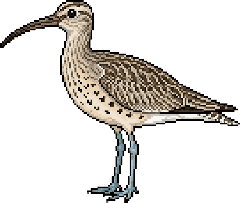 Zarapito finoSlender-billed CurlewNumenius tenuirostris
- Poco comúnUncommon
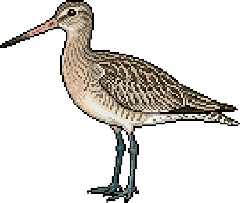 Aguja colipintaBar-tailed GodwitLimosa lapponica
 Gratis, sin anuncios ni comprasFree, no ads, no purchases