 BirdPedy
Archibebe patigualdo grandeGreater Yellowlegs
En 1 provincia en noviembre y sin registros 10 meses del añoIn 1 province in November, and no records in 10 months of the year
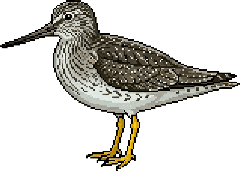
Reporte de rarezaRarity report
Por qué es legendarioWhy it is legendaryRareza americana de gran tamaño y patas amarillas brillantes. Su detección en España es un evento excepcional de gran interés.Large American rarity with bright yellow legs. Detection in Spain is exceptional event of great interest.
Cada carrizo es un mes: su altura, las provincias con registros de 2020 a 2024.Each reed is a month: its height, the provinces with records from 2020 to 2024.- Provincias con registrosProvinces with records
- 1 de 52of 52
- EnvergaduraWingspan
- 70-74 cm70-74 cm
- LongitudLength
- 29-31 cm29-31 cm
- Lista Roja de EspañaSpanish Red List
- NE No evaluada en EspañaNot assessed in Spain

IdentificaciónIdentification
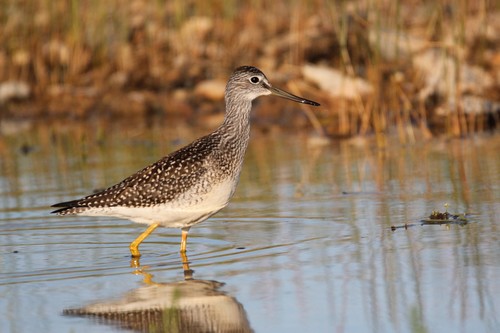
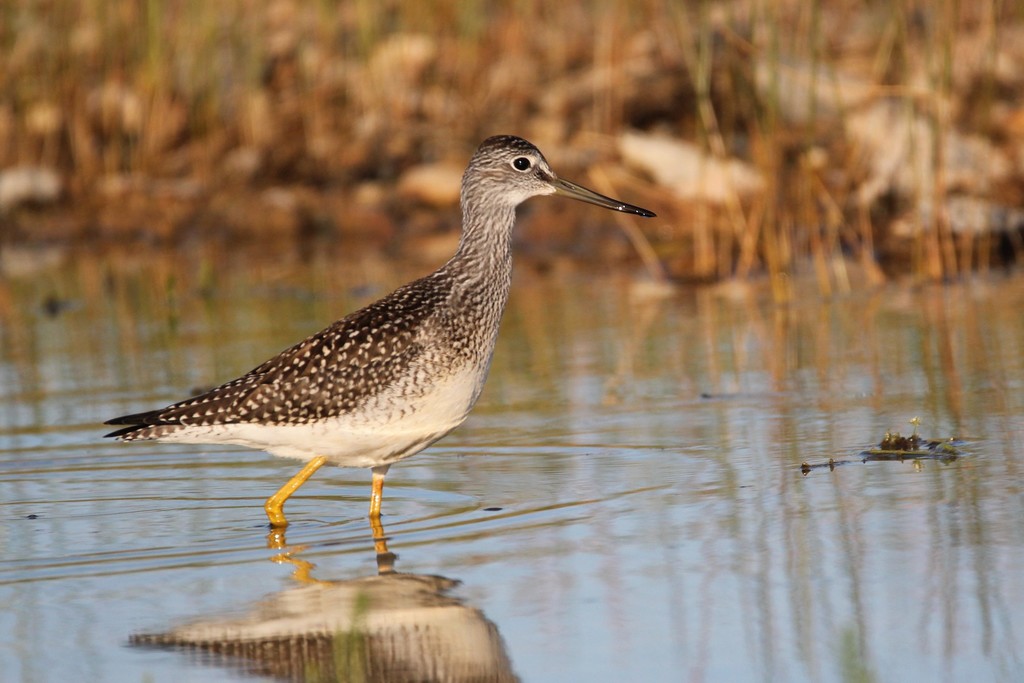
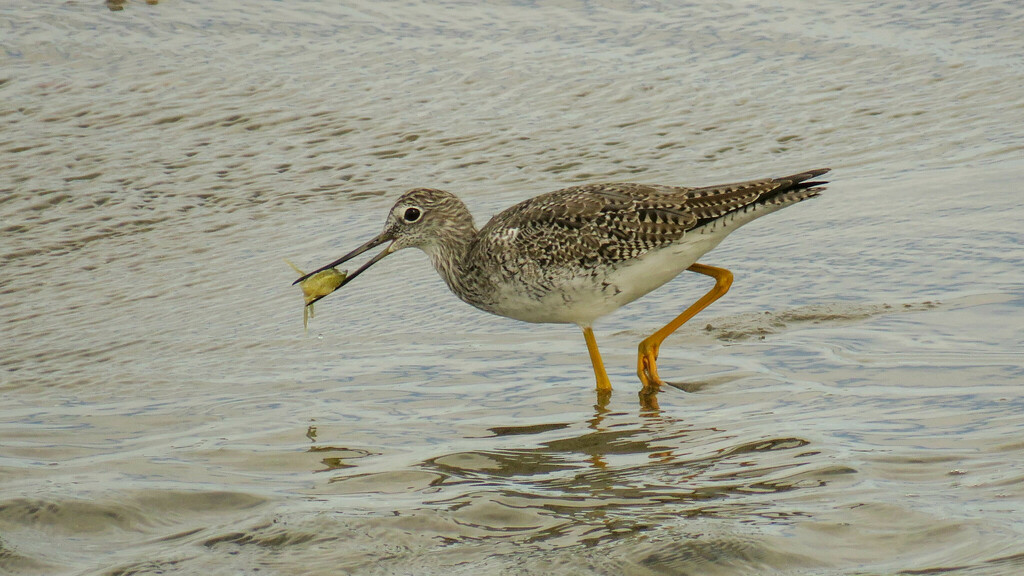
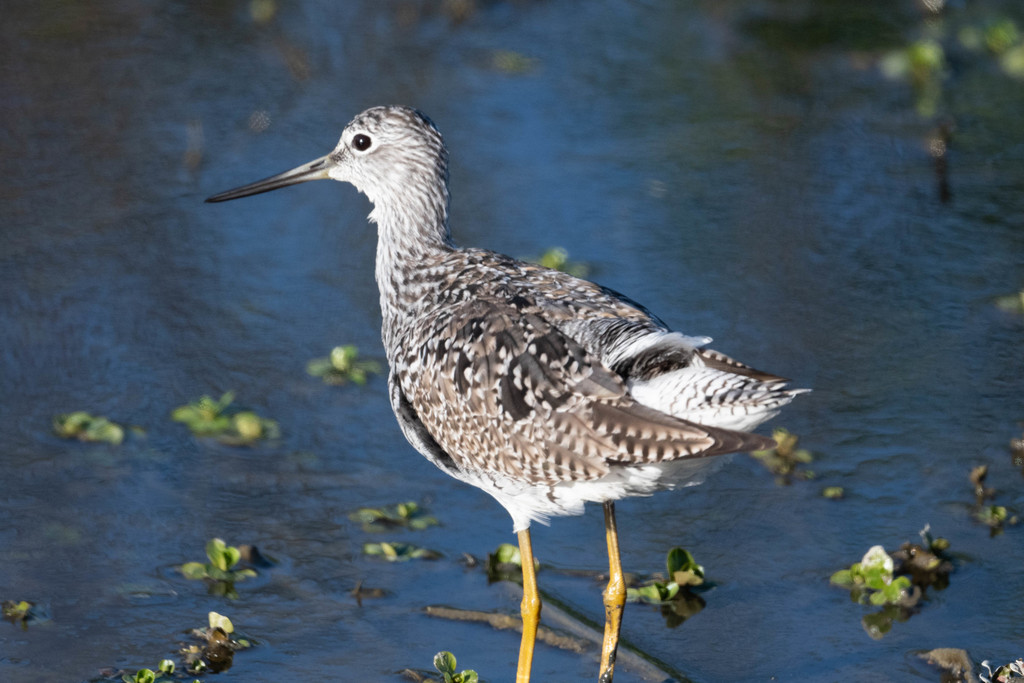
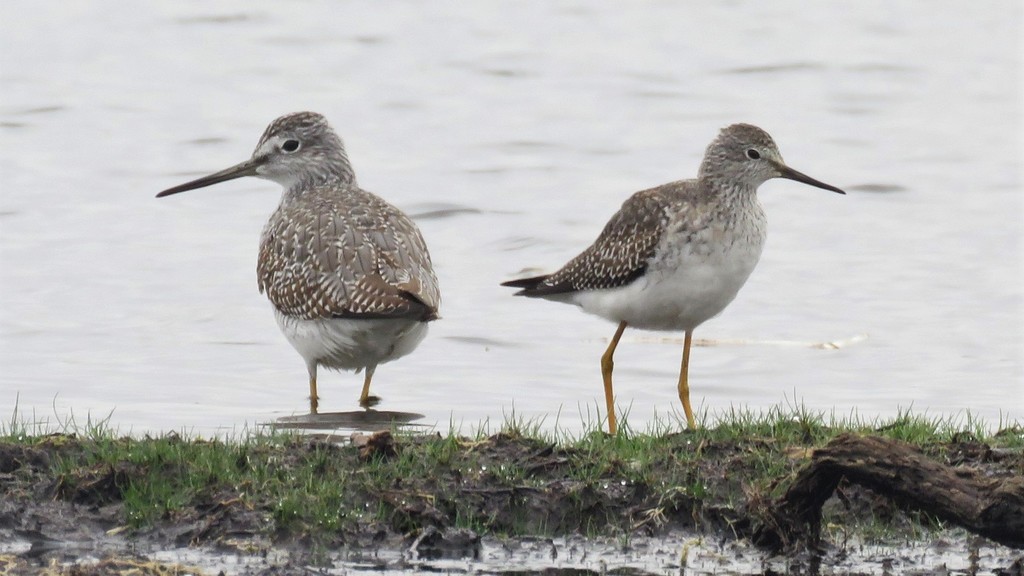
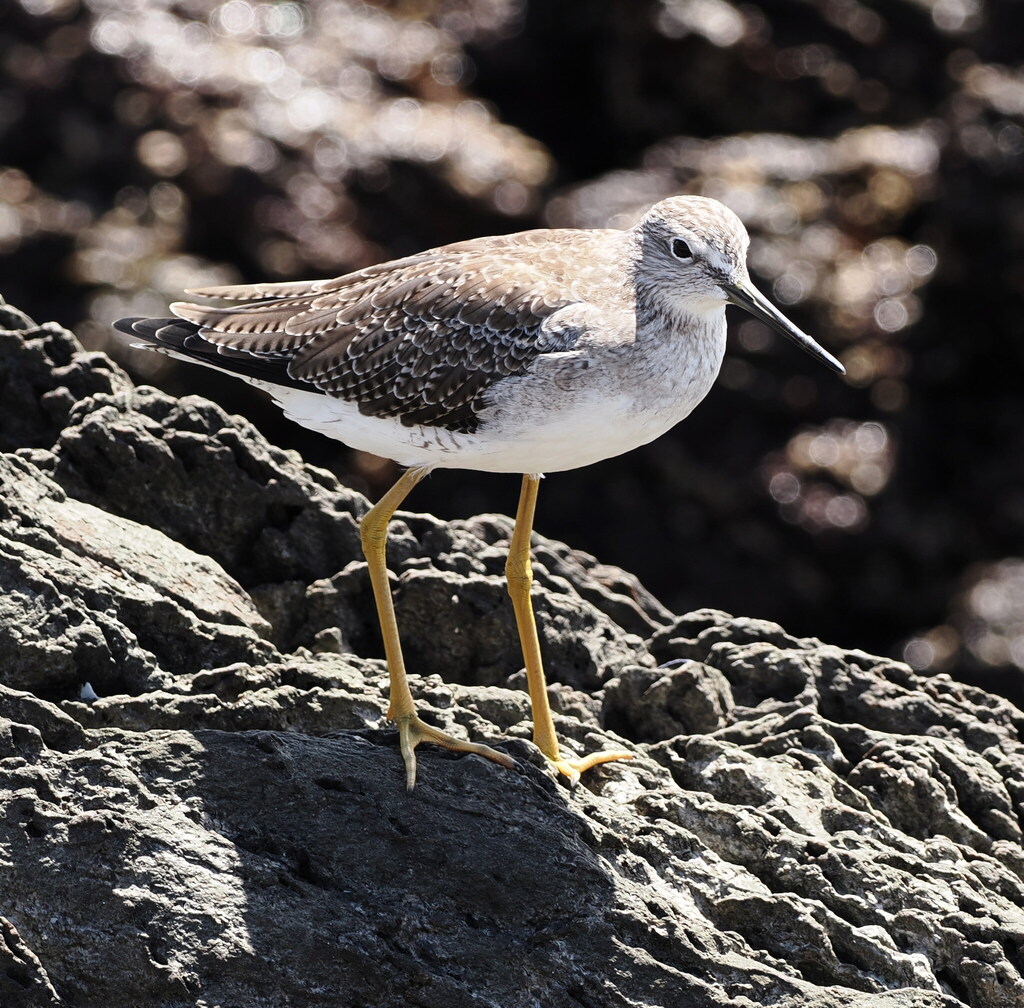
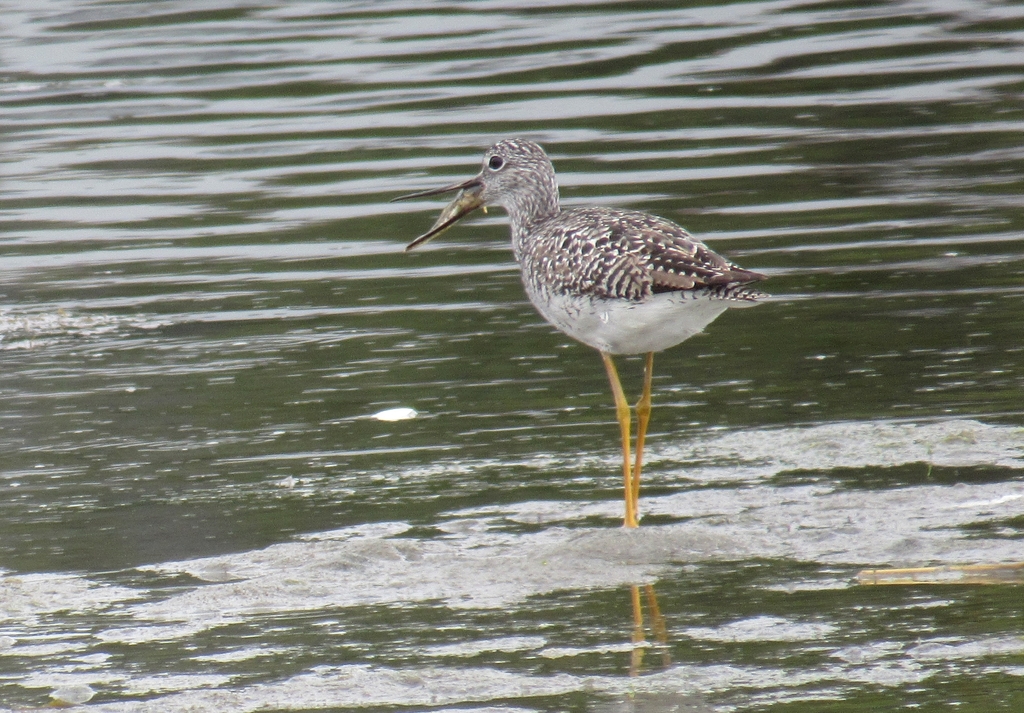
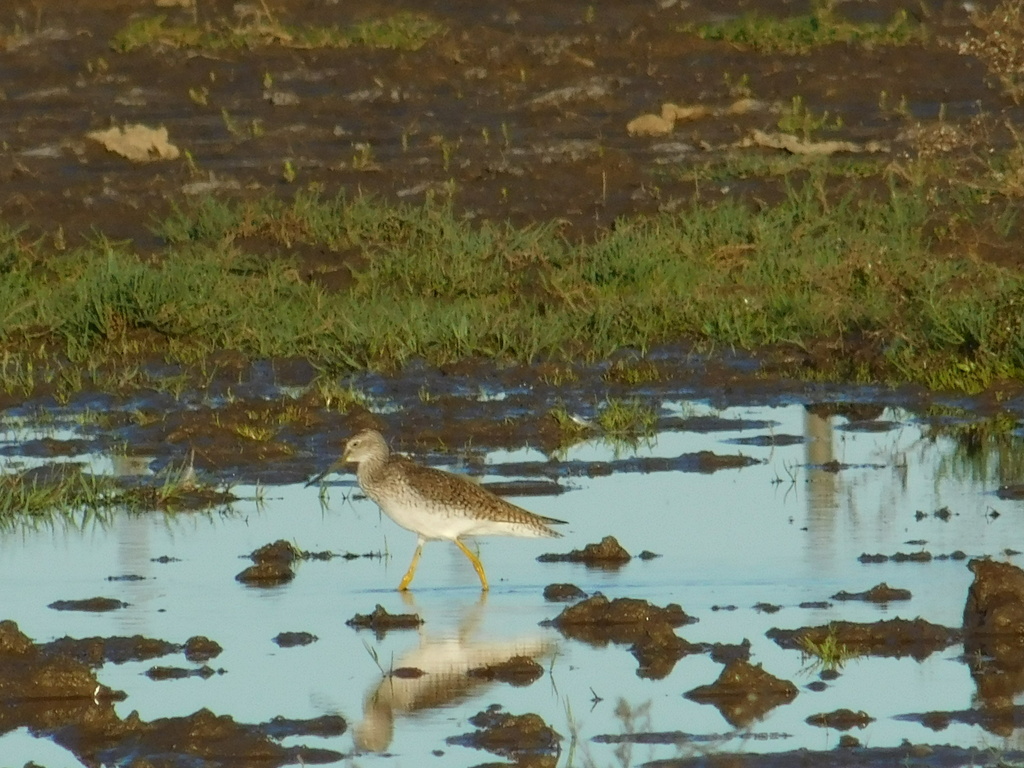
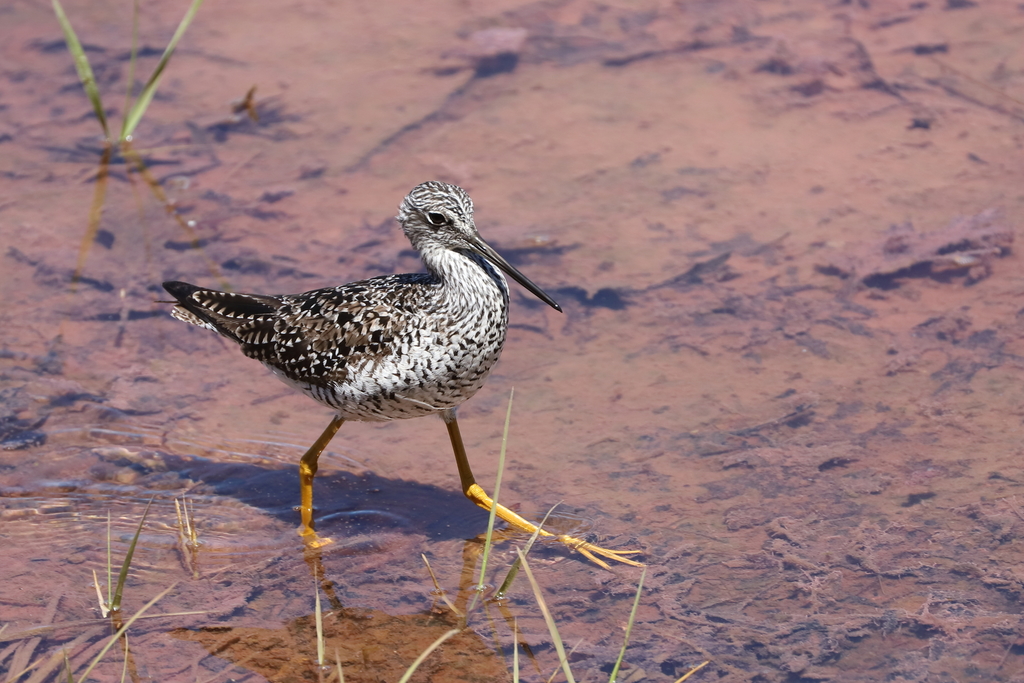
El archibebe patigualdo grande tiene un tamaño próximo al del archibebe claro, al que también recuerda por su pico, largo y algo curvado hacia arriba. Sin embargo, posee patas de color amarillo vivo, no verdes, y dorso gris, en lugar de blanco. El archibebe patigualdo chico es mucho menor y tiene un pico más corto, fino y recto.A large shorebird, very similar to the Common Greenshank but with bright yellow legs and a long, sturdy bill that is more distinctly up-curved. It is significantly larger than its 'Lesser' cousin and has a different, louder four-note call. It originates from the Canadian Arctic forest and is an exceptionally rare accidental visitor to Europe, being much less frequent than the Lesser Yellowlegs.
DistribuciónDistribution
Se trata de un divagante poco común en Europa, con la mayoría de las citas en las islas Británicas y predominio de las de verano – otoño (hay un pico desde finales de agosto hasta primeros de octubre). Sólo existen siete registros homologados en España, de los que cuatro proceden de Galicia y los otros tres de Andalucía, Baleares y Canarias. Los avistamientos se reparten bastante en el calendario: dos son de primavera, cuatro de otoño y uno se refiere a una larga estancia invernal.Very rare accidental visitor from North America. Only seven homologated records for Spain: Galicia (4), Andalusia, Baleares, and Canarias. Records in spring and autumn.
Textos reproducidos con permiso de laTexts translated and reproduced with permission from the Guía de Aves de España © SEO/BirdLife
Estado de conservaciónConservation Status
- EX
- RE
- CR
- EN
- VU
- NT
- LC
NE
No evaluada en EspañaNot assessed in Spain
Sin categoría en el Libro Rojo de las Aves de España 2021No category in the Red Book of the Birds of Spain 2021
Qué significa cada categoríaWhat each category means
- LC
- Preocupación menor: Taxón evaluado que no califica para categorías amenazadas. Especies abundantes y ampliamente distribuidasLeast Concern - Evaluated taxon that does not qualify for threatened categories. Widespread and abundant taxa
- NT
- Casi amenazada: No califica actualmente como amenazada, pero está cerca de calificar o es probable que califique en el futuro cercanoNear Threatened - Does not currently qualify as threatened, but is close to qualifying or likely to qualify in the near future
- VU
- Vulnerable: Enfrenta un alto riesgo de extinción en estado silvestre según los criterios A a E de IUCNVulnerable - Facing a high risk of extinction in the wild based on IUCN criteria A to E
- EN
- En peligro: Enfrenta un riesgo muy alto de extinción en estado silvestre según los criterios A a E de IUCNEndangered - Facing a very high risk of extinction in the wild based on IUCN criteria A to E
- CR
- En peligro crítico: Enfrenta un riesgo extremadamente alto de extinción en estado silvestre según los criterios A a E de IUCNCritically Endangered - Facing an extremely high risk of extinction in the wild based on IUCN criteria A to E
- DD
- Datos insuficientes: Información inadecuada para evaluar el riesgo de extinción basándose en distribución o estado poblacionalData Deficient - Inadequate information to assess extinction risk based on distribution and/or population status
- NE
- No evaluada: No ha sido evaluada aún contra los criterios de la Lista Roja de IUCNNot Evaluated - Has not yet been assessed against the IUCN Red List criteria
- RE
- Extinta regionalmente: El taxón ya no existe en la región específica, aunque puede sobrevivir en otros lugaresRegionally Extinct - Taxon no longer exists in the specific region, though it may survive elsewhere
- EX
- Extinta - No existe duda razonable de que ha muerto el último individuo del taxónExtinct - No reasonable doubt that the last individual of the taxon has died
TaxonomíaTaxonomy
- OrdenOrder
- Charadriiformes
- FamiliaFamily
- Scolopacidae
Presencia en EspañaPresence in Spain
- De pasoPassage migrant
- OcasionalOccasional
Revisión científica de BirdPedyBirdPedy scientific review
Revisada por BirdPedy el 28/10/2026 ·Reviewed by BirdPedy on 28 October 2026 · Cómo revisamosHow we review
RarezaRarity
Entre 2020 y 2024 se vio en España en una sola ocasión, de 3 días, en 1 de los 5 años (datos de eBird y iNaturalist publicados en GBIF) [1, 2]. Cada ocasión junta los registros de una misma cuadrícula de 10 km y sus 8 vecinas sin un hueco de más de 14 días, así que un ave que pasa semanas en el mismo sitio cuenta una sola vez.
En BirdPedy es legendaria, el nivel de las especies con 5 ocasiones o menos en 5 años.
Between 2020 and 2024 it was seen in Spain on a single occasion, lasting 3 days, in 1 of the 5 years (data from eBird and iNaturalist published on GBIF) [1, 2]. Each occasion groups the records in the same 10 km square and its 8 neighbours with no gap of more than 14 days, so a bird that stays for weeks in the same place counts only once.
In BirdPedy it is legendary, the level for species with 5 occasions or fewer in 5 years.
ReferenciasReferences
- GBIF.org (23/10/2026). Descarga de registros de aves de España, 2020-2024, con el día y la cuadrícula de 10 km de cada uno, para contar ocasiones y días.GBIF.org (23 October 2026). Occurrence download of birds in Spain, 2020-2024, with the day and 10 km square of each record, to count occasions and days. doi.org/10.15468/dl.bqdmdt
- GBIF.org (23/10/2026). Descarga de registros de aves de España, 2020-2024 (Observation.org, eBird, iNaturalist e ICO).GBIF.org (23 October 2026). Occurrence download of birds in Spain, 2020-2024 (Observation.org, eBird, iNaturalist and ICO). doi.org/10.15468/dl.r5sf2a
Dónde verlaWhere to see it
2 cuadrículas de 10 km con registros de 2020 a 2024. Toca un mes para ver dónde se ha visto.2 10 km squares with records from 2020 to 2024. Pick a month to see where it has been seen.
Cargando el mapa…Loading the map…
Dónde es regularWhere it is regular
En ninguna provincia hay registros en 3 de los 5 años en el mismo mes: es una visitante ocasional.No province has records in 3 of the 5 years in the same month: it is an occasional visitor.
Datos: registros en GBIF de 2020 a 2024 de Observation.org, eBird, iNaturalist y el ICO, descargados el 23/10/2026.Data: GBIF records from 2020 to 2024 from Observation.org, eBird, iNaturalist and the ICO, downloaded on 23/10/2026. GBIF.org (23 October 2026) GBIF Occurrence Download · doi:10.15468/dl.r5sf2a · CC BY-NC 4.0
GaleríaGallery
© Quinten Wiegersma · CC BY · iNaturalist 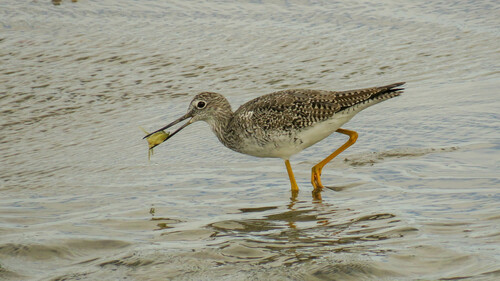
© Ariadna Tripaldi · CC BY · iNaturalist 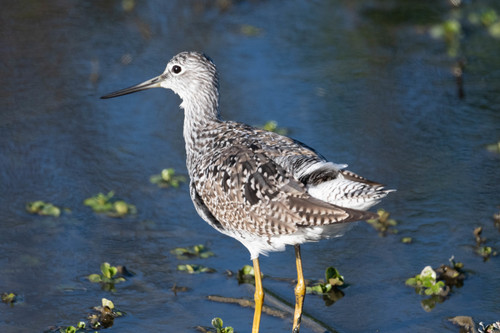
© Jonathan Eisen · CC BY · iNaturalist 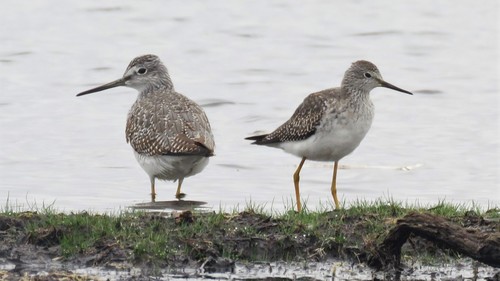
© Dan MacNeal · CC BY · iNaturalist 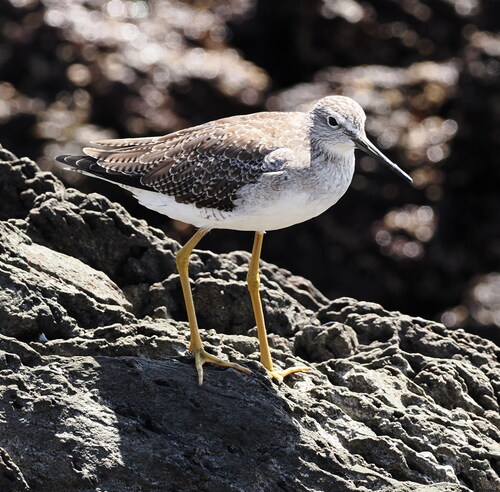
© Rosario Douglas · CC BY · iNaturalist 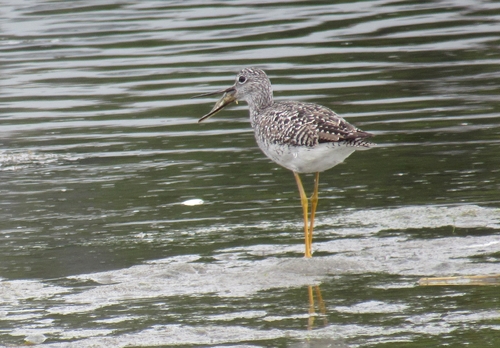
© Brett/Tele · CC BY · iNaturalist 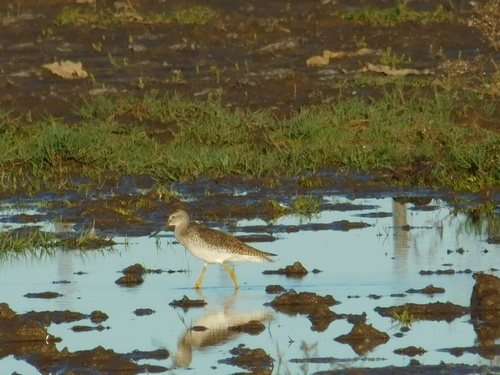
© Pablo Bombín · CC BY · iNaturalist 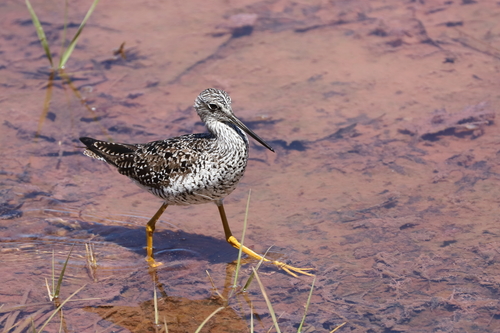
© Doug Brush · CC BY · iNaturalist
Especies relacionadasRelated species
Otras aves de la familia Scolopacidae y de órdenes cercanos.Other birds from the Scolopacidae family and nearby orders.
- ComúnCommon
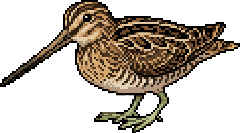 Agachadiza comúnCommon SnipeGallinago gallinago
- Poco comúnUncommon
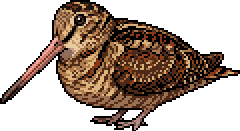 Chocha perdizEurasian WoodcockScolopax rusticola
- Poco comúnUncommon
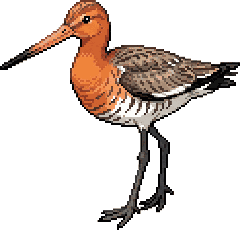 Aguja colinegraBlack-tailed GodwitLimosa limosa
- Poco comúnUncommon
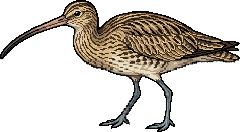 Zarapito realEurasian CurlewNumenius arquata
- Poco comúnUncommon
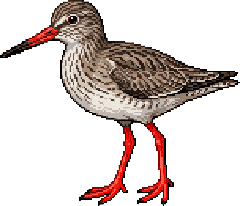 Archibebe comúnCommon RedshankTringa totanus
- ComúnCommon
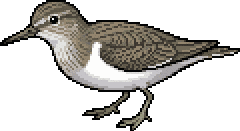 Andarríos chicoCommon SandpiperActitis hypoleucos
- LegendarioLegendary
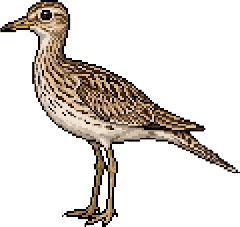 Correlimos batitúUpland SandpiperBartramia longicauda
- Poco comúnUncommon
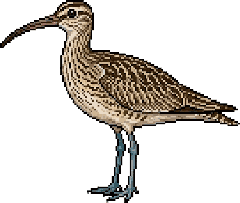 Zarapito trinadorWhimbrelNumenius phaeopus
 Gratis, sin anuncios ni comprasFree, no ads, no purchases