 BirdPedy
Andarríos bastardoWood Sandpiper
En 50 provincias en agosto y en 19 en eneroIn 50 provinces in August and 19 in January
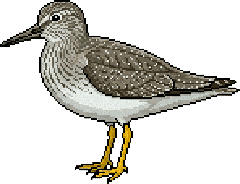
Reporte de rarezaRarity report
Por qué es poco comúnWhy it is uncommonMigrador regular en humedales de agua dulce, charcas y arrozales. Se reconoce por su plumaje moteado y su llamada característica durante el vuelo.Regular migrant in freshwater wetlands, ponds, and rice fields. Recognized by spotted plumage and call.
Cada carrizo es un mes: su altura, las provincias con registros de 2020 a 2024.Each reed is a month: its height, the provinces with records from 2020 to 2024.- Provincias con registrosProvinces with records
- 50 de 52of 52
- En la appIn the app
- Marzo a octubreMarch to October
- EnvergaduraWingspan
- 35-39 cm35-39 cm
- LongitudLength
- 18,5-21 cm18.5-21 cm
- Lista Roja de EspañaSpanish Red List
- DD Datos insuficientesData Deficient

Información generalGeneral Information
Se trata de una limícola muy estilizada que se diferencia de otros andarríos por la mayor longitud de sus patas y cuya presencia resulta relativamente frecuente a lo largo de los pasos migratorios, en especial en zonas costeras y humedales someros de la fachada mediterránea y las islas Baleares.The Wood Sandpiper is the most common of our summer-migrating waders from the north. Unlike its cousin which hides in ditches, the Wood Sandpiper loves open, shallow freshwater marshes. It is exceptionally common in the Mediterranean Levante and the Balearics during the spring. Its loud, rhythmic flight call is one of the soundtracks of the Spanish migration seasons. It is a hardy, wide-ranging traveler that links the Arctic forests with our southern wetlands.
IdentificaciónIdentification
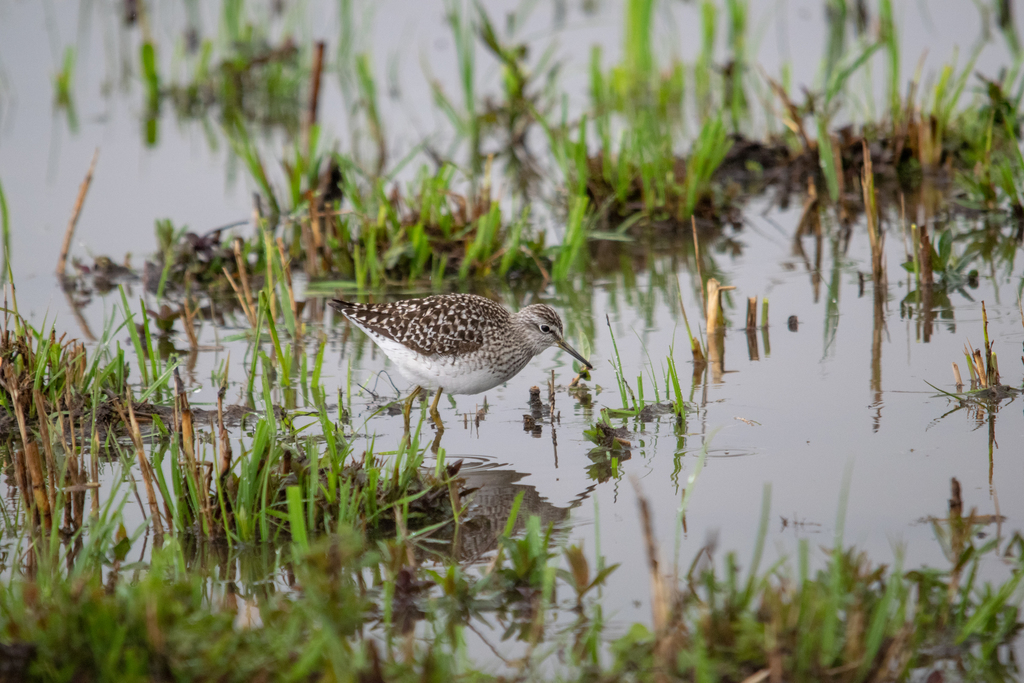
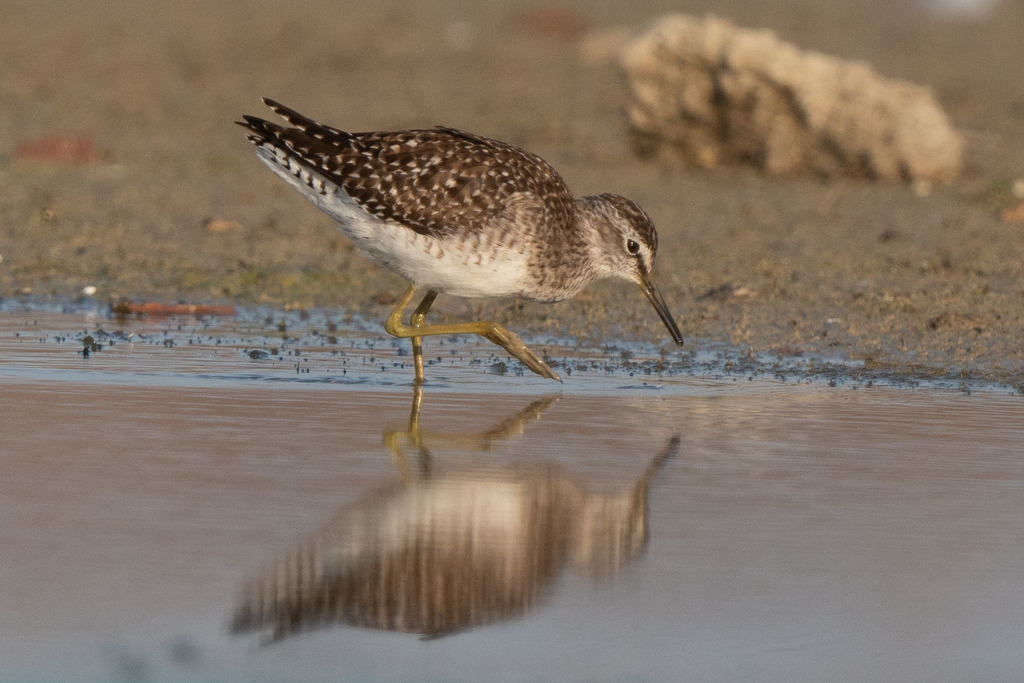
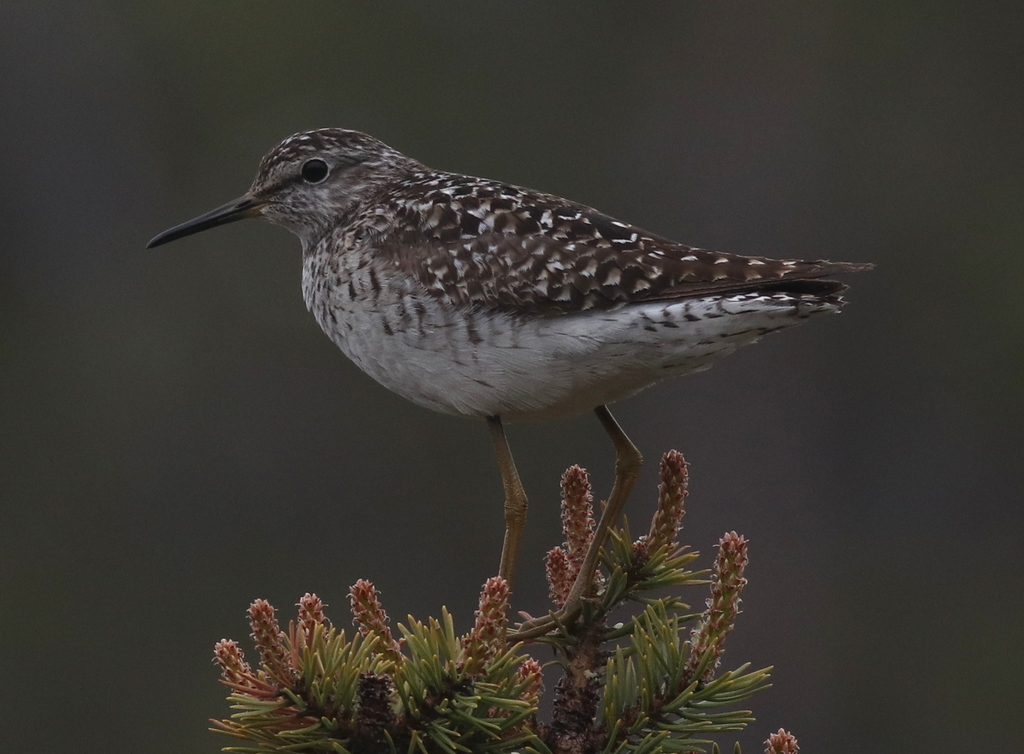
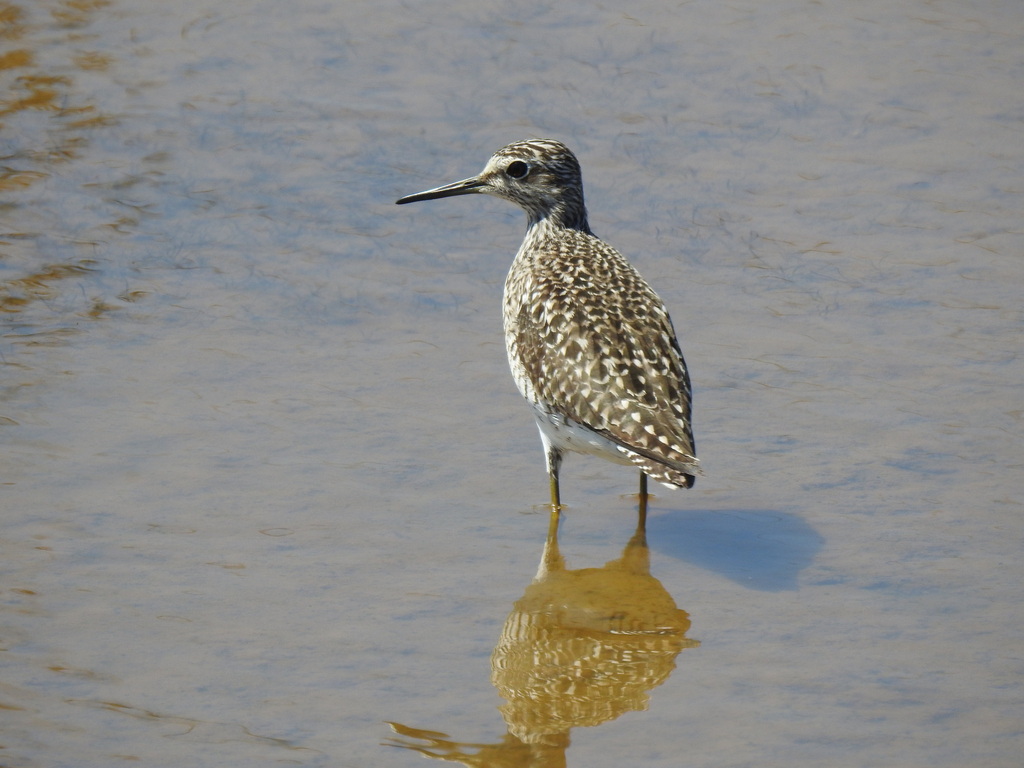
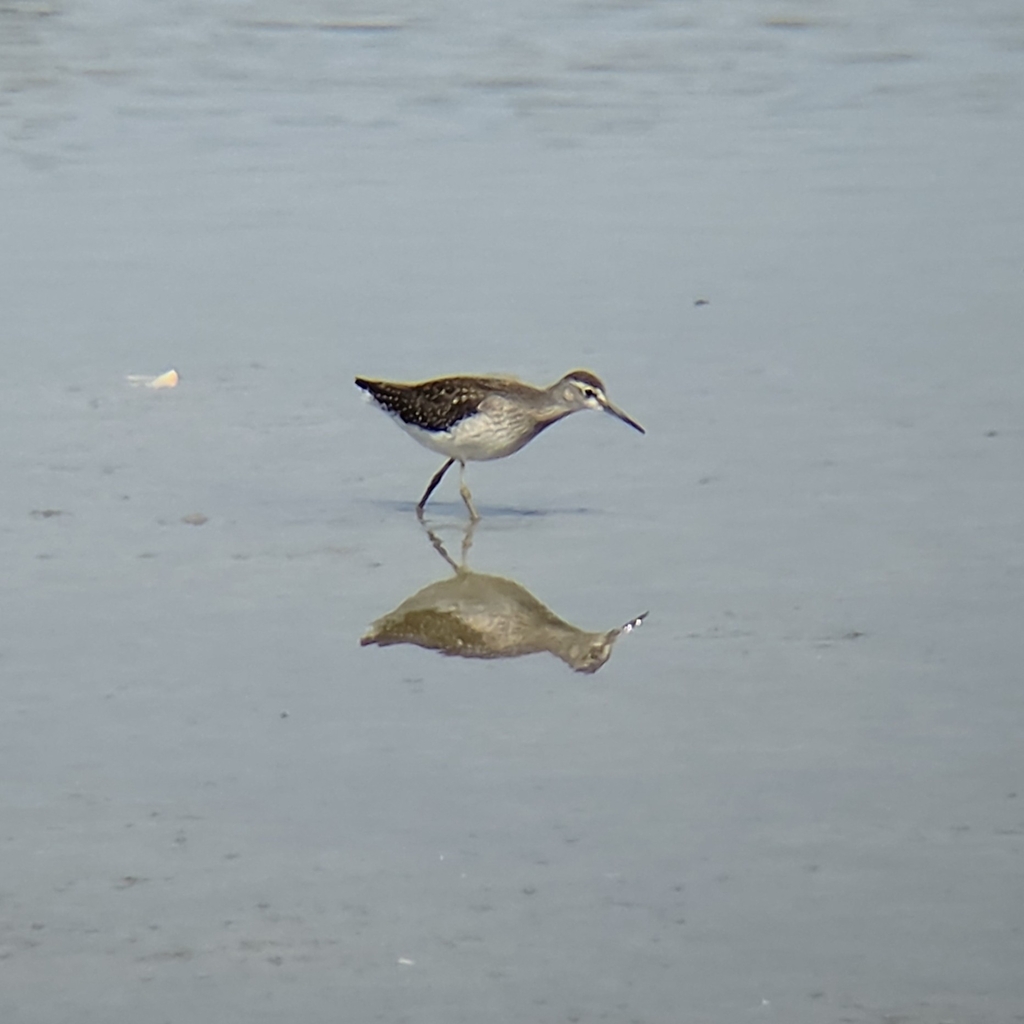
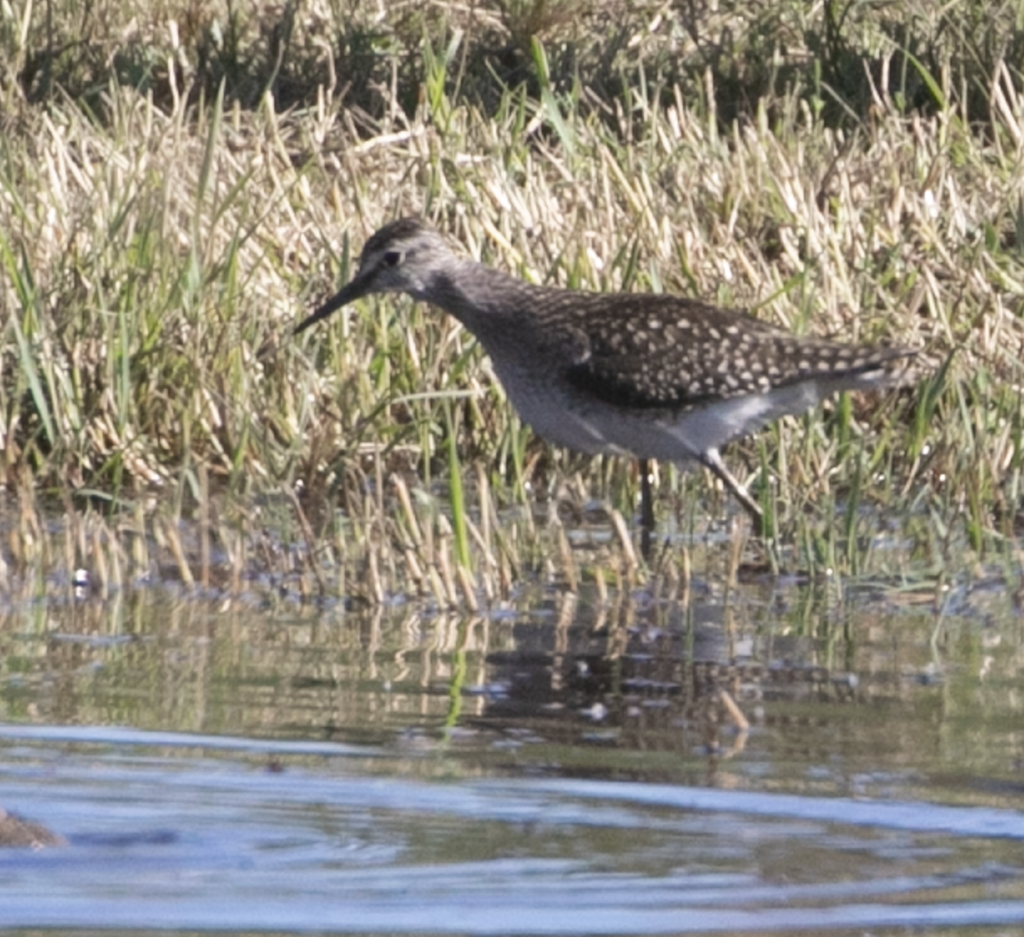
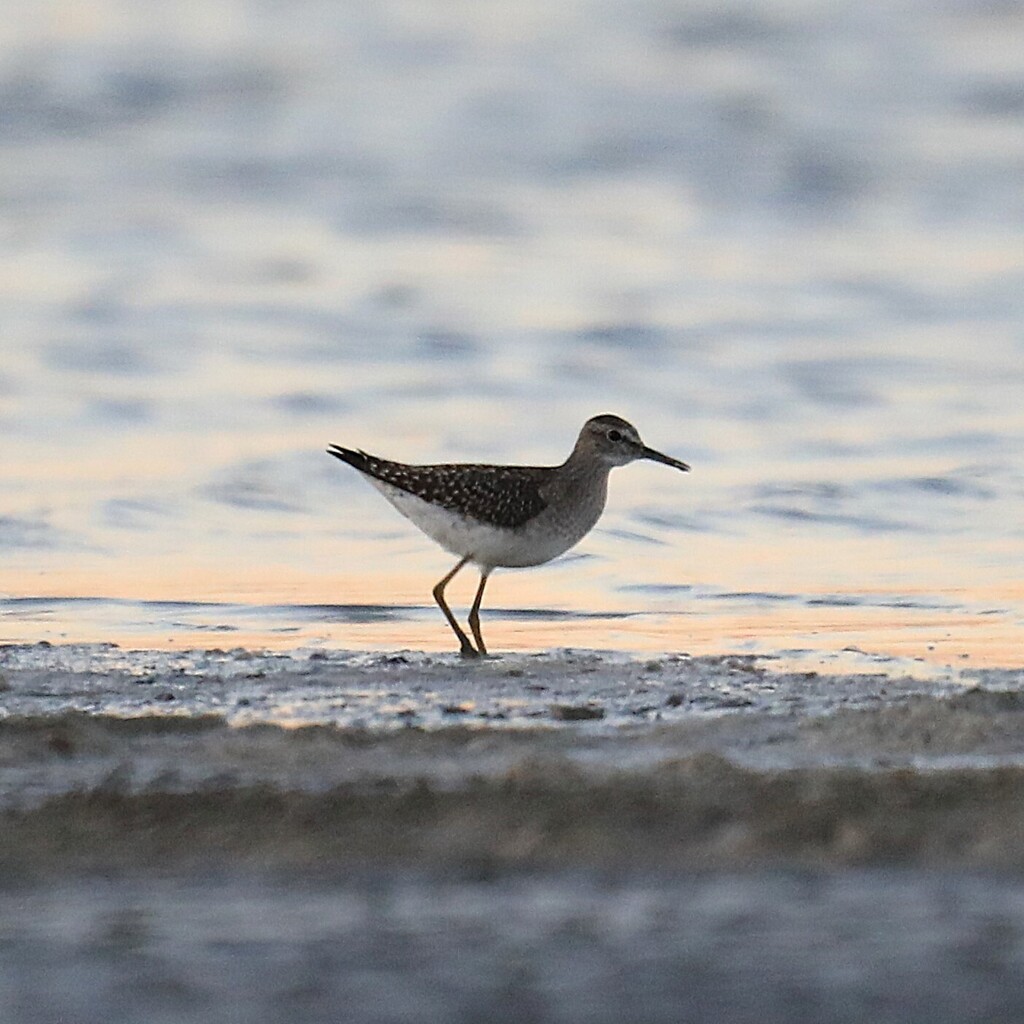
El andarríos bastardo es una limícola relativamente esbelta, con un aspecto más estilizado que los otros andarríos, de los que se diferencia por poseer las patas, que son de color amarillento, más largas y una larga ceja blanquecina que rebasa el ojo. El adulto en plumaje nupcial presenta las plumas de las partes superiores oscuras, con abundantes marcas claras, y un barrado oscuro sobre el pecho blanquecino, que progresivamente se transforma en manchas mayores hacia los flancos. La zona ventral es blanca, en tanto que el píleo ofrece un aspecto muy estriado. El individuo no reproductor muestra los márgenes de las plumas superiores más estrechos, en tanto que el cuello y el pecho resultan pálidos, aunque ligeramente estriados. Los juveniles, por su parte, lucen un aspecto similar al adulto no reproductor, pero en ellos los márgenes de las plumas superiores son más cálidos y el barrado del pecho algo más destacado. En vuelo, las regiones dorsales del ave presentan un aspecto bastante oscuro, lo que hace resaltar aún más una zona blanca de forma cuadrada en el obispillo, así como las estrechas franjas transversales de la cola.A medium-sized, slender shorebird with relatively long yellow-green legs and a diagnostic bold white eyebrow reaching far behind the eye. It has a heavily mottled and spotted back (more so than the Green Sandpiper). In flight, it lacks the dark underwings of its cousin, showing pale ones instead. It is a specialist of the northern forest swamps and seasonally flooded areas, and is very common in Spain during migration.
DistribuciónDistribution
Resulta común en el litoral levantino y Baleares durante el paso migratorio, y aunque es algo más raro en el resto de la Península, se han recogido observaciones en prácticamente todas las comunidades autónomas, incluidas las islas Canarias.Common passage migrant across the entire Peninsula and both archipelagos. More abundant on the Mediterranean and Balearics. Irregular winterer in small numbers (Doñana, Ebro Delta).
Textos reproducidos con permiso de laTexts translated and reproduced with permission from the Guía de Aves de España © SEO/BirdLife
Estado de conservaciónConservation Status
- EX
- RE
- CR
- EN
- VU
- NT
- LC
DD
Datos insuficientesData Deficient
Qué significa cada categoríaWhat each category means
- LC
- Preocupación menor: Taxón evaluado que no califica para categorías amenazadas. Especies abundantes y ampliamente distribuidasLeast Concern - Evaluated taxon that does not qualify for threatened categories. Widespread and abundant taxa
- NT
- Casi amenazada: No califica actualmente como amenazada, pero está cerca de calificar o es probable que califique en el futuro cercanoNear Threatened - Does not currently qualify as threatened, but is close to qualifying or likely to qualify in the near future
- VU
- Vulnerable: Enfrenta un alto riesgo de extinción en estado silvestre según los criterios A a E de IUCNVulnerable - Facing a high risk of extinction in the wild based on IUCN criteria A to E
- EN
- En peligro: Enfrenta un riesgo muy alto de extinción en estado silvestre según los criterios A a E de IUCNEndangered - Facing a very high risk of extinction in the wild based on IUCN criteria A to E
- CR
- En peligro crítico: Enfrenta un riesgo extremadamente alto de extinción en estado silvestre según los criterios A a E de IUCNCritically Endangered - Facing an extremely high risk of extinction in the wild based on IUCN criteria A to E
- DD
- Datos insuficientes: Información inadecuada para evaluar el riesgo de extinción basándose en distribución o estado poblacionalData Deficient - Inadequate information to assess extinction risk based on distribution and/or population status
- NE
- No evaluada: No ha sido evaluada aún contra los criterios de la Lista Roja de IUCNNot Evaluated - Has not yet been assessed against the IUCN Red List criteria
- RE
- Extinta regionalmente: El taxón ya no existe en la región específica, aunque puede sobrevivir en otros lugaresRegionally Extinct - Taxon no longer exists in the specific region, though it may survive elsewhere
- EX
- Extinta - No existe duda razonable de que ha muerto el último individuo del taxónExtinct - No reasonable doubt that the last individual of the taxon has died
TaxonomíaTaxonomy
- OrdenOrder
- Charadriiformes
- FamiliaFamily
- Scolopacidae
Presencia en EspañaPresence in Spain
- De pasoPassage migrant
- HabitualRegular
En la app: marzo a octubre.In the app: March to October.
Dónde verlaWhere to see it
776 cuadrículas de 10 km con registros de 2020 a 2024. Toca un mes para ver dónde se ha visto.776 10 km squares with records from 2020 to 2024. Pick a month to see where it has been seen.
Cargando el mapa…Loading the map…
Dónde es regularWhere it is regular
Provincias con registros en al menos 3 de los 5 años algún mes, de más a menos frecuente, y sus mejores meses.Provinces with records in at least 3 of the 5 years in some month, from most to least frequent, and their best months.
- ValenciaValenciaagosto, septiembre, julioAugust, September, July
- TarragonaTarragonaseptiembre, agosto, abrilSeptember, August, April
- GironaGironaagosto, abril, septiembreAugust, April, September
- ÁlavaÁlavaagosto, septiembre, abrilAugust, September, April
- CastellónCastellónabril, agosto, marzoApril, August, March
- SevillaSevillaagosto, septiembre, octubreAugust, September, October
- VizcayaVizcayaagosto, septiembre, julioAugust, September, July
- BalearesBalearic Islandsagosto, abril, julioAugust, April, July
- Ciudad RealCiudad Realseptiembre, agosto, abrilSeptember, August, April
- GuipúzcoaGuipúzcoaagosto, julio, septiembreAugust, July, September
Ver las 48 provinciasSee all 48 provinces
- AlbaceteAlbaceteabril, agosto, septiembreApril, August, September
- La RiojaLa Riojaagosto, septiembre, abrilAugust, September, April
- AlicanteAlicanteagosto, septiembre, abrilAugust, September, April
- CantabriaCantabriaagosto, septiembre, abrilAugust, September, April
- AlmeríaAlmeríaagosto, abril, julioAugust, April, July
- SalamancaSalamancaagosto, septiembre, julioAugust, September, July
- BarcelonaBarcelonaabril, septiembre, agostoApril, September, August
- NavarraNavarraseptiembre, agosto, abrilSeptember, August, April
- ToledoToledoseptiembre, agosto, octubreSeptember, August, October
- HuescaHuescaabril, agosto, septiembreApril, August, September
- MálagaMálagaabril, agosto, mayoApril, August, May
- ZaragozaZaragozaagosto, septiembre, abrilAugust, September, April
- CuencaCuencaabril, mayo, agostoApril, May, August
- TeruelTeruelabril, agosto, septiembreApril, August, September
- ZamoraZamoraagosto, septiembre, abrilAugust, September, April
- BurgosBurgosagosto, septiembre, abrilAugust, September, April
- LeónLeónagosto, abril, septiembreAugust, April, September
- CáceresCáceresagosto, septiembre, julioAugust, September, July
- SegoviaSegoviaagosto, septiembre, abrilAugust, September, April
- SoriaSoriaagosto, abril, septiembreAugust, April, September
- PalenciaPalenciaagosto, julio, abrilAugust, July, April
- MadridMadridagosto, septiembre, octubreAugust, September, October
- ValladolidValladolidagosto, septiembre, julioAugust, September, July
- ÁvilaÁvilaagosto, abril, septiembreAugust, April, September
- HuelvaHuelvaagosto, marzo, septiembreAugust, March, September
- MurciaMurciaabril, agosto, eneroApril, August, January
- GranadaGranadaagosto, septiembre, abrilAugust, September, April
- BadajozBadajozseptiembre, agosto, octubreSeptember, August, October
- LugoLugoagosto, abril, mayoAugust, April, May
- A CoruñaA Coruñaagosto, septiembreAugust, September
- Las PalmasLas Palmasabril, septiembre, agostoApril, September, August
- LleidaLleidaabril, agosto, marzoApril, August, March
- AsturiasAsturiasagosto, septiembre, julioAugust, September, July
- PontevedraPontevedraseptiembre, agostoSeptember, August
- Santa Cruz de TenerifeSanta Cruz de Tenerifemayo, septiembreMay, September
- CádizCádizagosto, enero, febreroAugust, January, February
- JaénJaénabrilApril
- CórdobaCórdobaagostoAugust
Datos: registros en GBIF de 2020 a 2024 de Observation.org, eBird, iNaturalist y el ICO, descargados el 23/10/2026.Data: GBIF records from 2020 to 2024 from Observation.org, eBird, iNaturalist and the ICO, downloaded on 23/10/2026. GBIF.org (23 October 2026) GBIF Occurrence Download · doi:10.15468/dl.r5sf2a · CC BY-NC 4.0
GaleríaGallery
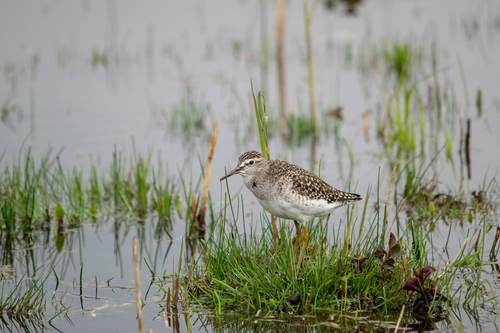
© Gergely Nigg · CC BY · iNaturalist 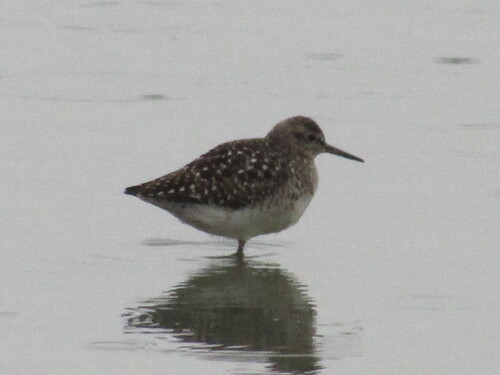
© SteveM4560 · CC BY · iNaturalist 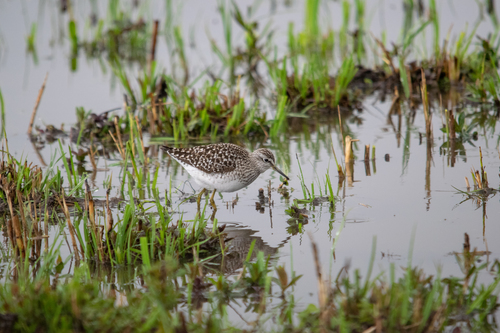
© Gergely Nigg · CC BY · iNaturalist 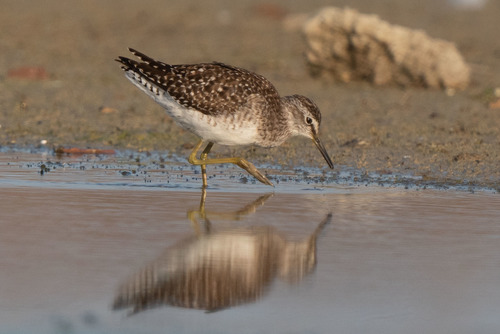
© Andrea Poggi · CC BY · iNaturalist 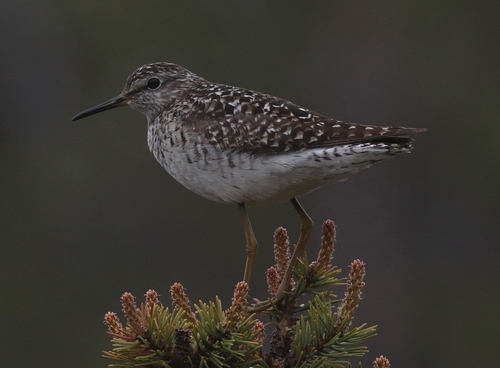
© Jan Ebr & Ivana Ebrová · CC BY · iNaturalist 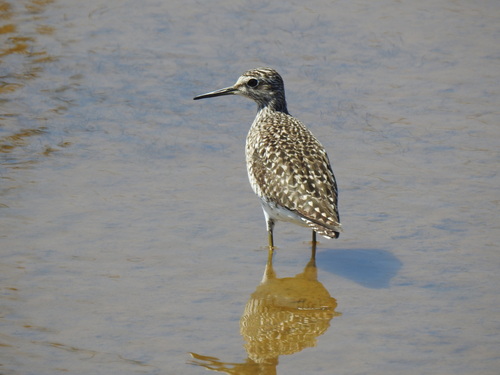
© Duarte Frade · CC BY · iNaturalist 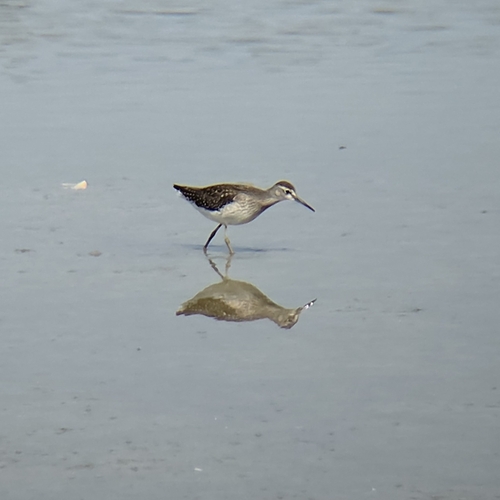
© Jordi Casanovas · CC BY · iNaturalist 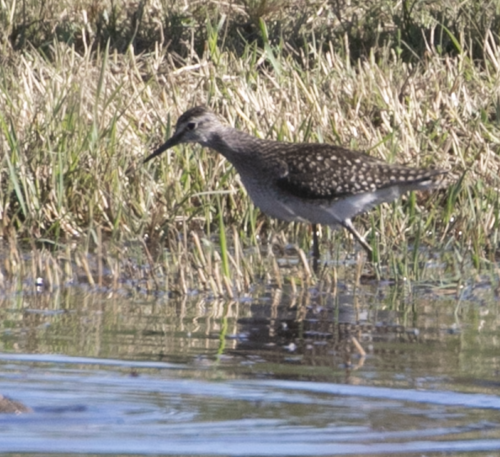
© Paolo Zucca · CC BY · iNaturalist 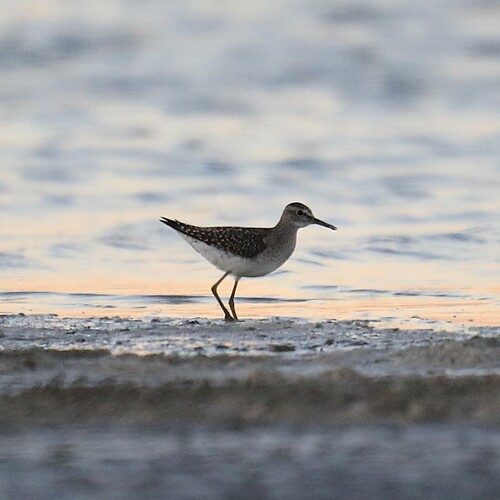
© Юлия Захаренко · CC BY · iNaturalist
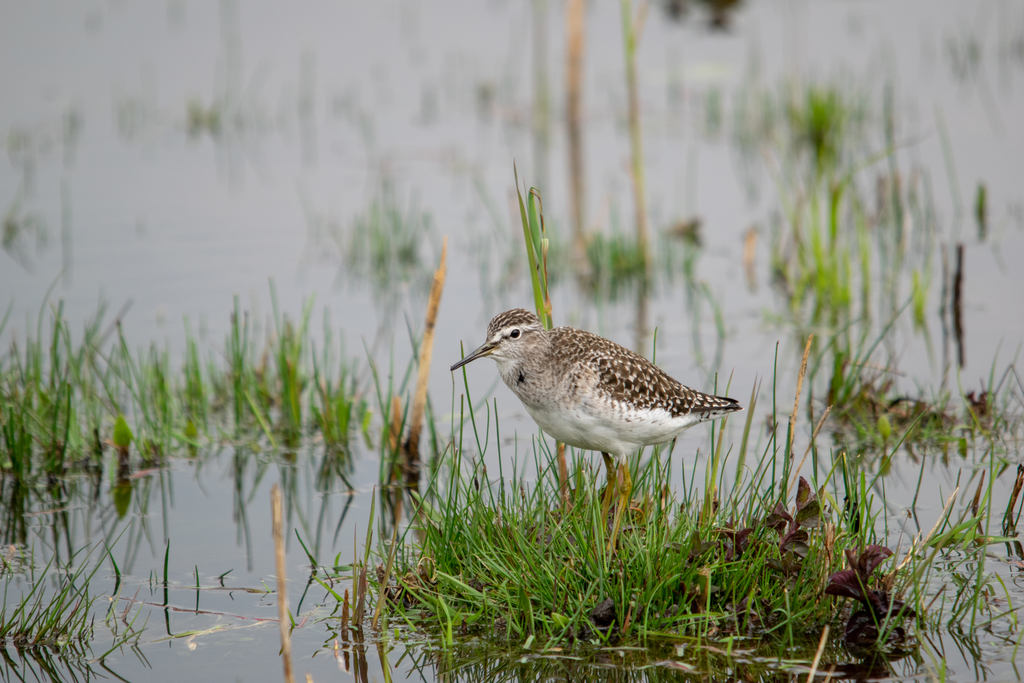
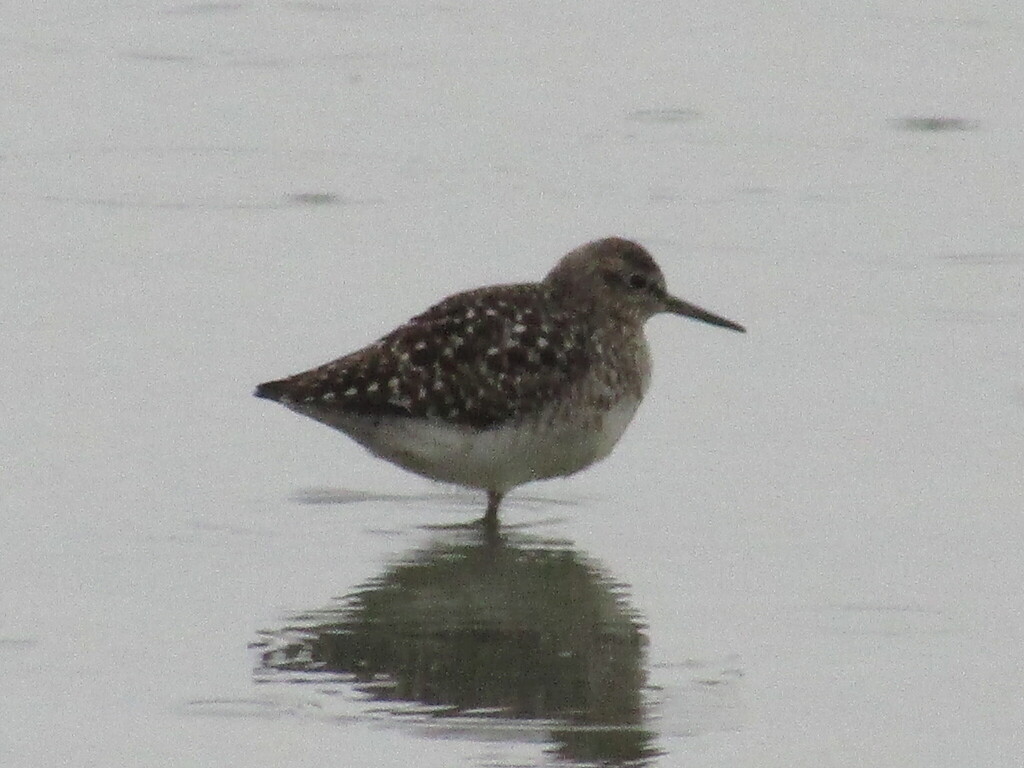
Especies relacionadasRelated species
Otras aves de la familia Scolopacidae y de órdenes cercanos.Other birds from the Scolopacidae family and nearby orders.
- Poco comúnUncommon
 Archibebe oscuroSpotted RedshankTringa erythropus
- ComúnCommon
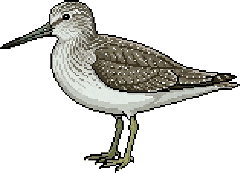 Archibebe claroCommon GreenshankTringa nebularia
- LegendarioLegendary
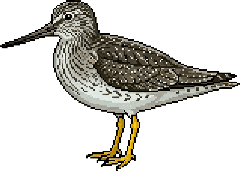 Archibebe patigualdo grandeGreater YellowlegsTringa melanoleuca
- ComúnCommon
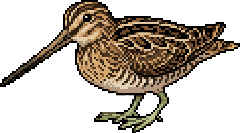 Agachadiza comúnCommon SnipeGallinago gallinago
- Poco comúnUncommon
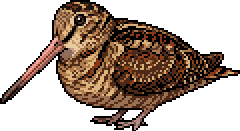 Chocha perdizEurasian WoodcockScolopax rusticola
- Poco comúnUncommon
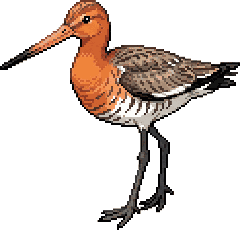 Aguja colinegraBlack-tailed GodwitLimosa limosa
- Poco comúnUncommon
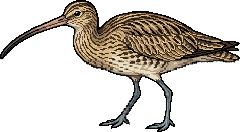 Zarapito realEurasian CurlewNumenius arquata
- Poco comúnUncommon
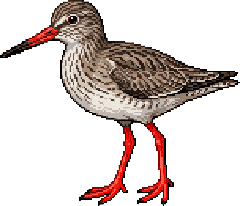 Archibebe comúnCommon RedshankTringa totanus
 Gratis, sin anuncios ni comprasFree, no ads, no purchases