 BirdPedy
Estornino pintoCommon Starling
En 52 provincias en enero y en 17 en junioIn 52 provinces in January and 17 in June
Reporte de rarezaRarity report
Por qué es comúnWhy it is commonAbundante invernante en toda España; como reproductor se localiza en el tercio norte peninsular.Abundant winter visitor throughout Spain; as a breeding bird it is found in the northern third of the Peninsula.
Cada carrizo es un mes: su altura, las provincias con registros de 2020 a 2024.Each reed is a month: its height, the provinces with records from 2020 to 2024.- Provincias con registrosProvinces with records
- 52 de 52of 52
- En la appIn the app
- Todo el añoAll year
- EnvergaduraWingspan
- 37-42 cm37-42 cm
- LongitudLength
- 21-22 cm21-22 cm
- Lista Roja de EspañaSpanish Red List
- LC Preocupación menorLeast Concern

Información generalGeneral Information
Ave de mediano tamaño, aspecto compacto y coloración negra, en la que destacan el moteado blanco y el pico amarillo. Distribuida de forma amplia y numerosa por toda Europa y Asia, ha sido introducida en otros lugares del mundo, donde se ha asilvestrado con éxito. Ha colonizado la Península en tiempos recientes, y actualmente se halla en expansión. Como especie reproductora ocupa terrenos agrícolas del sector nororiental y cantábrico de Iberia. En invierno, la Península y Baleares reciben un importante contingente de estorninos procedentes de Europa central.The Common Starling is a recent colonizer of Spain, expanding from the north. It is famous for its 'murmurations'—spectacular, synchronized flight displays of thousands of birds. It is an amazing mimic, incorporating the sounds of other birds, car alarms, and whistles into its song. It competes directly with the native Spotless Starling for nesting holes and resources.
IdentificaciónIdentification
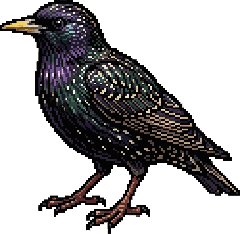
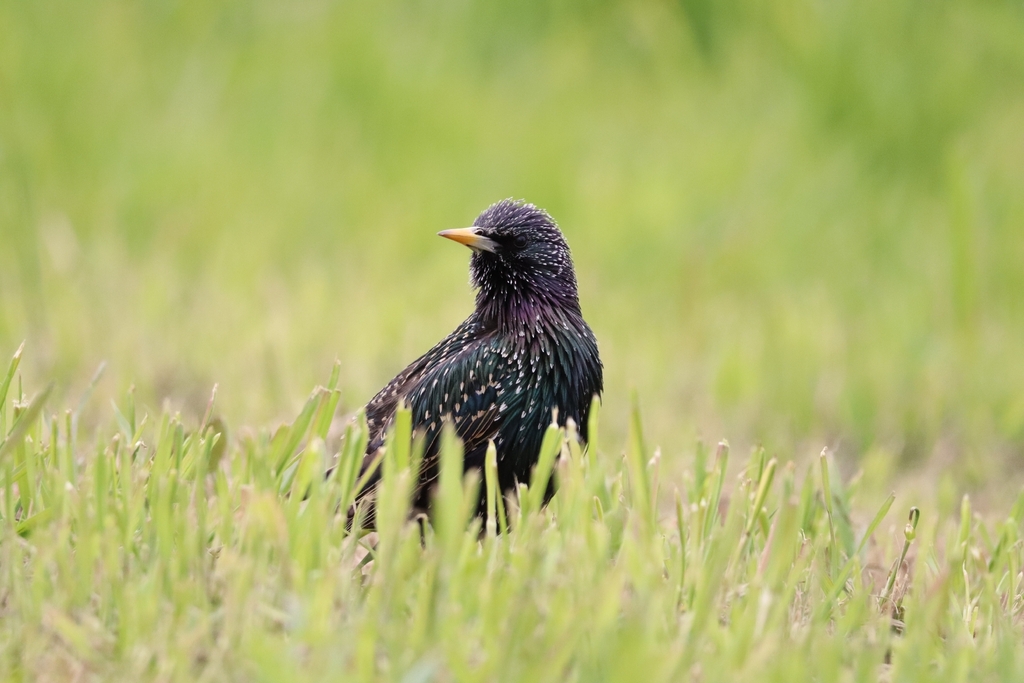
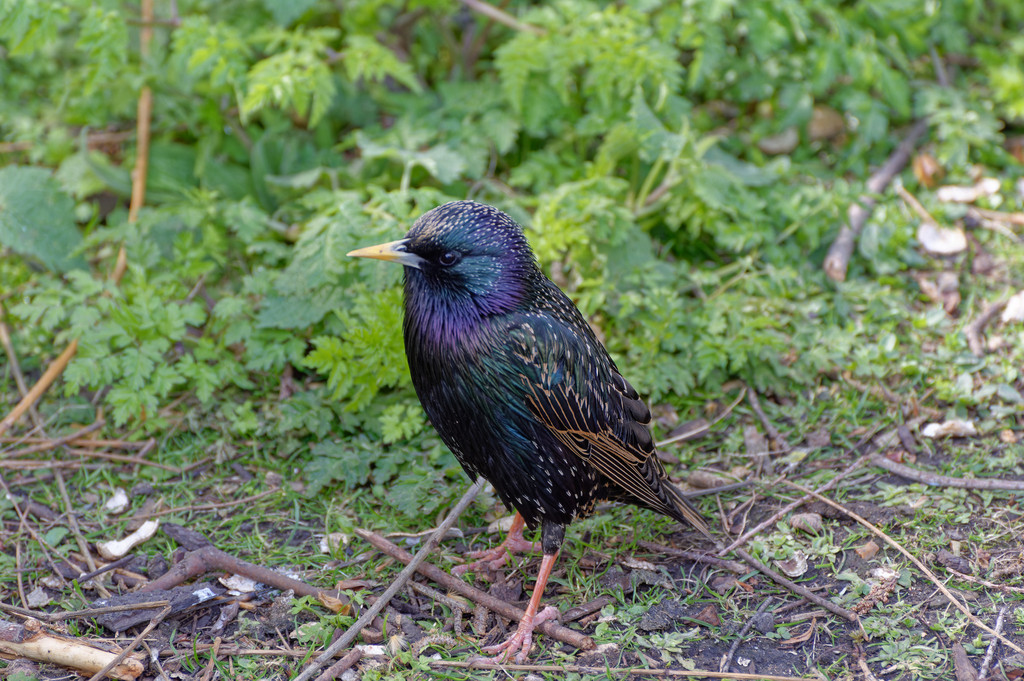
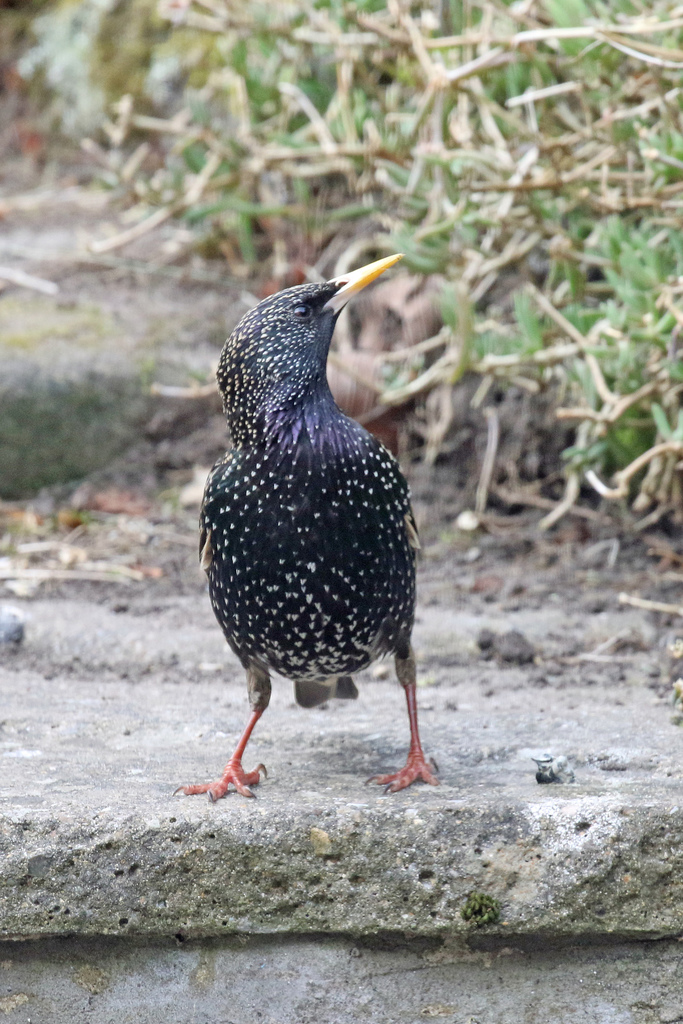
El estornino pinto es un ave de mediano tamaño, compacta, con patas fuertes y cortas de color rosado, y pico puntiagudo. Exhibe un plumaje de color negro dominante, con reflejos violáceos y púrpuras, y con un moteado variable de pintas blanco-amarillentas. En invierno, el moteado resulta especialmente intenso, mientras que en verano es menos evidente. Tiene el pico de color amarillo en verano y negro en invierno. Los jóvenes presentan tonos pardo-grisáceos. Se trata de un pájaro similar al mirlo común, aunque se desplaza más erguido, andando y no a saltos. Posee un vuelo rápido y directo.A medium-sized, compact bird with short, strong pinkish legs and a pointed bill. Its plumage is primarily black with brilliant purple and green iridescence and variable white spotting. In winter, the spots are very dense, while in summer they wear away to leave a sleek, glossy black look. It has a yellow bill in summer and black in winter. It is very similar to the Spotless Starling but is smaller and always shows some spotting in winter.
DistribuciónDistribution
Como ave reproductora se distribuye por la mayor parte de Cataluña, Navarra, el País Vasco y la zona litoral cantábrica hasta Asturias. De forma más puntual aparece por el valle del Ebro, la Comunidad Valenciana y las islas Canarias (Tenerife y Gran Canaria). Durante el invierno, con la llegada de ejemplares desde el centro de Europa, ocupa toda la Península y Baleares. Las zonas de invernada principales se encuentran en Galicia, la cornisa cantábrica, el valle del Ebro y la costa mediterránea. La expansión de el estornino pinto se ve frenada por la del estornino negro, con el que compite por los mismos hábitats y recursos. En España se observa la subespecie vulgaris.Breeds mainly in Catalonia, Navarre, Basque Country, and the Cantabrian coast. It is currently expanding south. In winter, millions of migrantsจาก central Europe spread across the entire Peninsula and Balearics. Localized in Canary Islands (Tenerife/Gran Canaria). Subspecies 'vulgaris'.
Textos reproducidos con permiso de laTexts translated and reproduced with permission from the Guía de Aves de España © SEO/BirdLife
Estado de conservaciónConservation Status
- EX
- RE
- CR
- EN
- VU
- NT
- LC
Preocupación menorLeast Concern
Qué significa cada categoríaWhat each category means
- LC
- Preocupación menor: Taxón evaluado que no califica para categorías amenazadas. Especies abundantes y ampliamente distribuidasLeast Concern - Evaluated taxon that does not qualify for threatened categories. Widespread and abundant taxa
- NT
- Casi amenazada: No califica actualmente como amenazada, pero está cerca de calificar o es probable que califique en el futuro cercanoNear Threatened - Does not currently qualify as threatened, but is close to qualifying or likely to qualify in the near future
- VU
- Vulnerable: Enfrenta un alto riesgo de extinción en estado silvestre según los criterios A a E de IUCNVulnerable - Facing a high risk of extinction in the wild based on IUCN criteria A to E
- EN
- En peligro: Enfrenta un riesgo muy alto de extinción en estado silvestre según los criterios A a E de IUCNEndangered - Facing a very high risk of extinction in the wild based on IUCN criteria A to E
- CR
- En peligro crítico: Enfrenta un riesgo extremadamente alto de extinción en estado silvestre según los criterios A a E de IUCNCritically Endangered - Facing an extremely high risk of extinction in the wild based on IUCN criteria A to E
- DD
- Datos insuficientes: Información inadecuada para evaluar el riesgo de extinción basándose en distribución o estado poblacionalData Deficient - Inadequate information to assess extinction risk based on distribution and/or population status
- NE
- No evaluada: No ha sido evaluada aún contra los criterios de la Lista Roja de IUCNNot Evaluated - Has not yet been assessed against the IUCN Red List criteria
- RE
- Extinta regionalmente: El taxón ya no existe en la región específica, aunque puede sobrevivir en otros lugaresRegionally Extinct - Taxon no longer exists in the specific region, though it may survive elsewhere
- EX
- Extinta - No existe duda razonable de que ha muerto el último individuo del taxónExtinct - No reasonable doubt that the last individual of the taxon has died
TaxonomíaTaxonomy
- OrdenOrder
- Passeriformes
- FamiliaFamily
- Sturnidae
Presencia en EspañaPresence in Spain
- HabitualRegular
- InvernanteWinter visitor
- ResidenteResident
En la app: todo el año.In the app: all year.
Dónde verlaWhere to see it
2.769 cuadrículas de 10 km con registros de 2020 a 2024. Toca un mes para ver dónde se ha visto.2,769 10 km squares with records from 2020 to 2024. Pick a month to see where it has been seen.
Cargando el mapa…Loading the map…
Dónde es regularWhere it is regular
Provincias con registros en al menos 3 de los 5 años algún mes, de más a menos frecuente, y sus mejores meses.Provinces with records in at least 3 of the 5 years in some month, from most to least frequent, and their best months.
- BarcelonaBarcelonanoviembre, febrero, eneroNovember, February, January
- TarragonaTarragonanoviembre, diciembre, eneroNovember, December, January
- GironaGironanoviembre, diciembre, octubreNovember, December, October
- LleidaLleidanoviembre, diciembre, eneroNovember, December, January
- VizcayaVizcayaenero, diciembre, febreroJanuary, December, February
- ValenciaValenciadiciembre, noviembre, eneroDecember, November, January
- ÁlavaÁlavaenero, diciembre, febreroJanuary, December, February
- BalearesBalearic Islandsenero, diciembre, noviembreJanuary, December, November
- HuescaHuescadiciembre, noviembre, eneroDecember, November, January
- CastellónCastellónnoviembre, diciembre, eneroNovember, December, January
Ver las 50 provinciasSee all 50 provinces
- GuipúzcoaGuipúzcoanoviembre, diciembre, octubreNovember, December, October
- NavarraNavarradiciembre, enero, noviembreDecember, January, November
- AlmeríaAlmeríafebrero, enero, diciembreFebruary, January, December
- CantabriaCantabrianoviembre, enero, diciembreNovember, January, December
- MurciaMurciadiciembre, noviembre, eneroDecember, November, January
- La RiojaLa Riojadiciembre, noviembre, eneroDecember, November, January
- AlicanteAlicanteenero, diciembre, noviembreJanuary, December, November
- ZamoraZamoradiciembre, enero, noviembreDecember, January, November
- AsturiasAsturiasenero, noviembre, febreroJanuary, November, February
- PalenciaPalenciadiciembre, noviembre, eneroDecember, November, January
- LugoLugodiciembre, noviembre, eneroDecember, November, January
- TeruelTerueldiciembre, noviembre, eneroDecember, November, January
- ZaragozaZaragozadiciembre, enero, noviembreDecember, January, November
- AlbaceteAlbacetediciembre, enero, noviembreDecember, January, November
- LeónLeónfebrero, diciembre, eneroFebruary, December, January
- BurgosBurgosdiciembre, noviembre, eneroDecember, November, January
- ÁvilaÁvilaenero, noviembre, diciembreJanuary, November, December
- A CoruñaA Coruñanoviembre, enero, diciembreNovember, January, December
- OurenseOurensenoviembre, enero, diciembreNovember, January, December
- SalamancaSalamancadiciembre, febrero, eneroDecember, February, January
- GranadaGranadadiciembre, noviembre, eneroDecember, November, January
- JaénJaénnoviembre, diciembre, octubreNovember, December, October
- ValladolidValladoliddiciembre, enero, noviembreDecember, January, November
- GuadalajaraGuadalajaradiciembre, noviembre, octubreDecember, November, October
- MálagaMálaganoviembre, diciembre, eneroNovember, December, January
- SegoviaSegoviaenero, diciembre, noviembreJanuary, December, November
- SevillaSevilladiciembre, enero, noviembreDecember, January, November
- CádizCádizdiciembre, noviembre, eneroDecember, November, January
- SoriaSoriadiciembre, noviembre, eneroDecember, November, January
- ToledoToledodiciembre, noviembre, eneroDecember, November, January
- MadridMadriddiciembre, enero, noviembreDecember, January, November
- PontevedraPontevedraenero, diciembre, noviembreJanuary, December, November
- CáceresCáceresenero, diciembre, noviembreJanuary, December, November
- Ciudad RealCiudad Realenero, febrero, noviembreJanuary, February, November
- Las PalmasLas Palmasnoviembre, diciembre, eneroNovember, December, January
- HuelvaHuelvanoviembre, diciembre, octubreNovember, December, October
- CórdobaCórdobadiciembre, noviembre, octubreDecember, November, October
- BadajozBadajoznoviembre, enero, diciembreNovember, January, December
- CuencaCuencadiciembre, noviembre, eneroDecember, November, January
- Santa Cruz de TenerifeSanta Cruz de Tenerifefebrero, diciembre, noviembreFebruary, December, November
Datos: registros en GBIF de 2020 a 2024 de Observation.org, eBird, iNaturalist y el ICO, descargados el 23/10/2026.Data: GBIF records from 2020 to 2024 from Observation.org, eBird, iNaturalist and the ICO, downloaded on 23/10/2026. GBIF.org (23 October 2026) GBIF Occurrence Download · doi:10.15468/dl.r5sf2a · CC BY-NC 4.0
GaleríaGallery
© Shiva Shenoy · CC BY · iNaturalist 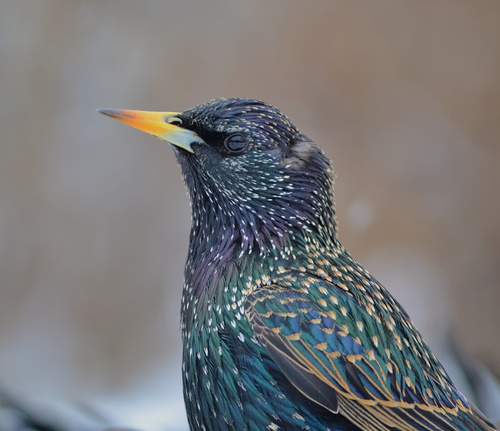
© Timothy Lindsey · CC BY · iNaturalist 
© Paolo Zucca · CC BY · iNaturalist 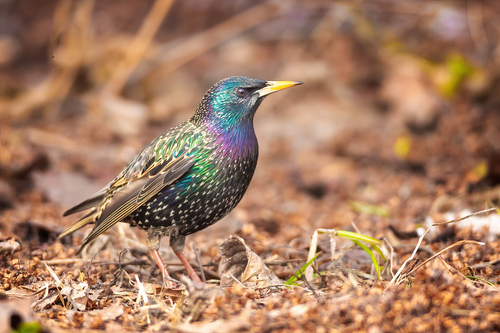
© egorbirder · CC BY · iNaturalist 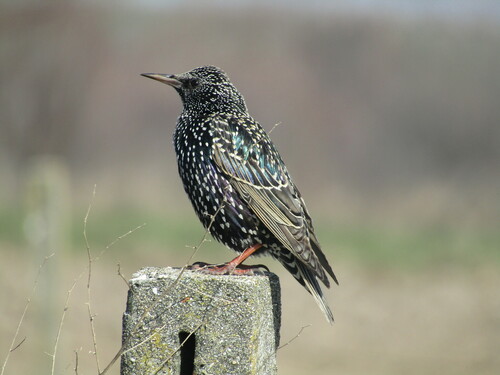
© SteveM4560 · CC BY · iNaturalist 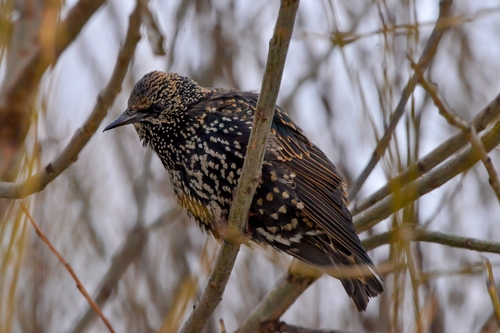
© Валерия Ковалева · CC BY · iNaturalist 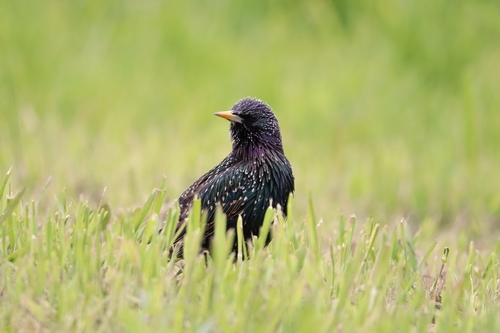
© Radu Teodoreanu · CC BY · iNaturalist 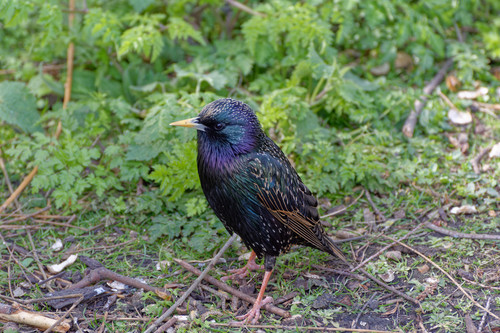
© Donald Davesne · CC BY · iNaturalist 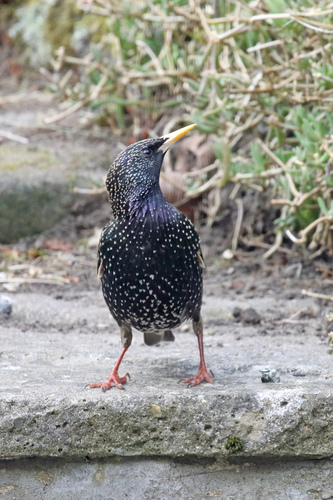
© Roy Lowry · CC BY · iNaturalist
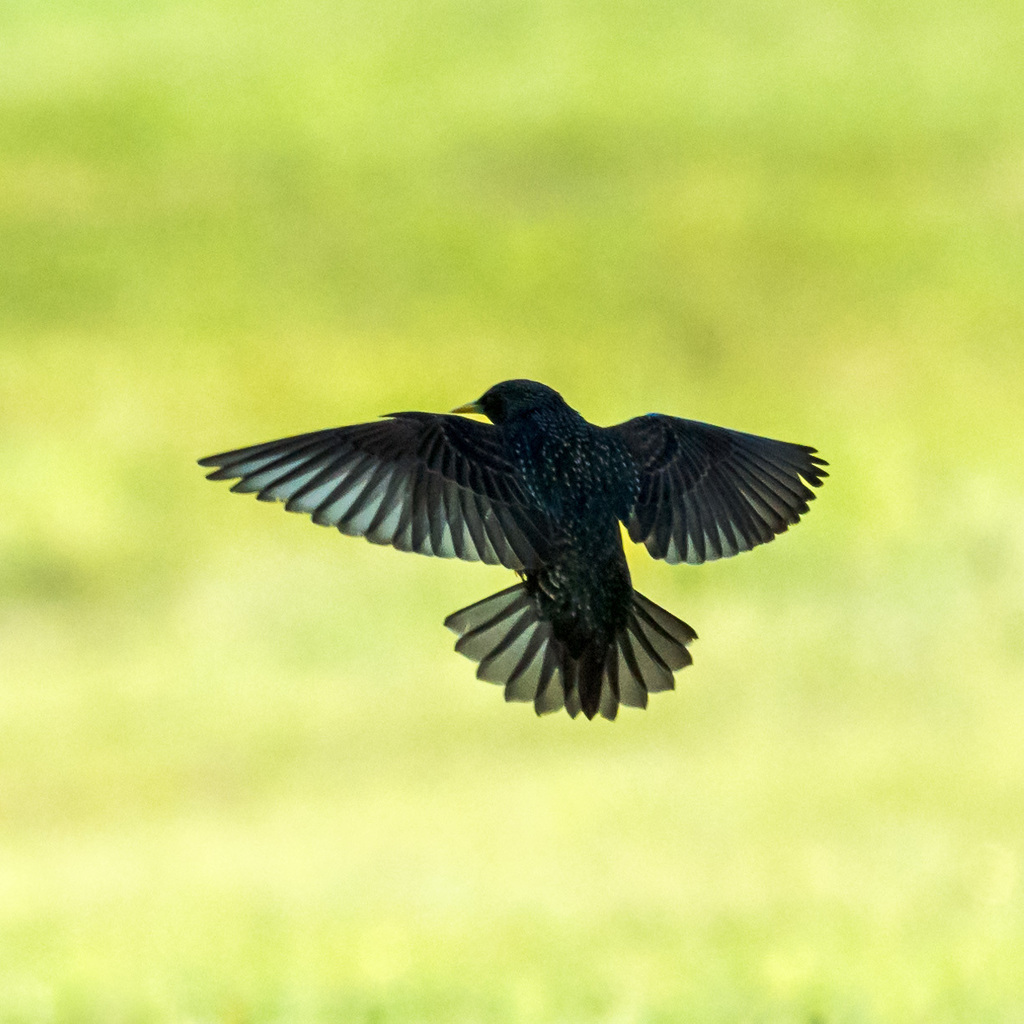
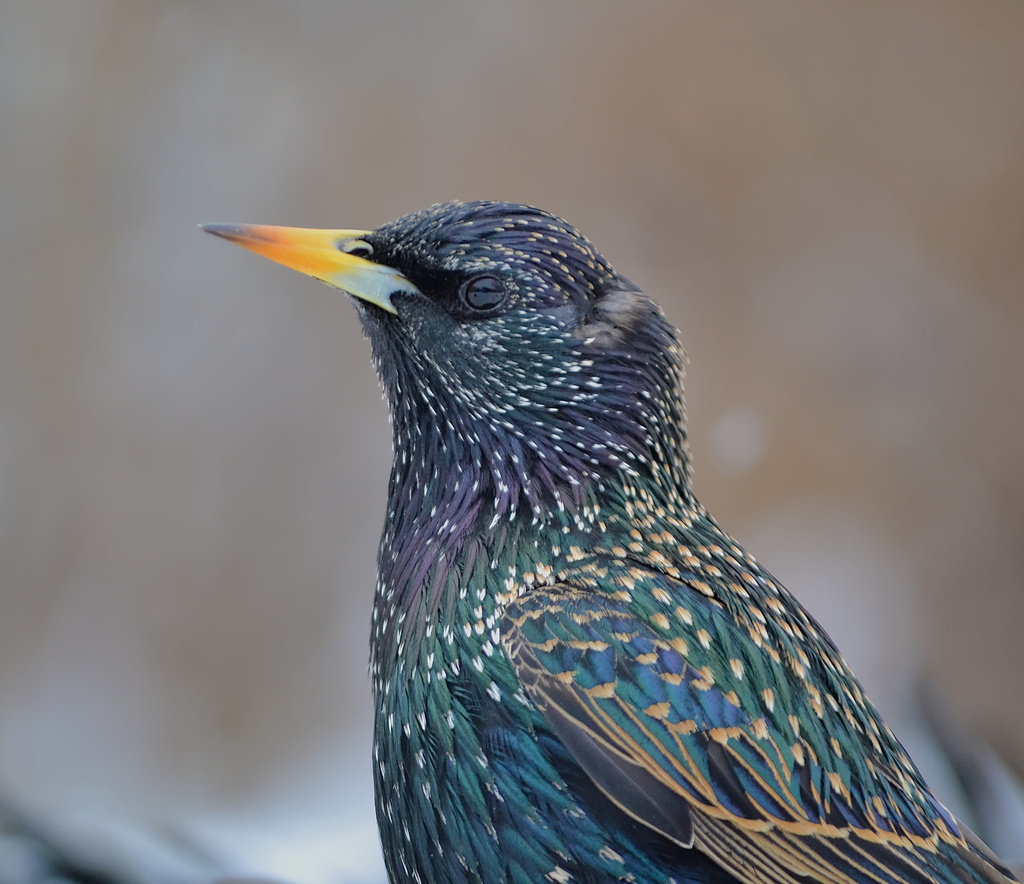


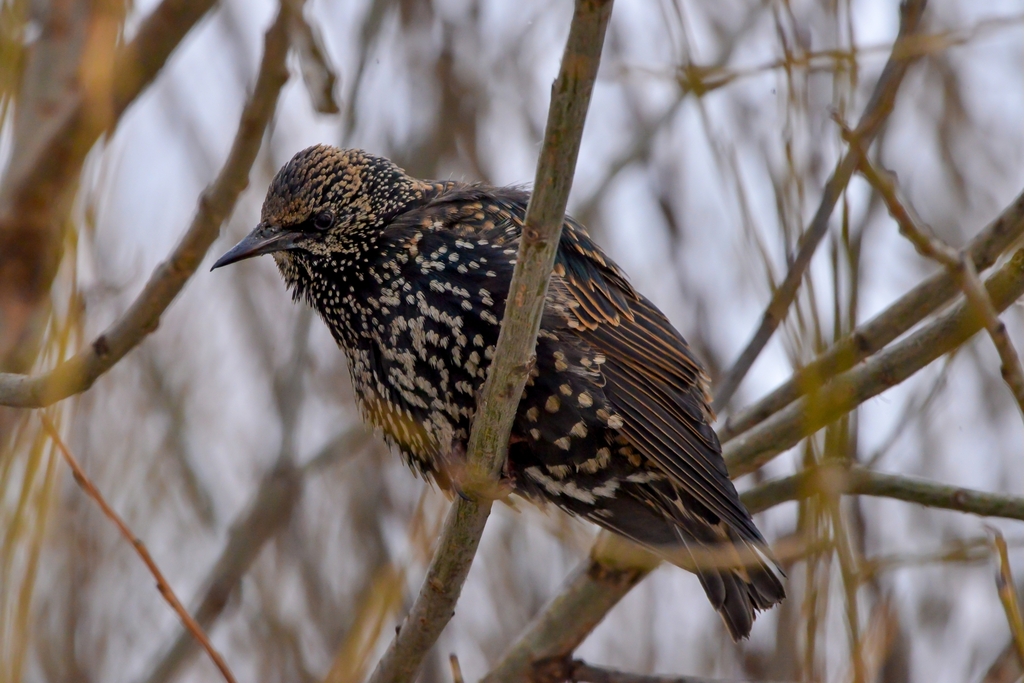
Especies relacionadasRelated species
Otras aves de la familia Sturnidae y de órdenes cercanos.Other birds from the Sturnidae family and nearby orders.
- ComúnCommon
 Estornino negroSpotless StarlingSturnus unicolor
- ÉpicoEpic
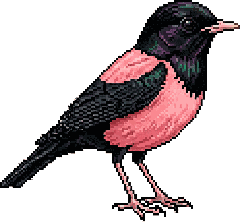 Estornino rosadoRosy StarlingPastor roseus
- ComúnCommon
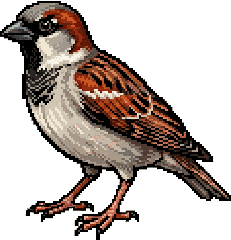 Gorrión comúnHouse SparrowPasser domesticus
- Poco comúnUncommon
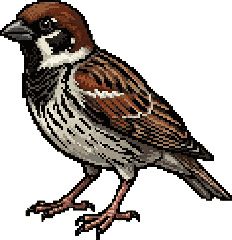 Gorrión morunoSpanish SparrowPasser hispaniolensis
- ComúnCommon
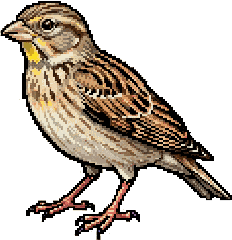 Gorrión chillónRock SparrowPetronia petronia
- RaroRare
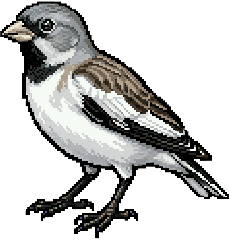 Gorrión alpinoWhite-winged SnowfinchMontifringilla nivalis
- Poco comúnUncommon
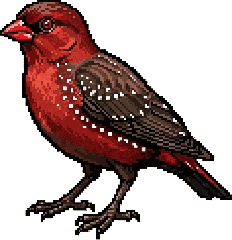 Bengalí rojoRed AvadavatAmandava amandava
- Poco comúnUncommon
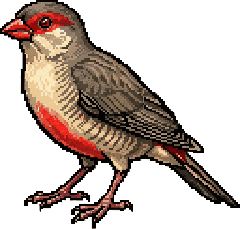 Estrilda comúnCommon WaxbillEstrilda astrild
 Gratis, sin anuncios ni comprasFree, no ads, no purchases