 BirdPedy
Estornino negroSpotless Starling
En 50 provincias en enero y en 49 en junioIn 50 provinces in January and 49 in June
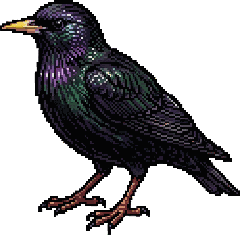
Reporte de rarezaRarity report
Por qué es comúnWhy it is commonMuy abundante y extendido, presente en casi cualquier pueblo, ciudad y dehesa de la península.Very abundant and widespread, present in almost any town, city, and dehesa of the peninsula.
Cada carrizo es un mes: su altura, las provincias con registros de 2020 a 2024.Each reed is a month: its height, the provinces with records from 2020 to 2024.- Provincias con registrosProvinces with records
- 50 de 52of 52
- En la appIn the app
- Todo el añoAll year
- EnvergaduraWingspan
- 38-42 cm38-42 cm
- LongitudLength
- 21-23 cm21-23 cm
- Lista Roja de EspañaSpanish Red List
- LC Preocupación menorLeast Concern

Información generalGeneral Information
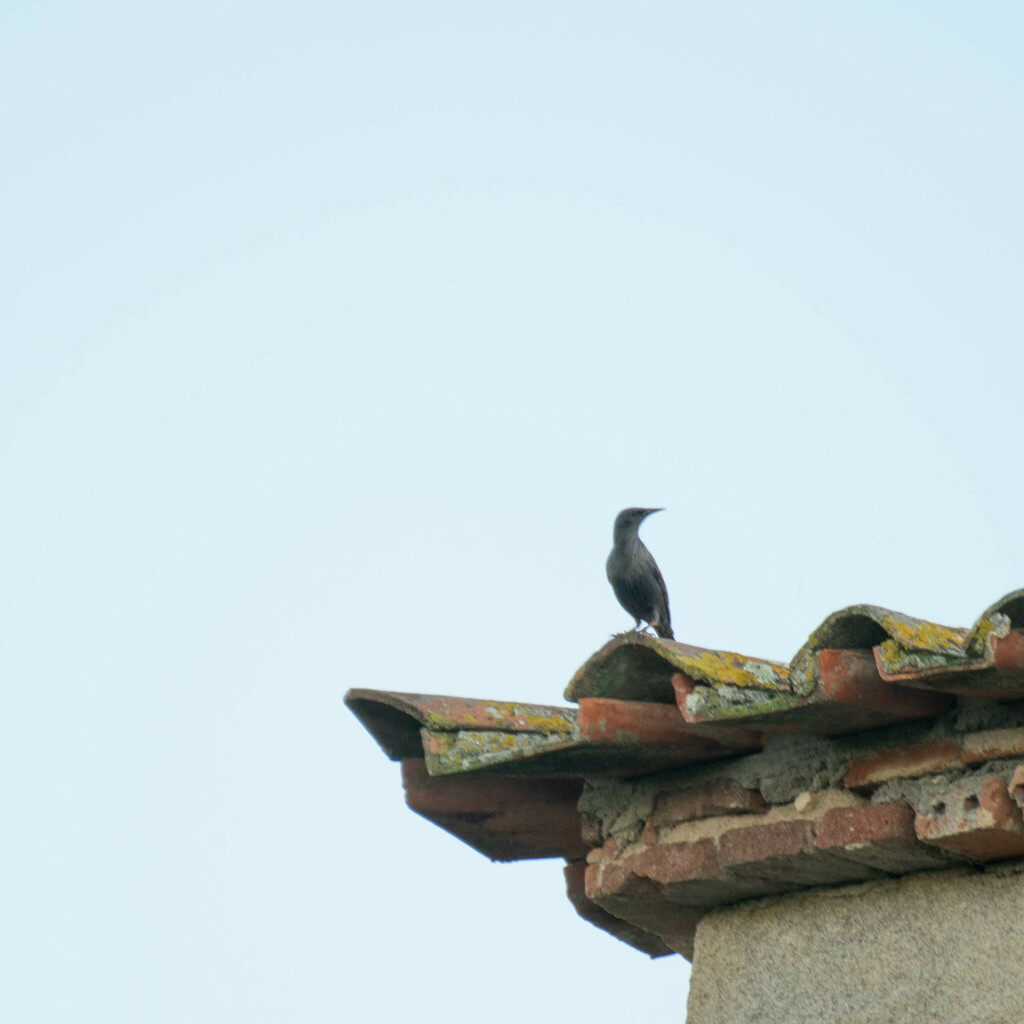
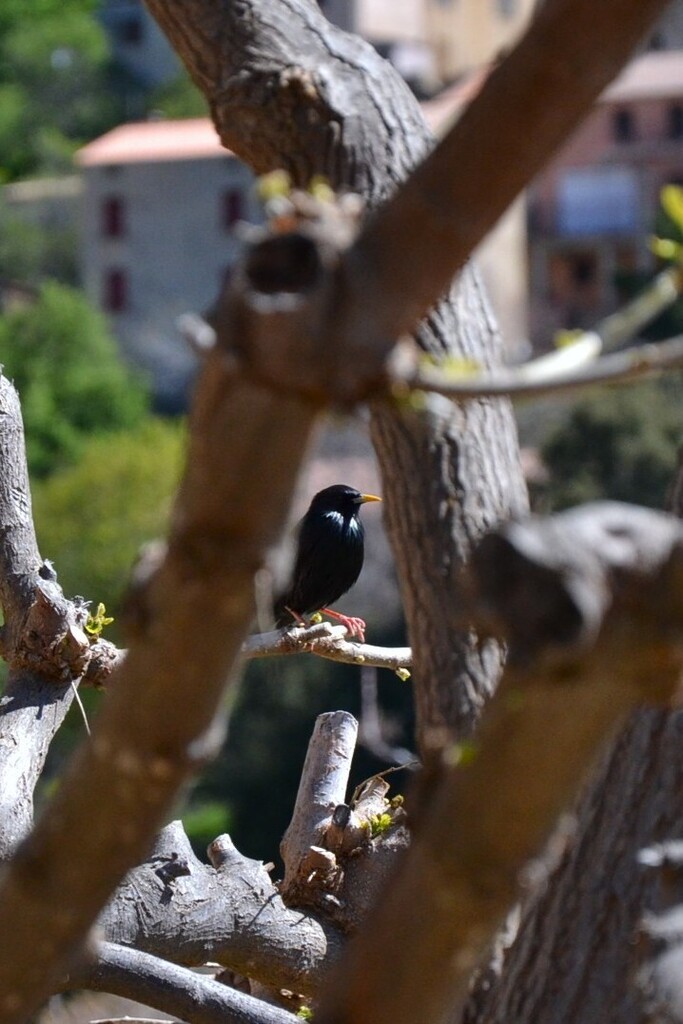
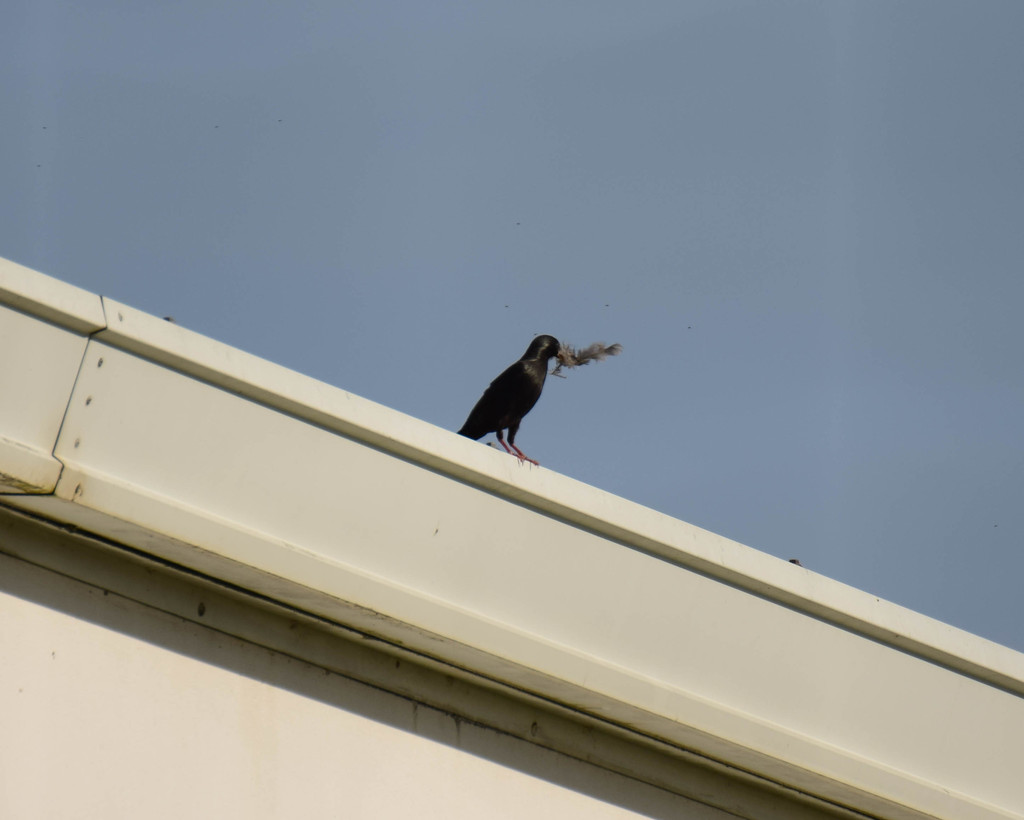
Ave de mediano tamaño, aspecto compacto y color uniforme negro, con un amplio repertorio vocal que le permite imitar el canto de muchos pájaros. Su distribución mundial se restringe al Mediterráneo occidental, con lasnprincipales poblaciones en la Península Ibérica. En España se trata de una especie ubicua y muy común, presente en una amplia variedad de hábitats, desde bosques abiertos hasta zonas esteparias, con gran preferencia por entornos humanizados; de hecho, es una de las aves más representativas de muchos de nuestros pueblos.The Spotless Starling is the quintessential starling of the Spanish village square. It is exceptionally vocal and an even better mimic than its cousin. Its distribution is centered on the Iberian Peninsula. It is a highly adaptable bird that has thrived in human-modified landscapes, nesting in roof tiles, holes in old walls, and urban palm trees. Its aggressive nature helps it defend its nesting sites from other species.
IdentificaciónIdentification
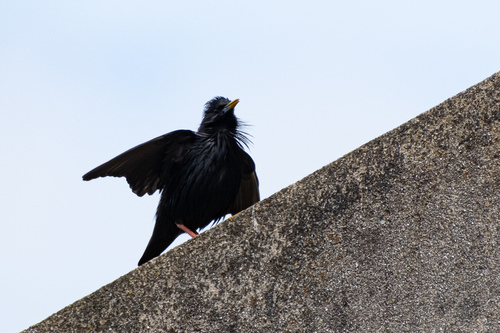
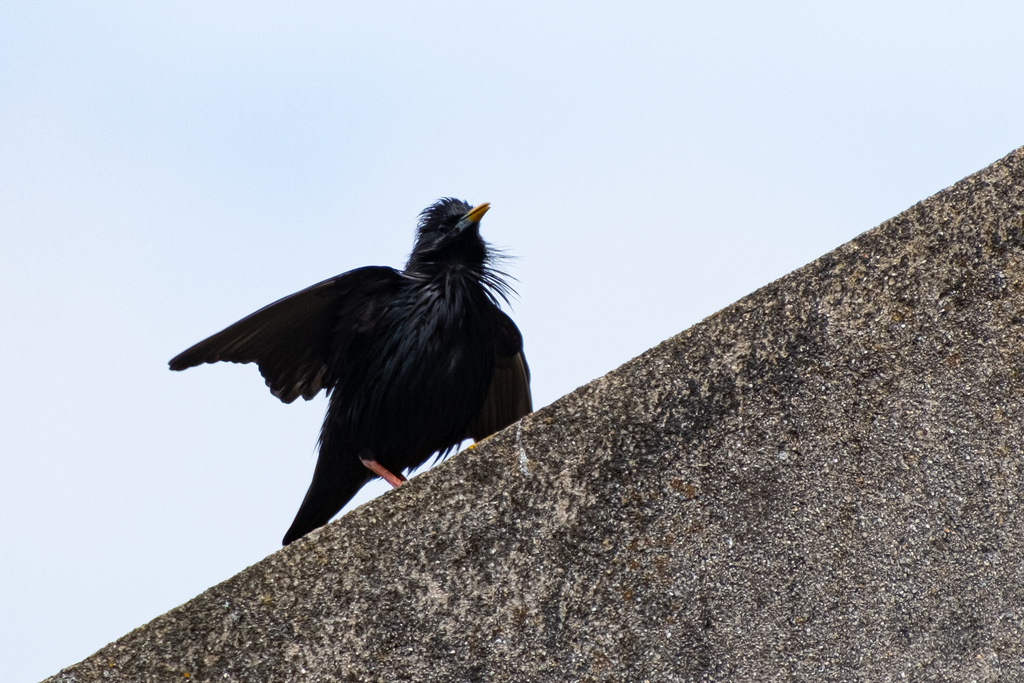
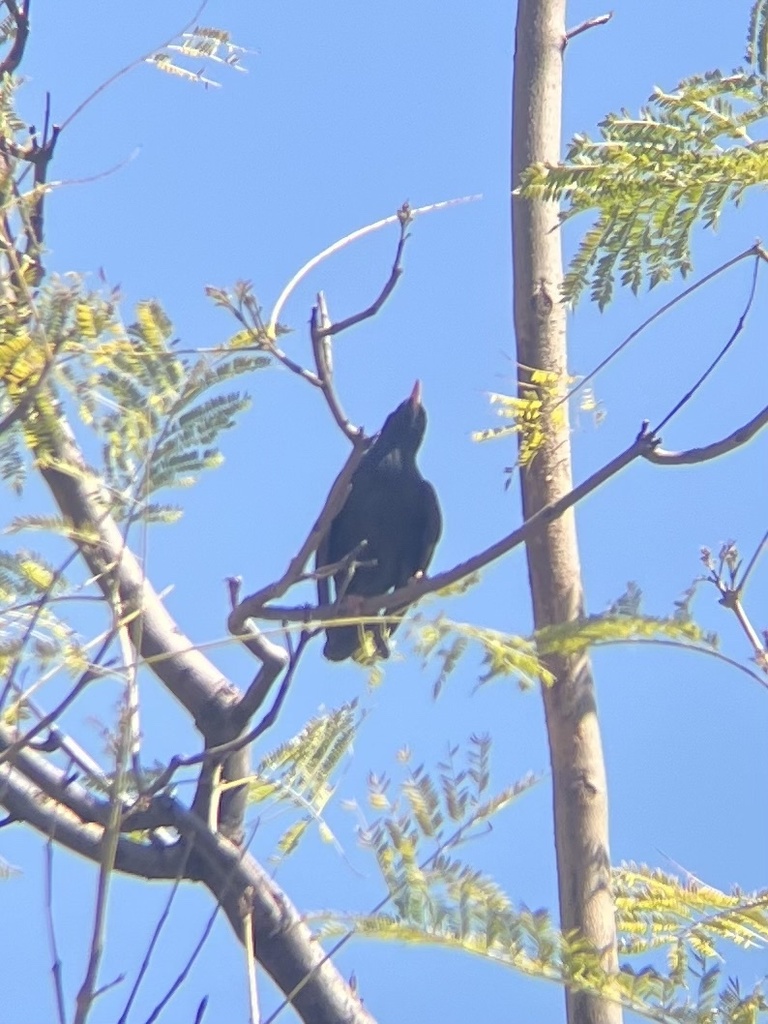
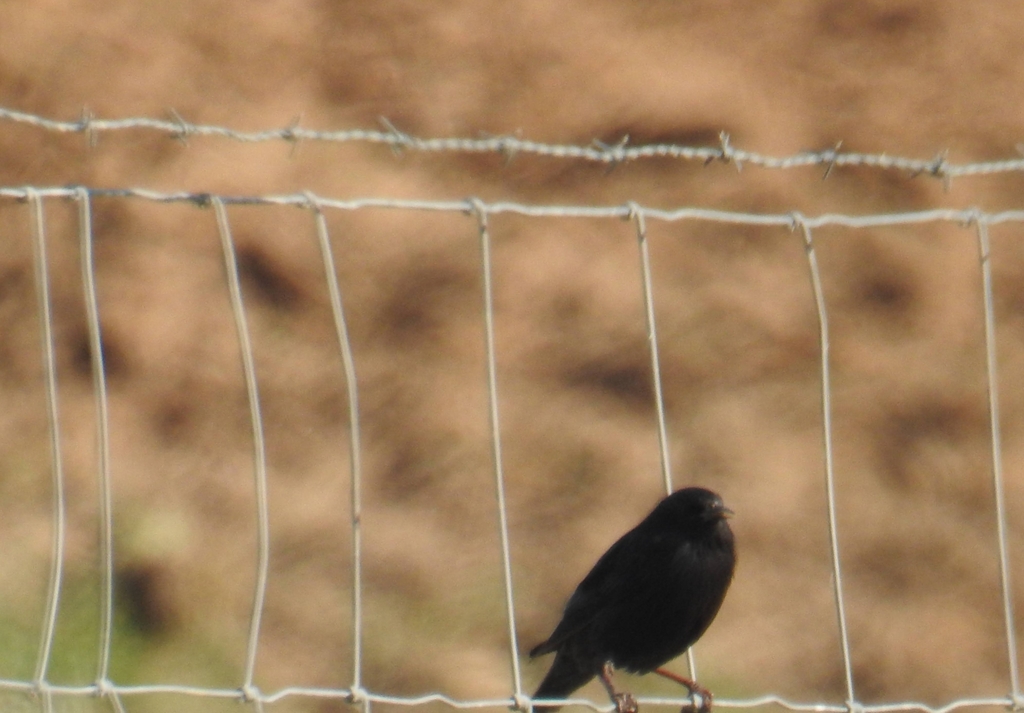
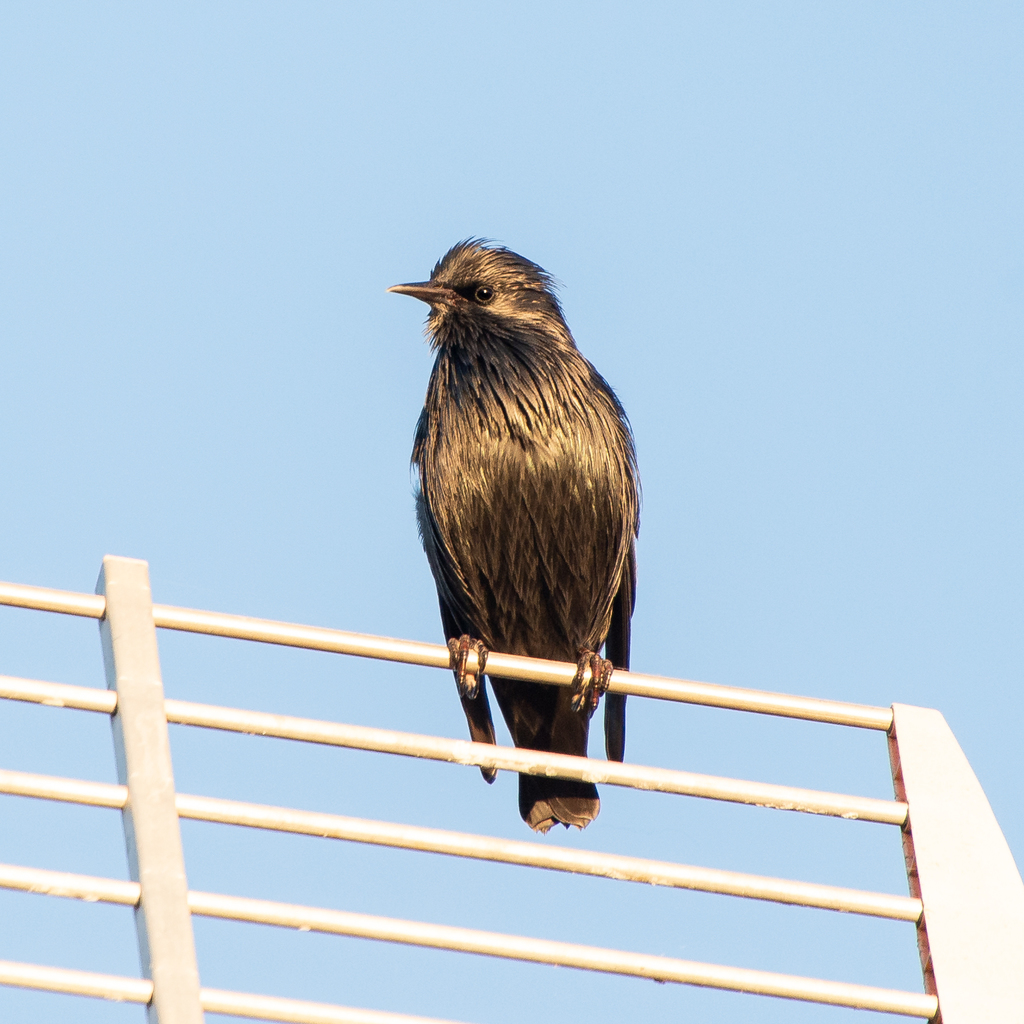
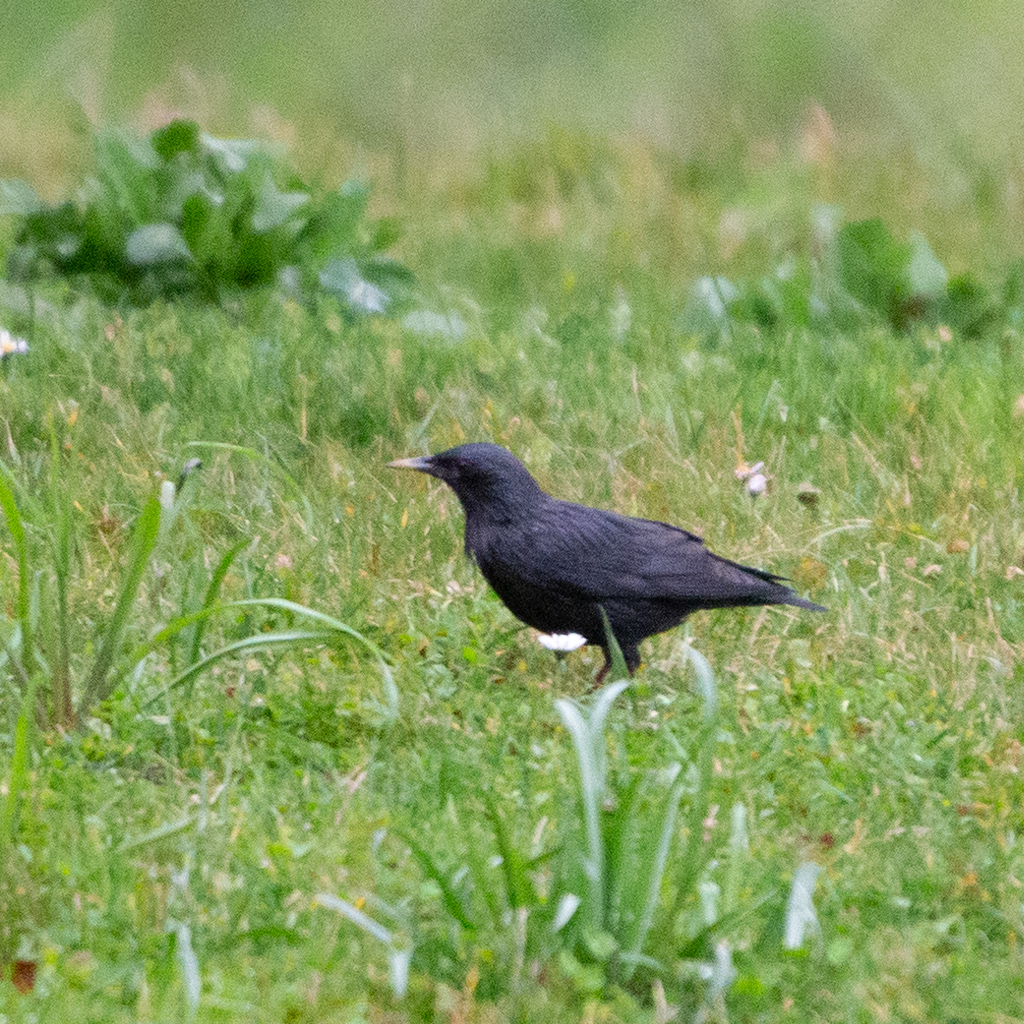
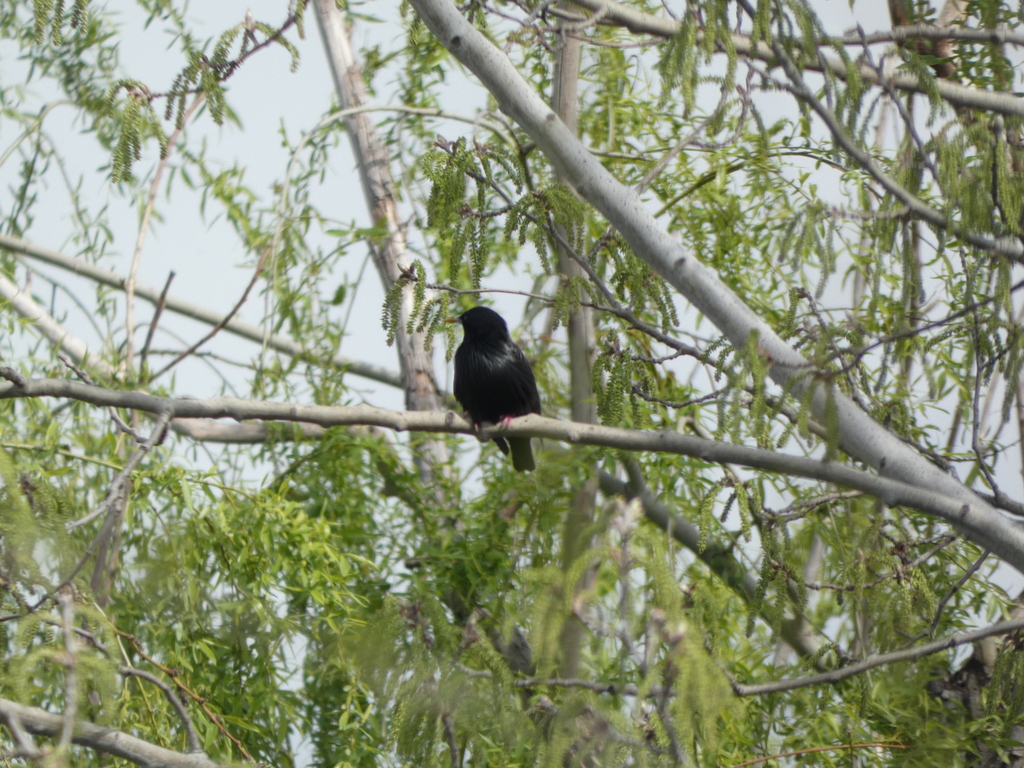
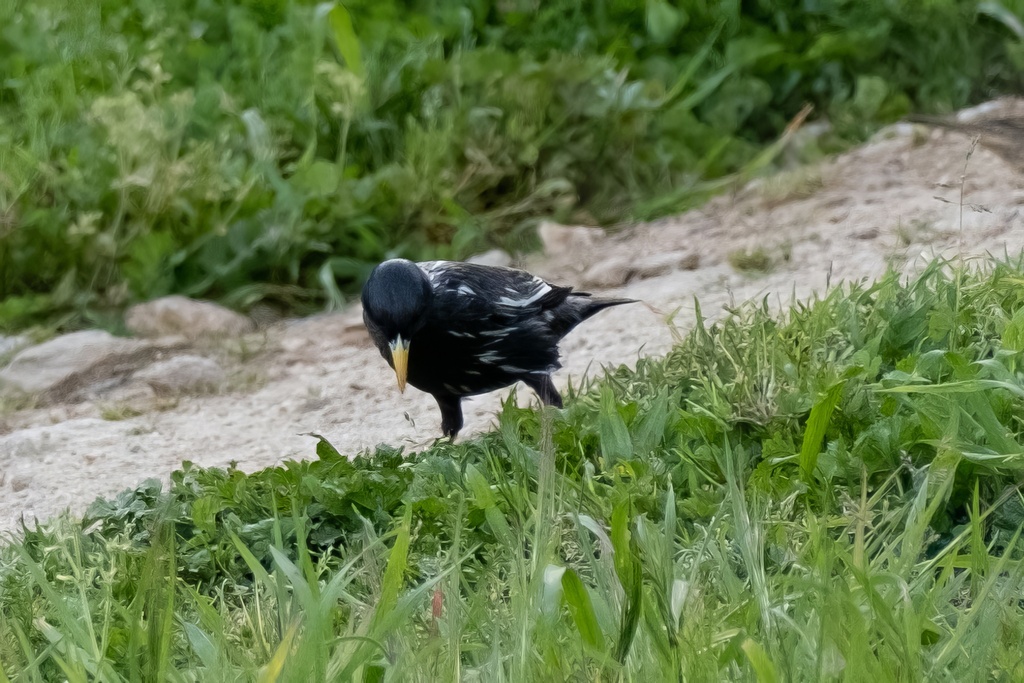
El estornino negro posee tamaño mediano, aspecto compacto, patas cortas y fuertes, y pico puntiagudo. Luce una coloración uniformemente negra, con ciertos brillos verdes y púrpuras, pero sin motas. Tiene el pico amarillo en verano y oscuro en invierno. Ambos sexos resultan similares, y los jóvenes son uniformemente pardos. Aunque se parece al mirlo común, el estornino se desplaza más erguido, andando y no a saltos. Presenta un vuelo rápido y directo.Very similar to the Common Starling but slightly larger and, as its name suggests, almost completely lacks white spots in its adult summer plumage. It is a deep, glossy jet-black with intense green and purple shine. It has longer, silkier throat feathers than the Common Starling. In winter, it may show some fine spots, but never as dense as the Common. It is a native of the western Mediterranean and is one of the most common birds in Spanish towns.
DistribuciónDistribution
Ampliamente distribuido y abundante por toda la Península, está presente también en Ceuta y Melilla, pero se halla ausente de Baleares, excepto en una localidad de Menorca, y Canarias. Escasea o falta en las zonas más altas de la Cordillera Cantábrica, los Pirineos y las campiñas ocupadas por el estornino pinto en los montes vasco-navarros y las sierras catalanas. Su distribución actual es el resultado de su reciente expansión desde el suroeste peninsular hacia el norte. Es probable que esta colonización se haya visto favorecida por el cambio climático y por cambios en el uso del suelo.Widespread and abundant across the entire Peninsula, Ceuta, and Melilla. Absent from the Balearic and Canary Islands. It is only missing from the highest mountain peaks and the core areas where the Common Starling has established itself in the north. Subspecies 'unicolor'.
Textos reproducidos con permiso de laTexts translated and reproduced with permission from the Guía de Aves de España © SEO/BirdLife
Estado de conservaciónConservation Status
- EX
- RE
- CR
- EN
- VU
- NT
- LC
Preocupación menorLeast Concern
Qué significa cada categoríaWhat each category means
- LC
- Preocupación menor: Taxón evaluado que no califica para categorías amenazadas. Especies abundantes y ampliamente distribuidasLeast Concern - Evaluated taxon that does not qualify for threatened categories. Widespread and abundant taxa
- NT
- Casi amenazada: No califica actualmente como amenazada, pero está cerca de calificar o es probable que califique en el futuro cercanoNear Threatened - Does not currently qualify as threatened, but is close to qualifying or likely to qualify in the near future
- VU
- Vulnerable: Enfrenta un alto riesgo de extinción en estado silvestre según los criterios A a E de IUCNVulnerable - Facing a high risk of extinction in the wild based on IUCN criteria A to E
- EN
- En peligro: Enfrenta un riesgo muy alto de extinción en estado silvestre según los criterios A a E de IUCNEndangered - Facing a very high risk of extinction in the wild based on IUCN criteria A to E
- CR
- En peligro crítico: Enfrenta un riesgo extremadamente alto de extinción en estado silvestre según los criterios A a E de IUCNCritically Endangered - Facing an extremely high risk of extinction in the wild based on IUCN criteria A to E
- DD
- Datos insuficientes: Información inadecuada para evaluar el riesgo de extinción basándose en distribución o estado poblacionalData Deficient - Inadequate information to assess extinction risk based on distribution and/or population status
- NE
- No evaluada: No ha sido evaluada aún contra los criterios de la Lista Roja de IUCNNot Evaluated - Has not yet been assessed against the IUCN Red List criteria
- RE
- Extinta regionalmente: El taxón ya no existe en la región específica, aunque puede sobrevivir en otros lugaresRegionally Extinct - Taxon no longer exists in the specific region, though it may survive elsewhere
- EX
- Extinta - No existe duda razonable de que ha muerto el último individuo del taxónExtinct - No reasonable doubt that the last individual of the taxon has died
TaxonomíaTaxonomy
- OrdenOrder
- Passeriformes
- FamiliaFamily
- Sturnidae
Presencia en EspañaPresence in Spain
- HabitualRegular
- ResidenteResident
En la app: todo el año.In the app: all year.
Dónde verlaWhere to see it
4.624 cuadrículas de 10 km con registros de 2020 a 2024. Toca un mes para ver dónde se ha visto.4,624 10 km squares with records from 2020 to 2024. Pick a month to see where it has been seen.
Cargando el mapa…Loading the map…
Dónde es regularWhere it is regular
Provincias con registros en al menos 3 de los 5 años algún mes, de más a menos frecuente, y sus mejores meses.Provinces with records in at least 3 of the 5 years in some month, from most to least frequent, and their best months.
- ValladolidValladolidenero, febrero, diciembreJanuary, February, December
- CeutaCeutaenero, julio, mayoJanuary, July, May
- ÁvilaÁvilaenero, octubre, diciembreJanuary, October, December
- MadridMadridenero, octubre, diciembreJanuary, October, December
- GuadalajaraGuadalajaraenero, septiembre, diciembreJanuary, September, December
- MurciaMurciaabril, mayo, marzoApril, May, March
- CáceresCáceresoctubre, diciembre, septiembreOctober, December, September
- OurenseOurenseoctubre, noviembre, diciembreOctober, November, December
- SalamancaSalamancaoctubre, noviembre, eneroOctober, November, January
- ZaragozaZaragozaabril, enero, mayoApril, January, May
Ver las 49 provinciasSee all 49 provinces
- SegoviaSegoviadiciembre, enero, febreroDecember, January, February
- BadajozBadajozoctubre, agosto, eneroOctober, August, January
- PalenciaPalenciafebrero, octubre, eneroFebruary, October, January
- AlmeríaAlmeríajunio, enero, febreroJune, January, February
- ToledoToledoabril, enero, marzoApril, January, March
- GranadaGranadanoviembre, enero, abrilNovember, January, April
- CórdobaCórdobamayo, octubre, septiembreMay, October, September
- BurgosBurgosfebrero, noviembre, eneroFebruary, November, January
- JaénJaénagosto, noviembre, eneroAugust, November, January
- LugoLugoabril, mayo, febreroApril, May, February
- ValenciaValenciamayo, junio, abrilMay, June, April
- La RiojaLa Riojadiciembre, octubre, noviembreDecember, October, November
- MálagaMálagamayo, octubre, junioMay, October, June
- ZamoraZamoraenero, febrero, octubreJanuary, February, October
- HuelvaHuelvaseptiembre, noviembre, octubreSeptember, November, October
- CádizCádizmayo, junio, octubreMay, June, October
- SevillaSevillanoviembre, abril, mayoNovember, April, May
- SoriaSoriafebrero, diciembre, abrilFebruary, December, April
- Ciudad RealCiudad Realenero, octubre, junioJanuary, October, June
- AlbaceteAlbaceteseptiembre, abril, octubreSeptember, April, October
- LeónLeónenero, febrero, octubreJanuary, February, October
- TeruelTerueloctubre, enero, febreroOctober, January, February
- CastellónCastellónmayo, junio, febreroMay, June, February
- A CoruñaA Coruñamayo, abril, junioMay, April, June
- NavarraNavarramayo, junio, marzoMay, June, March
- AlicanteAlicantemayo, abril, septiembreMay, April, September
- ÁlavaÁlavaabril, mayo, eneroApril, May, January
- PontevedraPontevedramayo, junio, julioMay, June, July
- HuescaHuescamarzo, abril, febreroMarch, April, February
- CuencaCuencafebrero, octubre, mayoFebruary, October, May
- TarragonaTarragonajunio, mayo, abrilJune, May, April
- LleidaLleidamayo, abril, marzoMay, April, March
- AsturiasAsturiasmayo, abril, febreroMay, April, February
- VizcayaVizcayamayo, junio, abrilMay, June, April
- CantabriaCantabriajunio, mayo, abrilJune, May, April
- BarcelonaBarcelonamayo, abril, junioMay, April, June
- BalearesBalearic Islandsmayo, marzo, junioMay, March, June
- GironaGironamayo, junio, julioMay, June, July
- GuipúzcoaGuipúzcoajunio, mayo, julioJune, May, July
Datos: registros en GBIF de 2020 a 2024 de Observation.org, eBird, iNaturalist y el ICO, descargados el 23/10/2026.Data: GBIF records from 2020 to 2024 from Observation.org, eBird, iNaturalist and the ICO, downloaded on 23/10/2026. GBIF.org (23 October 2026) GBIF Occurrence Download · doi:10.15468/dl.r5sf2a · CC BY-NC 4.0
GaleríaGallery
© Bruno Peixoto · CC BY · iNaturalist 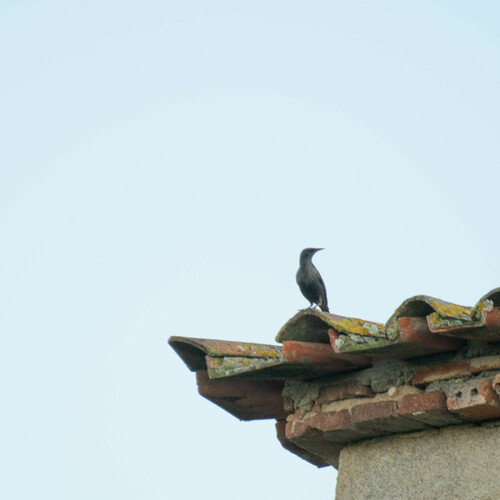
© Nuno Fialho · CC BY · iNaturalist 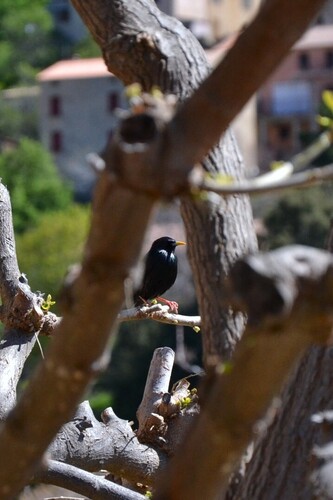
© Samuel Paitreault · CC BY · iNaturalist 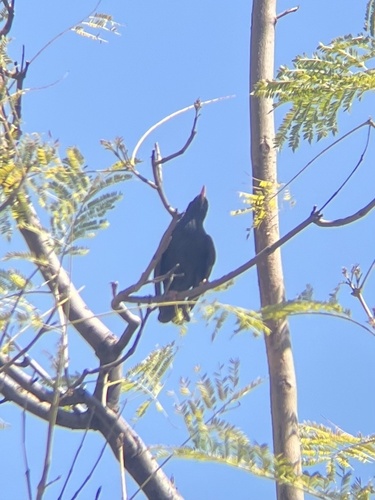
© Hannah Stitt · CC BY · iNaturalist 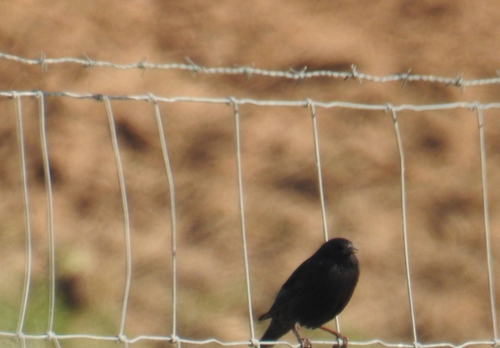
© David Pereira · CC BY · iNaturalist 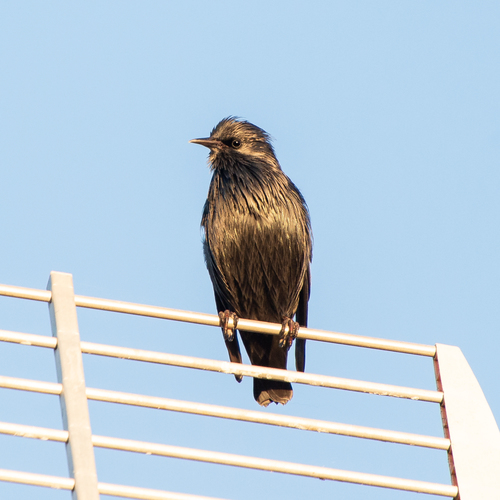
© euqirneto · CC BY · iNaturalist 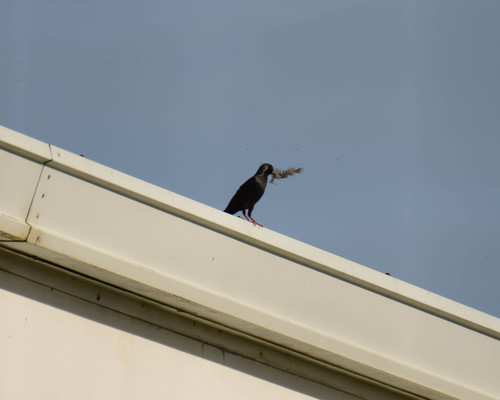
© Nuno Fialho · CC BY · iNaturalist 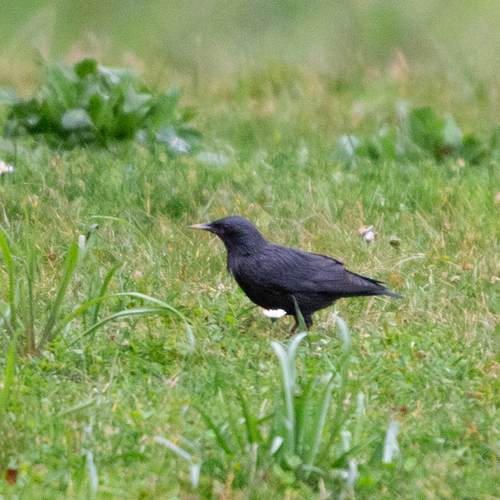
© euqirneto · CC BY · iNaturalist 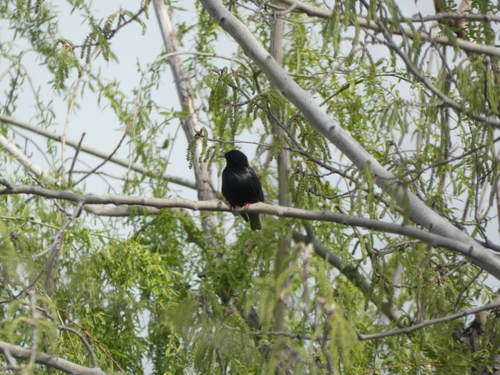
© Juan Rodríguez · CC BY · iNaturalist 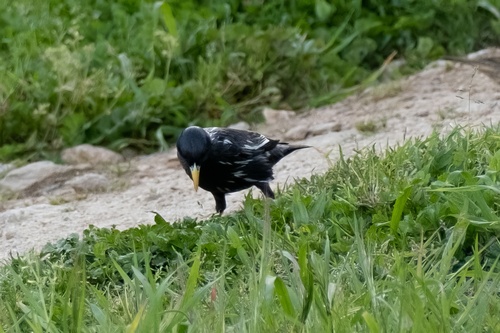
© Bruno Peixoto · CC BY · iNaturalist
Especies relacionadasRelated species
Otras aves de la familia Sturnidae y de órdenes cercanos.Other birds from the Sturnidae family and nearby orders.
- ÉpicoEpic
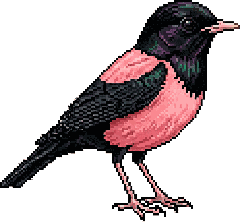 Estornino rosadoRosy StarlingPastor roseus
- ComúnCommon
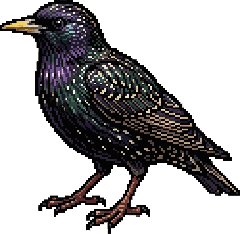 Estornino pintoCommon StarlingSturnus vulgaris
- ComúnCommon
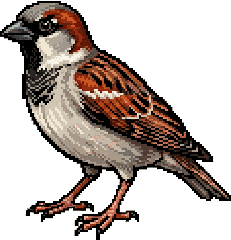 Gorrión comúnHouse SparrowPasser domesticus
- Poco comúnUncommon
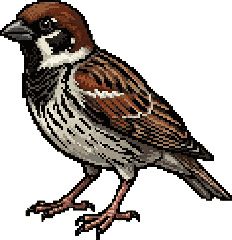 Gorrión morunoSpanish SparrowPasser hispaniolensis
- ComúnCommon
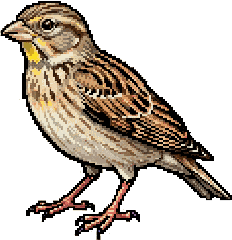 Gorrión chillónRock SparrowPetronia petronia
- RaroRare
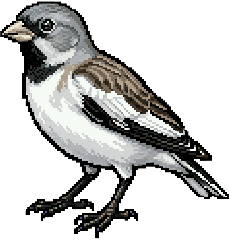 Gorrión alpinoWhite-winged SnowfinchMontifringilla nivalis
- Poco comúnUncommon
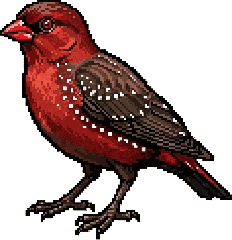 Bengalí rojoRed AvadavatAmandava amandava
- Poco comúnUncommon
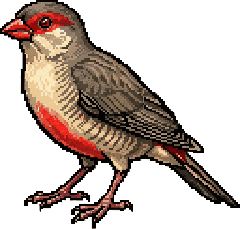 Estrilda comúnCommon WaxbillEstrilda astrild
 Gratis, sin anuncios ni comprasFree, no ads, no purchases