 BirdPedy
Gorrión alpinoWhite-winged Snowfinch
En 14 provincias en noviembre y en 4 en septiembreIn 14 provinces in November and 4 in September
Reporte de rarezaRarity report
Por qué es raroWhy it is rareEspecialista extremo de la alta montaña por encima del límite forestal. Confinado a los picos más altos de Pirineos y Picos de Europa; extremadamente difícil de observar fuera de estas zonas.Extreme specialist of high mountains above the tree line. Confined to the highest peaks of the Pyrenees and the Picos de Europa; extremely difficult to see outside these areas.
Cada carrizo es un mes: su altura, las provincias con registros de 2020 a 2024.Each reed is a month: its height, the provinces with records from 2020 to 2024.- Provincias con registrosProvinces with records
- 18 de 52of 52
- En la appIn the app
- Todo el añoAll year
- EnvergaduraWingspan
- 34-38 cm34-38 cm
- LongitudLength
- 16,5-19 cm16.5-19 cm
- Lista Roja de EspañaSpanish Red List
- NT Casi amenazadaNear Threatened

Información generalGeneral Information
Las más altas e inhóspitas cumbres de las montañas euroasiáticas, donde los vientos helados y la nieve reinan casi todo el año, constituyen el hábitat elegido por este singular representante de la familia de los gorriones: el gorrión alpino, una especie ligada como pocas a las cimas y a la existencia de neveros y prados donde encuentra su sustento. Un hábitat duro y difícil que, sin embargo, podría desaparecer o disminuir drásticamente si se confirma el progresivo calentamiento al que parece estar sometido el planeta.While most birds flee the snow, the Snowfinch seeks it out. It breeds at extreme altitudes (usually above 1,800m) in the Pyrenees and Picos de Europa, often alongside Alpine Accentors. It is one of the most specialized birds in Spain, completely dependent on alpine meadows and snow-patches for its food. It is highly vulnerable to global warming, as its cold, high-altitude habitat is shrinking. It is a hardy survivor of the Iberian peaks.
IdentificaciónIdentification
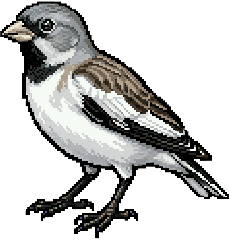
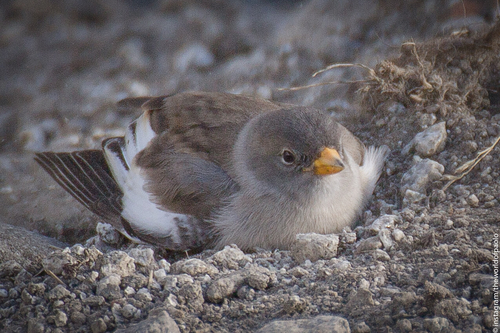
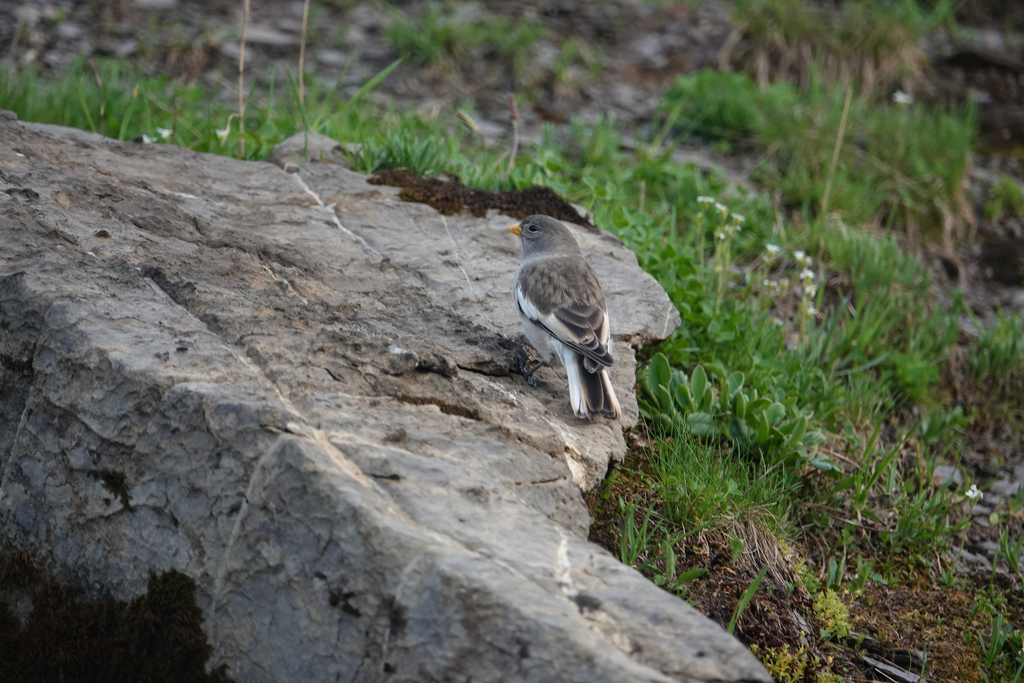
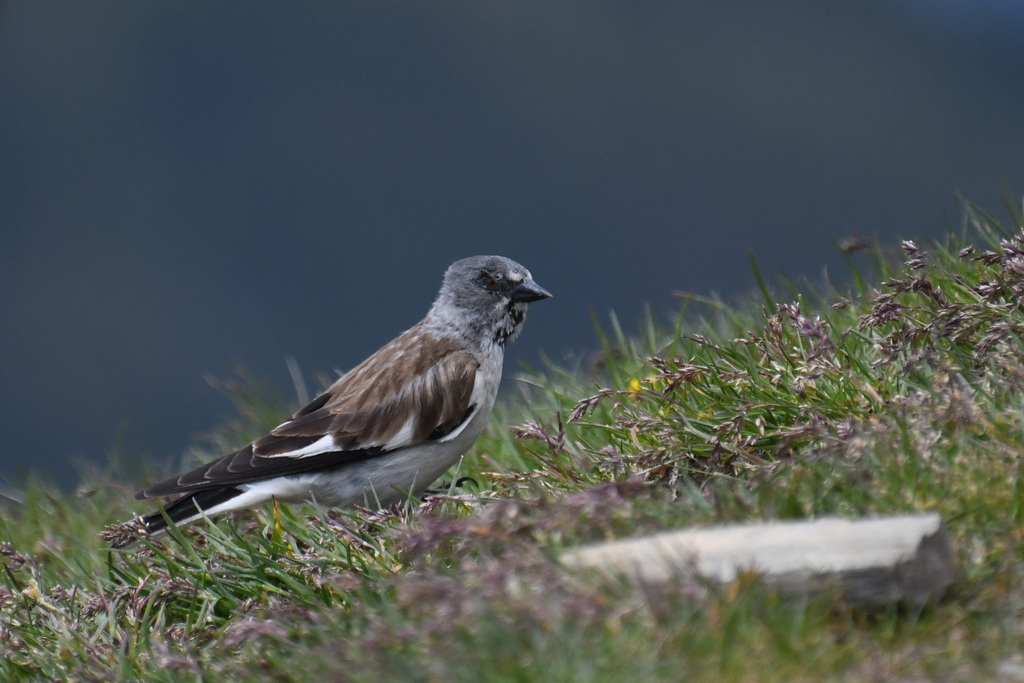
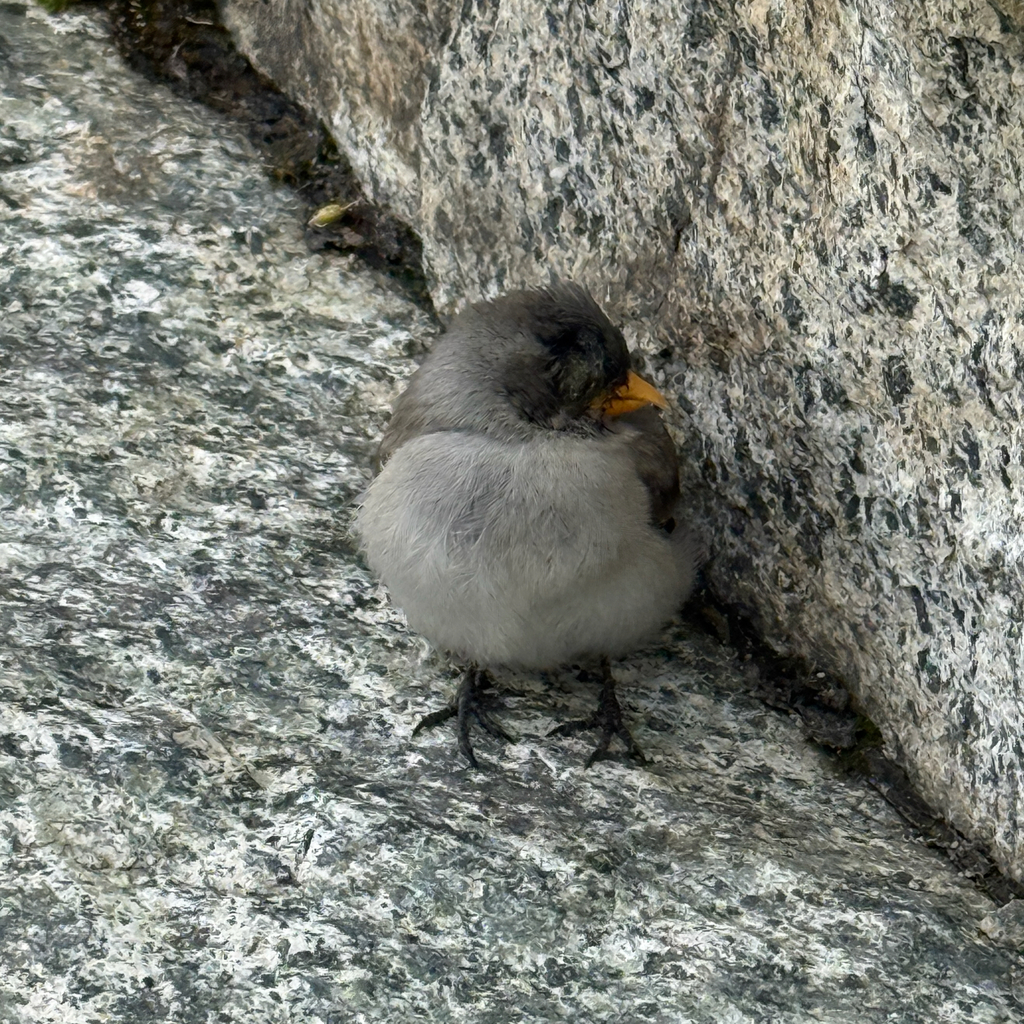
El gorrión alpino es un gorrión grande, de aspecto inconfundible, que en las regiones dorsales exhibe tonos más bien discretos, por lo que no resulta muy llamativo cuando se desplaza sobre las rocas y pastizales alpinos. En las zonas ventrales domina el blanco, algo menos puro en verano, al igual que en la cola, que es llamativamente blanca, salvo las rectrices centrales, negras. La cabeza es gris o gris azulado y el pico, negro. El macho presenta un babero negro en época estival que aparece por desgaste del plumaje, mientras que la hembra muestra colores más apagados, el babero poco llamativo y la base del pico siempre clara. En invierno ambos sexos resultan muy semejantes, con coloraciones generalmente más claras que durante la época reproductora y con el pico amarillo anaranjado. Los jóvenes son parecidos a los adultos en invierno, pero con las partes inferiores algo más “sucias”. Es en vuelo cuando el gorrión alpino resulta un ave muy llamativa por los amplios y conspicuos paneles blancos de sus alas y cola.A large, robust sparrow-like bird of the highest altitudes. In summer, it has a beautiful ash-gray head, a black throat, and an unstreaked grayish-brown back. In winter, it becomes paler and more sandy-toned. Its most stunning feature is revealed in flight: huge pure-white panels in the wings and tail, making it look like a large white-winged bird. It is remarkably tame and often frequents ski resorts and mountain refuges.
DistribuciónDistribution
Es un ave característica y cada vez más escasa de la alta montaña del Pirineo central (Huesca, Navarra y Lérida) y de la parte oriental de la Cordillera Cantábrica (Asturias, León, Cantabria y Palencia), normalmente por encima de los 1.800 metros de altitud.Restricted to the high zones of the Central Pyrenees (Huesca, Navarre, Lleida) and the eastern Cantabrian Mountains (Picos de Europa). Very localized and increasingly scarce. Resident or short-distance vertical migrant.
Textos reproducidos con permiso de laTexts translated and reproduced with permission from the Guía de Aves de España © SEO/BirdLife
Estado de conservaciónConservation Status
- EX
- RE
- CR
- EN
- VU
- NT
- LC
Casi amenazadaNear Threatened
Qué significa cada categoríaWhat each category means
- LC
- Preocupación menor: Taxón evaluado que no califica para categorías amenazadas. Especies abundantes y ampliamente distribuidasLeast Concern - Evaluated taxon that does not qualify for threatened categories. Widespread and abundant taxa
- NT
- Casi amenazada: No califica actualmente como amenazada, pero está cerca de calificar o es probable que califique en el futuro cercanoNear Threatened - Does not currently qualify as threatened, but is close to qualifying or likely to qualify in the near future
- VU
- Vulnerable: Enfrenta un alto riesgo de extinción en estado silvestre según los criterios A a E de IUCNVulnerable - Facing a high risk of extinction in the wild based on IUCN criteria A to E
- EN
- En peligro: Enfrenta un riesgo muy alto de extinción en estado silvestre según los criterios A a E de IUCNEndangered - Facing a very high risk of extinction in the wild based on IUCN criteria A to E
- CR
- En peligro crítico: Enfrenta un riesgo extremadamente alto de extinción en estado silvestre según los criterios A a E de IUCNCritically Endangered - Facing an extremely high risk of extinction in the wild based on IUCN criteria A to E
- DD
- Datos insuficientes: Información inadecuada para evaluar el riesgo de extinción basándose en distribución o estado poblacionalData Deficient - Inadequate information to assess extinction risk based on distribution and/or population status
- NE
- No evaluada: No ha sido evaluada aún contra los criterios de la Lista Roja de IUCNNot Evaluated - Has not yet been assessed against the IUCN Red List criteria
- RE
- Extinta regionalmente: El taxón ya no existe en la región específica, aunque puede sobrevivir en otros lugaresRegionally Extinct - Taxon no longer exists in the specific region, though it may survive elsewhere
- EX
- Extinta - No existe duda razonable de que ha muerto el último individuo del taxónExtinct - No reasonable doubt that the last individual of the taxon has died
TaxonomíaTaxonomy
- OrdenOrder
- Passeriformes
- FamiliaFamily
- Passeridae
Presencia en EspañaPresence in Spain
- HabitualRegular
- ResidenteResident
En la app: todo el año.In the app: all year.
Dónde verlaWhere to see it
115 cuadrículas de 10 km con registros de 2020 a 2024. Toca un mes para ver dónde se ha visto.115 10 km squares with records from 2020 to 2024. Pick a month to see where it has been seen.
Cargando el mapa…Loading the map…
Dónde es regularWhere it is regular
Provincias con registros en al menos 3 de los 5 años algún mes, de más a menos frecuente, y sus mejores meses.Provinces with records in at least 3 of the 5 years in some month, from most to least frequent, and their best months.
- CantabriaCantabriajulio, junio, mayoJuly, June, May
- HuescaHuescajunio, julio, agostoJune, July, August
- AsturiasAsturiasjunio, julio, mayoJune, July, May
- LeónLeónjunio, julio, noviembreJune, July, November
- BurgosBurgosenero, diciembreJanuary, December
- BarcelonaBarcelonanoviembre, diciembre, eneroNovember, December, January
- PalenciaPalenciaagosto, junioAugust, June
- LleidaLleidamarzoMarch
- GironaGironafebrero, noviembreFebruary, November
- NavarraNavarranoviembreNovember
Datos: registros en GBIF de 2020 a 2024 de Observation.org, eBird, iNaturalist y el ICO, descargados el 23/10/2026.Data: GBIF records from 2020 to 2024 from Observation.org, eBird, iNaturalist and the ICO, downloaded on 23/10/2026. GBIF.org (23 October 2026) GBIF Occurrence Download · doi:10.15468/dl.r5sf2a · CC BY-NC 4.0
GaleríaGallery
© Paolo Zucca · CC BY · iNaturalist 
© Ben Costamagna · CC BY · iNaturalist 
© Demian Hiß · CC BY · iNaturalist 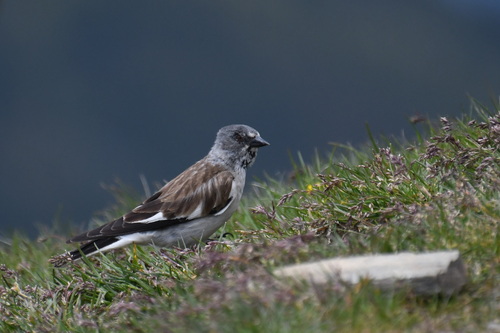
© Thorsten Hackbarth · CC BY · iNaturalist 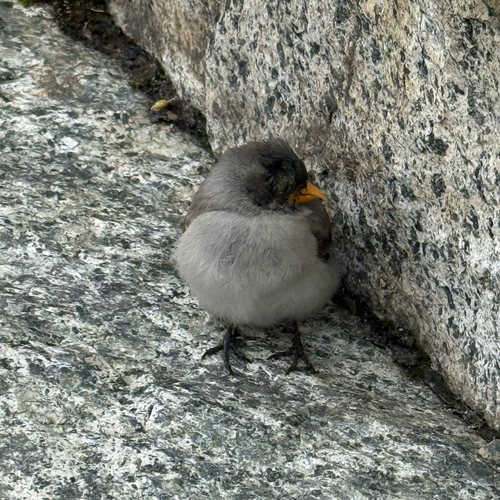
© Carrie Seltzer · CC BY · iNaturalist
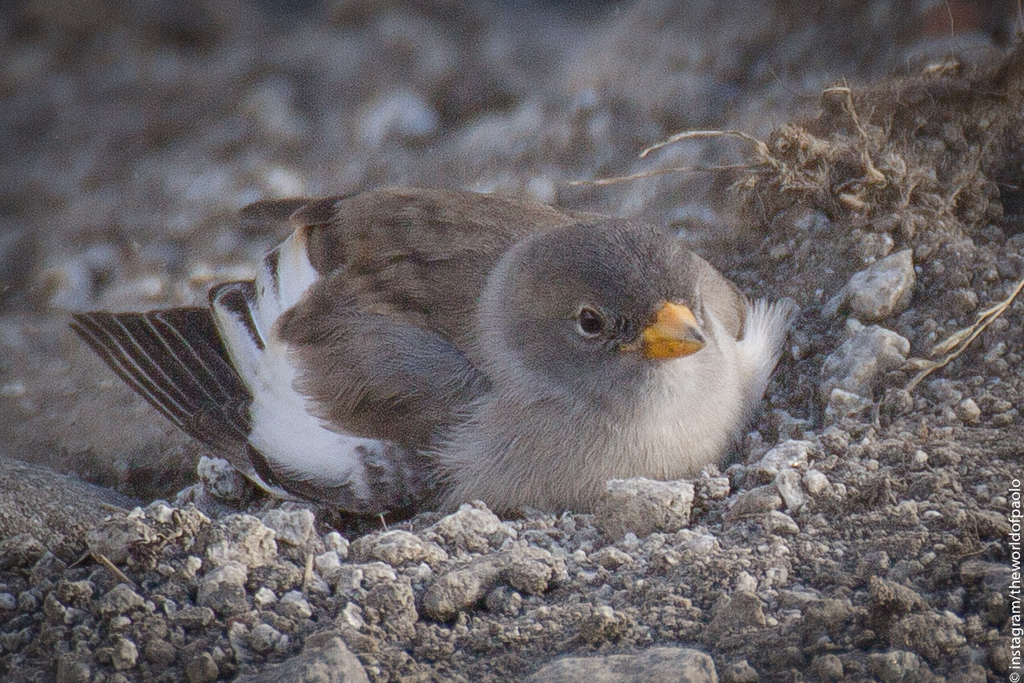
Especies relacionadasRelated species
Otras aves de la familia Passeridae y de órdenes cercanos.Other birds from the Passeridae family and nearby orders.
- ComúnCommon
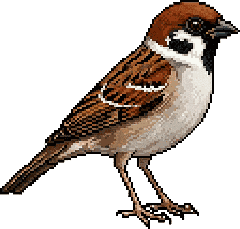 Gorrión molineroEurasian Tree SparrowPasser montanus
- LegendarioLegendary
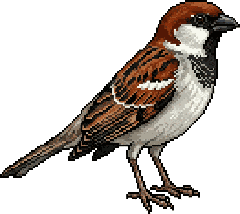 Gorrión italianoItalian SparrowPasser italiae
- LegendarioLegendary
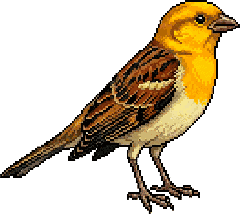 Gorrión doradoSudan Golden SparrowPasser luteus
- ComúnCommon
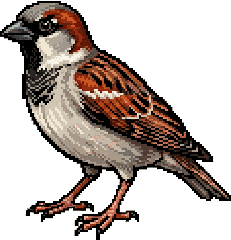 Gorrión comúnHouse SparrowPasser domesticus
- Poco comúnUncommon
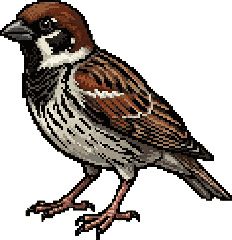 Gorrión morunoSpanish SparrowPasser hispaniolensis
- ComúnCommon
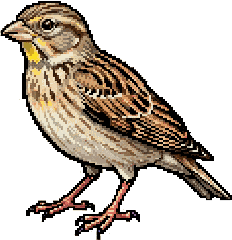 Gorrión chillónRock SparrowPetronia petronia
- Poco comúnUncommon
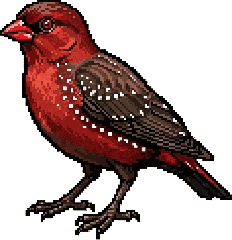 Bengalí rojoRed AvadavatAmandava amandava
- Poco comúnUncommon
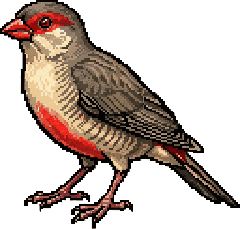 Estrilda comúnCommon WaxbillEstrilda astrild
 Gratis, sin anuncios ni comprasFree, no ads, no purchases