 BirdPedy
Charrancito comúnLittle Tern
En 36 provincias en mayo y en 1 en diciembreIn 36 provinces in May and 1 in December
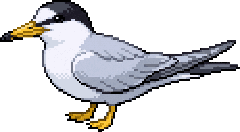
Reporte de rarezaRarity report
Por qué es poco comúnWhy it is uncommonPequeña ave estival que nidifica en playas tranquilas, dunas y marismas litorales. Se encuentra en regresión debido a la fuerte presión turística de su hábitat de cría, lo que la hace una especie localizada y escasa.Small summer bird that nests on quiet beaches, dunes and coastal marshes. It is declining because of heavy tourist pressure on its breeding habitat, which makes it a localized and scarce species.
Cada carrizo es un mes: su altura, las provincias con registros de 2020 a 2024.Each reed is a month: its height, the provinces with records from 2020 to 2024.- Provincias con registrosProvinces with records
- 45 de 52of 52
- En la appIn the app
- Marzo a octubreMarch to October
- EnvergaduraWingspan
- 47-55 cm47-55 cm
- LongitudLength
- 22-28 cm22-28 cm
- Lista Roja de EspañaSpanish Red List
- NT Casi amenazadaNear Threatened

Información generalGeneral Information
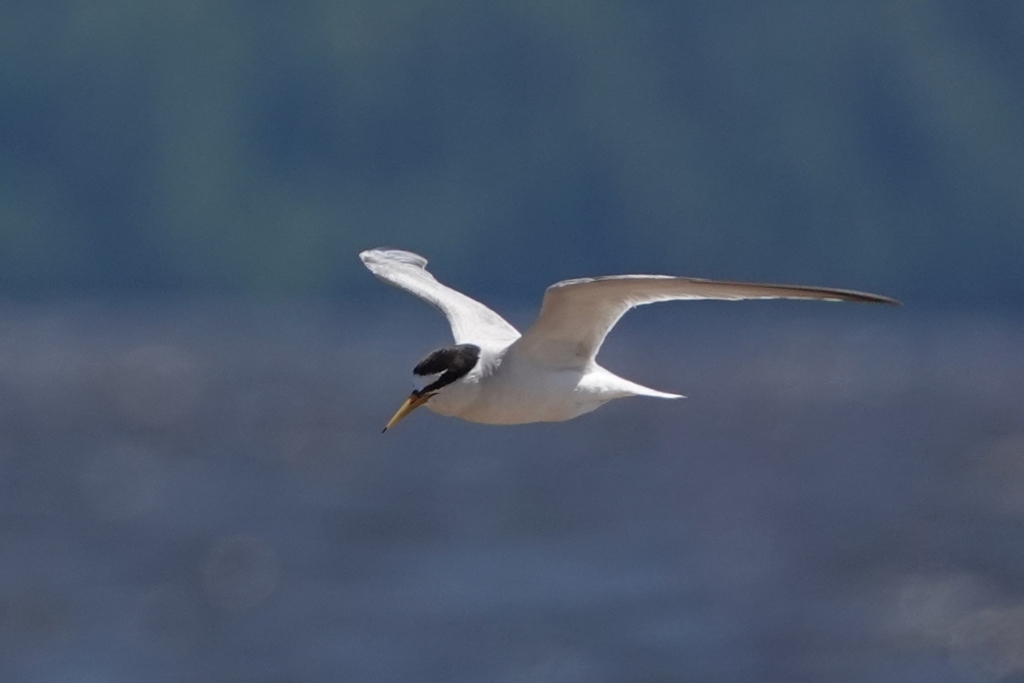
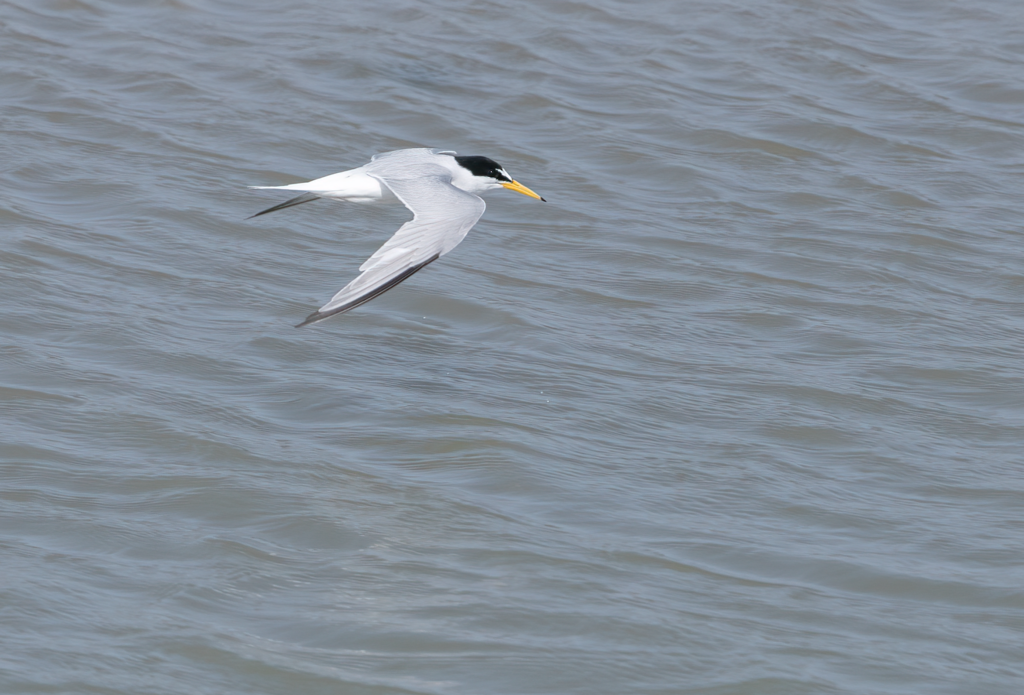
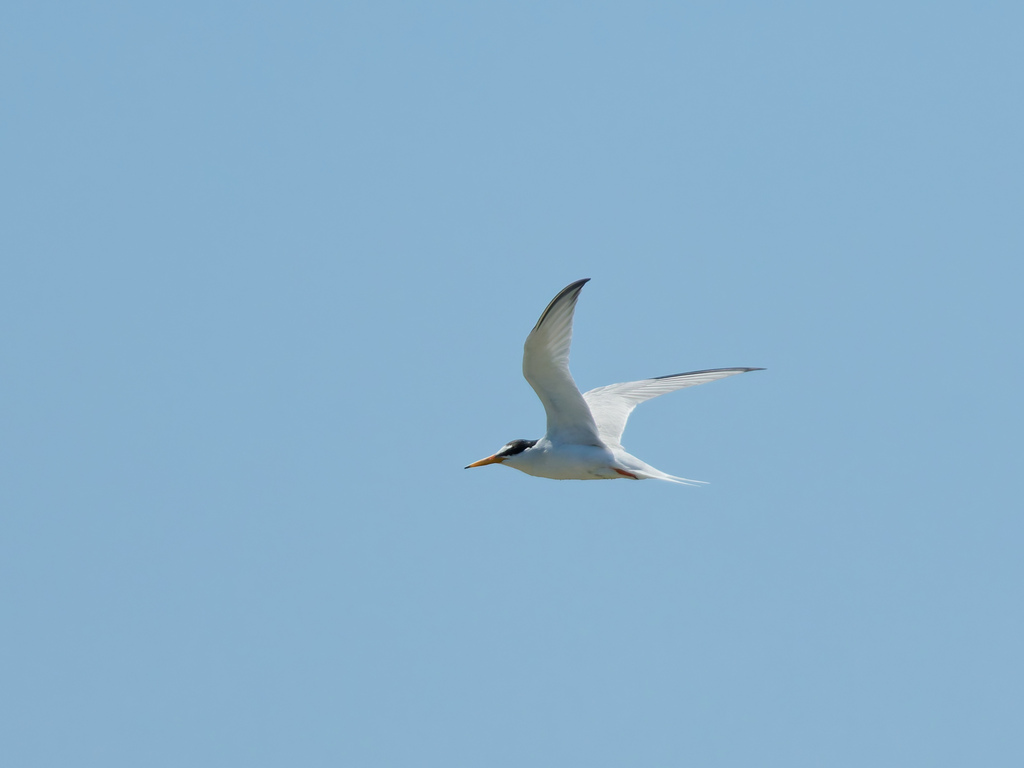
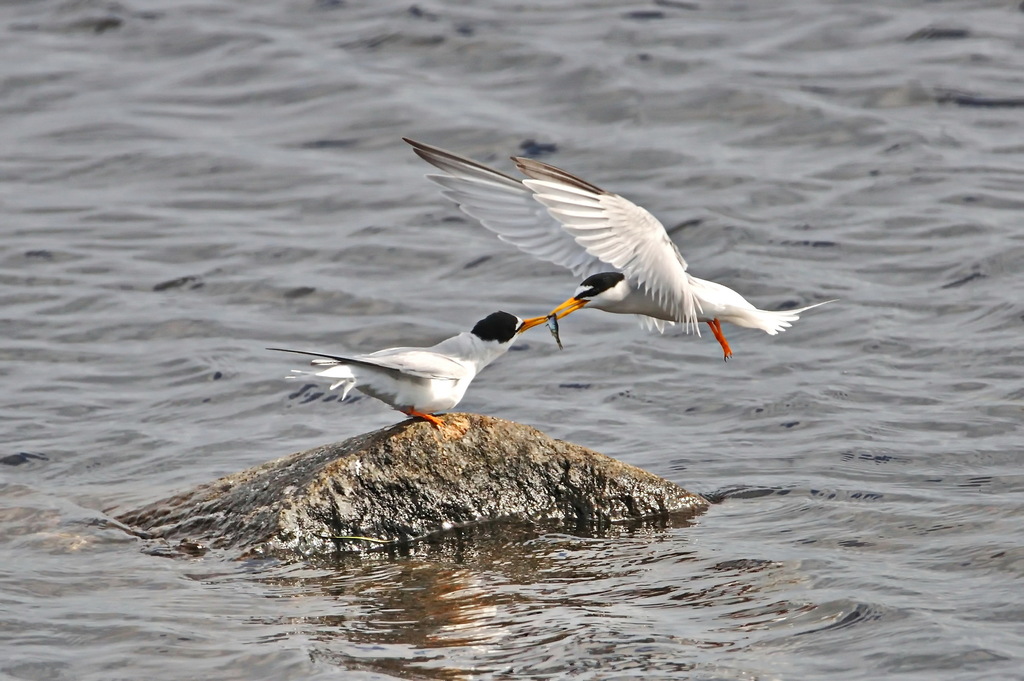
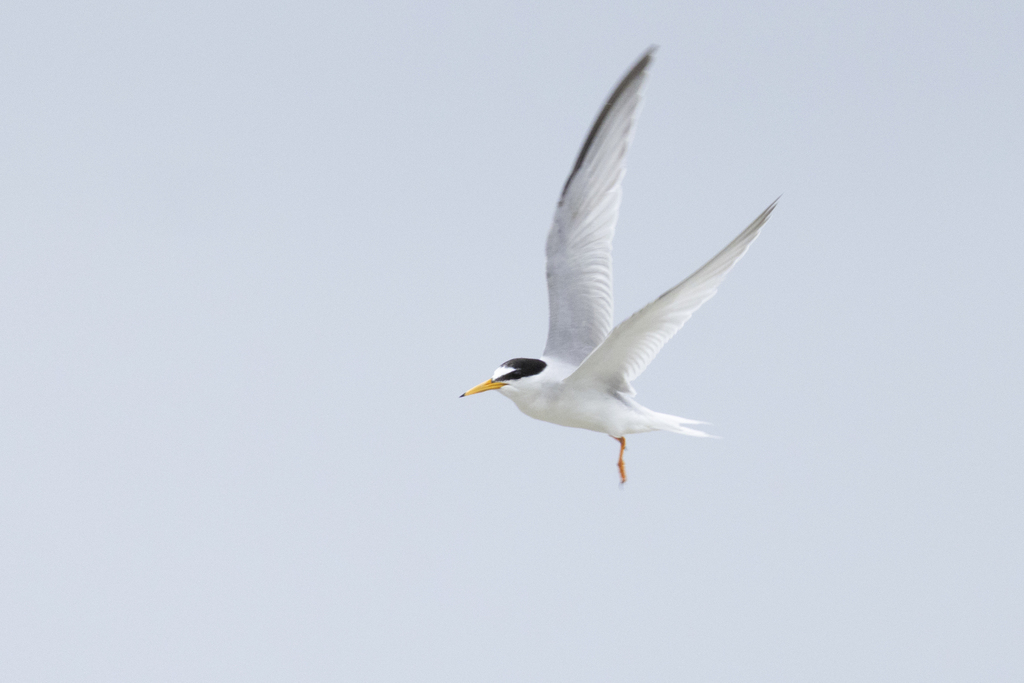
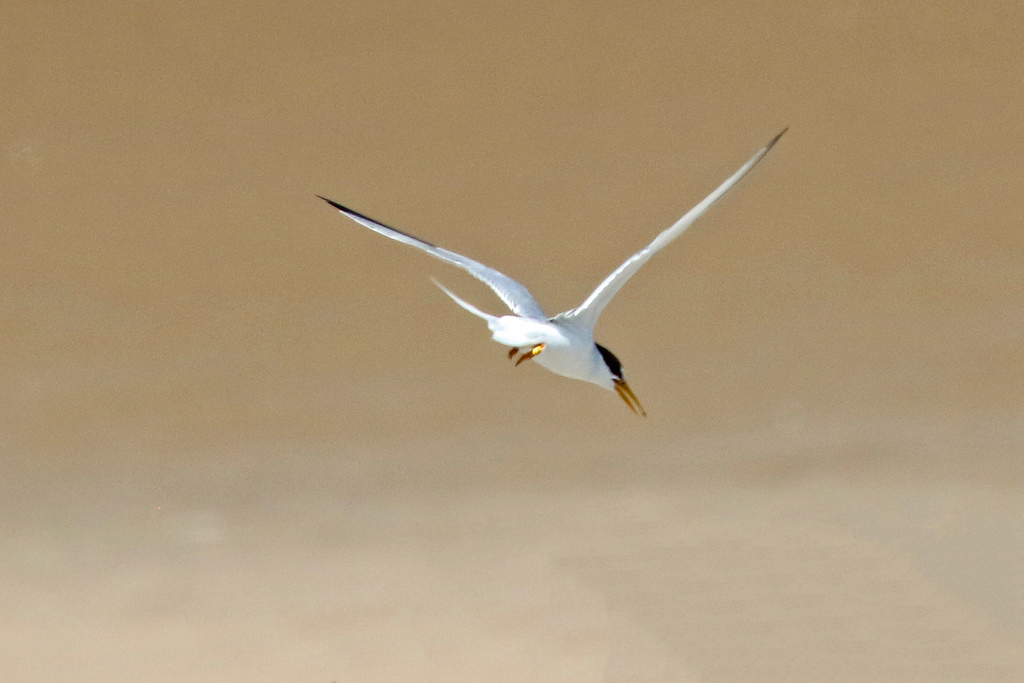
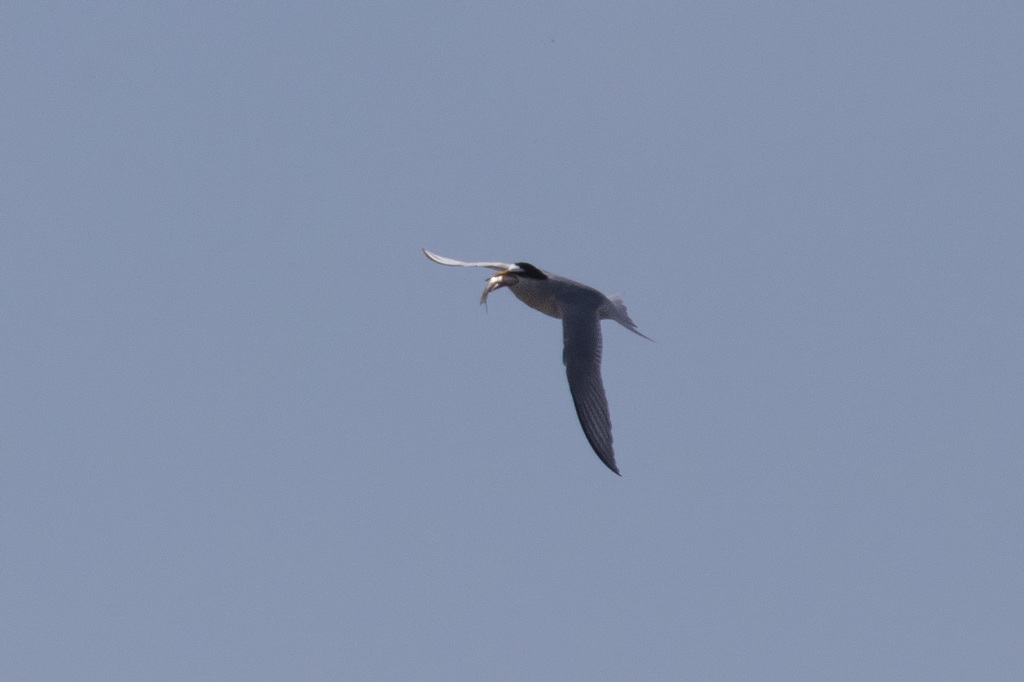
El charrancito común, el más pequeño de nuestros charranes, es el único miembro de su familia con el pico amarillo y de punta negra. Desarrolla un vuelo rápido y más agitado que el de otros charranes, que lo hace inconfundible. Allí donde cría, resulta muy llamativo observar la incansable actividad de pesca de los grupos de adultos mientras se alimentan de pequeños peces y crustáceos, siempre cerca de la colonia, que capturan con rápidas y repetidas zambullidas y buceos, a veces en la misma orilla.The 'baby' of the family, easily identified by its fast, butterfly-like flight and yellow bill. It is a delight to watch their tireless fishing activity near their colonies, often zipping along the shoreline to catch tiny fish and crustaceans. They are highly protective of their ground-nesting sites on beaches and salt marshes.
IdentificaciónIdentification
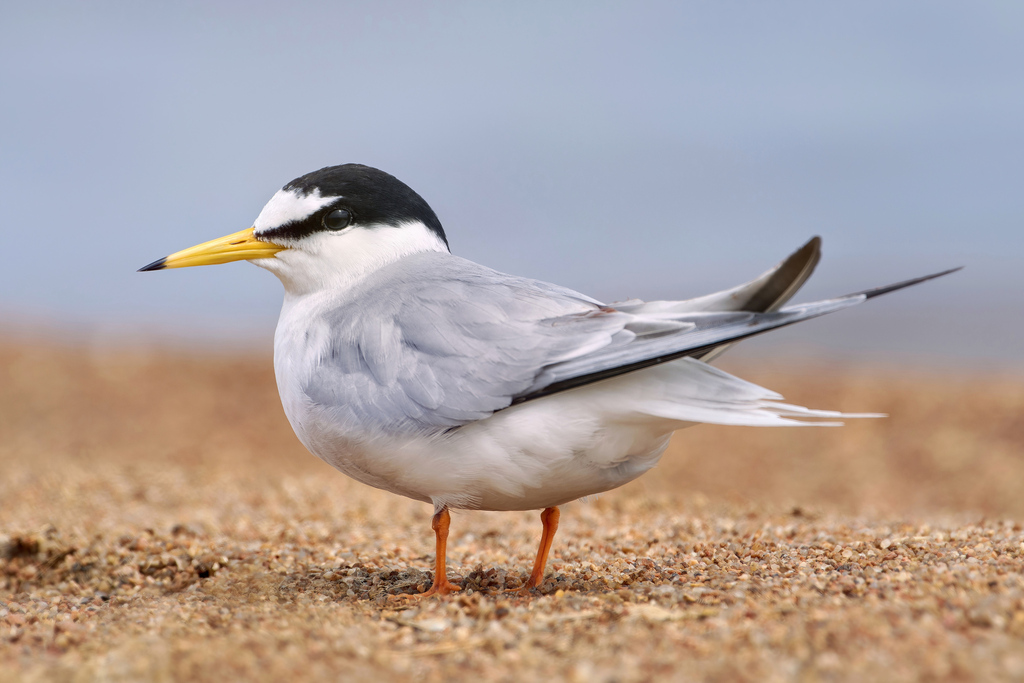
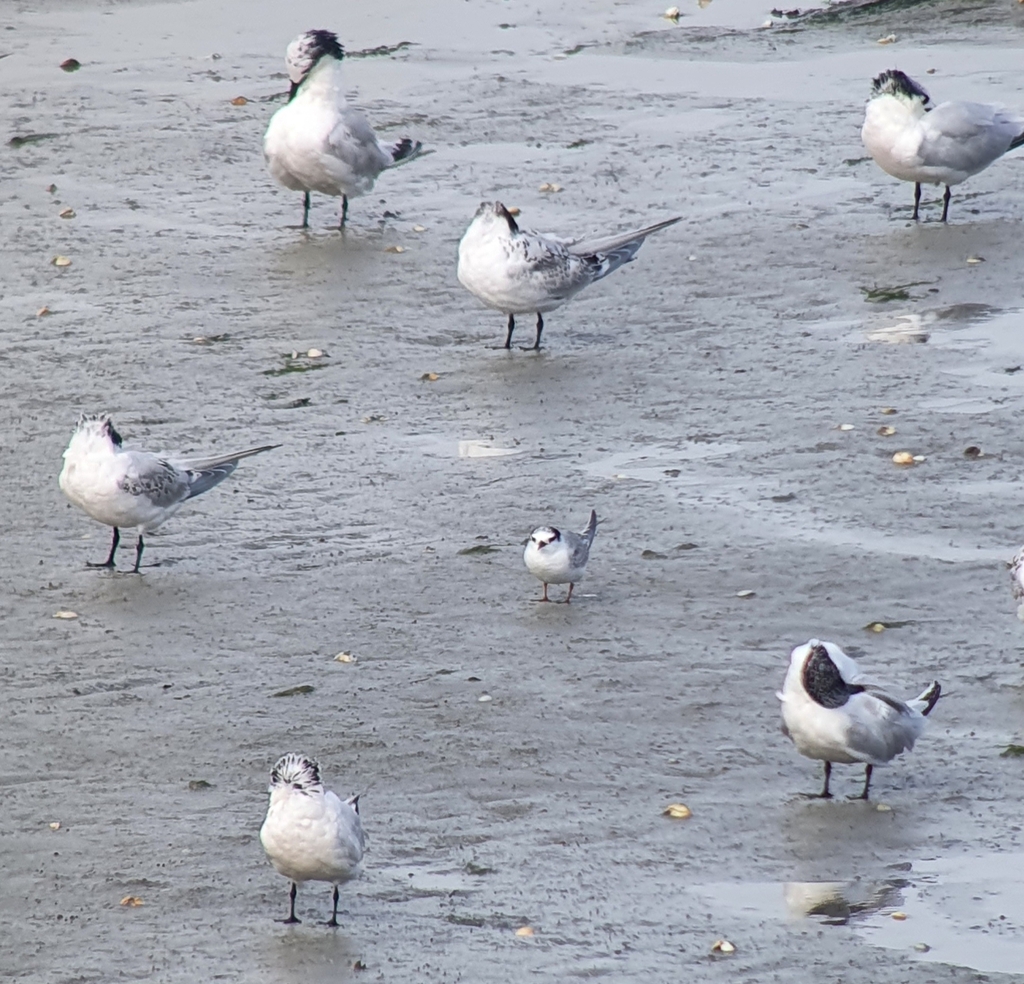
Su reducido tamaño (es casi la mitad de pequeño que el charrán común), junto con el pálido aspecto general, la cabeza oscura y el pico amarillo con la punta negra, lo hacen prácticamente inconfundible. A diferencia de otros charranes, presenta la frente blanca a todas las edades. El adulto en plumaje reproductor luce en la cabeza un capirote negro sin cresta, que se extiende hasta la nuca y enlaza con dos líneas negras (bridas) desde el ojo hasta el pico. La espalda y las alas son de tono gris uniforme, salvo las tres primarias externas, negruzcas. El obispillo es blanco, la cola, corta y moderadamente ahorquillada, también blanca, y las patas, de color amarillo anaranjado. El adulto en plumaje invernal presenta las bridas blancas, la frente blanca más amplia, el pico negro y las patas más oscuras Por su parte, los jóvenes poseen las patas claras, el pico negruzco (sobre todo en la punta) y el dorso con un dibujo de escamas oscuras. Su vuelo es también muy distintivo y activo, con un batir de alas muy rápido y profundo.The smallest European tern (nearly half the size of a Common Tern), unmistakable due to its tiny size, white forehead at all ages, and yellow bill with a black tip. Adults have a black cap and a black line from the eye to the bill. They have orange-yellow legs and a short, moderately forked tail. Their flight is very active and jerky, with exceptionally fast wingbeats. They are often seen hovering over water before diving.
DistribuciónDistribution
Durante la época reproductora se distribuye de manera local por humedales tanto costeros como de interior, y es más abundante en enclaves del litoral mediterráneo y del arco suratlántico. En el interior, aunque más escaso, está ampliamente extendido por humedales de Extremadura. En el litoral cantábrico es raro y no se reproduce ni en Baleares ni en Canarias. En España está presente la subespecie albifrons.Local breeder in coastal and inland wetlands, most abundant in the Mediterranean and southwest Atlantic (Andalusia). Also found in Extremadura. Rare in the north; absent as a breeder from the archipelagos. Subspecies 'albifrons'.
Textos reproducidos con permiso de laTexts translated and reproduced with permission from the Guía de Aves de España © SEO/BirdLife
Estado de conservaciónConservation Status
- EX
- RE
- CR
- EN
- VU
- NT
- LC
Casi amenazadaNear Threatened
Qué significa cada categoríaWhat each category means
- LC
- Preocupación menor: Taxón evaluado que no califica para categorías amenazadas. Especies abundantes y ampliamente distribuidasLeast Concern - Evaluated taxon that does not qualify for threatened categories. Widespread and abundant taxa
- NT
- Casi amenazada: No califica actualmente como amenazada, pero está cerca de calificar o es probable que califique en el futuro cercanoNear Threatened - Does not currently qualify as threatened, but is close to qualifying or likely to qualify in the near future
- VU
- Vulnerable: Enfrenta un alto riesgo de extinción en estado silvestre según los criterios A a E de IUCNVulnerable - Facing a high risk of extinction in the wild based on IUCN criteria A to E
- EN
- En peligro: Enfrenta un riesgo muy alto de extinción en estado silvestre según los criterios A a E de IUCNEndangered - Facing a very high risk of extinction in the wild based on IUCN criteria A to E
- CR
- En peligro crítico: Enfrenta un riesgo extremadamente alto de extinción en estado silvestre según los criterios A a E de IUCNCritically Endangered - Facing an extremely high risk of extinction in the wild based on IUCN criteria A to E
- DD
- Datos insuficientes: Información inadecuada para evaluar el riesgo de extinción basándose en distribución o estado poblacionalData Deficient - Inadequate information to assess extinction risk based on distribution and/or population status
- NE
- No evaluada: No ha sido evaluada aún contra los criterios de la Lista Roja de IUCNNot Evaluated - Has not yet been assessed against the IUCN Red List criteria
- RE
- Extinta regionalmente: El taxón ya no existe en la región específica, aunque puede sobrevivir en otros lugaresRegionally Extinct - Taxon no longer exists in the specific region, though it may survive elsewhere
- EX
- Extinta - No existe duda razonable de que ha muerto el último individuo del taxónExtinct - No reasonable doubt that the last individual of the taxon has died
TaxonomíaTaxonomy
- OrdenOrder
- Charadriiformes
- FamiliaFamily
- Laridae
Presencia en EspañaPresence in Spain
- De pasoPassage migrant
- EstivalSummer visitor
- HabitualRegular
En la app: marzo a octubre.In the app: March to October.
Dónde verlaWhere to see it
360 cuadrículas de 10 km con registros de 2020 a 2024. Toca un mes para ver dónde se ha visto.360 10 km squares with records from 2020 to 2024. Pick a month to see where it has been seen.
Cargando el mapa…Loading the map…
Dónde es regularWhere it is regular
Provincias con registros en al menos 3 de los 5 años algún mes, de más a menos frecuente, y sus mejores meses.Provinces with records in at least 3 of the 5 years in some month, from most to least frequent, and their best months.
- HuelvaHuelvajulio, junio, agostoJuly, June, August
- CádizCádizjulio, mayo, junioJuly, May, June
- TarragonaTarragonajulio, agosto, mayoJuly, August, May
- ValenciaValenciajulio, mayo, junioJuly, May, June
- AlicanteAlicanteagosto, julio, mayoAugust, July, May
- AlmeríaAlmeríaagosto, julio, mayoAugust, July, May
- A CoruñaA Coruñaagosto, septiembre, julioAugust, September, July
- MurciaMurciaagosto, julio, septiembreAugust, July, September
- BadajozBadajozjunio, mayo, julioJune, May, July
- CastellónCastellónmayo, julio, junioMay, July, June
Ver las 28 provinciasSee all 28 provinces
- CáceresCáceresjulio, junio, agostoJuly, June, August
- MálagaMálagaseptiembre, agosto, julioSeptember, August, July
- BarcelonaBarcelonamayo, junio, abrilMay, June, April
- LugoLugoagosto, septiembreAugust, September
- CantabriaCantabriaseptiembre, agosto, junioSeptember, August, June
- ÁvilaÁvilajulio, agostoJuly, August
- GironaGironamayo, abril, julioMay, April, July
- AsturiasAsturiasagosto, septiembre, octubreAugust, September, October
- ZamoraZamorajunio, mayoJune, May
- PontevedraPontevedraagosto, septiembreAugust, September
- SevillaSevillaagosto, junio, septiembreAugust, June, September
- GuipúzcoaGuipúzcoaseptiembre, agosto, junioSeptember, August, June
- HuescaHuescajunio, mayoJune, May
- BalearesBalearic Islandsjunio, mayo, julioJune, May, July
- Ciudad RealCiudad Realjunio, mayoJune, May
- CórdobaCórdobamayoMay
- ToledoToledomayoMay
- MadridMadridjunioJune
Datos: registros en GBIF de 2020 a 2024 de Observation.org, eBird, iNaturalist y el ICO, descargados el 23/10/2026.Data: GBIF records from 2020 to 2024 from Observation.org, eBird, iNaturalist and the ICO, downloaded on 23/10/2026. GBIF.org (23 October 2026) GBIF Occurrence Download · doi:10.15468/dl.r5sf2a · CC BY-NC 4.0
GaleríaGallery

© Andrey Gulivanov · CC BY · iNaturalist 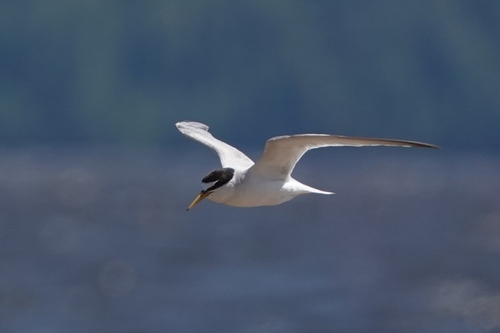
© Валерия Ковалева · CC BY · iNaturalist 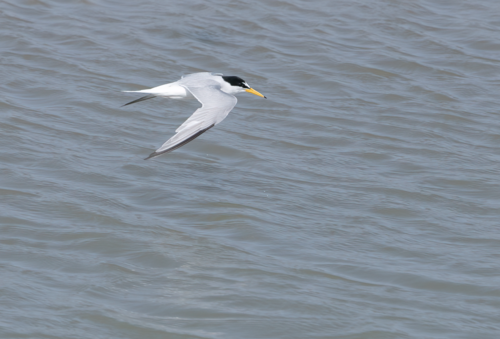
© Paolo Zucca · CC BY · iNaturalist 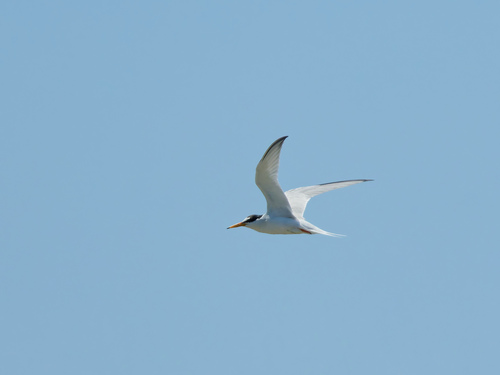
© Donald Davesne · CC BY · iNaturalist 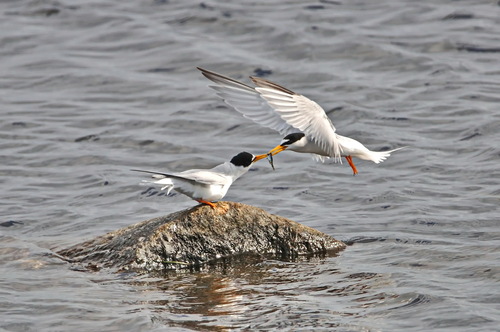
© Viktor N. Chekan · CC BY · iNaturalist 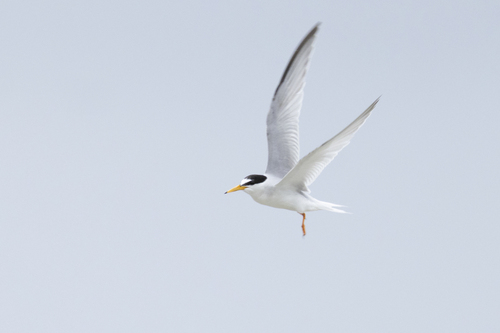
© bristolian · CC BY · iNaturalist 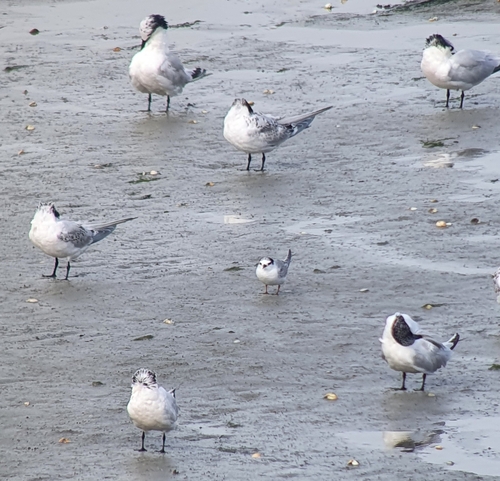
© Quentin Benet-Cibois · CC BY · iNaturalist 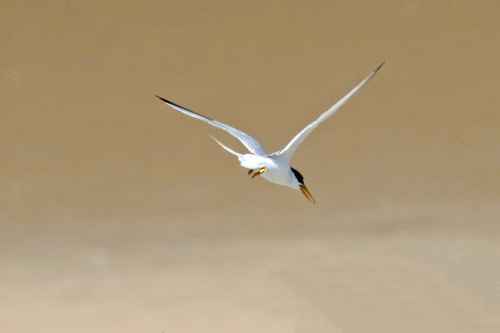
© Roy Lowry · CC BY · iNaturalist 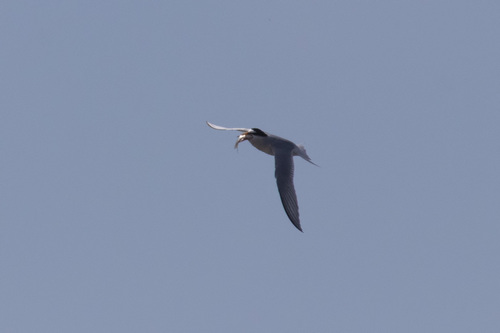
© Константин Селивёрстов · CC BY · iNaturalist
Especies relacionadasRelated species
Otras aves de la familia Laridae y de órdenes cercanos.Other birds from the Laridae family and nearby orders.
- Poco comúnUncommon
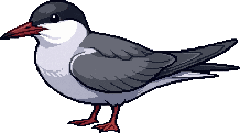 Fumarel cariblancoWhiskered TernChlidonias hybrida
- Poco comúnUncommon
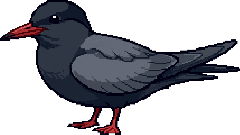 Fumarel comúnBlack TernChlidonias niger
- RaroRare
 Gaviota de SabineSabine's GullXema sabini
- ÉpicoEpic
 Gaviota de BonaparteBonaparte's GullChroicocephalus philadelphia
- LegendarioLegendary
 Gaviota cabecigrísGrey-headed GullChroicocephalus cirrocephalus
- Poco comúnUncommon
 Gaviota enanaLittle GullHydrocoloeus minutus
- LegendarioLegendary
 Gaviota rosadaRoss's GullRhodostethia rosea
- ÉpicoEpic
 Gaviota guanaguanareLaughing GullLarus atricilla
 Gratis, sin anuncios ni comprasFree, no ads, no purchases