 BirdPedy
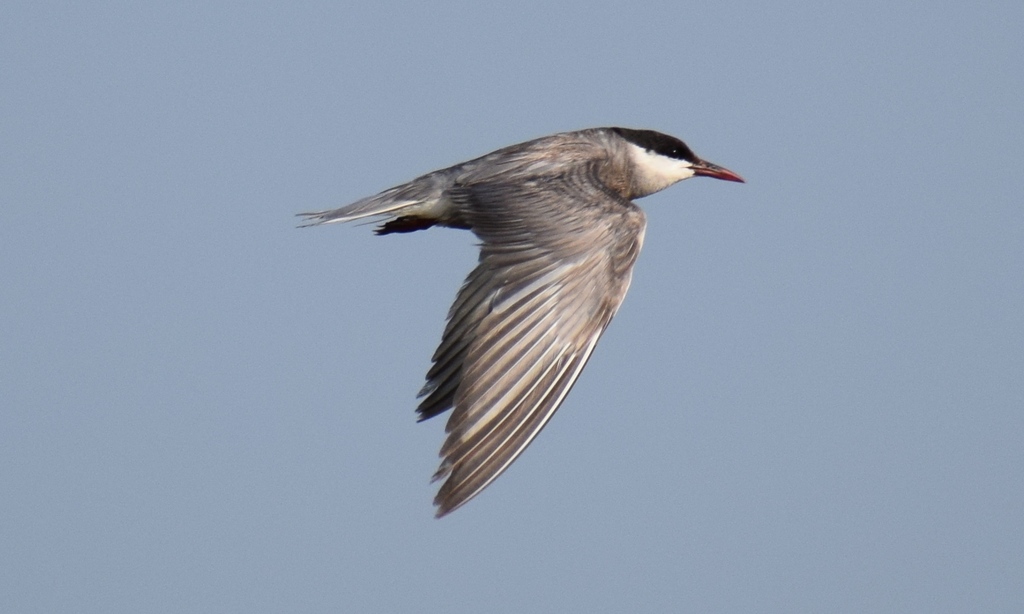
Fumarel cariblancoWhiskered Tern
En 46 provincias en abril y en 9 en eneroIn 46 provinces in April and 9 in January
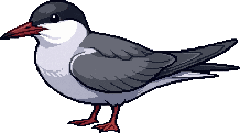
Reporte de rarezaRarity report
Por qué es poco comúnWhy it is uncommonNidifica de forma localizada en humedales con abundante vegetación flotante (ej. eneas, nenúfares) tanto en el interior (Tablas de Daimiel) como en el litoral andaluz y levantino.Summer resident in large wetlands with floating vegetation. Colonial character and localized distribution make it uncommon elsewhere.
Cada carrizo es un mes: su altura, las provincias con registros de 2020 a 2024.Each reed is a month: its height, the provinces with records from 2020 to 2024.- Provincias con registrosProvinces with records
- 49 de 52of 52
- En la appIn the app
- Marzo a octubreMarch to October
- EnvergaduraWingspan
- 64-70 cm64-70 cm
- LongitudLength
- 23-29 cm23-29 cm
- Lista Roja de EspañaSpanish Red List
- DD Datos insuficientesData Deficient

Información generalGeneral Information
La aparición del fumarel cariblanco está muy condicionada por el nivel hídrico de los humedales, ya que, al construir nidos flotantes, requiere una profundidad de agua aceptable. En los años favorables resulta un espectáculo observar, en los humedales más querenciosos, a cientos de fumareles alimentándose sobre la lámina de agua. Es una especie inconfundible en plumaje nupcial, con las distintivas mejillas blancas, muy visibles. En cambio, en plumaje de invierno o durante la muda puede pasar inadvertido entre otros fumareles y charranes.The presence of Whiskered Terns is highly dependent on water levels, as they build floating nests that require stable, vegetated water. In good rain years, hundreds can be seen feeding over the water surface in a spectacular display. While easily identified in summer, their winter or juvenile plumage can be tricky to distinguish from other terns.
IdentificaciónIdentification
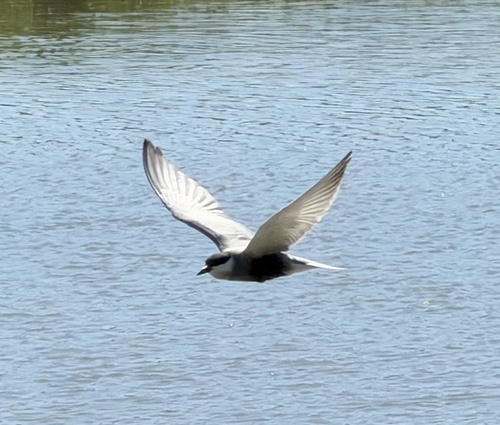
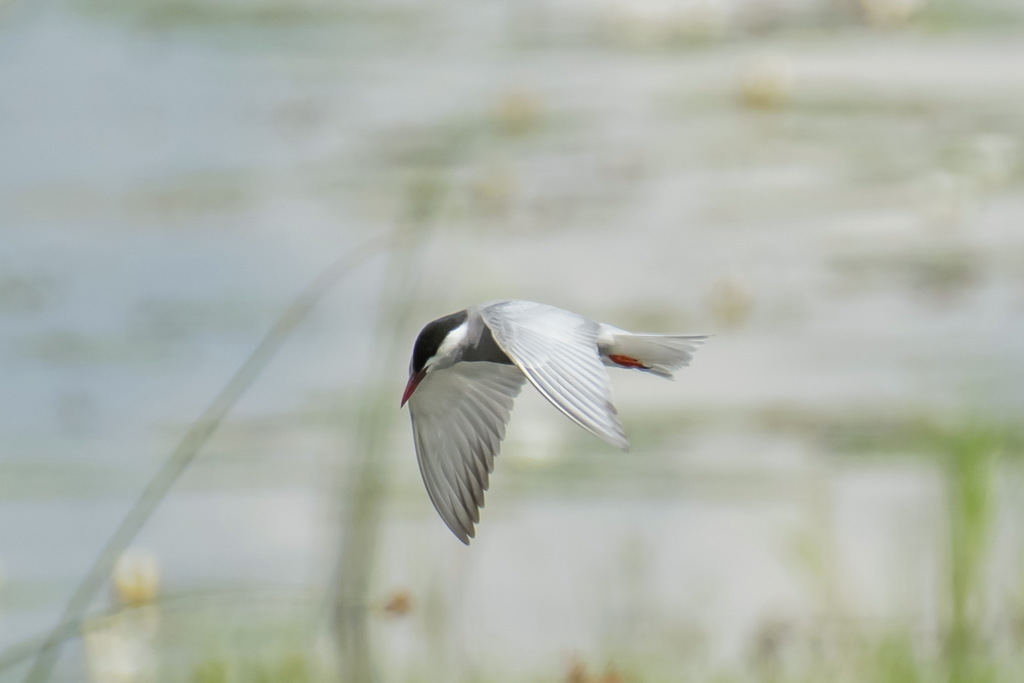
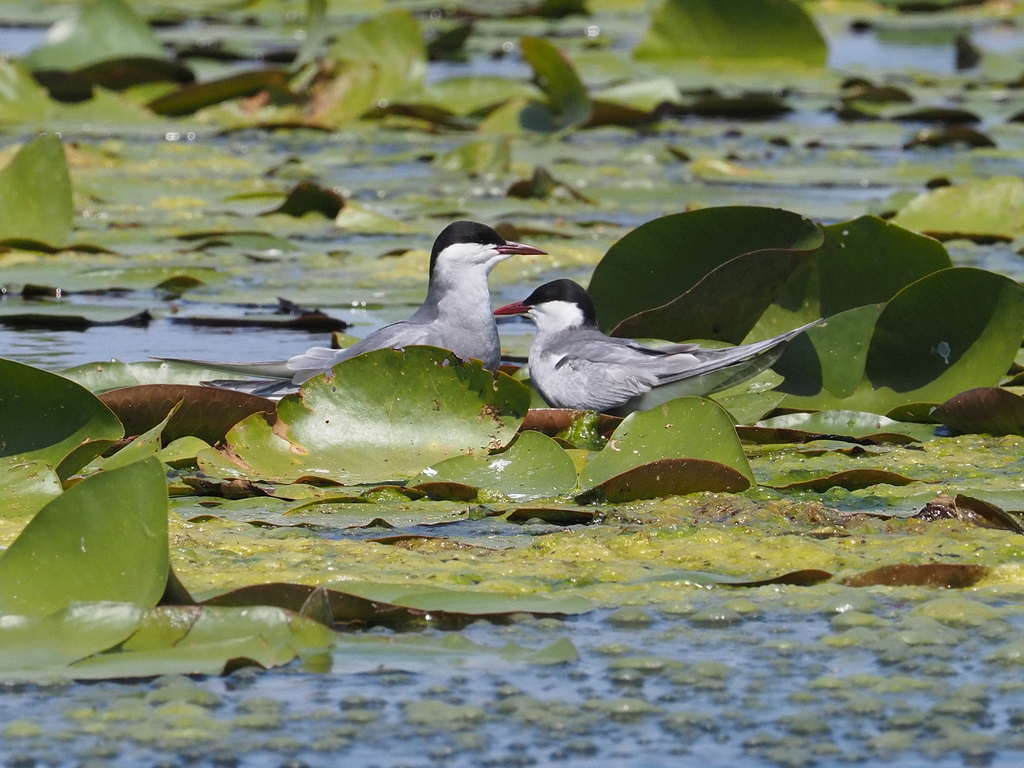
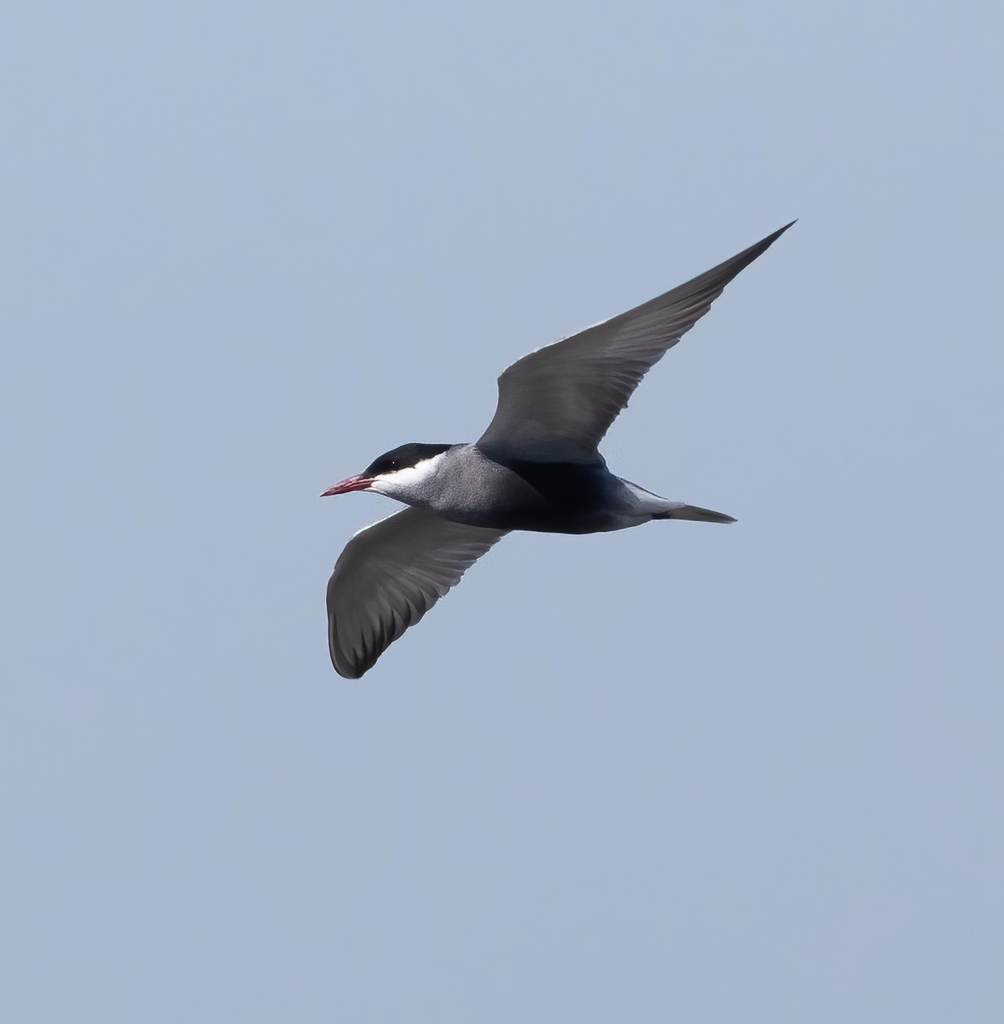
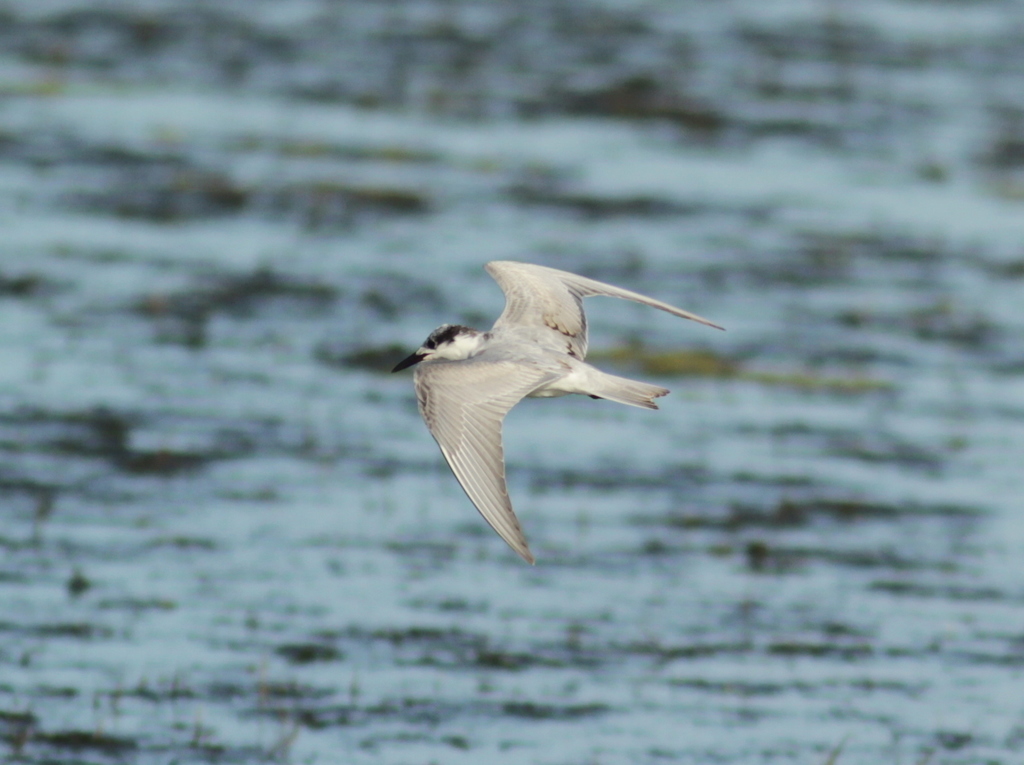
El fumarel cariblanco, de tamaño ligeramente mayor que los fumareles común y aliblanco, presenta la silueta y las características propias de este género, aunque su pico es más robusto y su vuelo, menos ágil. El adulto en plumaje estival tiene el cuerpo (excepto las infracoberteras caudales) y las partes superiores, incluyendo obispillo y cola, de tonalidad gris ceniza. El pico y las patas son de color rojo oscuro, y el capirote, negro, se extiende hasta el dorso. La cara, blanca, resulta muy conspicua. En invierno muestra un aspecto general gris pálido, con las partes inferiores y la frente blancas y el resto del capirote listado de blanco. Los plumajes durante la muda no son tan llamativos como en los otros fumareles. El juvenil es similar al del fumarel común, pero con el obispillo blanco, las alas claras y el dorso escamado de oscuro con un tinte canela. Al igual que el joven de fumarel aliblanco, carece de la mancha oscura de ambos lados del pecho.Slightly larger than Black and White-winged Terns. In summer, adults are unmistakable with a silver-gray body, a solid black cap, and contrasting pure white cheeks (hence the name). They have a robust dark red bill and red legs. In winter, they become much paler with a white face and a streaked cap. They are 'marsh terns', typically found over fresh or brackish water rather than the sea.
DistribuciónDistribution
Se extiende por los humedales favorables la mitad sur y la costa mediterránea peninsular, donde se constituyen como sus principales lugares de cría las marismas del Guadalquivir, los humedales alicantinos, la albufera de Valencia y el delta del Ebro. Además, existen registros de cría en numerosas nuevas localidades de Cádiz, Córdoba, Málaga, Granada, Albacete, Ciudad Real o Valencia. No se reproduce en Baleares ni en Canarias. En paso primaveral, es posible su observación en prácticamente en cualquier zona de España, incluyendo excepcionalmente las Canarias. En nuestro territorio aparece la subespecie hybrida.Breeds in wetlands across the southern half and Mediterranean coast (Guadalquivir, Valencia, Ebro Delta). Also in Andalusia, Castile-La Mancha, and Extremadura. Widespread on migration throughout Spain. Subspecies 'hybrida'.
Textos reproducidos con permiso de laTexts translated and reproduced with permission from the Guía de Aves de España © SEO/BirdLife
Estado de conservaciónConservation Status
- EX
- RE
- CR
- EN
- VU
- NT
- LC
DD
Datos insuficientesData Deficient
Qué significa cada categoríaWhat each category means
- LC
- Preocupación menor: Taxón evaluado que no califica para categorías amenazadas. Especies abundantes y ampliamente distribuidasLeast Concern - Evaluated taxon that does not qualify for threatened categories. Widespread and abundant taxa
- NT
- Casi amenazada: No califica actualmente como amenazada, pero está cerca de calificar o es probable que califique en el futuro cercanoNear Threatened - Does not currently qualify as threatened, but is close to qualifying or likely to qualify in the near future
- VU
- Vulnerable: Enfrenta un alto riesgo de extinción en estado silvestre según los criterios A a E de IUCNVulnerable - Facing a high risk of extinction in the wild based on IUCN criteria A to E
- EN
- En peligro: Enfrenta un riesgo muy alto de extinción en estado silvestre según los criterios A a E de IUCNEndangered - Facing a very high risk of extinction in the wild based on IUCN criteria A to E
- CR
- En peligro crítico: Enfrenta un riesgo extremadamente alto de extinción en estado silvestre según los criterios A a E de IUCNCritically Endangered - Facing an extremely high risk of extinction in the wild based on IUCN criteria A to E
- DD
- Datos insuficientes: Información inadecuada para evaluar el riesgo de extinción basándose en distribución o estado poblacionalData Deficient - Inadequate information to assess extinction risk based on distribution and/or population status
- NE
- No evaluada: No ha sido evaluada aún contra los criterios de la Lista Roja de IUCNNot Evaluated - Has not yet been assessed against the IUCN Red List criteria
- RE
- Extinta regionalmente: El taxón ya no existe en la región específica, aunque puede sobrevivir en otros lugaresRegionally Extinct - Taxon no longer exists in the specific region, though it may survive elsewhere
- EX
- Extinta - No existe duda razonable de que ha muerto el último individuo del taxónExtinct - No reasonable doubt that the last individual of the taxon has died
TaxonomíaTaxonomy
- OrdenOrder
- Charadriiformes
- FamiliaFamily
- Laridae
Presencia en EspañaPresence in Spain
- De pasoPassage migrant
- EstivalSummer visitor
- HabitualRegular
En la app: marzo a octubre.In the app: March to October.
Dónde verlaWhere to see it
503 cuadrículas de 10 km con registros de 2020 a 2024. Toca un mes para ver dónde se ha visto.503 10 km squares with records from 2020 to 2024. Pick a month to see where it has been seen.
Cargando el mapa…Loading the map…
Dónde es regularWhere it is regular
Provincias con registros en al menos 3 de los 5 años algún mes, de más a menos frecuente, y sus mejores meses.Provinces with records in at least 3 of the 5 years in some month, from most to least frequent, and their best months.
- TarragonaTarragonaagosto, julio, mayoAugust, July, May
- ValenciaValenciaagosto, julio, mayoAugust, July, May
- Ciudad RealCiudad Realabril, mayo, junioApril, May, June
- AlicanteAlicantejulio, agosto, junioJuly, August, June
- CastellónCastellónmayo, abril, agostoMay, April, August
- SevillaSevillaagosto, junio, mayoAugust, June, May
- AlbaceteAlbacetemayo, abril, junioMay, April, June
- GironaGironaabril, mayo, junioApril, May, June
- AlmeríaAlmeríaabril, julio, mayoApril, July, May
- HuelvaHuelvaabril, mayo, junioApril, May, June
Ver las 39 provinciasSee all 39 provinces
- MálagaMálagaabril, mayo, marzoApril, May, March
- ToledoToledomayo, junio, agostoMay, June, August
- BalearesBalearic Islandsabril, mayo, agostoApril, May, August
- CuencaCuencamayo, abril, junioMay, April, June
- ZamoraZamoramayo, abril, junioMay, April, June
- ZaragozaZaragozamayo, agosto, julioMay, August, July
- PalenciaPalenciamayo, junio, abrilMay, June, April
- HuescaHuescaabril, mayo, junioApril, May, June
- BarcelonaBarcelonaabril, mayo, junioApril, May, June
- TeruelTeruelmayo, abril, junioMay, April, June
- MurciaMurciaagosto, septiembre, julioAugust, September, July
- ValladolidValladolidmayo, abrilMay, April
- LleidaLleidaabril, mayo, agostoApril, May, August
- SalamancaSalamancamayo, abril, junioMay, April, June
- CádizCádizmayo, abril, junioMay, April, June
- NavarraNavarramayo, abril, junioMay, April, June
- CantabriaCantabriamayo, abrilMay, April
- GranadaGranadaabril, agosto, octubreApril, August, October
- LeónLeónabril, mayoApril, May
- BadajozBadajozmayo, junio, abrilMay, June, April
- ÁvilaÁvilamayo, abrilMay, April
- JaénJaénabrilApril
- MadridMadridmayo, junio, abrilMay, June, April
- CórdobaCórdobaabril, agostoApril, August
- GuipúzcoaGuipúzcoaagosto, mayoAugust, May
- CáceresCáceresmayo, abril, junioMay, April, June
- VizcayaVizcayaabrilApril
- SoriaSoriamayo, abrilMay, April
- A CoruñaA CoruñamayoMay
Datos: registros en GBIF de 2020 a 2024 de Observation.org, eBird, iNaturalist y el ICO, descargados el 23/10/2026.Data: GBIF records from 2020 to 2024 from Observation.org, eBird, iNaturalist and the ICO, downloaded on 23/10/2026. GBIF.org (23 October 2026) GBIF Occurrence Download · doi:10.15468/dl.r5sf2a · CC BY-NC 4.0
GaleríaGallery
© Katrin Simon · CC BY · iNaturalist 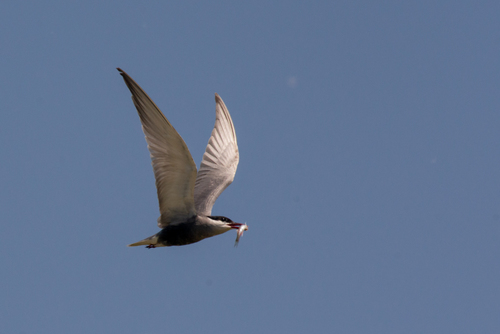
© Виктор · CC BY · iNaturalist 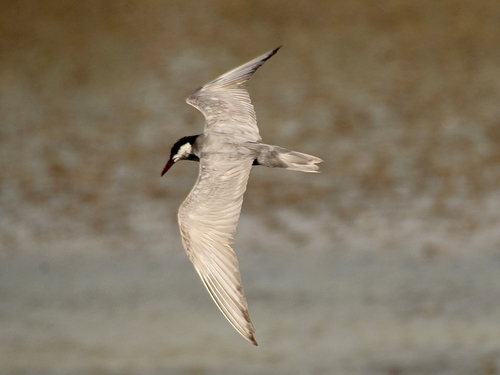
© Andrew Bazdyrev · CC BY · iNaturalist 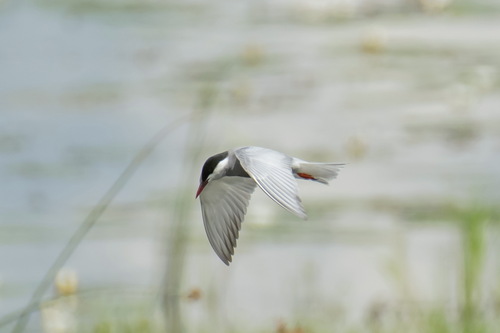
© Поляков Александр · CC BY · iNaturalist 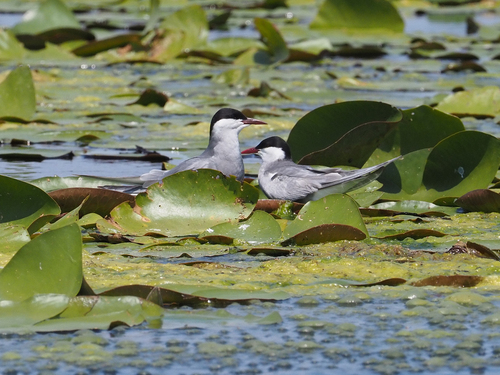
© gwynmwilliams · CC BY · iNaturalist 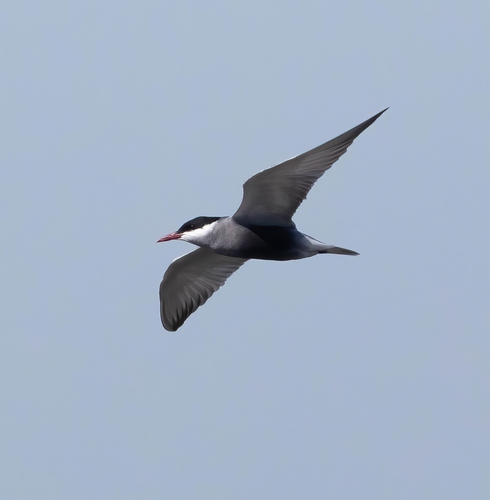
© egorbirder · CC BY · iNaturalist 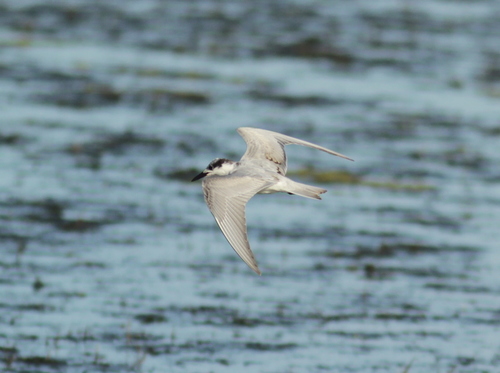
© Julien Renoult · CC BY · iNaturalist 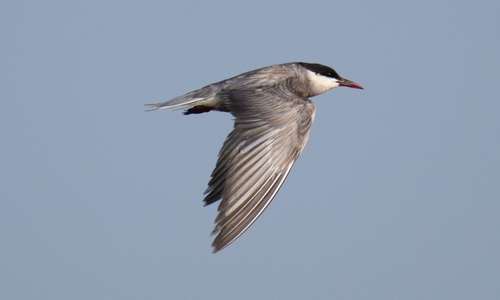
© Gergely Nigg · CC BY · iNaturalist
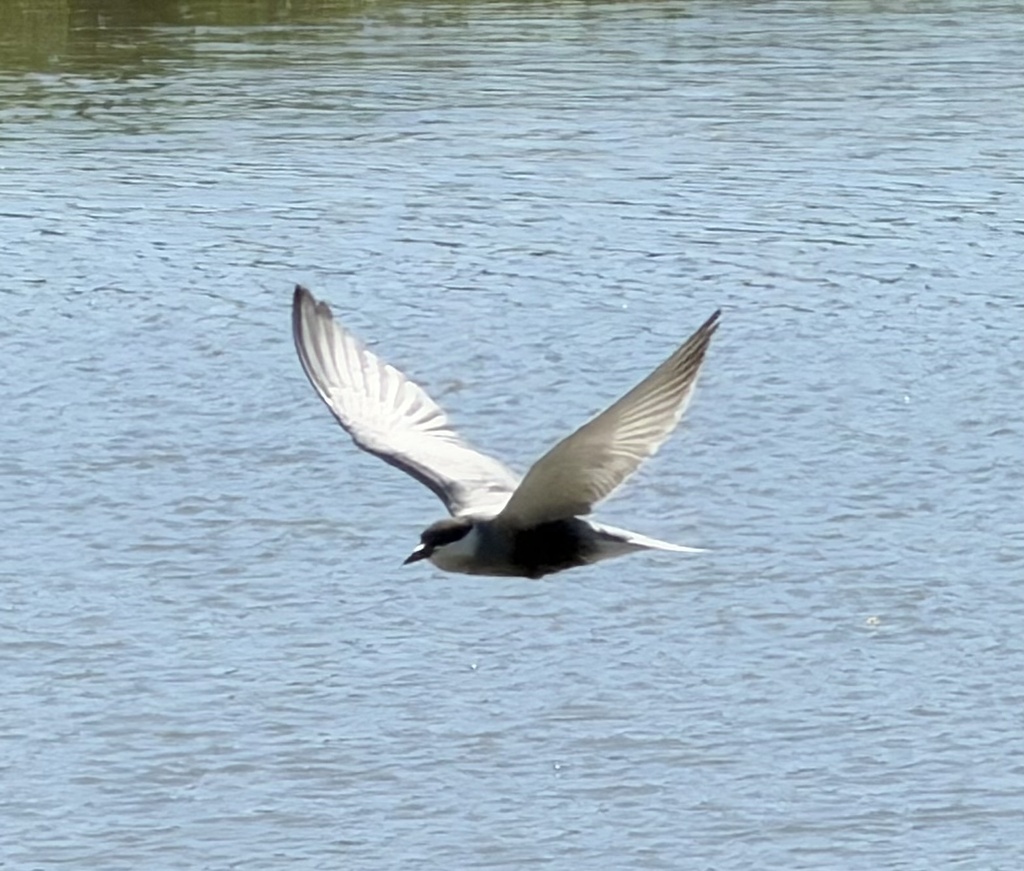
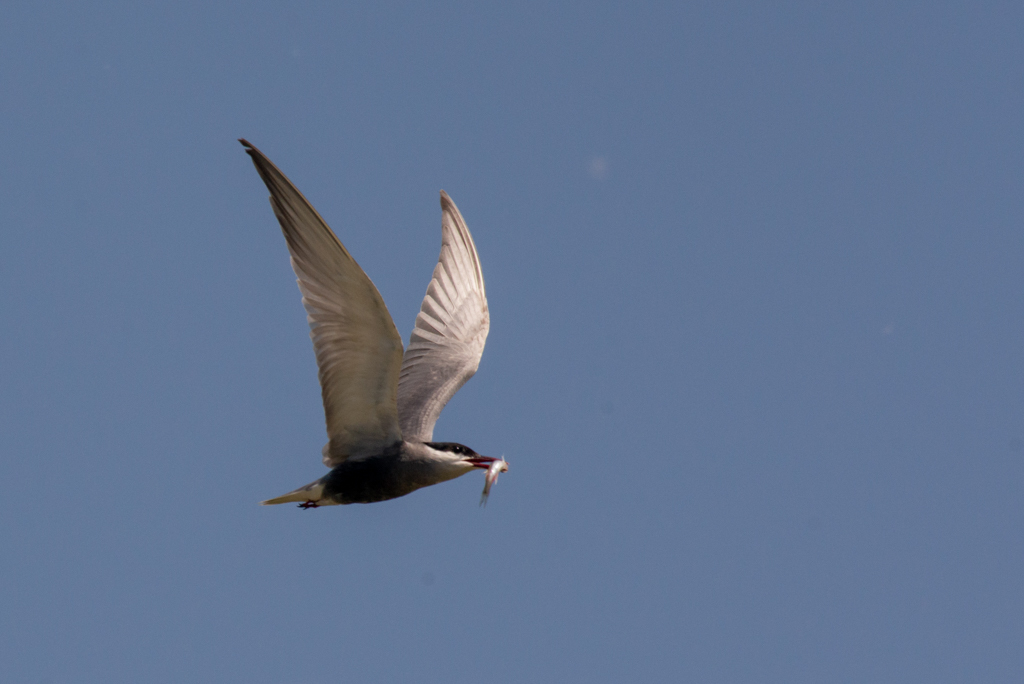
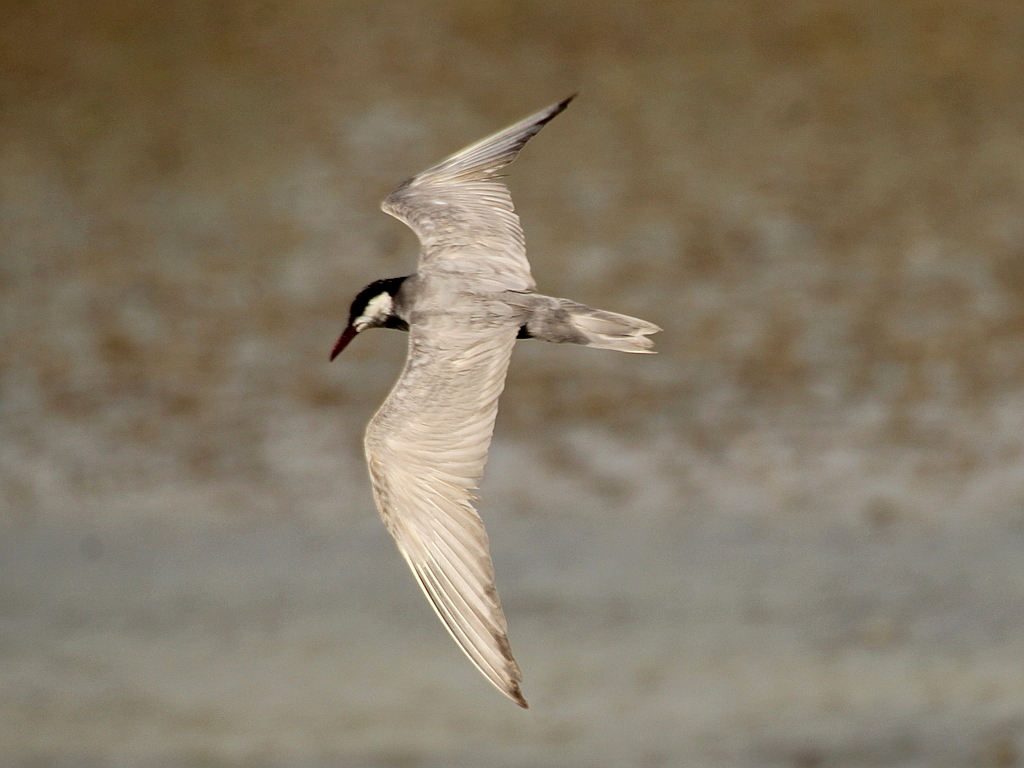
Especies relacionadasRelated species
Otras aves de la familia Laridae y de órdenes cercanos.Other birds from the Laridae family and nearby orders.
- Poco comúnUncommon
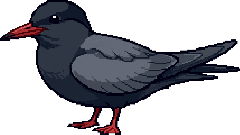 Fumarel comúnBlack TernChlidonias niger
- RaroRare
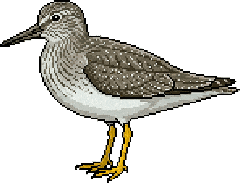 Gaviota de SabineSabine's GullXema sabini
- ÉpicoEpic
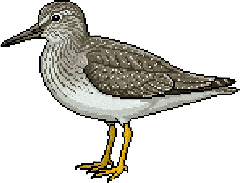 Gaviota de BonaparteBonaparte's GullChroicocephalus philadelphia
- LegendarioLegendary
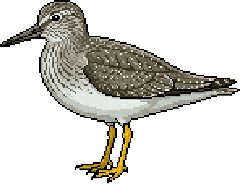 Gaviota cabecigrísGrey-headed GullChroicocephalus cirrocephalus
- Poco comúnUncommon
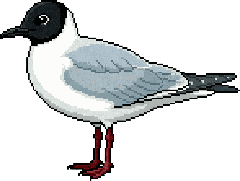 Gaviota enanaLittle GullHydrocoloeus minutus
- LegendarioLegendary
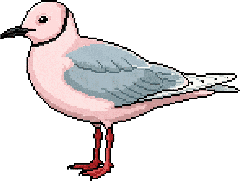 Gaviota rosadaRoss's GullRhodostethia rosea
- ÉpicoEpic
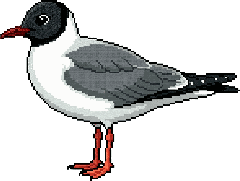 Gaviota guanaguanareLaughing GullLarus atricilla
- ÉpicoEpic
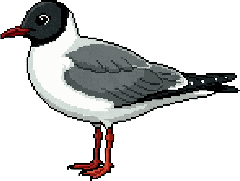 Gaviota pipizcánFranklin's GullLarus pipixcan
 Gratis, sin anuncios ni comprasFree, no ads, no purchases