 BirdPedy
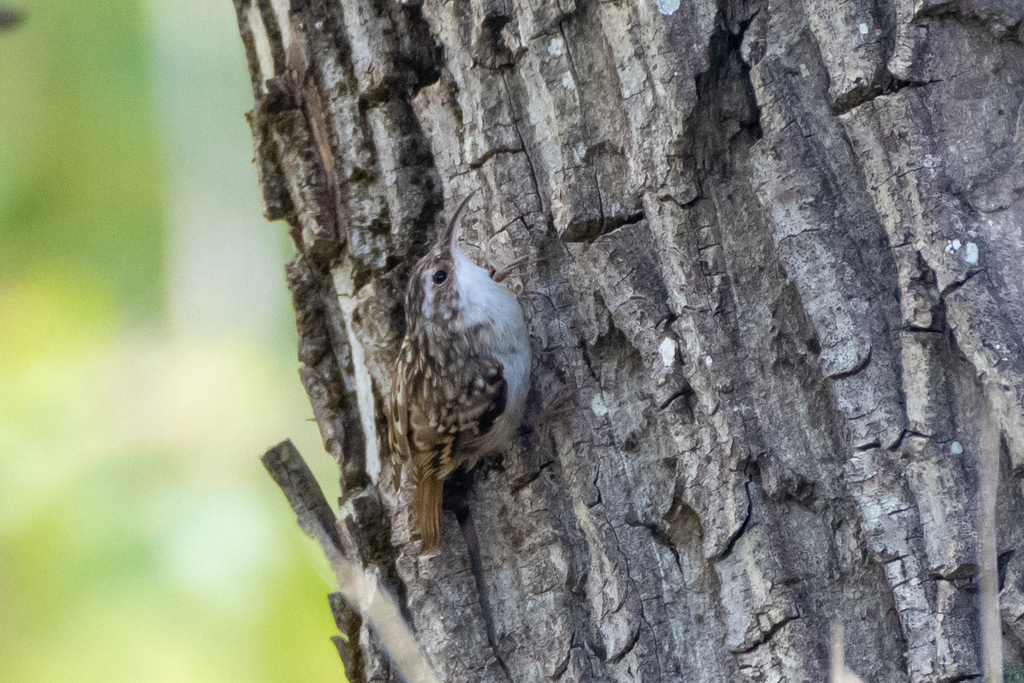
Agateador europeoShort-toed Treecreeper
En 48 provincias en enero y en 48 en eneroIn 48 provinces in January and 48 in January
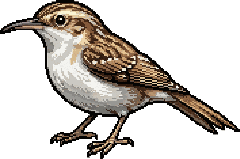
Reporte de rarezaRarity report
Por qué es comúnWhy it is commonMuy extendido por todo tipo de bosques, dehesas y parques urbanos. Trepador minucioso de cortezas, presente de forma generalizada en toda la España peninsular.Very widespread in all kinds of woodland, dehesas and city parks. A meticulous bark-climber, found throughout mainland Spain.
Cada carrizo es un mes: su altura, las provincias con registros de 2020 a 2024.Each reed is a month: its height, the provinces with records from 2020 to 2024.- Provincias con registrosProvinces with records
- 48 de 52of 52
- En la appIn the app
- Todo el añoAll year
- EnvergaduraWingspan
- 17,5-20 cm17.5-20 cm
- LongitudLength
- 12 cm12 cm
- Lista Roja de EspañaSpanish Red List
- LC Preocupación menorLeast Concern

Información generalGeneral Information
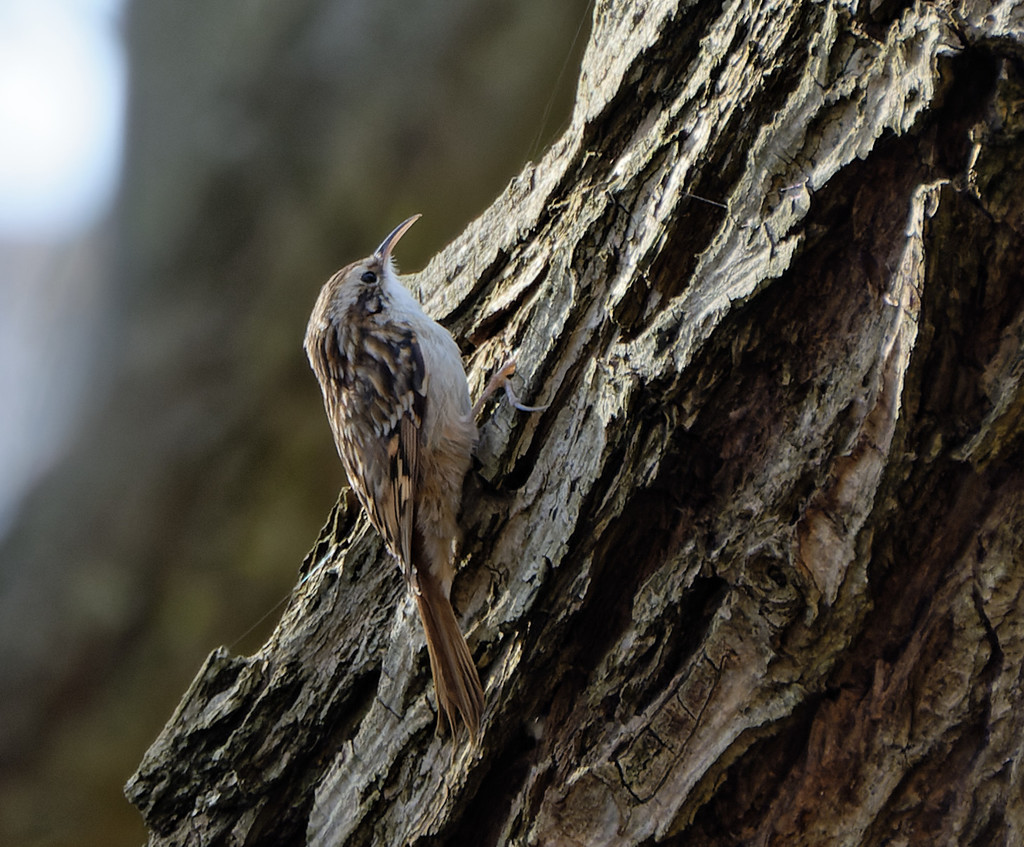
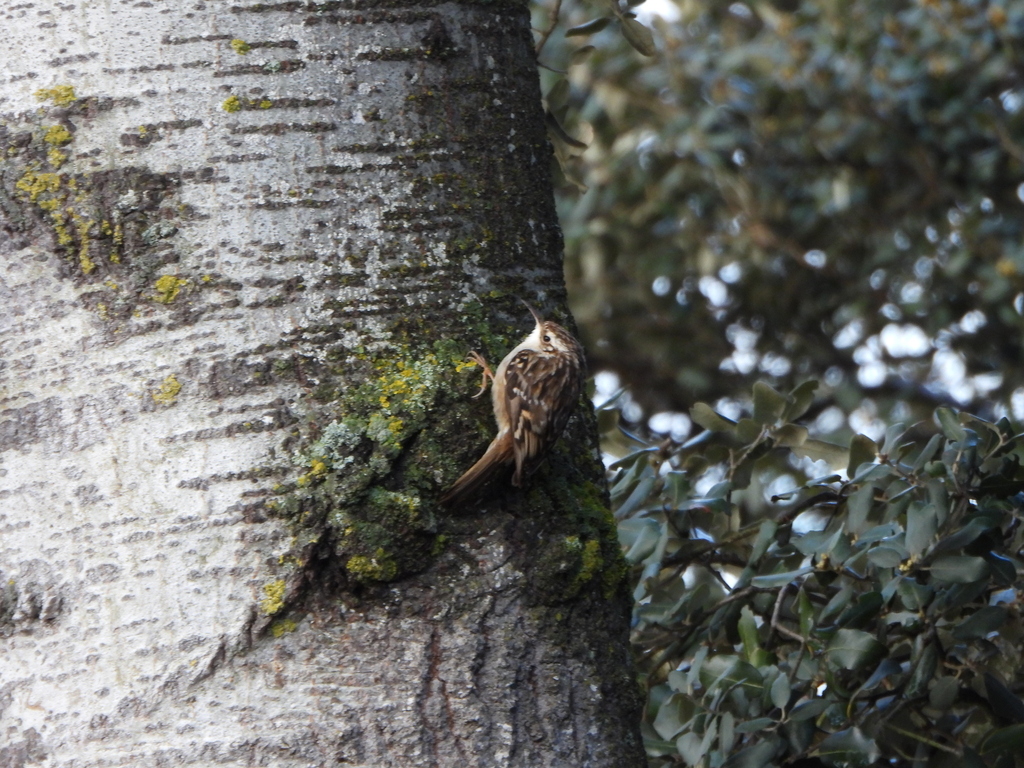
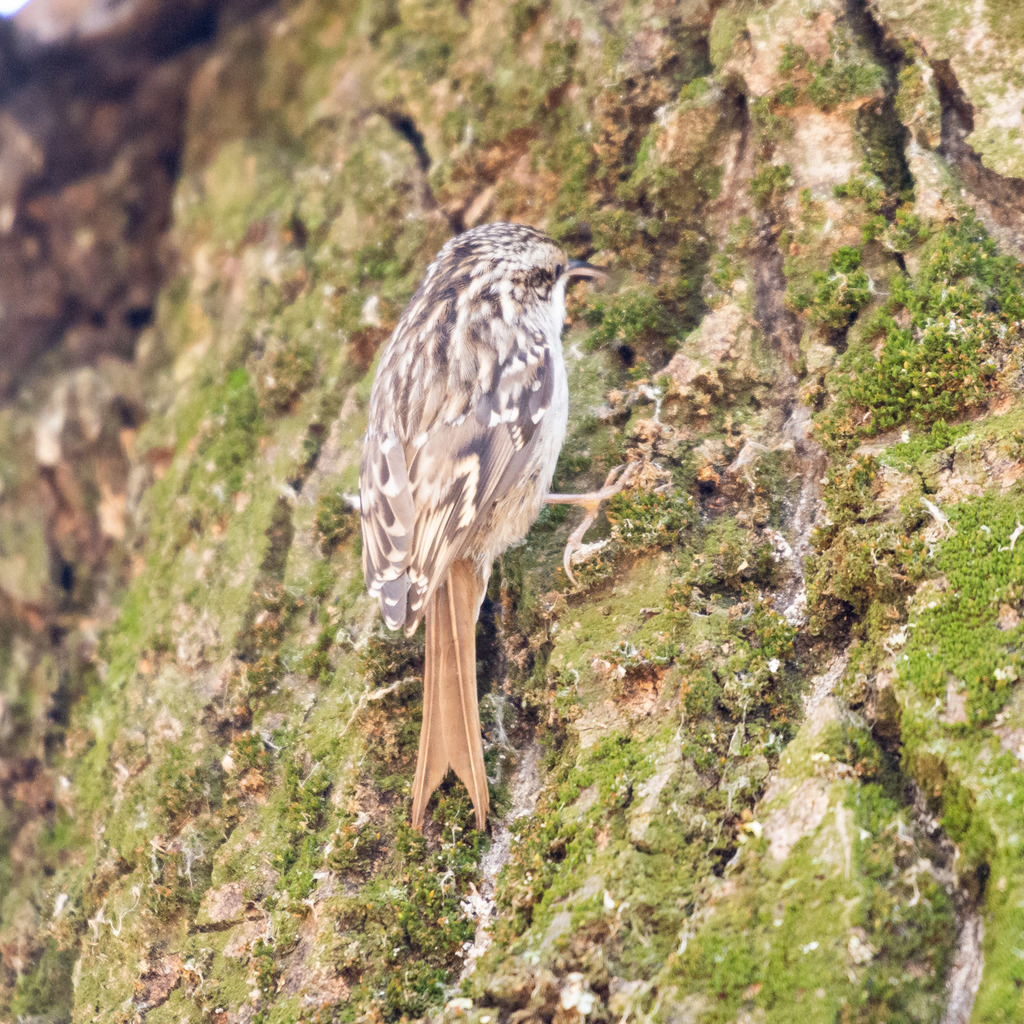
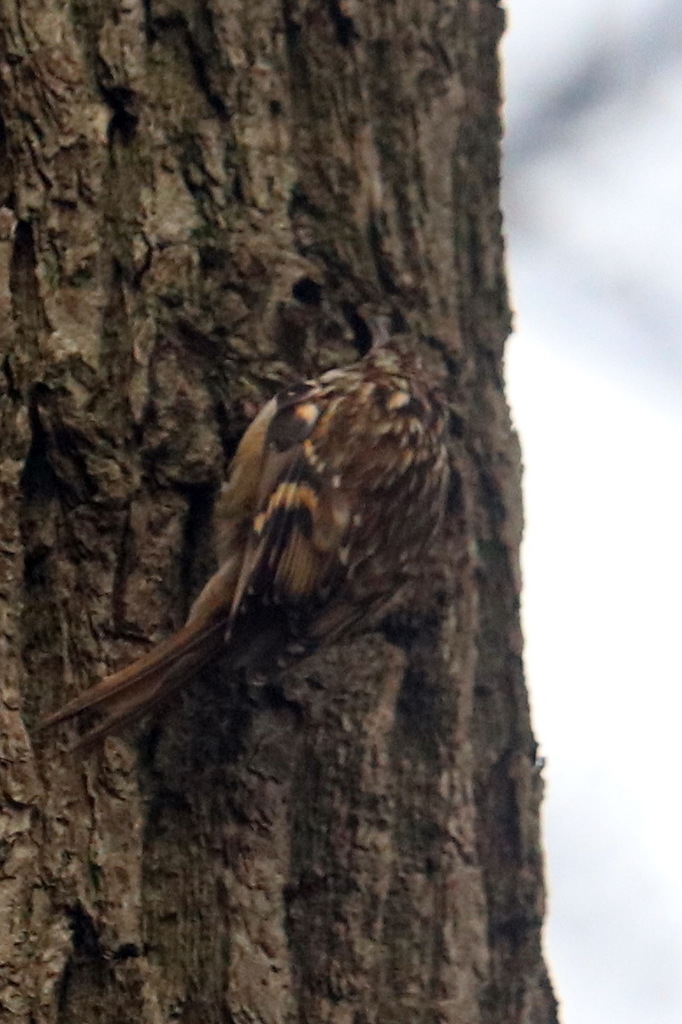
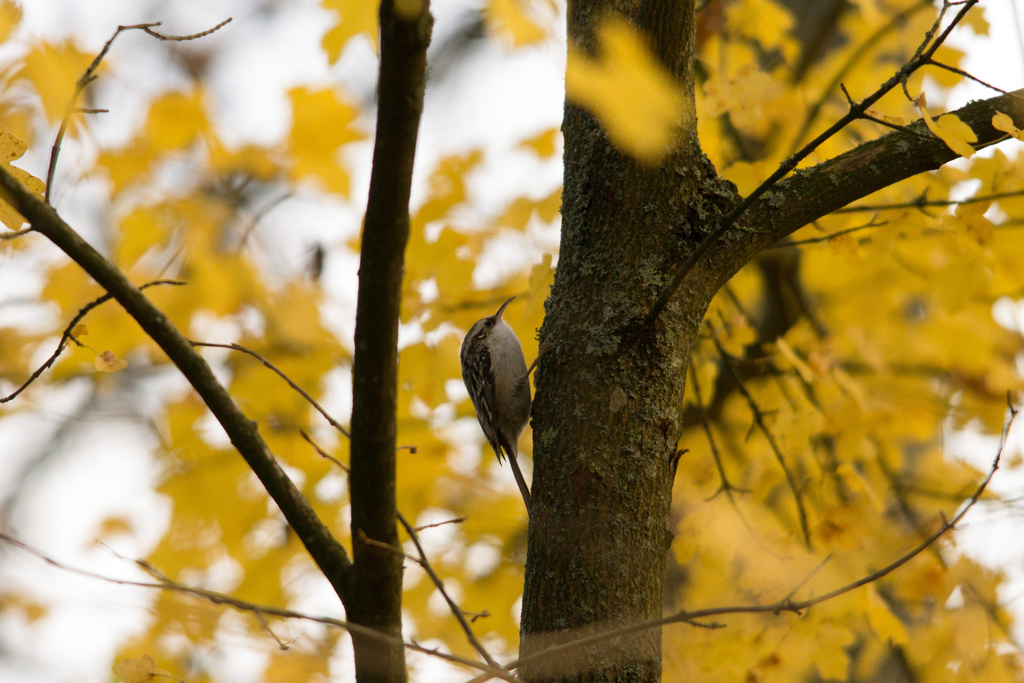
Se trata de un pajarillo frecuente en nuestros bosques e incluso en nuestros parques, aunque no resulta fácil de observar. Su plumaje, de tonalidades marrones, es muy críptico, y, como además permanece mucho tiempo recorriendo los troncos de los árboles en busca de alimento, donde se camufla muy bien entre las cortezas, pasa muy inadvertido. Es mucho más fácil de detectar por su reclamo, integrado por unos profundos piídos.The Short-toed Treecreeper is the common treecreeper of most of the Peninsula and its urban parks. It is a forest generalist that adapts to any environment with mature trees, from riverside woods to city squares. It is a resident bird that provides a great example of specialized niche evolution. Despite its plain looks, its vertical climbing abilities and perfectly adapted bill are marvels of bird architecture.
IdentificaciónIdentification
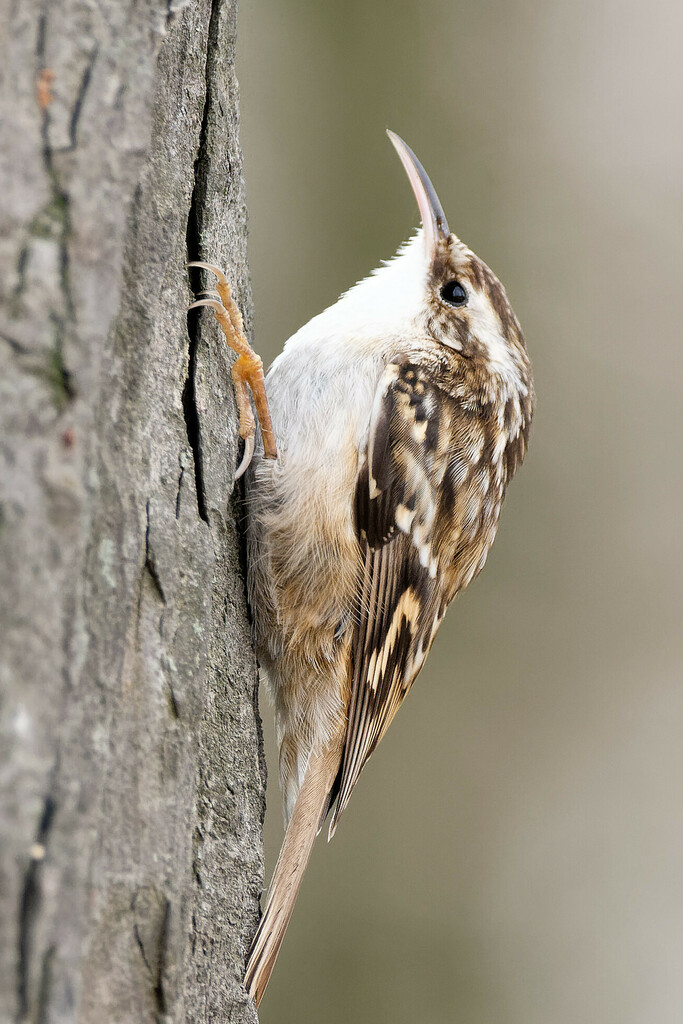
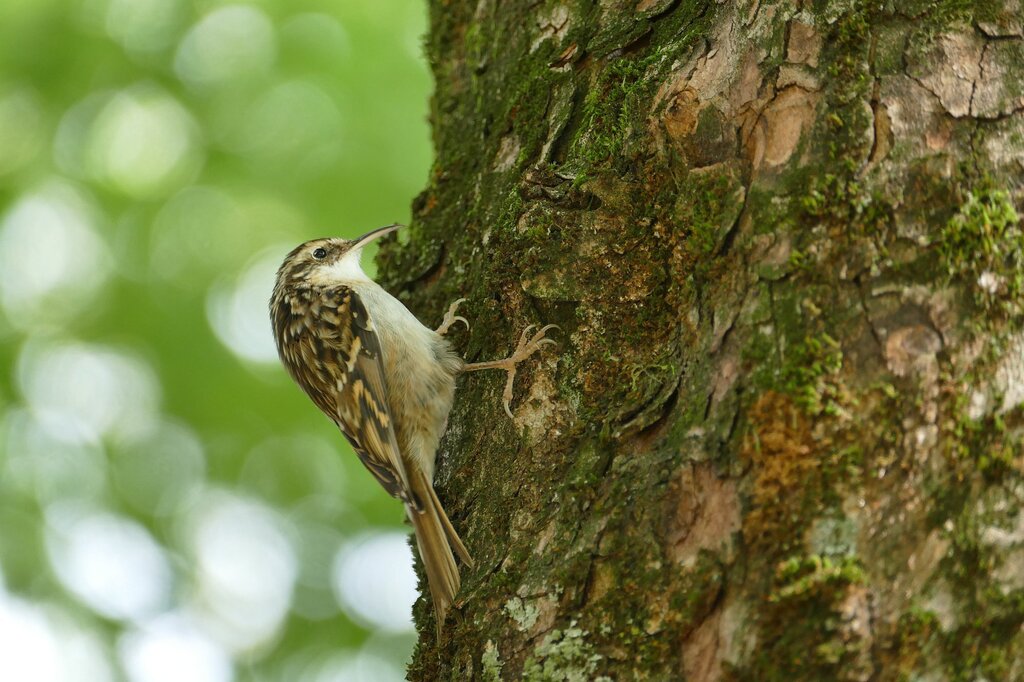
Ave diminuta, insectívora y forestal. Prospecta constantemente los troncos de los árboles, de los que extrae alimento con su pico, fino, largo y curvo. Su plumaje resulta muy críptico. El dorso y las alas del agateador común muestran un mosaico de colores marrones-castaños de diferentes intensidades, salpicado con motas más claras, grises o crema. Las partes inferiores de su cuerpo, por el contrario, son de color blancuzco, pero pocas veces se observan, pues pasa gran parte del día pegado a la corteza de los troncos, y solo realiza vuelos cortos y muy rápidos. Trepa habitualmente con la cabeza hacia arriba, apoyándose sobre su cola. Esta es larga, parda, y se compone de plumas con raquis grueso y libre de barbas en su extremo distalAlmost identical to the Eurasian Treecreeper but much more widespread and common in Spain. It has a slightly longer bill and a darker, more mottled brown plumage. It shares the same 'mouse-like' behavior, spiraling up tree trunks to find hidden insects. It is one of the most cryptic birds in our forests, perfectly camouflaged against the oak and pine bark. It is most easily detected by its sharp, metallic 'zee-zee' call.
DistribuciónDistribution
Se reconoce la subespecie brachydactyla para todo el territorio, exceptuando los Pirineos y casi toda la costa atlántica, donde se encuentra megarhyncha. Se trata de un pájaro forestal generalista. Es bastante común en España, salvo en las zonas carentes de vegetación arbórea, dándose las mayores densidades en pinares maduros y bosques de ribera. Resulta muy raro o está ausente en amplias zonas de los valles del Ebro, Guadiana, Guadalquivir, Tajo y Duero, ya que su presencia se ve condicionada por la aparición de formaciones arboladas maduras o bosques riparios. También evita las llanuras cerealistas de ambas mesetas y el sureste árido.Widespread and common across most of the Peninsula, focusing on any area with mature trees. Rare or absent in the most treeless parts of the Mesetas and Ebro. Absent from all archipelagos. Subspecies 'brachydactyla' and 'megarhyncha'.
Textos reproducidos con permiso de laTexts translated and reproduced with permission from the Guía de Aves de España © SEO/BirdLife
Estado de conservaciónConservation Status
- EX
- RE
- CR
- EN
- VU
- NT
- LC
Preocupación menorLeast Concern
Qué significa cada categoríaWhat each category means
- LC
- Preocupación menor: Taxón evaluado que no califica para categorías amenazadas. Especies abundantes y ampliamente distribuidasLeast Concern - Evaluated taxon that does not qualify for threatened categories. Widespread and abundant taxa
- NT
- Casi amenazada: No califica actualmente como amenazada, pero está cerca de calificar o es probable que califique en el futuro cercanoNear Threatened - Does not currently qualify as threatened, but is close to qualifying or likely to qualify in the near future
- VU
- Vulnerable: Enfrenta un alto riesgo de extinción en estado silvestre según los criterios A a E de IUCNVulnerable - Facing a high risk of extinction in the wild based on IUCN criteria A to E
- EN
- En peligro: Enfrenta un riesgo muy alto de extinción en estado silvestre según los criterios A a E de IUCNEndangered - Facing a very high risk of extinction in the wild based on IUCN criteria A to E
- CR
- En peligro crítico: Enfrenta un riesgo extremadamente alto de extinción en estado silvestre según los criterios A a E de IUCNCritically Endangered - Facing an extremely high risk of extinction in the wild based on IUCN criteria A to E
- DD
- Datos insuficientes: Información inadecuada para evaluar el riesgo de extinción basándose en distribución o estado poblacionalData Deficient - Inadequate information to assess extinction risk based on distribution and/or population status
- NE
- No evaluada: No ha sido evaluada aún contra los criterios de la Lista Roja de IUCNNot Evaluated - Has not yet been assessed against the IUCN Red List criteria
- RE
- Extinta regionalmente: El taxón ya no existe en la región específica, aunque puede sobrevivir en otros lugaresRegionally Extinct - Taxon no longer exists in the specific region, though it may survive elsewhere
- EX
- Extinta - No existe duda razonable de que ha muerto el último individuo del taxónExtinct - No reasonable doubt that the last individual of the taxon has died
TaxonomíaTaxonomy
- OrdenOrder
- Passeriformes
- FamiliaFamily
- Certhiidae
Presencia en EspañaPresence in Spain
- HabitualRegular
- ResidenteResident
En la app: todo el año.In the app: all year.
Dónde verlaWhere to see it
3.789 cuadrículas de 10 km con registros de 2020 a 2024. Toca un mes para ver dónde se ha visto.3,789 10 km squares with records from 2020 to 2024. Pick a month to see where it has been seen.
Cargando el mapa…Loading the map…
Dónde es regularWhere it is regular
Provincias con registros en al menos 3 de los 5 años algún mes, de más a menos frecuente, y sus mejores meses.Provinces with records in at least 3 of the 5 years in some month, from most to least frequent, and their best months.
- SoriaSoriaenero, febrero, diciembreJanuary, February, December
- BarcelonaBarcelonajulio, agosto, junioJuly, August, June
- OurenseOurenseoctubre, febrero, diciembreOctober, February, December
- VizcayaVizcayajulio, septiembre, febreroJuly, September, February
- CuencaCuencajunio, marzo, octubreJune, March, October
- MadridMadridoctubre, junio, eneroOctober, June, January
- LugoLugoagosto, julio, febreroAugust, July, February
- BurgosBurgosenero, febrero, diciembreJanuary, February, December
- GuadalajaraGuadalajarafebrero, junio, octubreFebruary, June, October
- ÁlavaÁlavamarzo, febrero, diciembreMarch, February, December
Ver las 48 provinciasSee all 48 provinces
- SegoviaSegoviaoctubre, enero, diciembreOctober, January, December
- GuipúzcoaGuipúzcoajulio, febrero, agostoJuly, February, August
- JaénJaénjulio, septiembre, octubreJuly, September, October
- GironaGironanoviembre, febrero, octubreNovember, February, October
- ValladolidValladolidnoviembre, enero, octubreNovember, January, October
- LeónLeónenero, diciembre, noviembreJanuary, December, November
- SalamancaSalamancajulio, abril, junioJuly, April, June
- La RiojaLa Riojadiciembre, enero, noviembreDecember, January, November
- CeutaCeutajunio, septiembre, agostoJune, September, August
- ÁvilaÁvilaoctubre, julio, agostoOctober, July, August
- NavarraNavarrafebrero, marzo, eneroFebruary, March, January
- A CoruñaA Coruñajulio, junio, febreroJuly, June, February
- LleidaLleidaagosto, julio, junioAugust, July, June
- CórdobaCórdobaagosto, julio, junioAugust, July, June
- PalenciaPalenciaoctubre, noviembre, febreroOctober, November, February
- HuescaHuescajulio, octubre, agostoJuly, October, August
- PontevedraPontevedrajulio, junio, agostoJuly, June, August
- HuelvaHuelvaoctubre, mayo, abrilOctober, May, April
- GranadaGranadajunio, octubre, septiembreJune, October, September
- TeruelTerueloctubre, septiembre, noviembreOctober, September, November
- CáceresCáceresjulio, agosto, junioJuly, August, June
- AlbaceteAlbacetefebrero, octubre, marzoFebruary, October, March
- ZaragozaZaragozaoctubre, marzo, febreroOctober, March, February
- MálagaMálagajunio, octubre, julioJune, October, July
- ZamoraZamoraagosto, octubre, julioAugust, October, July
- CádizCádizjulio, junio, agostoJuly, June, August
- CastellónCastellónjunio, mayo, octubreJune, May, October
- AlicanteAlicantejunio, julio, mayoJune, July, May
- AsturiasAsturiasagosto, julio, marzoAugust, July, March
- CantabriaCantabriajulio, mayo, marzoJuly, May, March
- ToledoToledojulio, junio, agostoJuly, June, August
- ValenciaValenciajunio, mayo, julioJune, May, July
- TarragonaTarragonajunio, julio, mayoJune, July, May
- BadajozBadajozjulio, agosto, junioJuly, August, June
- AlmeríaAlmeríajunio, mayo, noviembreJune, May, November
- MurciaMurciajunio, febrero, eneroJune, February, January
- SevillaSevillajunio, agosto, septiembreJune, August, September
- Ciudad RealCiudad Realjulio, marzo, noviembreJuly, March, November
Datos: registros en GBIF de 2020 a 2024 de Observation.org, eBird, iNaturalist y el ICO, descargados el 23/10/2026.Data: GBIF records from 2020 to 2024 from Observation.org, eBird, iNaturalist and the ICO, downloaded on 23/10/2026. GBIF.org (23 October 2026) GBIF Occurrence Download · doi:10.15468/dl.r5sf2a · CC BY-NC 4.0
GaleríaGallery
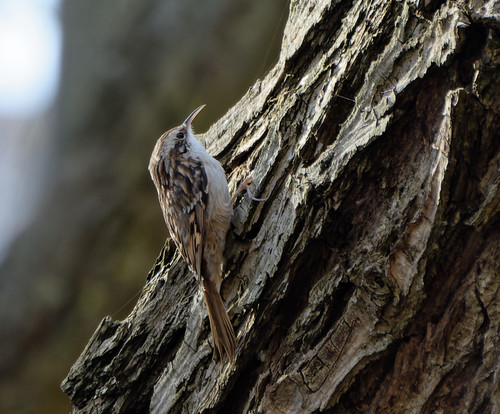
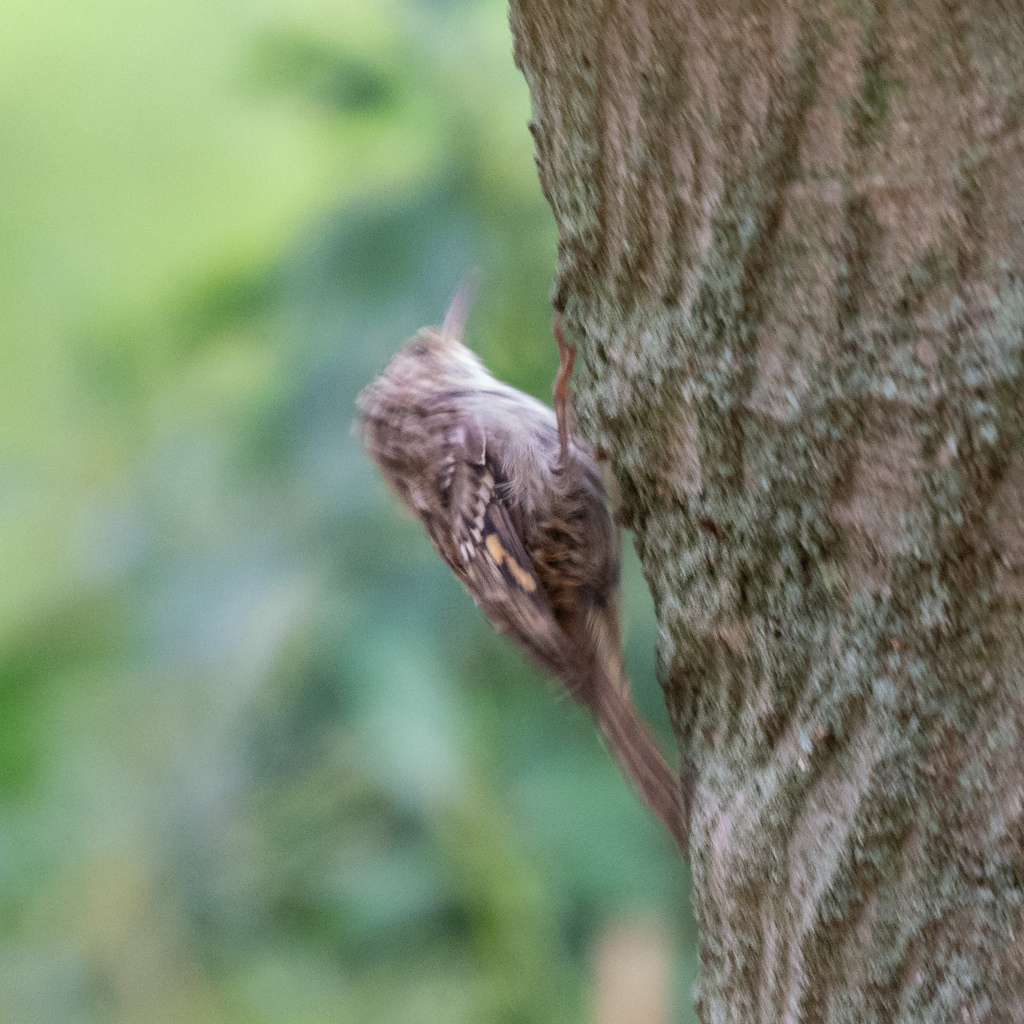
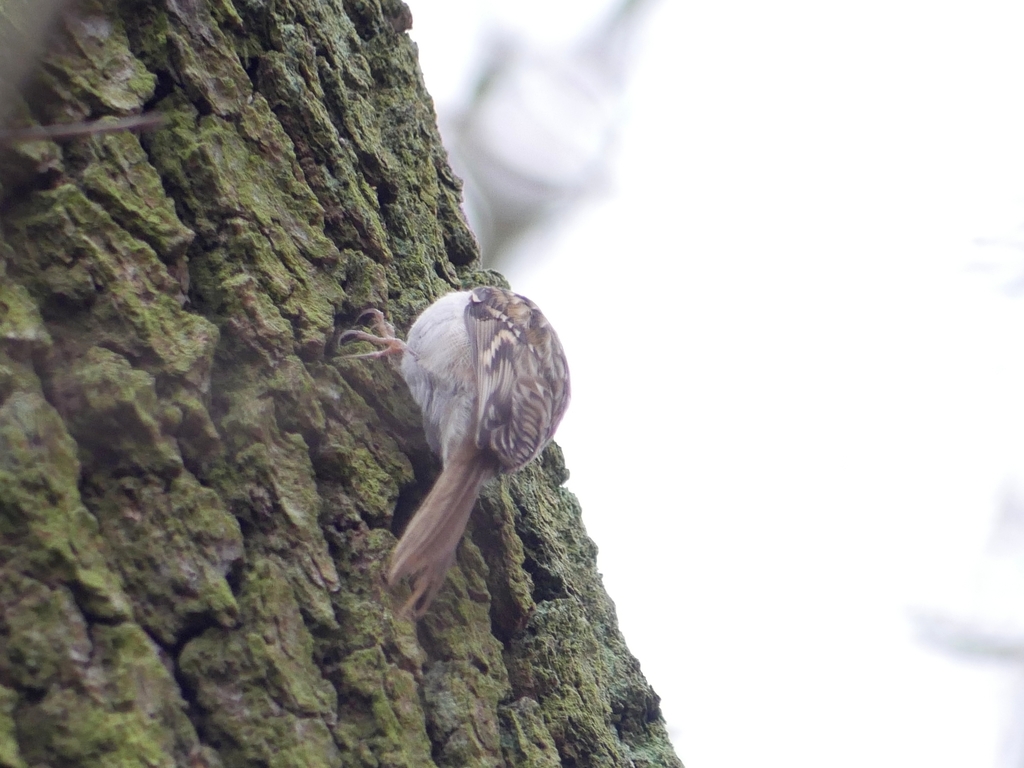
© Donald Davesne · CC BY · iNaturalist 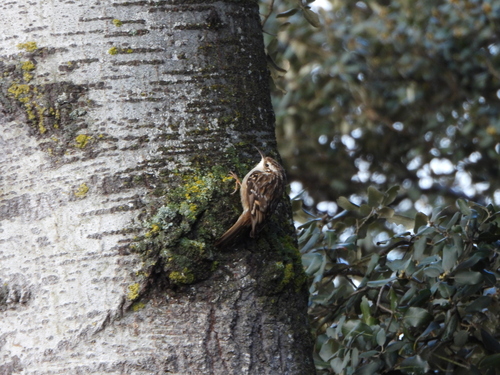
© Michael Bakker Paiva · CC BY · iNaturalist 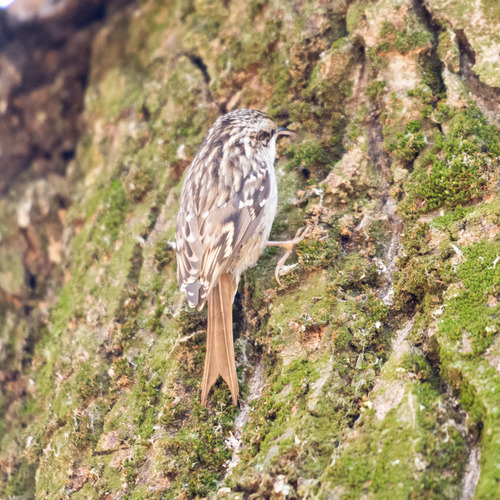
© euqirneto · CC BY · iNaturalist 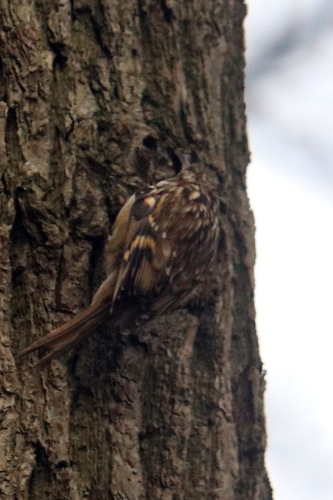
© Michel Langeveld · CC BY · iNaturalist 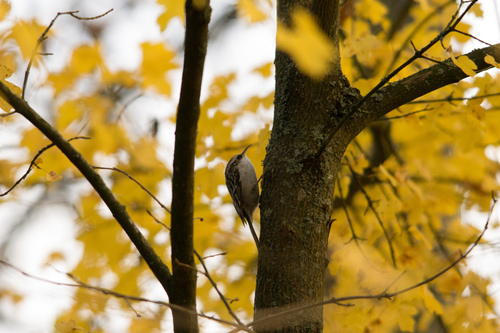
© Claude Kolwelter · CC BY · iNaturalist 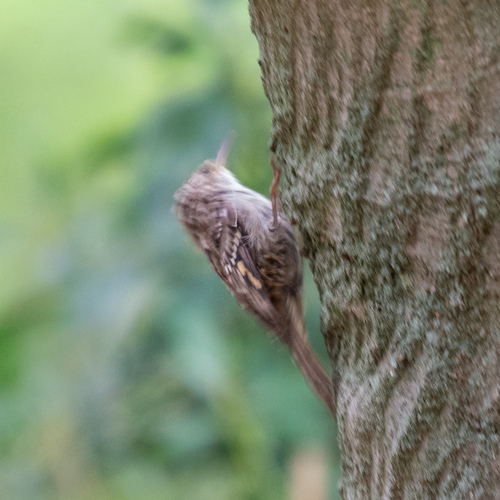
© euqirneto · CC BY · iNaturalist 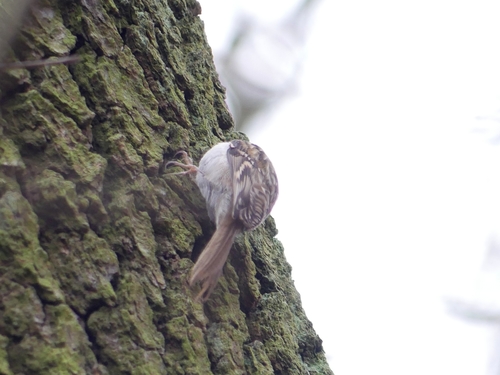
© Alexis Tinker-Tsavalas · CC BY · iNaturalist 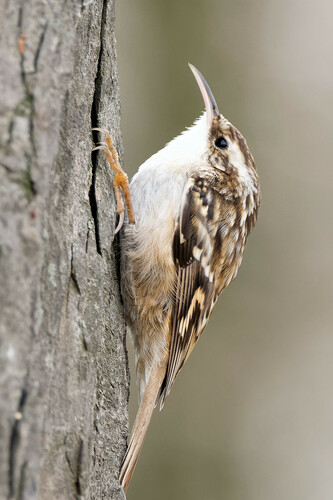
© Marie-Lan Taÿ Pamart · CC BY · iNaturalist 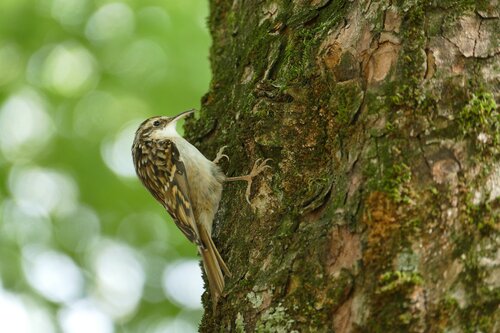
© Andrea · CC BY · iNaturalist 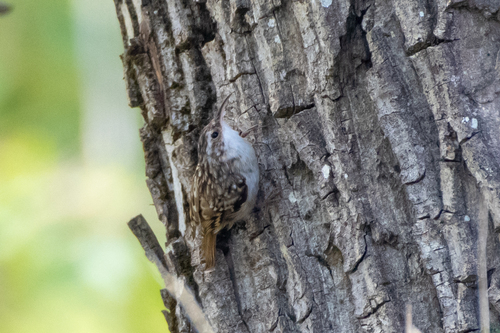
© Codrin Bucur · CC BY · iNaturalist
Especies relacionadasRelated species
Otras aves de la familia Certhiidae y de órdenes cercanos.Other birds from the Certhiidae family and nearby orders.
- Poco comúnUncommon
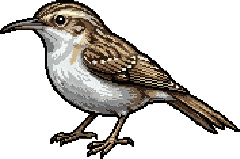 Agateador euroasiáticoEurasian TreecreeperCerthia familiaris
- Poco comúnUncommon
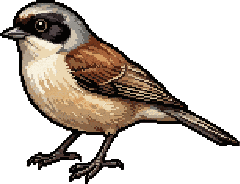 Pájaro moscón europeoEurasian Penduline TitRemiz pendulinus
- ComúnCommon
 Oropéndola europeaEurasian Golden OrioleOriolus oriolus
- Poco comúnUncommon
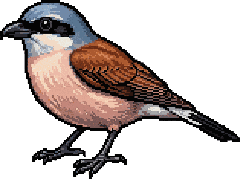 Alcaudón dorsirrojoRed-backed ShrikeLanius collurio
- ÉpicoEpic
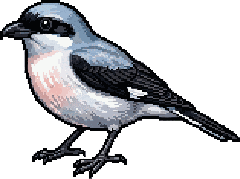 Alcaudón chicoLesser Grey ShrikeLanius minor
- ComúnCommon
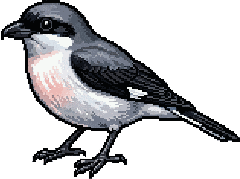 Alcaudón realIberian Grey ShrikeLanius meridionalis
- ComúnCommon
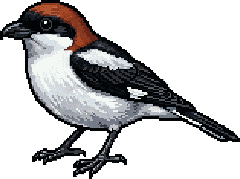 Alcaudón comúnWoodchat ShrikeLanius senator
- ComúnCommon
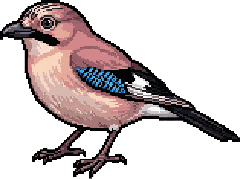 Arrendajo euroasiáticoEurasian JayGarrulus glandarius
 Gratis, sin anuncios ni comprasFree, no ads, no purchases