 BirdPedy
Alcaudón dorsirrojoRed-backed Shrike
En 35 provincias en mayo y sin registros 2 meses del añoIn 35 provinces in May, and no records in 2 months of the year
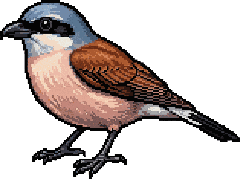
Reporte de rarezaRarity report
Por qué es poco comúnWhy it is uncommonEstival migradora del tercio norte peninsular. Ligada a paisajes en mosaico con matorral espinoso, setos vivos y pastizales de montaña, donde mantiene poblaciones estables.Summer migrant of the northern third of the Peninsula. It is tied to mosaic landscapes with thorny scrub, hedgerows and mountain pastures, where it keeps stable populations.
Cada carrizo es un mes: su altura, las provincias con registros de 2020 a 2024.Each reed is a month: its height, the provinces with records from 2020 to 2024.- Provincias con registrosProvinces with records
- 40 de 52of 52
- En la appIn the app
- Abril a septiembreApril to September
- EnvergaduraWingspan
- 24-27 cm24-27 cm
- LongitudLength
- 17 cm17 cm
- Lista Roja de EspañaSpanish Red List
- VU VulnerableVulnerable

Información generalGeneral Information
El pequeño y grácil alcaudón dorsirrojo es un habitante característico de las campiñas del tercio norte peninsular, donde frecuenta setos, bardales espinosos y lindes de bosque. Se trata de una especie estival en nuestro territorio, donde se reproduce bastante tardíamente, pues las puestas tienen lugar entre mayo y junio, y tras una larga y compleja migración desde sus áreas de invernada en África oriental y del sur.The Red-backed Shrike is a classic habitant of the northern Spanish 'campiña.' It is a long-distance migrant that returns from African wintering grounds late in the spring. It is a fierce predator for its size, earning the nickname 'butcher bird' because of its habit of creating 'larders' of impaled prey. It is an indicator of healthy, traditional agriculture with hedgerows and low pesticide use.
IdentificaciónIdentification
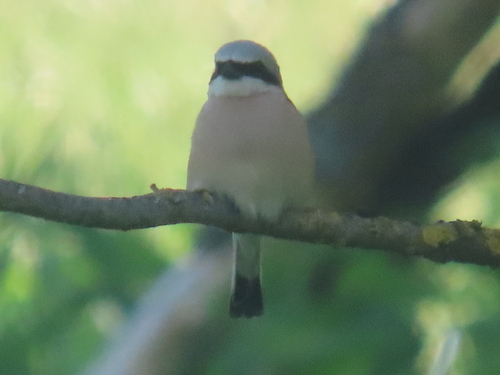
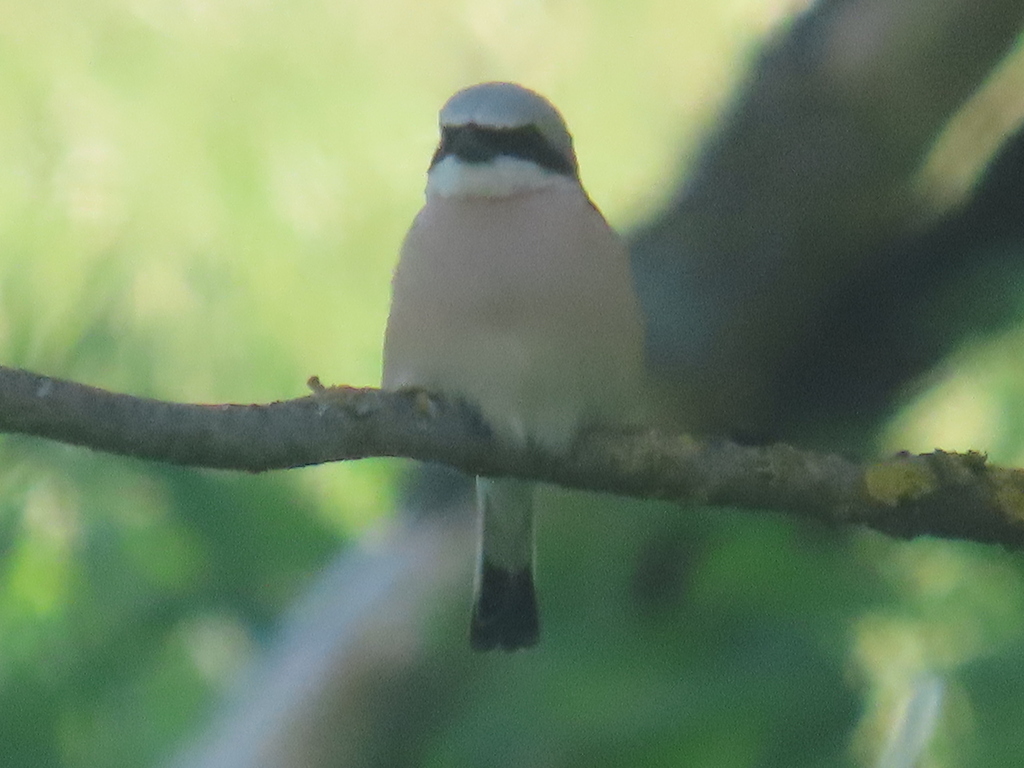
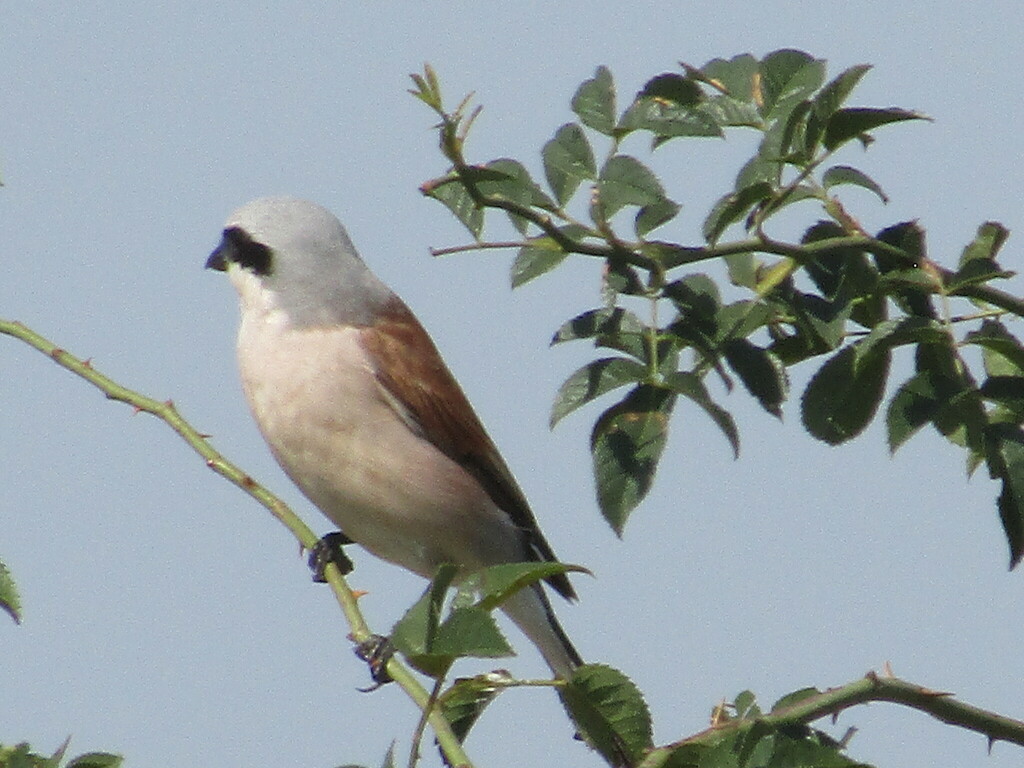
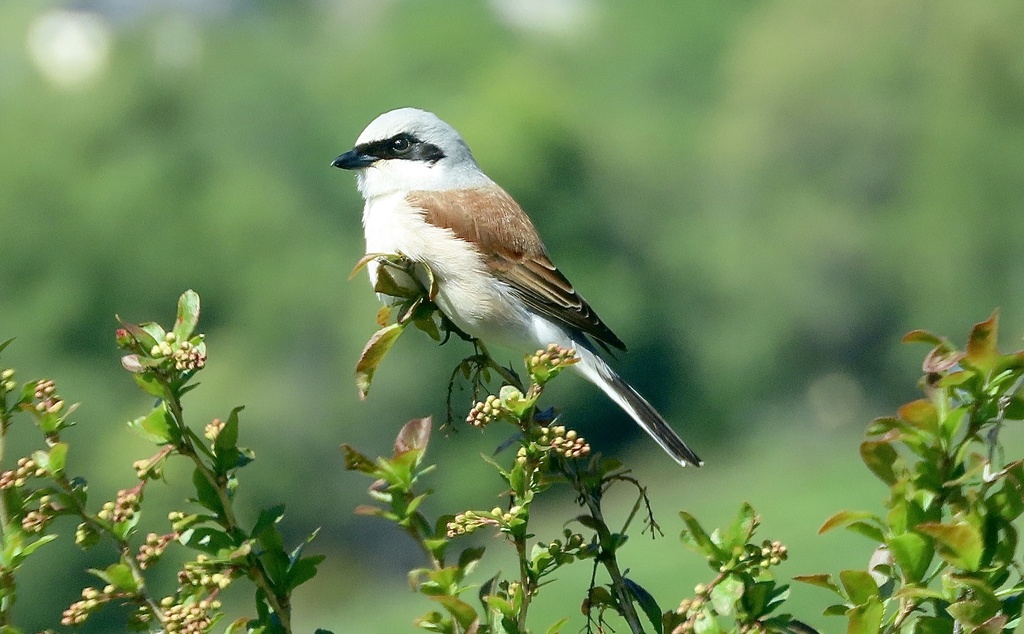
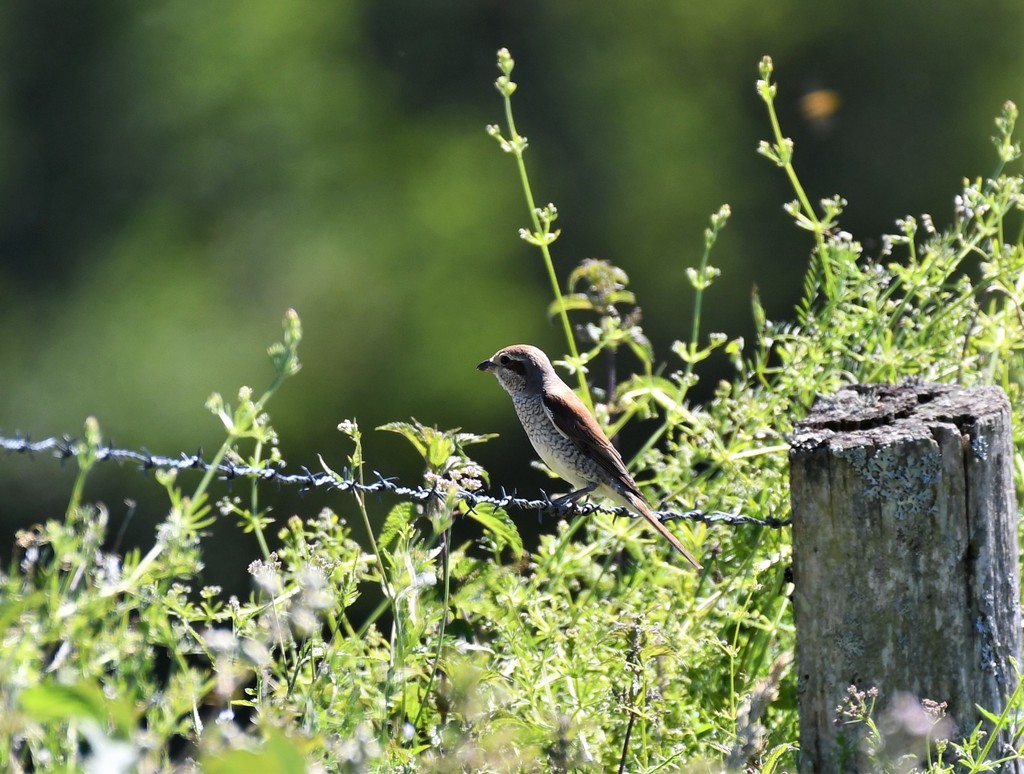
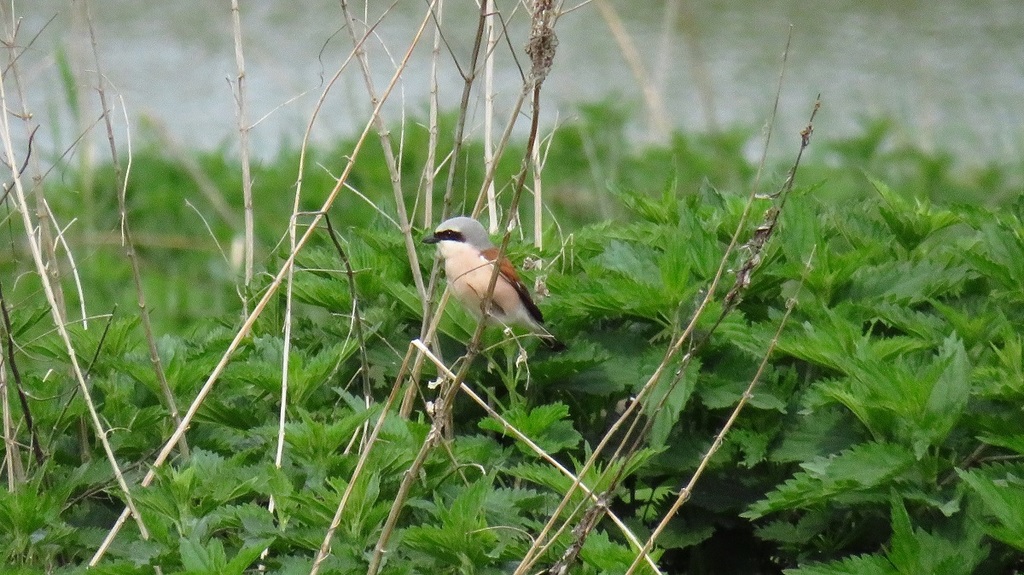
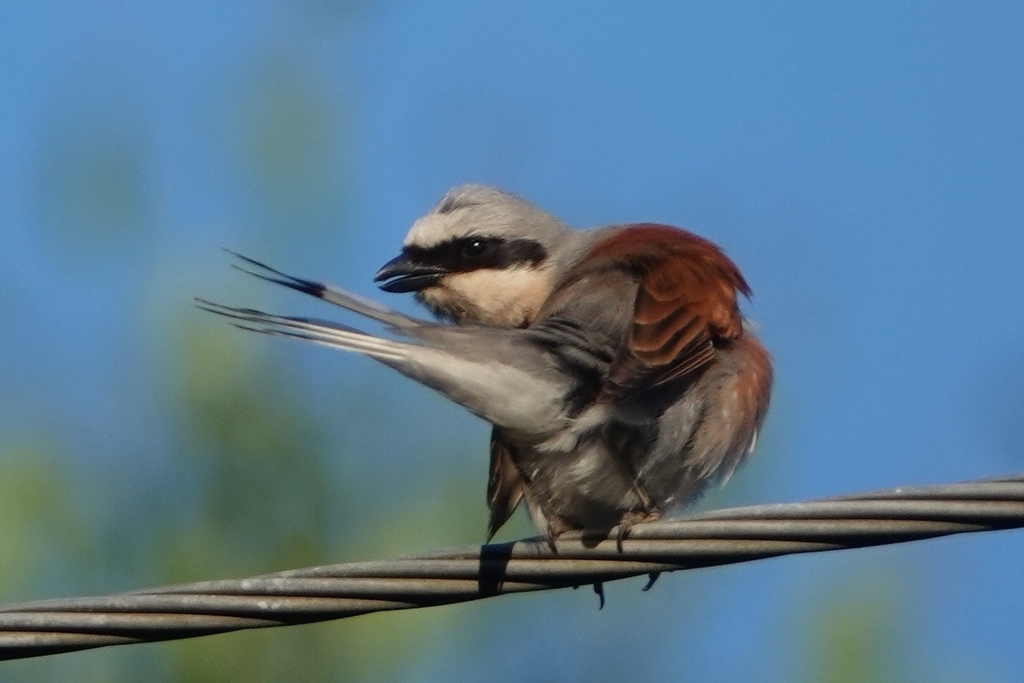
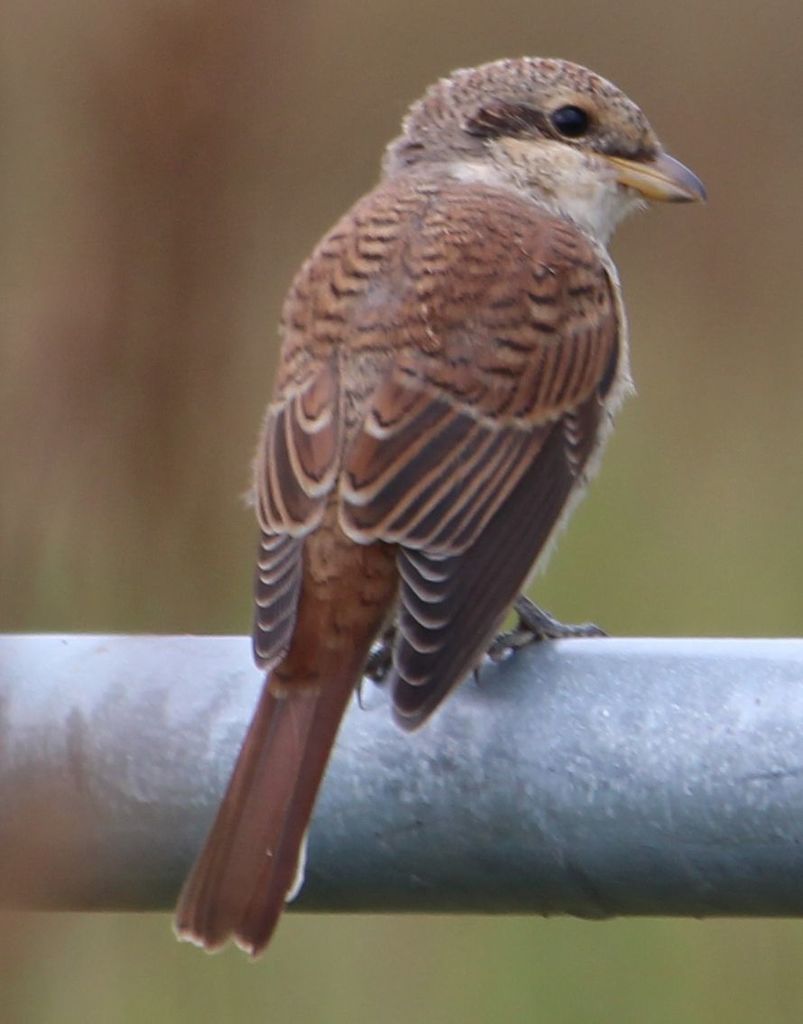
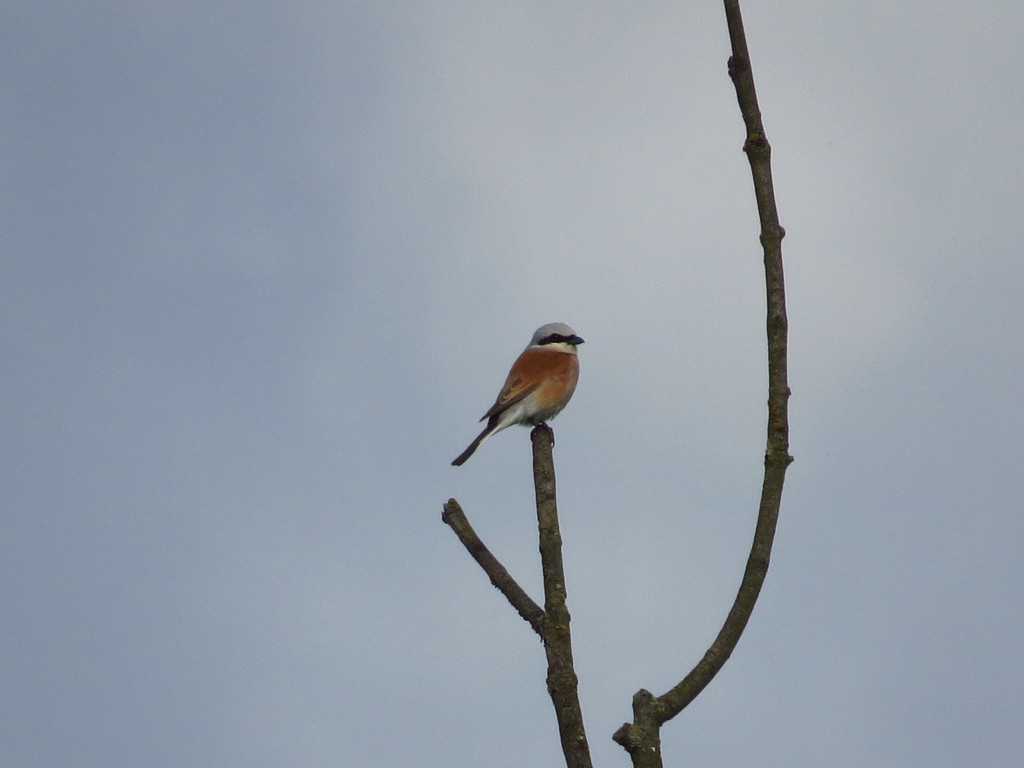
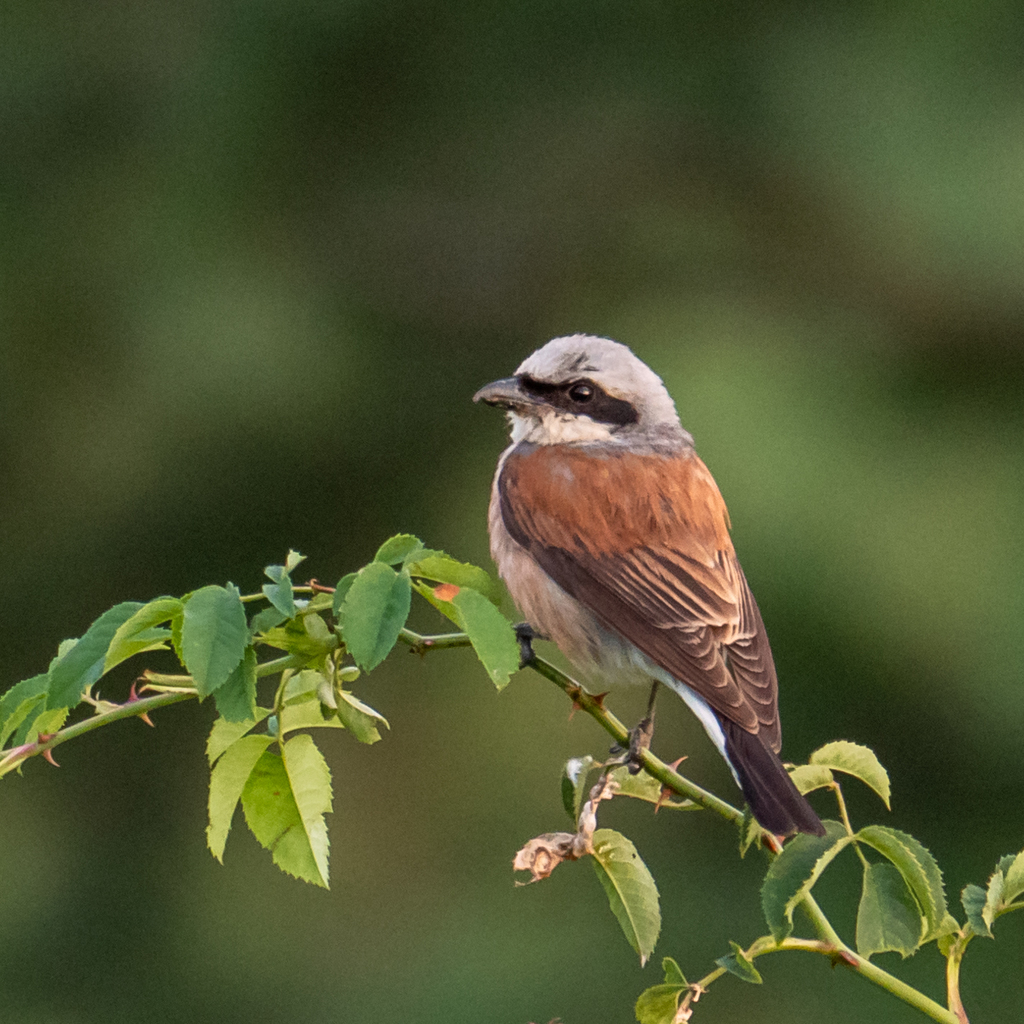
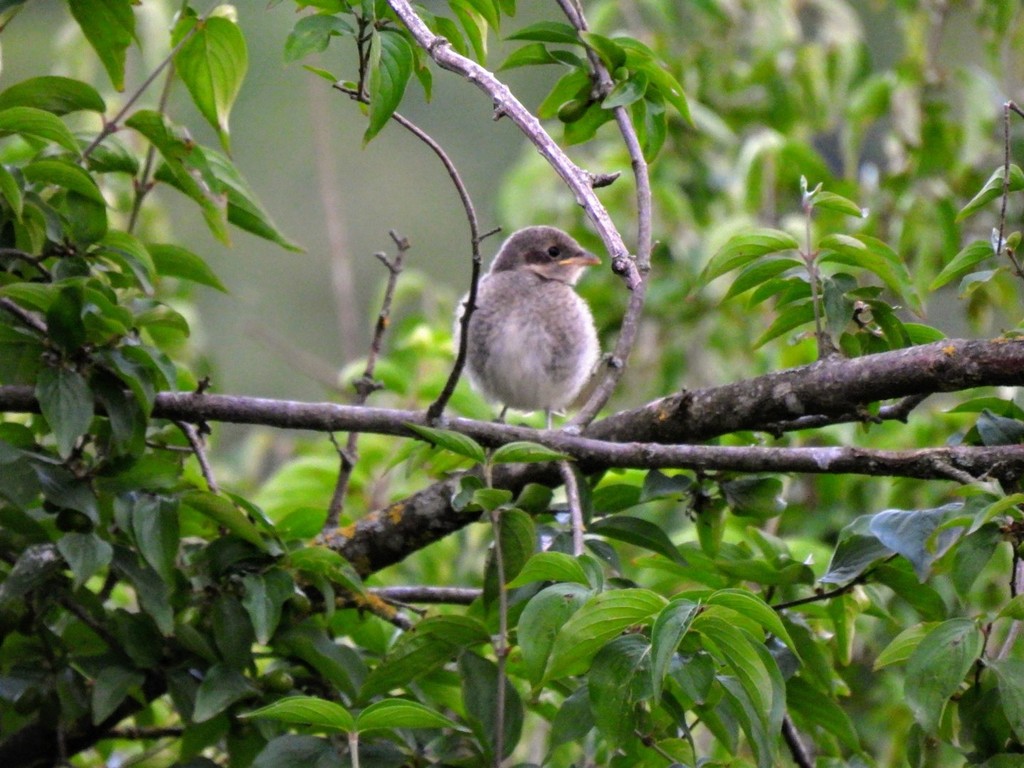
El alcaudón dorsirrojo se distingue de otros pájaros por su voluminosa cabeza con antifaz, su larga cola y un pico con el extremo sutilmente ganchudo. El macho tiene la cabeza de color gris ceniza y las alas, el dorso y el obispillo de color pardo castaño. Las hembras son muy similares, aunque con la cabeza teñida de colores ocres y el pecho finamente barreado de marcas pardas. Los jóvenes son pardos, con el antifaz débilmente marcado y el pecho notablemente barreado. Se parecen mucho a los juveniles de alcaudón común, aunque los alcaudones dorsirrojos poseen varios rasgos diferenciales. Entre los más fácilmente apreciables destacan su obispillo pardo rojizo y la ausencia de una distintiva mancha blanca en la base de las plumas del ala.A small, elegant shrike with a distinctive large head and a hooked bill. Males are beautiful with a slate-gray head, a broad black mask, and a vibrant chestnut-red 'saddle' on the back. Underparts are a delicate pinkish-white. Females are more subtle, with a brownish back and a scaly, barred breast. It is a specialist of open countryside with scattered thorny bushes, where it 'impales' its prey (large insects, lizards, small birds) on thorns.
DistribuciónDistribution
Se localiza en el norte y noroeste peninsular, en una franja que se extiende desde Galicia hasta Cataluña. Además aparece en la vertiente sur de la Cordillera Cantábrica, el Sistema Ibérico norte y, en menor medida, el Sistema Central. El alcaudón dorsirrojo es rarísimo en el sur, se ha observado accidentalmente en Canarias y no habita en las islas Baleares. En nuestro país está presente la subespecie collurio.Found primarily in the northern third of the Peninsula (Galicia to Catalonia) and along the north/central mountain ranges. Rare or absent in the southern two-thirds and all archipelagos. Summer visitor. Subspecies 'collurio'.
Textos reproducidos con permiso de laTexts translated and reproduced with permission from the Guía de Aves de España © SEO/BirdLife
Estado de conservaciónConservation Status
- EX
- RE
- CR
- EN
- VU
- NT
- LC
VulnerableVulnerable
Qué significa cada categoríaWhat each category means
- LC
- Preocupación menor: Taxón evaluado que no califica para categorías amenazadas. Especies abundantes y ampliamente distribuidasLeast Concern - Evaluated taxon that does not qualify for threatened categories. Widespread and abundant taxa
- NT
- Casi amenazada: No califica actualmente como amenazada, pero está cerca de calificar o es probable que califique en el futuro cercanoNear Threatened - Does not currently qualify as threatened, but is close to qualifying or likely to qualify in the near future
- VU
- Vulnerable: Enfrenta un alto riesgo de extinción en estado silvestre según los criterios A a E de IUCNVulnerable - Facing a high risk of extinction in the wild based on IUCN criteria A to E
- EN
- En peligro: Enfrenta un riesgo muy alto de extinción en estado silvestre según los criterios A a E de IUCNEndangered - Facing a very high risk of extinction in the wild based on IUCN criteria A to E
- CR
- En peligro crítico: Enfrenta un riesgo extremadamente alto de extinción en estado silvestre según los criterios A a E de IUCNCritically Endangered - Facing an extremely high risk of extinction in the wild based on IUCN criteria A to E
- DD
- Datos insuficientes: Información inadecuada para evaluar el riesgo de extinción basándose en distribución o estado poblacionalData Deficient - Inadequate information to assess extinction risk based on distribution and/or population status
- NE
- No evaluada: No ha sido evaluada aún contra los criterios de la Lista Roja de IUCNNot Evaluated - Has not yet been assessed against the IUCN Red List criteria
- RE
- Extinta regionalmente: El taxón ya no existe en la región específica, aunque puede sobrevivir en otros lugaresRegionally Extinct - Taxon no longer exists in the specific region, though it may survive elsewhere
- EX
- Extinta - No existe duda razonable de que ha muerto el último individuo del taxónExtinct - No reasonable doubt that the last individual of the taxon has died
TaxonomíaTaxonomy
- OrdenOrder
- Passeriformes
- FamiliaFamily
- Laniidae
Presencia en EspañaPresence in Spain
- EstivalSummer visitor
- HabitualRegular
En la app: abril a septiembre.In the app: April to September.
Dónde verlaWhere to see it
1.378 cuadrículas de 10 km con registros de 2020 a 2024. Toca un mes para ver dónde se ha visto.1,378 10 km squares with records from 2020 to 2024. Pick a month to see where it has been seen.
Cargando el mapa…Loading the map…
Dónde es regularWhere it is regular
Provincias con registros en al menos 3 de los 5 años algún mes, de más a menos frecuente, y sus mejores meses.Provinces with records in at least 3 of the 5 years in some month, from most to least frequent, and their best months.
- SoriaSoriajulio, junio, agostoJuly, June, August
- LeónLeónjulio, junio, agostoJuly, June, August
- BurgosBurgosjulio, junio, agostoJuly, June, August
- PalenciaPalenciajulio, junio, agostoJuly, June, August
- HuescaHuescajulio, junio, agostoJuly, June, August
- LugoLugojulio, junio, agostoJuly, June, August
- A CoruñaA Coruñajulio, junio, agostoJuly, June, August
- CantabriaCantabriajulio, junio, agostoJuly, June, August
- AsturiasAsturiasjulio, junio, agostoJuly, June, August
- LleidaLleidajulio, agosto, junioJuly, August, June
Ver las 32 provinciasSee all 32 provinces
- OurenseOurensejunio, julio, agostoJune, July, August
- La RiojaLa Riojajunio, julio, mayoJune, July, May
- TeruelTerueljulio, junio, mayoJuly, June, May
- GironaGironajulio, junio, agostoJuly, June, August
- ÁlavaÁlavajulio, junio, agostoJuly, June, August
- PontevedraPontevedrajunio, julio, agostoJune, July, August
- SegoviaSegoviajulio, junio, agostoJuly, June, August
- GuipúzcoaGuipúzcoamayo, agosto, junioMay, August, June
- ÁvilaÁvilajunio, julio, mayoJune, July, May
- GuadalajaraGuadalajarajunio, julio, mayoJune, July, May
- NavarraNavarrajulio, agosto, junioJuly, August, June
- VizcayaVizcayamayo, agosto, junioMay, August, June
- CuencaCuencajulio, junio, agostoJuly, June, August
- BarcelonaBarcelonajulio, junio, agostoJuly, June, August
- CastellónCastellónjunio, julio, agostoJune, July, August
- MadridMadridjunio, julio, mayoJune, July, May
- ZamoraZamorajunio, julio, agostoJune, July, August
- SalamancaSalamancajulio, junio, mayoJuly, June, May
- CáceresCáceresjulio, junio, agostoJuly, June, August
- ValladolidValladolidjulio, junio, mayoJuly, June, May
- ZaragozaZaragozamayo, julio, agostoMay, July, August
- TarragonaTarragonaseptiembreSeptember
Datos: registros en GBIF de 2020 a 2024 de Observation.org, eBird, iNaturalist y el ICO, descargados el 23/10/2026.Data: GBIF records from 2020 to 2024 from Observation.org, eBird, iNaturalist and the ICO, downloaded on 23/10/2026. GBIF.org (23 October 2026) GBIF Occurrence Download · doi:10.15468/dl.r5sf2a · CC BY-NC 4.0
GaleríaGallery
© Viktor · CC BY · iNaturalist 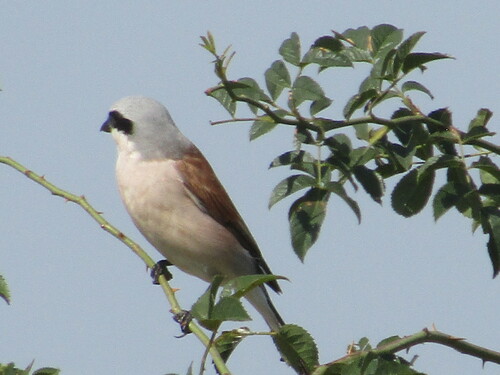
© SteveM4560 · CC BY · iNaturalist 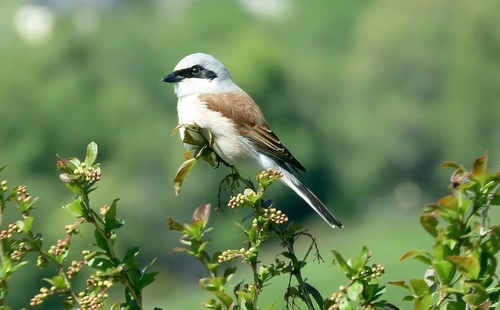
© Karsten Rohweder · CC BY · iNaturalist 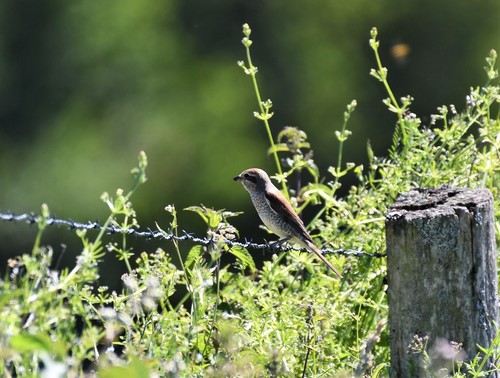
© Charles-Edouard Imbert · CC BY · iNaturalist 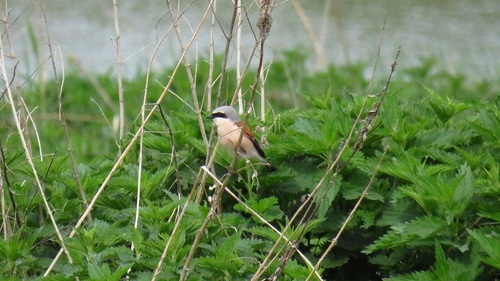
© Михаил Малышев · CC BY · iNaturalist 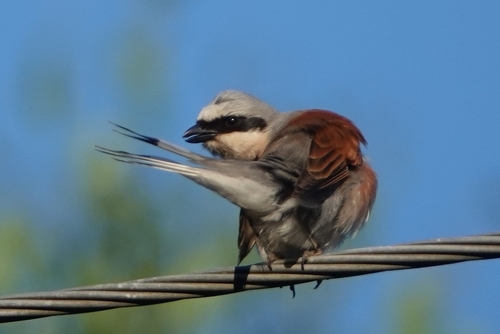
© Валерия Ковалева · CC BY · iNaturalist 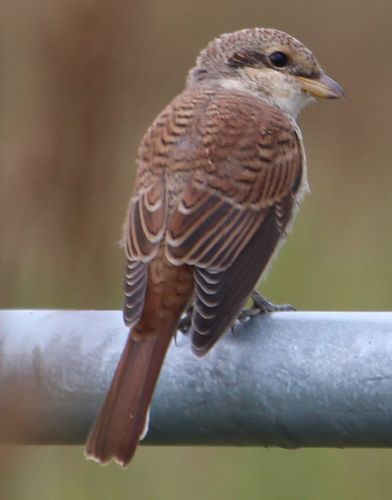
© richyfourtytwo · CC BY · iNaturalist 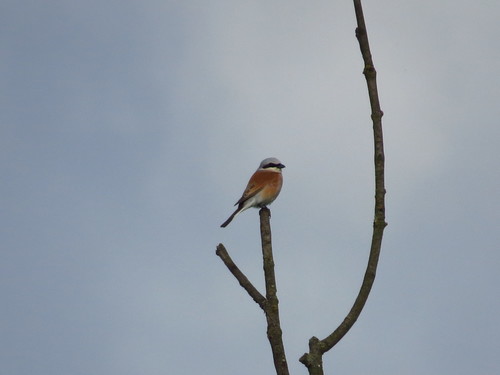
© Adam Śliż · CC BY · iNaturalist 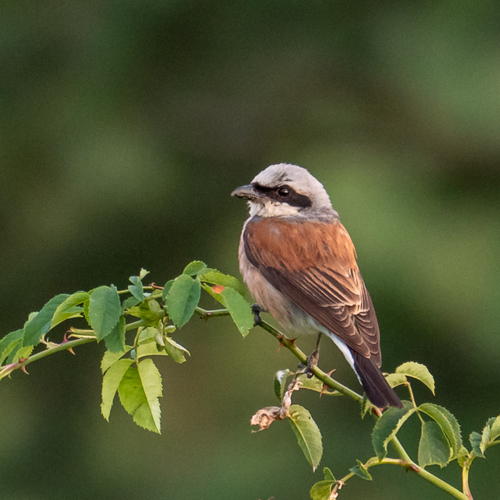
© Piotr Lukasik · CC BY · iNaturalist 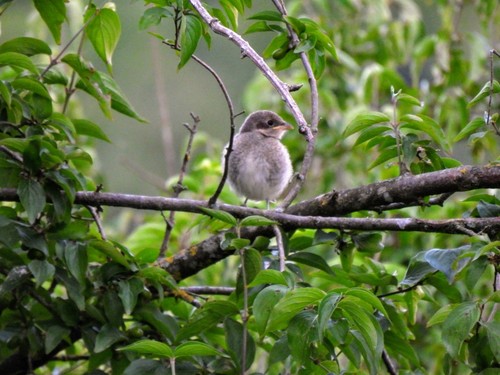
© joba102 · CC BY · iNaturalist
Especies relacionadasRelated species
Otras aves de la familia Laniidae y de órdenes cercanos.Other birds from the Laniidae family and nearby orders.
- ÉpicoEpic
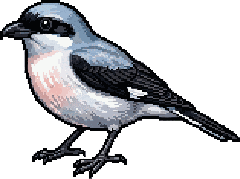 Alcaudón chicoLesser Grey ShrikeLanius minor
- ComúnCommon
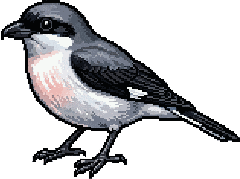 Alcaudón realIberian Grey ShrikeLanius meridionalis
- ComúnCommon
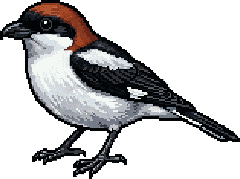 Alcaudón comúnWoodchat ShrikeLanius senator
- LegendarioLegendary
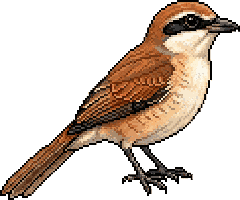 Alcaudón pardoBrown ShrikeLanius cristatus
- LegendarioLegendary
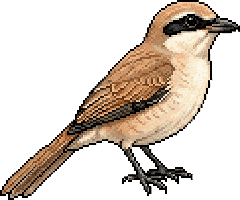 Alcaudón isabelIsabelline ShrikeLanius isabellinus
- RaroRare
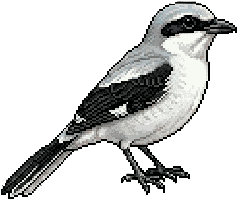 Alcaudón norteñoGreat Grey ShrikeLanius excubitor
- LegendarioLegendary
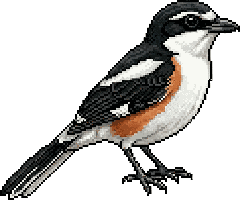 Alcaudón núbicoMasked ShrikeLanius nubicus
- ComúnCommon
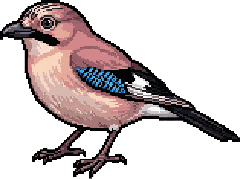 Arrendajo euroasiáticoEurasian JayGarrulus glandarius
 Gratis, sin anuncios ni comprasFree, no ads, no purchases