 BirdPedy
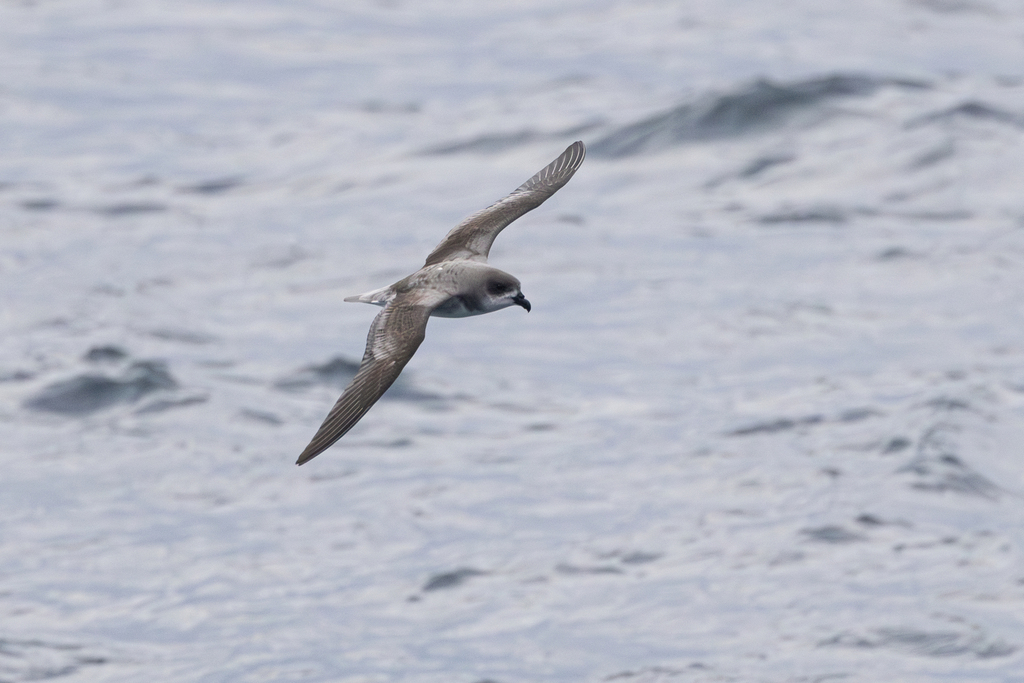
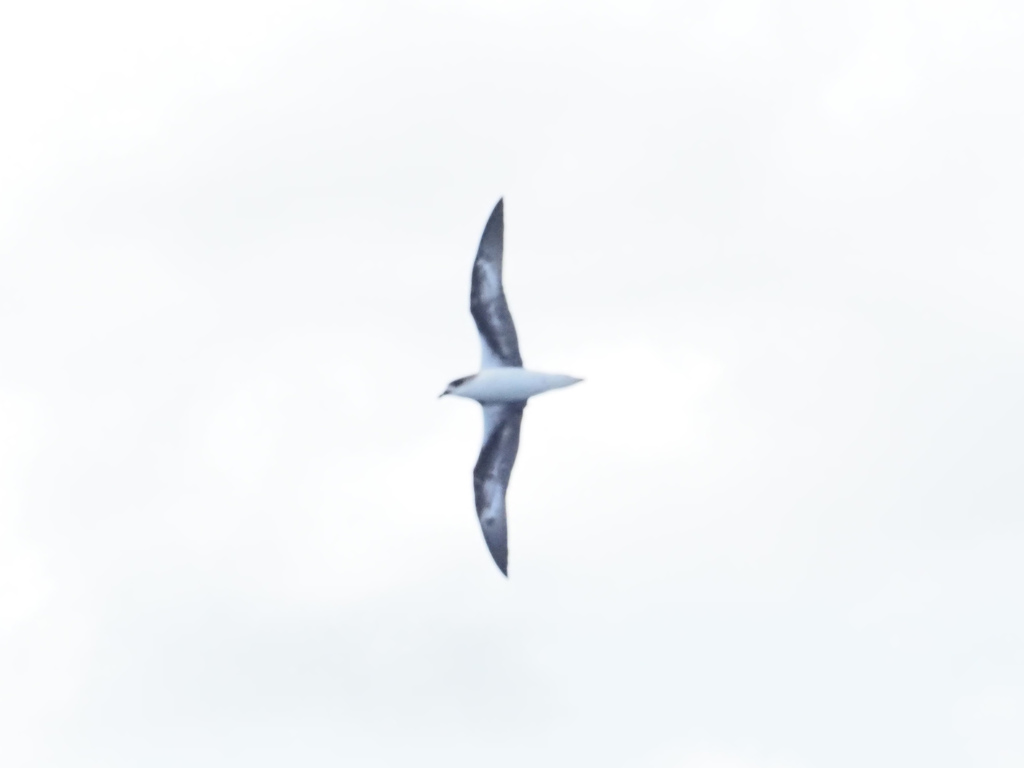
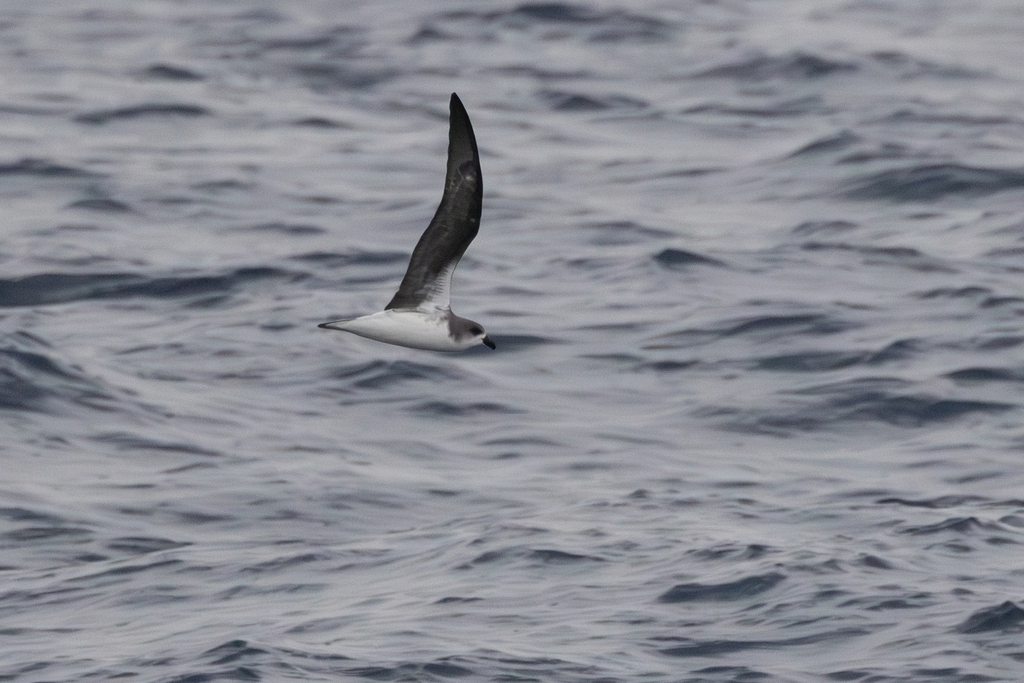
Petrel de las DesertasDesertas Petrel
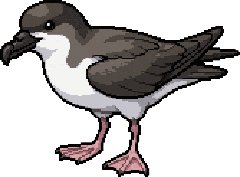
Reporte de rarezaRarity report
Por qué es legendarioWhy it is legendaryEntre 2020 y 2024 se vio en España y sus aguas en una sola ocasión, de 1 día, en 1 de los 5 años (datos de Observation.org publicados en GBIF). Se cuentan también los registros en el mar: es un ave marina que, salvo para criar, pasa su vida en alta mar, lejos de la costa. En la Lista de las aves de España de SEO/BirdLife (2022) tiene entre 1 y 15 citas homologadas por su Comité de Rarezas hasta junio de 2022.Between 2020 and 2024 it was seen in Spain and its waters on a single occasion, lasting 1 day, in 1 of the 5 years (data from Observation.org published on GBIF). Records at sea are counted too: it is a seabird that, except when breeding, spends its life on the open sea, far from the coast. In SEO/BirdLife's List of the Birds of Spain (2022) it has between 1 and 15 records accepted by its Rarities Committee up to June 2022.
- EnvergaduraWingspan
- No disponibleNot available
- LongitudLength
- No disponibleNot available
- Lista Roja de EspañaSpanish Red List
- VU VulnerableVulnerable

Estado de conservaciónConservation Status
- EX
- RE
- CR
- EN
- VU
- NT
- LC
VulnerableVulnerable
Sin categoría en el Libro Rojo de las Aves de España 2021No category in the Red Book of the Birds of Spain 2021
Qué significa cada categoríaWhat each category means
- LC
- Preocupación menor: Taxón evaluado que no califica para categorías amenazadas. Especies abundantes y ampliamente distribuidasLeast Concern - Evaluated taxon that does not qualify for threatened categories. Widespread and abundant taxa
- NT
- Casi amenazada: No califica actualmente como amenazada, pero está cerca de calificar o es probable que califique en el futuro cercanoNear Threatened - Does not currently qualify as threatened, but is close to qualifying or likely to qualify in the near future
- VU
- Vulnerable: Enfrenta un alto riesgo de extinción en estado silvestre según los criterios A a E de IUCNVulnerable - Facing a high risk of extinction in the wild based on IUCN criteria A to E
- EN
- En peligro: Enfrenta un riesgo muy alto de extinción en estado silvestre según los criterios A a E de IUCNEndangered - Facing a very high risk of extinction in the wild based on IUCN criteria A to E
- CR
- En peligro crítico: Enfrenta un riesgo extremadamente alto de extinción en estado silvestre según los criterios A a E de IUCNCritically Endangered - Facing an extremely high risk of extinction in the wild based on IUCN criteria A to E
- DD
- Datos insuficientes: Información inadecuada para evaluar el riesgo de extinción basándose en distribución o estado poblacionalData Deficient - Inadequate information to assess extinction risk based on distribution and/or population status
- NE
- No evaluada: No ha sido evaluada aún contra los criterios de la Lista Roja de IUCNNot Evaluated - Has not yet been assessed against the IUCN Red List criteria
- RE
- Extinta regionalmente: El taxón ya no existe en la región específica, aunque puede sobrevivir en otros lugaresRegionally Extinct - Taxon no longer exists in the specific region, though it may survive elsewhere
- EX
- Extinta - No existe duda razonable de que ha muerto el último individuo del taxónExtinct - No reasonable doubt that the last individual of the taxon has died
TaxonomíaTaxonomy
- OrdenOrder
- Procellariiformes
- FamiliaFamily
- Procellariidae
Revisión científica de BirdPedyBirdPedy scientific review
Revisada por BirdPedy el 28/10/2026 ·Reviewed by BirdPedy on 28 October 2026 · Cómo revisamosHow we review
RarezaRarity
Entre 2020 y 2024 se vio en España y sus aguas en una sola ocasión, de 1 día, en 1 de los 5 años (datos de Observation.org publicados en GBIF) [1]. Se cuentan también los registros en el mar: es un ave marina que, salvo para criar, pasa su vida en alta mar, lejos de la costa, y en tierra apenas se registra. Cada ocasión junta los registros de una misma cuadrícula de 10 km y sus 8 vecinas sin un hueco de más de 14 días, así que un ave que pasa semanas en el mismo sitio cuenta una sola vez. eBird, la fuente con más registros, no tiene ninguno suyo, así que la cuenta puede quedarse corta.
En BirdPedy es legendaria, el nivel de las especies con 5 ocasiones o menos en 5 años.
Between 2020 and 2024 it was seen in Spain and its waters on a single occasion, lasting 1 day, in 1 of the 5 years (data from Observation.org published on GBIF) [1]. Records at sea are counted too: it is a seabird that, except when breeding, spends its life on the open sea, far from the coast, and is hardly ever recorded on land. Each occasion groups the records in the same 10 km square and its 8 neighbours with no gap of more than 14 days, so a bird that stays for weeks in the same place counts only once. eBird, the source with the most records, has none of it, so the count may fall short.
In BirdPedy it is legendary, the level for species with 5 occasions or fewer in 5 years.
ReferenciasReferences
- GBIF.org (28/10/2026). Descarga de registros de diez aves marinas en España y sus aguas, 2020-2024, con las mismas fuentes y filtros que la de las ocasiones, sin limitarla a tierra.GBIF.org (28 October 2026). Occurrence download of ten seabirds in Spain and its waters, 2020-2024, with the same sources and filters as the one for occasions, without limiting it to land. doi.org/10.15468/dl.hva8fp
GaleríaGallery
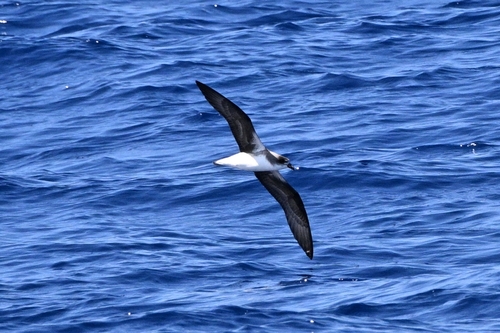
© Charlotte Kirchner · CC BY · iNaturalist 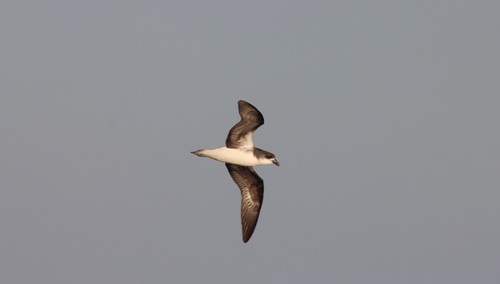
© Vsevolod Rudyi · CC BY · iNaturalist 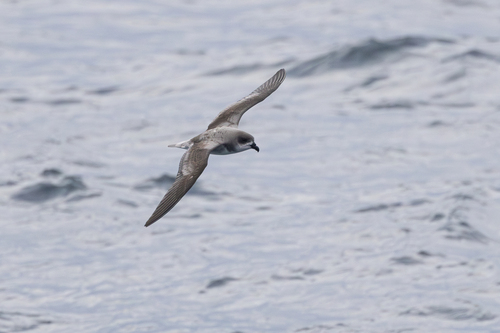
© Ryan F. Mandelbaum · CC BY · iNaturalist 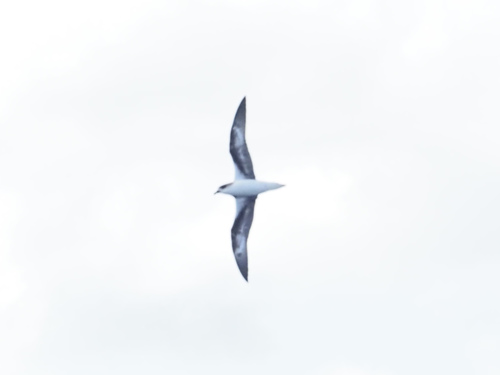
© gwynmwilliams · CC BY · iNaturalist 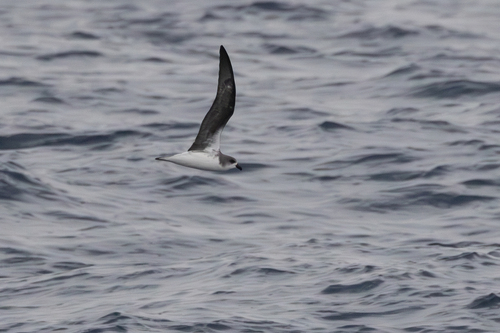
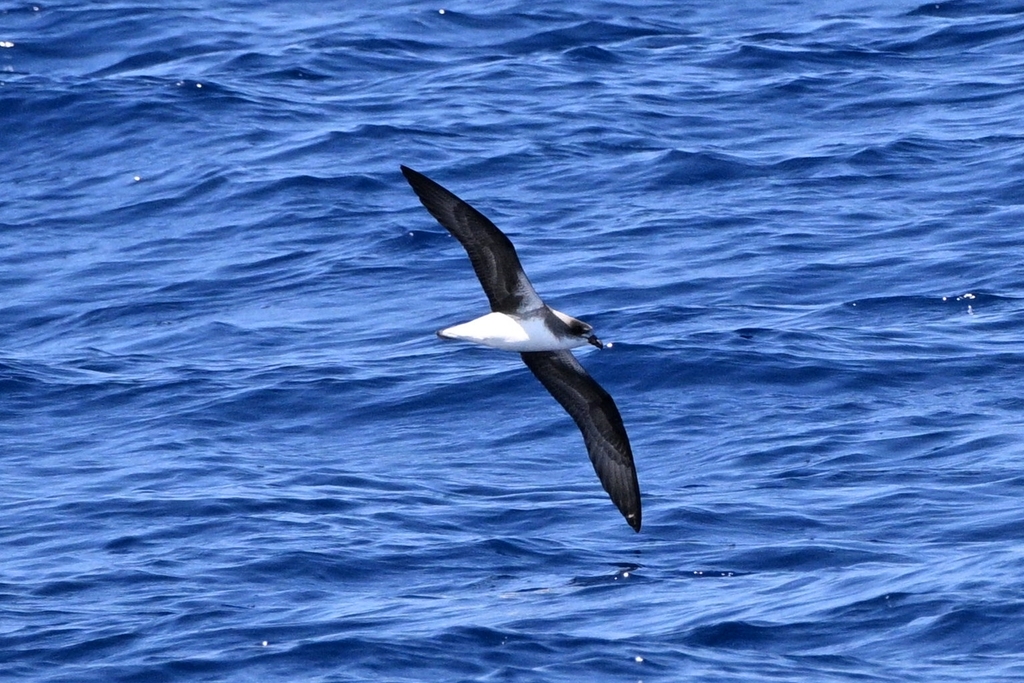
© Ryan F. Mandelbaum · CC BY · iNaturalist
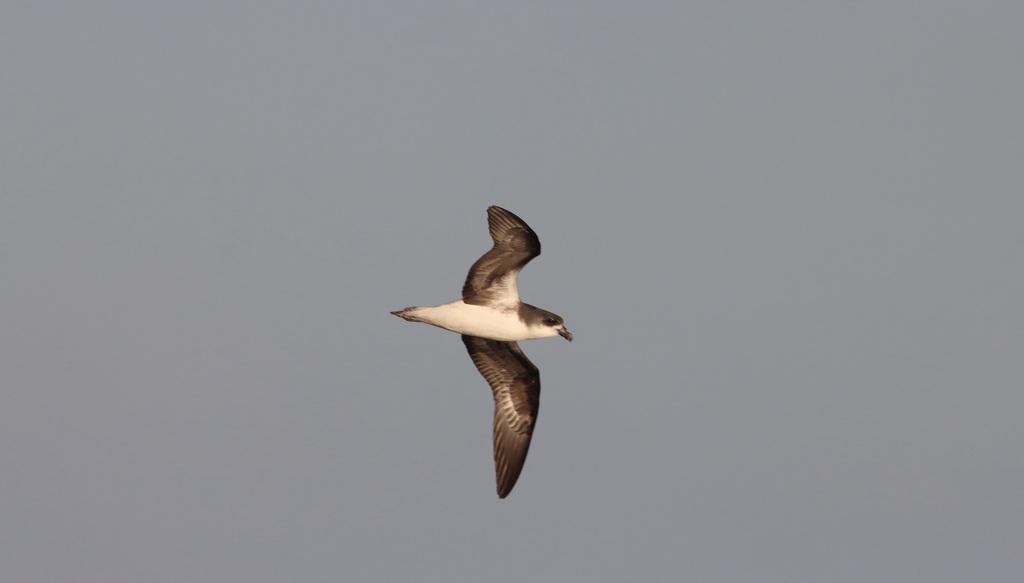
Especies relacionadasRelated species
Otras aves de la familia Procellariidae y de órdenes cercanos.Other birds from the Procellariidae family and nearby orders.
- LegendarioLegendary
 Petrel antillanoBlack-capped PetrelPterodroma hasitata
- LegendarioLegendary
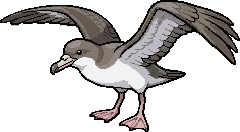 Pardela cenicienta de Cabo VerdeCape Verde ShearwaterCalonectris edwardsii
- RaroRare
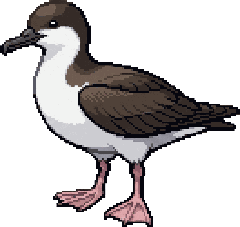 Pardela capirotadaGreat ShearwaterArdenna gravis
- RaroRare
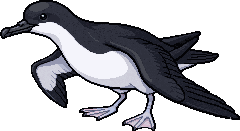 Pardela chica macaronésicaBarolo ShearwaterPuffinus baroli
- LegendarioLegendary
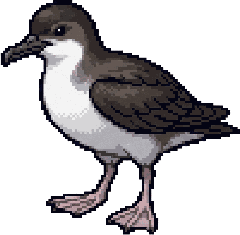 Pardela chica de Cabo VerdeBoyd's ShearwaterPuffinus boydi
- RaroRarePetrel de BulwerBulwer's PetrelBulweria bulwerii
- Poco comúnUncommon
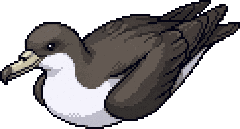 Pardela cenicienta atlánticaCory's Shearwater (Atlantic)Calonectris borealis
- Poco comúnUncommon
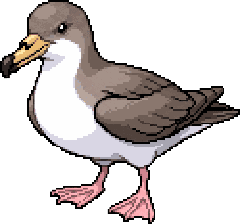 Pardela cenicienta mediterráneaScopoli's ShearwaterCalonectris diomedea
 Gratis, sin anuncios ni comprasFree, no ads, no purchases