 BirdPedy
Lavandera cetrinaCitrine Wagtail
En 6 provincias en septiembre y sin registros 4 meses del añoIn 6 provinces in September, and no records in 4 months of the year
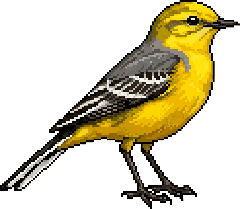
Reporte de rarezaRarity report
Por qué es raroWhy it is rareRareza procedente del este de Europa y Asia que se observa de forma escasa pero regular durante los pasos migratorios e invernada en humedales litorales.Rarity from eastern Europe and Asia that is seen scarcely but regularly in coastal wetlands during migration and in winter.
Cada carrizo es un mes: su altura, las provincias con registros de 2020 a 2024.Each reed is a month: its height, the provinces with records from 2020 to 2024.- Provincias con registrosProvinces with records
- 13 de 52of 52
- En la appIn the app
- Agosto a febreroAugust to February
- EnvergaduraWingspan
- 24-27 cm24-27 cm
- LongitudLength
- 17 cm17 cm
- Lista Roja de EspañaSpanish Red List
- NE No evaluada en EspañaNot assessed in Spain

Información generalGeneral Information
La especie se presenta regularmente en el oeste de Europa, con citas que han tendido a aumentar, dato en relación directa con la expansión del área de cría, y que son sobre todo otoñales en Gran Bretaña y primaverales en Francia y países más orientales. En España es un ave difícilmente observable, dadas las bajas densidades de población.The Citrine Wagtail is a 'jewel of the East'. This Asian species is currently expanding its breeding range westward into Europe. In Spain, it is a rare but increasing visitor, especially to the Mediterranean deltas (Ebro Delta). Its vibrant yellow head in spring is a stunning sight against the green rice fields. It represents the dynamic nature of European bird expansion. It is a symbol of the lush, wet Asian grasslands visiting our Mediterranean wetlands.
IdentificaciónIdentification
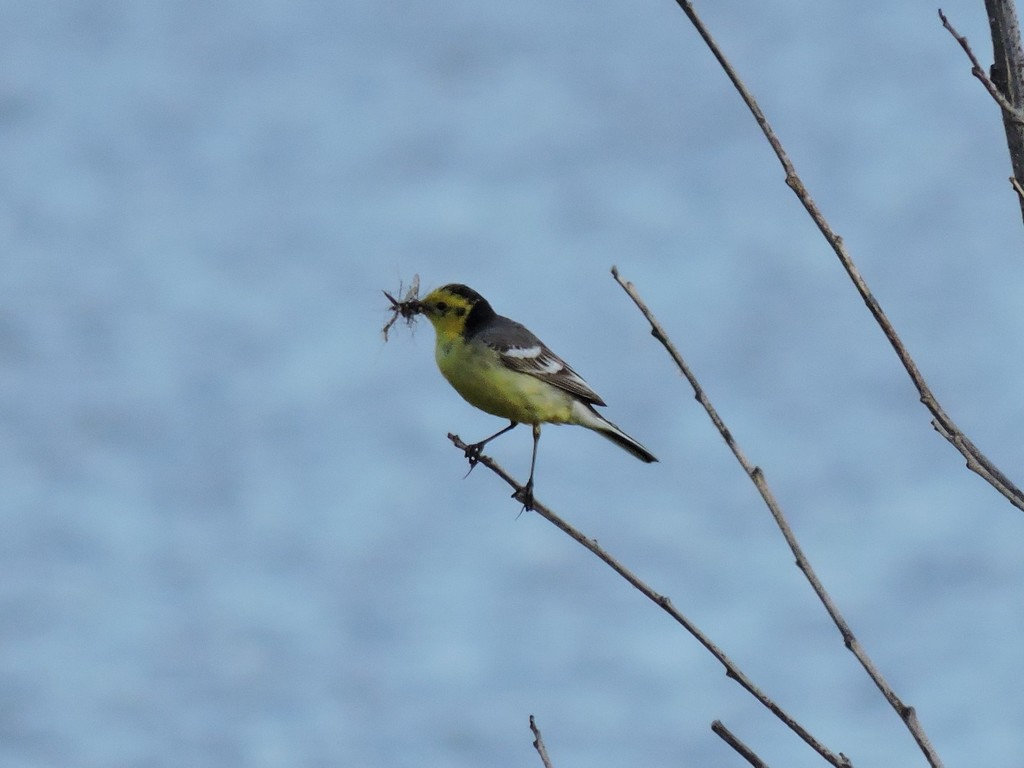
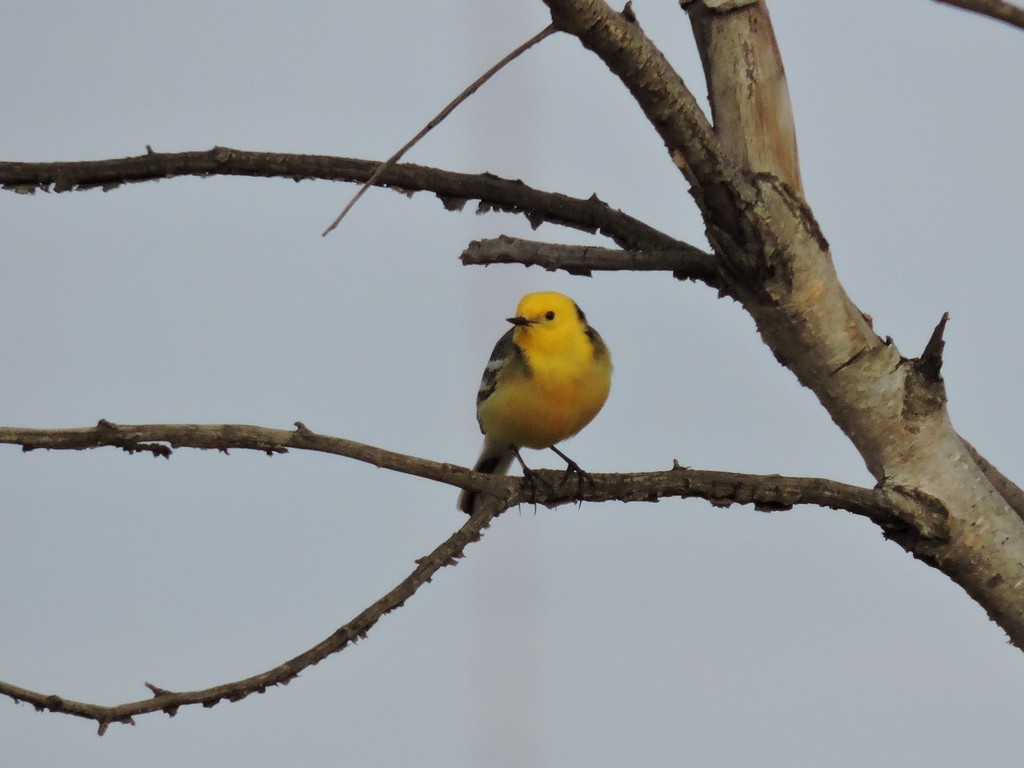
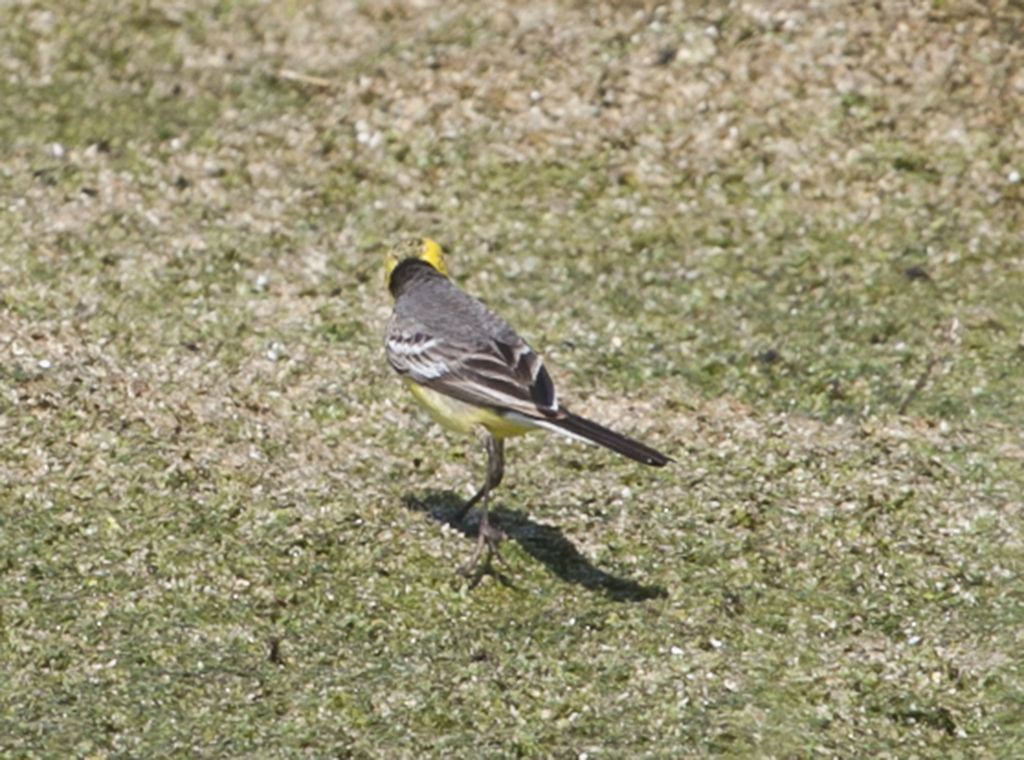
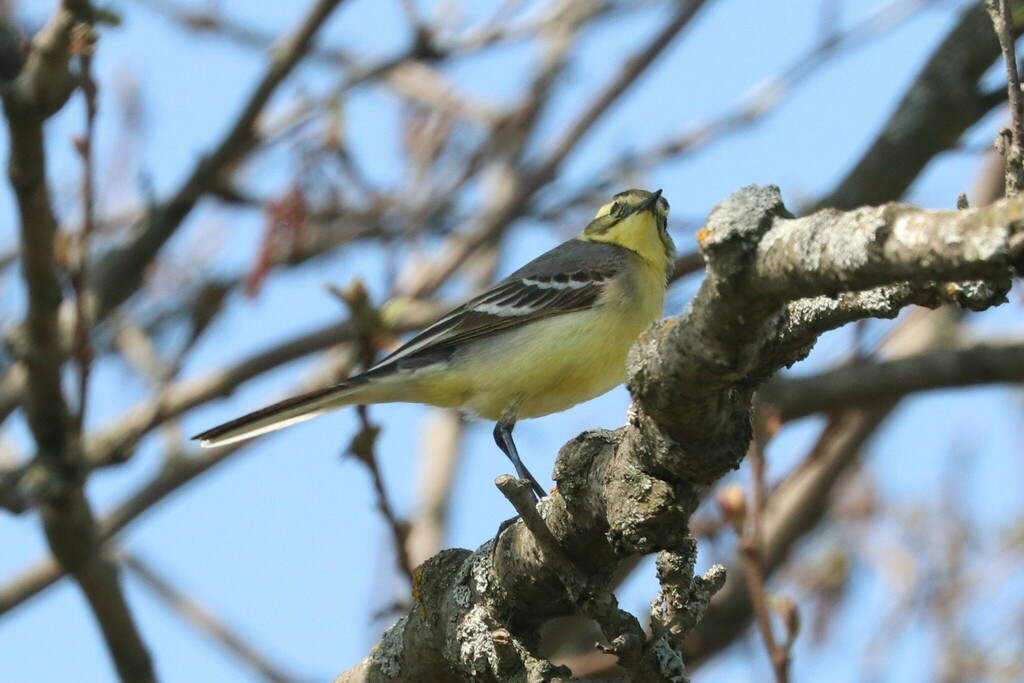
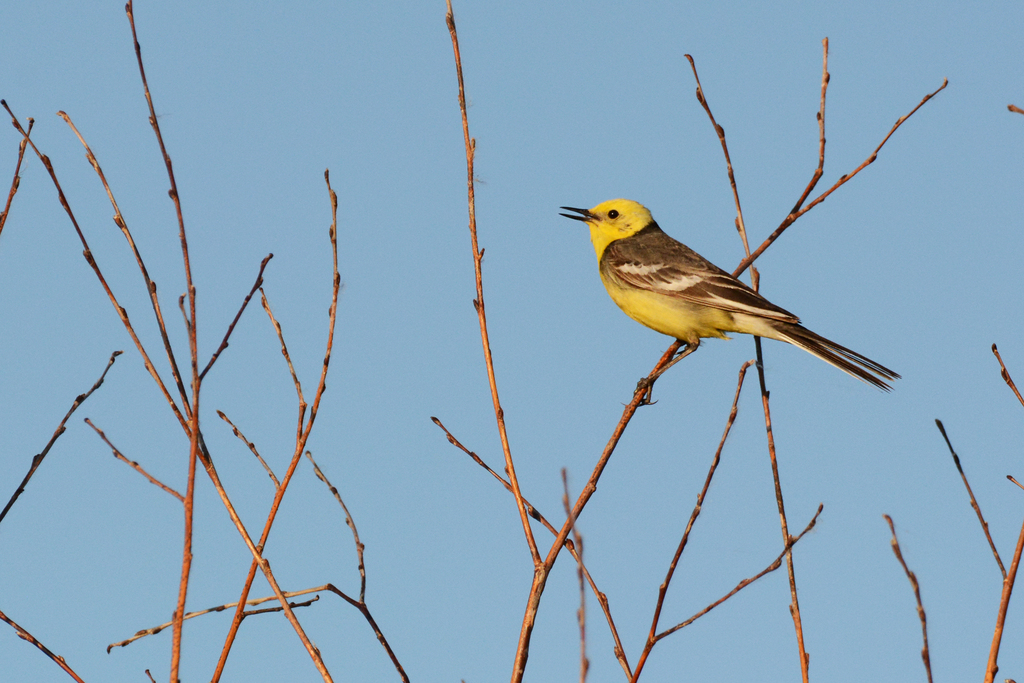
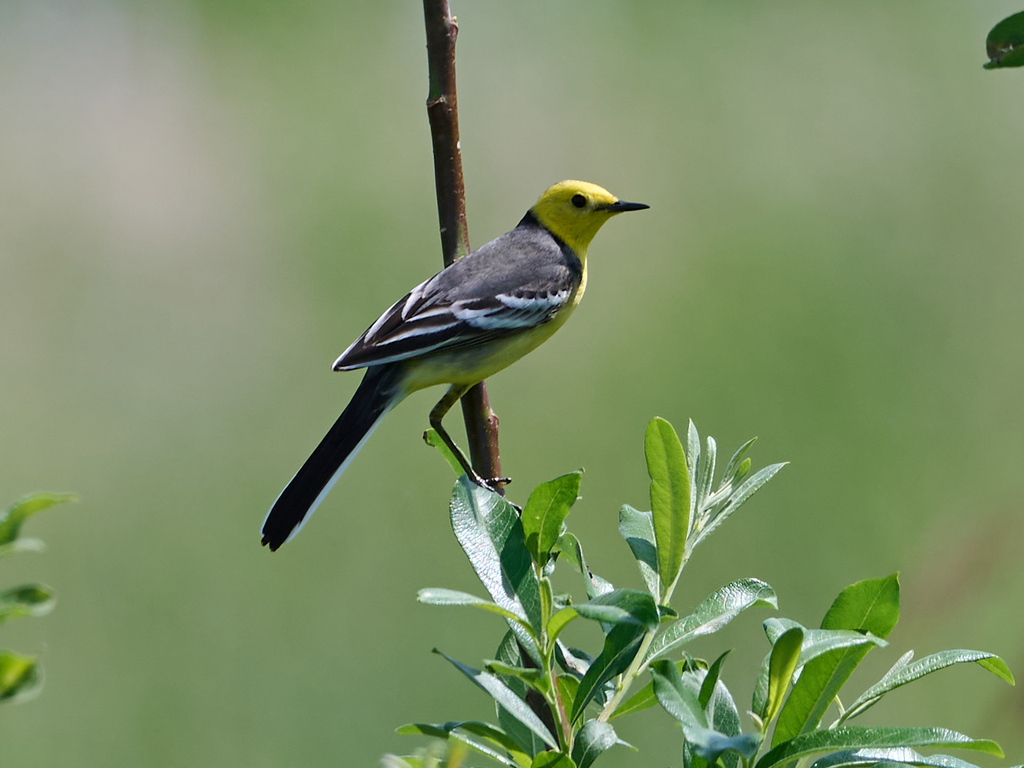
La lavandera cetrina se parece a la lavandera boyera en cuanto a tamaño y proporciones, pero su cola más larga y las partes dorsales grisáceas recuerdan más bien a la lavandera cascadeña. En los bordes de las coberteras medianas y grandes posee dos franjas alares blancas, anchas y muy distintivas. Los adultos, sobre todo durante la época de reproducción, muestran mucho amarillo en la cabeza, el pecho y el vientre, pero dicho color puede faltar del todo en aves de primer invierno.A stunning and elegant wagtail. Adult males in spring have a spectacular, solid bright yellow head and throat, contrasting with a gray back and two broad white wing-bars. Females and winter birds are much duller but retain the diagnostic broad wing-bars and a unique face pattern with a yellow wash. It has a longer tail than the Yellow Wagtail.
DistribuciónDistribution
Las escasas aves que alcanzan España han sido registradas principalmente en el delta del Ebro y, de forma aún más puntual, en las Islas Baleares.Rare but increasing visitor/accidental. Records concentrated in the Ebro Delta and Baleares. Spring and autumn peaks.
Textos reproducidos con permiso de laTexts translated and reproduced with permission from the Guía de Aves de España © SEO/BirdLife
Estado de conservaciónConservation Status
- EX
- RE
- CR
- EN
- VU
- NT
- LC
NE
No evaluada en EspañaNot assessed in Spain
Qué significa cada categoríaWhat each category means
- LC
- Preocupación menor: Taxón evaluado que no califica para categorías amenazadas. Especies abundantes y ampliamente distribuidasLeast Concern - Evaluated taxon that does not qualify for threatened categories. Widespread and abundant taxa
- NT
- Casi amenazada: No califica actualmente como amenazada, pero está cerca de calificar o es probable que califique en el futuro cercanoNear Threatened - Does not currently qualify as threatened, but is close to qualifying or likely to qualify in the near future
- VU
- Vulnerable: Enfrenta un alto riesgo de extinción en estado silvestre según los criterios A a E de IUCNVulnerable - Facing a high risk of extinction in the wild based on IUCN criteria A to E
- EN
- En peligro: Enfrenta un riesgo muy alto de extinción en estado silvestre según los criterios A a E de IUCNEndangered - Facing a very high risk of extinction in the wild based on IUCN criteria A to E
- CR
- En peligro crítico: Enfrenta un riesgo extremadamente alto de extinción en estado silvestre según los criterios A a E de IUCNCritically Endangered - Facing an extremely high risk of extinction in the wild based on IUCN criteria A to E
- DD
- Datos insuficientes: Información inadecuada para evaluar el riesgo de extinción basándose en distribución o estado poblacionalData Deficient - Inadequate information to assess extinction risk based on distribution and/or population status
- NE
- No evaluada: No ha sido evaluada aún contra los criterios de la Lista Roja de IUCNNot Evaluated - Has not yet been assessed against the IUCN Red List criteria
- RE
- Extinta regionalmente: El taxón ya no existe en la región específica, aunque puede sobrevivir en otros lugaresRegionally Extinct - Taxon no longer exists in the specific region, though it may survive elsewhere
- EX
- Extinta - No existe duda razonable de que ha muerto el último individuo del taxónExtinct - No reasonable doubt that the last individual of the taxon has died
TaxonomíaTaxonomy
- OrdenOrder
- Passeriformes
- FamiliaFamily
- Motacillidae
Presencia en EspañaPresence in Spain
- HabitualRegular
- InvernanteWinter visitor
En la app: agosto a febrero.In the app: August to February.
Dónde verlaWhere to see it
18 cuadrículas de 10 km con registros de 2020 a 2024. Toca un mes para ver dónde se ha visto.18 10 km squares with records from 2020 to 2024. Pick a month to see where it has been seen.
Cargando el mapa…Loading the map…
Dónde es regularWhere it is regular
Provincias con registros en al menos 3 de los 5 años algún mes, de más a menos frecuente, y sus mejores meses.Provinces with records in at least 3 of the 5 years in some month, from most to least frequent, and their best months.
- TarragonaTarragonaseptiembreSeptember
Datos: registros en GBIF de 2020 a 2024 de Observation.org, eBird, iNaturalist y el ICO, descargados el 23/10/2026.Data: GBIF records from 2020 to 2024 from Observation.org, eBird, iNaturalist and the ICO, downloaded on 23/10/2026. GBIF.org (23 October 2026) GBIF Occurrence Download · doi:10.15468/dl.r5sf2a · CC BY-NC 4.0
GaleríaGallery
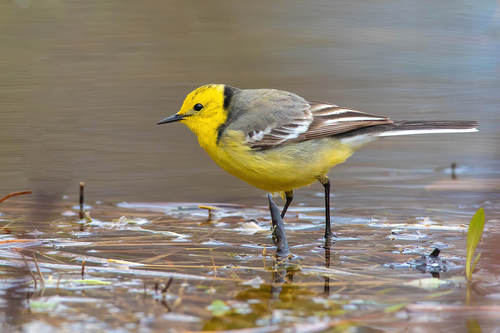
© egorbirder · CC BY · iNaturalist 
© Вячеслав Юсупов · CC BY · iNaturalist 
© Вячеслав Юсупов · CC BY · iNaturalist 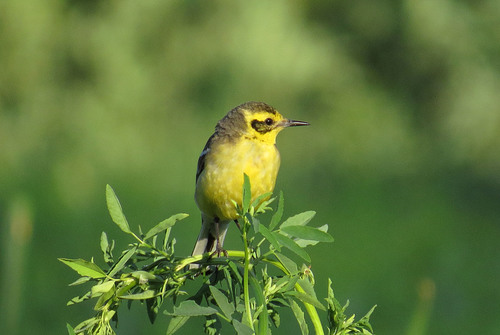
© Олег Юмашев · CC BY · iNaturalist 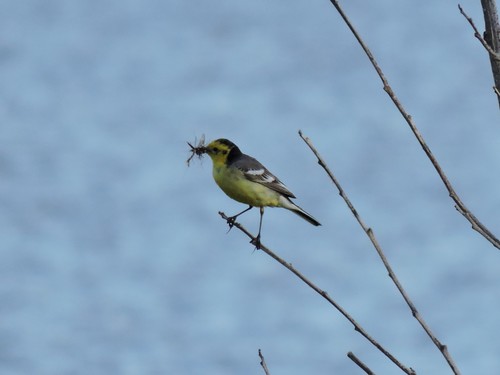
© Борис Георги · CC BY · iNaturalist 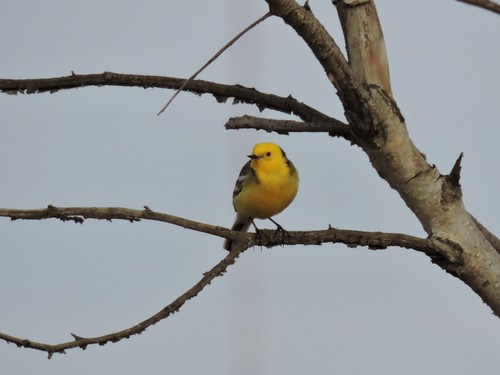
© Борис Георги · CC BY · iNaturalist 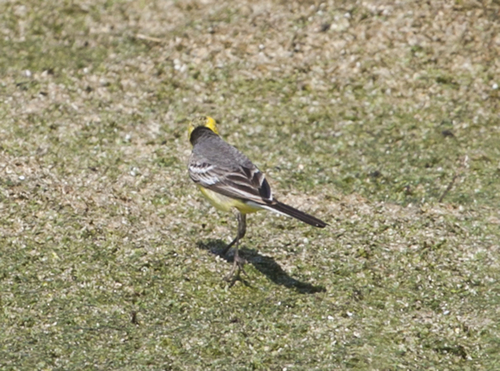
© Полина Полежанкина · CC BY · iNaturalist 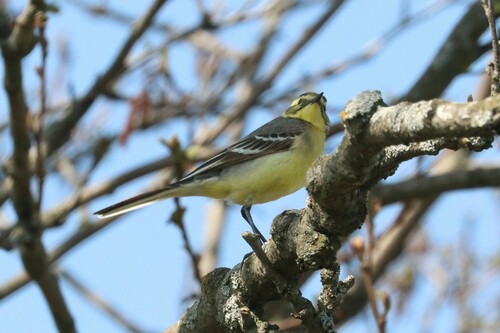
© Константин Селивёрстов · CC BY · iNaturalist 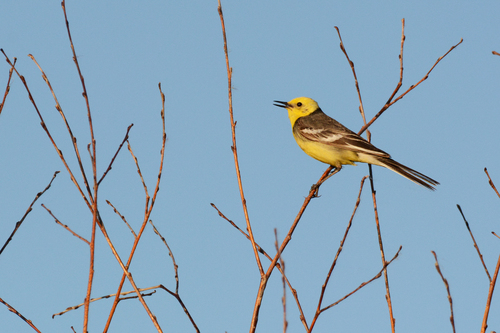
© Ульяна Лалак · CC BY · iNaturalist 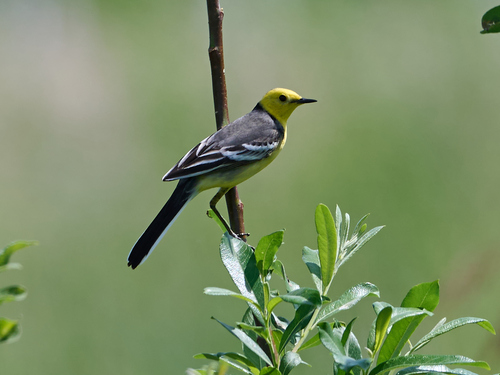
© Сергей Неклюдов · CC BY · iNaturalist

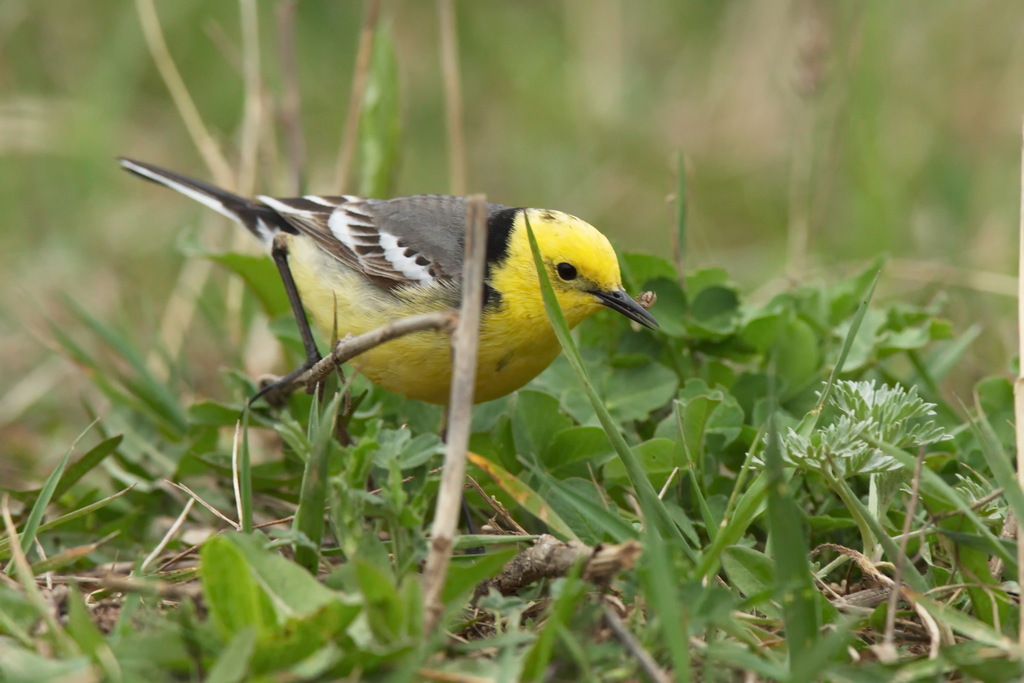
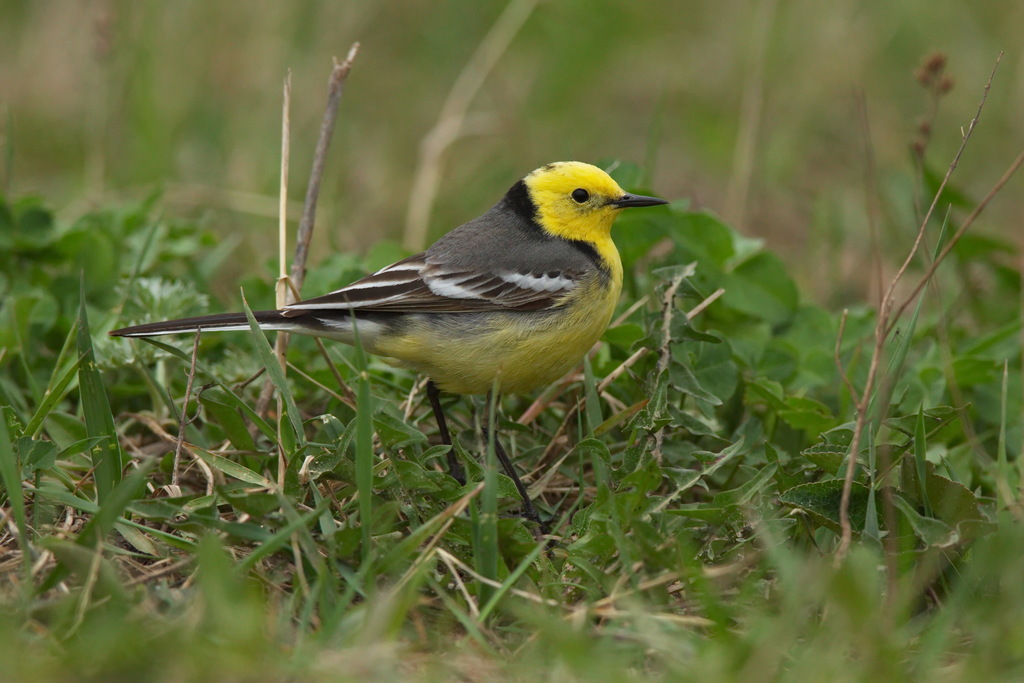
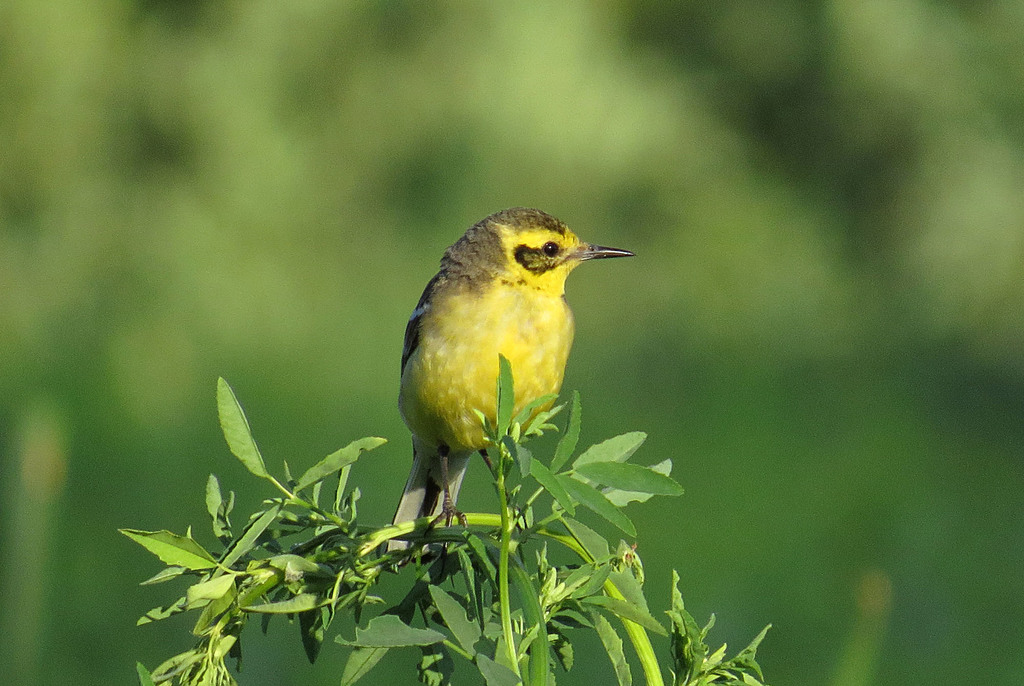
Especies relacionadasRelated species
Otras aves de la familia Motacillidae y de órdenes cercanos.Other birds from the Motacillidae family and nearby orders.
- RaroRare
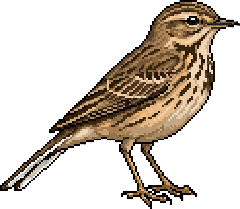 Bisbita de RichardRichard's PipitAnthus richardi
- LegendarioLegendary
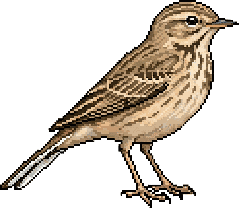 Bisbita esteparioBlyth's PipitAnthus godlewskii
- ÉpicoEpic
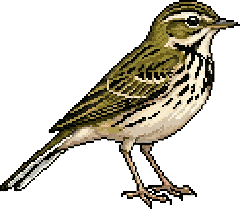 Bisbita de HodgsonOlive-backed PipitAnthus hodgsoni
- RaroRare
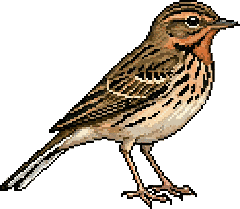 Bisbita gorjirrojoRed-throated PipitAnthus cervinus
- LegendarioLegendary
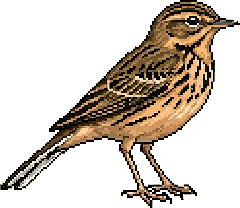 Bisbita pechianteadoAmerican PipitAnthus rubescens
- RaroRare
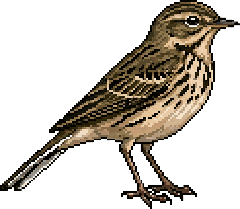 Bisbita costeroRock PipitAnthus petrosus
- Poco comúnUncommon
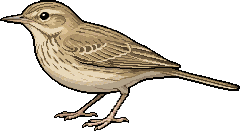 Bisbita campestreTawny PipitAnthus campestris
- RaroRare
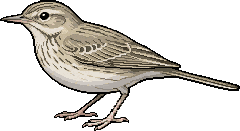 Bisbita camineroBerthelot's PipitAnthus berthelotii
 Gratis, sin anuncios ni comprasFree, no ads, no purchases