 BirdPedy
Bisbita de RichardRichard's Pipit
En 18 provincias en noviembre y sin registros 2 meses del añoIn 18 provinces in November, and no records in 2 months of the year
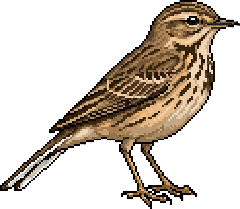
Reporte de rarezaRarity report
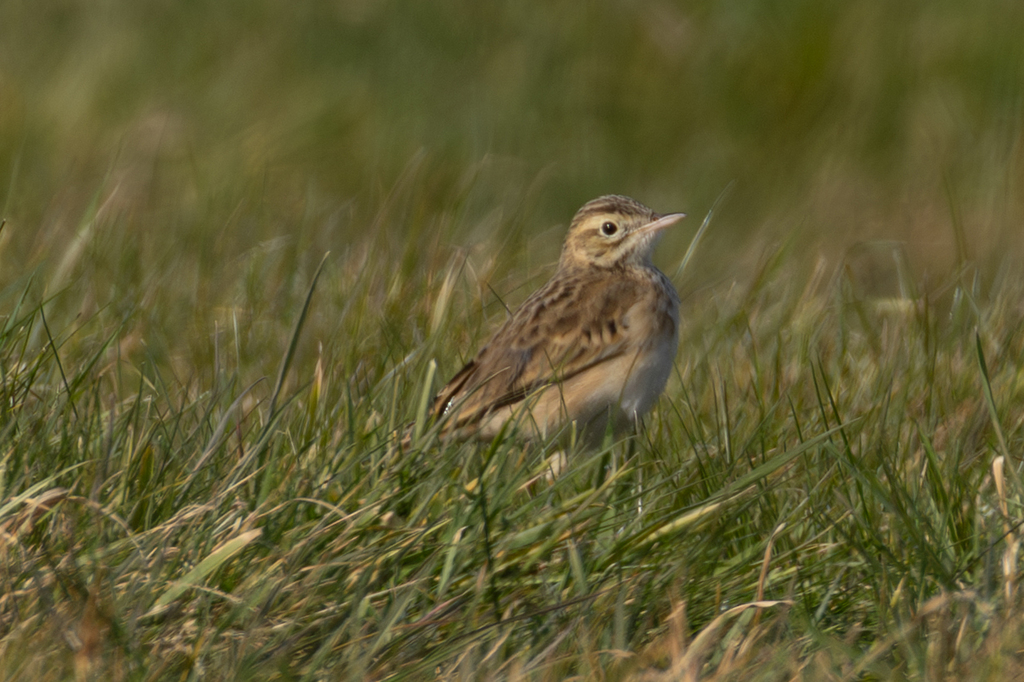
Por qué es raroWhy it is rareGran bisbita asiático de patas largas y silueta erguida, invernante escaso pero regular en zonas de pastizales litorales y marismas.Large Asian pipit with long legs and an upright stance, a scarce but regular winter visitor to coastal grassland and marshes.
Cada carrizo es un mes: su altura, las provincias con registros de 2020 a 2024.Each reed is a month: its height, the provinces with records from 2020 to 2024.- Provincias con registrosProvinces with records
- 25 de 52of 52
- En la appIn the app
- Octubre a abrilOctober to April
- EnvergaduraWingspan
- 29-33 cm29-33 cm
- LongitudLength
- 17-18 cm17-18 cm
- Lista Roja de EspañaSpanish Red List
- NE No evaluada en EspañaNot assessed in Spain

Información generalGeneral Information
De presencia regular en el oeste de Europa, aunque en muy baja cantidad, en España esta presente de manera regular durante las fechas invernales. Ocupa áreas dispersas en los litorales de Asturias y Galicia, mientras que en el pasado han podido existir otras en puntos de Andalucía, Mallorca y quizás de otras regiones.The Richard's Pipit is a giant of the East. It performs one of the most unusual migrations, traveling thousands of miles 'backwards' from Asia to spend the winter in Western Europe. In Spain, it is a regular winterer in small numbers along the Atlantic and Cantabrian coasts (Asturias, Galicia). Its 'explosive' voice and imposing stature make it a favorite for winter birding. It is a symbol of the incredible intercontinental journeys of the Asian plateau birds.
IdentificaciónIdentification
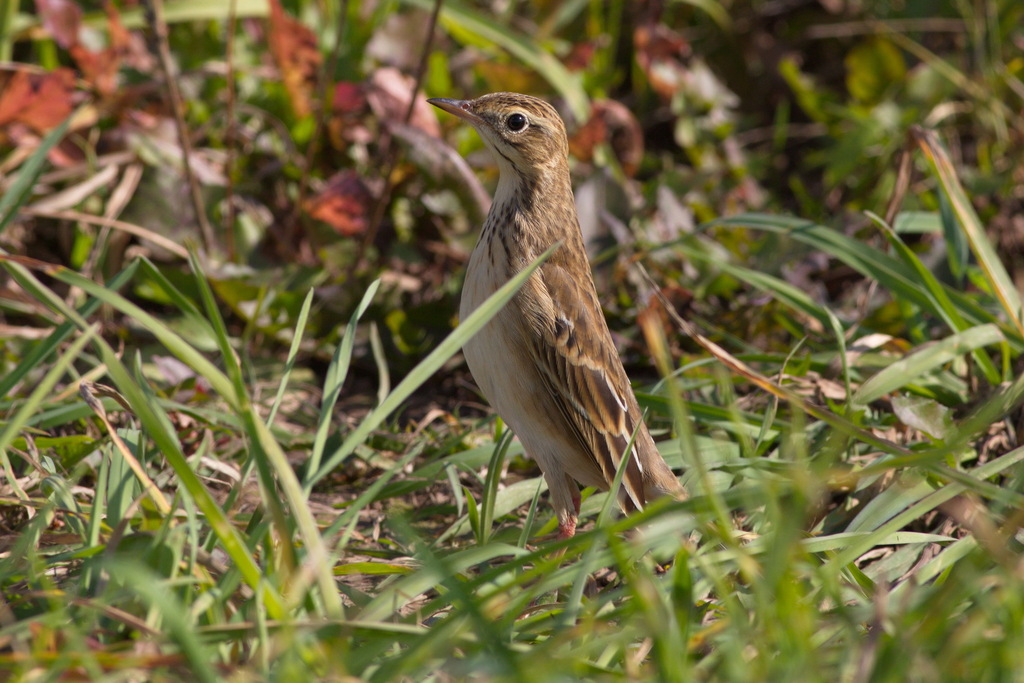
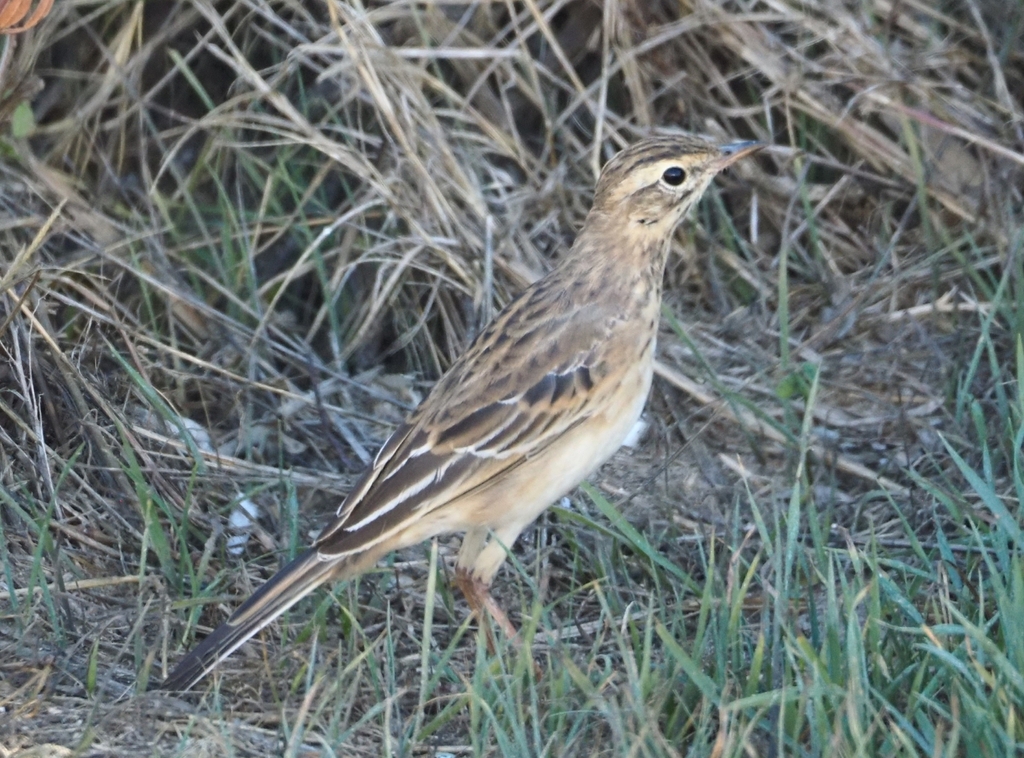
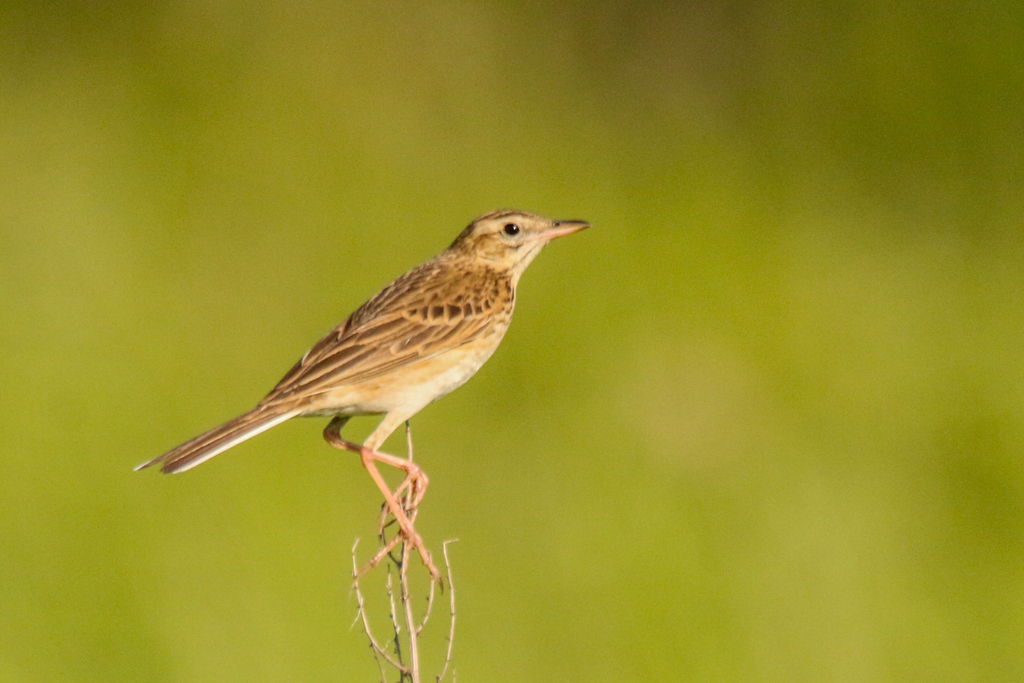
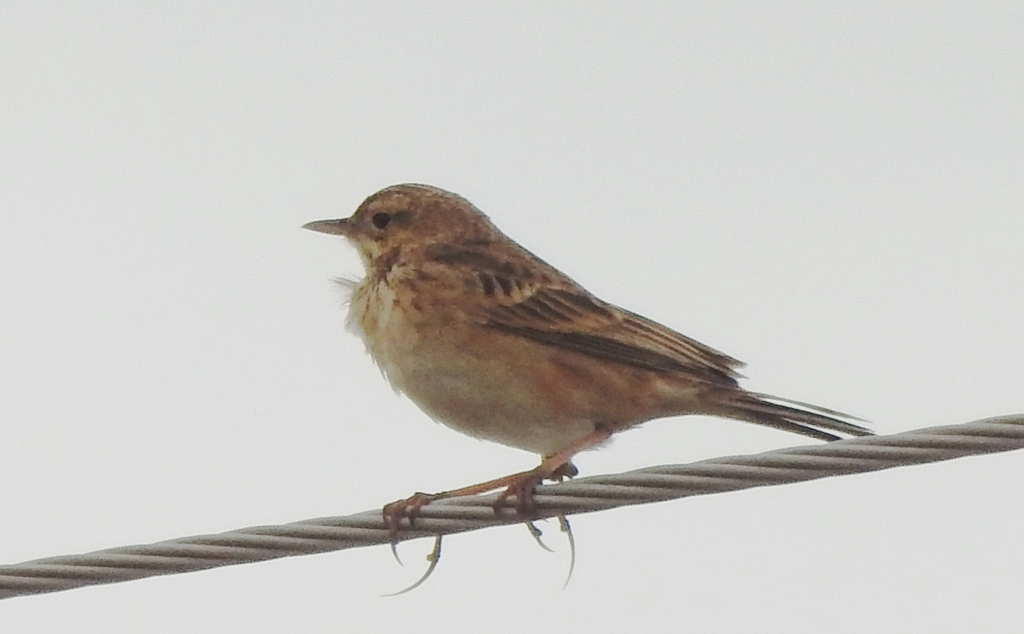
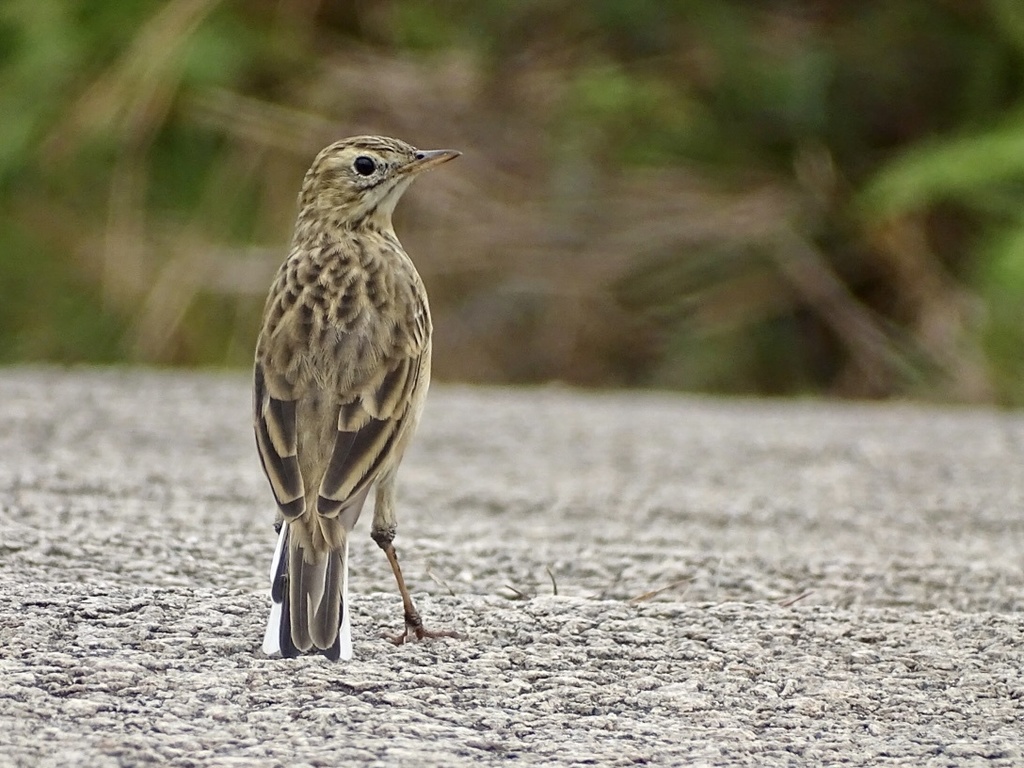
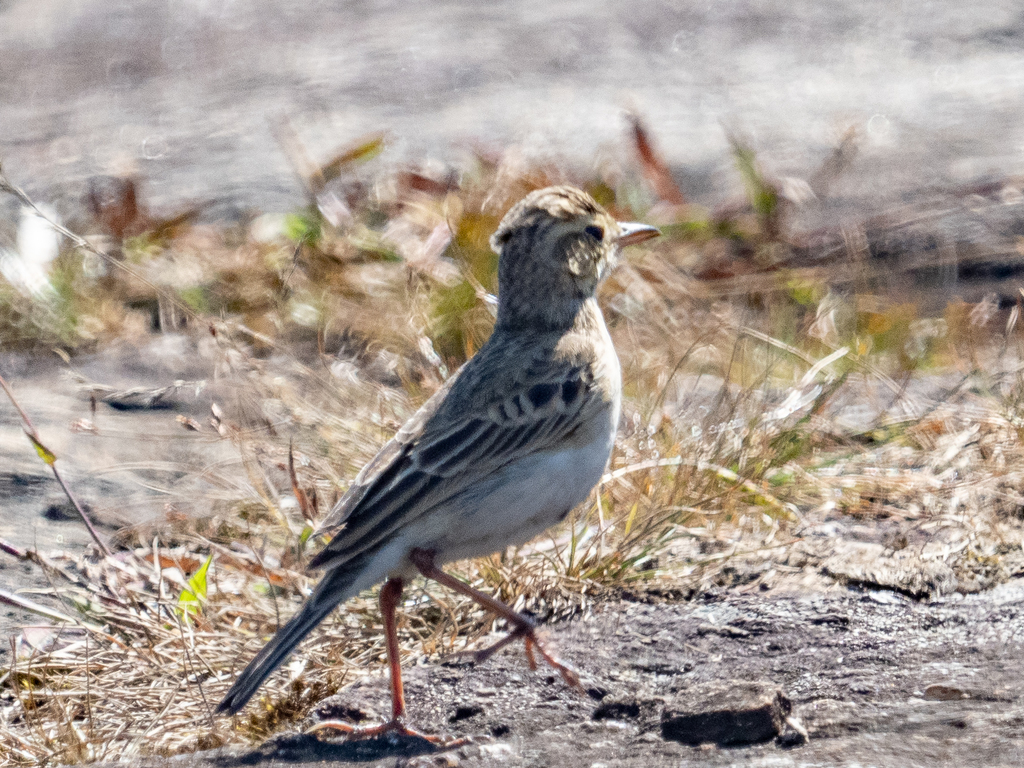
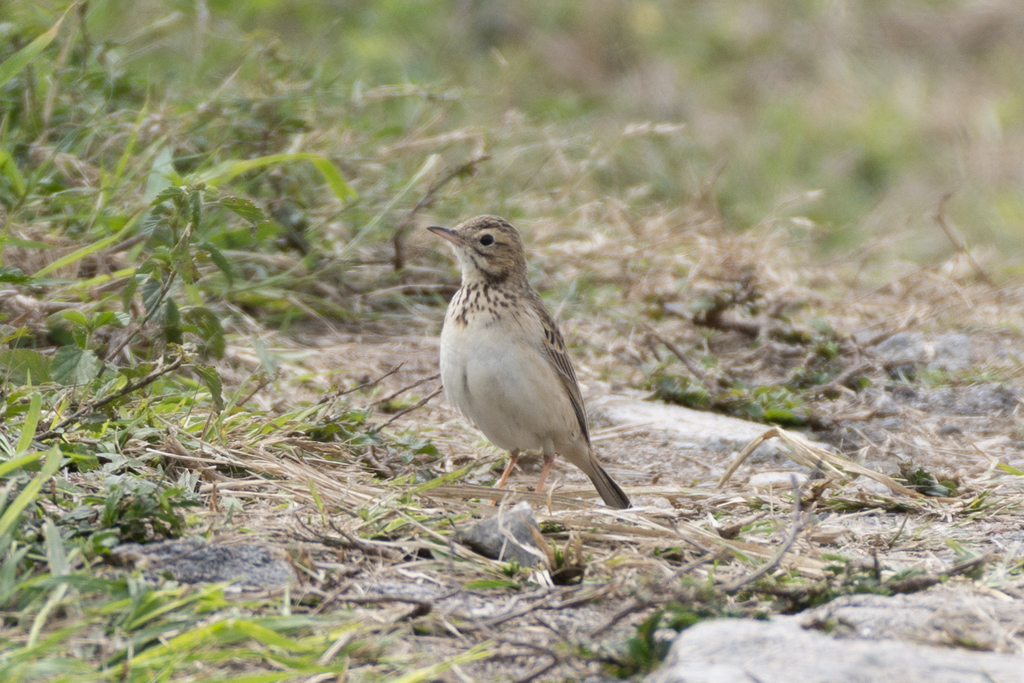
El bisbita de Richard es un bisbita grande, algo mayor que el campestre, de pico robusto, patas largas y fuertes, cola larga y uña posterior muy larga. También resultan características en él la tendencia a posarse muy erguido y con el cuello estirado, la presencia de fuertes estrías en el dorso, la ausencia de lista loral oscura, así como el reclamo en vuelo, explosivo, áspero y que recuerda al de un gorrión.A very large, robust pipit with long legs and a very long hind-claw. It is bigger than a Skylark and has a characteristic upright stance. It has a heavily streaked back and a diagnostic, explosive 'shreep' call. It is a powerful flyer and a long-distance migrant from the Asian steppes and mountains.
DistribuciónDistribution
Un número escaso de ejemplares hace la invernada entre octubre y abril en áreas dispersas y costeras atlánticas y cantábricas, así como también del mediterráneo con alguna observación puntual en el interior en las provincias de Badajoz, Lleida y Navarra.Regular but scarce winter visitor (October-April). Found in coastal fields of Asturias and Galicia. Rare accidental in the rest of the Peninsula and islands.
Textos reproducidos con permiso de laTexts translated and reproduced with permission from the Guía de Aves de España © SEO/BirdLife
Estado de conservaciónConservation Status
- EX
- RE
- CR
- EN
- VU
- NT
- LC
NE
No evaluada en EspañaNot assessed in Spain
Qué significa cada categoríaWhat each category means
- LC
- Preocupación menor: Taxón evaluado que no califica para categorías amenazadas. Especies abundantes y ampliamente distribuidasLeast Concern - Evaluated taxon that does not qualify for threatened categories. Widespread and abundant taxa
- NT
- Casi amenazada: No califica actualmente como amenazada, pero está cerca de calificar o es probable que califique en el futuro cercanoNear Threatened - Does not currently qualify as threatened, but is close to qualifying or likely to qualify in the near future
- VU
- Vulnerable: Enfrenta un alto riesgo de extinción en estado silvestre según los criterios A a E de IUCNVulnerable - Facing a high risk of extinction in the wild based on IUCN criteria A to E
- EN
- En peligro: Enfrenta un riesgo muy alto de extinción en estado silvestre según los criterios A a E de IUCNEndangered - Facing a very high risk of extinction in the wild based on IUCN criteria A to E
- CR
- En peligro crítico: Enfrenta un riesgo extremadamente alto de extinción en estado silvestre según los criterios A a E de IUCNCritically Endangered - Facing an extremely high risk of extinction in the wild based on IUCN criteria A to E
- DD
- Datos insuficientes: Información inadecuada para evaluar el riesgo de extinción basándose en distribución o estado poblacionalData Deficient - Inadequate information to assess extinction risk based on distribution and/or population status
- NE
- No evaluada: No ha sido evaluada aún contra los criterios de la Lista Roja de IUCNNot Evaluated - Has not yet been assessed against the IUCN Red List criteria
- RE
- Extinta regionalmente: El taxón ya no existe en la región específica, aunque puede sobrevivir en otros lugaresRegionally Extinct - Taxon no longer exists in the specific region, though it may survive elsewhere
- EX
- Extinta - No existe duda razonable de que ha muerto el último individuo del taxónExtinct - No reasonable doubt that the last individual of the taxon has died
TaxonomíaTaxonomy
- OrdenOrder
- Passeriformes
- FamiliaFamily
- Motacillidae
Presencia en EspañaPresence in Spain
- HabitualRegular
- InvernanteWinter visitor
En la app: octubre a abril.In the app: October to April.
Dónde verlaWhere to see it
75 cuadrículas de 10 km con registros de 2020 a 2024. Toca un mes para ver dónde se ha visto.75 10 km squares with records from 2020 to 2024. Pick a month to see where it has been seen.
Cargando el mapa…Loading the map…
Dónde es regularWhere it is regular
Provincias con registros en al menos 3 de los 5 años algún mes, de más a menos frecuente, y sus mejores meses.Provinces with records in at least 3 of the 5 years in some month, from most to least frequent, and their best months.
- AsturiasAsturiasnoviembre, octubre, diciembreNovember, October, December
- LugoLugooctubre, diciembre, noviembreOctober, December, November
- CantabriaCantabriafebrero, noviembre, eneroFebruary, November, January
- MurciaMurciadiciembre, febrero, eneroDecember, February, January
- SevillaSevilladiciembre, eneroDecember, January
- GironaGironadiciembre, enero, marzoDecember, January, March
- CastellónCastellóndiciembreDecember
- ValenciaValenciaenero, noviembre, marzoJanuary, November, March
- GuipúzcoaGuipúzcoaeneroJanuary
- A CoruñaA CoruñamarzoMarch
Datos: registros en GBIF de 2020 a 2024 de Observation.org, eBird, iNaturalist y el ICO, descargados el 23/10/2026.Data: GBIF records from 2020 to 2024 from Observation.org, eBird, iNaturalist and the ICO, downloaded on 23/10/2026. GBIF.org (23 October 2026) GBIF Occurrence Download · doi:10.15468/dl.r5sf2a · CC BY-NC 4.0
GaleríaGallery
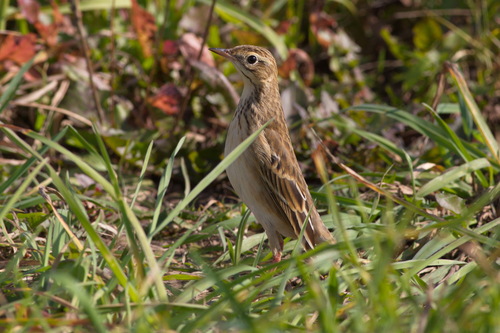
© Вячеслав Юсупов · CC BY · iNaturalist 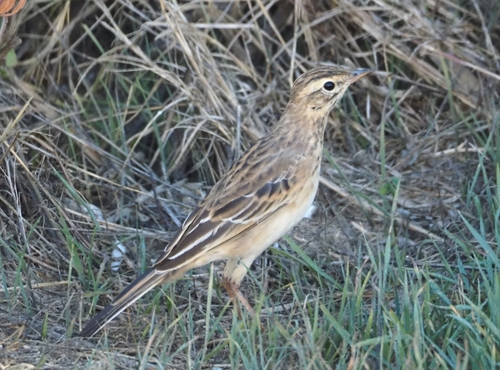
© Katerina Kalogerini · CC BY · iNaturalist 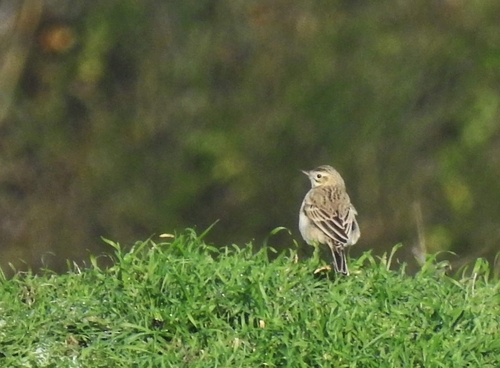
© Olivier Morel · CC BY · iNaturalist 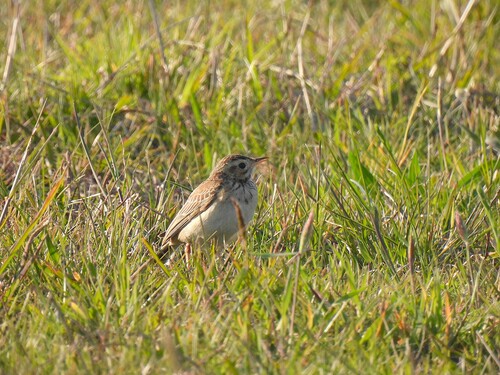
© Antoine Thivolle · CC BY · iNaturalist 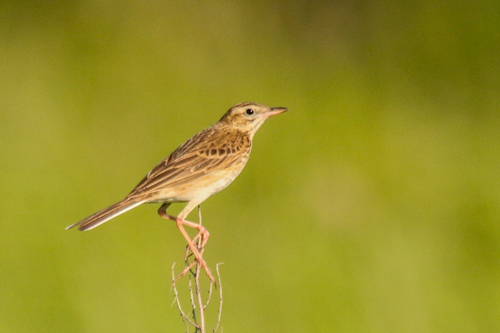
© Andrew Bazdyrev · CC BY · iNaturalist 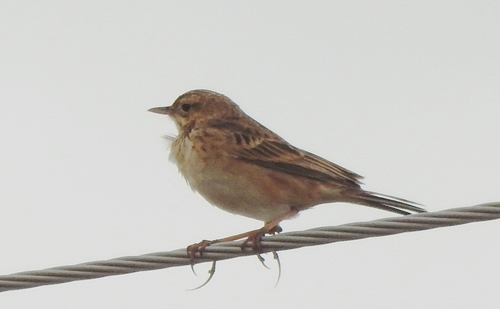
© Анна Васильченко · CC BY · iNaturalist 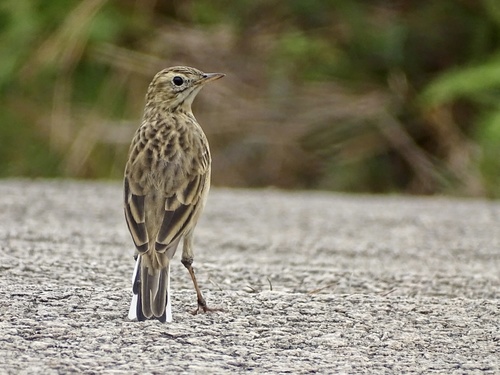
© Toby Y · CC BY · iNaturalist 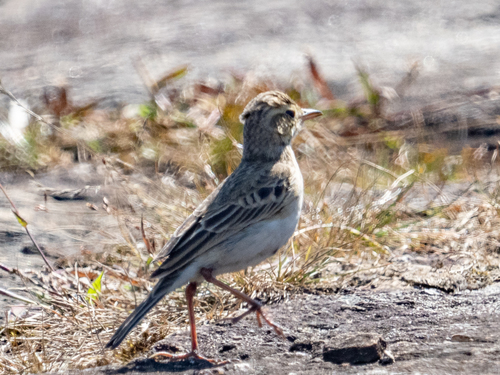
© William Stephens · CC BY · iNaturalist 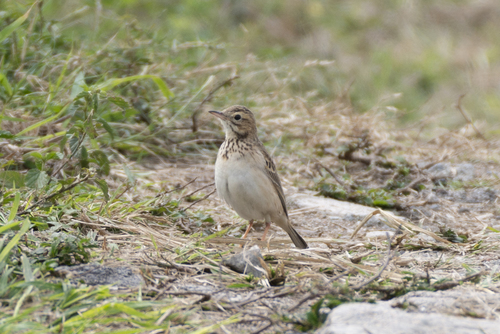
© Lawrence Hylton · CC BY · iNaturalist 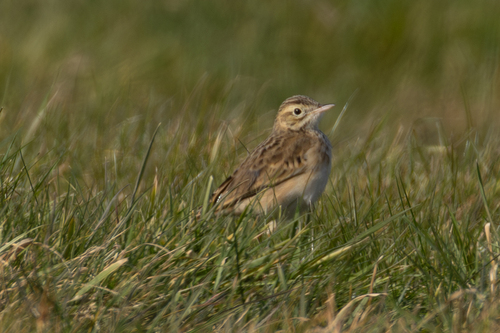
© William Stephens · CC BY · iNaturalist
Especies relacionadasRelated species
Otras aves de la familia Motacillidae y de órdenes cercanos.Other birds from the Motacillidae family and nearby orders.
- LegendarioLegendary
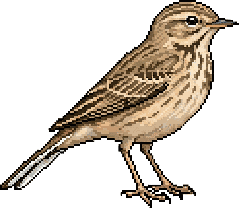 Bisbita esteparioBlyth's PipitAnthus godlewskii
- ÉpicoEpic
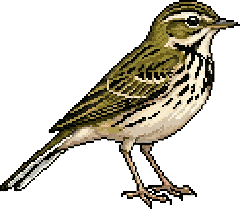 Bisbita de HodgsonOlive-backed PipitAnthus hodgsoni
- RaroRare
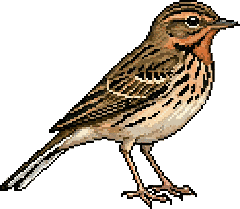 Bisbita gorjirrojoRed-throated PipitAnthus cervinus
- LegendarioLegendary
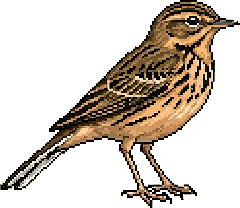 Bisbita pechianteadoAmerican PipitAnthus rubescens
- RaroRare
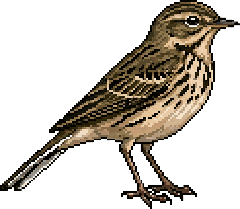 Bisbita costeroRock PipitAnthus petrosus
- Poco comúnUncommon
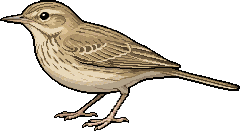 Bisbita campestreTawny PipitAnthus campestris
- RaroRare
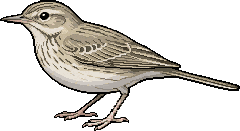 Bisbita camineroBerthelot's PipitAnthus berthelotii
- Poco comúnUncommon
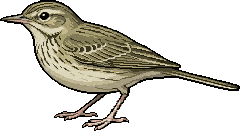 Bisbita arbóreoTree PipitAnthus trivialis
 Gratis, sin anuncios ni comprasFree, no ads, no purchases