 BirdPedy
Bisbita gorjirrojoRed-throated Pipit
En 14 provincias en abril y sin registros 2 meses del añoIn 14 provinces in April, and no records in 2 months of the year
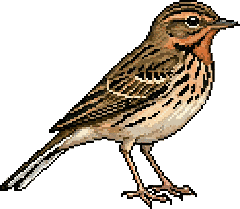
Reporte de rarezaRarity report
Por qué es raroWhy it is rareMigrante escaso procedente del Ártico que destaca por los tonos rojizos de su garganta en primavera; muy técnico de observar.Scarce migrant from the Arctic that stands out for the reddish tones of its throat in spring; very technical to observe.
Cada carrizo es un mes: su altura, las provincias con registros de 2020 a 2024.Each reed is a month: its height, the provinces with records from 2020 to 2024.- Provincias con registrosProvinces with records
- 22 de 52of 52
- En la appIn the app
- Abril a mayo y de septiembre a octubreApril to May and September to October
- EnvergaduraWingspan
- 26 cm26 cm
- LongitudLength
- 15 cm15 cm
- Lista Roja de EspañaSpanish Red List
- NE No evaluada en EspañaNot assessed in Spain

Información generalGeneral Information
El bisbita gorjirrojo es un ave realmente escasa en España, que tan solo se observa en migración, con mayor frecuencia en la mitad oriental. Se trata del único bisbita del mundo con machos y hembras visiblemente diferentes, aunque en ambos destaca la cabeza de color rojizo en plumaje estival. También es el más norteño de los bisbitas, con área de cría en la tundra ártica.The Red-throated Pipit (Red-throated) is a champion of the Arctic. It is a rare visitor to Spain during its migration to Africa. In spring, its red throat is a beautiful and unmistakable sight, while in autumn it is a challenge to find among other pipits. It is a specialized bird that thrives in the most extreme northern environments. Its arrival in our country is a sign of the incredible endurance of these small travelers. It is a symbol of the Arctic tundra visiting our Mediterranean soils.
IdentificaciónIdentification
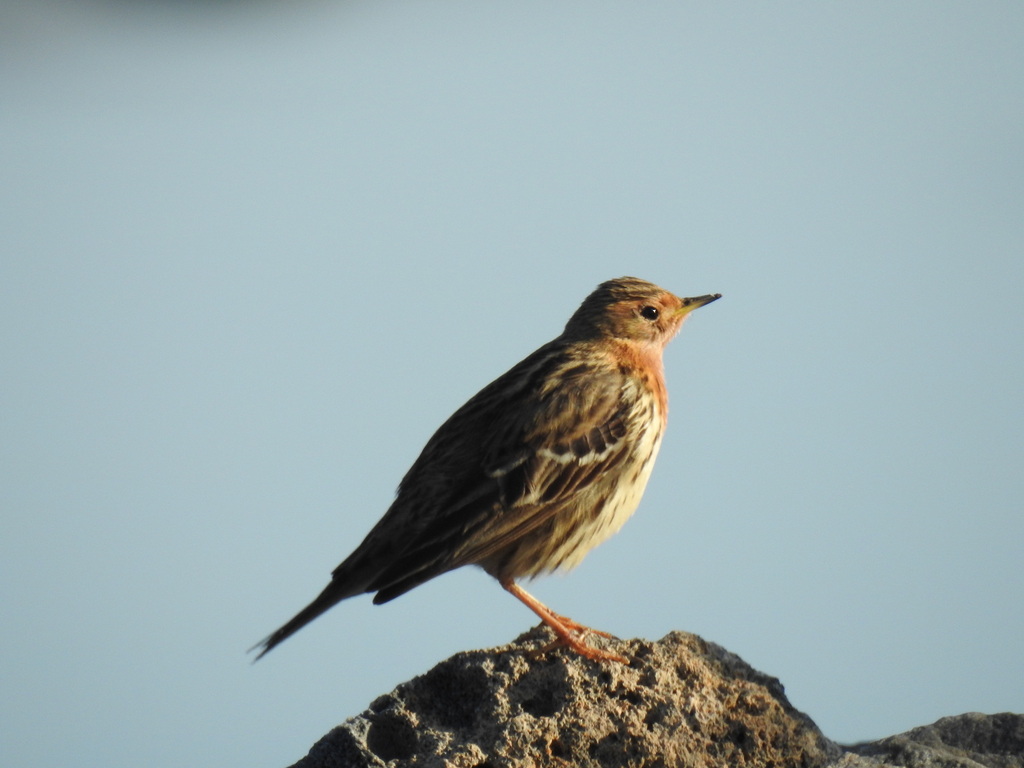
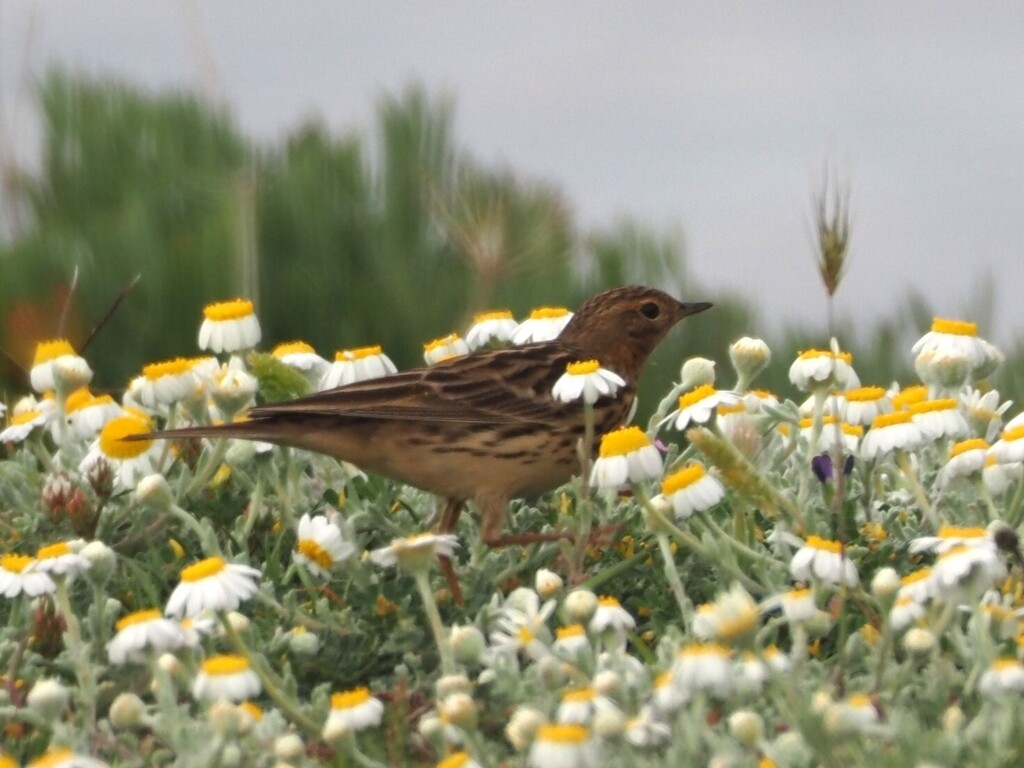
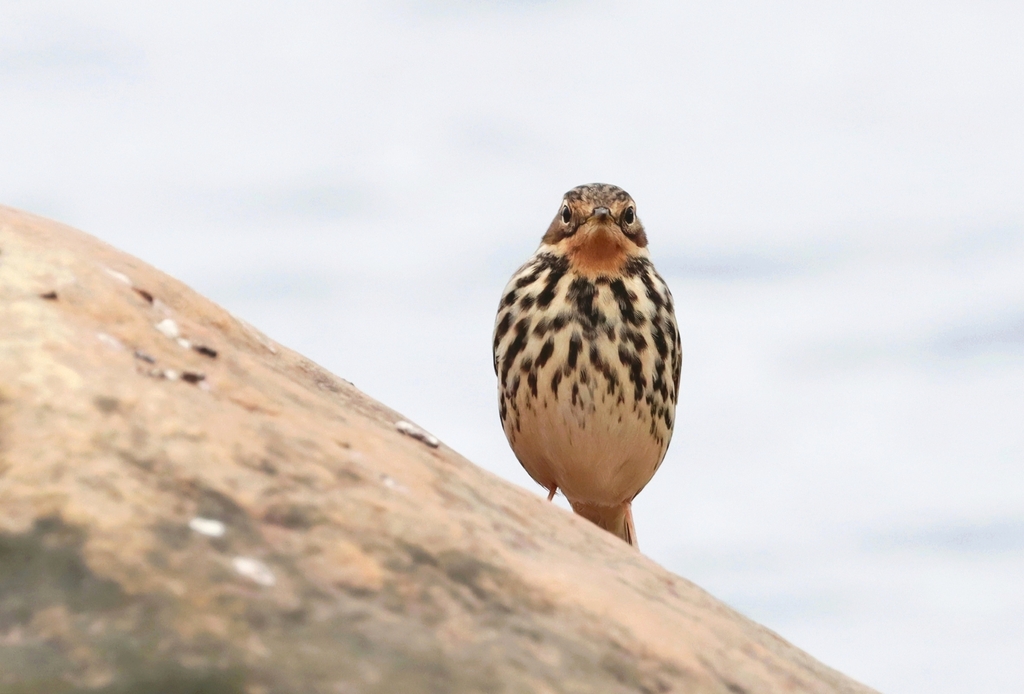
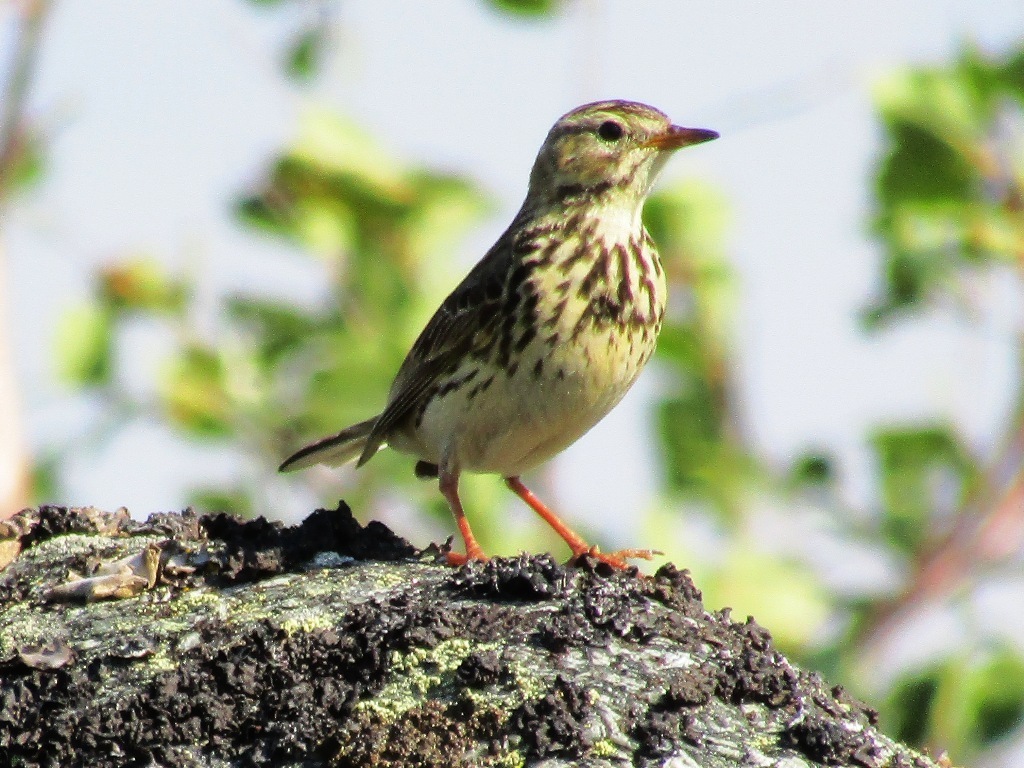
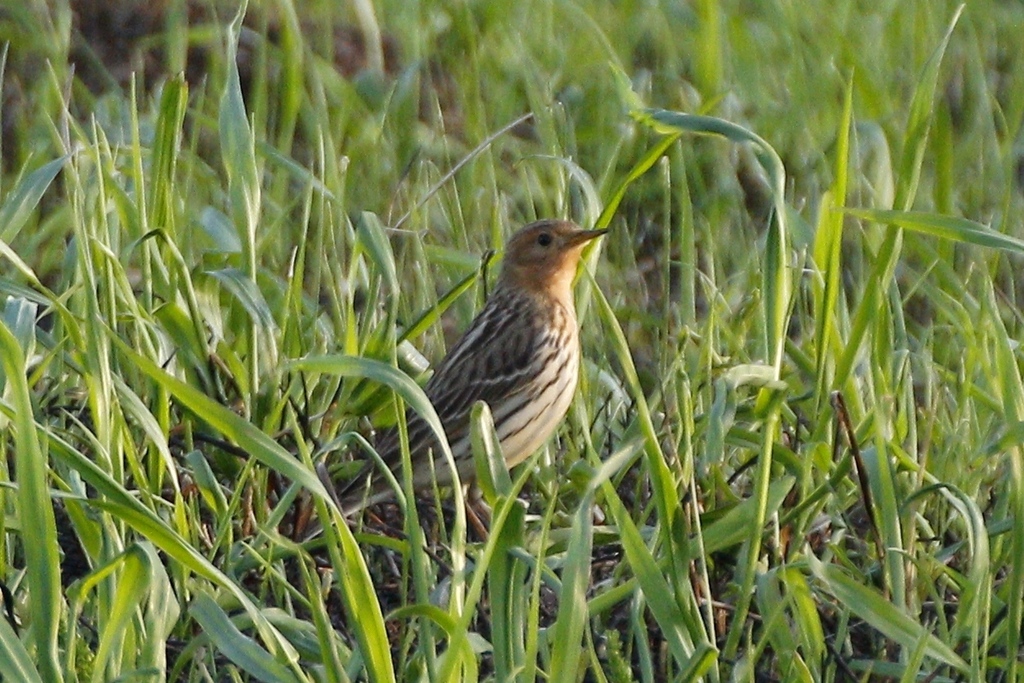
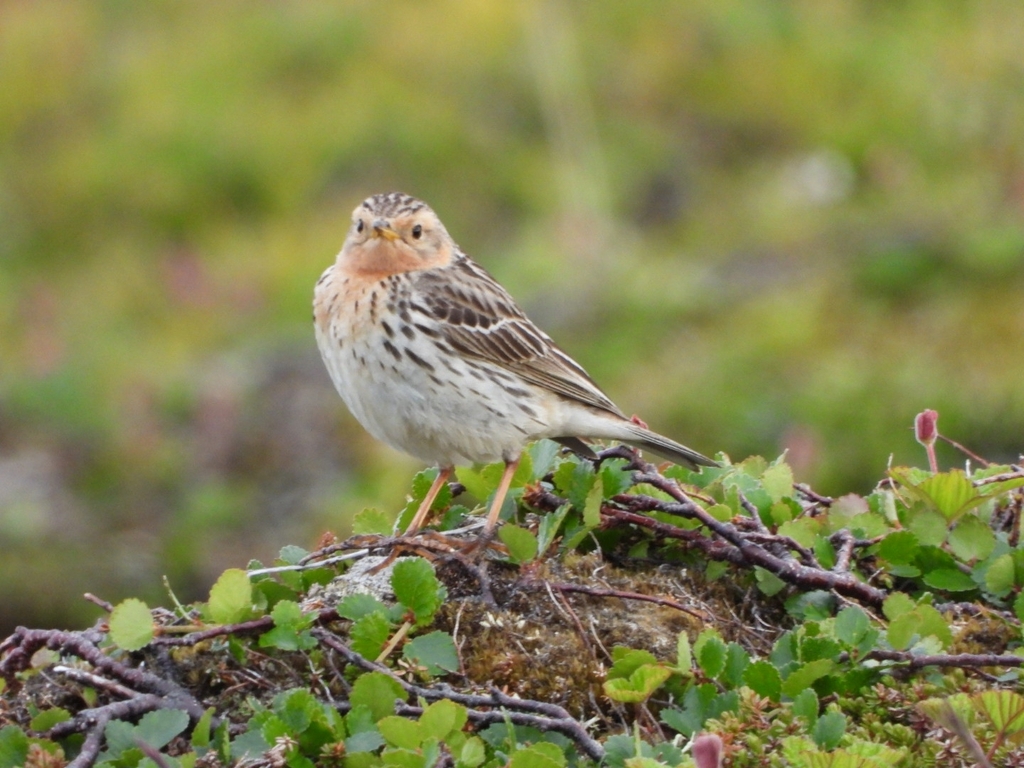
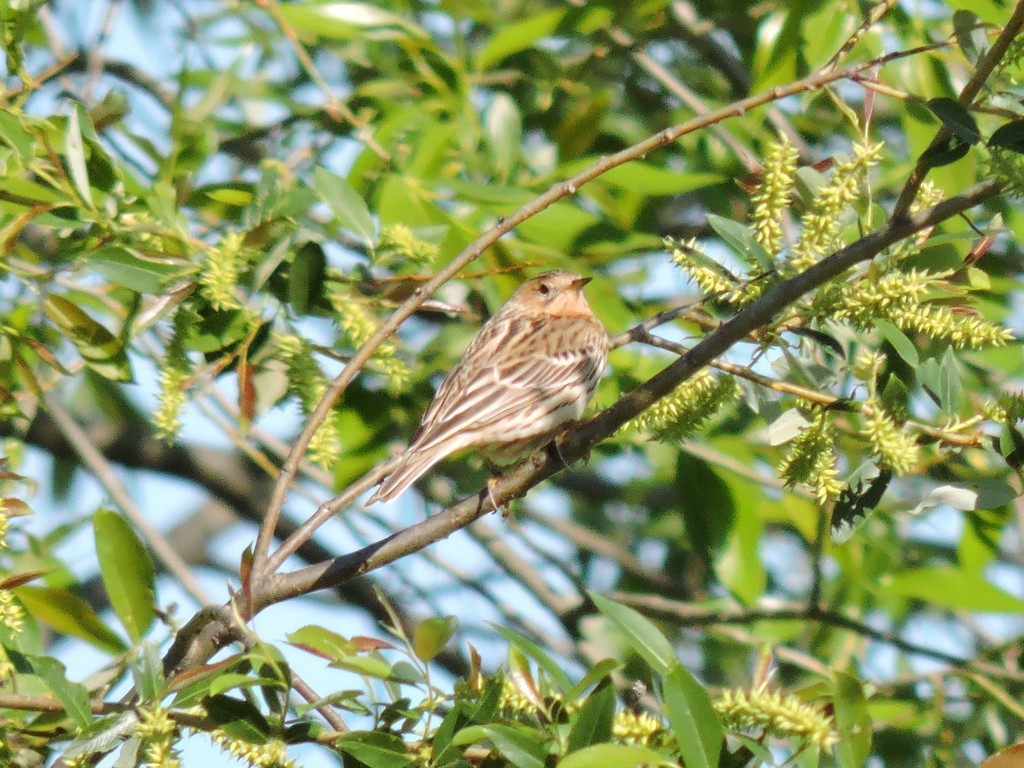
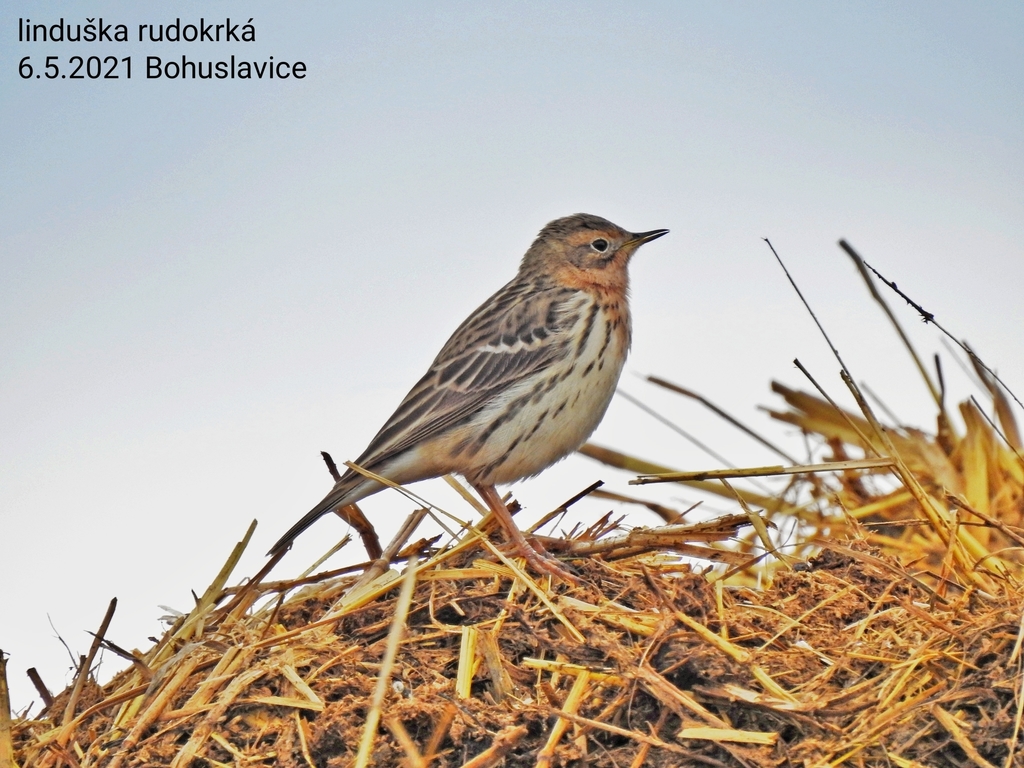
En plumaje primaveral luce un llamativo color rojizo en la cara y la parte anterior del cuello. El resto del plumaje es más típico de bisbita, con partes superiores pardas e inferiores claras, ambas muy rayadas. En el manto se aprecian varias líneas longitudinales claras y oscuras. Posee alas redondeadas, cola larga y con plumas externas blancas, pico naranja y con punta negra y patas finas amarillentas, con uña posterior larga. En plumaje otoñal resulta más fácil de confundir con otros bisbitas, pues desaparecen las tonalidades rojas de la cabeza. En esta época hay que atender a los tonos leonados de cabeza y pecho, a la ceja bien marcada y a las muy patentes y gruesas líneas en pecho y flancos. La hembra exhibe en verano tonos rojos en garganta y cabeza, pero menos intensos y menos extendidos que los del macho, además de mostrar una evidente bigotera oscura. Los jóvenes semejan adultos en plumaje invernal, pero son algo más oscuros y rayados. El bisbita gorjirrojo suele observarse en solitario y casi siempre en el suelo.A small, heavily streaked pipit, recognizable in spring by its bright brick-red throat and face. In autumn and winter, it loses the red but remains the most heavily streaked of all the pipits, with bold black marks reaching the rump and flank. It has a diagnostic, high-pitched, 'piercing' call. It breeds in the High Arctic tundra.
DistribuciónDistribution
Este bisbita únicamente se observa en migración, aunque pasa muy inadvertido, y se ve con mayor frecuencia en la mitad oriental: en el litoral entre Gerona y el Estrecho, en Baleares y en el valle del Ebro. También aparece en Andalucía occidental. En el resto del país resulta muy escaso e irregular. En algunas regiones nunca ha sido registrado.Rare passage migrant (mostly spring and autumn). Concentrated in the East, Ebro Valley, and Baleares. Exceptional in the rest of the country.
Textos reproducidos con permiso de laTexts translated and reproduced with permission from the Guía de Aves de España © SEO/BirdLife
Estado de conservaciónConservation Status
- EX
- RE
- CR
- EN
- VU
- NT
- LC
NE
No evaluada en EspañaNot assessed in Spain
Qué significa cada categoríaWhat each category means
- LC
- Preocupación menor: Taxón evaluado que no califica para categorías amenazadas. Especies abundantes y ampliamente distribuidasLeast Concern - Evaluated taxon that does not qualify for threatened categories. Widespread and abundant taxa
- NT
- Casi amenazada: No califica actualmente como amenazada, pero está cerca de calificar o es probable que califique en el futuro cercanoNear Threatened - Does not currently qualify as threatened, but is close to qualifying or likely to qualify in the near future
- VU
- Vulnerable: Enfrenta un alto riesgo de extinción en estado silvestre según los criterios A a E de IUCNVulnerable - Facing a high risk of extinction in the wild based on IUCN criteria A to E
- EN
- En peligro: Enfrenta un riesgo muy alto de extinción en estado silvestre según los criterios A a E de IUCNEndangered - Facing a very high risk of extinction in the wild based on IUCN criteria A to E
- CR
- En peligro crítico: Enfrenta un riesgo extremadamente alto de extinción en estado silvestre según los criterios A a E de IUCNCritically Endangered - Facing an extremely high risk of extinction in the wild based on IUCN criteria A to E
- DD
- Datos insuficientes: Información inadecuada para evaluar el riesgo de extinción basándose en distribución o estado poblacionalData Deficient - Inadequate information to assess extinction risk based on distribution and/or population status
- NE
- No evaluada: No ha sido evaluada aún contra los criterios de la Lista Roja de IUCNNot Evaluated - Has not yet been assessed against the IUCN Red List criteria
- RE
- Extinta regionalmente: El taxón ya no existe en la región específica, aunque puede sobrevivir en otros lugaresRegionally Extinct - Taxon no longer exists in the specific region, though it may survive elsewhere
- EX
- Extinta - No existe duda razonable de que ha muerto el último individuo del taxónExtinct - No reasonable doubt that the last individual of the taxon has died
TaxonomíaTaxonomy
- OrdenOrder
- Passeriformes
- FamiliaFamily
- Motacillidae
Presencia en EspañaPresence in Spain
- De pasoPassage migrant
- HabitualRegular
En la app: abril a mayo y de septiembre a octubre.In the app: April to May and September to October.
Dónde verlaWhere to see it
104 cuadrículas de 10 km con registros de 2020 a 2024. Toca un mes para ver dónde se ha visto.104 10 km squares with records from 2020 to 2024. Pick a month to see where it has been seen.
Cargando el mapa…Loading the map…
Dónde es regularWhere it is regular
Provincias con registros en al menos 3 de los 5 años algún mes, de más a menos frecuente, y sus mejores meses.Provinces with records in at least 3 of the 5 years in some month, from most to least frequent, and their best months.
- GironaGironaabril, mayoApril, May
- TarragonaTarragonaabrilApril
- Las PalmasLas Palmasabril, enero, febreroApril, January, February
- ValenciaValenciaabril, febrero, marzoApril, February, March
- CastellónCastellónabrilApril
- BalearesBalearic Islandsenero, abril, octubreJanuary, April, October
- AsturiasAsturiasoctubreOctober
- Santa Cruz de TenerifeSanta Cruz de TenerifediciembreDecember
- BarcelonaBarcelonaabril, mayoApril, May
Datos: registros en GBIF de 2020 a 2024 de Observation.org, eBird, iNaturalist y el ICO, descargados el 23/10/2026.Data: GBIF records from 2020 to 2024 from Observation.org, eBird, iNaturalist and the ICO, downloaded on 23/10/2026. GBIF.org (23 October 2026) GBIF Occurrence Download · doi:10.15468/dl.r5sf2a · CC BY-NC 4.0
GaleríaGallery

© Christoph Moning · CC BY · iNaturalist 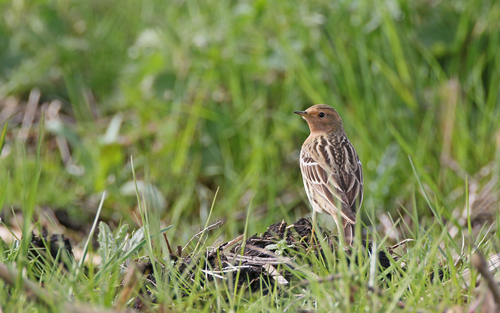
© Christoph Moning · CC BY · iNaturalist 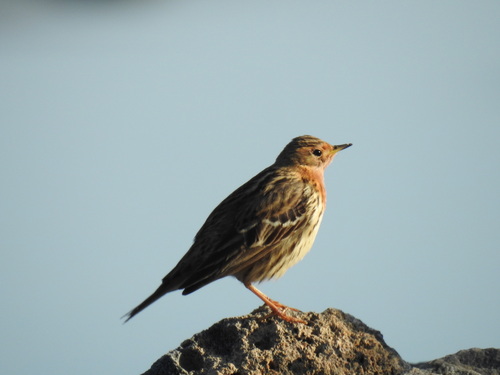
© Yves Bas · CC BY · iNaturalist 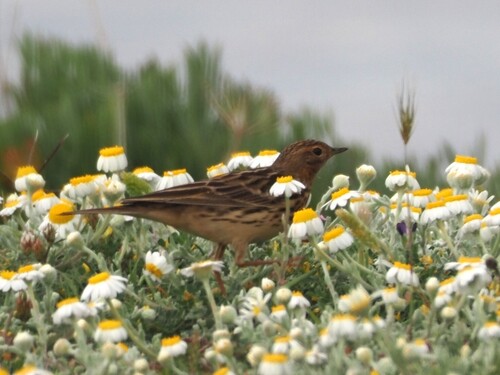
© Katerina Kalogerini · CC BY · iNaturalist 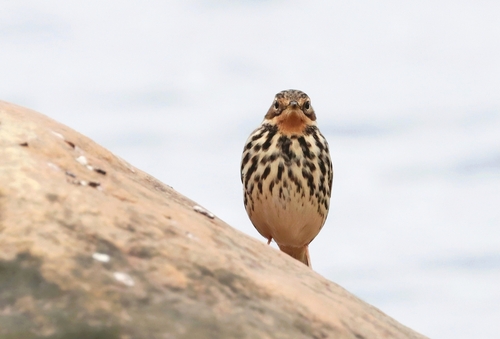
© Олеся · CC BY · iNaturalist 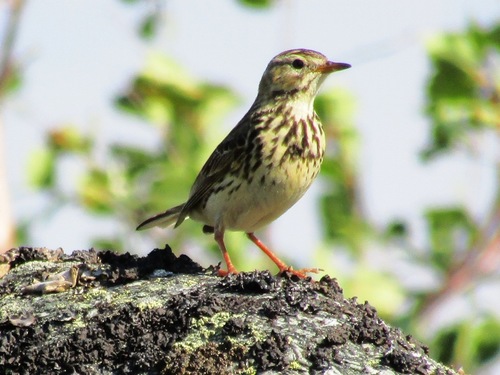
© Andrew Bazdyrev · CC BY · iNaturalist 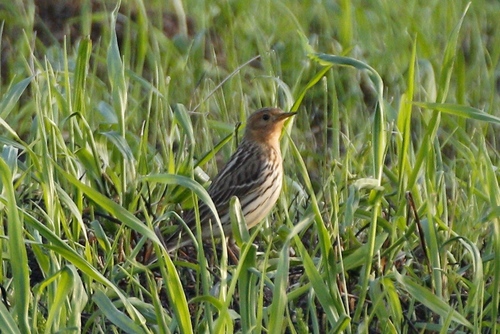
© Константин Селивёрстов · CC BY · iNaturalist 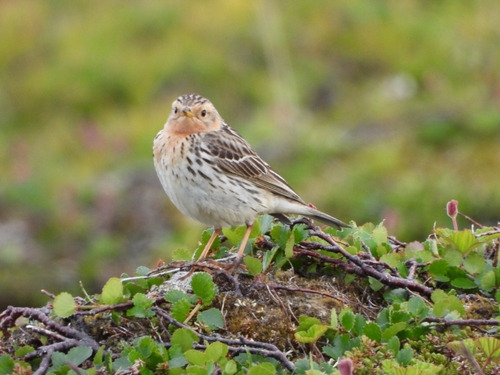
© Niels Clement · CC BY · iNaturalist 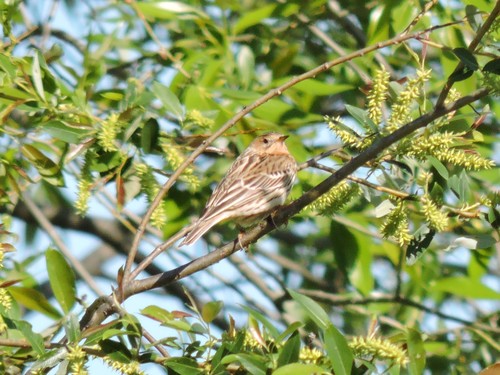
© Борис Георги · CC BY · iNaturalist 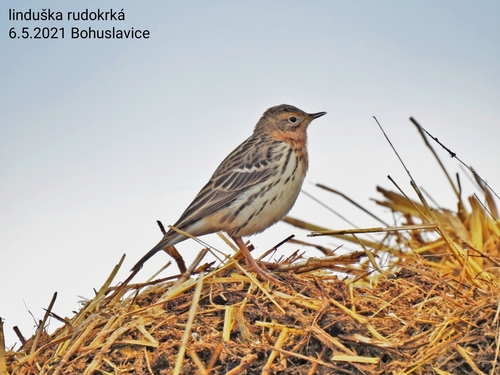
© Eva Uzdilova · CC BY · iNaturalist
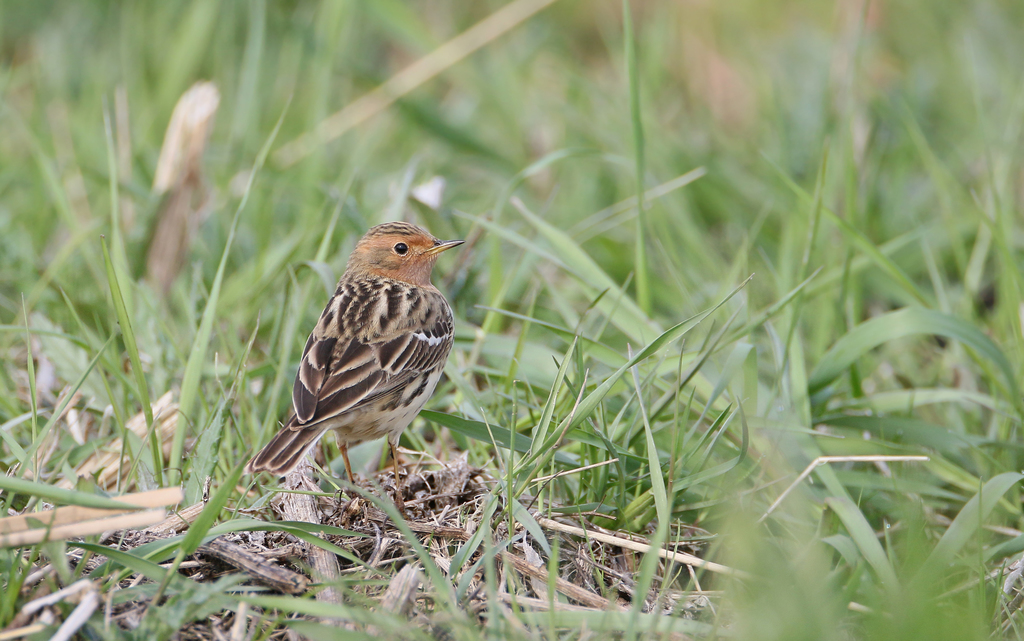
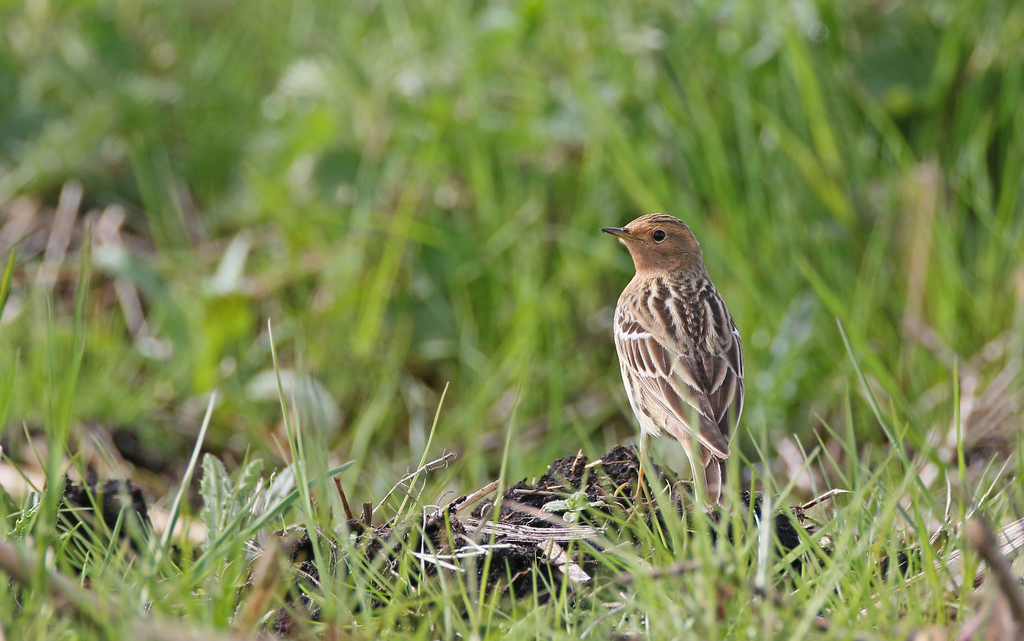
Especies relacionadasRelated species
Otras aves de la familia Motacillidae y de órdenes cercanos.Other birds from the Motacillidae family and nearby orders.
- LegendarioLegendary
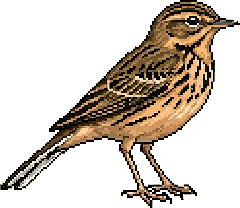 Bisbita pechianteadoAmerican PipitAnthus rubescens
- RaroRare
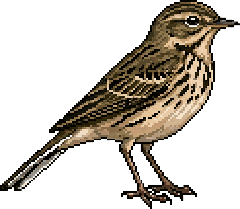 Bisbita costeroRock PipitAnthus petrosus
- Poco comúnUncommon
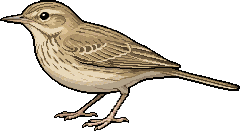 Bisbita campestreTawny PipitAnthus campestris
- RaroRare
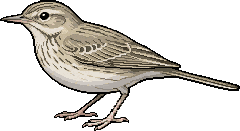 Bisbita camineroBerthelot's PipitAnthus berthelotii
- Poco comúnUncommon
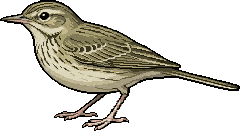 Bisbita arbóreoTree PipitAnthus trivialis
- ComúnCommon
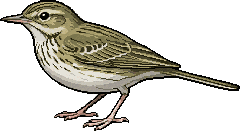 Bisbita pratenseMeadow PipitAnthus pratensis
- ComúnCommon
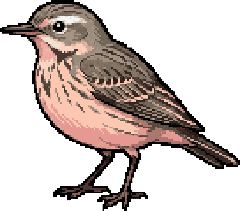 Bisbita alpinoWater PipitAnthus spinoletta
- ComúnCommon
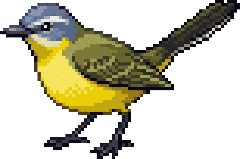 Lavandera boyeraWestern Yellow WagtailMotacilla flava
 Gratis, sin anuncios ni comprasFree, no ads, no purchases