 BirdPedy
Bisbita costeroRock Pipit
En 11 provincias en enero y sin registros 3 meses del añoIn 11 provinces in January, and no records in 3 months of the year
Reporte de rarezaRarity report
Por qué es raroWhy it is rareEntre 2020 y 2024 se vio en España en 172 ocasiones distintas, que suman 264 días, todos los años (datos de Observation.org, eBird y iNaturalist publicados en GBIF). En la guía de aves de SEO/BirdLife figura como habitual en España.Between 2020 and 2024 it was seen in Spain on 172 separate occasions, adding up to 264 days, every year (data from Observation.org, eBird and iNaturalist published on GBIF). SEO/BirdLife's bird guide lists it as regular in Spain.
Cada carrizo es un mes: su altura, las provincias con registros de 2020 a 2024.Each reed is a month: its height, the provinces with records from 2020 to 2024.- Provincias con registrosProvinces with records
- 14 de 52of 52
- En la appIn the app
- Octubre a marzoOctober to March
- EnvergaduraWingspan
- 26 cm26 cm
- LongitudLength
- 17 cm17 cm
- Lista Roja de EspañaSpanish Red List
- NE No evaluada en EspañaNot assessed in Spain

Información generalGeneral Information
El bisbita costero fue considerado hasta muy recientemente como una subespecie del bisbita alpino, un hecho que ahora llama la atención, pues se trata de dos especies bastante diferentes, tanto por su aspecto como, sobre todo, por el hábitat que ocupan. Este pájaro resulta muy singular, por ser uno de los pocos endémicos del continente así como quizás el único paseriforme europeo especializado en ambientes litorales. En nuestro país solo se observa en el litoral cantábrico, donde inverna en muy bajo número.The Rock Pipit is the 'hermit' of our northern shores. While other pipits live in fields or mountains, the Rock Pipit is only happy on the spray-swept rocks of the Cantabrian and Galician coast. In Spain, it is a scarce winter visitor from Northern Europe. It is a hardy and lonely bird that manages to find food among the breaking waves and seaweed. Its presence is a symbol of the rugged, wild beauty of our Atlantic and Cantabrian coasts.
IdentificaciónIdentification
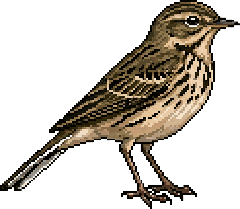
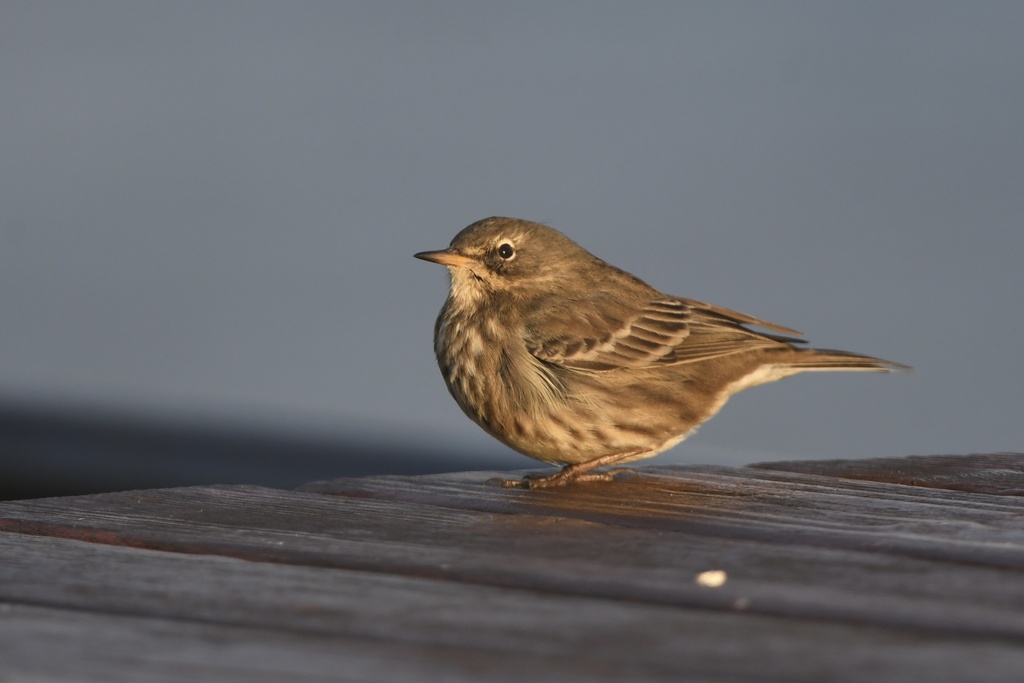
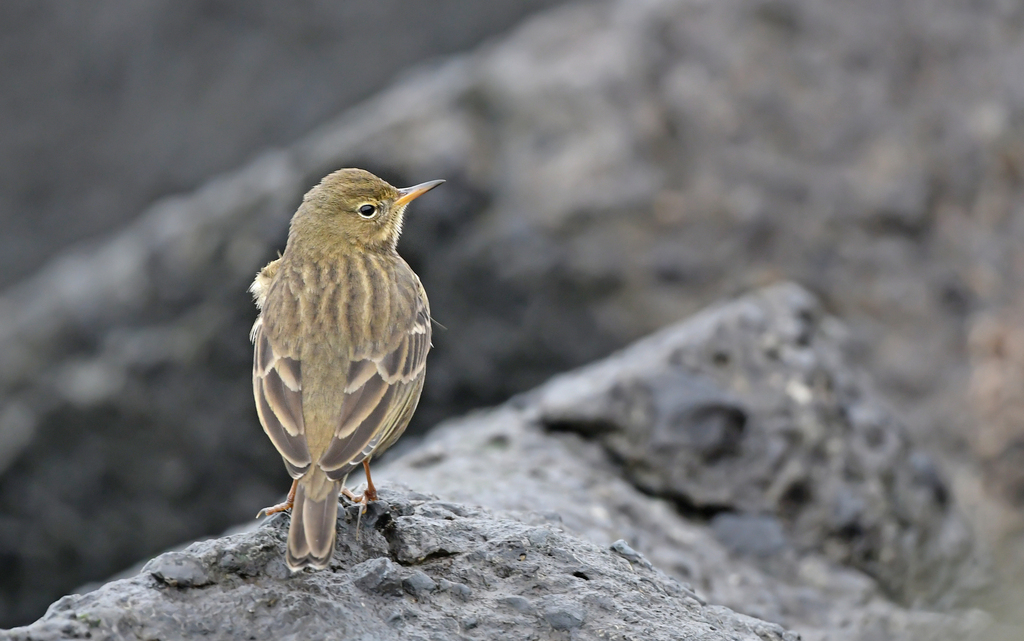
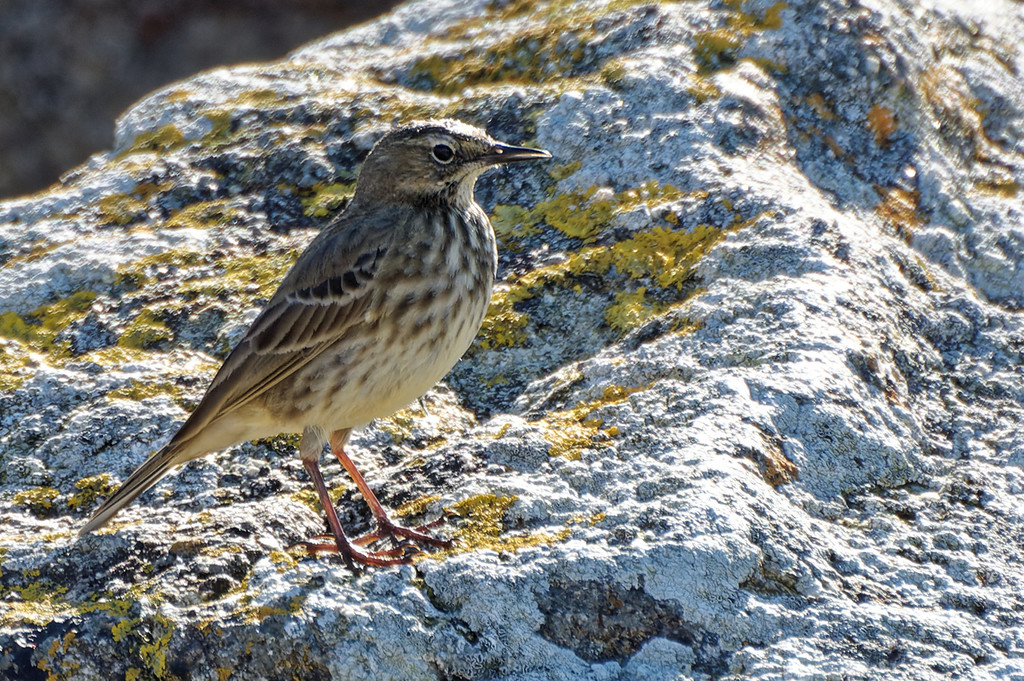
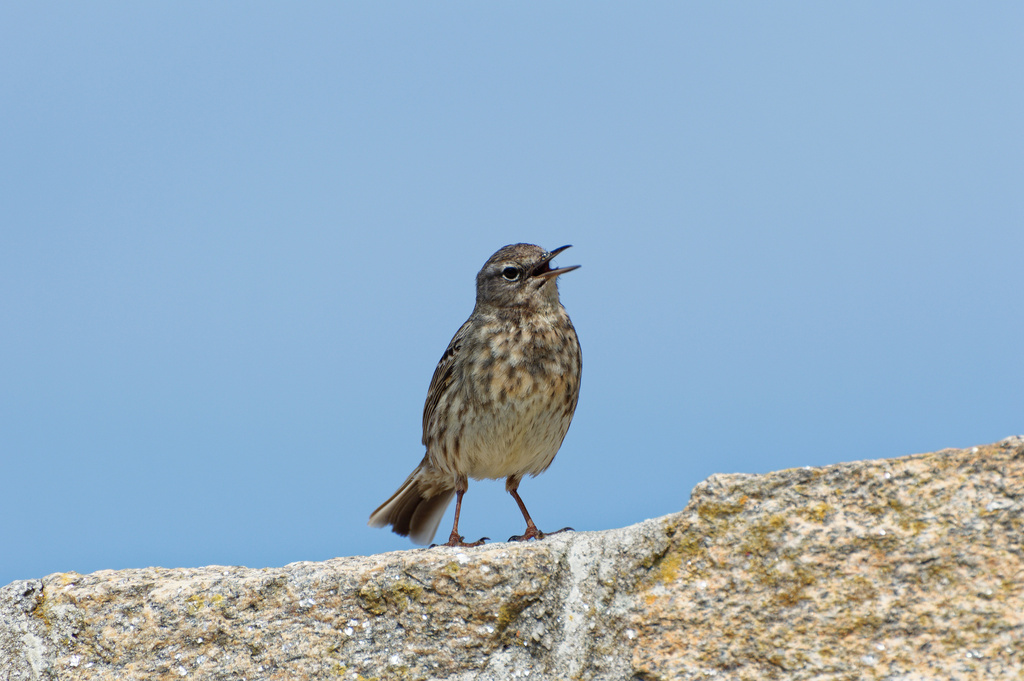
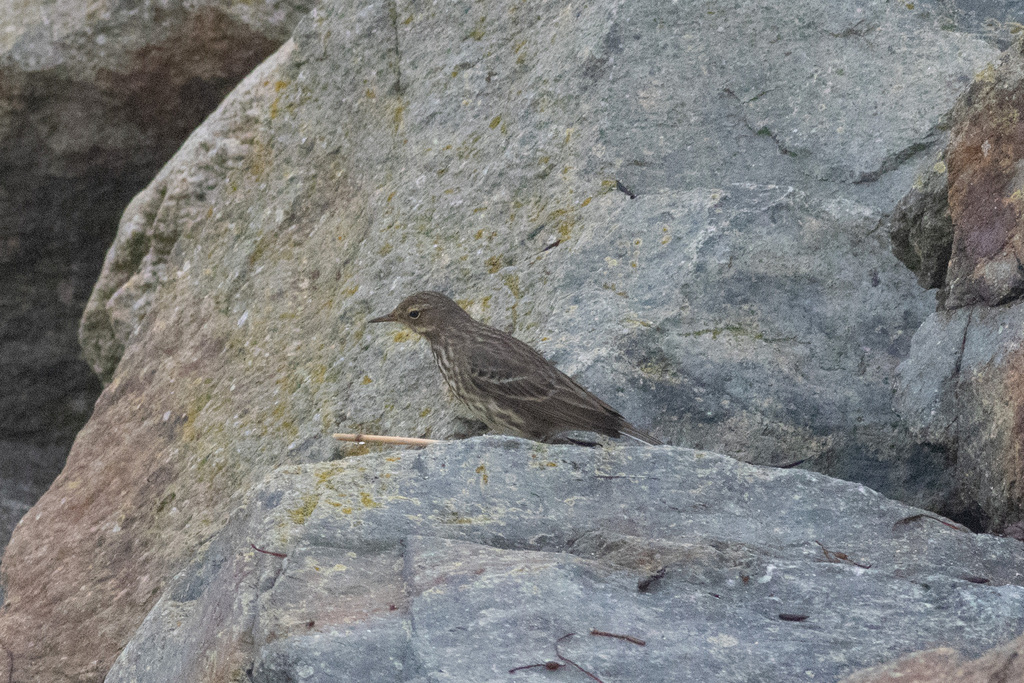
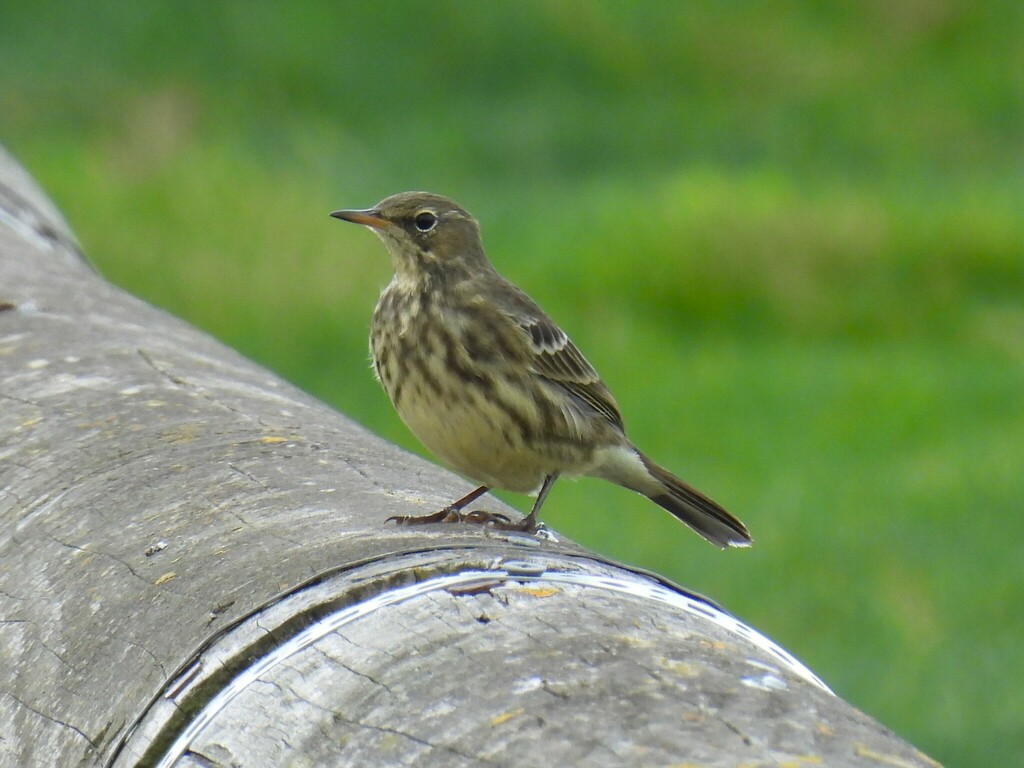
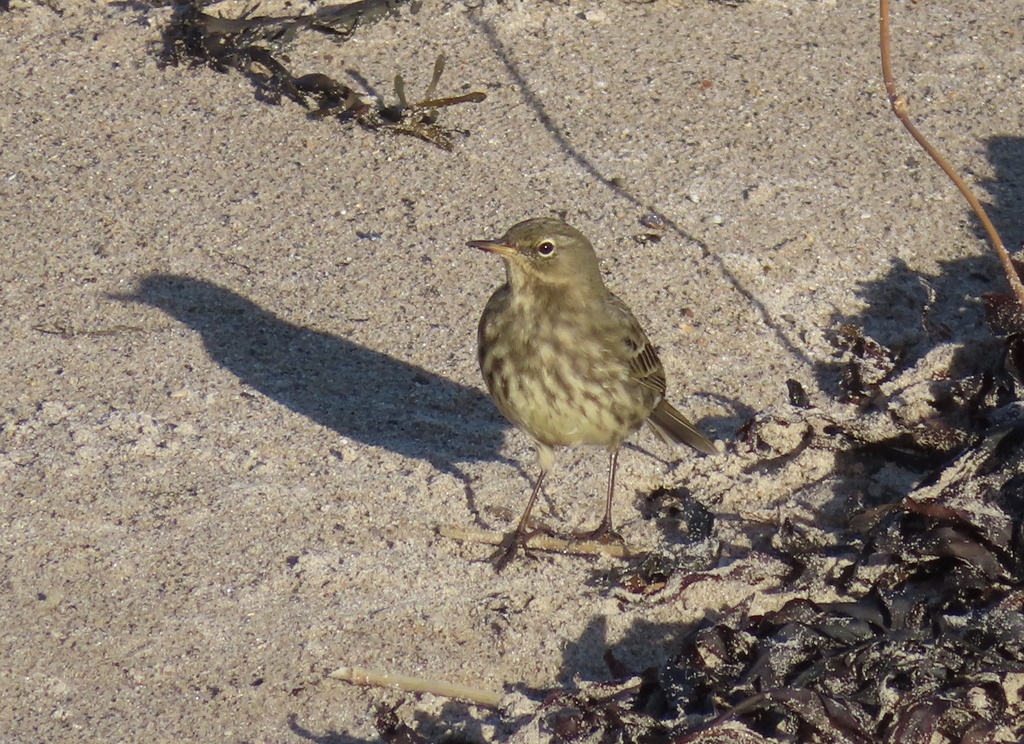
Se trata de un bisbita grande y de tonalidades oscuras. Exhibe partes superiores de color pardo grisáceo muy oscuro, con abundantes estrías, y partes inferiores muy rayadas sobre un fondo claro. El pecho, según las subespecies, presenta un tinte verdoso (petrosus) o rosado (littoralis). Posee alas redondeadas, cola larga y con plumas externas grises, pico negro, largo y fino, garganta blanca, bigotera oscura y patas oscuras, con uña posterior corta. Su aspecto general gris oscuro y su abundante rayado por abajo ayudan a diferenciarlo del resto de bisbitas españoles. Ambos sexos son iguales. Los jóvenes se parecen mucho a los adultos, aunque son más parduzcos y más rayados por arriba. El bisbita costero suele observarse en solitario, generalmente en el suelo.The only European pipit specialized in marine rocky coasts. It is a large, dark, and robust pipit with entirely dark legs and a powerful bill. Its plumage is olive-gray and heavily streaked, providing perfect camouflage against the wet rocks and seaweed. It has a characteristic loud, metallic call. It stays on the coast year-round.
DistribuciónDistribution
Durante el invierno se observa la subespecie littoralis, aunque también es posible la presencia de petrosus. Su distribución, poco conocida, se restringe a la costa cantábrica y gallega, destacando Asturias. Además hay algunas citas en el interior peninsular y en las costas del sur y del este.Scarce winter visitor (October-April). Restricted to the North and Northwest coasts (Galicia, Asturias, Cantabria). Rare on the Mediterranean coast.
Textos reproducidos con permiso de laTexts translated and reproduced with permission from the Guía de Aves de España © SEO/BirdLife
Estado de conservaciónConservation Status
- EX
- RE
- CR
- EN
- VU
- NT
- LC
NE
No evaluada en EspañaNot assessed in Spain
Qué significa cada categoríaWhat each category means
- LC
- Preocupación menor: Taxón evaluado que no califica para categorías amenazadas. Especies abundantes y ampliamente distribuidasLeast Concern - Evaluated taxon that does not qualify for threatened categories. Widespread and abundant taxa
- NT
- Casi amenazada: No califica actualmente como amenazada, pero está cerca de calificar o es probable que califique en el futuro cercanoNear Threatened - Does not currently qualify as threatened, but is close to qualifying or likely to qualify in the near future
- VU
- Vulnerable: Enfrenta un alto riesgo de extinción en estado silvestre según los criterios A a E de IUCNVulnerable - Facing a high risk of extinction in the wild based on IUCN criteria A to E
- EN
- En peligro: Enfrenta un riesgo muy alto de extinción en estado silvestre según los criterios A a E de IUCNEndangered - Facing a very high risk of extinction in the wild based on IUCN criteria A to E
- CR
- En peligro crítico: Enfrenta un riesgo extremadamente alto de extinción en estado silvestre según los criterios A a E de IUCNCritically Endangered - Facing an extremely high risk of extinction in the wild based on IUCN criteria A to E
- DD
- Datos insuficientes: Información inadecuada para evaluar el riesgo de extinción basándose en distribución o estado poblacionalData Deficient - Inadequate information to assess extinction risk based on distribution and/or population status
- NE
- No evaluada: No ha sido evaluada aún contra los criterios de la Lista Roja de IUCNNot Evaluated - Has not yet been assessed against the IUCN Red List criteria
- RE
- Extinta regionalmente: El taxón ya no existe en la región específica, aunque puede sobrevivir en otros lugaresRegionally Extinct - Taxon no longer exists in the specific region, though it may survive elsewhere
- EX
- Extinta - No existe duda razonable de que ha muerto el último individuo del taxónExtinct - No reasonable doubt that the last individual of the taxon has died
TaxonomíaTaxonomy
- OrdenOrder
- Passeriformes
- FamiliaFamily
- Motacillidae
Presencia en EspañaPresence in Spain
- HabitualRegular
- InvernanteWinter visitor
En la app: octubre a marzo.In the app: October to March.
Dónde verlaWhere to see it
62 cuadrículas de 10 km con registros de 2020 a 2024. Toca un mes para ver dónde se ha visto.62 10 km squares with records from 2020 to 2024. Pick a month to see where it has been seen.
Cargando el mapa…Loading the map…
Dónde es regularWhere it is regular
Provincias con registros en al menos 3 de los 5 años algún mes, de más a menos frecuente, y sus mejores meses.Provinces with records in at least 3 of the 5 years in some month, from most to least frequent, and their best months.
- LugoLugodiciembre, febrero, eneroDecember, February, January
- A CoruñaA Coruñanoviembre, octubre, diciembreNovember, October, December
- CantabriaCantabriafebrero, diciembre, eneroFebruary, December, January
- GuipúzcoaGuipúzcoanoviembreNovember
- PontevedraPontevedradiciembreDecember
- AsturiasAsturiasenero, diciembre, noviembreJanuary, December, November
Datos: registros en GBIF de 2020 a 2024 de Observation.org, eBird, iNaturalist y el ICO, descargados el 23/10/2026.Data: GBIF records from 2020 to 2024 from Observation.org, eBird, iNaturalist and the ICO, downloaded on 23/10/2026. GBIF.org (23 October 2026) GBIF Occurrence Download · doi:10.15468/dl.r5sf2a · CC BY-NC 4.0
GaleríaGallery

© Stanley Davis · CC BY · iNaturalist 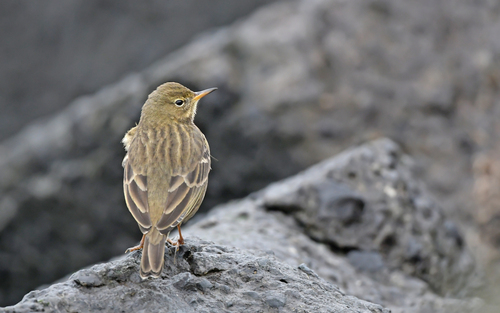
© Christoph Moning · CC BY · iNaturalist 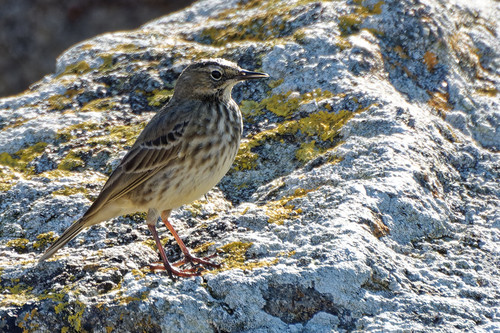
© Donald Davesne · CC BY · iNaturalist 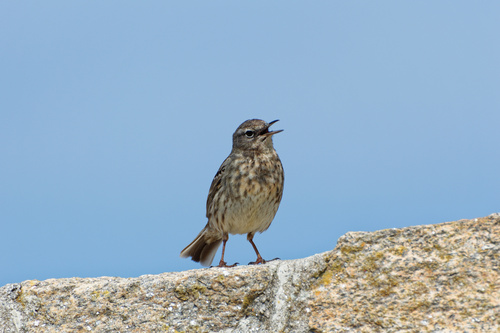
© Donald Davesne · CC BY · iNaturalist 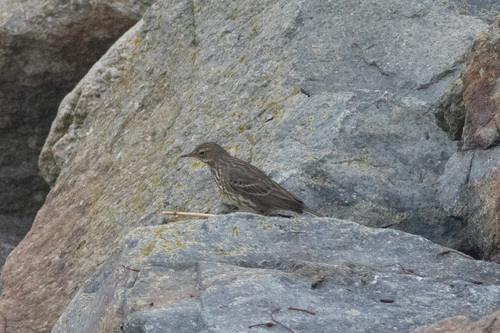
© Nathan Mesnildrey · CC BY · iNaturalist 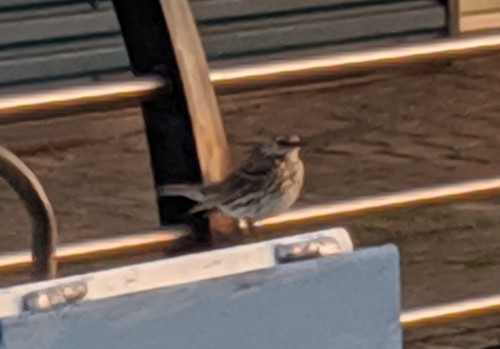
© Cassian · CC BY · iNaturalist 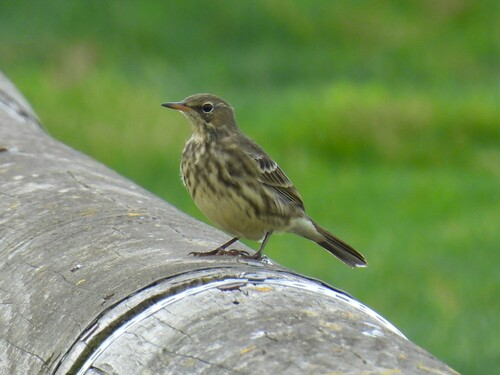
© Phil James · CC BY · iNaturalist 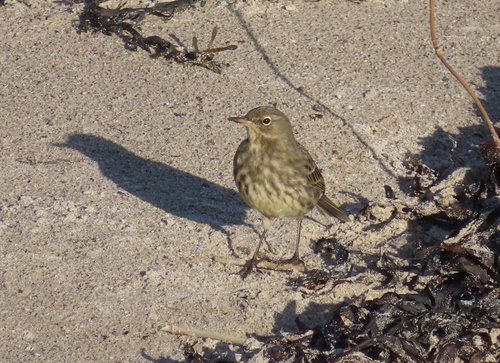
© Anne Thomson · CC BY · iNaturalist
Especies relacionadasRelated species
Otras aves de la familia Motacillidae y de órdenes cercanos.Other birds from the Motacillidae family and nearby orders.
- Poco comúnUncommon
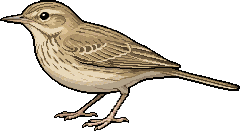 Bisbita campestreTawny PipitAnthus campestris
- RaroRare
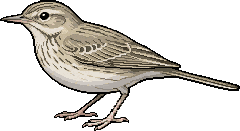 Bisbita camineroBerthelot's PipitAnthus berthelotii
- Poco comúnUncommon
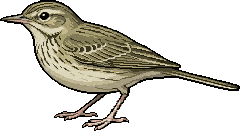 Bisbita arbóreoTree PipitAnthus trivialis
- ComúnCommon
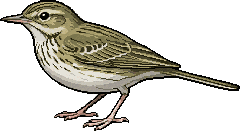 Bisbita pratenseMeadow PipitAnthus pratensis
- ComúnCommon
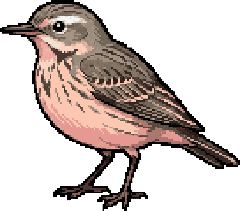 Bisbita alpinoWater PipitAnthus spinoletta
- ComúnCommon
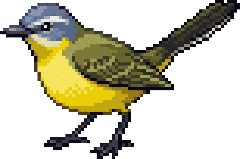 Lavandera boyeraWestern Yellow WagtailMotacilla flava
- ComúnCommon
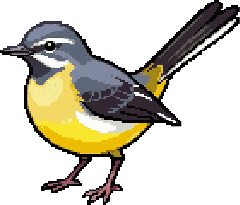 Lavandera cascadeñaGrey WagtailMotacilla cinerea
- ComúnCommon
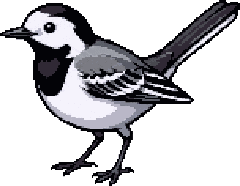 Lavandera blancaWhite WagtailMotacilla alba
 Gratis, sin anuncios ni comprasFree, no ads, no purchases