 BirdPedy
Arrendajo euroasiáticoEurasian Jay
En 47 provincias en enero y en 47 en eneroIn 47 provinces in January and 47 in January
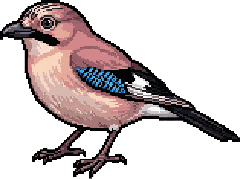
Reporte de rarezaRarity report
Por qué es comúnWhy it is commonEl arquitecto de los bosques. Sedentario muy ruidoso y abundante en todo tipo de formaciones forestales, desde encinares hasta bosques atlánticos de toda la península.The architect of the forests. Very noisy and abundant sedentary bird in all types of forest formations and parks.
Cada carrizo es un mes: su altura, las provincias con registros de 2020 a 2024.Each reed is a month: its height, the provinces with records from 2020 to 2024.- Provincias con registrosProvinces with records
- 47 de 52of 52
- En la appIn the app
- Todo el añoAll year
- EnvergaduraWingspan
- 54-58 cm54-58 cm
- LongitudLength
- 32-35 cm32-35 cm
- Lista Roja de EspañaSpanish Red List
- LC Preocupación menorLeast Concern

Información generalGeneral Information
El arrendajo es un córvido de mediano tamaño y hábitos netamente forestales, que se alimenta tanto de invertebrados como de frutas y semillas. Tiene la costumbre de enterrar una parte de los frutos que recolecta, con lo que contribuye a la expansión de las masas forestales. Ruidoso y gregario, este pájaro de vistoso plumaje se extiende por buena parte de las áreas boscosas de nuestro país, alcanzando sus mejores densidades en el norte peninsular.The Eurasian Jay is the great 'forest planter.' In autumn, it collects thousands of acorns and buries them in the soil as a winter food reserve—many of which are never recovered and grow into new oak trees. It is a shy, forest-dwelling crow that is usually heard before it is seen. Its harsh, rasping alarm call is a warning to all forest creatures. It is a highly intelligent bird that plays a fundamental role in the health and expansion of Spanish forests.
IdentificaciónIdentification
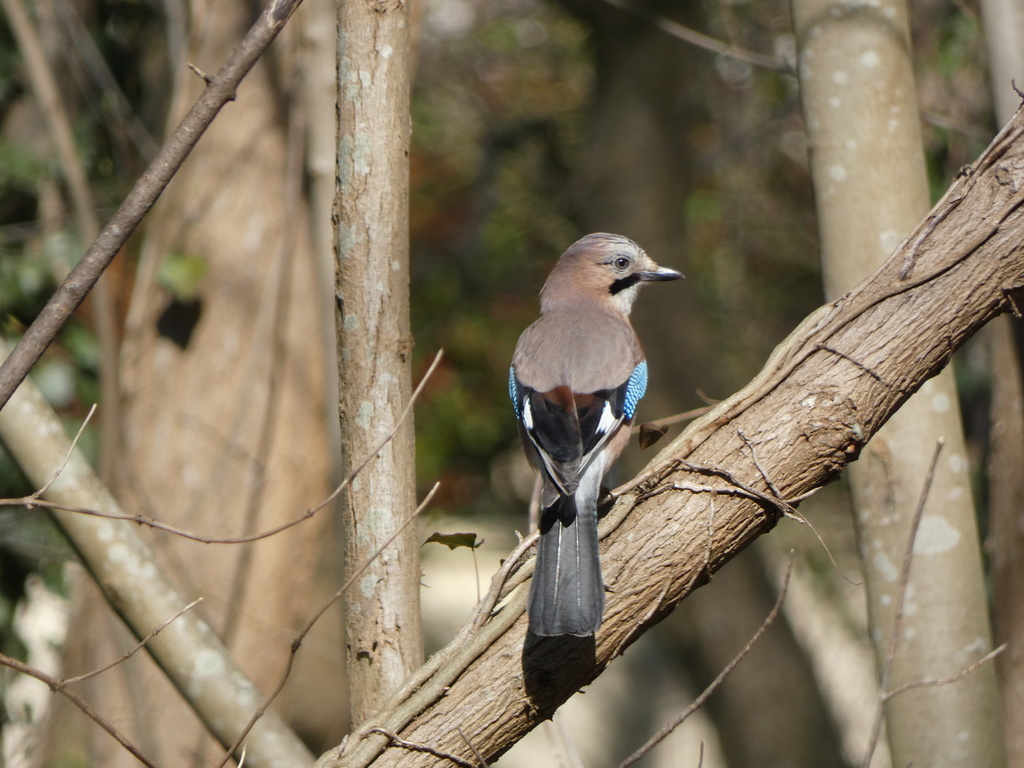
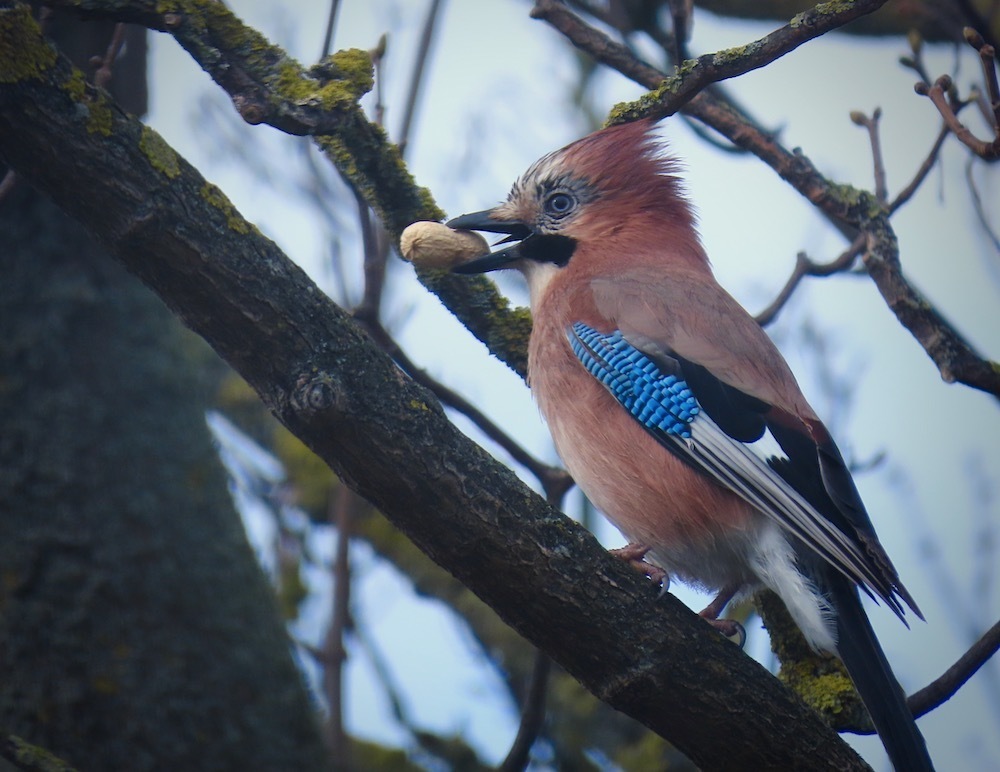
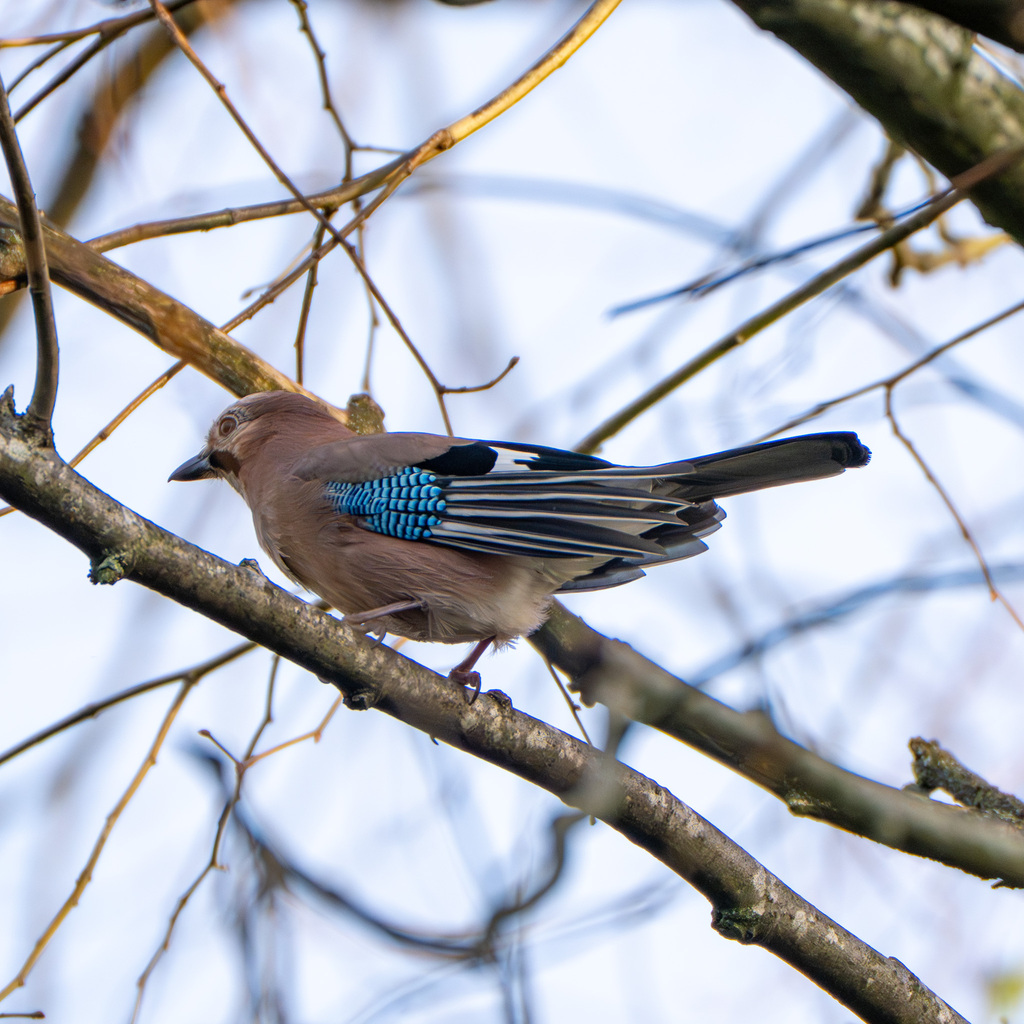
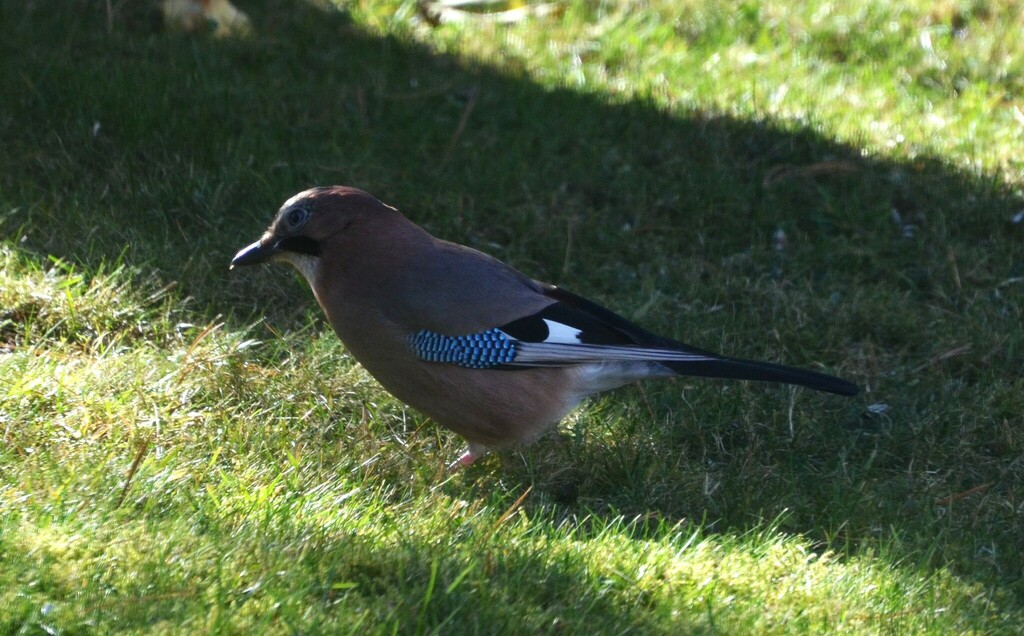
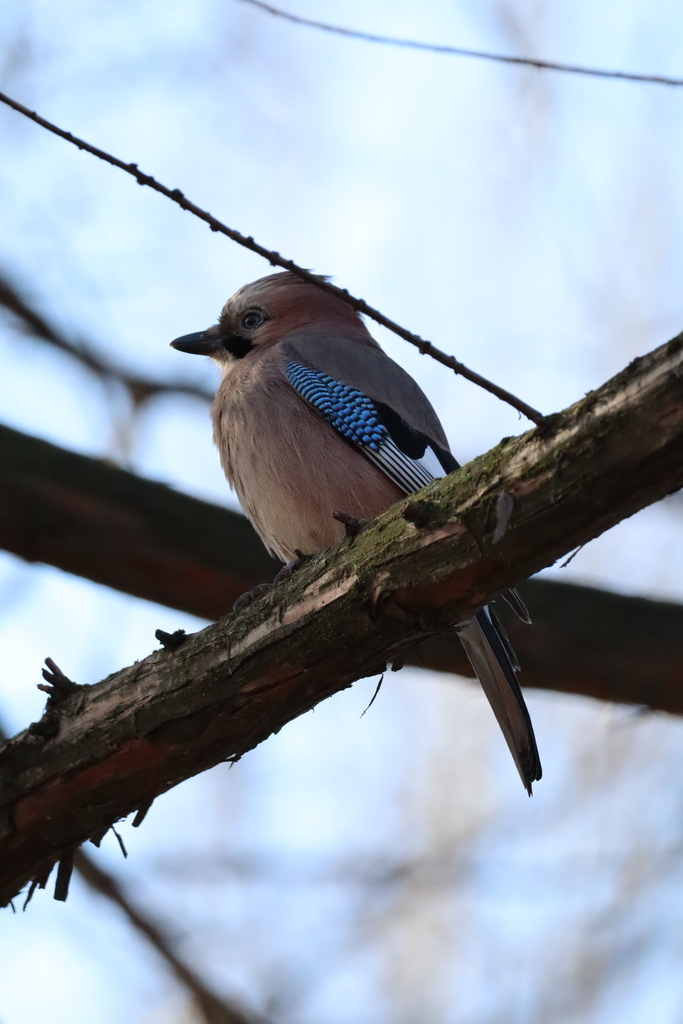
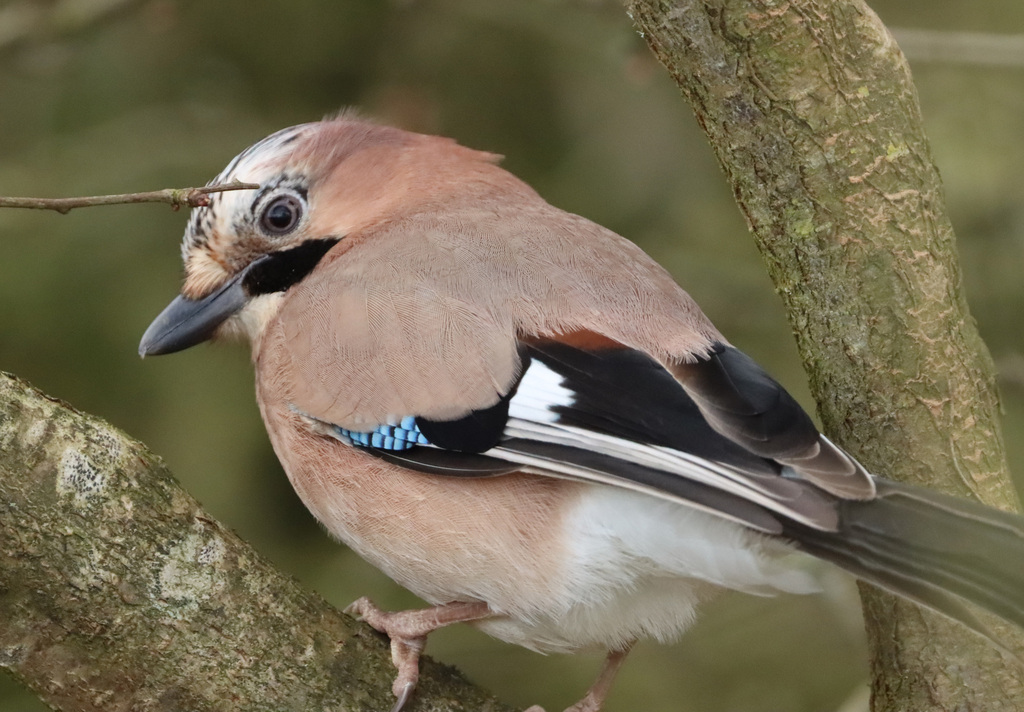
El arrendajo euroasiático, de aspecto inconfundible, se aleja bastante de la imagen sombría de otros componentes de la familia de los córvidos, pues presenta un plumaje dominado por los tonos ocres, con ciertos tintes rosados y grisáceos, los cuales se tornan blanquecinos en la zona anal. En la cabeza, algo voluminosa y dotada de un fuerte pico, resultan muy característicos el píleo eréctil, grisáceo y listado de negro, y una visible bigotera negra. Las alas lucen un llamativo diseño, con un panel de plumas de color azul turquesa franjeado de negro y blanco en el hombro, y otro blanco, muy conspicuo, sobre todo en vuelo. El obispillo también es blanco y llamativo cuando el ave despliega las alas, lo que contrasta fuertemente con la negra cola. No hay diferencias significativas entre sexos en lo referente al plumaje. Los jóvenes son semejantes en patrón a los adultos, aunque algo más parduzcos y con colores menos vivos en general.A large, colorful crow with a unique and beautiful plumage. It has a warm brownish-pink (mauve) body, a white throat, and a bold black 'moustache.' Its most striking feature is a diagnostic patch of brilliant azure-blue and black barred feathers on the wing. It has a prominent, erectile streaked crest and large white wing and rump patches visible in flight. It is famously vocal, capable of mimicking the calls of many other birds and animals.
DistribuciónDistribution
Como quiera que se trata de un córvido fundamentalmente forestal, el arrendajo se reparte más homogéneamente por las regiones del norte peninsular, así como por los grandes sistemas montañosos y zonas bien forestadas. Evita las regiones áridas del sureste, los valles del Guadalquivir y del Ebro, así como las extensas áreas agrícolas de ambas Mesetas y Extremadura. Falta en los dos archipiélagos, Ceuta y Melilla. En la Península es posible encontrar tres subespecies: lusitanicus, que se extiende por el norte de Portugal hasta Galicia y las provincias occidentales de Castilla y León; glandarius, repartida por el norte peninsular hasta los Pirineos occidentales; y fasciatus, que contacta con la anterior y ocupa toda la franja mediterránea y el centro peninsular hasta alcanzar el oeste de la Península, donde gradualmente da paso a lusitanicus.Widespread across the Peninsula in all forested and well-wooded regions. Absent from the most arid steppes and all archipelagos. Three subspecies in Spain: 'lusitanicus' (northwest), 'glandarius' (north/Pyrenees), and 'fasciatus' (Mediterranean/center).
Textos reproducidos con permiso de laTexts translated and reproduced with permission from the Guía de Aves de España © SEO/BirdLife
Estado de conservaciónConservation Status
- EX
- RE
- CR
- EN
- VU
- NT
- LC
Preocupación menorLeast Concern
Qué significa cada categoríaWhat each category means
- LC
- Preocupación menor: Taxón evaluado que no califica para categorías amenazadas. Especies abundantes y ampliamente distribuidasLeast Concern - Evaluated taxon that does not qualify for threatened categories. Widespread and abundant taxa
- NT
- Casi amenazada: No califica actualmente como amenazada, pero está cerca de calificar o es probable que califique en el futuro cercanoNear Threatened - Does not currently qualify as threatened, but is close to qualifying or likely to qualify in the near future
- VU
- Vulnerable: Enfrenta un alto riesgo de extinción en estado silvestre según los criterios A a E de IUCNVulnerable - Facing a high risk of extinction in the wild based on IUCN criteria A to E
- EN
- En peligro: Enfrenta un riesgo muy alto de extinción en estado silvestre según los criterios A a E de IUCNEndangered - Facing a very high risk of extinction in the wild based on IUCN criteria A to E
- CR
- En peligro crítico: Enfrenta un riesgo extremadamente alto de extinción en estado silvestre según los criterios A a E de IUCNCritically Endangered - Facing an extremely high risk of extinction in the wild based on IUCN criteria A to E
- DD
- Datos insuficientes: Información inadecuada para evaluar el riesgo de extinción basándose en distribución o estado poblacionalData Deficient - Inadequate information to assess extinction risk based on distribution and/or population status
- NE
- No evaluada: No ha sido evaluada aún contra los criterios de la Lista Roja de IUCNNot Evaluated - Has not yet been assessed against the IUCN Red List criteria
- RE
- Extinta regionalmente: El taxón ya no existe en la región específica, aunque puede sobrevivir en otros lugaresRegionally Extinct - Taxon no longer exists in the specific region, though it may survive elsewhere
- EX
- Extinta - No existe duda razonable de que ha muerto el último individuo del taxónExtinct - No reasonable doubt that the last individual of the taxon has died
TaxonomíaTaxonomy
- OrdenOrder
- Passeriformes
- FamiliaFamily
- Corvidae
Presencia en EspañaPresence in Spain
- HabitualRegular
- ResidenteResident
En la app: todo el año.In the app: all year.
Dónde verlaWhere to see it
3.406 cuadrículas de 10 km con registros de 2020 a 2024. Toca un mes para ver dónde se ha visto.3,406 10 km squares with records from 2020 to 2024. Pick a month to see where it has been seen.
Cargando el mapa…Loading the map…
Dónde es regularWhere it is regular
Provincias con registros en al menos 3 de los 5 años algún mes, de más a menos frecuente, y sus mejores meses.Provinces with records in at least 3 of the 5 years in some month, from most to least frequent, and their best months.
- OurenseOurensenoviembre, octubre, agostoNovember, October, August
- GuadalajaraGuadalajaraoctubre, noviembre, agostoOctober, November, August
- GironaGironanoviembre, octubre, julioNovember, October, July
- LugoLugojulio, agosto, octubreJuly, August, October
- BarcelonaBarcelonajulio, agosto, septiembreJuly, August, September
- SoriaSorianoviembre, diciembre, octubreNovember, December, October
- CuencaCuencaagosto, octubre, septiembreAugust, October, September
- VizcayaVizcayaoctubre, diciembre, noviembreOctober, December, November
- A CoruñaA Coruñaoctubre, noviembre, junioOctober, November, June
- LleidaLleidaagosto, julio, junioAugust, July, June
Ver las 47 provinciasSee all 47 provinces
- JaénJaénjulio, octubre, agostoJuly, October, August
- PontevedraPontevedrajunio, noviembre, julioJune, November, July
- AsturiasAsturiasjulio, agosto, septiembreJuly, August, September
- LeónLeónnoviembre, octubre, diciembreNovember, October, December
- CantabriaCantabriajulio, junio, agostoJuly, June, August
- HuescaHuescaoctubre, julio, noviembreOctober, July, November
- GuipúzcoaGuipúzcoaoctubre, julio, junioOctober, July, June
- ÁlavaÁlavaoctubre, marzo, noviembreOctober, March, November
- AlbaceteAlbaceteoctubre, agosto, diciembreOctober, August, December
- SegoviaSegoviaoctubre, diciembre, julioOctober, December, July
- MálagaMálagaoctubre, noviembre, junioOctober, November, June
- GranadaGranadaoctubre, noviembre, junioOctober, November, June
- BurgosBurgosoctubre, noviembre, diciembreOctober, November, December
- NavarraNavarraoctubre, noviembre, agostoOctober, November, August
- TeruelTerueloctubre, noviembre, septiembreOctober, November, September
- PalenciaPalenciaoctubre, septiembre, noviembreOctober, September, November
- CórdobaCórdobajulio, agosto, octubreJuly, August, October
- SalamancaSalamancajulio, junio, agostoJuly, June, August
- ÁvilaÁvilajulio, junio, agostoJuly, June, August
- CastellónCastellónoctubre, junio, julioOctober, June, July
- ZamoraZamorajulio, agosto, octubreJuly, August, October
- CáceresCáceresjulio, junio, octubreJuly, June, October
- La RiojaLa Riojaoctubre, julio, agostoOctober, July, August
- MadridMadridjulio, junio, agostoJuly, June, August
- TarragonaTarragonajunio, noviembre, julioJune, November, July
- AlicanteAlicanteseptiembre, julio, noviembreSeptember, July, November
- AlmeríaAlmeríajunio, julio, mayoJune, July, May
- BadajozBadajozjulio, agosto, junioJuly, August, June
- HuelvaHuelvajulio, junio, agostoJuly, June, August
- Ciudad RealCiudad Realjunio, agosto, octubreJune, August, October
- ToledoToledojunio, agosto, eneroJune, August, January
- ValenciaValenciajunio, noviembre, octubreJune, November, October
- CádizCádizjunio, julio, mayoJune, July, May
- MurciaMurcianoviembre, octubre, junioNovember, October, June
- ZaragozaZaragozaoctubre, noviembre, agostoOctober, November, August
- SevillaSevillajunio, noviembre, agostoJune, November, August
- ValladolidValladoliddiciembre, octubre, junioDecember, October, June
Datos: registros en GBIF de 2020 a 2024 de Observation.org, eBird, iNaturalist y el ICO, descargados el 23/10/2026.Data: GBIF records from 2020 to 2024 from Observation.org, eBird, iNaturalist and the ICO, downloaded on 23/10/2026. GBIF.org (23 October 2026) GBIF Occurrence Download · doi:10.15468/dl.r5sf2a · CC BY-NC 4.0
GaleríaGallery
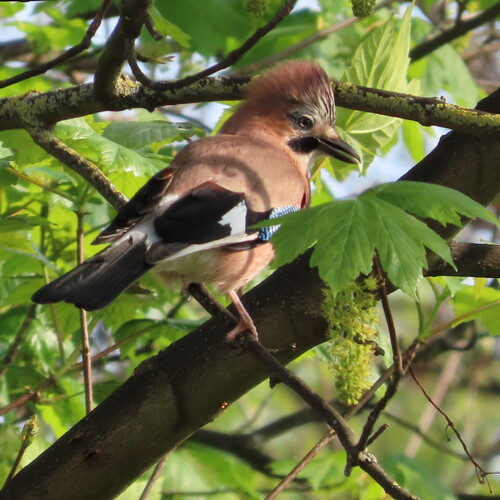
© Helen Bovill · CC BY · iNaturalist 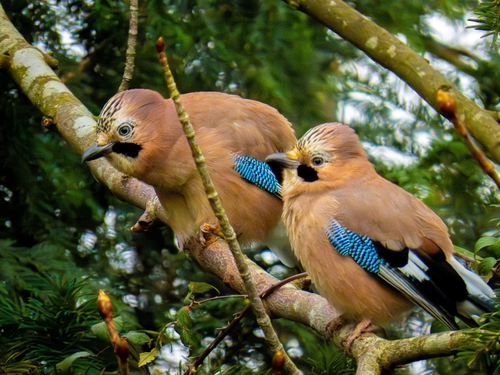
© Rhys · CC BY · iNaturalist 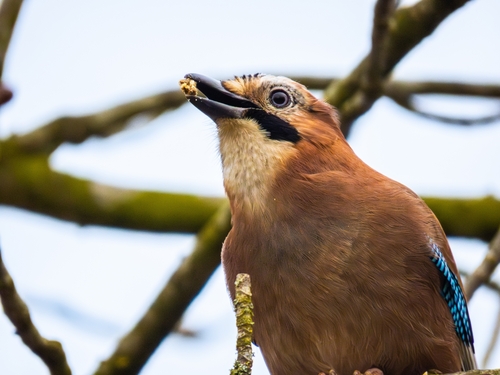
© Rhys · CC BY · iNaturalist 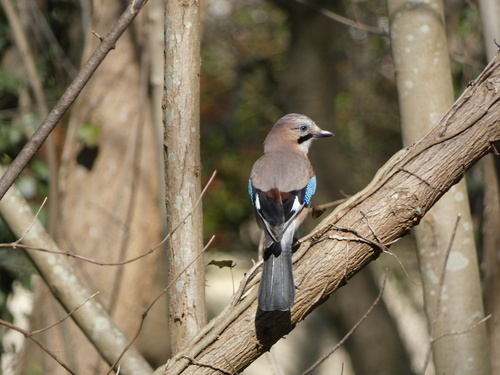
© Alexis Lours · CC BY · iNaturalist 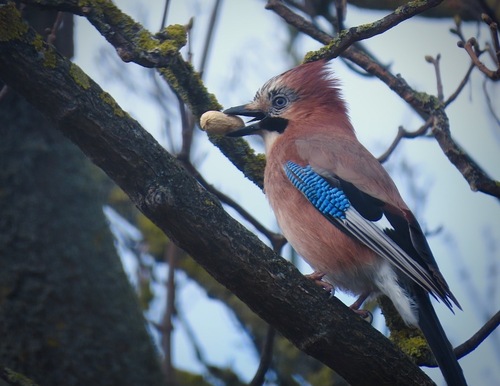
© Florin Feneru · CC BY · iNaturalist 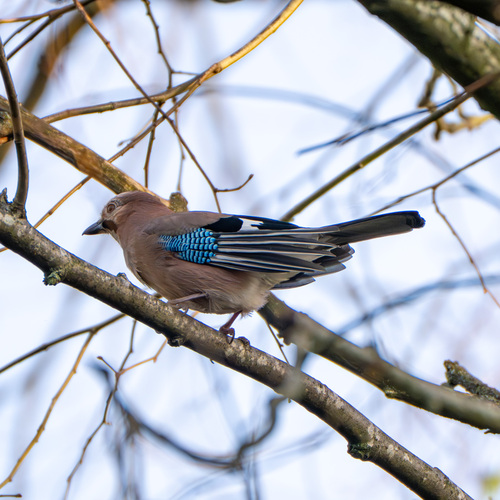
© Andrew Skotnicki · CC BY · iNaturalist 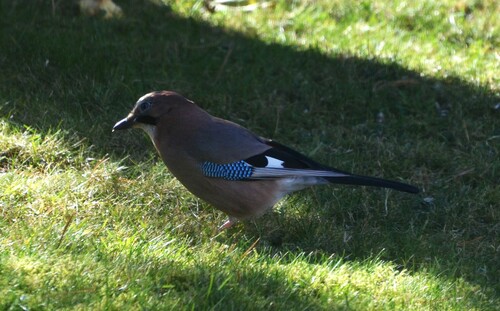
© E. A. · CC BY · iNaturalist 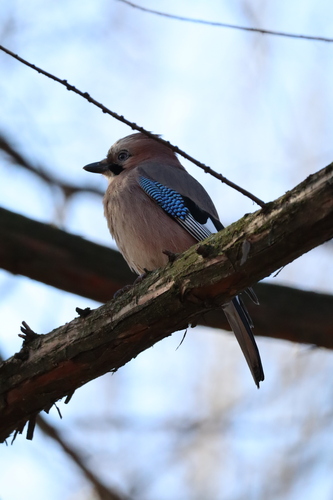
© Radu Teodoreanu · CC BY · iNaturalist 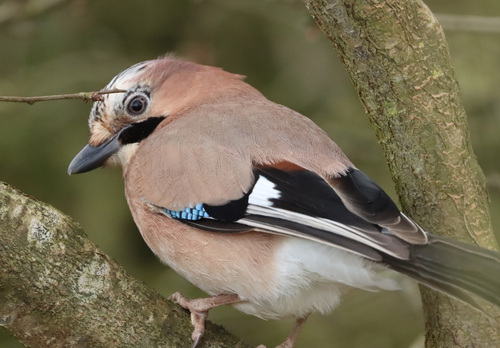
© Dave · CC BY · iNaturalist


Especies relacionadasRelated species
Otras aves de la familia Corvidae y de órdenes cercanos.Other birds from the Corvidae family and nearby orders.
- Poco comúnUncommon
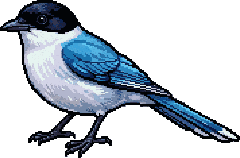 Rabilargo ibéricoIberian MagpieCyanopica cooki
- ComúnCommon
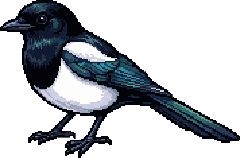 Urraca comúnEurasian MagpiePica pica
- Poco comúnUncommon
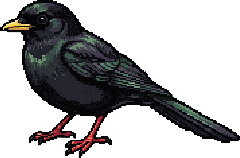 Chova piquigualdaAlpine ChoughPyrrhocorax graculus
- ComúnCommon
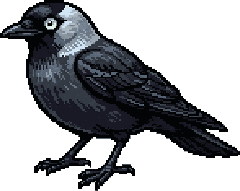 Grajilla occidentalEurasian JackdawCorvus monedula
- RaroRare
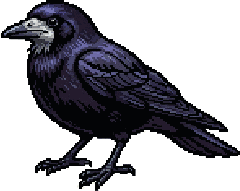 GrajaRookCorvus frugilegus
- ComúnCommon
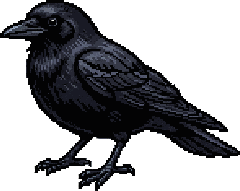 Corneja negraCarrion CrowCorvus corone
- ComúnCommon
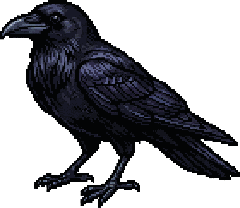 Cuervo grandeCommon RavenCorvus corax
- LegendarioLegendary
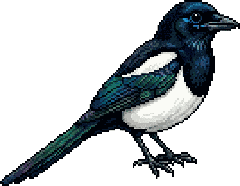 Urraca magrebíMaghreb MagpiePica mauritanica
 Gratis, sin anuncios ni comprasFree, no ads, no purchases