 BirdPedy
Fumarel aliblancoWhite-winged Tern
En 25 provincias en septiembre y en 2 en noviembreIn 25 provinces in September and 2 in November
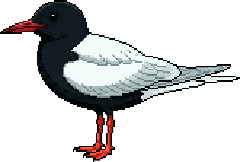
Reporte de rarezaRarity report
Por qué es raroWhy it is rareMigrador escaso procedente de Europa oriental. Se observa de forma puntual en humedales someros tanto del interior como del litoral.A scarce migrant from eastern Europe. It is seen occasionally in shallow wetlands both inland and on the coast.
Cada carrizo es un mes: su altura, las provincias con registros de 2020 a 2024.Each reed is a month: its height, the provinces with records from 2020 to 2024.- Provincias con registrosProvinces with records
- 33 de 52of 52
- En la appIn the app
- Abril a octubreApril to October
- EnvergaduraWingspan
- 58-67 cm58-67 cm
- LongitudLength
- 23-27 cm23-27 cm
- Lista Roja de EspañaSpanish Red List
- NE No evaluada en EspañaNot assessed in Spain

Información generalGeneral Information
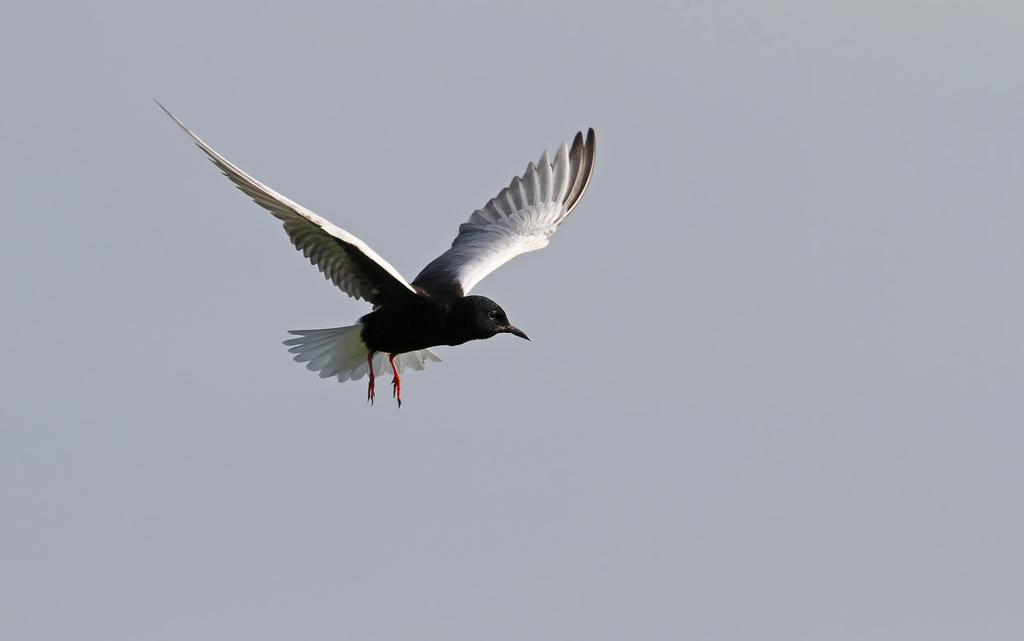
Es la especie de fumarel más escasa en la Península Ibérica, y solo está presente durante las migraciones, principalmente en primavera. En la época de cría exhibe un plumaje nupcial espectacular e inconfundible, con la cabeza y el cuerpo negros y las alas y la cola blancos. Sin embargo, en plumaje de invierno o durante la muda muchos de los individuos que se podrían detectar en nuestras costas pasan inadvertidos debido a su similitud con el fumarel común.The White-winged Tern is the rarest of our three marsh terns. It is a regular passage migrant, mostly in spring, with the best sightings in the Ebro Delta and the East. It is a graceful insect-eater that hunts over marshes and rice fields. Its spectacular summer plumage is one of the sights of the Eastern European migration route. It is a specialized bird of the open wetlands that brings a touch of the steppes to our Mediterranean lagoons.
IdentificaciónIdentification
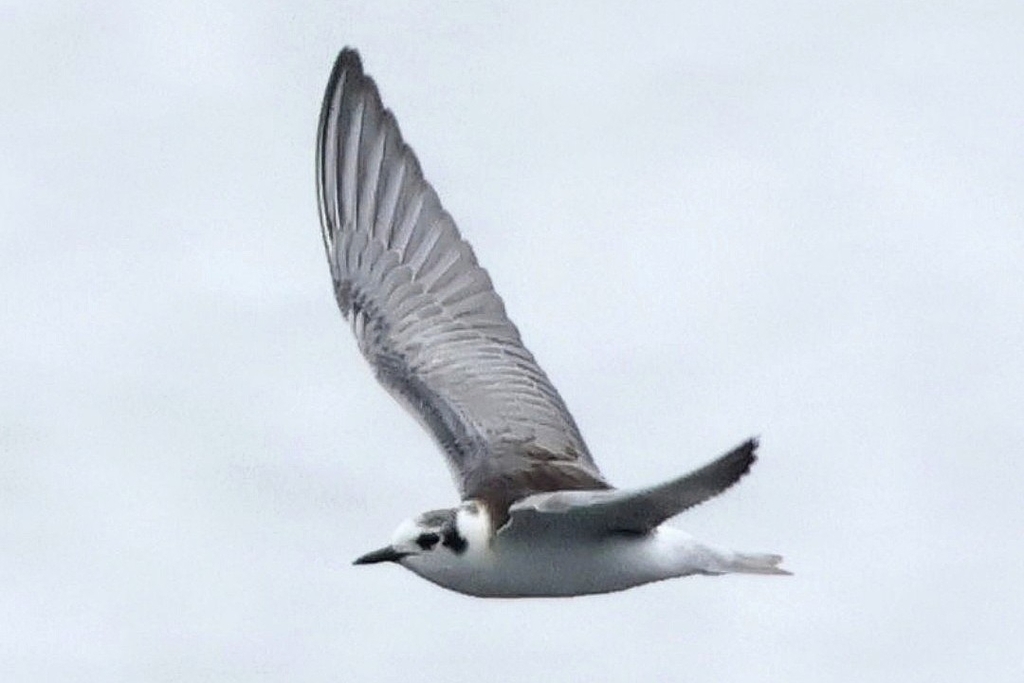
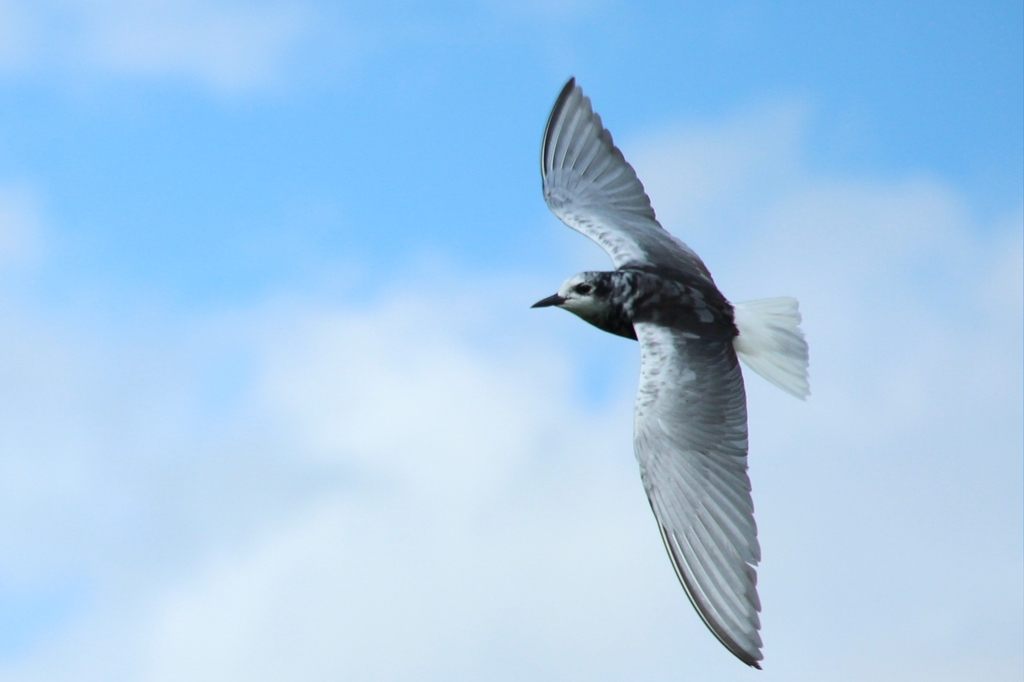
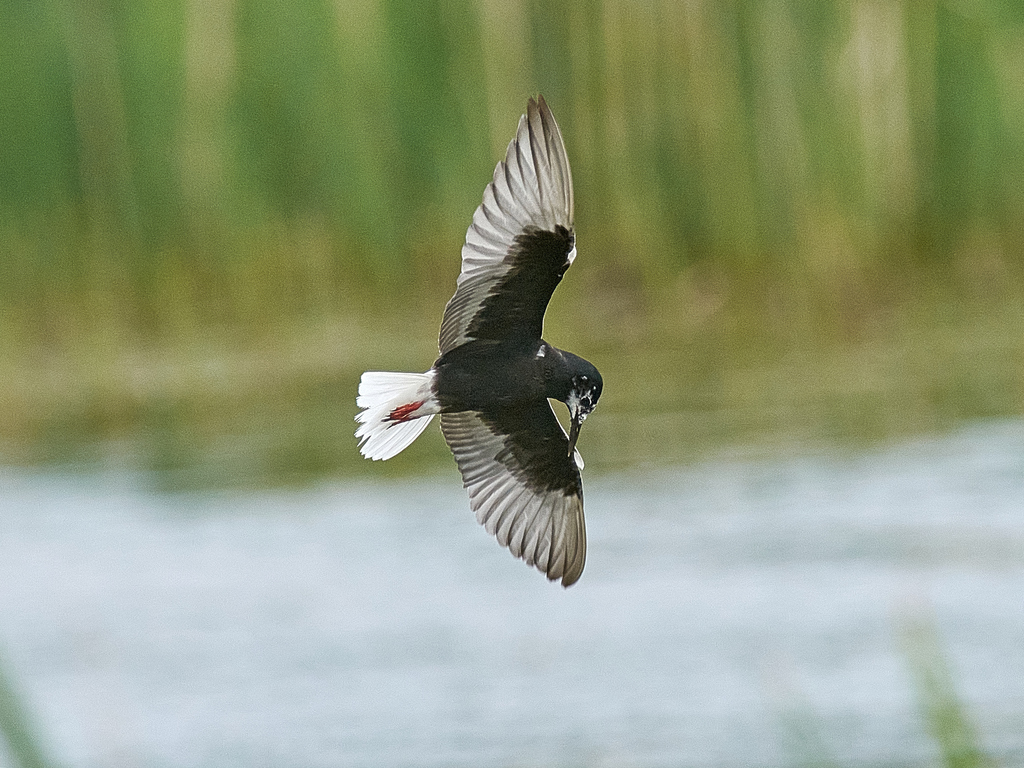
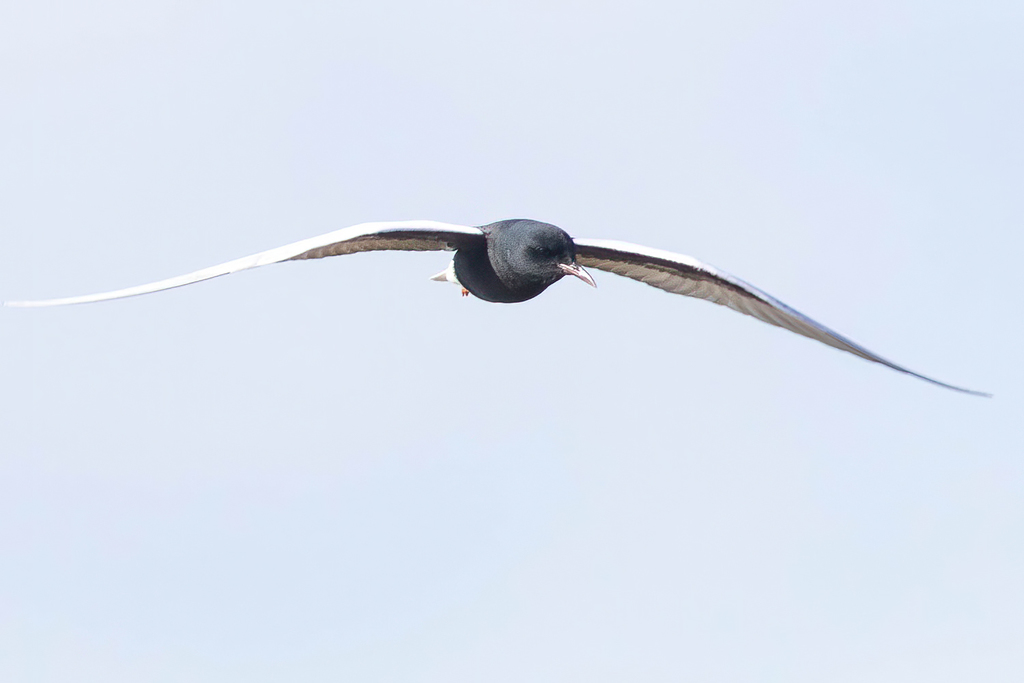
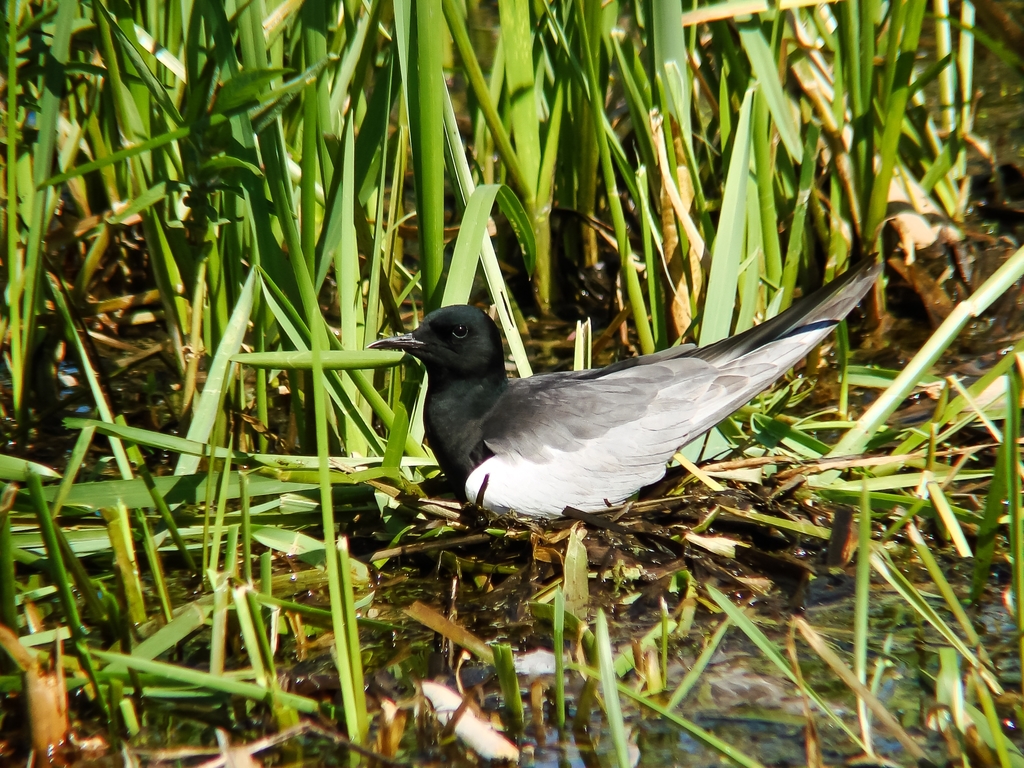
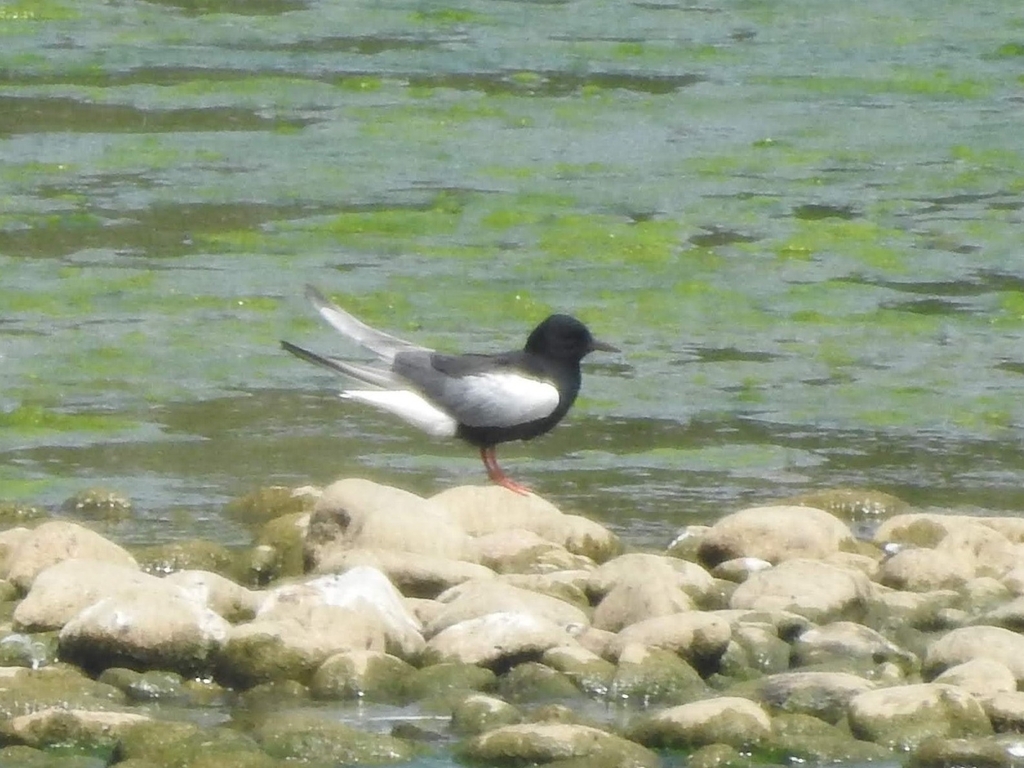
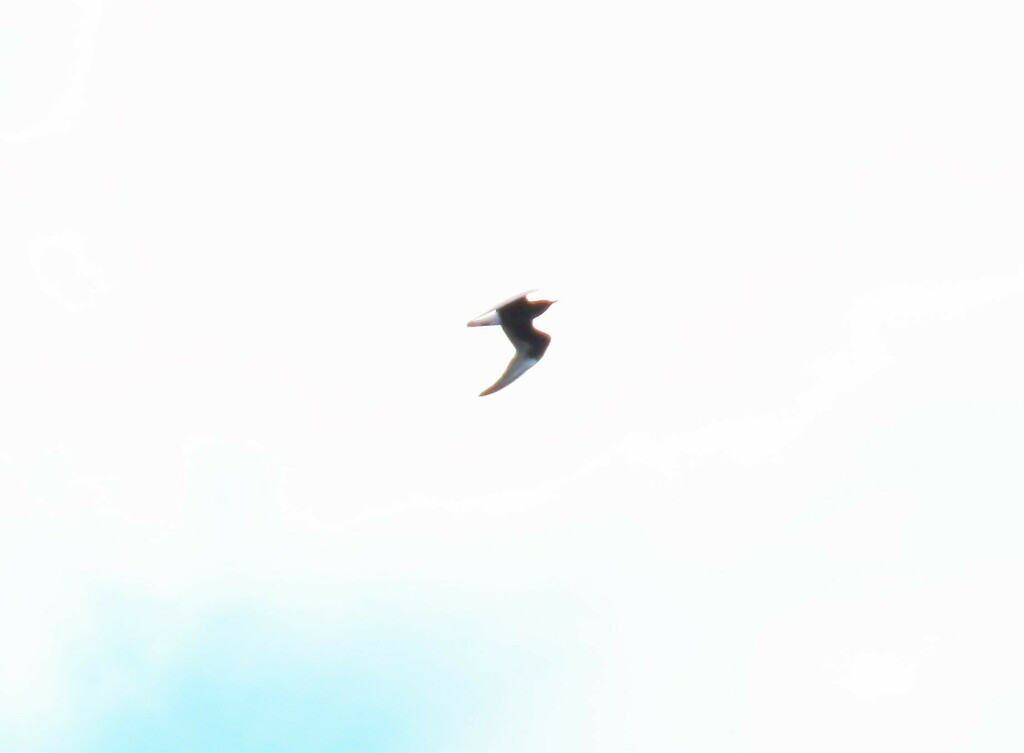
El fumarel aliblanco posee un aspecto general ligeramente diferente al del fumarel común, con pico más corto, patas más largas, alas más cortas y anchas y cola casi cuadrada. El adulto en plumaje de verano luce el dorso, la cabeza, las infracoberteras alares y el cuerpo negros (excepto las infracoberteras caudales y la parte final del vientre, en tonos grises), mientras que el obispillo y la cola son blancos. Las alas son también de color blanco, salvo las tres o cuatro primarias más externas, de color gris oscuro. El pico es negro y las patas, anaranjadas. En invierno es muy pálido y se asemeja más al adulto en plumaje de invierno de fumarel cariblanco que al de fumarel común, pero con el obispillo blanco, las primarias externas oscuras (como el adulto en verano), el capirote poco notable listado de blanco y una mancha oscura detrás del ojo. Al igual que le ocurre al fumarel común, durante la muda presenta la cabeza, el cuerpo y el dorso moteados o manchados de blanco. El joven es muy parecido al de fumarel común pero posee el dorso oscuro y el obispillo blanco, y carece de la mancha oscura de ambos lados del pecho (dibujo 3).A small 'marsh tern' with a very distinctive silhouette: short bill, long legs, and a nearly square tail. Breeding adults are spectacular with a black body and contrasting white wings and tail. In winter, they are very pale and similar to Whiskered and Black Terns, but distinguished by their white rump and the lack of a dark breast-smudge. It breeds on the continental wetlands of Eastern Europe.
DistribuciónDistribution
No se reproduce en España, donde es muy raro, y se cita escasamente en ambos pasos migratorios, tanto en las costas atlánticas como, especialmente, en las mediterráneas (incluidas las islas Baleares), así como en algunas zonas centro-orientales del interior. En Canarias es accidental. En general, las observaciones efectuadas corresponden a individuos aislados y, algunas veces, a parejas o tríos.Regular passage migrant, most frequent in spring. Found mainly along the Mediterranean coast, Balearics, and some inland wetlands. Rare in the Atlantic and occasional in Canarias.
Textos reproducidos con permiso de laTexts translated and reproduced with permission from the Guía de Aves de España © SEO/BirdLife
Estado de conservaciónConservation Status
- EX
- RE
- CR
- EN
- VU
- NT
- LC
NE
No evaluada en EspañaNot assessed in Spain
Qué significa cada categoríaWhat each category means
- LC
- Preocupación menor: Taxón evaluado que no califica para categorías amenazadas. Especies abundantes y ampliamente distribuidasLeast Concern - Evaluated taxon that does not qualify for threatened categories. Widespread and abundant taxa
- NT
- Casi amenazada: No califica actualmente como amenazada, pero está cerca de calificar o es probable que califique en el futuro cercanoNear Threatened - Does not currently qualify as threatened, but is close to qualifying or likely to qualify in the near future
- VU
- Vulnerable: Enfrenta un alto riesgo de extinción en estado silvestre según los criterios A a E de IUCNVulnerable - Facing a high risk of extinction in the wild based on IUCN criteria A to E
- EN
- En peligro: Enfrenta un riesgo muy alto de extinción en estado silvestre según los criterios A a E de IUCNEndangered - Facing a very high risk of extinction in the wild based on IUCN criteria A to E
- CR
- En peligro crítico: Enfrenta un riesgo extremadamente alto de extinción en estado silvestre según los criterios A a E de IUCNCritically Endangered - Facing an extremely high risk of extinction in the wild based on IUCN criteria A to E
- DD
- Datos insuficientes: Información inadecuada para evaluar el riesgo de extinción basándose en distribución o estado poblacionalData Deficient - Inadequate information to assess extinction risk based on distribution and/or population status
- NE
- No evaluada: No ha sido evaluada aún contra los criterios de la Lista Roja de IUCNNot Evaluated - Has not yet been assessed against the IUCN Red List criteria
- RE
- Extinta regionalmente: El taxón ya no existe en la región específica, aunque puede sobrevivir en otros lugaresRegionally Extinct - Taxon no longer exists in the specific region, though it may survive elsewhere
- EX
- Extinta - No existe duda razonable de que ha muerto el último individuo del taxónExtinct - No reasonable doubt that the last individual of the taxon has died
TaxonomíaTaxonomy
- OrdenOrder
- Charadriiformes
- FamiliaFamily
- Laridae
Presencia en EspañaPresence in Spain
- De pasoPassage migrant
- HabitualRegular
En la app: abril a octubre.In the app: April to October.
Dónde verlaWhere to see it
94 cuadrículas de 10 km con registros de 2020 a 2024. Toca un mes para ver dónde se ha visto.94 10 km squares with records from 2020 to 2024. Pick a month to see where it has been seen.
Cargando el mapa…Loading the map…
Dónde es regularWhere it is regular
Provincias con registros en al menos 3 de los 5 años algún mes, de más a menos frecuente, y sus mejores meses.Provinces with records in at least 3 of the 5 years in some month, from most to least frequent, and their best months.
- AlmeríaAlmeríaseptiembre, mayo, julioSeptember, May, July
- ValenciaValenciaagosto, julio, septiembreAugust, July, September
- GironaGironamayoMay
- TarragonaTarragonaseptiembre, mayo, agostoSeptember, May, August
- AlicanteAlicanteoctubre, septiembre, agostoOctober, September, August
- LleidaLleidamayoMay
- BalearesBalearic IslandsmayoMay
- HuescaHuescamayoMay
- SevillaSevillaeneroJanuary
- ZaragozaZaragozamayoMay
Ver las 12 provinciasSee all 12 provinces
- CádizCádizagostoAugust
- BarcelonaBarcelonamayoMay
Datos: registros en GBIF de 2020 a 2024 de Observation.org, eBird, iNaturalist y el ICO, descargados el 23/10/2026.Data: GBIF records from 2020 to 2024 from Observation.org, eBird, iNaturalist and the ICO, downloaded on 23/10/2026. GBIF.org (23 October 2026) GBIF Occurrence Download · doi:10.15468/dl.r5sf2a · CC BY-NC 4.0
GaleríaGallery

© Ani Sarkisyan · CC BY · iNaturalist 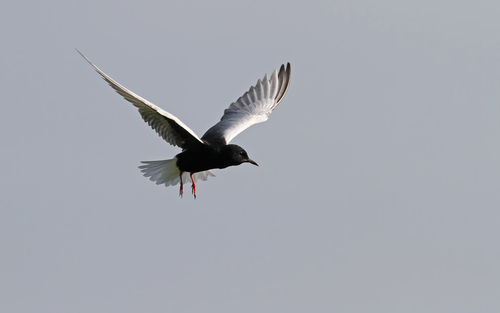
© Christoph Moning · CC BY · iNaturalist 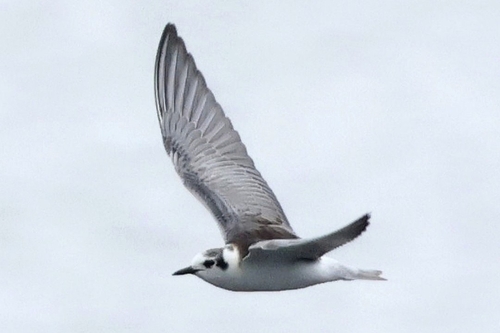
© Barry Stewart · CC BY · iNaturalist 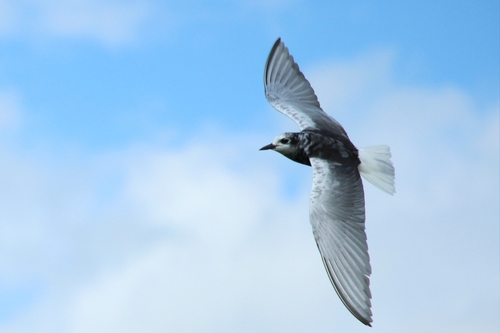
© Petro Miroshnyk · CC BY · iNaturalist 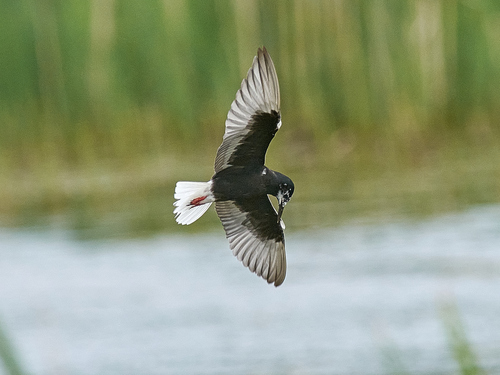
© Сергей Неклюдов · CC BY · iNaturalist 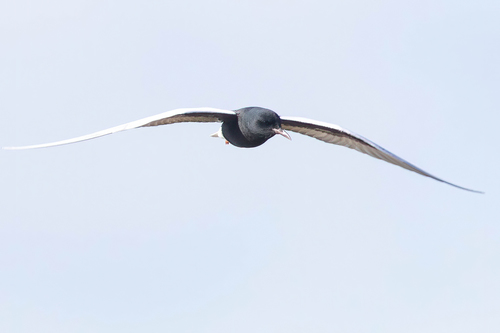
© egorbirder · CC BY · iNaturalist 
© Andrew Bazdyrev · CC BY · iNaturalist 
© Evgenij Samarin · CC BY · iNaturalist 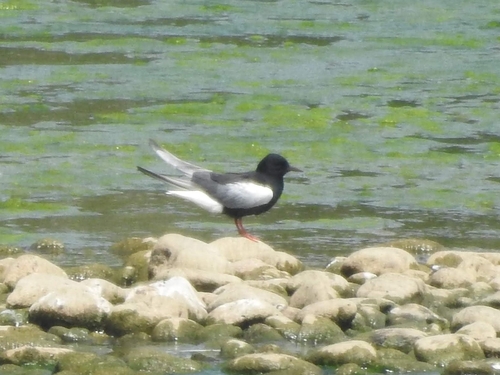
© Olivier Morel · CC BY · iNaturalist 
© Ксения Волянская · CC BY · iNaturalist

Especies relacionadasRelated species
Otras aves de la familia Laridae y de órdenes cercanos.Other birds from the Laridae family and nearby orders.
- ComúnCommon
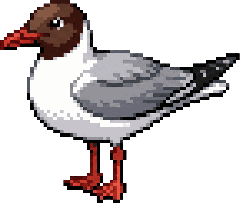 Gaviota reidoraBlack-headed GullChroicocephalus ridibundus
- Poco comúnUncommon
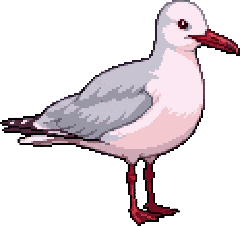 Gaviota picofinaSlender-billed GullChroicocephalus genei
- ComúnCommon
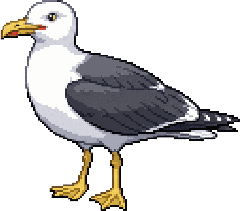 Gaviota sombríaLesser Black-backed GullLarus fuscus
- Poco comúnUncommon
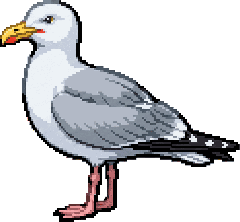 Gaviota argéntea europeaEuropean Herring GullLarus argentatus
- ComúnCommon
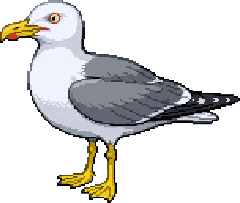 Gaviota patiamarillaYellow-legged GullLarus michahellis
- Poco comúnUncommon
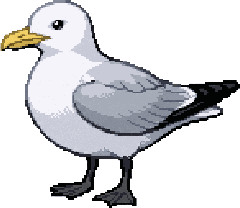 Gaviota tridáctilaBlack-legged KittiwakeRissa tridactyla
- Poco comúnUncommon
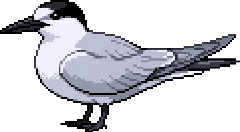 Pagaza piconegraGull-billed TernGelochelidon nilotica
- RaroRare
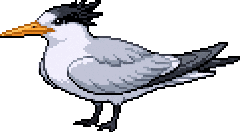 Charrán bengalíLesser Crested TernThalasseus bengalensis
 Gratis, sin anuncios ni comprasFree, no ads, no purchases