 BirdPedy
Chotacabras cuellirrojoRed-necked Nightjar
En 34 provincias en mayo y en 1 en eneroIn 34 provinces in May and 1 in January
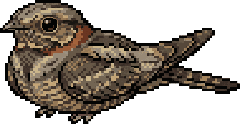
Reporte de rarezaRarity report
Por qué es poco comúnWhy it is uncommonEspecie estival similar a la europea pero con una distribución eminentemente mediterránea, siendo común en la mitad sur y levante peninsular en terrenos abiertos y dehesas.A summer species similar to the European Nightjar but with a mainly Mediterranean distribution; it is common in open country and dehesas in the southern half and the Levante.
Cada carrizo es un mes: su altura, las provincias con registros de 2020 a 2024.Each reed is a month: its height, the provinces with records from 2020 to 2024.- Provincias con registrosProvinces with records
- 37 de 52of 52
- En la appIn the app
- Abril a octubreApril to October
- EnvergaduraWingspan
- 52-59 cm52-59 cm
- LongitudLength
- 24-28 cm24-28 cm
- Lista Roja de EspañaSpanish Red List
- VU VulnerableVulnerable

Información generalGeneral Information
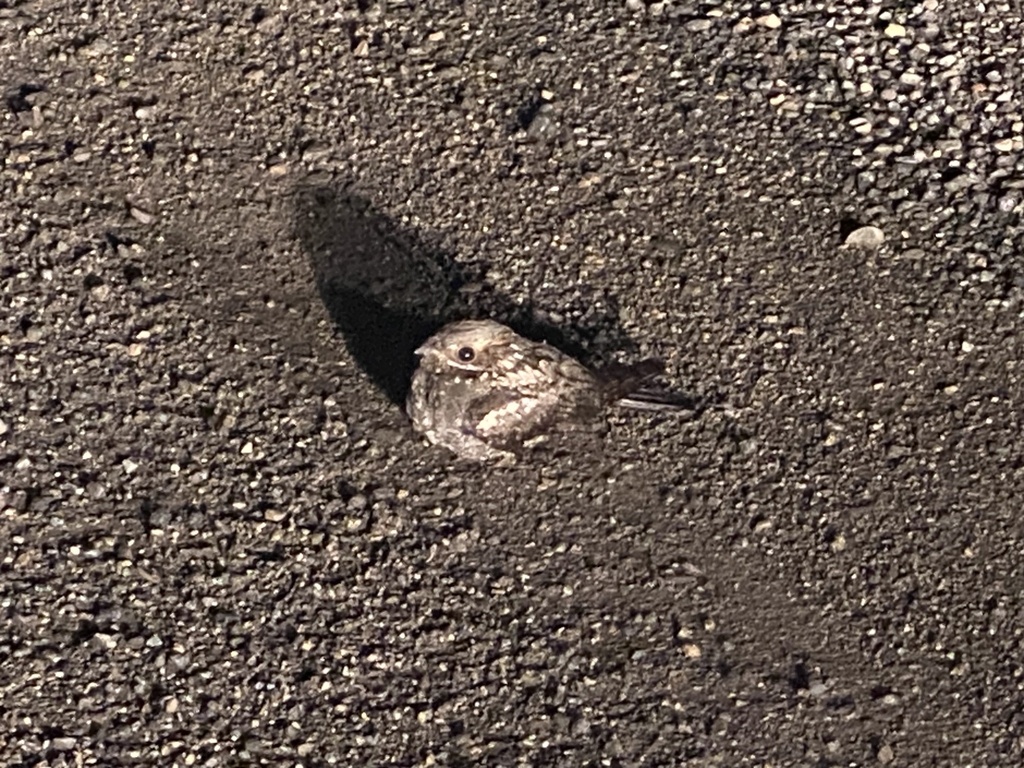
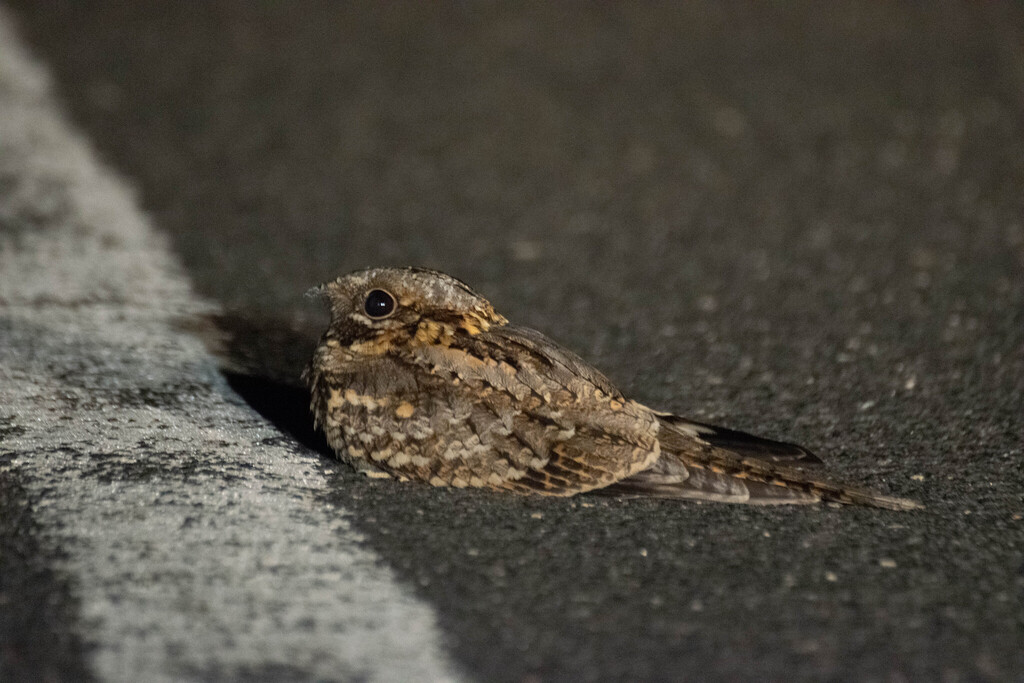
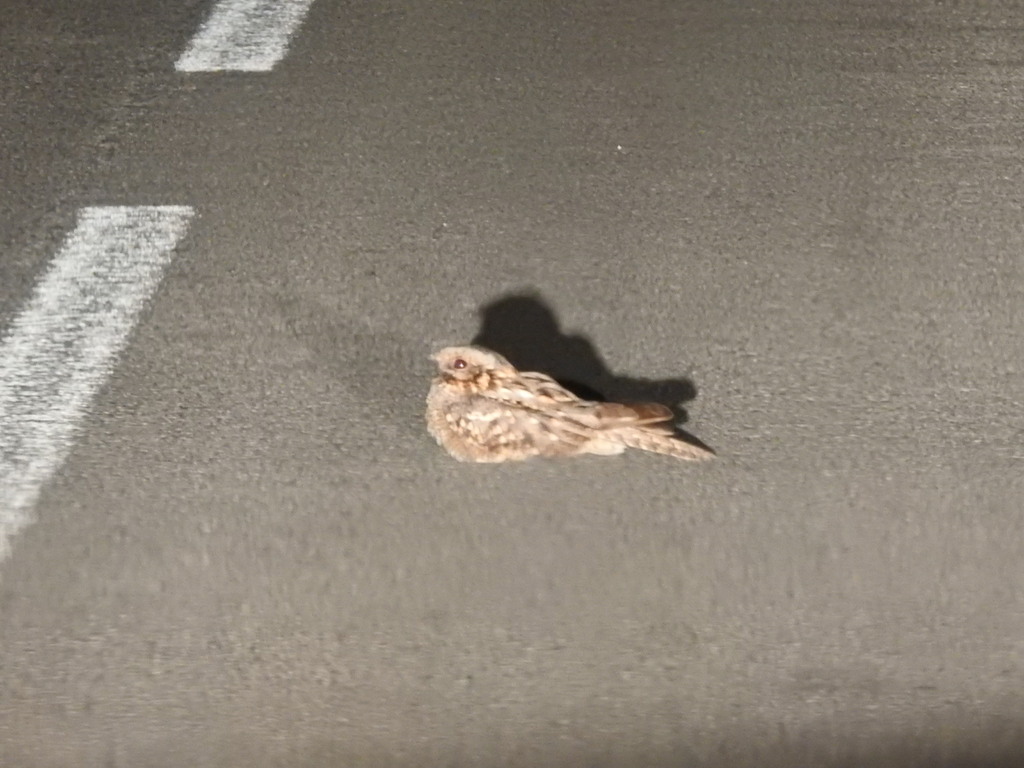
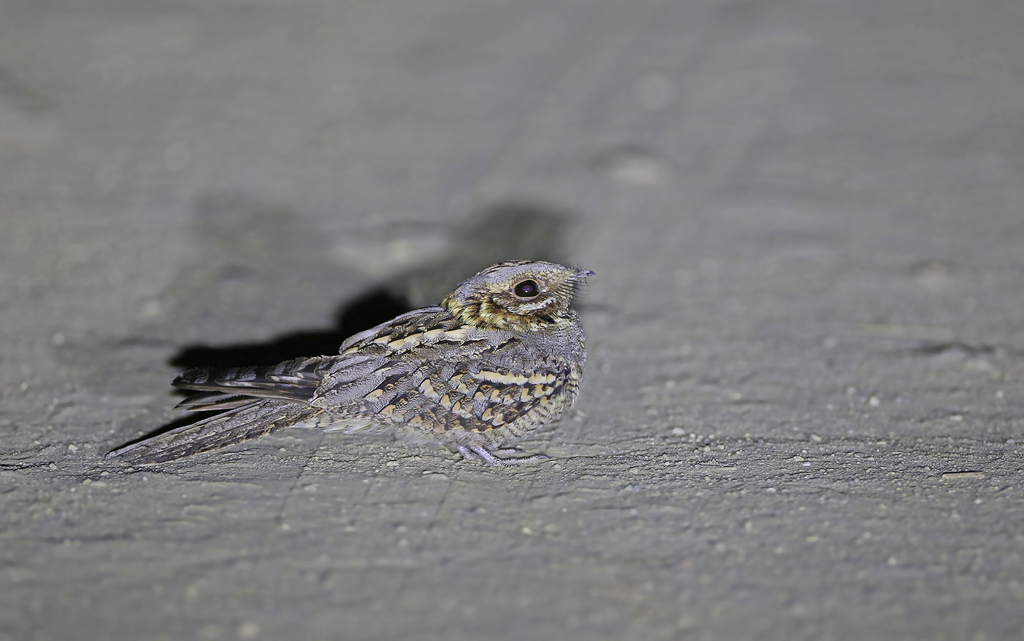
Aves enigmáticas y muy poco conocidas, los chotacabras cuellirrojos son unas criaturas nocturnas, de plumaje extremadamente críptico y dotadas de notables adaptaciones para la caza de insectos en vuelo, como son su silencioso batir de alas, una gran cavidad bucal para papar a sus presas en el aire, enormes ojos oscuros y la posesión de vibrisas táctiles en torno al pico. Muy sensibles a las transformaciones del hábitat y a los atropellos, la población de estos caprimúlgidos parece estabilizarse después de años de regresión.Enigmatic and ghostly creatures of the night. The Red-necked Nightjar is a summer visitor to the warmer parts of Spain. It spends the day motionless on the ground or a branch, perfectly hidden by its camouflage. At night, it becomes an agile hunter. It is highly vulnerable to being hit by cars as it often rests on warm asphalt roads at night.
IdentificaciónIdentification
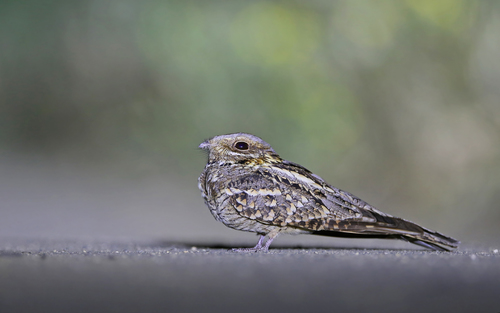
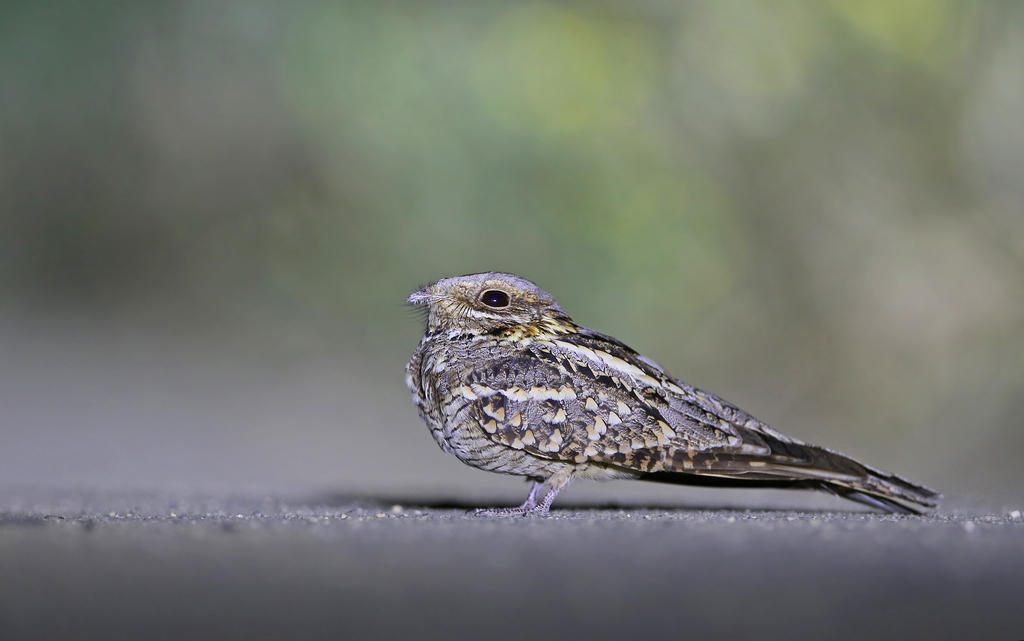
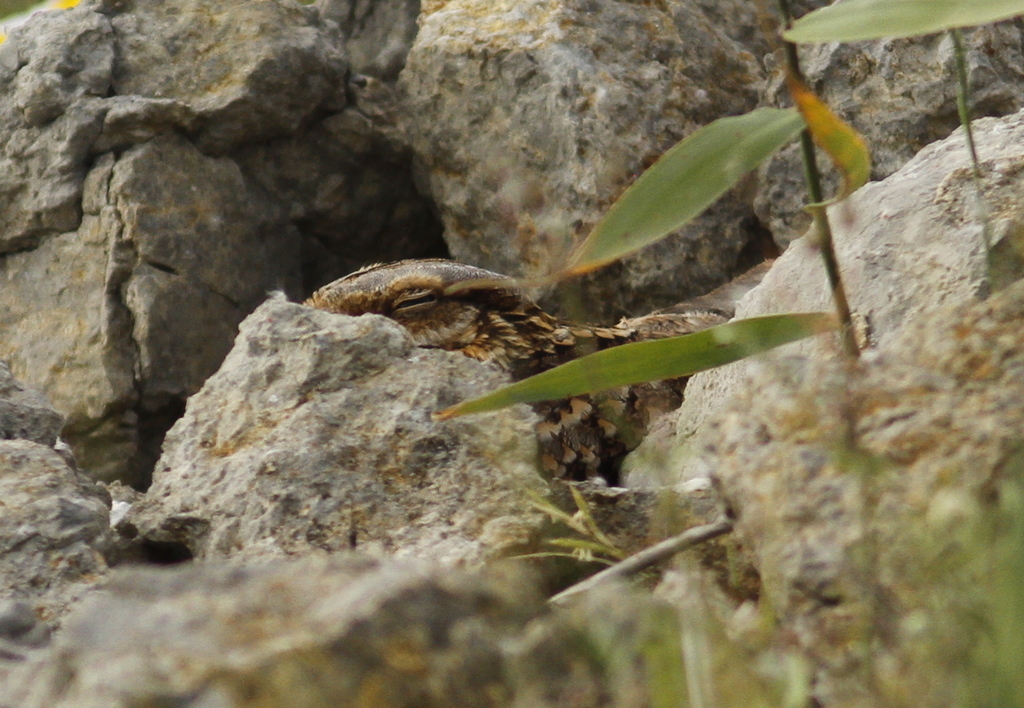
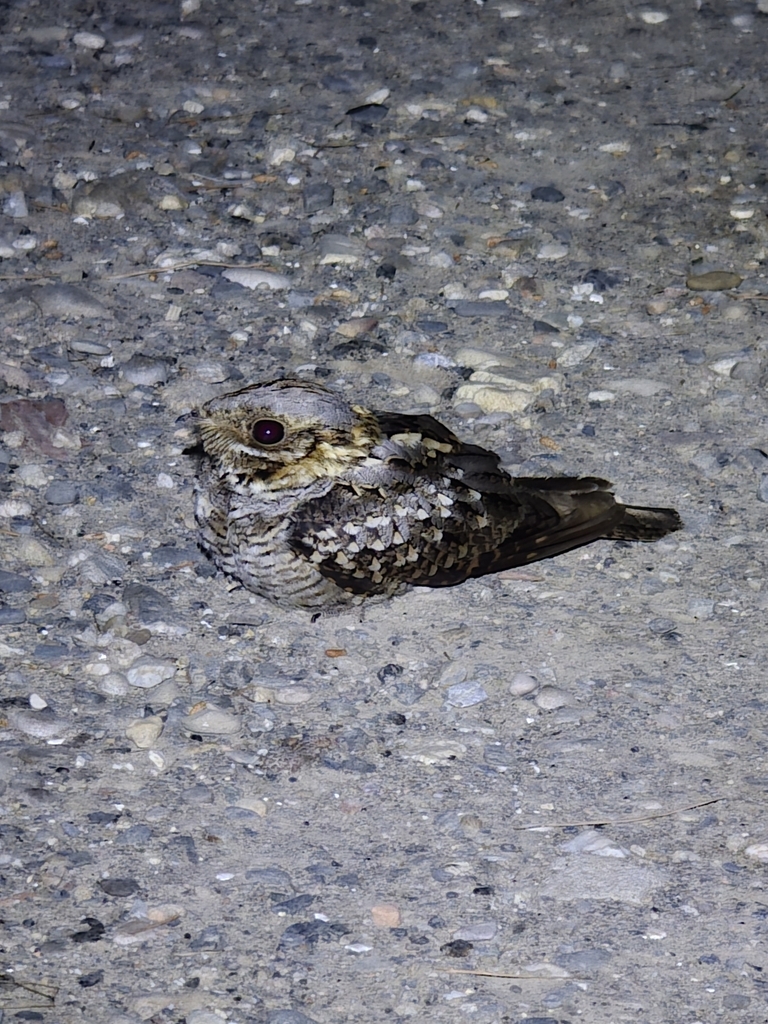
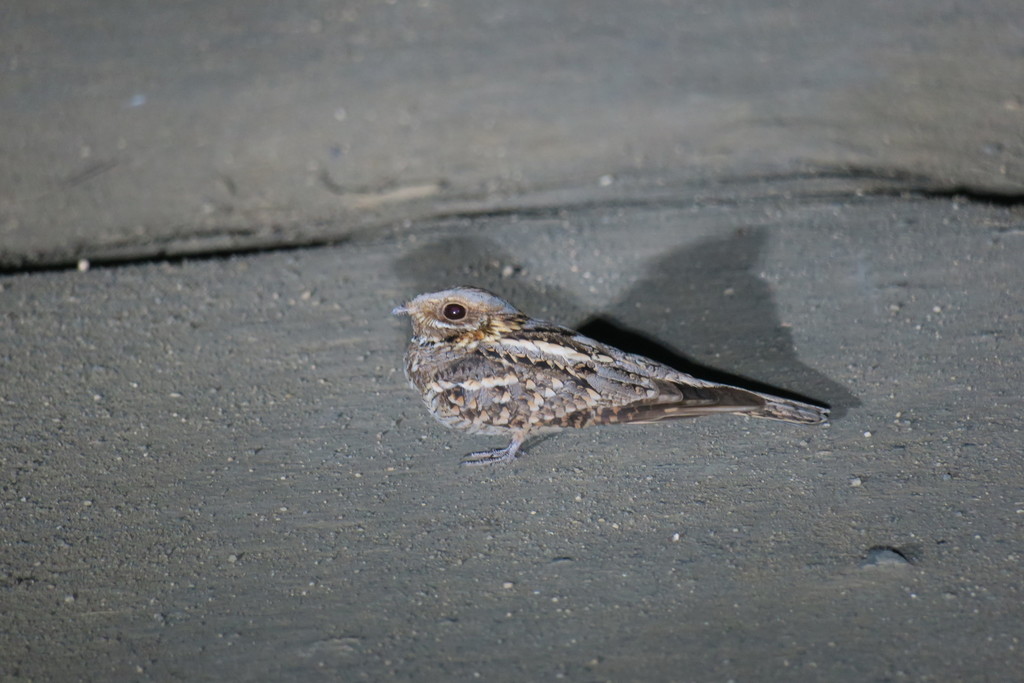
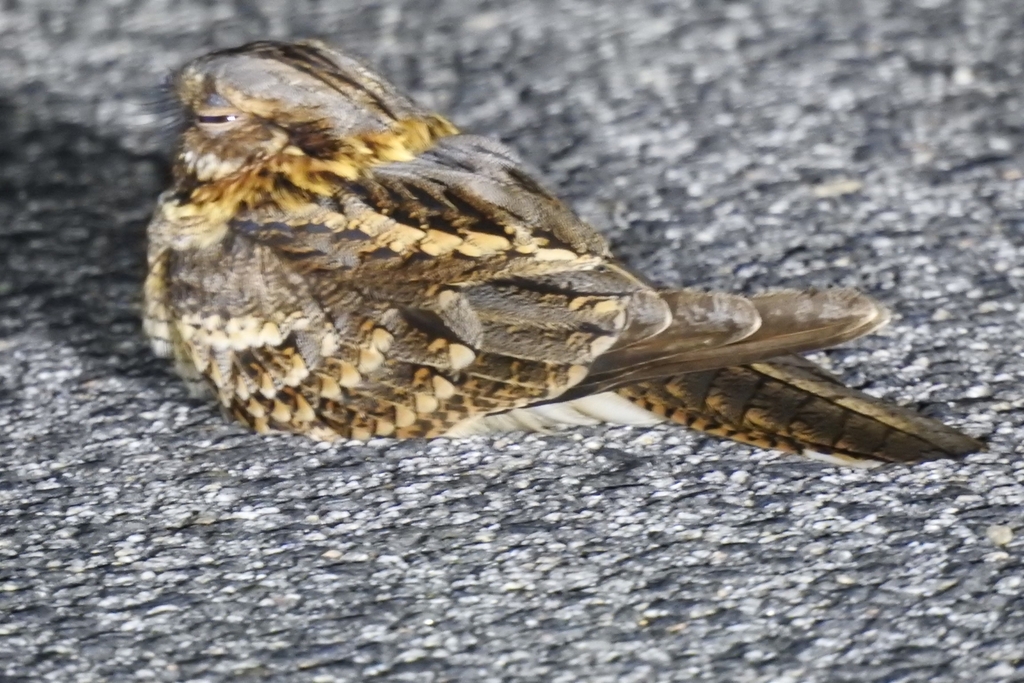
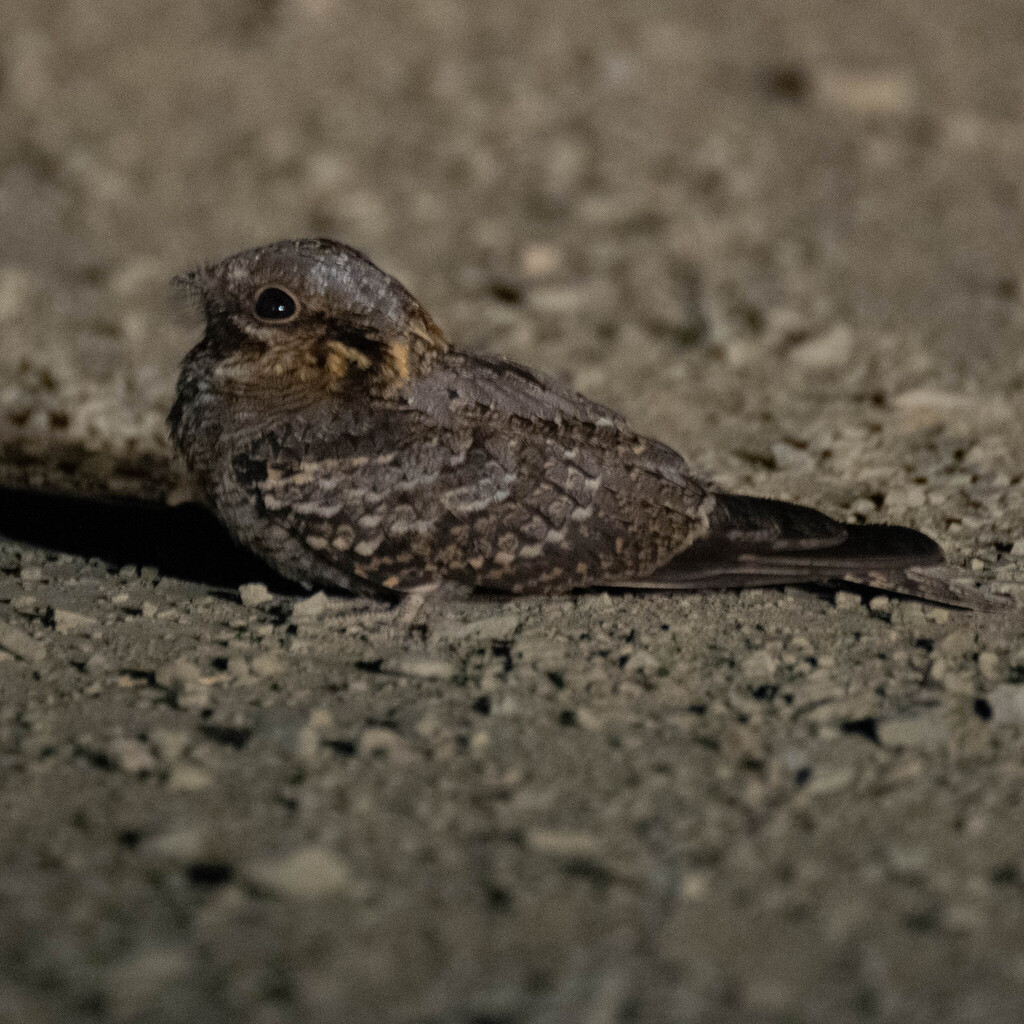
El chotacabras cuellirojo, el mayor representante del género Caprimulgus en Europa, y como todos los integrantes de este orden, es un ave que luce un plumaje extraordinariamente mimético que le permite pasar absolutamente inadvertida cuando se posa entre la hojarasca o en la rama de un árbol. Un rasgo identificativo es la posesión de una banda de color herrumbre que, a modo de collar, se extiende por la garganta y el pecho. Las alas y la cola son largas y aparecen adornadas en su extremo por llamativos ocelos blancos (visibles solo en vuelo) que resultan más evidentes en el macho El vuelo es errático, como vaporoso, a veces operado con profundos aleteos que el ave alterna con frecuentes planeos mientras mantiene las alas en forma de “V”The largest nightjar in Europe, famous for its extraordinarily cryptic 'bark' plumage. It is distinguished from the European Nightjar by a prominent orange-brown ('rust') collar around its neck. It has long wings and tail with large white spots at the ends. Like all nightjars, it has a tiny beak but a massive gape, tactile bristles around the mouth, and huge dark eyes for hunting nocturnal swifts and moths.
DistribuciónDistribution
Se trata de una especie estival en la Península, donde ocupa preferentemente el centro, el sur y el levante, y asciende hasta el valle del Ebro. Escasea o falta por completo en la mitad norte y en las regiones montañosas. Ocupa Melilla y puntualmente Canarias y está ausente en Baleares y en Ceuta. Aquí habita la subespecie ruficollis, que también ocupa algunos puntos del norte de África.Summer resident, occupying central, southern, and eastern Spain up to the Ebro Valley. Absent from the humid north and high mountains. Present in Melilla and occasionally Canaries. Subspecies 'ruficollis'.
Textos reproducidos con permiso de laTexts translated and reproduced with permission from the Guía de Aves de España © SEO/BirdLife
Estado de conservaciónConservation Status
- EX
- RE
- CR
- EN
- VU
- NT
- LC
VulnerableVulnerable
Qué significa cada categoríaWhat each category means
- LC
- Preocupación menor: Taxón evaluado que no califica para categorías amenazadas. Especies abundantes y ampliamente distribuidasLeast Concern - Evaluated taxon that does not qualify for threatened categories. Widespread and abundant taxa
- NT
- Casi amenazada: No califica actualmente como amenazada, pero está cerca de calificar o es probable que califique en el futuro cercanoNear Threatened - Does not currently qualify as threatened, but is close to qualifying or likely to qualify in the near future
- VU
- Vulnerable: Enfrenta un alto riesgo de extinción en estado silvestre según los criterios A a E de IUCNVulnerable - Facing a high risk of extinction in the wild based on IUCN criteria A to E
- EN
- En peligro: Enfrenta un riesgo muy alto de extinción en estado silvestre según los criterios A a E de IUCNEndangered - Facing a very high risk of extinction in the wild based on IUCN criteria A to E
- CR
- En peligro crítico: Enfrenta un riesgo extremadamente alto de extinción en estado silvestre según los criterios A a E de IUCNCritically Endangered - Facing an extremely high risk of extinction in the wild based on IUCN criteria A to E
- DD
- Datos insuficientes: Información inadecuada para evaluar el riesgo de extinción basándose en distribución o estado poblacionalData Deficient - Inadequate information to assess extinction risk based on distribution and/or population status
- NE
- No evaluada: No ha sido evaluada aún contra los criterios de la Lista Roja de IUCNNot Evaluated - Has not yet been assessed against the IUCN Red List criteria
- RE
- Extinta regionalmente: El taxón ya no existe en la región específica, aunque puede sobrevivir en otros lugaresRegionally Extinct - Taxon no longer exists in the specific region, though it may survive elsewhere
- EX
- Extinta - No existe duda razonable de que ha muerto el último individuo del taxónExtinct - No reasonable doubt that the last individual of the taxon has died
TaxonomíaTaxonomy
- OrdenOrder
- Caprimulgiformes
- FamiliaFamily
- Caprimulgidae
Presencia en EspañaPresence in Spain
- EstivalSummer visitor
- HabitualRegular
En la app: abril a octubre.In the app: April to October.
Revisión científica de BirdPedyBirdPedy scientific review
Revisada por BirdPedy el 28/10/2026 ·Reviewed by BirdPedy on 28 October 2026 · Cómo revisamosHow we review
Estado de amenazaThreat status
El Libro Rojo de las Aves de España de 2021 clasifica la especie como vulnerable (VU) por la caída de su población [1], y su ficha de seo.org lo recoge: “la especie aparece como VU – Vulnerable en el Libro Rojo de las Aves de España 2021” [2]. En BirdPedy figura como vulnerable desde la versión 4.0; antes figuraba como en peligro (EN).
ReferenciasReferences
- SEO/BirdLife (2021). Libro Rojo de las Aves de España. Madrid.SEO/BirdLife (2021). Libro Rojo de las Aves de España (Red Data Book of the Birds of Spain). Madrid. seo.org
- SEO/BirdLife. Guía de aves de seo.org, ficha: Chotacabras cuellirrojo (consultada el 23/10/2026).SEO/BirdLife. Bird guide on seo.org, Red-necked Nightjar account (accessed 23 October 2026). seo.org
Dónde verlaWhere to see it
1.132 cuadrículas de 10 km con registros de 2020 a 2024. Toca un mes para ver dónde se ha visto.1,132 10 km squares with records from 2020 to 2024. Pick a month to see where it has been seen.
Cargando el mapa…Loading the map…
Dónde es regularWhere it is regular
Provincias con registros en al menos 3 de los 5 años algún mes, de más a menos frecuente, y sus mejores meses.Provinces with records in at least 3 of the 5 years in some month, from most to least frequent, and their best months.
- MurciaMurciajulio, mayo, junioJuly, May, June
- JaénJaénmayo, junio, agostoMay, June, August
- HuelvaHuelvaagosto, junio, julioAugust, June, July
- CastellónCastellónagosto, mayo, junioAugust, May, June
- AlicanteAlicantejulio, agosto, mayoJuly, August, May
- SevillaSevillamayo, julio, junioMay, July, June
- ToledoToledojulio, junio, mayoJuly, June, May
- BadajozBadajozmayo, julio, junioMay, July, June
- ValenciaValenciamayo, junio, julioMay, June, July
- CórdobaCórdobajunio, mayo, julioJune, May, July
Ver las 33 provinciasSee all 33 provinces
- Ciudad RealCiudad Realjulio, agosto, junioJuly, August, June
- TarragonaTarragonajulio, mayo, junioJuly, May, June
- MálagaMálagajulio, mayo, junioJuly, May, June
- LleidaLleidajunio, septiembre, mayoJune, September, May
- CádizCádizjulio, junio, agostoJuly, June, August
- AlmeríaAlmeríajunio, julio, mayoJune, July, May
- CeutaCeutaoctubreOctober
- AlbaceteAlbacetejulio, junio, mayoJuly, June, May
- MadridMadridmayo, junio, julioMay, June, July
- CáceresCáceresjulio, mayo, junioJuly, May, June
- GranadaGranadamayo, junio, julioMay, June, July
- TeruelTerueljulio, mayoJuly, May
- BarcelonaBarcelonajunio, mayo, julioJune, May, July
- HuescaHuescamayo, junio, julioMay, June, July
- GuadalajaraGuadalajaramayoMay
- ZaragozaZaragozajunio, julio, mayoJune, July, May
- CuencaCuencajulio, mayo, junioJuly, May, June
- SalamancaSalamancajunio, mayo, julioJune, May, July
- ÁvilaÁvilajulio, junioJuly, June
- ZamoraZamorajunio, mayo, julioJune, May, July
- GironaGironajunio, julio, mayoJune, July, May
- ValladolidValladolidmayoMay
- NavarraNavarrajulio, mayo, abrilJuly, May, April
Datos: registros en GBIF de 2020 a 2024 de Observation.org, eBird, iNaturalist y el ICO, descargados el 23/10/2026.Data: GBIF records from 2020 to 2024 from Observation.org, eBird, iNaturalist and the ICO, downloaded on 23/10/2026. GBIF.org (23 October 2026) GBIF Occurrence Download · doi:10.15468/dl.r5sf2a · CC BY-NC 4.0
GaleríaGallery
© Christoph Moning · CC BY · iNaturalist 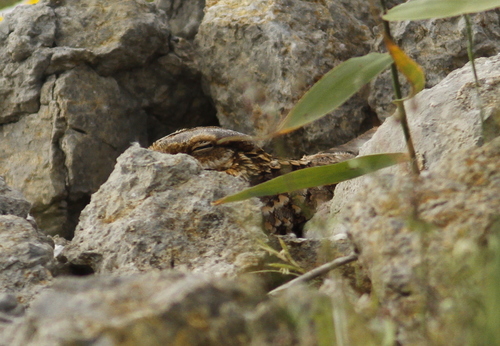
© Julien Renoult · CC BY · iNaturalist 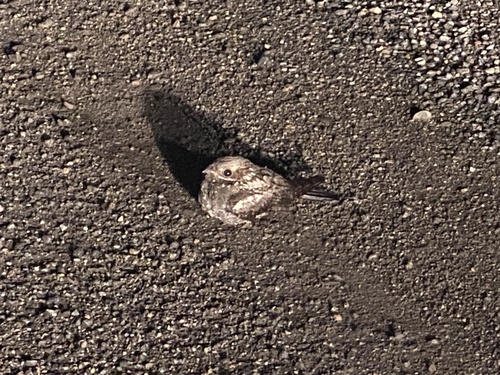
© Naturalista · CC BY · iNaturalist 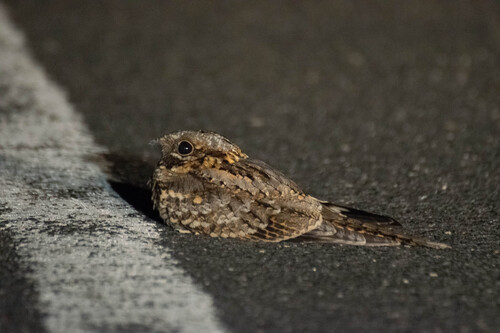
© Nuno Fialho · CC BY · iNaturalist 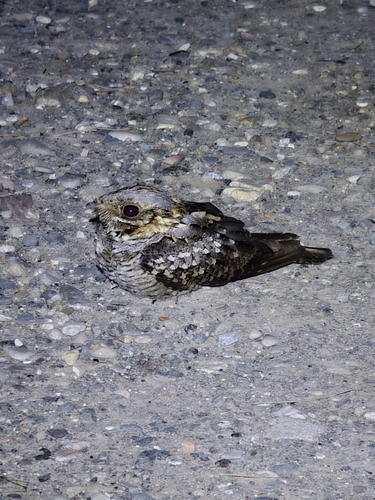
© Jacek Pietruszewski · CC BY · iNaturalist 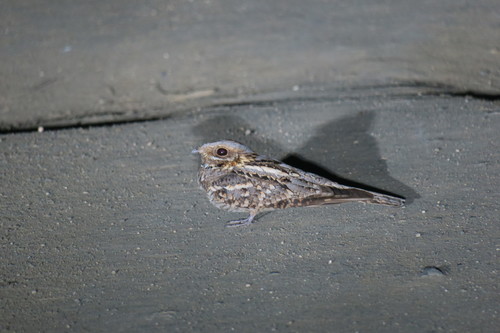
© Julia Moning · CC BY · iNaturalist 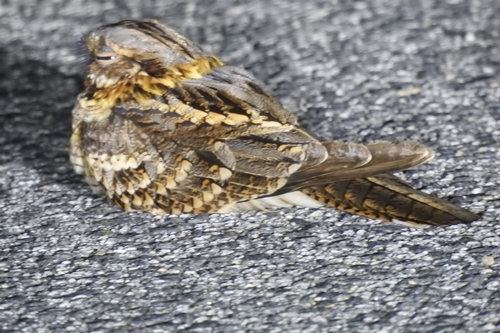
© David Pereira · CC BY · iNaturalist 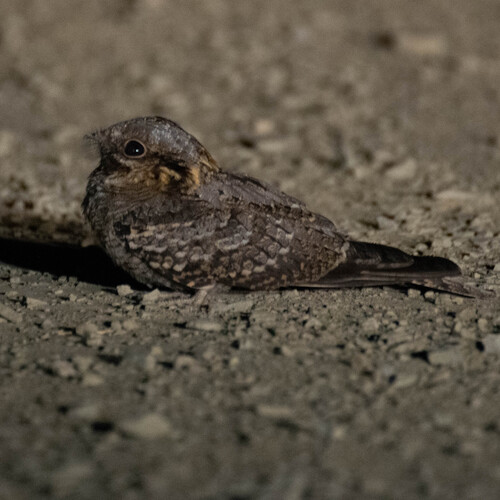
© Nuno Fialho · CC BY · iNaturalist 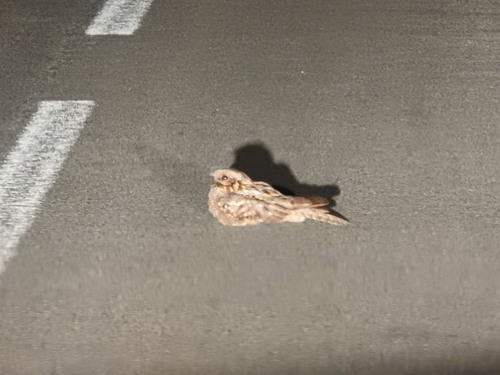
© Duarte Frade · CC BY · iNaturalist 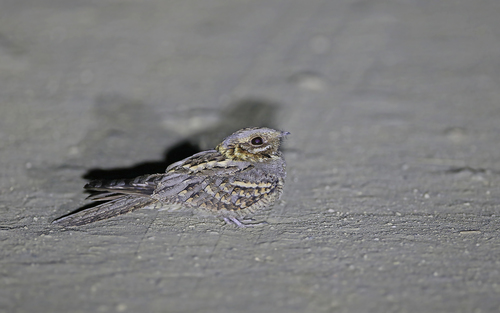
© Christoph Moning · CC BY · iNaturalist
Especies relacionadasRelated species
Otras aves de la familia Caprimulgidae y de órdenes cercanos.Other birds from the Caprimulgidae family and nearby orders.
- LegendarioLegendary
 Añapero yanquiCommon NighthawkChordeiles minor
- LegendarioLegendary
 Chotacabras egipcioEgyptian NightjarCaprimulgus aegyptius
- Poco comúnUncommon
 Chotacabras europeoEuropean NightjarCaprimulgus europaeus
- RaroRare
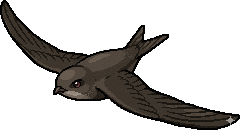 Vencejo unicolorPlain SwiftApus unicolor
- ComúnCommon
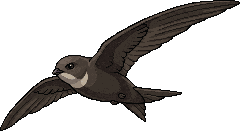 Vencejo comúnCommon SwiftApus apus
- Poco comúnUncommon
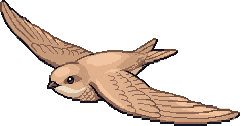 Vencejo pálidoPallid SwiftApus pallidus
- RaroRare
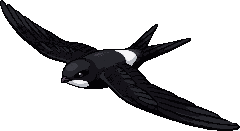 Vencejo cafreWhite-rumped SwiftApus caffer
- ComúnCommon
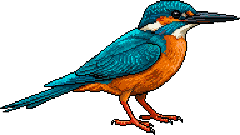 Martín pescador comúnCommon KingfisherAlcedo atthis
 Gratis, sin anuncios ni comprasFree, no ads, no purchases