 BirdPedy
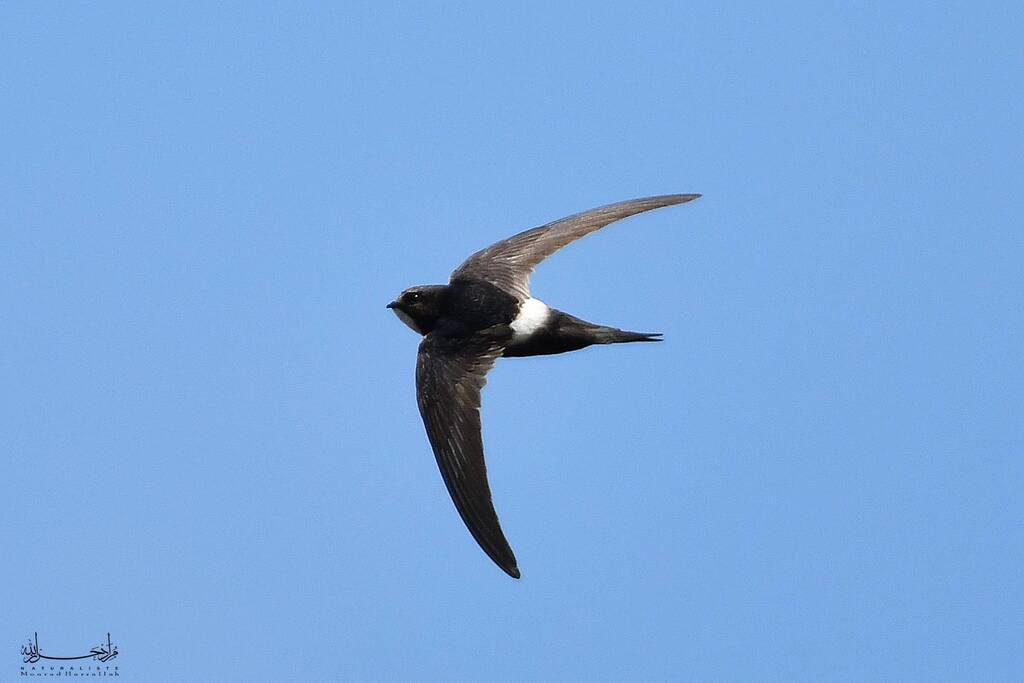
Vencejo cafreWhite-rumped Swift
En 14 provincias en junio y sin registros 5 meses del añoIn 14 provinces in June, and no records in 5 months of the year
Reporte de rarezaRarity report
Por qué es raroWhy it is rareEntre 2020 y 2024 se vio en España en 377 ocasiones distintas, que suman 516 días, todos los años (datos de Observation.org, eBird y iNaturalist publicados en GBIF). En la guía de aves de SEO/BirdLife figura como habitual en España.Between 2020 and 2024 it was seen in Spain on 377 separate occasions, adding up to 516 days, every year (data from Observation.org, eBird and iNaturalist published on GBIF). SEO/BirdLife's bird guide lists it as regular in Spain.
Cada carrizo es un mes: su altura, las provincias con registros de 2020 a 2024.Each reed is a month: its height, the provinces with records from 2020 to 2024.- Provincias con registrosProvinces with records
- 19 de 52of 52
- En la appIn the app
- Mayo a octubreMay to October
- EnvergaduraWingspan
- 35 cm35 cm
- LongitudLength
- 14 cm14 cm
- Lista Roja de EspañaSpanish Red List
- NT Casi amenazadaNear Threatened

Información generalGeneral Information
Vencejo de origen subsahariano, fue visto en España por primera vez en 1964, y dos años después se confirmó su cría en Cádiz. Su expansión ha sido muy lenta, y la población, muy pequeña y con su límite norte en la provincia de Cáceres, tal vez se limite a tan solo 150 parejas. Se distribuye de modo muy disperso en diez provincias del suroeste ibérico. Cría casi exclusivamente en nidos usurpados a la golondrina dáurica. La aún más reciente colonización del vencejo moro obliga a extremar la atención en la identificación de los vencejos culiblancos.A colonized species from sub-Saharan Africa, first recorded in Spain in 1964 and confirmed breeding shortly after. Its expansion has been slow, and the population remains small—estimated at only 150 pairs. It is a specialist that breeds almost exclusively in the abandoned or usurped mud nests of Red-rumped Swallows. Its recent arrival highlights the dynamic nature of Iberian bird life and the need for careful identification of white-rumped swift species.
IdentificaciónIdentification
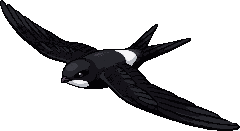
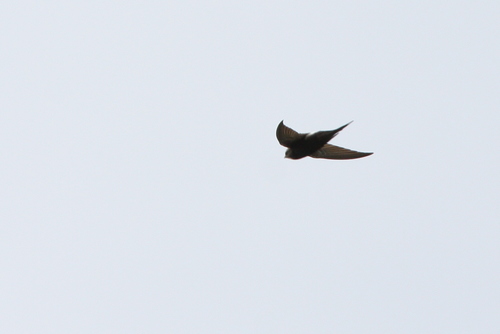
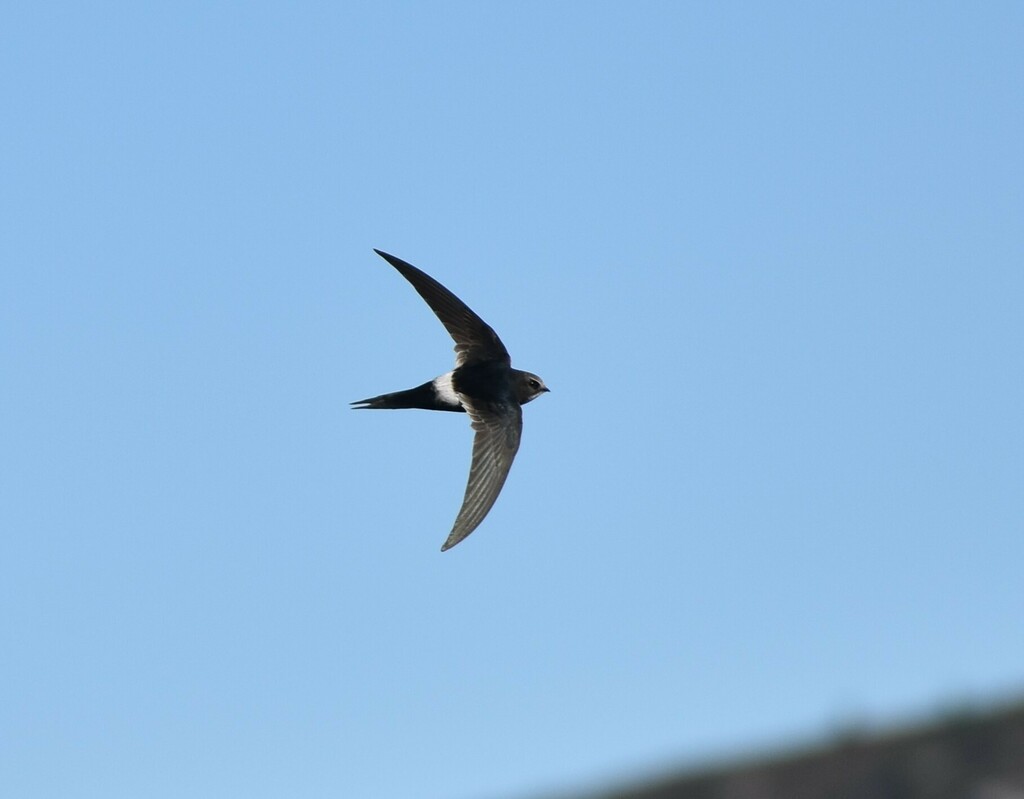
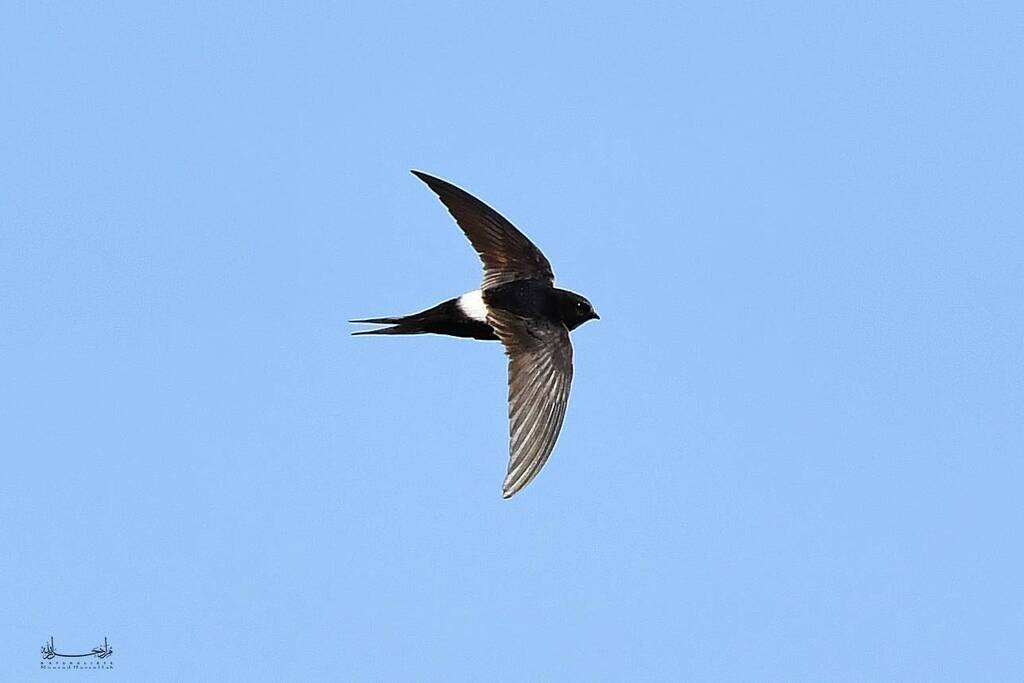
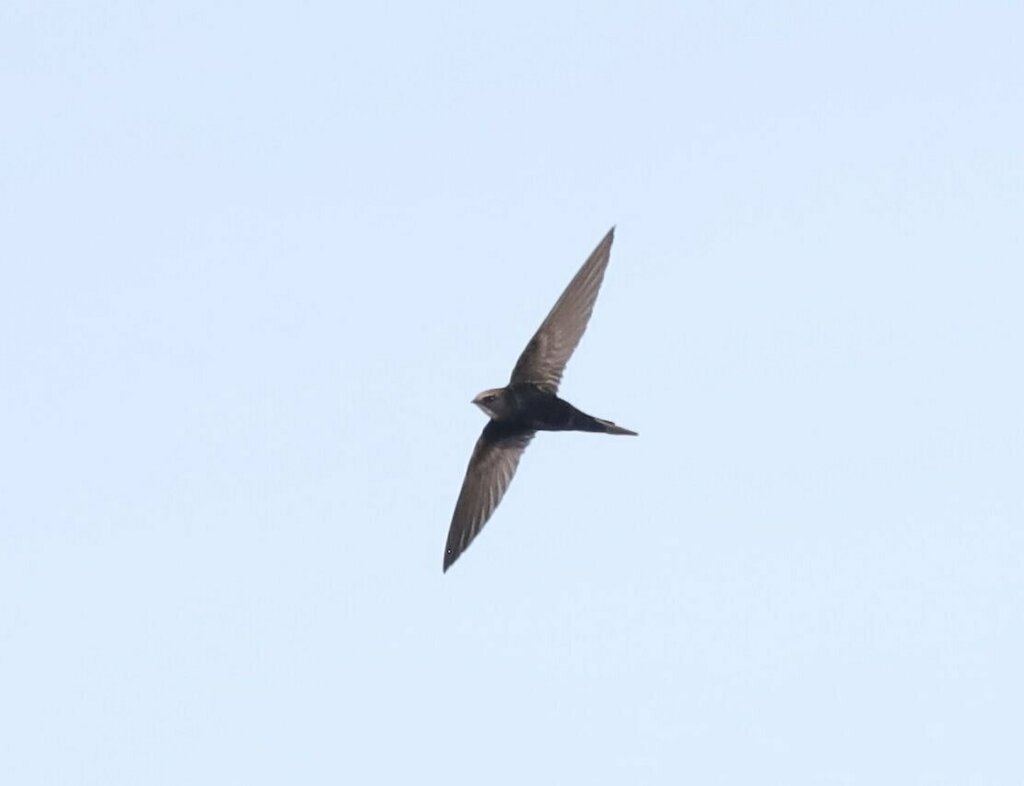
El vencejo cafre, de pequeño tamaño y con silueta en forma de ballesta, tiene cola muy ahorquillada y alas estrechas y proporcionalmente muy largas, que suele mantener rectas mientras vuela. Posee pico corto, plano y con la boca muy ancha, patas muy cortas y pies pequeños y de fuertes garras, con los cuatro dedos dirigidos hacia delante. Luce una coloración uniformemente negra, excepto en la garganta y en una banda estrecha del obispillo, que son blancas y de límites nítidos. Otros detalles solo apreciables en observaciones muy cercanas son una línea blanca en la parte posterior interna de las alas (punta de las plumas secundarias), y la frente y las cejas de tono grisáceo. Se diferencia del similar vencejo moro porque este carece de horquilla en la cola y tiene la mancha del obispillo mayor, el tono general más claro y las alas más cortas. Ambos sexos son iguales. Los jóvenes, muy parecidos a los adultos, presentan ribetes blancos muy pequeños en las plumas.A small, very slender swift with a classic crossbow silhouette, deeply forked tail, and exceptionally long, narrow wings. It is almost entirely blackish-brown but is characterized by a diagnostic, narrow pure-white rump band and a small white throat patch. It is similar to the Little Swift but distinguished by its more forked tail and narrower rump band. Both sexes are identical. Its flight is extremely fast and agile, often performing straight, linear dashes through the air.
DistribuciónDistribution
Ave estrictamente estival en España, este vencejo está muy localizado en el cuadrante suroeste ibérico (llegando hasta Zamora), presenta un núcleo más importante en las sierras de Cádiz y adyacentes, donde se produjeron las primeras citas en nuestro país, allá por 1964. No cría en los archipiélagos ni en los territorios norteafricanos. Probablemente el área conocida infravalora la realidad debido a la difícil detección.Strictly a summer visitor, highly localized in the southwest (from Cádiz up to Zamora). The core population remains in the Sierra de Cádiz and adjacent areas. It is absent from the archipelagos and North African territories. Its actual range might be underestimated due to the difficulty of detection.
Textos reproducidos con permiso de laTexts translated and reproduced with permission from the Guía de Aves de España © SEO/BirdLife
Estado de conservaciónConservation Status
- EX
- RE
- CR
- EN
- VU
- NT
- LC
Casi amenazadaNear Threatened
Qué significa cada categoríaWhat each category means
- LC
- Preocupación menor: Taxón evaluado que no califica para categorías amenazadas. Especies abundantes y ampliamente distribuidasLeast Concern - Evaluated taxon that does not qualify for threatened categories. Widespread and abundant taxa
- NT
- Casi amenazada: No califica actualmente como amenazada, pero está cerca de calificar o es probable que califique en el futuro cercanoNear Threatened - Does not currently qualify as threatened, but is close to qualifying or likely to qualify in the near future
- VU
- Vulnerable: Enfrenta un alto riesgo de extinción en estado silvestre según los criterios A a E de IUCNVulnerable - Facing a high risk of extinction in the wild based on IUCN criteria A to E
- EN
- En peligro: Enfrenta un riesgo muy alto de extinción en estado silvestre según los criterios A a E de IUCNEndangered - Facing a very high risk of extinction in the wild based on IUCN criteria A to E
- CR
- En peligro crítico: Enfrenta un riesgo extremadamente alto de extinción en estado silvestre según los criterios A a E de IUCNCritically Endangered - Facing an extremely high risk of extinction in the wild based on IUCN criteria A to E
- DD
- Datos insuficientes: Información inadecuada para evaluar el riesgo de extinción basándose en distribución o estado poblacionalData Deficient - Inadequate information to assess extinction risk based on distribution and/or population status
- NE
- No evaluada: No ha sido evaluada aún contra los criterios de la Lista Roja de IUCNNot Evaluated - Has not yet been assessed against the IUCN Red List criteria
- RE
- Extinta regionalmente: El taxón ya no existe en la región específica, aunque puede sobrevivir en otros lugaresRegionally Extinct - Taxon no longer exists in the specific region, though it may survive elsewhere
- EX
- Extinta - No existe duda razonable de que ha muerto el último individuo del taxónExtinct - No reasonable doubt that the last individual of the taxon has died
TaxonomíaTaxonomy
- OrdenOrder
- Apodiformes
- FamiliaFamily
- Apodidae
Presencia en EspañaPresence in Spain
- EstivalSummer visitor
- HabitualRegular
En la app: mayo a octubre.In the app: May to October.
Dónde verlaWhere to see it
171 cuadrículas de 10 km con registros de 2020 a 2024. Toca un mes para ver dónde se ha visto.171 10 km squares with records from 2020 to 2024. Pick a month to see where it has been seen.
Cargando el mapa…Loading the map…
Dónde es regularWhere it is regular
Provincias con registros en al menos 3 de los 5 años algún mes, de más a menos frecuente, y sus mejores meses.Provinces with records in at least 3 of the 5 years in some month, from most to least frequent, and their best months.
- SevillaSevillajunio, julio, agostoJune, July, August
- JaénJaénjulio, agosto, septiembreJuly, August, September
- CáceresCáceresmayo, junio, julioMay, June, July
- CórdobaCórdobajunio, agosto, julioJune, August, July
- HuelvaHuelvajunio, agosto, septiembreJune, August, September
- GranadaGranadajunio, agostoJune, August
- CádizCádizjunio, julio, mayoJune, July, May
- BadajozBadajozjunio, julio, septiembreJune, July, September
- ToledoToledojunio, mayoJune, May
- Ciudad RealCiudad Realjulio, agosto, junioJuly, August, June
Ver las 12 provinciasSee all 12 provinces
- MálagaMálagaagosto, junio, julioAugust, June, July
- MadridMadridjunioJune
Datos: registros en GBIF de 2020 a 2024 de Observation.org, eBird, iNaturalist y el ICO, descargados el 23/10/2026.Data: GBIF records from 2020 to 2024 from Observation.org, eBird, iNaturalist and the ICO, downloaded on 23/10/2026. GBIF.org (23 October 2026) GBIF Occurrence Download · doi:10.15468/dl.r5sf2a · CC BY-NC 4.0
GaleríaGallery
© Christoph Moning · CC BY · iNaturalist 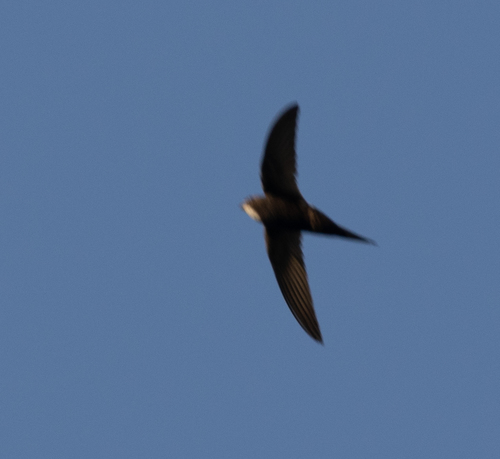
© avocat · CC BY · iNaturalist 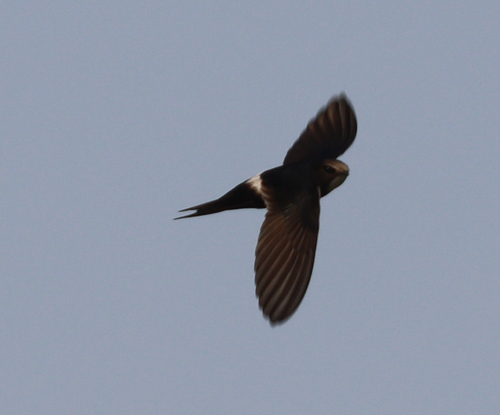
© avocat · CC BY · iNaturalist 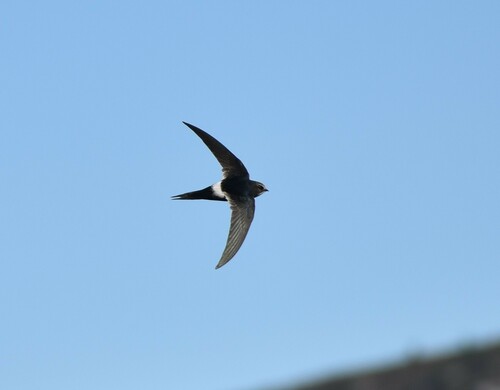
© Justin Ponder · CC BY · iNaturalist 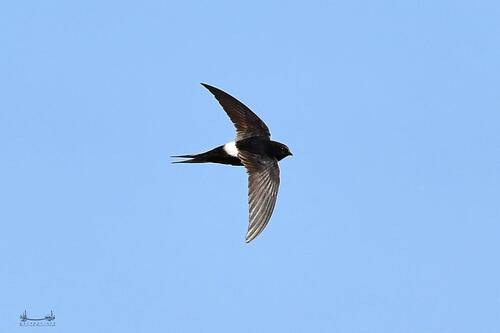
© Mourad Harzallah · CC BY · iNaturalist 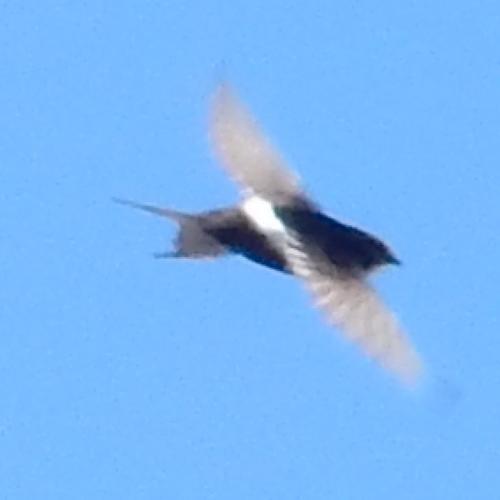
© Henry de Lange · CC BY · iNaturalist 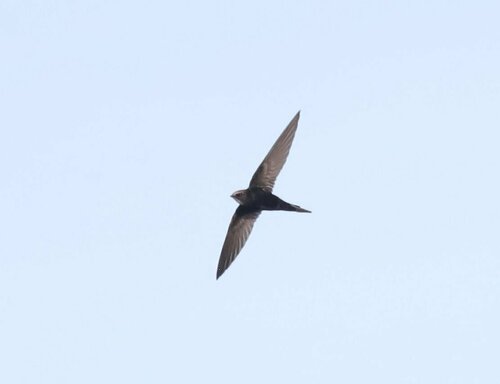
© Paul Hoekman · CC BY · iNaturalist 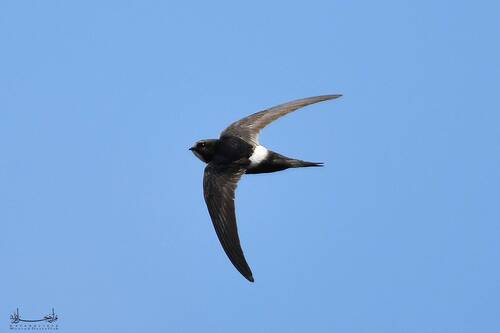
© Mourad Harzallah · CC BY · iNaturalist
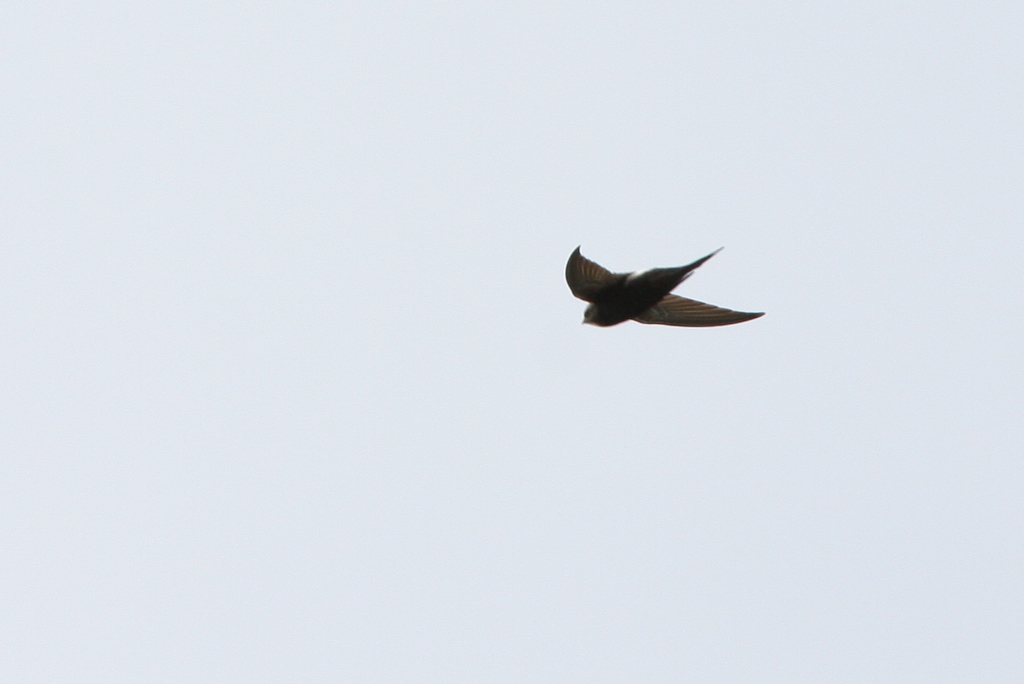
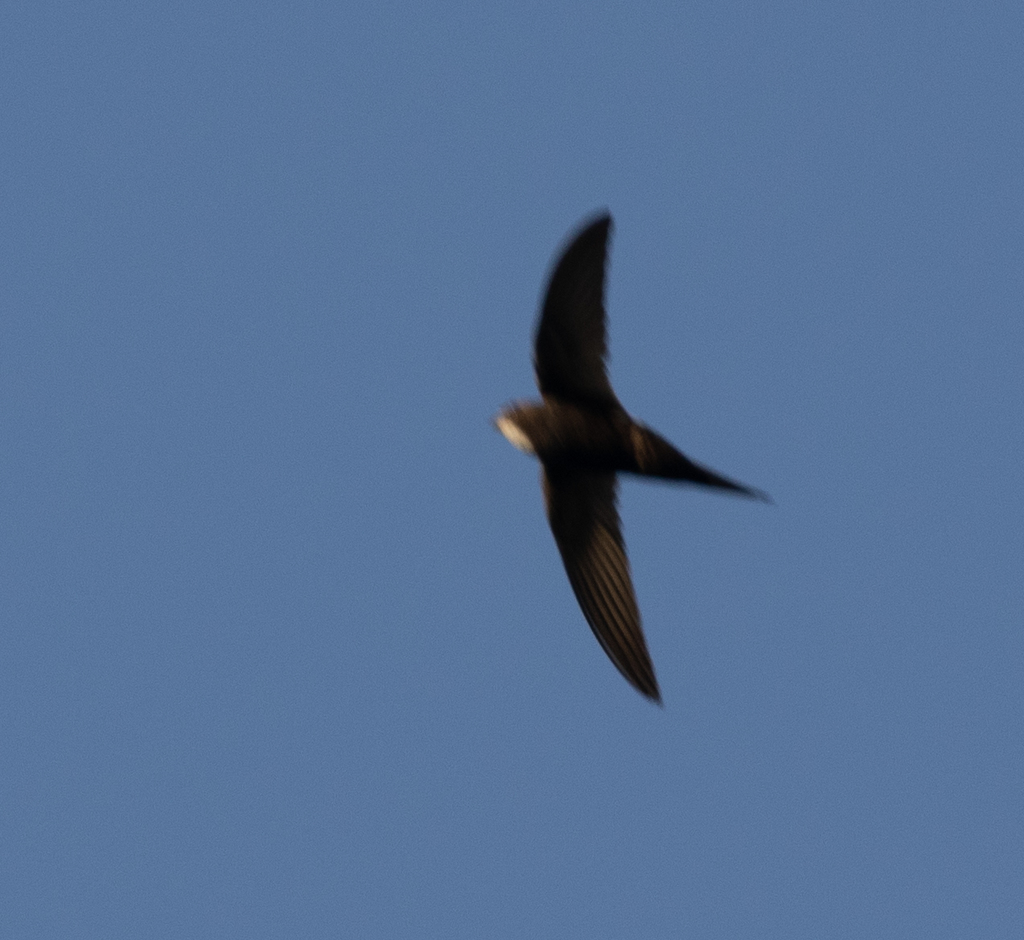
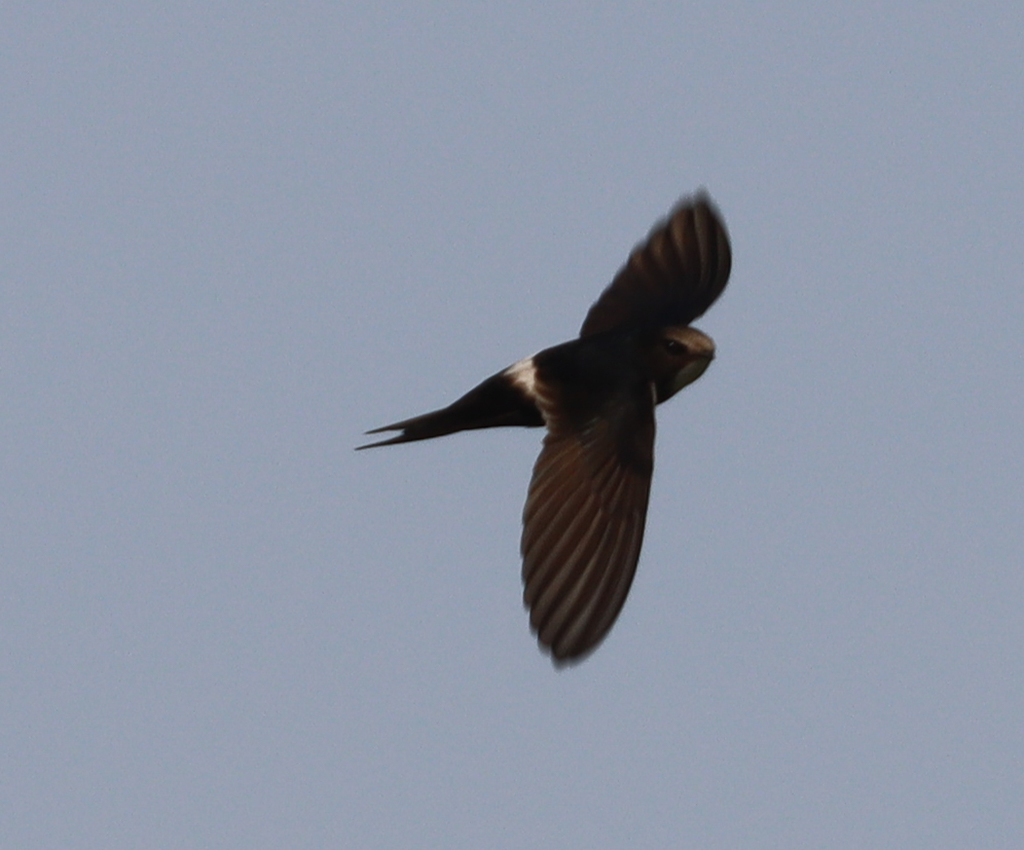
Especies relacionadasRelated species
Otras aves de la familia Apodidae y de órdenes cercanos.Other birds from the Apodidae family and nearby orders.
- LegendarioLegendary
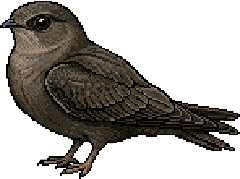 Vencejo de chimeneaChimney SwiftChaetura pelagica
- Poco comúnUncommon
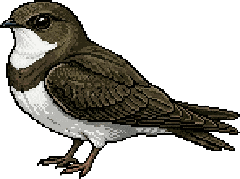 Vencejo realAlpine SwiftTachymarptis melba
- RaroRare
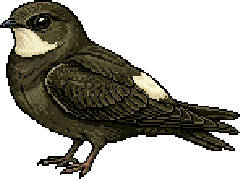 Vencejo moroLittle SwiftApus affinis
- RaroRare
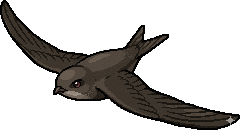 Vencejo unicolorPlain SwiftApus unicolor
- ComúnCommon
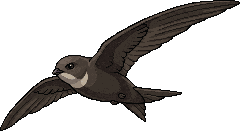 Vencejo comúnCommon SwiftApus apus
- Poco comúnUncommon
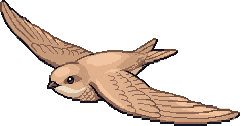 Vencejo pálidoPallid SwiftApus pallidus
- ComúnCommon
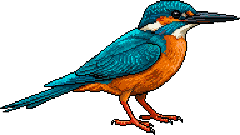 Martín pescador comúnCommon KingfisherAlcedo atthis
- ComúnCommon
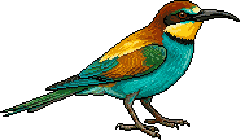 Abejaruco europeoEuropean Bee-eaterMerops apiaster
 Gratis, sin anuncios ni comprasFree, no ads, no purchases