 BirdPedy
Chotacabras europeoEuropean Nightjar
En 46 provincias en mayo y sin registros un mes del añoIn 46 provinces in May, and no records in one month of the year
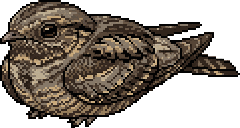
Reporte de rarezaRarity report
Por qué es poco comúnWhy it is uncommonEstival migradora de hábitos crepusculares. Se distribuye bien por zonas forestales abiertas, brezales y monte bajo de la mitad norte peninsular, siendo más escasa hacia el sur.A summer migrant active at dusk. It is well distributed across open woodland, heathland and low scrub in the northern half of the Peninsula, and scarcer toward the south.
Cada carrizo es un mes: su altura, las provincias con registros de 2020 a 2024.Each reed is a month: its height, the provinces with records from 2020 to 2024.- Provincias con registrosProvinces with records
- 49 de 52of 52
- En la appIn the app
- Abril a octubreApril to October
- EnvergaduraWingspan
- 52-59 cm52-59 cm
- LongitudLength
- 24-28 cm24-28 cm
- Lista Roja de EspañaSpanish Red List
- LC Preocupación menorLeast Concern

Información generalGeneral Information
El chotacabras europeo es un ave de hábitos nocturnos cuya distribución ibérica no se solapa con la de su pariente cercano, el chotacabras cuellirrojo. Dotado de excelentes cualidades para la caza nocturna de insectos voladores, este habitante de las lindes de bosque, los matorrales y las frescas dehesas del norte peninsular, ha sufrido duramente las transformaciones experimentadas por el campo en las últimas décadas.A master of camouflage and a silent, ghostly hunter of the night. The European Nightjar is a summer visitor that arrives from Africa to breed in forest edges and heaths. Its name 'Goatsucker' comes from an ancient, false belief that it milked goats at night, when in reality it was only catching the insects attracted to livestock.
IdentificaciónIdentification
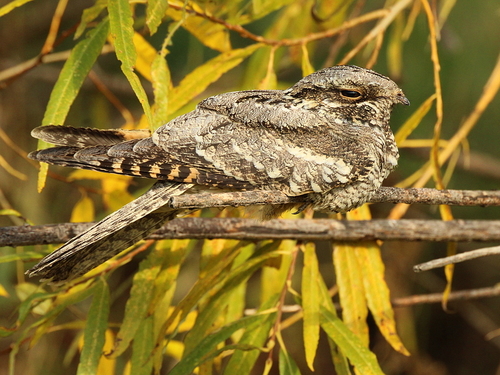
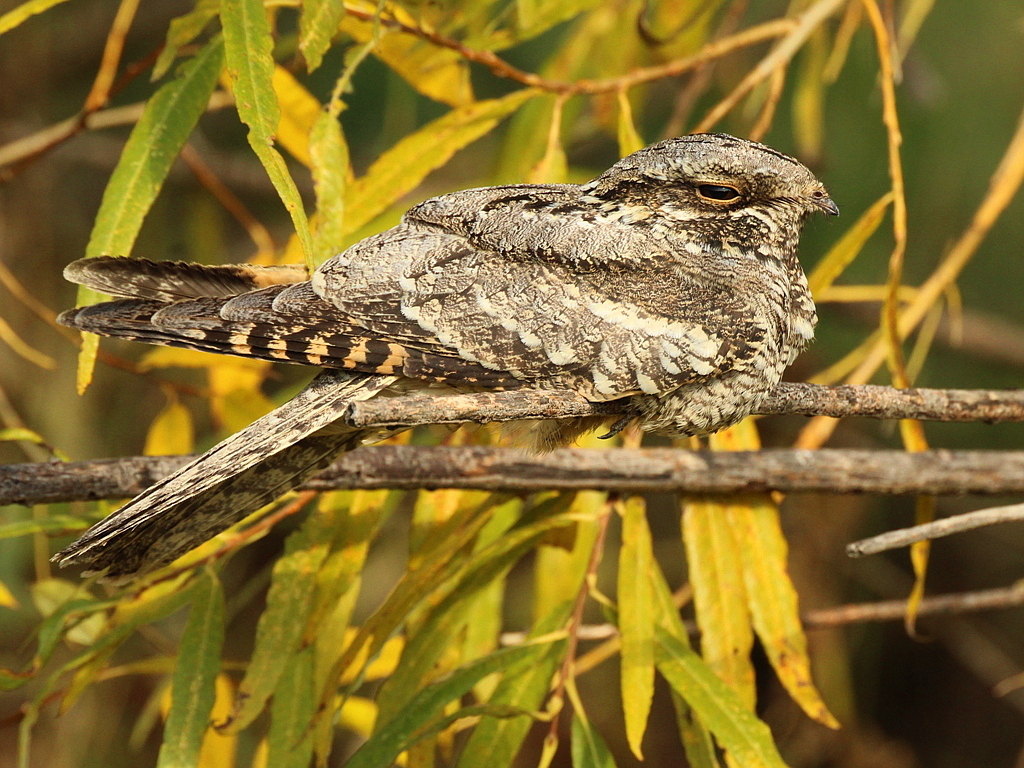
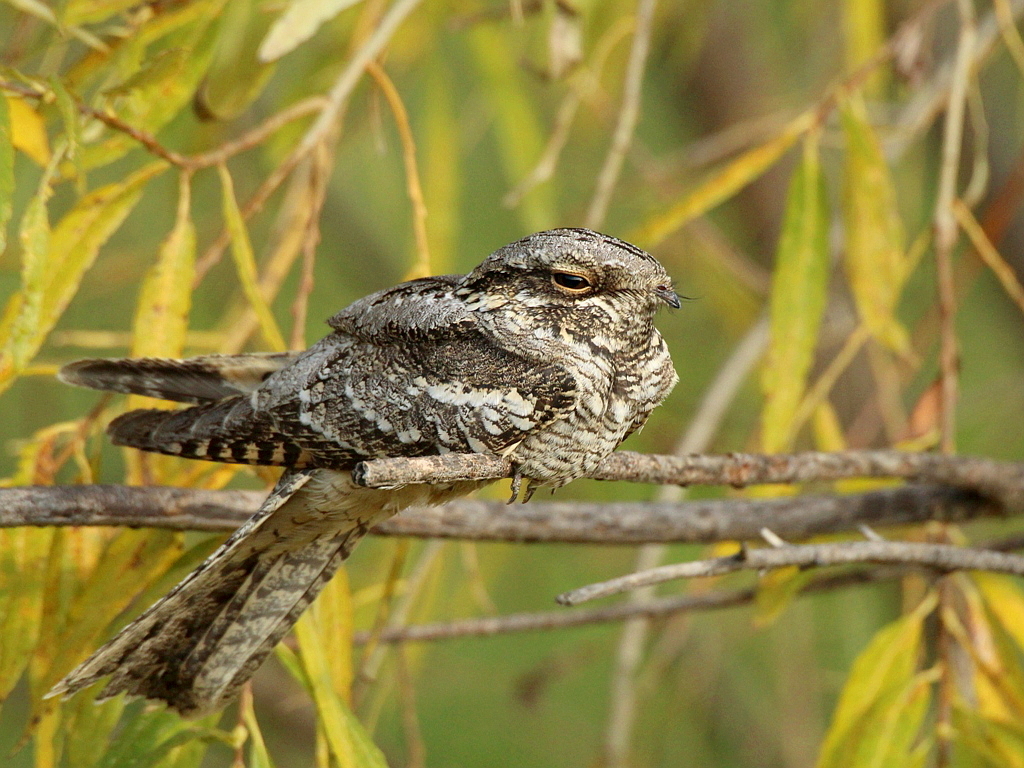
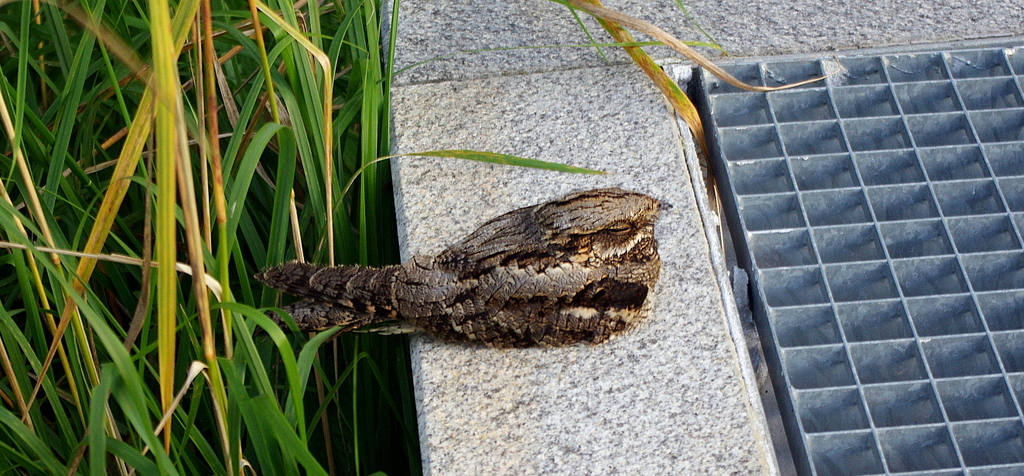
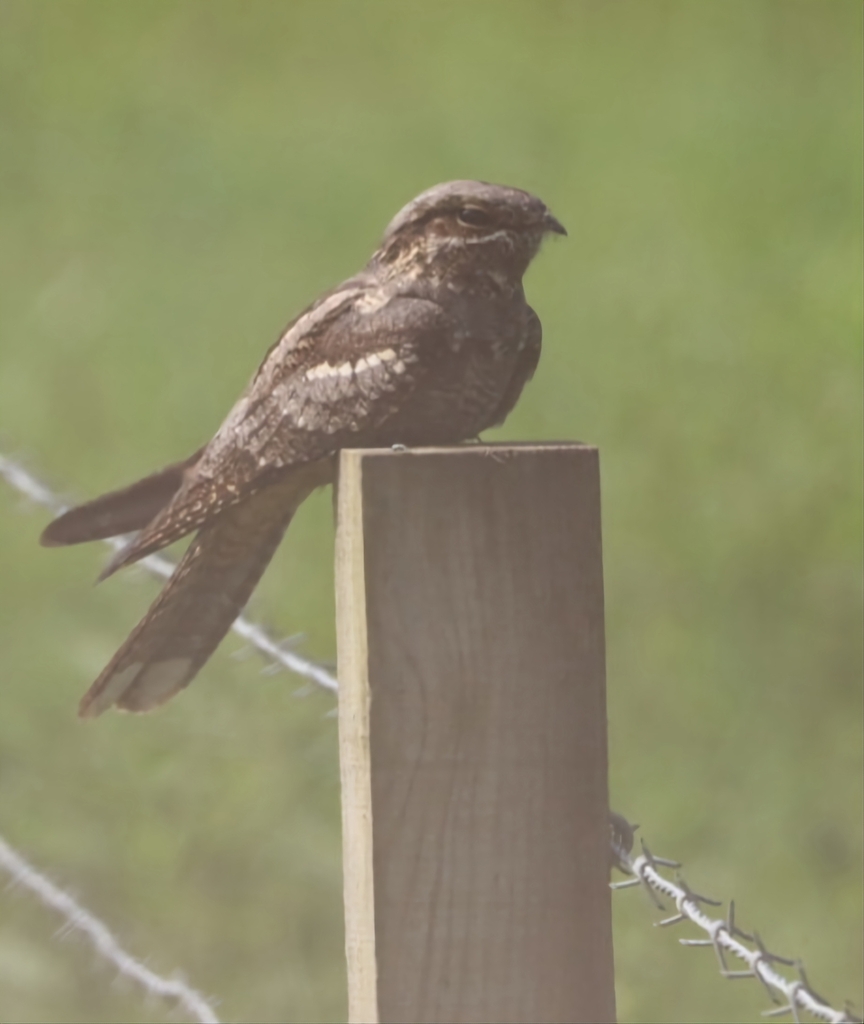
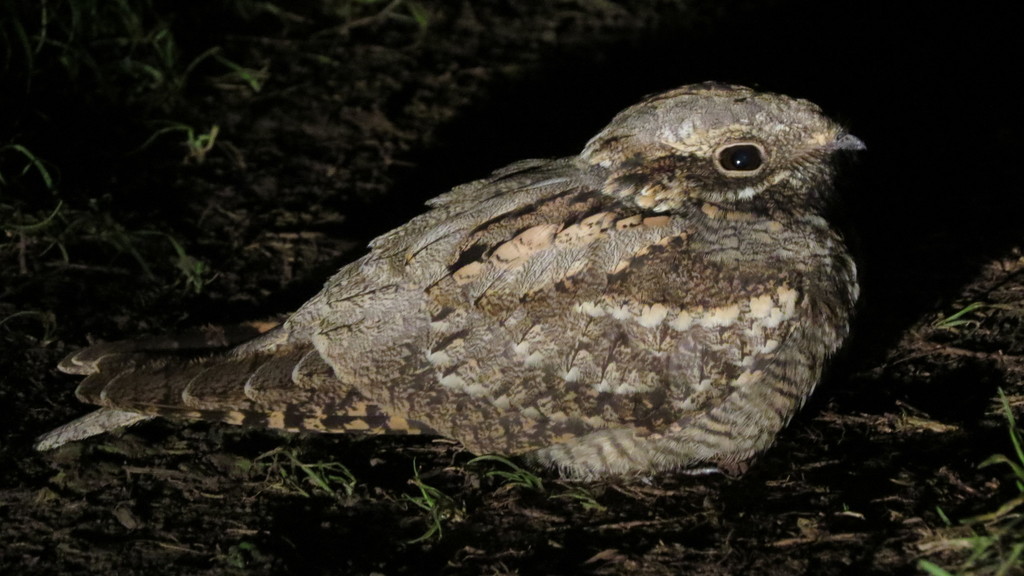
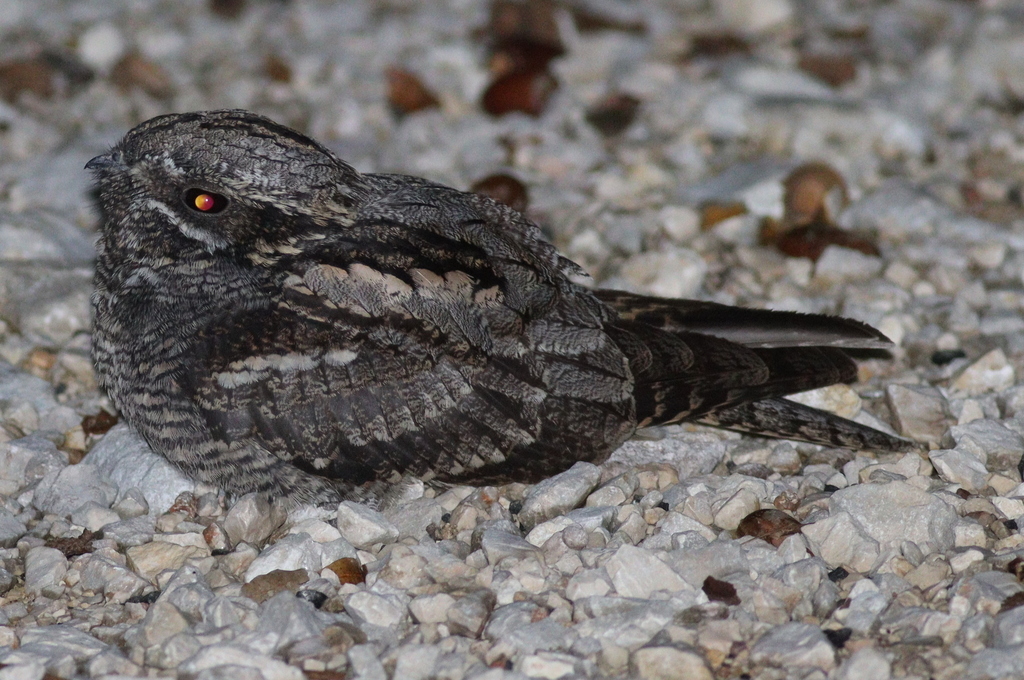
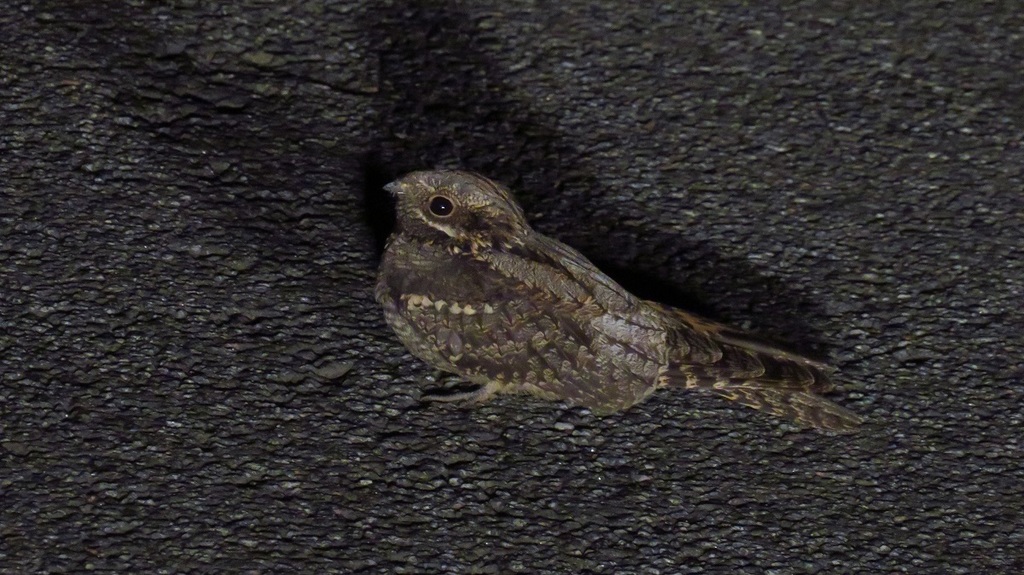
De tamaño algo menor que el chotacabras cuellirrojo, se diferencia de este por su coloración netamente grisácea, profusamente moteada de pardo, blanco ocráceo y negro, así como por la menor longitud de sus alas y cola. Solamente el macho luce manchas blancas en las plumas de vuelo y en los laterales de la garganta, aunque ambos sexos presentan una banda blanquecina sobre las coberteras alares y una zona oscura a la altura de los hombros. El vuelo es errático, con algunos cernidos espasmódicos y planeos con las alas en forma de “V”.A medium-sized nocturnal bird with incredibly cryptic gray-and-brown plumage that mimics leaf litter or bark. It has shorter wings and a shorter tail than the Red-necked Nightjar and is overall more grayish. Males have diagnostic white spots on the wingtips and tail edges. It has a huge mouth for catching insects in flight and large black eyes. Its song is a long, mechanical, rhythmic 'churrr'.
DistribuciónDistribution
Este caprimúlgido, estrictamente estival en nuestro territorio, se distribuye principalmente por las regiones no ocupadas por el chotacabras cuellirrojo. Resulta más frecuente, por tanto, en la mitad norte y las regiones montañosas del sur, como las serranías béticas y penibéticas, si bien existen registros recientes del valle del Guadalquivir y el sureste peninsular. Cría en Baleares y Ceuta, aunque en esta última localidad escasea. En España habita la subespecie meridionalis.Mainly found in the northern half and mountain ranges of the south (Betic systems). Strictly a summer resident. Breeds also in Baleares and Ceuta. Subspecies 'meridionalis'.
Textos reproducidos con permiso de laTexts translated and reproduced with permission from the Guía de Aves de España © SEO/BirdLife
Estado de conservaciónConservation Status
- EX
- RE
- CR
- EN
- VU
- NT
- LC
Preocupación menorLeast Concern
Qué significa cada categoríaWhat each category means
- LC
- Preocupación menor: Taxón evaluado que no califica para categorías amenazadas. Especies abundantes y ampliamente distribuidasLeast Concern - Evaluated taxon that does not qualify for threatened categories. Widespread and abundant taxa
- NT
- Casi amenazada: No califica actualmente como amenazada, pero está cerca de calificar o es probable que califique en el futuro cercanoNear Threatened - Does not currently qualify as threatened, but is close to qualifying or likely to qualify in the near future
- VU
- Vulnerable: Enfrenta un alto riesgo de extinción en estado silvestre según los criterios A a E de IUCNVulnerable - Facing a high risk of extinction in the wild based on IUCN criteria A to E
- EN
- En peligro: Enfrenta un riesgo muy alto de extinción en estado silvestre según los criterios A a E de IUCNEndangered - Facing a very high risk of extinction in the wild based on IUCN criteria A to E
- CR
- En peligro crítico: Enfrenta un riesgo extremadamente alto de extinción en estado silvestre según los criterios A a E de IUCNCritically Endangered - Facing an extremely high risk of extinction in the wild based on IUCN criteria A to E
- DD
- Datos insuficientes: Información inadecuada para evaluar el riesgo de extinción basándose en distribución o estado poblacionalData Deficient - Inadequate information to assess extinction risk based on distribution and/or population status
- NE
- No evaluada: No ha sido evaluada aún contra los criterios de la Lista Roja de IUCNNot Evaluated - Has not yet been assessed against the IUCN Red List criteria
- RE
- Extinta regionalmente: El taxón ya no existe en la región específica, aunque puede sobrevivir en otros lugaresRegionally Extinct - Taxon no longer exists in the specific region, though it may survive elsewhere
- EX
- Extinta - No existe duda razonable de que ha muerto el último individuo del taxónExtinct - No reasonable doubt that the last individual of the taxon has died
TaxonomíaTaxonomy
- OrdenOrder
- Caprimulgiformes
- FamiliaFamily
- Caprimulgidae
Presencia en EspañaPresence in Spain
- EstivalSummer visitor
- HabitualRegular
En la app: abril a octubre.In the app: April to October.
Revisión científica de BirdPedyBirdPedy scientific review
Revisada por BirdPedy el 28/10/2026 ·Reviewed by BirdPedy on 28 October 2026 · Cómo revisamosHow we review
HábitatsHabitats
BirdPedy usa 14 categorías de hábitat propias, con definiciones fijas, y apoya cada una en el texto de la ficha de seo.org [1] o, cuando no basta, en el III Atlas u otra fuente sobre España. En esta especie hay decisiones que se apartan de la ficha o que merecen explicación.
Añadimos “Bosque de coníferas”: prefiere sitios con mucho bosque de coníferas y monte bajo [2].
BirdPedy uses 14 habitat categories of its own, with fixed definitions, and supports each one with the text of the seo.org account [1] or, when that is not enough, with the III Atlas or another source on Spain. For this species, some decisions depart from the account or deserve an explanation.
We add “Coniferous forest”: it prefers places with plenty of coniferous forest and scrub [2].
ReferenciasReferences
- SEO/BirdLife. Guía de aves de seo.org, ficha: Chotacabras europeo (consultada el 23/10/2026).SEO/BirdLife. Bird guide on seo.org, European Nightjar account (accessed 23 October 2026). seo.org
- Molina, B. et al. (eds.) (2022). III Atlas de las aves en época de reproducción en España, ficha: Chotacabras europeo. SEO/BirdLife. Madrid.Molina, B. et al. (eds.) (2022). III Atlas de las aves en época de reproducción en España (Atlas of breeding birds in Spain), European Nightjar account. SEO/BirdLife. Madrid. atlasaves.seo.org
Dónde verlaWhere to see it
1.708 cuadrículas de 10 km con registros de 2020 a 2024. Toca un mes para ver dónde se ha visto.1,708 10 km squares with records from 2020 to 2024. Pick a month to see where it has been seen.
Cargando el mapa…Loading the map…
Dónde es regularWhere it is regular
Provincias con registros en al menos 3 de los 5 años algún mes, de más a menos frecuente, y sus mejores meses.Provinces with records in at least 3 of the 5 years in some month, from most to least frequent, and their best months.
- TeruelTeruelagosto, julio, mayoAugust, July, May
- ValladolidValladolidjunio, julio, agostoJune, July, August
- PontevedraPontevedrajulio, agosto, junioJuly, August, June
- OurenseOurensejulio, agosto, junioJuly, August, June
- BarcelonaBarcelonajulio, junio, mayoJuly, June, May
- SegoviaSegoviajunio, agosto, julioJune, August, July
- GironaGironajunio, julio, mayoJune, July, May
- A CoruñaA Coruñajulio, junio, agostoJuly, June, August
- ZamoraZamoraagosto, julio, junioAugust, July, June
- VizcayaVizcayajulio, junio, agostoJuly, June, August
Ver las 42 provinciasSee all 42 provinces
- BalearesBalearic Islandsjulio, junio, mayoJuly, June, May
- LleidaLleidajulio, agosto, junioJuly, August, June
- AsturiasAsturiasagosto, julio, junioAugust, July, June
- GuadalajaraGuadalajarajulio, agosto, junioJuly, August, June
- JaénJaénjulio, septiembre, octubreJuly, September, October
- CastellónCastellónagosto, junio, mayoAugust, June, May
- LugoLugoagosto, junio, julioAugust, June, July
- PalenciaPalenciaagosto, julio, junioAugust, July, June
- ÁvilaÁvilajulio, agosto, junioJuly, August, June
- CuencaCuencaagosto, junio, julioAugust, June, July
- LeónLeónagosto, junio, julioAugust, June, July
- AlbaceteAlbacetejunio, agosto, julioJune, August, July
- HuescaHuescajunio, mayo, julioJune, May, July
- GuipúzcoaGuipúzcoamayo, julio, junioMay, July, June
- ÁlavaÁlavajunio, agosto, julioJune, August, July
- SalamancaSalamancajunio, julio, mayoJune, July, May
- BurgosBurgosagosto, julio, junioAugust, July, June
- NavarraNavarraagosto, junio, julioAugust, June, July
- La RiojaLa Riojajulio, mayo, junioJuly, May, June
- ZaragozaZaragozajunio, julio, mayoJune, July, May
- CantabriaCantabriajulio, junio, agostoJuly, June, August
- AlicanteAlicantejulio, septiembre, junioJuly, September, June
- MadridMadridjulio, junio, agostoJuly, June, August
- TarragonaTarragonamayo, julio, junioMay, July, June
- SoriaSoriaagosto, mayo, julioAugust, May, July
- ValenciaValenciajunio, julio, agostoJune, July, August
- MálagaMálagajunio, octubre, mayoJune, October, May
- GranadaGranadajunio, julio, mayoJune, July, May
- MurciaMurciajulio, junio, agostoJuly, June, August
- CáceresCáceresagosto, julio, junioAugust, July, June
- Ciudad RealCiudad RealagostoAugust
- CádizCádizmayo, octubre, septiembreMay, October, September
Datos: registros en GBIF de 2020 a 2024 de Observation.org, eBird, iNaturalist y el ICO, descargados el 23/10/2026.Data: GBIF records from 2020 to 2024 from Observation.org, eBird, iNaturalist and the ICO, downloaded on 23/10/2026. GBIF.org (23 October 2026) GBIF Occurrence Download · doi:10.15468/dl.r5sf2a · CC BY-NC 4.0
GaleríaGallery
© Andrew Bazdyrev · CC BY · iNaturalist 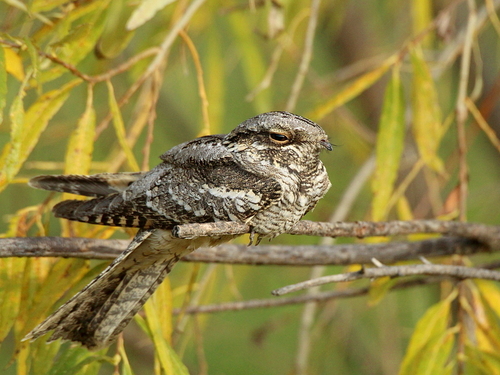
© Andrew Bazdyrev · CC BY · iNaturalist 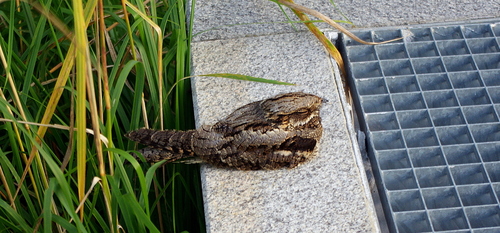
© Георгий Виноградов (Georgy Vinogradov) · CC BY · iNaturalist 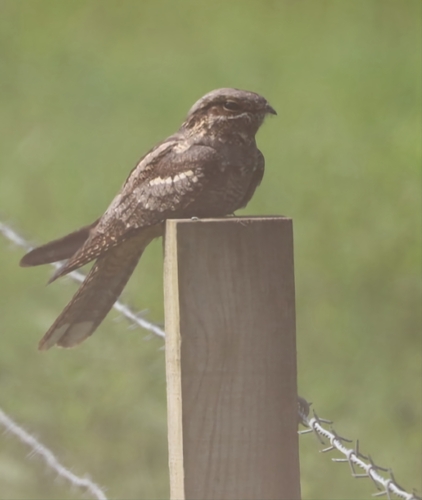
© ikelman · CC BY · iNaturalist 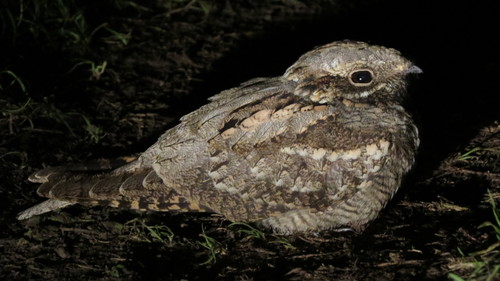
© Вячеслав Юсупов · CC BY · iNaturalist 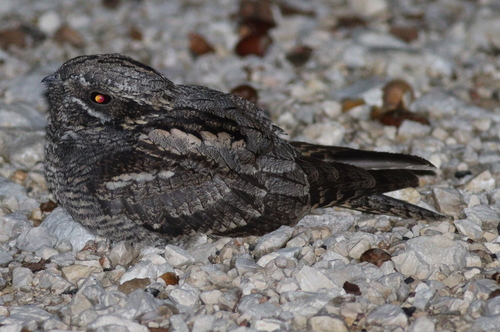
© Jan Ebr & Ivana Ebrová · CC BY · iNaturalist 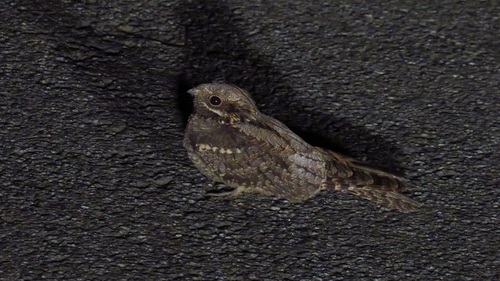
© Михаил Малышев · CC BY · iNaturalist
Especies relacionadasRelated species
Otras aves de la familia Caprimulgidae y de órdenes cercanos.Other birds from the Caprimulgidae family and nearby orders.
- Poco comúnUncommon
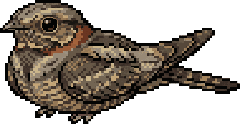 Chotacabras cuellirrojoRed-necked NightjarCaprimulgus ruficollis
- LegendarioLegendary
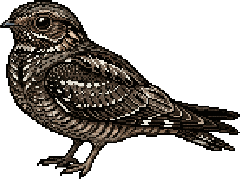 Añapero yanquiCommon NighthawkChordeiles minor
- LegendarioLegendary
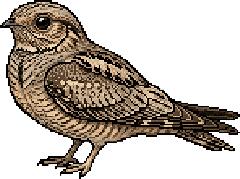 Chotacabras egipcioEgyptian NightjarCaprimulgus aegyptius
- RaroRare
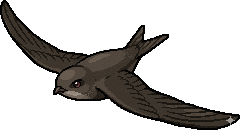 Vencejo unicolorPlain SwiftApus unicolor
- ComúnCommon
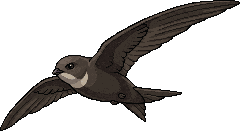 Vencejo comúnCommon SwiftApus apus
- Poco comúnUncommon
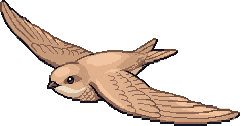 Vencejo pálidoPallid SwiftApus pallidus
- RaroRare
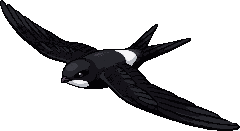 Vencejo cafreWhite-rumped SwiftApus caffer
- ComúnCommon
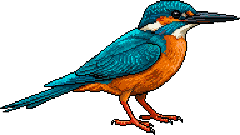 Martín pescador comúnCommon KingfisherAlcedo atthis
 Gratis, sin anuncios ni comprasFree, no ads, no purchases