 BirdPedy
Bisbita arbóreoTree Pipit
En 52 provincias en abril y sin registros un mes del añoIn 52 provinces in April, and no records in one month of the year
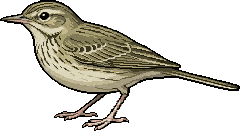
Reporte de rarezaRarity report
Por qué es poco comúnWhy it is uncommonNidificante en el tercio norte peninsular y sistemas montañosos, donde ocupa linderos forestales y dehesas de montaña. Durante los pasos migratorios es regular pero nunca excesivamente abundante.Nester in the northern third and mountain systems, occupying forest edges and mountain dehesas.
Cada carrizo es un mes: su altura, las provincias con registros de 2020 a 2024.Each reed is a month: its height, the provinces with records from 2020 to 2024.- Provincias con registrosProvinces with records
- 52 de 52of 52
- En la appIn the app
- Marzo a octubreMarch to October
- EnvergaduraWingspan
- 26 cm26 cm
- LongitudLength
- 15 cm15 cm
- Lista Roja de EspañaSpanish Red List
- LC Preocupación menorLeast Concern

Información generalGeneral Information
Aunque los bisbitas son aves terrestres propias de medios abiertos, el arbóreo medra con éxito en formaciones de árboles y arbustos. Se trata de un típico habitante de las campiñas norteñas que en los años setenta inició una lenta expansión a lo largo del Sistema Central. Muy similar en aspecto a otros congéneres, su potente y melodioso canto y su presencia estival ayudan a identificarlo. Fuera del área de cría de la mitad norte peninsular puede verse en periodos de paso migratorio.As its name suggests, this pipit is tied to open woodlands, clearings, and forest edges, especially in the north. It is a classic inhabitant of the 'campiña' (mixed farmland and woods) of northern Spain. During the 1970s, it began a slow expansion south along the mountain ranges of the Central System. It is a strictly summer visitor, spending the winter in Africa.
IdentificaciónIdentification
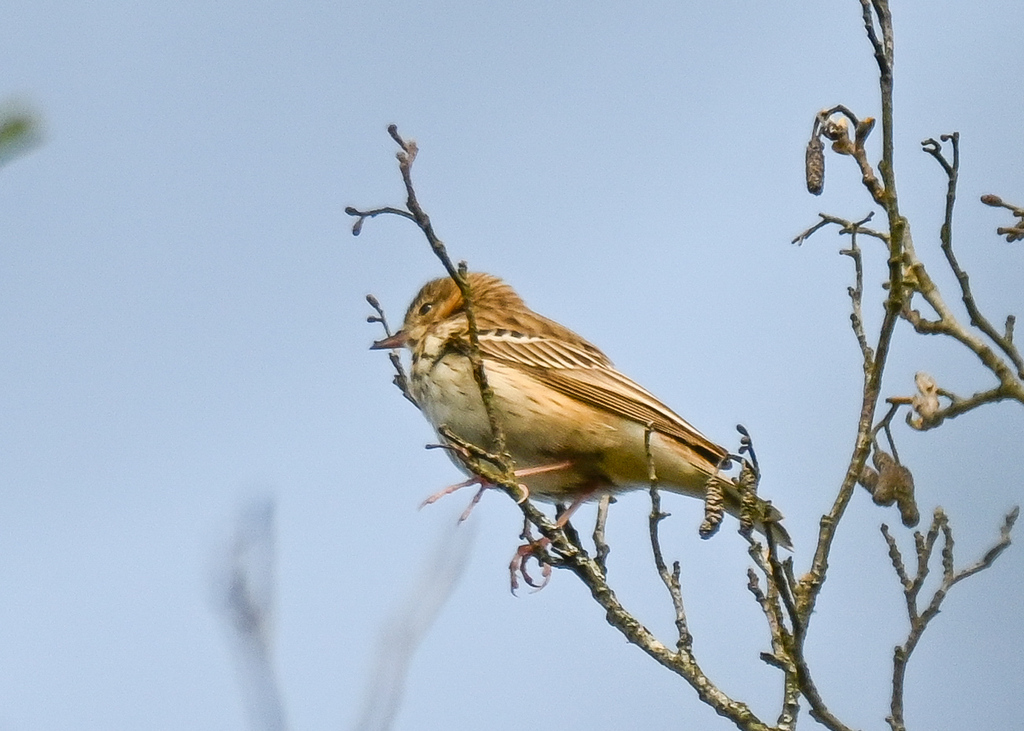
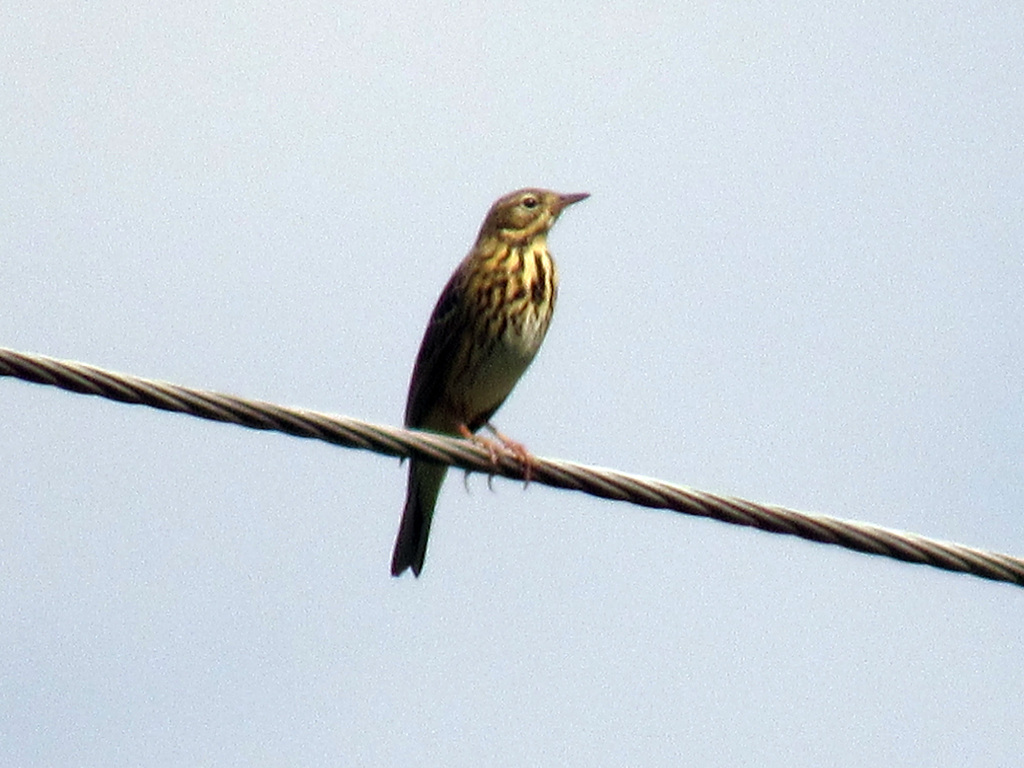
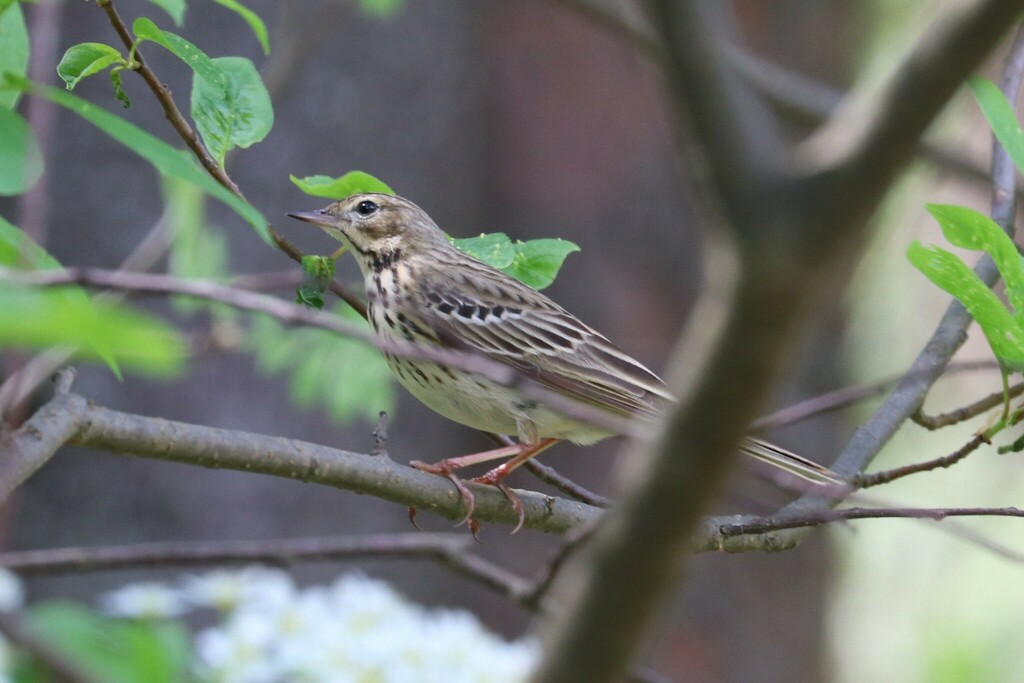
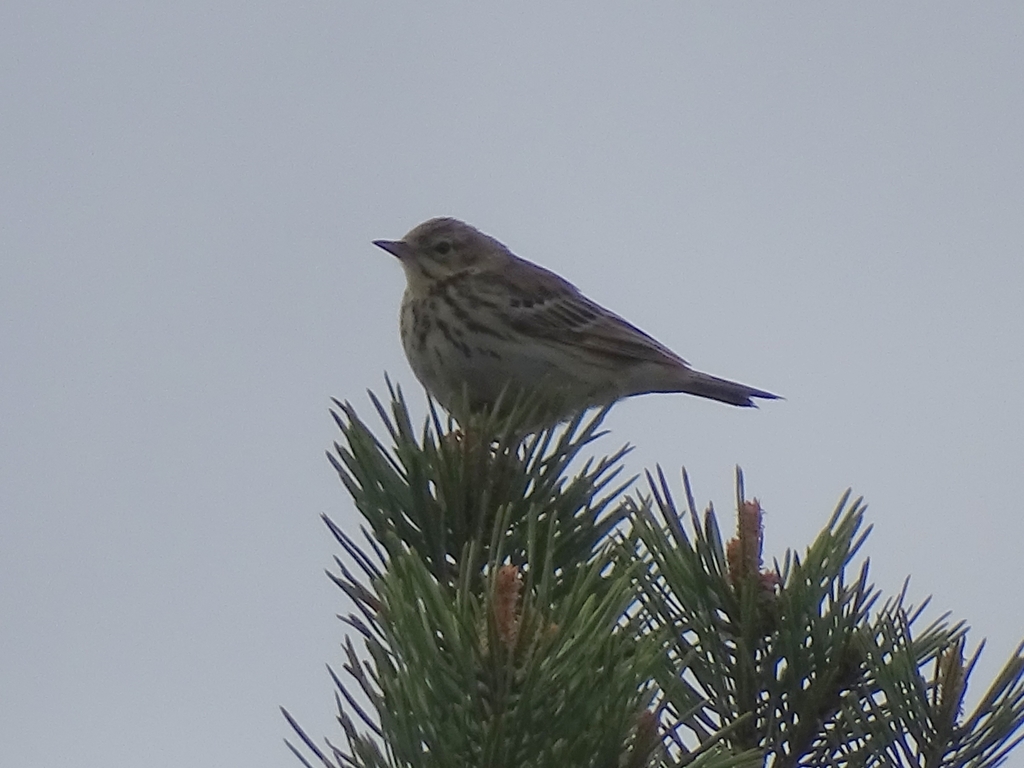
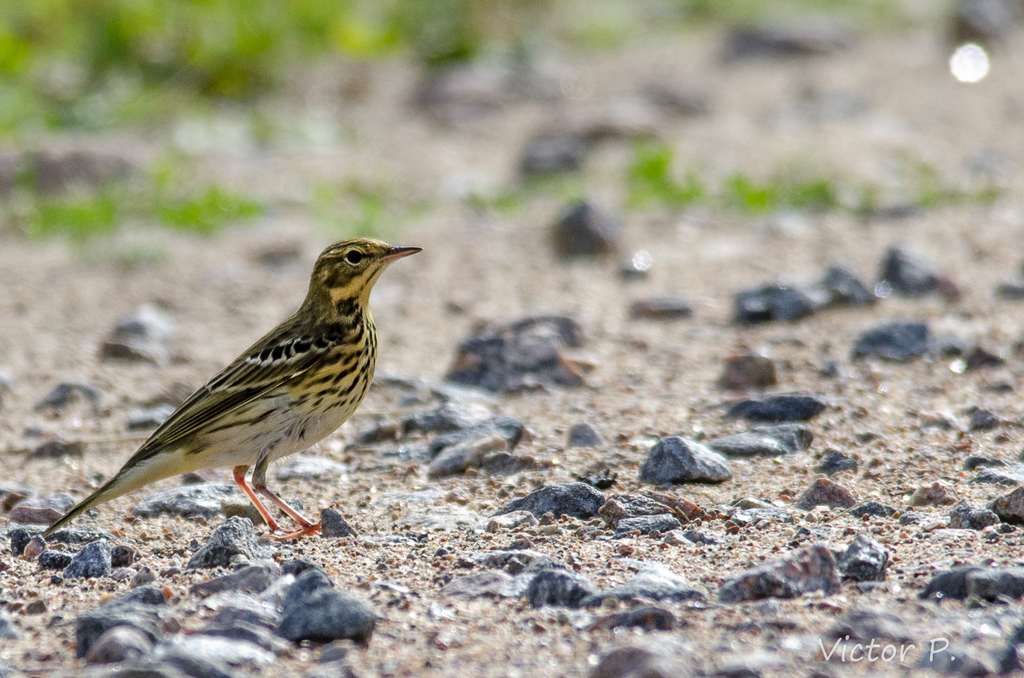
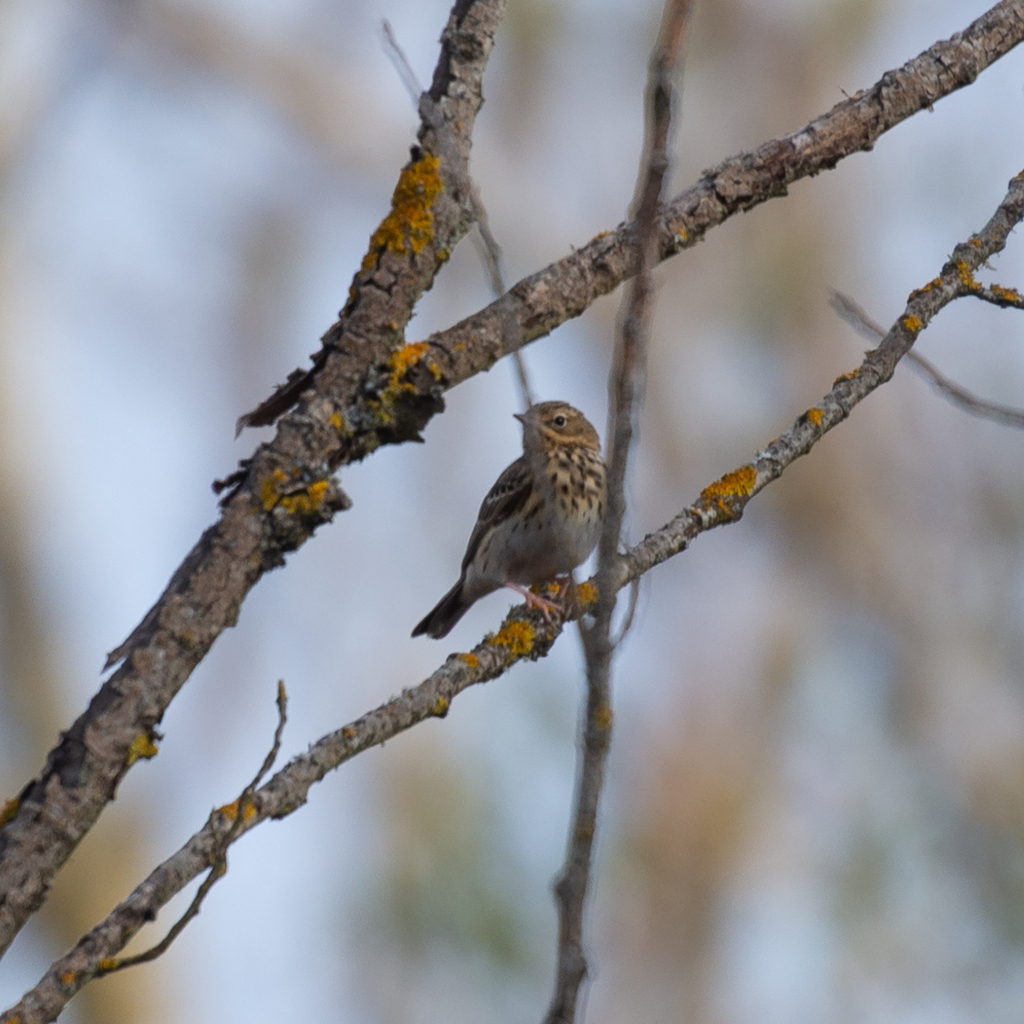
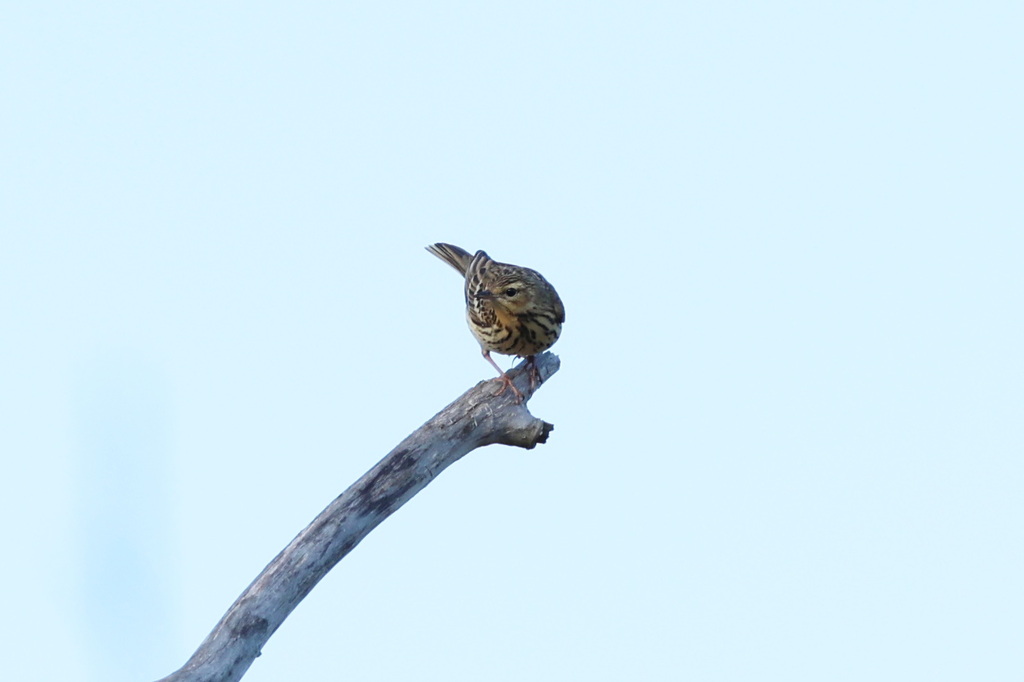
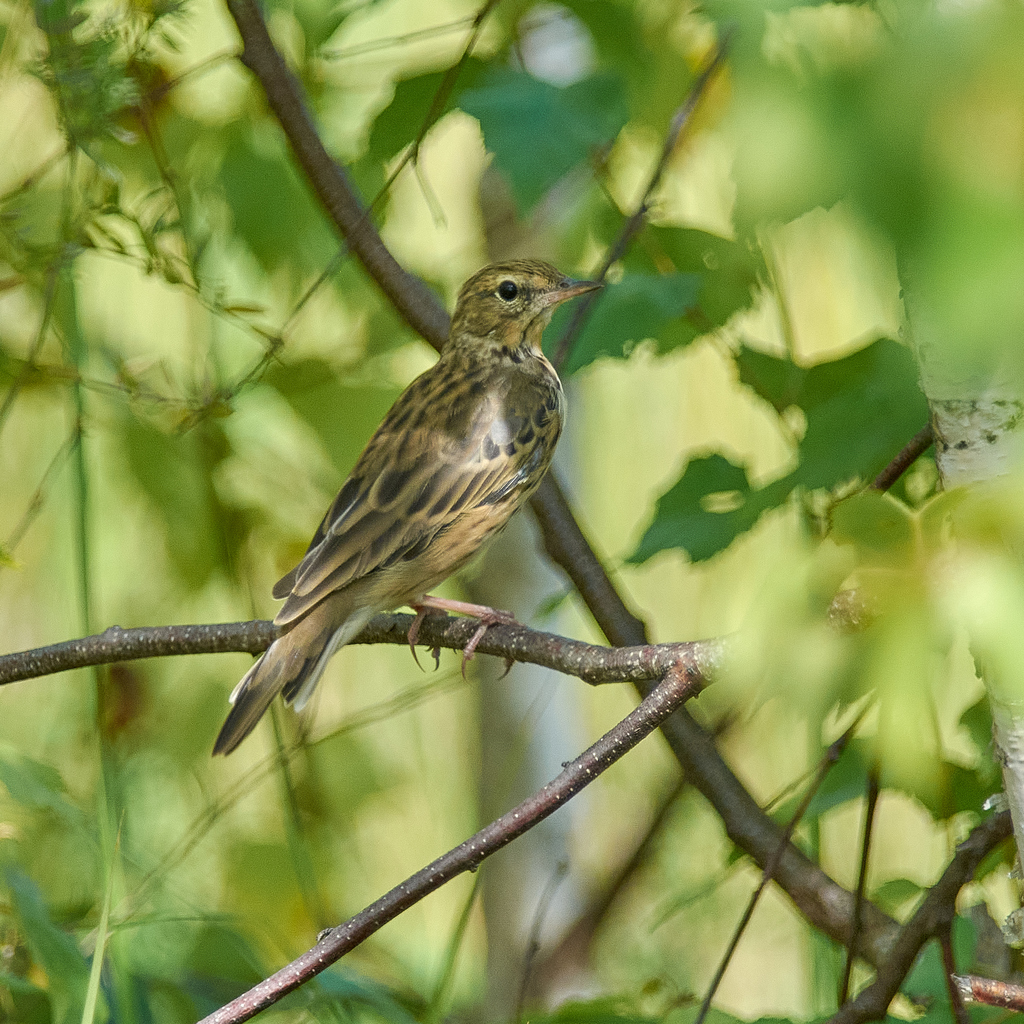
El bisbita arbóreo exhibe dorso pardo muy estriado y vientre claro muy rayado, con fondo anaranjado en pecho y flancos. Posee alas redondeadas, cola larga y con plumas externas blancas. Pico y patas son finas, con la uña posterior de longitud media. En la cara muestra ceja clara, así como una fina bigotera negra. Su aspecto resulta muy similar al del resto de bisbitas, especialmente el bisbita pratense, del que se distingue sutilmente por ser un poco más robusto y de tono más oliva, y por tener el pico más grueso y la uña posterior más corta, la cara más contrastada y las estrías de los flancos más finas. Ambos sexos son iguales. Los jóvenes, algo más pálidos, presentan bordes blancos en las plumas del dorso, lo que les confiere un aspecto escamoso. Se trata de un ave territorial en época de cría, cuando suele observarse en posaderos destacados. En paso, a veces forma pequeños grupos.A medium-sized pipit with a warm, olive-brown back and a rich buff-yellow breast heavily streaked with black. It is very similar to the Meadow Pipit but slightly more robust with a thicker bill and a shorter, more curved hindclaw. It is distinguished by its more contrasted face and more yellowish tones. Famous for its 'parachute' song flight: it flies up from a tree and glides down to another perch while singing.
DistribuciónDistribution
La subespecie trivialis, la única que se observa en España, cría en el tercio norte peninsular, concretamente en Pirineos y al norte del río Duero, así como en el Sistema Ibérico, Se adentra también en el Sistema Central, colonizado a partir de 1976, donde cuenta actualmente con poblaciones en las sierras de Ayllón y Guadarrama, aunque la especie se rarifica hacia el oeste, en las sierras de Gredos y Gata. En migración atraviesa la Península, Baleares y Canarias.The subspecies trivialis, the only one found in Spain, breeds in the northern third of the Peninsula, specifically in the Pyrenees and north of the river Duero, as well as in the Iberian System. It also reaches the Central System, colonised from 1976 onwards, where it now has populations in the Ayllón and Guadarrama ranges, although it becomes scarcer further west, in the Gredos and Gata ranges. On migration it passes through the Peninsula, the Balearics and the Canary Islands.
Textos reproducidos con permiso de laTexts translated and reproduced with permission from the Guía de Aves de España © SEO/BirdLife
Estado de conservaciónConservation Status
- EX
- RE
- CR
- EN
- VU
- NT
- LC
Preocupación menorLeast Concern
Qué significa cada categoríaWhat each category means
- LC
- Preocupación menor: Taxón evaluado que no califica para categorías amenazadas. Especies abundantes y ampliamente distribuidasLeast Concern - Evaluated taxon that does not qualify for threatened categories. Widespread and abundant taxa
- NT
- Casi amenazada: No califica actualmente como amenazada, pero está cerca de calificar o es probable que califique en el futuro cercanoNear Threatened - Does not currently qualify as threatened, but is close to qualifying or likely to qualify in the near future
- VU
- Vulnerable: Enfrenta un alto riesgo de extinción en estado silvestre según los criterios A a E de IUCNVulnerable - Facing a high risk of extinction in the wild based on IUCN criteria A to E
- EN
- En peligro: Enfrenta un riesgo muy alto de extinción en estado silvestre según los criterios A a E de IUCNEndangered - Facing a very high risk of extinction in the wild based on IUCN criteria A to E
- CR
- En peligro crítico: Enfrenta un riesgo extremadamente alto de extinción en estado silvestre según los criterios A a E de IUCNCritically Endangered - Facing an extremely high risk of extinction in the wild based on IUCN criteria A to E
- DD
- Datos insuficientes: Información inadecuada para evaluar el riesgo de extinción basándose en distribución o estado poblacionalData Deficient - Inadequate information to assess extinction risk based on distribution and/or population status
- NE
- No evaluada: No ha sido evaluada aún contra los criterios de la Lista Roja de IUCNNot Evaluated - Has not yet been assessed against the IUCN Red List criteria
- RE
- Extinta regionalmente: El taxón ya no existe en la región específica, aunque puede sobrevivir en otros lugaresRegionally Extinct - Taxon no longer exists in the specific region, though it may survive elsewhere
- EX
- Extinta - No existe duda razonable de que ha muerto el último individuo del taxónExtinct - No reasonable doubt that the last individual of the taxon has died
TaxonomíaTaxonomy
- OrdenOrder
- Passeriformes
- FamiliaFamily
- Motacillidae
Presencia en EspañaPresence in Spain
- De pasoPassage migrant
- EstivalSummer visitor
- HabitualRegular
En la app: marzo a octubre.In the app: March to October.
Dónde verlaWhere to see it
2.089 cuadrículas de 10 km con registros de 2020 a 2024. Toca un mes para ver dónde se ha visto.2,089 10 km squares with records from 2020 to 2024. Pick a month to see where it has been seen.
Cargando el mapa…Loading the map…
Dónde es regularWhere it is regular
Provincias con registros en al menos 3 de los 5 años algún mes, de más a menos frecuente, y sus mejores meses.Provinces with records in at least 3 of the 5 years in some month, from most to least frequent, and their best months.
- AsturiasAsturiasmayo, junio, abrilMay, June, April
- SoriaSoriaagosto, junio, septiembreAugust, June, September
- LugoLugojunio, abril, mayoJune, April, May
- LleidaLleidaseptiembre, junio, agostoSeptember, June, August
- OurenseOurensejunio, septiembre, agostoJune, September, August
- BurgosBurgosabril, junio, mayoApril, June, May
- LeónLeónagosto, junio, septiembreAugust, June, September
- A CoruñaA Coruñajunio, mayo, abrilJune, May, April
- HuescaHuescaseptiembre, agosto, julioSeptember, August, July
- ÁlavaÁlavajunio, abril, mayoJune, April, May
Ver las 48 provinciasSee all 48 provinces
- PontevedraPontevedraseptiembre, agosto, junioSeptember, August, June
- PalenciaPalenciajunio, julio, mayoJune, July, May
- GuipúzcoaGuipúzcoaabril, junio, mayoApril, June, May
- CantabriaCantabriamayo, junio, julioMay, June, July
- VizcayaVizcayaabril, junio, mayoApril, June, May
- ZaragozaZaragozaseptiembre, abril, octubreSeptember, April, October
- BarcelonaBarcelonaseptiembre, abril, octubreSeptember, April, October
- Las PalmasLas Palmasabril, mayo, marzoApril, May, March
- TeruelTeruelseptiembre, mayo, junioSeptember, May, June
- CastellónCastellónseptiembre, abril, mayoSeptember, April, May
- La RiojaLa Riojamayo, junio, abrilMay, June, April
- GironaGironaseptiembre, abril, octubreSeptember, April, October
- ZamoraZamoraseptiembre, agosto, junioSeptember, August, June
- BalearesBalearic Islandsabril, septiembre, octubreApril, September, October
- NavarraNavarraagosto, septiembre, junioAugust, September, June
- SalamancaSalamancaseptiembre, abril, agostoSeptember, April, August
- BadajozBadajozseptiembre, octubre, agostoSeptember, October, August
- GranadaGranadaseptiembre, octubreSeptember, October
- GuadalajaraGuadalajarajunio, abril, septiembreJune, April, September
- SegoviaSegoviaabril, julio, junioApril, July, June
- ValenciaValenciaseptiembre, abril, octubreSeptember, April, October
- CáceresCáceresseptiembre, agosto, octubreSeptember, August, October
- ValladolidValladolidseptiembre, junio, abrilSeptember, June, April
- TarragonaTarragonaseptiembre, abril, mayoSeptember, April, May
- SevillaSevillaseptiembre, abril, marzoSeptember, April, March
- AlbaceteAlbaceteoctubre, septiembre, abrilOctober, September, April
- MálagaMálagaseptiembre, octubre, abrilSeptember, October, April
- AlicanteAlicanteseptiembre, abril, octubreSeptember, April, October
- CeutaCeutamarzoMarch
- CádizCádizabril, septiembre, marzoApril, September, March
- ÁvilaÁvilaseptiembre, abril, mayoSeptember, April, May
- CuencaCuencaabril, septiembre, agostoApril, September, August
- Ciudad RealCiudad Realseptiembre, abrilSeptember, April
- HuelvaHuelvamarzo, abrilMarch, April
- ToledoToledoseptiembreSeptember
- MadridMadridjulio, septiembre, junioJuly, September, June
- MurciaMurciaabril, septiembreApril, September
- AlmeríaAlmeríaoctubreOctober
Datos: registros en GBIF de 2020 a 2024 de Observation.org, eBird, iNaturalist y el ICO, descargados el 23/10/2026.Data: GBIF records from 2020 to 2024 from Observation.org, eBird, iNaturalist and the ICO, downloaded on 23/10/2026. GBIF.org (23 October 2026) GBIF Occurrence Download · doi:10.15468/dl.r5sf2a · CC BY-NC 4.0
GaleríaGallery
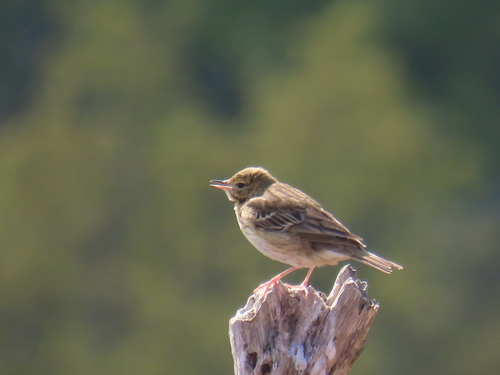
© Viktor · CC BY · iNaturalist 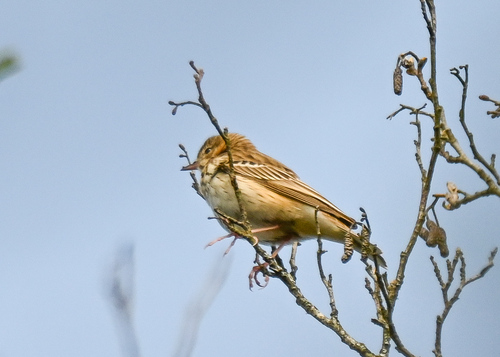
© Frank Sengpiel · CC BY · iNaturalist 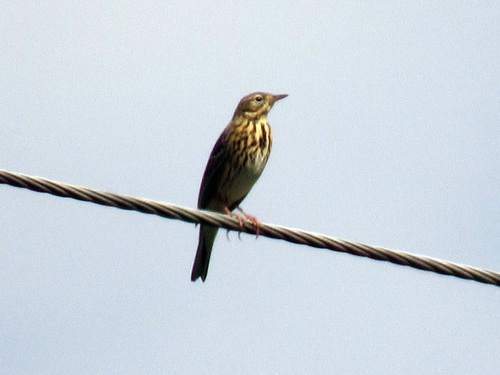
© Igor Balashov · CC BY · iNaturalist 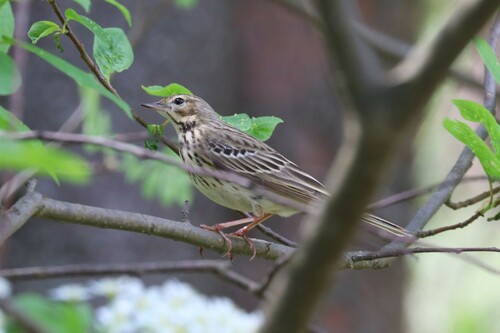
© Константин Селивёрстов · CC BY · iNaturalist 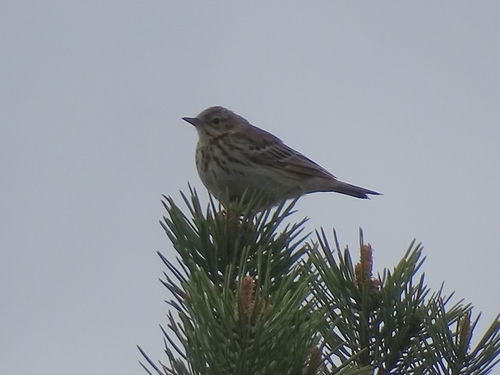
© Antti Latikka · CC BY · iNaturalist 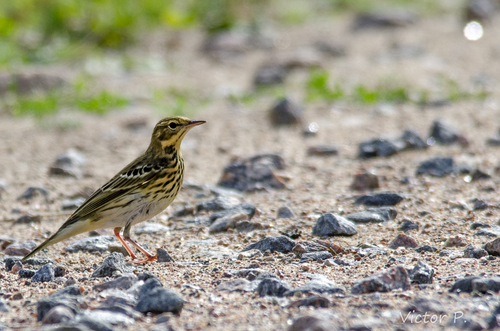
© Виктор · CC BY · iNaturalist 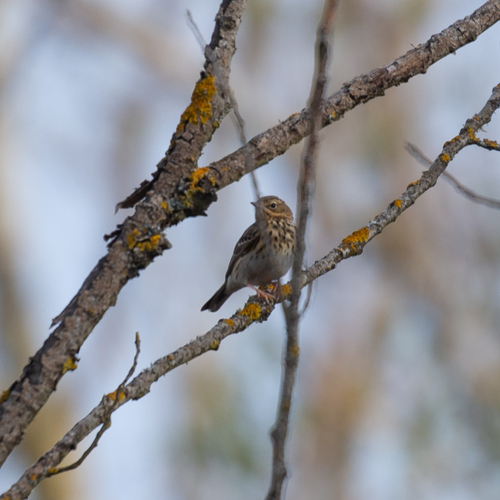
© euqirneto · CC BY · iNaturalist 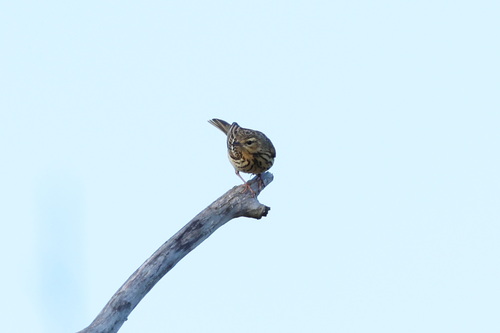
© Вячеслав Юсупов · CC BY · iNaturalist 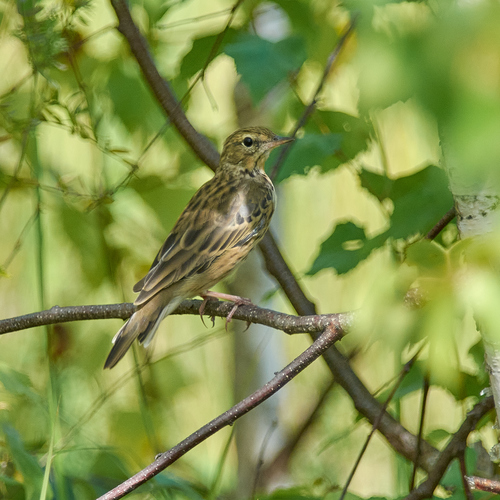
© Сергей Неклюдов · CC BY · iNaturalist

Especies relacionadasRelated species
Otras aves de la familia Motacillidae y de órdenes cercanos.Other birds from the Motacillidae family and nearby orders.
- ComúnCommon
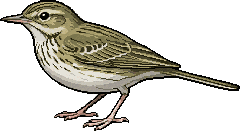 Bisbita pratenseMeadow PipitAnthus pratensis
- ComúnCommon
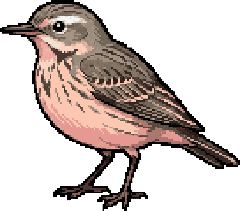 Bisbita alpinoWater PipitAnthus spinoletta
- ComúnCommon
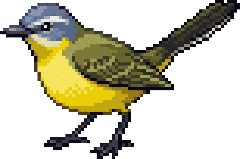 Lavandera boyeraWestern Yellow WagtailMotacilla flava
- ComúnCommon
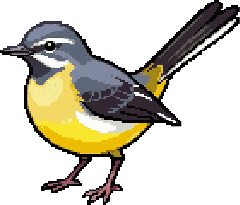 Lavandera cascadeñaGrey WagtailMotacilla cinerea
- ComúnCommon
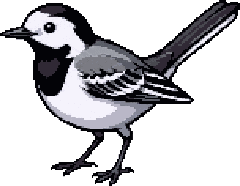 Lavandera blancaWhite WagtailMotacilla alba
- ÉpicoEpic
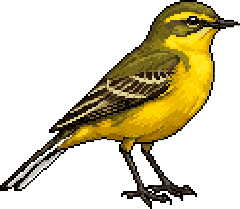 Lavandera de ChukotkaEast Siberian WagtailMotacilla tschutschensis
- RaroRare
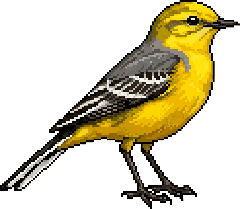 Lavandera cetrinaCitrine WagtailMotacilla citreola
- RaroRare
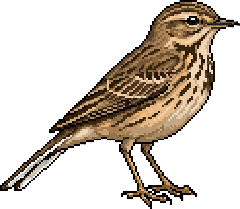 Bisbita de RichardRichard's PipitAnthus richardi
 Gratis, sin anuncios ni comprasFree, no ads, no purchases