 BirdPedy
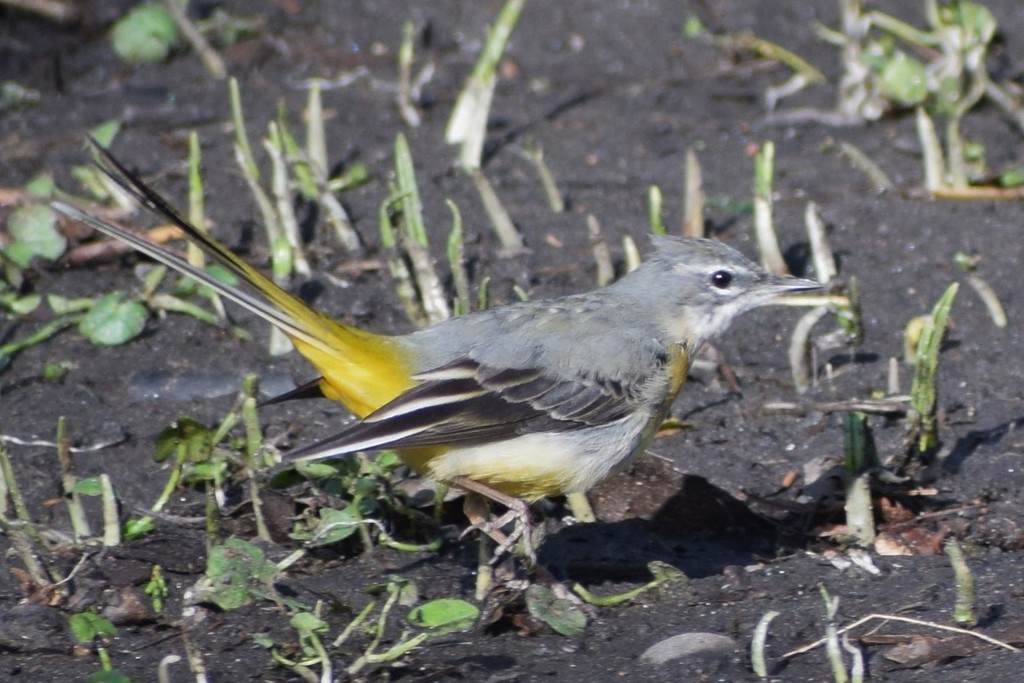
Lavandera cascadeñaGrey Wagtail
En 52 provincias en enero y en 50 en abrilIn 52 provinces in January and 50 in April
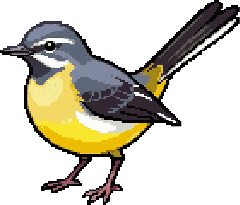
Reporte de rarezaRarity report
Por qué es comúnWhy it is commonBien distribuida por ríos de corriente rápida, arroyos de montaña y, cada vez más, por parques urbanos con presencia de agua limpia de toda España. Especie común de fácil identificación.Well distributed through fast-flowing rivers and urban parks with clean water. Common species, easy to identify.
Cada carrizo es un mes: su altura, las provincias con registros de 2020 a 2024.Each reed is a month: its height, the provinces with records from 2020 to 2024.- Provincias con registrosProvinces with records
- 52 de 52of 52
- En la appIn the app
- Todo el añoAll year
- EnvergaduraWingspan
- 26 cm26 cm
- LongitudLength
- 19 cm19 cm
- Lista Roja de EspañaSpanish Red List
- LC Preocupación menorLeast Concern

Información generalGeneral Information
La lavandera cascadeña es la más fluvial y estilizada de las lavanderas españolas. Típica de arroyos y regatos de corriente rápida, en las islas Canarias está representada por una subespecie propia. Ave elegante y de vuelo ondulado, agita continuamente la cola cuando se posa en el suelo. Se trata de una especie sedentaria, insectívora y poco gregaria. En los meses invernales acuden ejemplares del centro de Europa en pequeño número a nuestro país.The 'Cascadeña' (Waterfall bird) is the quintessential wagtail of mountain streams and clean rivers. It is more specialized and less social than the White Wagtail. In the Canary Islands, it is represented by a unique, more intensely colored subspecies. It is a hardy resident bird, though mountain populations may descend to the coast or urban parks during the coldest months of winter.
IdentificaciónIdentification
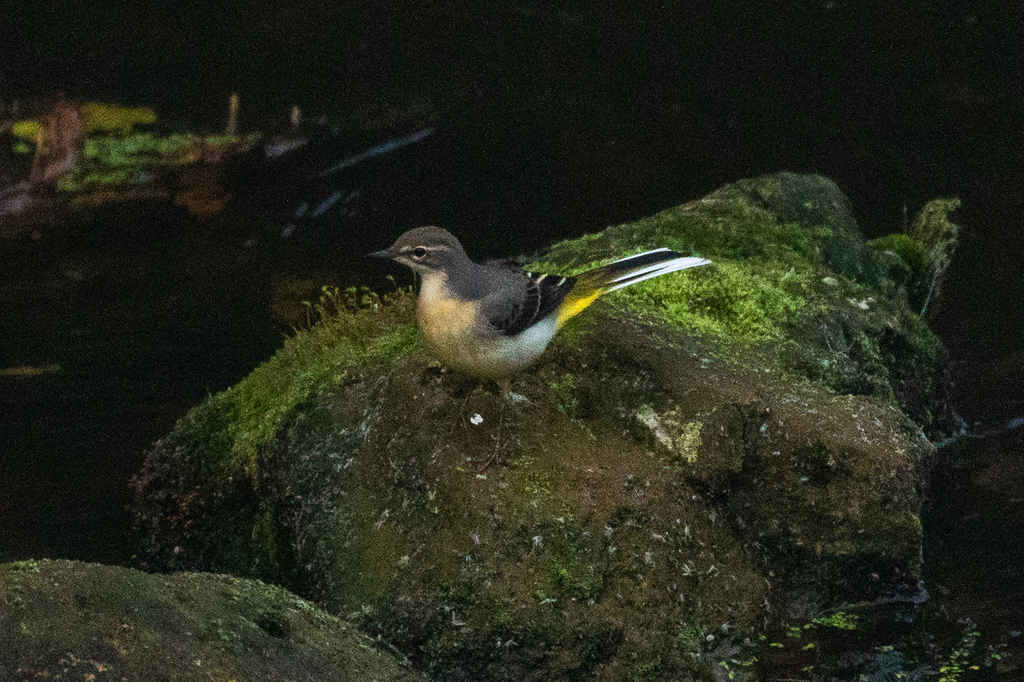
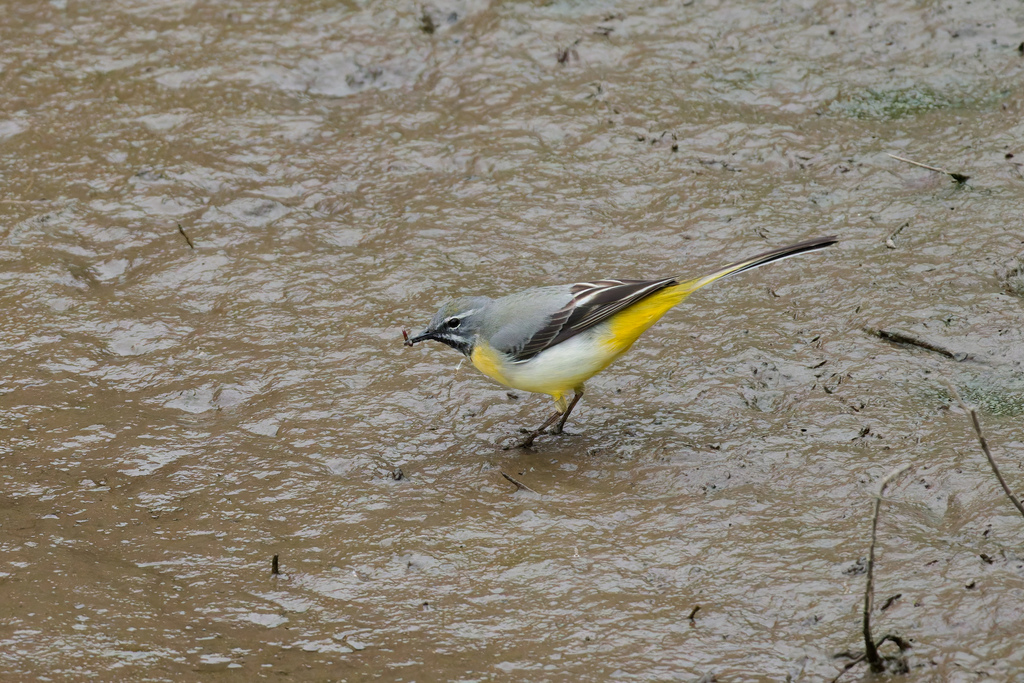
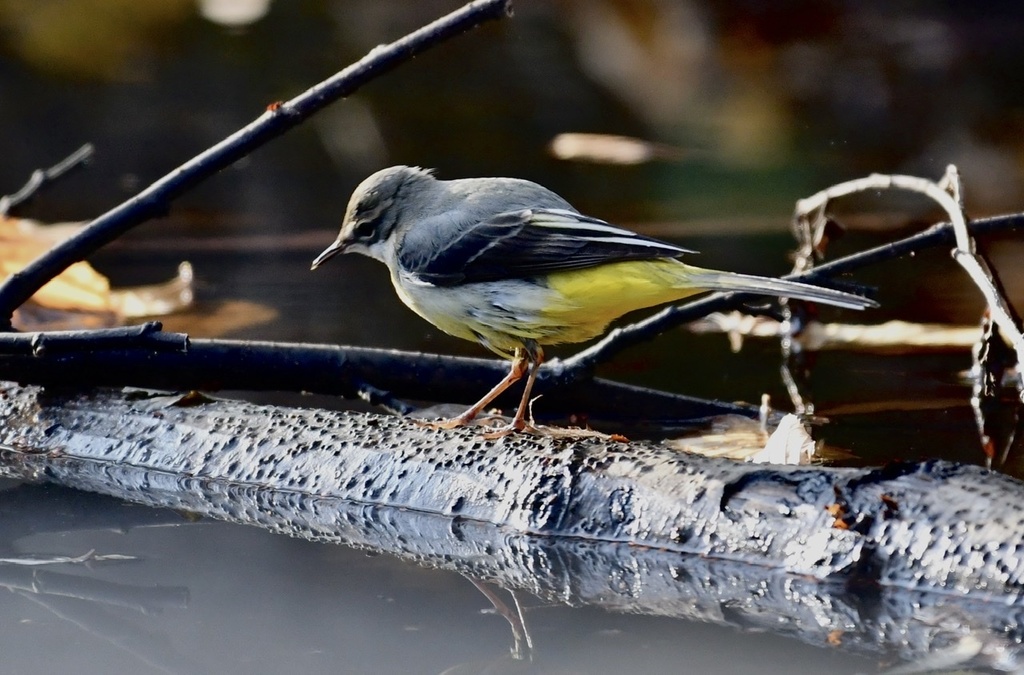
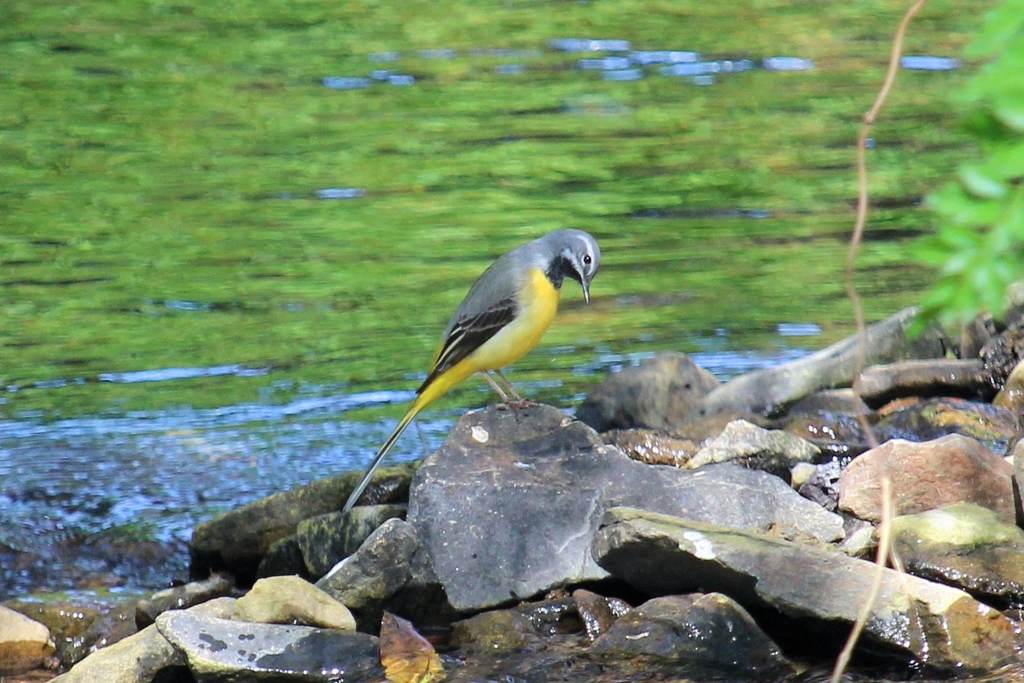
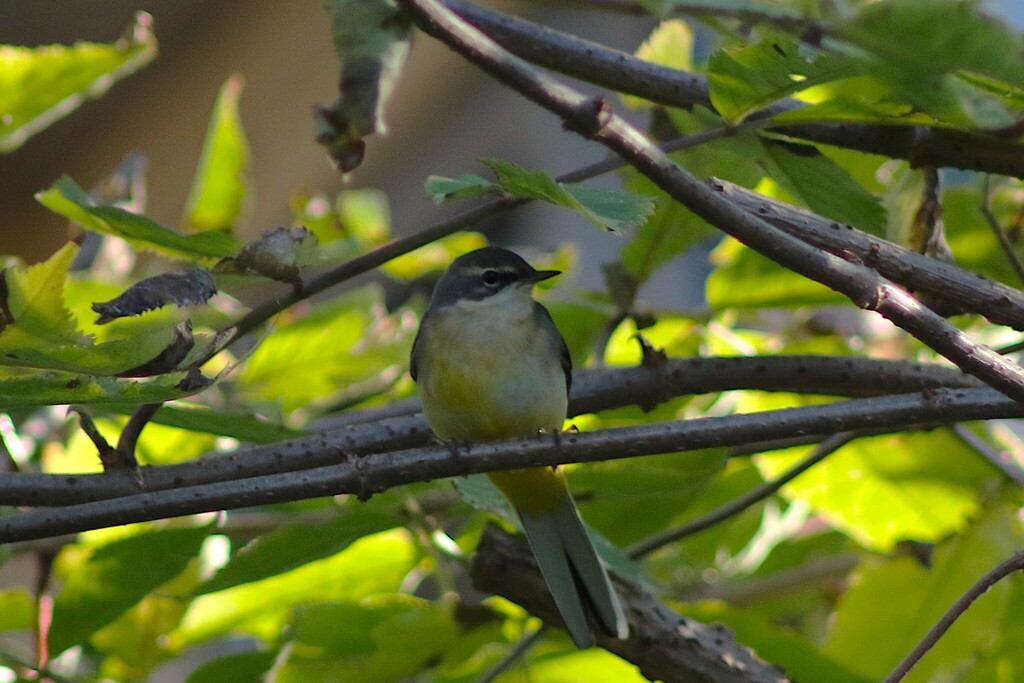
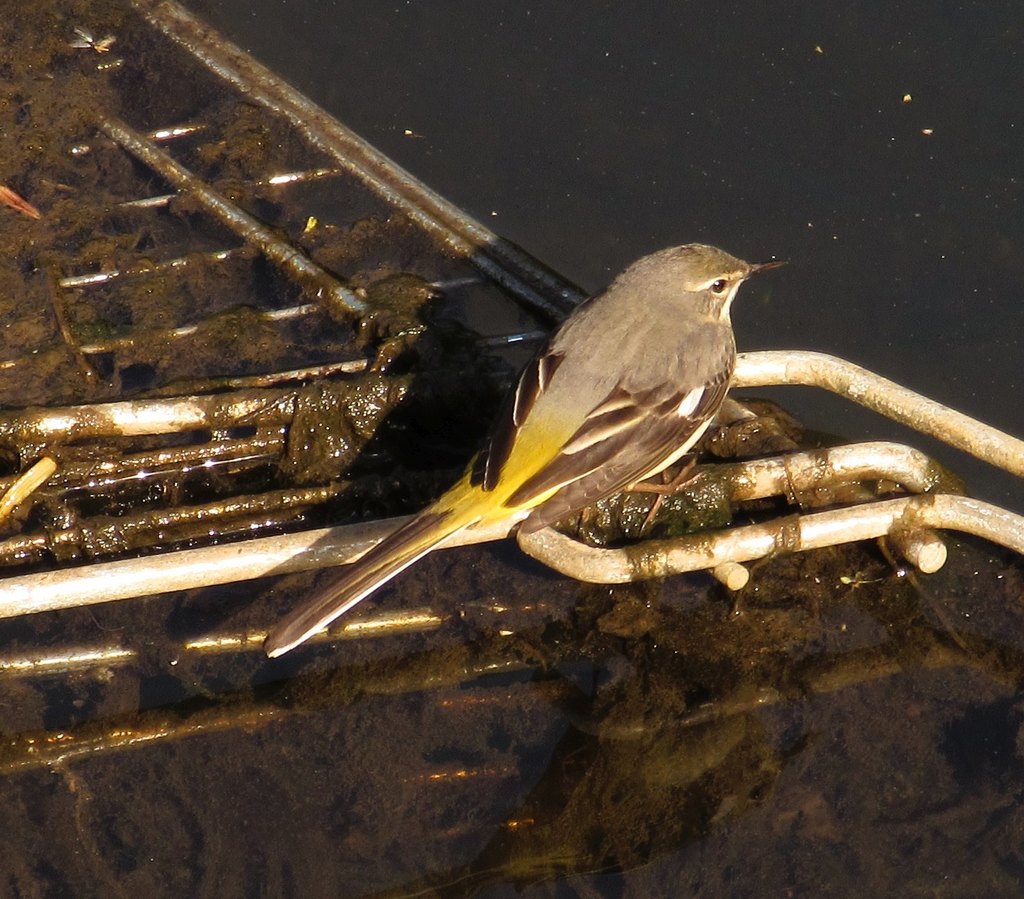
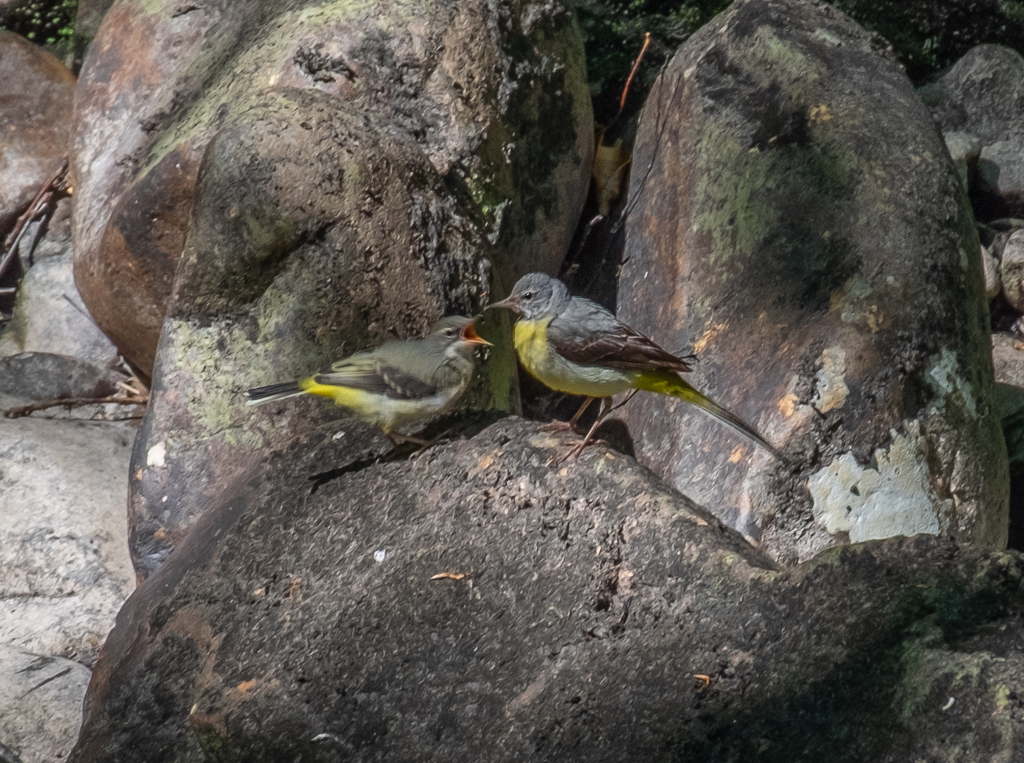
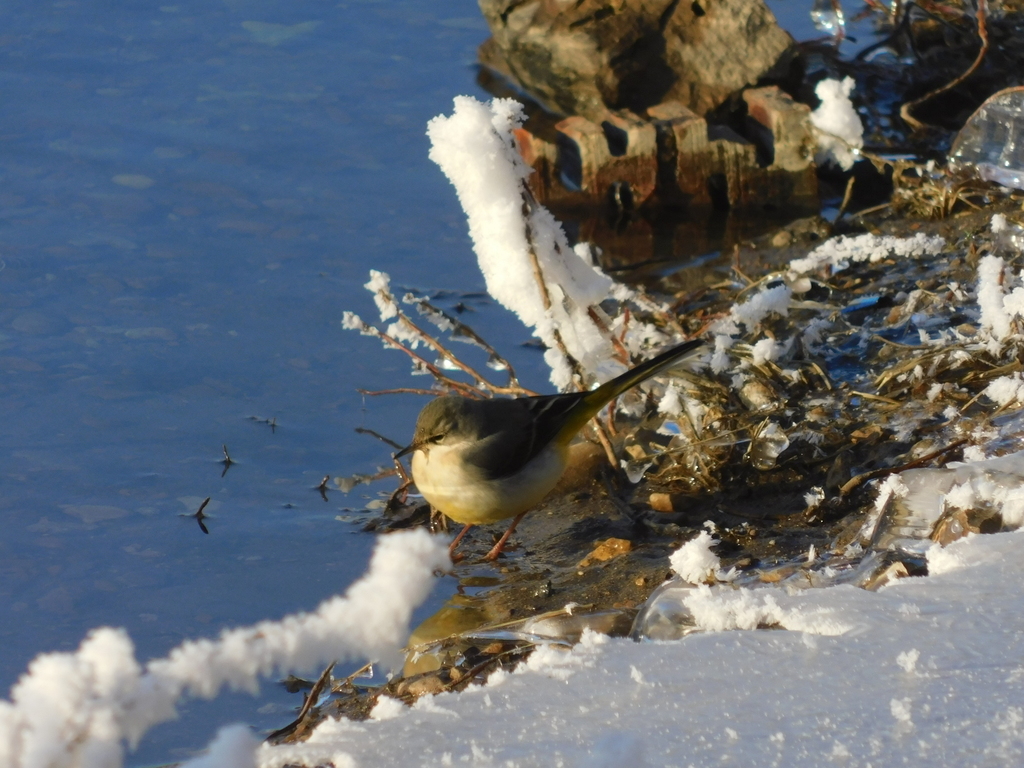
Pájaro muy estilizado y distintivo, de larga cola y con tonos grises y amarillos. Exhibe dorso gris ceniza, alas plegadas negras y sin bandas blancas, y partes inferiores y obispillo amarillos. Posee cola muy larga y negra, con plumas externas blancas, y patas y pico negros. La cabeza es gris, con garganta y babero negros, y con dos marcadas líneas blancas en ceja y bigotera. Luce un plumaje invernal similar, aunque con la garganta blanca, así como parte de las zonas inferiores. La subespecie canaria, canariensis, muestra tonos amarillos más intensos, a veces casi anaranjados, en la región ventral. Ambos sexos son parecidos, pero la hembra nunca tiene la garganta negra y es menos amarilla por abajo. Los jóvenes recuerdan a una hembra en plumaje invernal, aunque con tonos más suaves. Dos hábitos destacados de la lavandera cascadeña son el continuo balanceo de la cola y su casi siempre cercana presencia a los cursos de agua.The most slender and long-tailed of all our wagtails. Despite its name, it is brightly colored with an ash-gray back and brilliant yellow underparts and rump. In summer, males feature a striking black throat patch (bib), which is white in females and in winter. It is almost always found near fast-flowing, clean water. It has a characteristic, constant wagging of its exceptionally long tail and a dipping, undulating flight.
DistribuciónDistribution
La subespecie cinerea se halla presente en la Península y Baleares, mientras que en Canarias se localiza la subespecie canariensis. La primera cría en la Península y está presente en todas las regiones húmedas y/o montañosas de la península ibérica donde la climatología facilita la existencia de cursos de agua permanentes: tercio norte peninsular, sistema Ibérico y Central, sierras del litoral mediterráneo, Sierra Morena y las cordilleras Subbética y Penibética. La segunda es residente en La Palma, La Gomera, Gran Canaria y Tenerife. En invierno se encuentra más extendida, ocupando también zonas llanas de la Península, Baleares y todas las islas Canarias.Subspecies 'cinerea' on the mainland and Balearics; endemic 'canariensis' in the Canaries. Widespread in montane and humid regions of the north and center. Expands to lowlands and coasts in winter across the entire Peninsula and all islands.
Textos reproducidos con permiso de laTexts translated and reproduced with permission from the Guía de Aves de España © SEO/BirdLife
Estado de conservaciónConservation Status
- EX
- RE
- CR
- EN
- VU
- NT
- LC
Preocupación menorLeast Concern
Qué significa cada categoríaWhat each category means
- LC
- Preocupación menor: Taxón evaluado que no califica para categorías amenazadas. Especies abundantes y ampliamente distribuidasLeast Concern - Evaluated taxon that does not qualify for threatened categories. Widespread and abundant taxa
- NT
- Casi amenazada: No califica actualmente como amenazada, pero está cerca de calificar o es probable que califique en el futuro cercanoNear Threatened - Does not currently qualify as threatened, but is close to qualifying or likely to qualify in the near future
- VU
- Vulnerable: Enfrenta un alto riesgo de extinción en estado silvestre según los criterios A a E de IUCNVulnerable - Facing a high risk of extinction in the wild based on IUCN criteria A to E
- EN
- En peligro: Enfrenta un riesgo muy alto de extinción en estado silvestre según los criterios A a E de IUCNEndangered - Facing a very high risk of extinction in the wild based on IUCN criteria A to E
- CR
- En peligro crítico: Enfrenta un riesgo extremadamente alto de extinción en estado silvestre según los criterios A a E de IUCNCritically Endangered - Facing an extremely high risk of extinction in the wild based on IUCN criteria A to E
- DD
- Datos insuficientes: Información inadecuada para evaluar el riesgo de extinción basándose en distribución o estado poblacionalData Deficient - Inadequate information to assess extinction risk based on distribution and/or population status
- NE
- No evaluada: No ha sido evaluada aún contra los criterios de la Lista Roja de IUCNNot Evaluated - Has not yet been assessed against the IUCN Red List criteria
- RE
- Extinta regionalmente: El taxón ya no existe en la región específica, aunque puede sobrevivir en otros lugaresRegionally Extinct - Taxon no longer exists in the specific region, though it may survive elsewhere
- EX
- Extinta - No existe duda razonable de que ha muerto el último individuo del taxónExtinct - No reasonable doubt that the last individual of the taxon has died
TaxonomíaTaxonomy
- OrdenOrder
- Passeriformes
- FamiliaFamily
- Motacillidae
Presencia en EspañaPresence in Spain
- HabitualRegular
- InvernanteWinter visitor
- ResidenteResident
En la app: todo el año.In the app: all year.
Dónde verlaWhere to see it
3.615 cuadrículas de 10 km con registros de 2020 a 2024. Toca un mes para ver dónde se ha visto.3,615 10 km squares with records from 2020 to 2024. Pick a month to see where it has been seen.
Cargando el mapa…Loading the map…
Dónde es regularWhere it is regular
Provincias con registros en al menos 3 de los 5 años algún mes, de más a menos frecuente, y sus mejores meses.Provinces with records in at least 3 of the 5 years in some month, from most to least frequent, and their best months.
- Santa Cruz de TenerifeSanta Cruz de Tenerifeseptiembre, octubre, noviembreSeptember, October, November
- GranadaGranadaoctubre, noviembre, diciembreOctober, November, December
- JaénJaénoctubre, enero, diciembreOctober, January, December
- LeónLeónoctubre, noviembre, eneroOctober, November, January
- OurenseOurenseenero, octubre, noviembreJanuary, October, November
- GironaGironaenero, diciembre, octubreJanuary, December, October
- GuipúzcoaGuipúzcoadiciembre, noviembre, octubreDecember, November, October
- CórdobaCórdobaoctubre, diciembre, noviembreOctober, December, November
- SoriaSoriaoctubre, septiembre, noviembreOctober, September, November
- BurgosBurgosoctubre, diciembre, eneroOctober, December, January
Ver las 51 provinciasSee all 51 provinces
- BarcelonaBarcelonanoviembre, enero, diciembreNovember, January, December
- VizcayaVizcayanoviembre, octubre, eneroNovember, October, January
- La RiojaLa Riojaoctubre, noviembre, diciembreOctober, November, December
- LleidaLleidaagosto, octubre, diciembreAugust, October, December
- AsturiasAsturiasenero, febrero, octubreJanuary, February, October
- LugoLugonoviembre, diciembre, octubreNovember, December, October
- ValladolidValladolidoctubre, noviembre, diciembreOctober, November, December
- A CoruñaA Coruñanoviembre, diciembre, octubreNovember, December, October
- AlbaceteAlbaceteoctubre, noviembre, diciembreOctober, November, December
- ValenciaValencianoviembre, octubre, eneroNovember, October, January
- SegoviaSegoviaoctubre, diciembre, noviembreOctober, December, November
- PalenciaPalenciaoctubre, noviembre, diciembreOctober, November, December
- MálagaMálagaoctubre, noviembre, diciembreOctober, November, December
- CastellónCastellónoctubre, enero, diciembreOctober, January, December
- ZamoraZamoraoctubre, noviembre, diciembreOctober, November, December
- GuadalajaraGuadalajaraoctubre, noviembre, eneroOctober, November, January
- SalamancaSalamancaenero, noviembre, diciembreJanuary, November, December
- HuescaHuescaoctubre, julio, agostoOctober, July, August
- MadridMadridoctubre, diciembre, noviembreOctober, December, November
- PontevedraPontevedranoviembre, febrero, eneroNovember, February, January
- CuencaCuencaenero, noviembre, febreroJanuary, November, February
- ÁvilaÁvilaoctubre, junio, diciembreOctober, June, December
- CantabriaCantabrianoviembre, octubre, junioNovember, October, June
- NavarraNavarraoctubre, noviembre, diciembreOctober, November, December
- CáceresCáceresoctubre, noviembre, diciembreOctober, November, December
- Las PalmasLas Palmasnoviembre, octubre, septiembreNovember, October, September
- AlicanteAlicantenoviembre, diciembre, eneroNovember, December, January
- TeruelTeruelenero, octubre, noviembreJanuary, October, November
- TarragonaTarragonanoviembre, enero, octubreNovember, January, October
- Ciudad RealCiudad Realoctubre, noviembre, eneroOctober, November, January
- MurciaMurciaenero, diciembre, noviembreJanuary, December, November
- ÁlavaÁlavanoviembre, octubre, diciembreNovember, October, December
- ZaragozaZaragozanoviembre, octubre, eneroNovember, October, January
- CeutaCeutadiciembre, octubre, noviembreDecember, October, November
- BadajozBadajozoctubre, noviembre, diciembreOctober, November, December
- ToledoToledooctubre, noviembre, eneroOctober, November, January
- BalearesBalearic Islandsnoviembre, diciembre, octubreNovember, December, October
- AlmeríaAlmeríafebrero, noviembre, eneroFebruary, November, January
- CádizCádizoctubre, noviembre, diciembreOctober, November, December
- SevillaSevillaoctubre, noviembre, febreroOctober, November, February
- HuelvaHuelvanoviembre, octubre, febreroNovember, October, February
Datos: registros en GBIF de 2020 a 2024 de Observation.org, eBird, iNaturalist y el ICO, descargados el 23/10/2026.Data: GBIF records from 2020 to 2024 from Observation.org, eBird, iNaturalist and the ICO, downloaded on 23/10/2026. GBIF.org (23 October 2026) GBIF Occurrence Download · doi:10.15468/dl.r5sf2a · CC BY-NC 4.0
GaleríaGallery
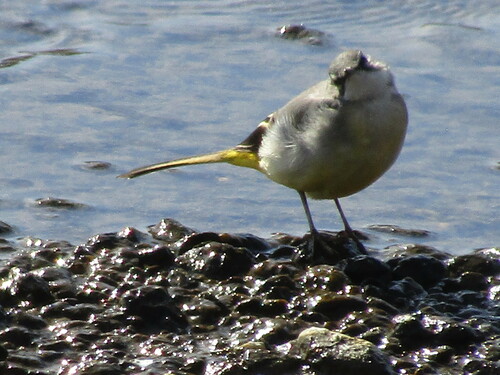
© SteveM4560 · CC BY · iNaturalist 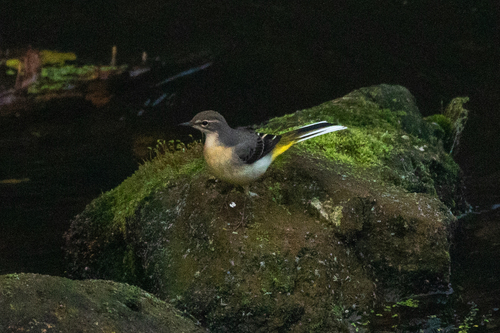
© Константин Шатилов · CC BY · iNaturalist 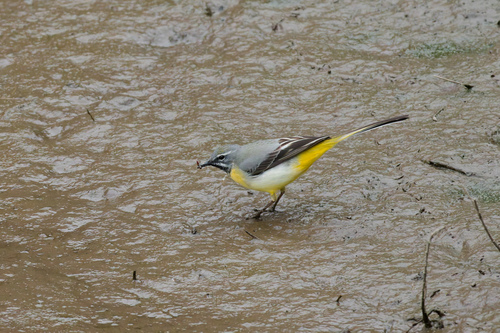
© Donald Davesne · CC BY · iNaturalist 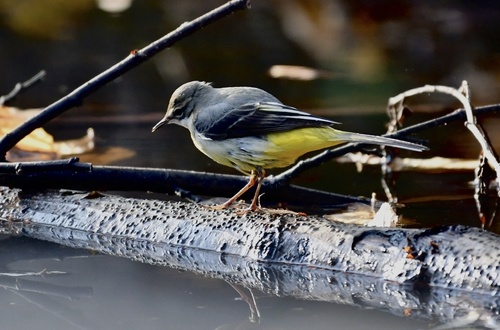
© rober025 · CC BY · iNaturalist 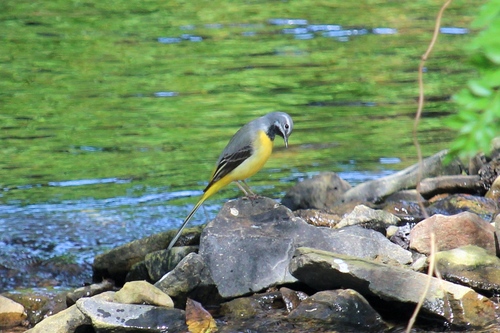
© Diego Cidrás · CC BY · iNaturalist 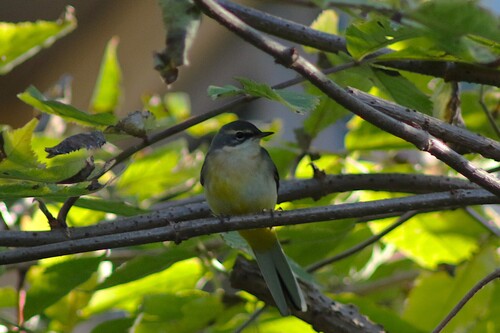
© Fabien52851 · CC BY · iNaturalist 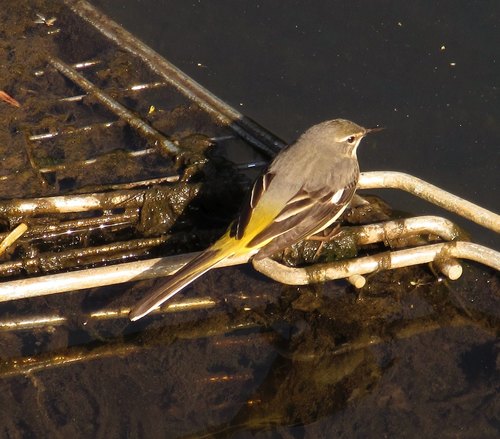
© Jon Mortin · CC BY · iNaturalist 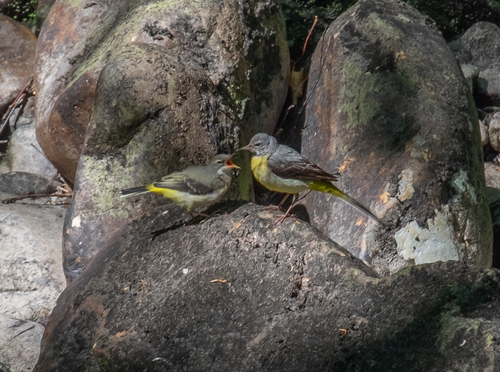
© Shawn O'Donnell · CC BY · iNaturalist 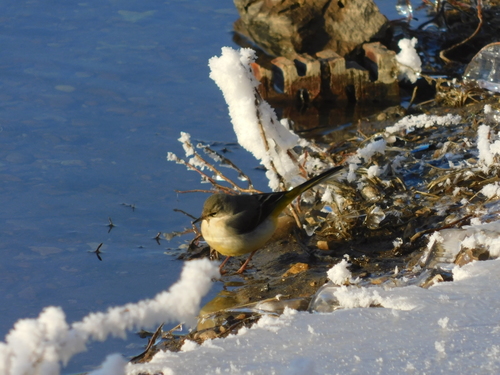
© Марат Адиев · CC BY · iNaturalist 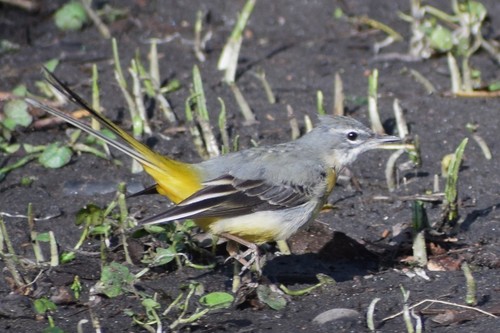
© Syd Cannings · CC BY · iNaturalist
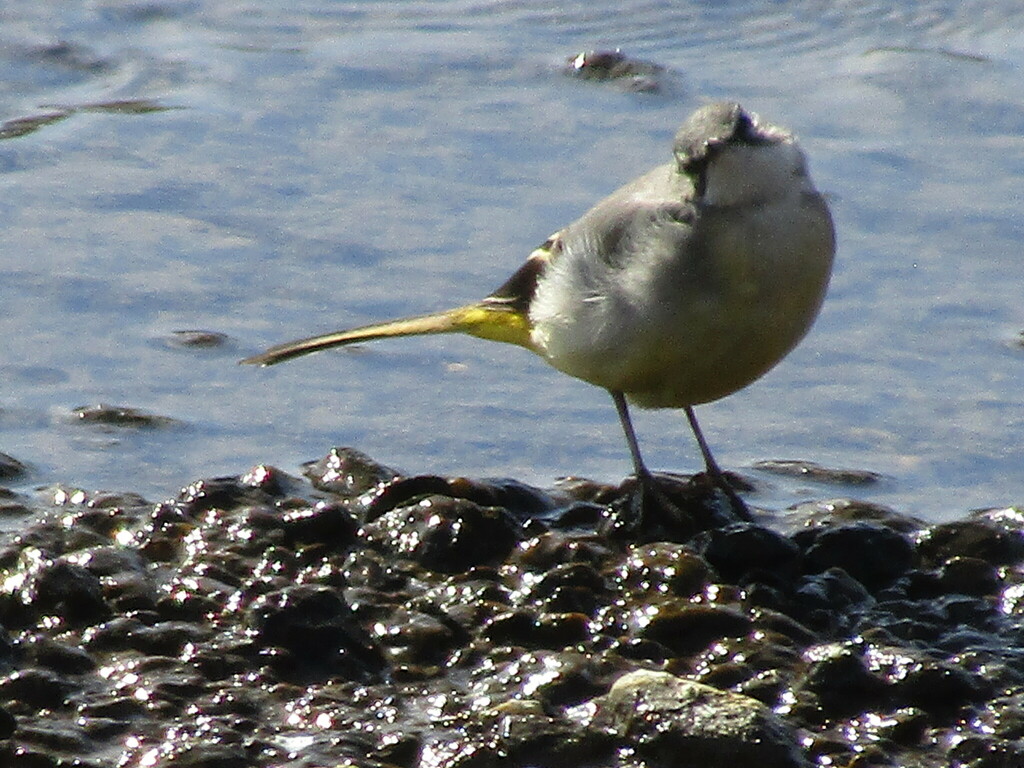
Especies relacionadasRelated species
Otras aves de la familia Motacillidae y de órdenes cercanos.Other birds from the Motacillidae family and nearby orders.
- ComúnCommon
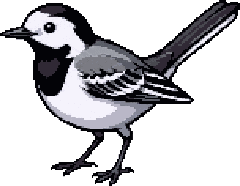 Lavandera blancaWhite WagtailMotacilla alba
- ÉpicoEpic
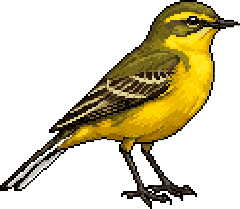 Lavandera de ChukotkaEast Siberian WagtailMotacilla tschutschensis
- RaroRare
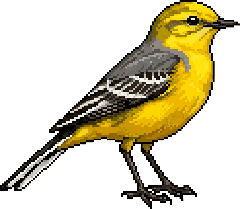 Lavandera cetrinaCitrine WagtailMotacilla citreola
- RaroRare
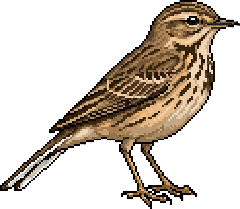 Bisbita de RichardRichard's PipitAnthus richardi
- LegendarioLegendary
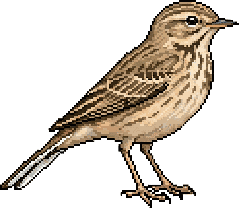 Bisbita esteparioBlyth's PipitAnthus godlewskii
- ÉpicoEpic
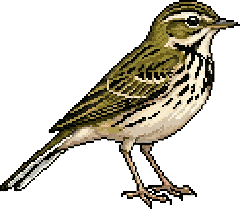 Bisbita de HodgsonOlive-backed PipitAnthus hodgsoni
- RaroRare
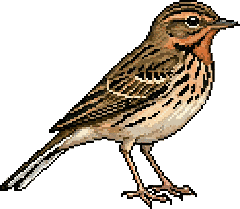 Bisbita gorjirrojoRed-throated PipitAnthus cervinus
- LegendarioLegendary
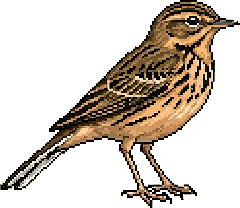 Bisbita pechianteadoAmerican PipitAnthus rubescens
 Gratis, sin anuncios ni comprasFree, no ads, no purchases