 BirdPedy
Alca comúnRazorbill
En 23 provincias en febrero y sin registros un mes del añoIn 23 provinces in February, and no records in one month of the year
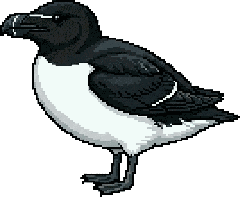
Reporte de rarezaRarity report
Por qué es poco comúnWhy it is uncommonEntre 2020 y 2024 se vio en España en 638 ocasiones distintas, que suman 787 días, todos los años (datos de Observation.org, eBird, iNaturalist y el ICO publicados en GBIF). En más de la mitad de las provincias no hay ningún registro suyo. En la guía de aves de SEO/BirdLife figura como habitual en España.Between 2020 and 2024 it was seen in Spain on 638 separate occasions, adding up to 787 days, every year (data from Observation.org, eBird, iNaturalist and ICO published on GBIF). More than half of Spanish provinces have no records of it. SEO/BirdLife's bird guide lists it as regular in Spain.
Cada carrizo es un mes: su altura, las provincias con registros de 2020 a 2024.Each reed is a month: its height, the provinces with records from 2020 to 2024.- Provincias con registrosProvinces with records
- 23 de 52of 52
- En la appIn the app
- Octubre a abrilOctober to April
- EnvergaduraWingspan
- 63-68 cm63-68 cm
- LongitudLength
- 37-39 cm37-39 cm
- Lista Roja de EspañaSpanish Red List
- DD Datos insuficientesData Deficient

Información generalGeneral Information
A pesar de no reproducirse en el litoral español, el alca común resulta el álcido más frecuente en nuestro país a lo largo de la invernada, época en la que un buen número de ejemplares jóvenes e inmaduros permanecen cerca de las costas atlánticas y mediterráneas, a las que acuden hacia el mes de octubre y abandonan en marzo.The Razorbill is the most frequent auk in Spanish waters during winter. Large numbers of young birds from northern colonies (UK, Scandinavia) arrive each year between October and March. They are highly successful fishers, often seen in small groups 'porpoising' through the surf. They are a beloved part of the Spanish winter coastline, bringing a touch of the northern bird-cliffs to our harbors and bays.
IdentificaciónIdentification
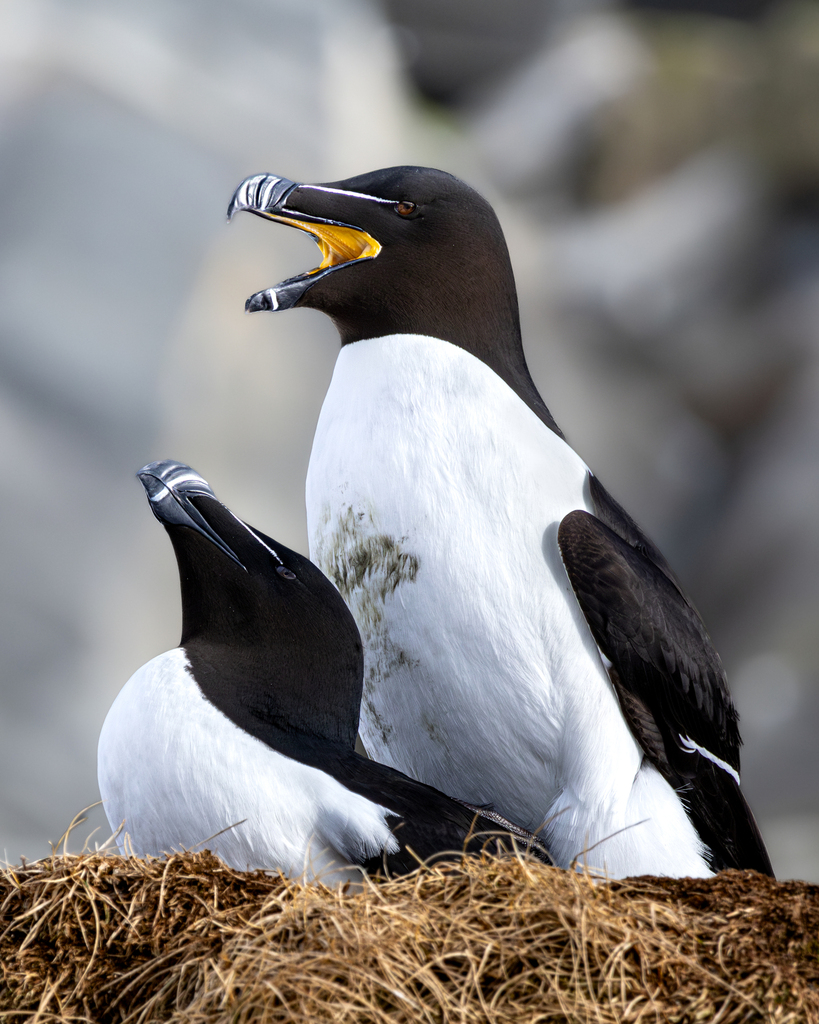
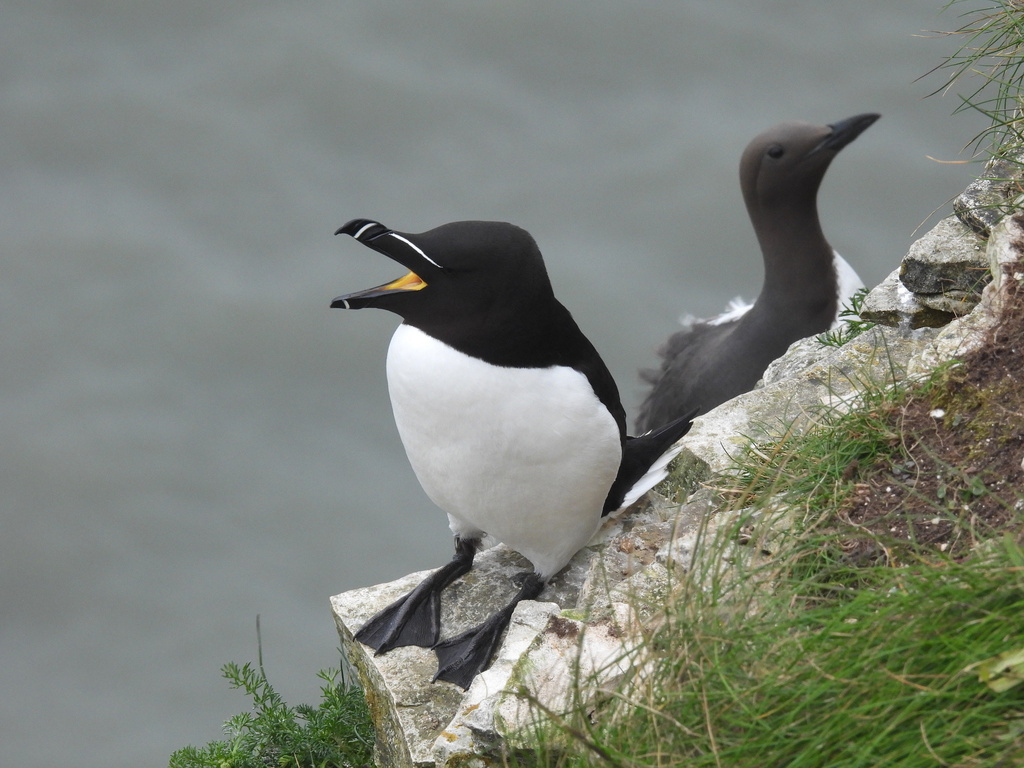
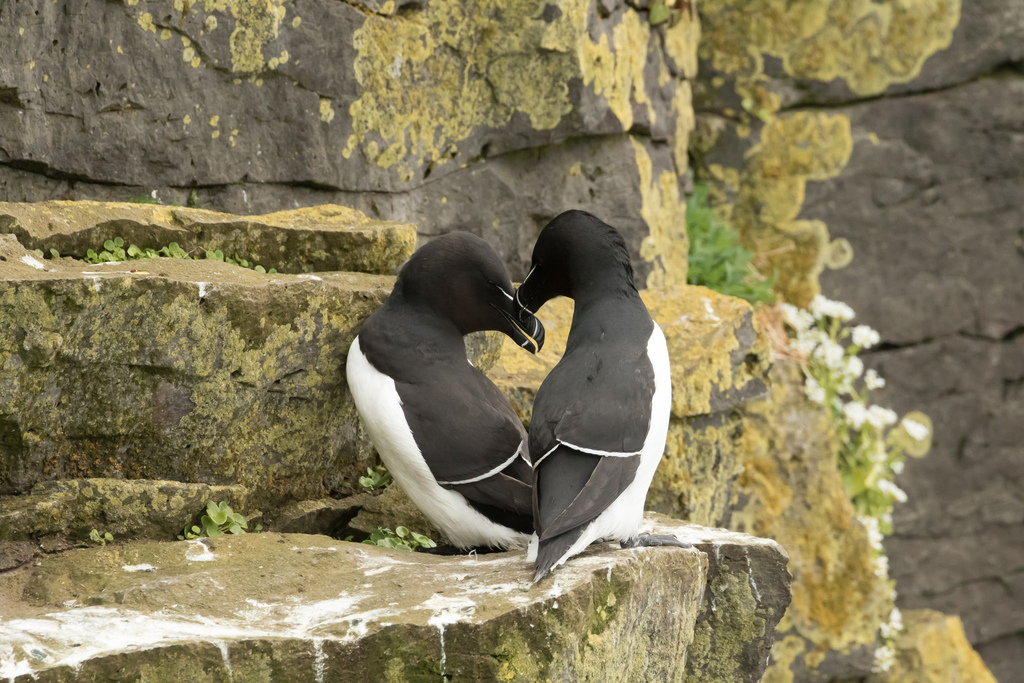
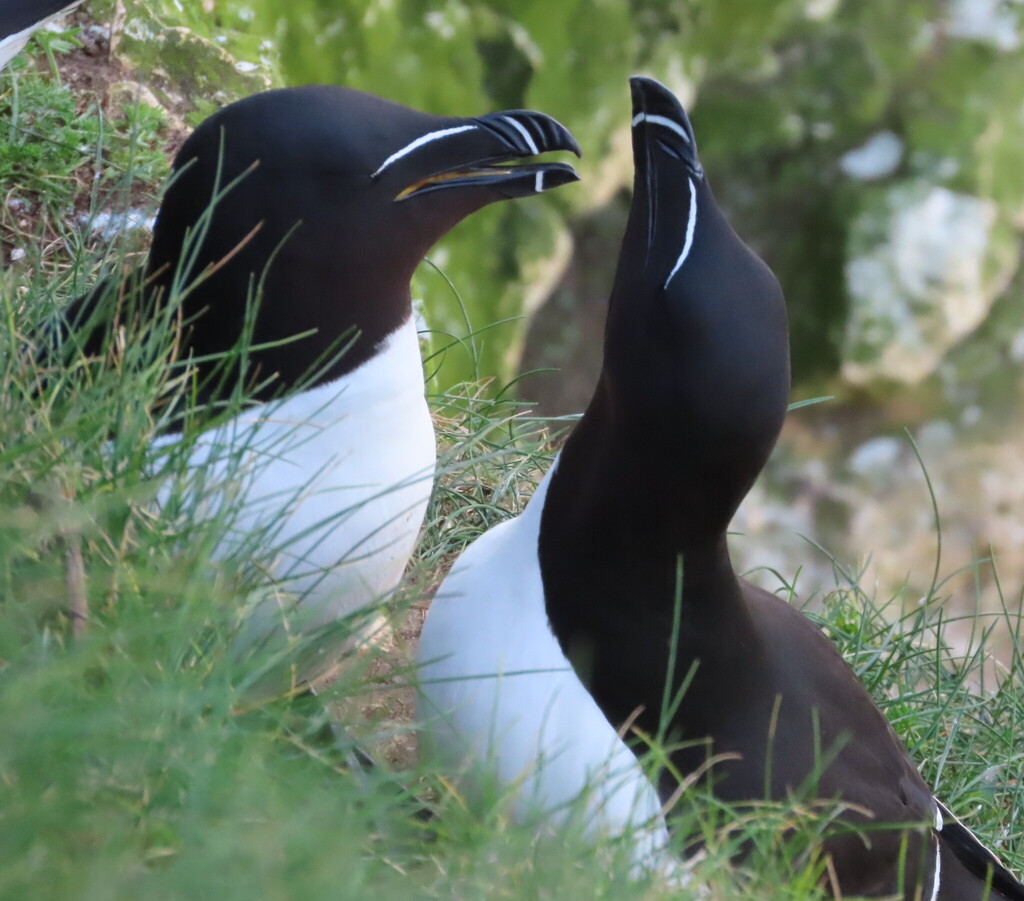
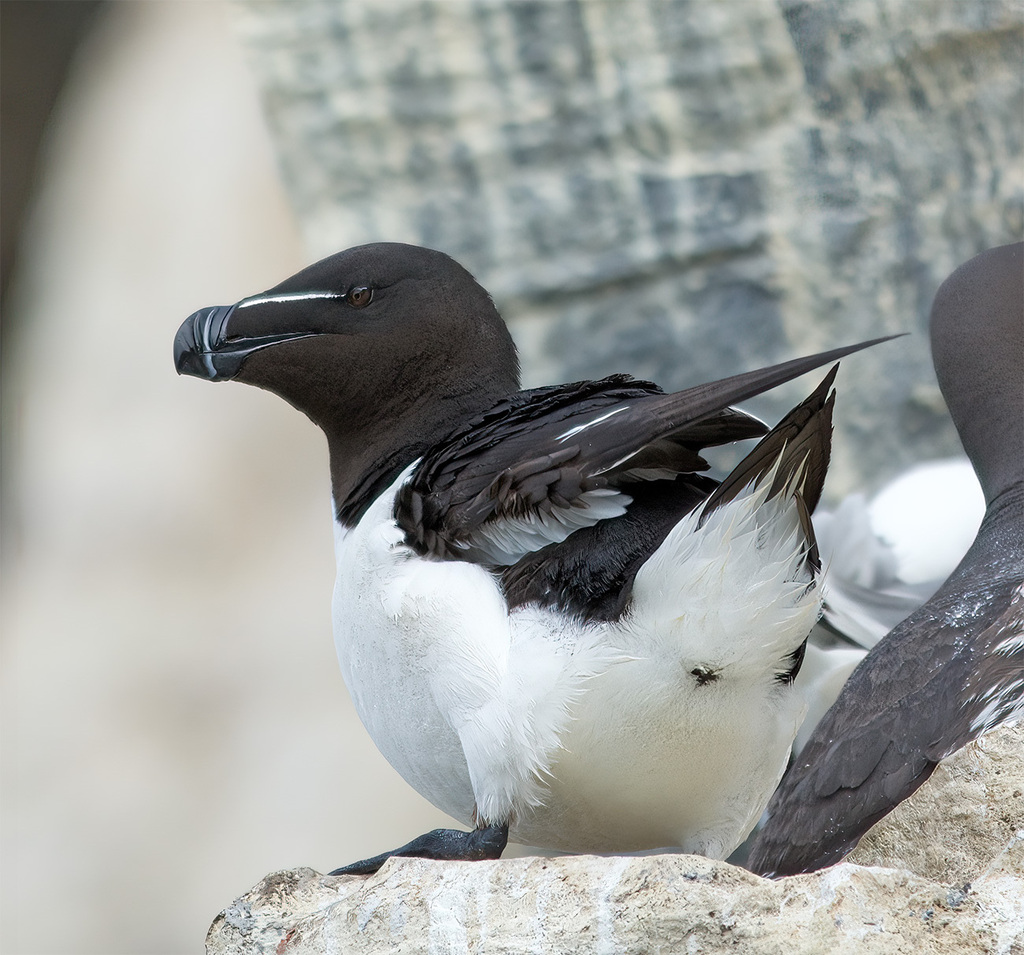
El alca común, como el resto de los componentes de la familia de los álcidos, presenta el cuerpo alargado y las patas en posición bastante retrasada, si bien se diferencia con facilidad por la cola, relativamente larga, y el pico robusto, de color negro y surcado por una delgada línea blanca. El diseño, que sigue el patrón típico de este grupo de aves, con las regiones dorsales negras y las ventrales blancas, es similar en ambos sexos, si bien varía según la edad y la época del año. Así, durante el periodo reproductor muestra una tonalidad negra más intensa que se extiende por toda la cabeza hasta el cuello, y en el pico se dibujan tres líneas blancas. Los jóvenes son parecidos a los adultos durante el invierno, aunque el pico es algo menor y con la forma ligeramente distinta. Vuela muy cerca de la superficie del mar, propulsado por rápidos batidos de ala, a menudo agrupado en pequeños bandos o «trenes» de aves que se desplazan en fila.A medium-sized auk with a very distinctive, thick, laterally compressed black bill marked by a white line. It has a long, pointed tail which distinguish it from the Guillemot. It is solid black above and pure white below. In summer, its head is entirely black. It has a very characteristic upright posture when perched and a direct, low flight over the waves.
DistribuciónDistribution
No se reproduce en territorio español, si bien resulta bastante frecuente en nuestras costas durante el invierno a lo largo de todo el litoral, especialmente el atlántico. En Canarias aparece de modo ocasional.Common winter visitor and passage migrant across all Spanish coasts. Most abundant in the Atlantic but regular in the Mediterranean. Occasional in the Canary Islands. Does not breed locally.
Textos reproducidos con permiso de laTexts translated and reproduced with permission from the Guía de Aves de España © SEO/BirdLife
Estado de conservaciónConservation Status
- EX
- RE
- CR
- EN
- VU
- NT
- LC
DD
Datos insuficientesData Deficient
Qué significa cada categoríaWhat each category means
- LC
- Preocupación menor: Taxón evaluado que no califica para categorías amenazadas. Especies abundantes y ampliamente distribuidasLeast Concern - Evaluated taxon that does not qualify for threatened categories. Widespread and abundant taxa
- NT
- Casi amenazada: No califica actualmente como amenazada, pero está cerca de calificar o es probable que califique en el futuro cercanoNear Threatened - Does not currently qualify as threatened, but is close to qualifying or likely to qualify in the near future
- VU
- Vulnerable: Enfrenta un alto riesgo de extinción en estado silvestre según los criterios A a E de IUCNVulnerable - Facing a high risk of extinction in the wild based on IUCN criteria A to E
- EN
- En peligro: Enfrenta un riesgo muy alto de extinción en estado silvestre según los criterios A a E de IUCNEndangered - Facing a very high risk of extinction in the wild based on IUCN criteria A to E
- CR
- En peligro crítico: Enfrenta un riesgo extremadamente alto de extinción en estado silvestre según los criterios A a E de IUCNCritically Endangered - Facing an extremely high risk of extinction in the wild based on IUCN criteria A to E
- DD
- Datos insuficientes: Información inadecuada para evaluar el riesgo de extinción basándose en distribución o estado poblacionalData Deficient - Inadequate information to assess extinction risk based on distribution and/or population status
- NE
- No evaluada: No ha sido evaluada aún contra los criterios de la Lista Roja de IUCNNot Evaluated - Has not yet been assessed against the IUCN Red List criteria
- RE
- Extinta regionalmente: El taxón ya no existe en la región específica, aunque puede sobrevivir en otros lugaresRegionally Extinct - Taxon no longer exists in the specific region, though it may survive elsewhere
- EX
- Extinta - No existe duda razonable de que ha muerto el último individuo del taxónExtinct - No reasonable doubt that the last individual of the taxon has died
TaxonomíaTaxonomy
- OrdenOrder
- Charadriiformes
- FamiliaFamily
- Alcidae
Presencia en EspañaPresence in Spain
- De pasoPassage migrant
- HabitualRegular
- InvernanteWinter visitor
En la app: octubre a abril.In the app: October to April.
Dónde verlaWhere to see it
268 cuadrículas de 10 km con registros de 2020 a 2024. Toca un mes para ver dónde se ha visto.268 10 km squares with records from 2020 to 2024. Pick a month to see where it has been seen.
Cargando el mapa…Loading the map…
Dónde es regularWhere it is regular
Provincias con registros en al menos 3 de los 5 años algún mes, de más a menos frecuente, y sus mejores meses.Provinces with records in at least 3 of the 5 years in some month, from most to least frequent, and their best months.
- CantabriaCantabriaenero, noviembre, febreroJanuary, November, February
- HuelvaHuelvaenero, marzo, febreroJanuary, March, February
- AlmeríaAlmeríadiciembre, enero, noviembreDecember, January, November
- VizcayaVizcayanoviembre, enero, febreroNovember, January, February
- PontevedraPontevedradiciembre, enero, febreroDecember, January, February
- LugoLugoenero, noviembre, diciembreJanuary, November, December
- AlicanteAlicantediciembre, enero, febreroDecember, January, February
- AsturiasAsturiasnoviembre, enero, diciembreNovember, January, December
- GuipúzcoaGuipúzcoanoviembre, enero, diciembreNovember, January, December
- CádizCádiznoviembre, febrero, marzoNovember, February, March
Ver las 20 provinciasSee all 20 provinces
- GironaGironadiciembre, enero, febreroDecember, January, February
- MálagaMálagaenero, febrero, diciembreJanuary, February, December
- TarragonaTarragonadiciembre, noviembre, eneroDecember, November, January
- A CoruñaA Coruñanoviembre, enero, diciembreNovember, January, December
- ValenciaValenciadiciembre, febrero, eneroDecember, February, January
- MurciaMurciadiciembre, noviembre, febreroDecember, November, February
- BarcelonaBarcelonanoviembre, enero, febreroNovember, January, February
- CastellónCastellónnoviembreNovember
- BalearesBalearic IslandsdiciembreDecember
- GranadaGranadaenero, febreroJanuary, February
Datos: registros en GBIF de 2020 a 2024 de Observation.org, eBird, iNaturalist y el ICO, descargados el 23/10/2026.Data: GBIF records from 2020 to 2024 from Observation.org, eBird, iNaturalist and the ICO, downloaded on 23/10/2026. GBIF.org (23 October 2026) GBIF Occurrence Download · doi:10.15468/dl.r5sf2a · CC BY-NC 4.0
GaleríaGallery

© Melissa McMasters · CC BY · iNaturalist 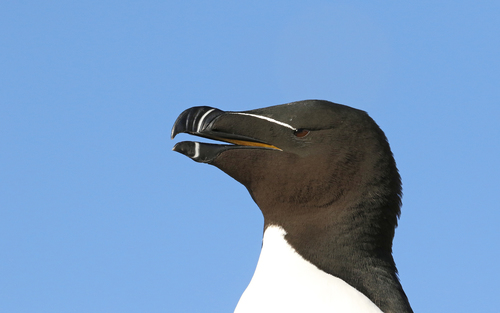
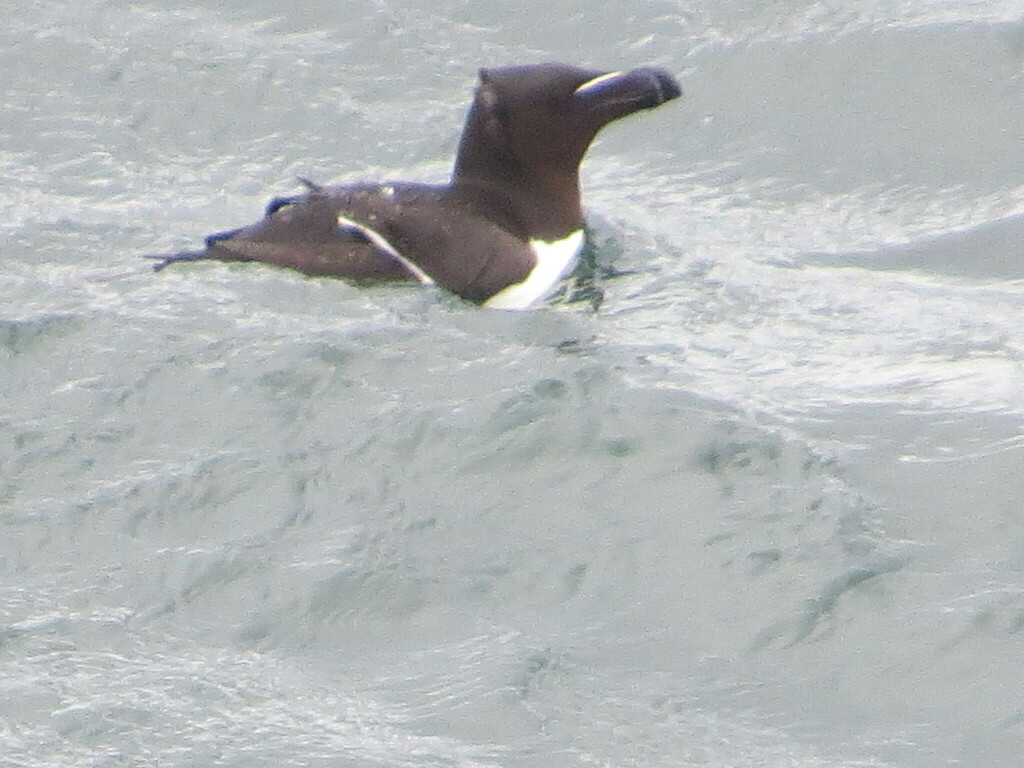
© Christoph Moning · CC BY · iNaturalist 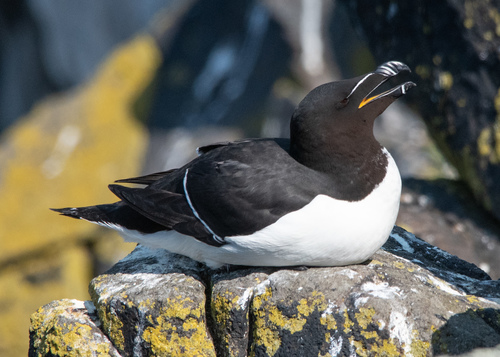
© Don Loarie · CC BY · iNaturalist 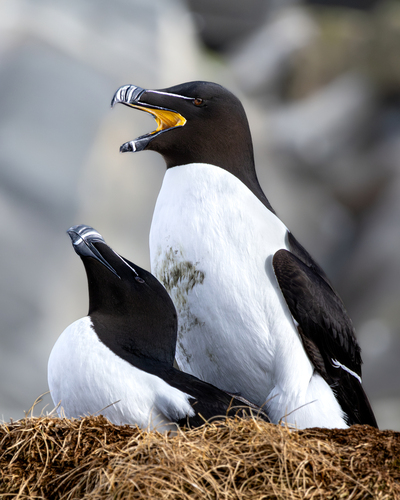
© Diego González Dopico · CC BY · iNaturalist 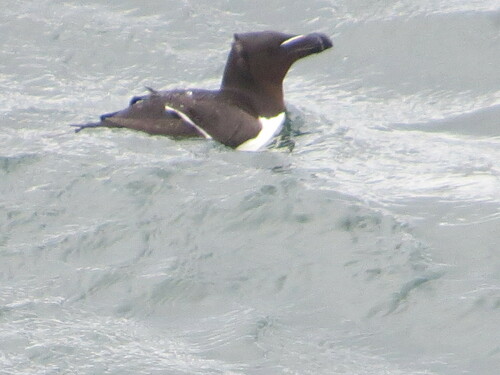
© ian_mcallan · CC BY · iNaturalist 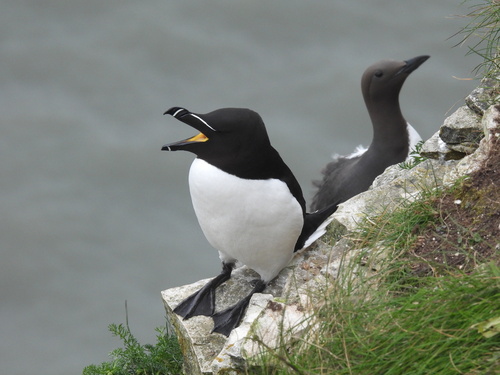
© Stanley Davis · CC BY · iNaturalist 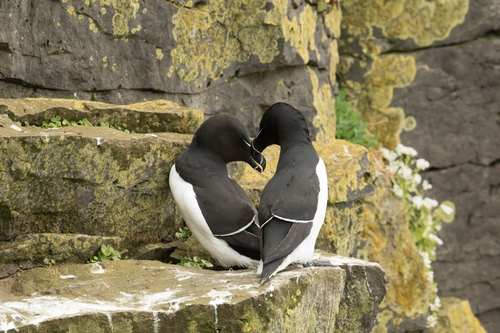
© Claude Kolwelter · CC BY · iNaturalist 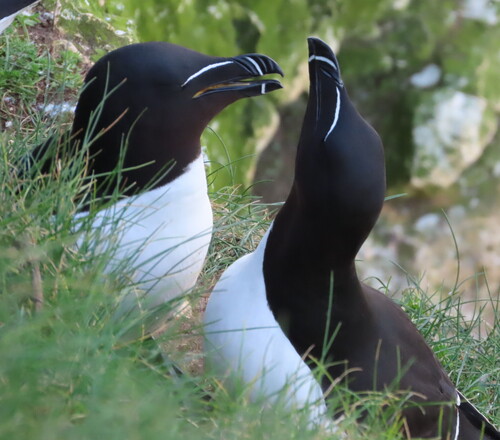
© Helen Bovill · CC BY · iNaturalist 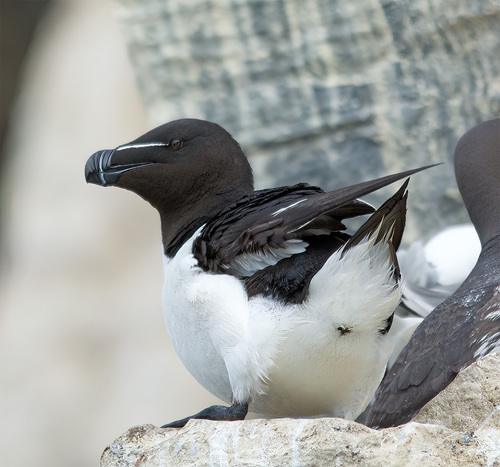
© Pål A. Olsvik · CC BY · iNaturalist
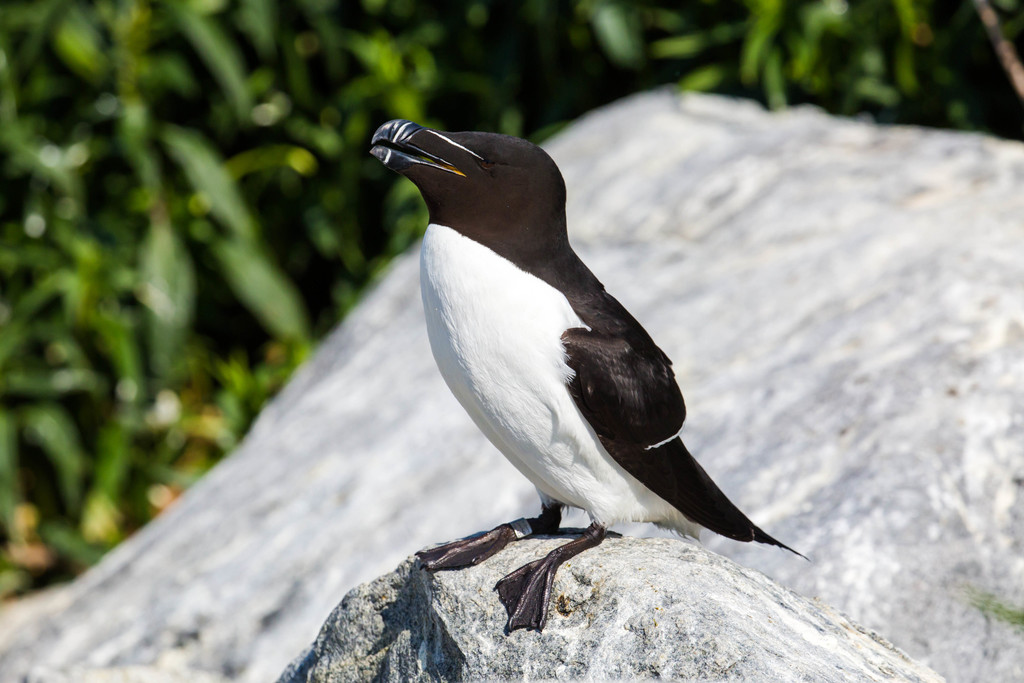
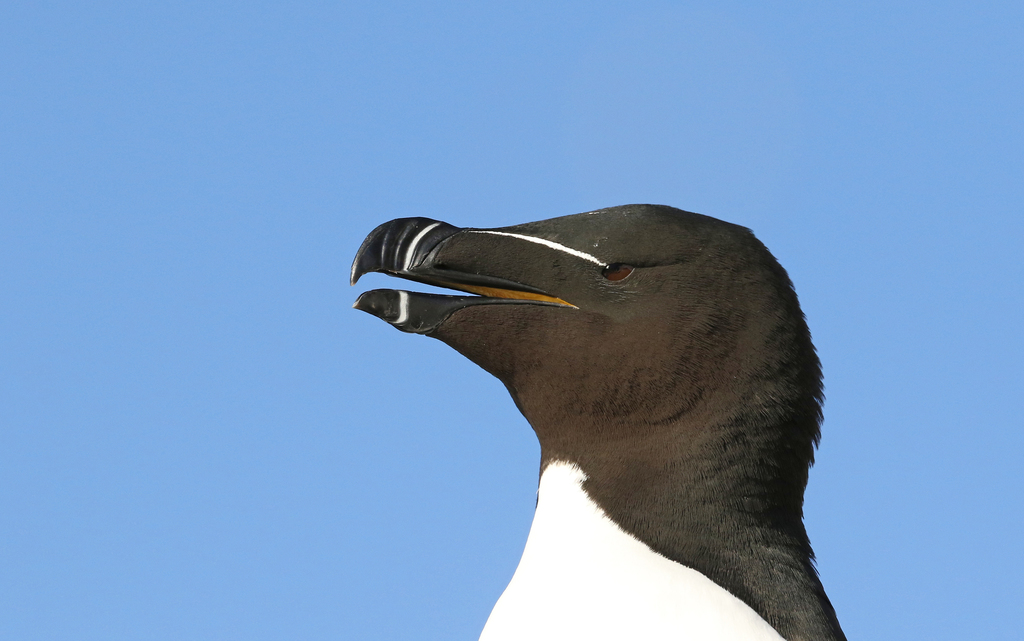
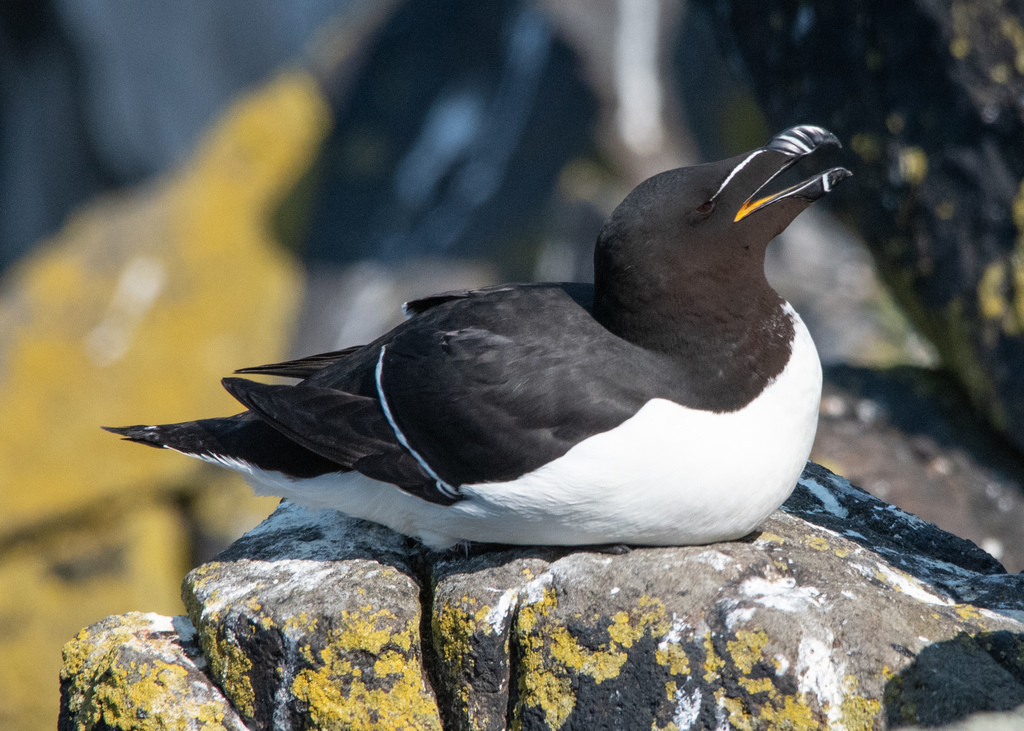
Especies relacionadasRelated species
Otras aves de la familia Alcidae y de órdenes cercanos.Other birds from the Alcidae family and nearby orders.
- LegendarioLegendary
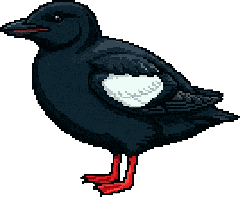 Arao aliblancoBlack GuillemotCepphus grylle
- Poco comúnUncommon
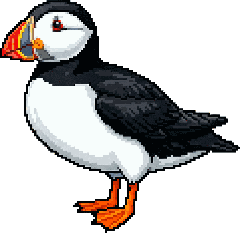 Frailecillo atlánticoAtlantic PuffinFratercula arctica
- RaroRare
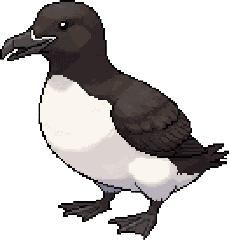 Arao comúnCommon MurreUria aalge
- ÉpicoEpic
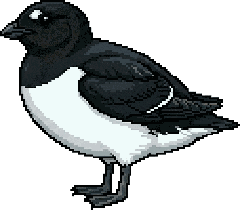 Mérgulo atlánticoLittle AukAlle alle
- LegendarioLegendary
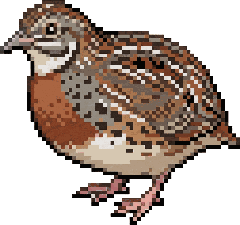 Torillo andaluzCommon ButtonquailTurnix sylvaticus
- Poco comúnUncommon
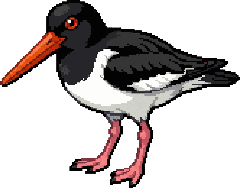 Ostrero euroasiáticoEurasian OystercatcherHaematopus ostralegus
- ComúnCommon
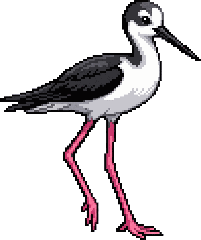 Cigüeñuela comúnBlack-winged StiltHimantopus himantopus
- Poco comúnUncommon
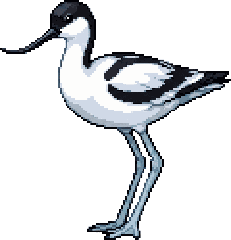 Avoceta comúnPied AvocetRecurvirostra avosetta
 Gratis, sin anuncios ni comprasFree, no ads, no purchases