 BirdPedy
Abubilla comúnEurasian Hoopoe
En 52 provincias en marzo y en 39 en eneroIn 52 provinces in March and 39 in January
Reporte de rarezaRarity report
Por qué es comúnWhy it is commonMuy extendida y fácil de identificar por su cresta y reclamo ("pupu-pupu"). Ocupa una gran variedad de hábitats abiertos, desde cultivos hasta parques y jardines de todo el país.Widespread and easy to identify. Present in all types of open environments, characteristic crest and song.
Cada carrizo es un mes: su altura, las provincias con registros de 2020 a 2024.Each reed is a month: its height, the provinces with records from 2020 to 2024.- Provincias con registrosProvinces with records
- 52 de 52of 52
- En la appIn the app
- Todo el añoAll year
- EnvergaduraWingspan
- 44-48 cm44-48 cm
- LongitudLength
- 27 cm27 cm
- Lista Roja de EspañaSpanish Red List
- LC Preocupación menorLeast Concern

Información generalGeneral Information
Se trata de una de las aves más populares de la España mediterránea, muy abundante en las dehesas de la mitad meridional. Su característico reclamo, su llamativo penacho de plumas y su vuelo errático y ondulante la hacen fácilmente reconocible. Pese a ser una especie migradora transahariana, parte de la población reside todo el año en las regiones peninsulares más cálidas, así como en Baleares y Canarias, territorios que también acogen individuos europeos invernantes.A highly popular and beneficial bird, particularly in 'dehesas' and traditional groves. While it is a trans-Saharan migrant, significant populations in southern Spain, the Balearics, and the Canaries remain year-round. It is famous for its 'malodorous' defense mechanism, where chicks and nesting females emit a foul-smelling secretion to deter predators from their cavity nests.
IdentificaciónIdentification
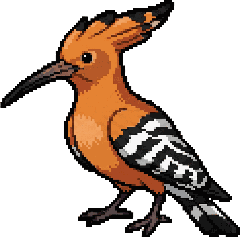
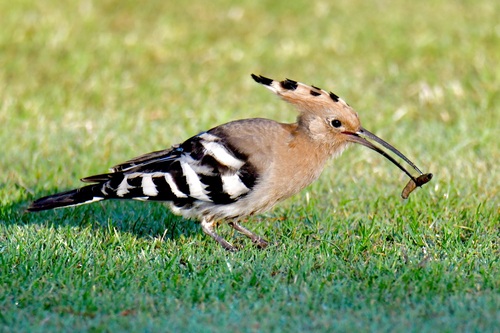
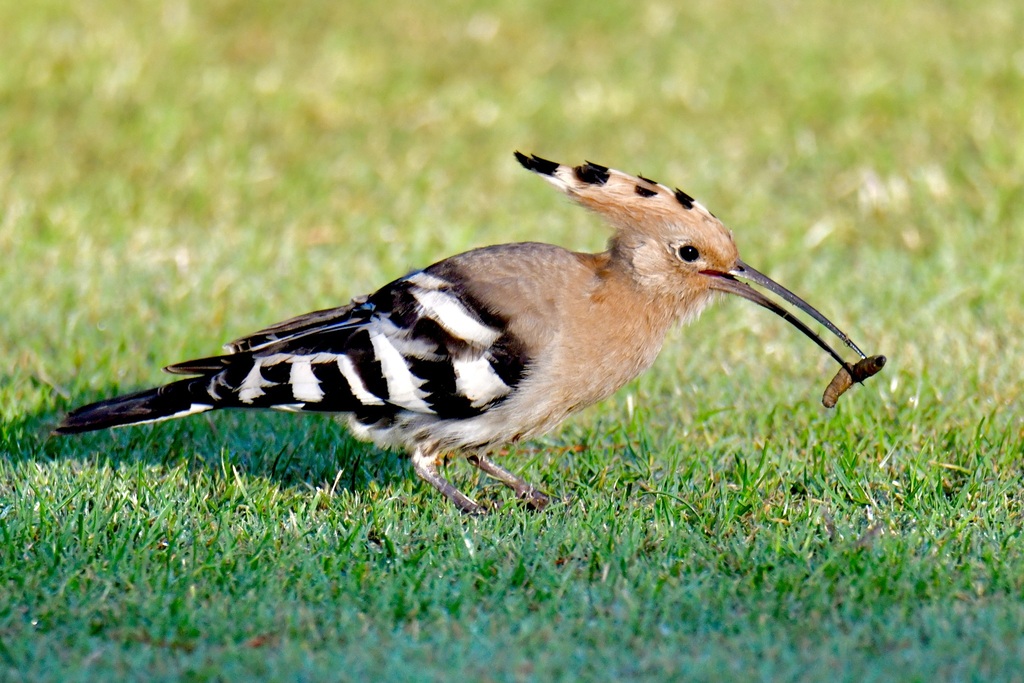
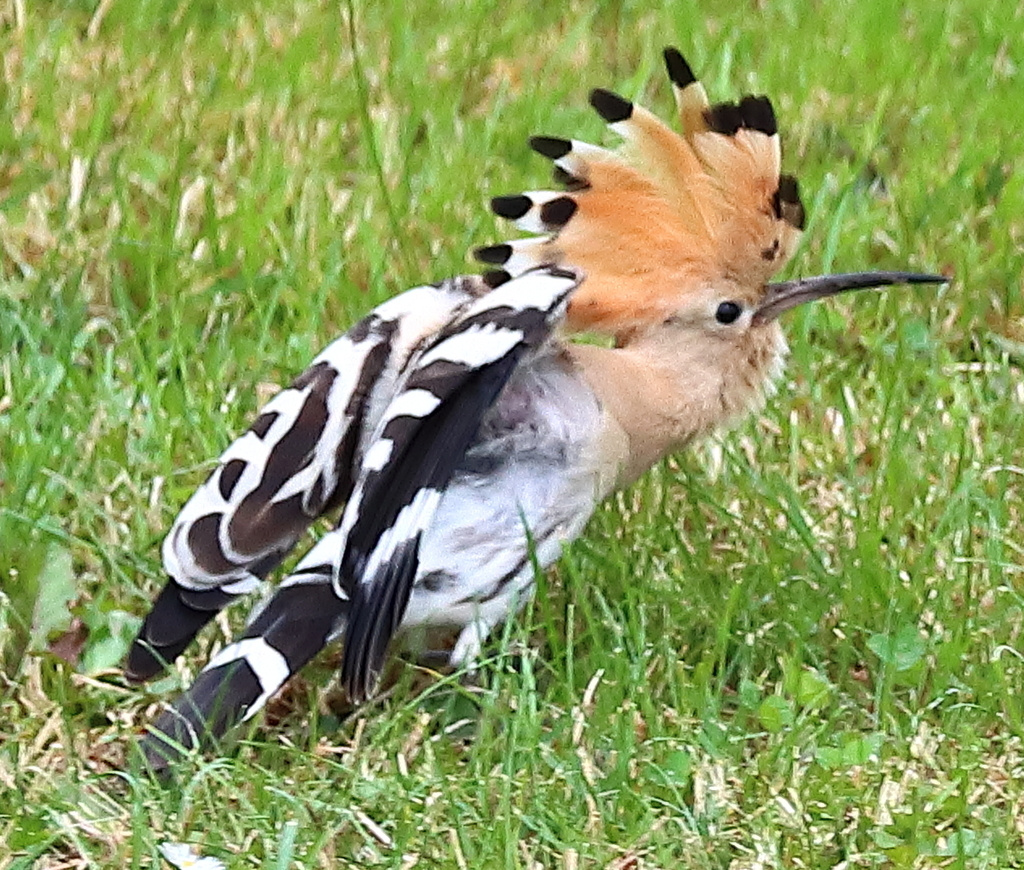
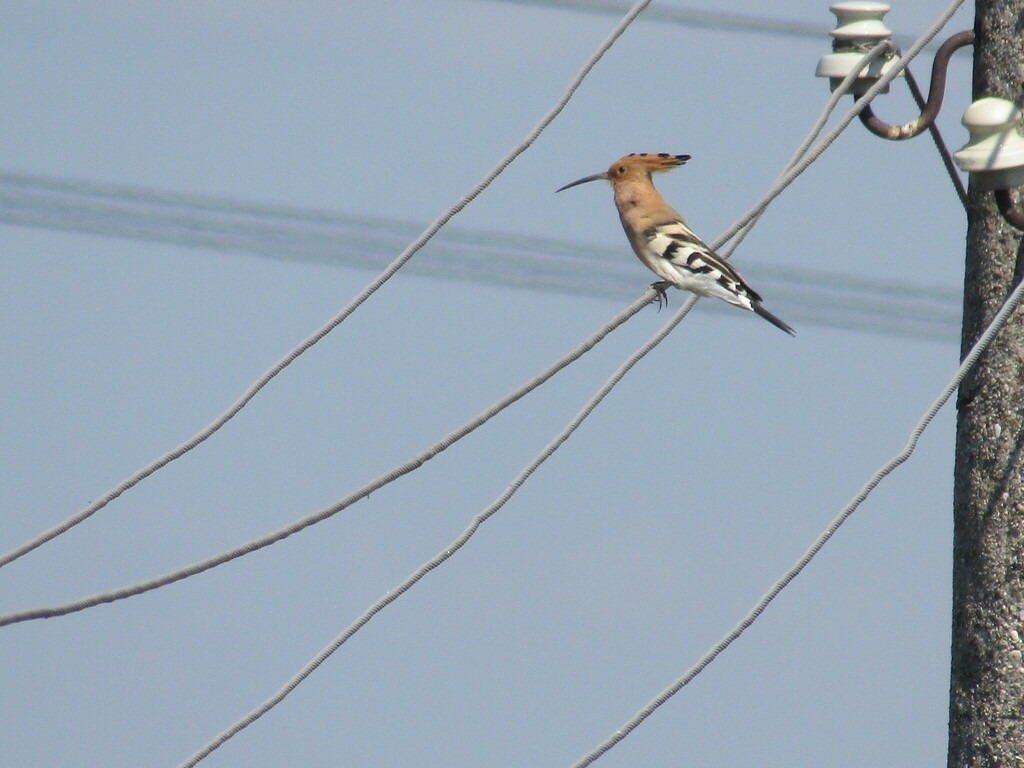
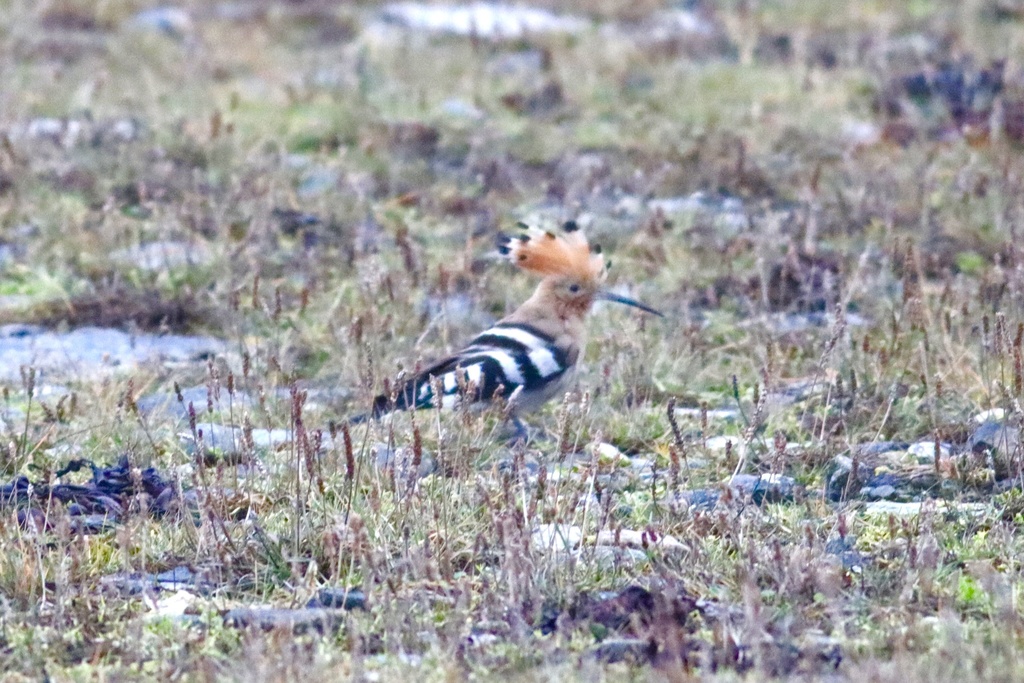
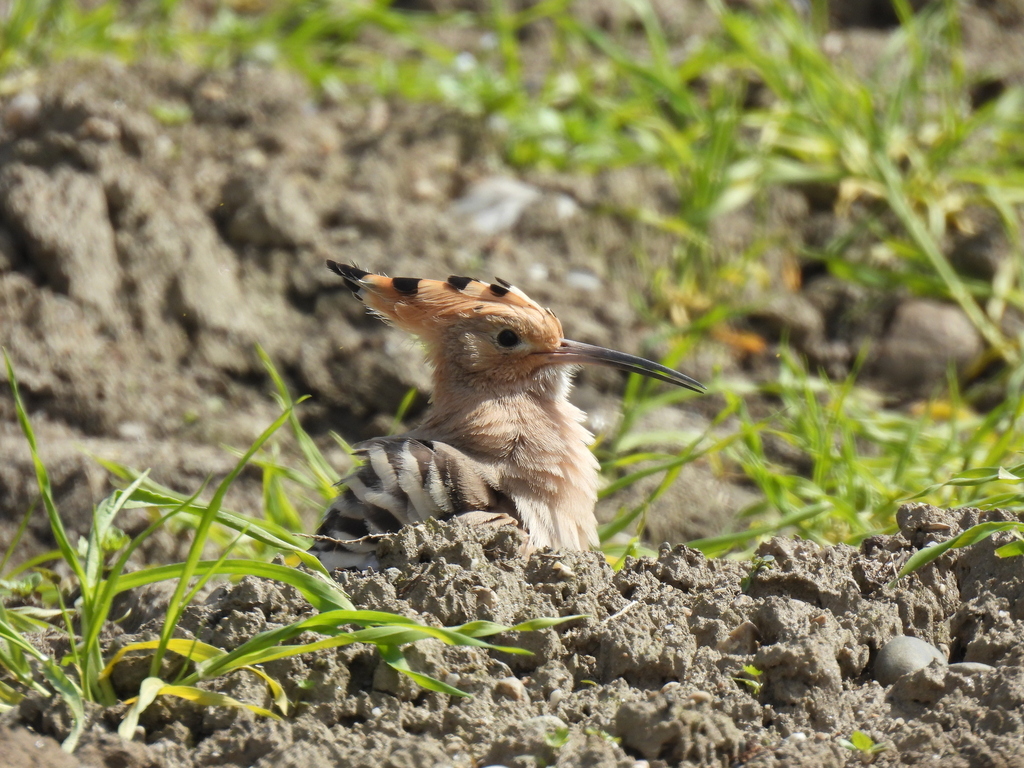
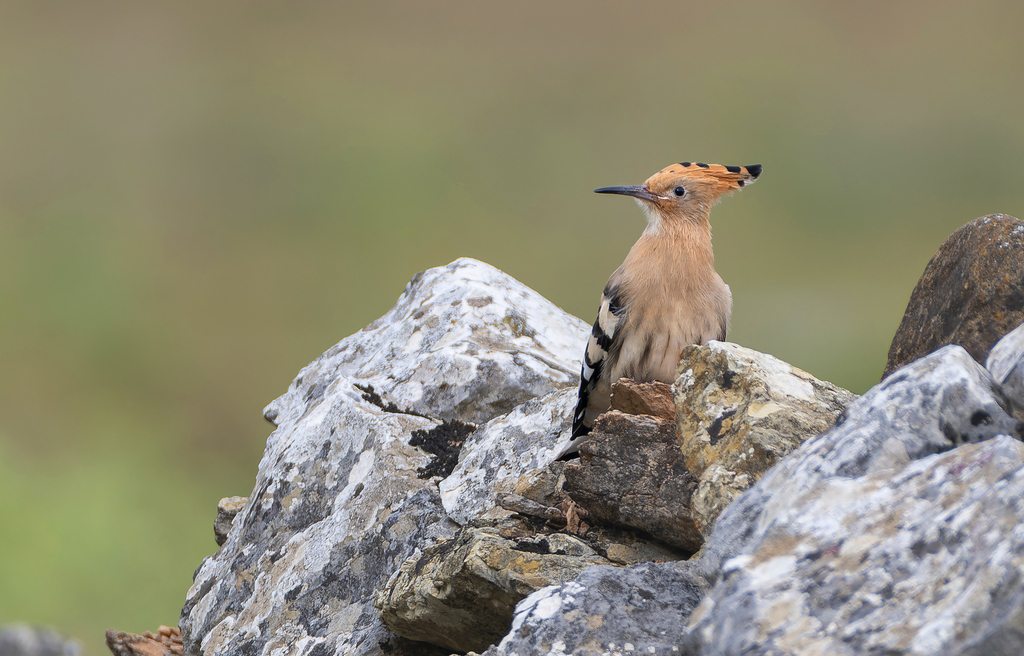
La abubilla común es un ave de aspecto inconfundible, con tonos ocres en la mitad anterior del cuerpo, y listas negras y blancas en la mitad posterior del dorso. Pese a que ambos sexos resultan muy similares, el macho posee el color anaranjado del pecho de un tono más intenso. La abubilla luce en su cabeza una llamativa cresta, de color ocre y con las puntas negras, que suele desplegar al posarse, cuando está inquieta o durante el cortejo. Tiene el pico largo y ligeramente curvado, y una cola amplia y negra, atravesada por una banda blanca. En vuelo presenta alas blanquinegras, muy anchas y redondeadas. Los aleteos son irregulares y describe ligeras ondulaciones en su trayectoria.A completely unmistakable bird with cinnamon-pink or salmon-buff plumage and bold black-and-white 'zebra' stripes on the wings and tail. Its most iconic feature is the large, retractable crest tipped with black, which it fans out when landing or excited. It has a long, slender, curved bill for probing the ground for larvae. In flight, its broad, rounded wings give it a characteristic butterfly-like appearance. Its rhythmic 'hoo-poo-poo' call is a classic Mediterranean sound.
DistribuciónDistribution
Se localiza en casi toda la Península, salvo en la franja cantábrica. No obstante, resulta más escasa en zonas de montaña y de clima húmedo, ya que la pluviosidad elevada reduce considerablemente su éxito reproductor. Aparece también como residente en las islas Canarias y Baleares, y se ha confirmado su reproducción en Melilla, aunque no en Ceuta.Present across almost the entire Peninsula (except the humid Cantabrian strip), the Balearics, and the Canaries. Scarce in high mountains. Resident in Canary Islands, Balearics, and southern Spain; summer visitor elsewhere.
Textos reproducidos con permiso de laTexts translated and reproduced with permission from the Guía de Aves de España © SEO/BirdLife
Estado de conservaciónConservation Status
- EX
- RE
- CR
- EN
- VU
- NT
- LC
Preocupación menorLeast Concern
Qué significa cada categoríaWhat each category means
- LC
- Preocupación menor: Taxón evaluado que no califica para categorías amenazadas. Especies abundantes y ampliamente distribuidasLeast Concern - Evaluated taxon that does not qualify for threatened categories. Widespread and abundant taxa
- NT
- Casi amenazada: No califica actualmente como amenazada, pero está cerca de calificar o es probable que califique en el futuro cercanoNear Threatened - Does not currently qualify as threatened, but is close to qualifying or likely to qualify in the near future
- VU
- Vulnerable: Enfrenta un alto riesgo de extinción en estado silvestre según los criterios A a E de IUCNVulnerable - Facing a high risk of extinction in the wild based on IUCN criteria A to E
- EN
- En peligro: Enfrenta un riesgo muy alto de extinción en estado silvestre según los criterios A a E de IUCNEndangered - Facing a very high risk of extinction in the wild based on IUCN criteria A to E
- CR
- En peligro crítico: Enfrenta un riesgo extremadamente alto de extinción en estado silvestre según los criterios A a E de IUCNCritically Endangered - Facing an extremely high risk of extinction in the wild based on IUCN criteria A to E
- DD
- Datos insuficientes: Información inadecuada para evaluar el riesgo de extinción basándose en distribución o estado poblacionalData Deficient - Inadequate information to assess extinction risk based on distribution and/or population status
- NE
- No evaluada: No ha sido evaluada aún contra los criterios de la Lista Roja de IUCNNot Evaluated - Has not yet been assessed against the IUCN Red List criteria
- RE
- Extinta regionalmente: El taxón ya no existe en la región específica, aunque puede sobrevivir en otros lugaresRegionally Extinct - Taxon no longer exists in the specific region, though it may survive elsewhere
- EX
- Extinta - No existe duda razonable de que ha muerto el último individuo del taxónExtinct - No reasonable doubt that the last individual of the taxon has died
TaxonomíaTaxonomy
- OrdenOrder
- Bucerotiformes
- FamiliaFamily
- Upupidae
Presencia en EspañaPresence in Spain
- EstivalSummer visitor
- HabitualRegular
- InvernanteWinter visitor
- ResidenteResident
En la app: todo el año.In the app: all year.
Revisión científica de BirdPedyBirdPedy scientific review
Revisada por BirdPedy el 28/10/2026 ·Reviewed by BirdPedy on 28 October 2026 · Cómo revisamosHow we review
HábitatsHabitats
BirdPedy usa 14 categorías de hábitat propias, con definiciones fijas, y apoya cada una en el texto de la ficha de seo.org [1] o, cuando no basta, en el III Atlas u otra fuente sobre España. En esta especie hay decisiones que se apartan de la ficha o que merecen explicación.
Añadimos “Cultivos leñosos”: la ficha no lo dice, pero ocupa olivares y frutales [2]. Quitamos “Matorral y pastizal”: ni la ficha ni el III Atlas (Martín-Vivaldi, 2022) nombran el matorral [2].
BirdPedy uses 14 habitat categories of its own, with fixed definitions, and supports each one with the text of the seo.org account [1] or, when that is not enough, with the III Atlas or another source on Spain. For this species, some decisions depart from the account or deserve an explanation.
We add “Woody crops”: the account does not say so, but it occupies olive groves and orchards [2]. We remove “Scrub and grassland”: neither the account nor the III Atlas (Martín-Vivaldi, 2022) mention scrub [2].
ReferenciasReferences
- SEO/BirdLife. Guía de aves de seo.org, ficha: Abubilla común (consultada el 23/10/2026).SEO/BirdLife. Bird guide on seo.org, Eurasian Hoopoe account (accessed 23 October 2026). seo.org
- Molina, B. et al. (eds.) (2022). III Atlas de las aves en época de reproducción en España, ficha: Abubilla común. SEO/BirdLife. Madrid.Molina, B. et al. (eds.) (2022). III Atlas de las aves en época de reproducción en España (Atlas of breeding birds in Spain), Eurasian Hoopoe account. SEO/BirdLife. Madrid. atlasaves.seo.org
Dónde verlaWhere to see it
4.407 cuadrículas de 10 km con registros de 2020 a 2024. Toca un mes para ver dónde se ha visto.4,407 10 km squares with records from 2020 to 2024. Pick a month to see where it has been seen.
Cargando el mapa…Loading the map…
Dónde es regularWhere it is regular
Provincias con registros en al menos 3 de los 5 años algún mes, de más a menos frecuente, y sus mejores meses.Provinces with records in at least 3 of the 5 years in some month, from most to least frequent, and their best months.
- JaénJaénabril, mayo, febreroApril, May, February
- LleidaLleidamayo, abril, marzoMay, April, March
- CáceresCáceresabril, mayo, marzoApril, May, March
- ValladolidValladolidabril, mayo, junioApril, May, June
- Las PalmasLas Palmasjulio, agosto, mayoJuly, August, May
- TarragonaTarragonamayo, abril, junioMay, April, June
- BadajozBadajozabril, mayo, febreroApril, May, February
- BalearesBalearic Islandsmayo, abril, junioMay, April, June
- ÁvilaÁvilaabril, mayo, junioApril, May, June
- CórdobaCórdobamayo, septiembre, agostoMay, September, August
Ver las 51 provinciasSee all 51 provinces
- AlbaceteAlbacetejunio, mayo, abrilJune, May, April
- TeruelTerueljunio, abril, mayoJune, April, May
- Ciudad RealCiudad Realmayo, abril, junioMay, April, June
- AlmeríaAlmeríamayo, abril, marzoMay, April, March
- ToledoToledomayo, abril, junioMay, April, June
- Santa Cruz de TenerifeSanta Cruz de Tenerifemayo, agosto, junioMay, August, June
- CuencaCuencamayo, abril, junioMay, April, June
- SoriaSoriamayo, abril, junioMay, April, June
- SegoviaSegoviaabril, mayo, junioApril, May, June
- HuelvaHuelvaagosto, marzo, septiembreAugust, March, September
- ZamoraZamoramayo, abril, junioMay, April, June
- CastellónCastellónmayo, abril, julioMay, April, July
- SevillaSevillaagosto, marzo, abrilAugust, March, April
- SalamancaSalamancaabril, mayo, junioApril, May, June
- La RiojaLa Riojamayo, abril, junioMay, April, June
- AlicanteAlicantemayo, abril, junioMay, April, June
- GironaGironamayo, junio, julioMay, June, July
- MurciaMurciamayo, abril, julioMay, April, July
- ZaragozaZaragozajunio, mayo, abrilJune, May, April
- ValenciaValenciamayo, abril, junioMay, April, June
- GuadalajaraGuadalajaraabril, mayo, agostoApril, May, August
- MadridMadridmayo, junio, abrilMay, June, April
- GranadaGranadaabril, mayo, marzoApril, May, March
- HuescaHuescamayo, abril, junioMay, April, June
- BarcelonaBarcelonamayo, abril, junioMay, April, June
- BurgosBurgosjunio, julio, mayoJune, July, May
- LeónLeónabril, mayo, junioApril, May, June
- NavarraNavarraabril, mayo, julioApril, May, July
- CádizCádizagosto, marzo, julioAugust, March, July
- MálagaMálagaagosto, marzo, abrilAugust, March, April
- PalenciaPalenciaabril, junio, mayoApril, June, May
- OurenseOurensejunio, abril, mayoJune, April, May
- ÁlavaÁlavajunio, julio, mayoJune, July, May
- CeutaCeutamarzo, agosto, septiembreMarch, August, September
- PontevedraPontevedrajulio, agosto, abrilJuly, August, April
- LugoLugojunio, julio, mayoJune, July, May
- GuipúzcoaGuipúzcoaagosto, septiembre, julioAugust, September, July
- CantabriaCantabriaabril, mayo, marzoApril, May, March
- A CoruñaA Coruñajunio, abril, julioJune, April, July
- VizcayaVizcayaabril, marzo, agostoApril, March, August
- AsturiasAsturiasmarzo, abril, agostoMarch, April, August
Datos: registros en GBIF de 2020 a 2024 de Observation.org, eBird, iNaturalist y el ICO, descargados el 23/10/2026.Data: GBIF records from 2020 to 2024 from Observation.org, eBird, iNaturalist and the ICO, downloaded on 23/10/2026. GBIF.org (23 October 2026) GBIF Occurrence Download · doi:10.15468/dl.r5sf2a · CC BY-NC 4.0
GaleríaGallery
© Luiz Lapa · CC BY · iNaturalist 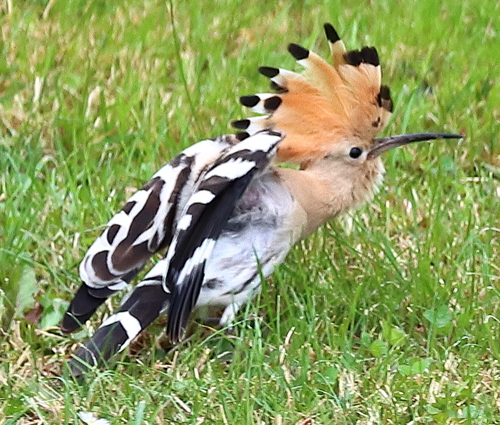
© Adam Golenia · CC BY · iNaturalist 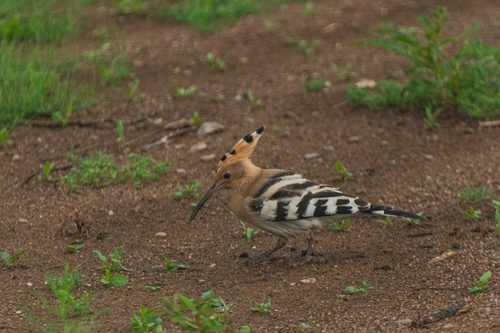
© Dmitry Ivanov · CC BY · iNaturalist 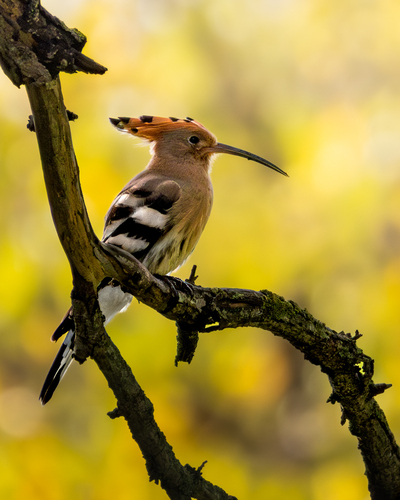
© Diego González Dopico · CC BY · iNaturalist 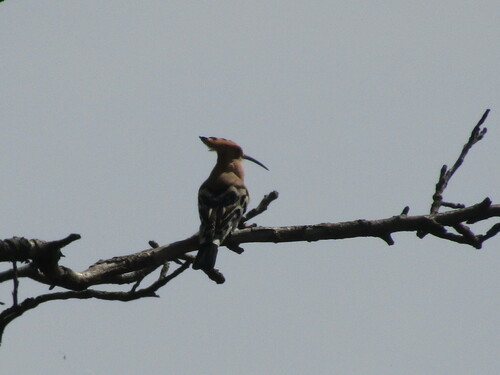
© SteveM4560 · CC BY · iNaturalist 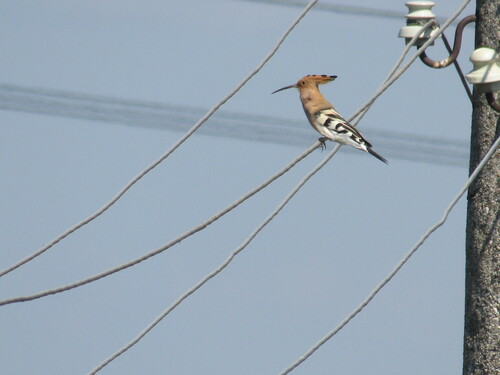
© SteveM4560 · CC BY · iNaturalist 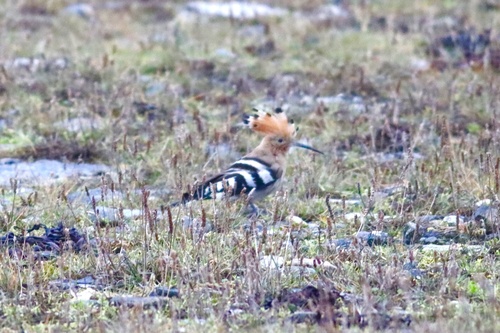
© Vsevolod Rudyi · CC BY · iNaturalist 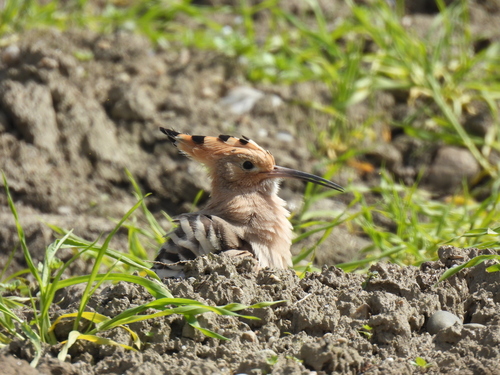
© Lukas Zangl · CC BY · iNaturalist 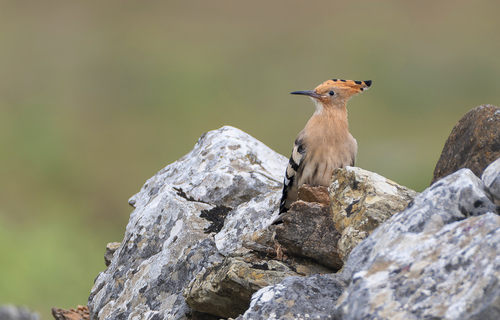
© David F. Belmonte · CC BY · iNaturalist


Especies relacionadasRelated species
Aves cercanas en la clasificación taxonómica.Birds that sit close by in the taxonomic order.
- Poco comúnUncommon
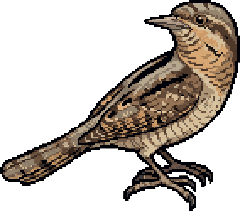 Torcecuello euroasiáticoEurasian WryneckJynx torquilla
- ComúnCommon
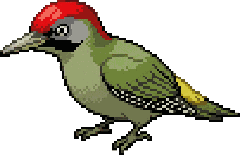 Pito ibéricoIberian Green WoodpeckerPicus sharpei
- Poco comúnUncommon
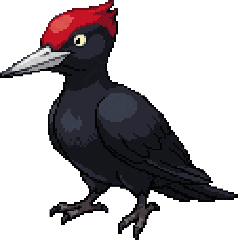 Picamaderos negroBlack WoodpeckerDryocopus martius
- ComúnCommon
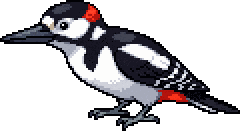 Pico picapinosGreat Spotted WoodpeckerDendrocopos major
- RaroRare
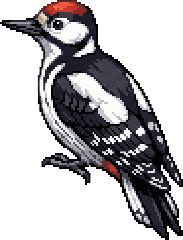 Pico dorsiblancoWhite-backed WoodpeckerDendrocopos leucotos
- Poco comúnUncommon
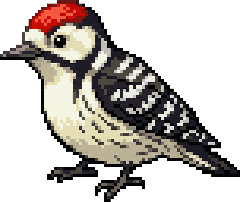 Pico menorLesser Spotted WoodpeckerDryobates minor
- RaroRare
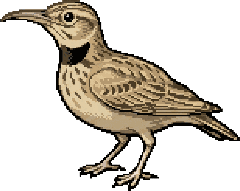 Alondra ricotíDupont's LarkChersophilus duponti
- Poco comúnUncommon
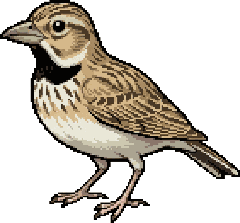 Calandria comúnCalandra LarkMelanocorypha calandra
 Gratis, sin anuncios ni comprasFree, no ads, no purchases