 BirdPedy
Torcecuello euroasiáticoEurasian Wryneck
En 52 provincias en abril y en 30 en eneroIn 52 provinces in April and 30 in January
Reporte de rarezaRarity report
Por qué es poco comúnWhy it is uncommonPájaro carpintero atípico, bien distribuido como estival por bosques abiertos, sotos y huertos de gran parte de España. Su carácter discreto y críptico dificulta una frecuencia de observación elevada.Atypical woodpecker, well distributed in open forests and agricultural landscapes. Discreet behavior.
Cada carrizo es un mes: su altura, las provincias con registros de 2020 a 2024.Each reed is a month: its height, the provinces with records from 2020 to 2024.- Provincias con registrosProvinces with records
- 52 de 52of 52
- En la appIn the app
- Todo el añoAll year
- EnvergaduraWingspan
- 25-27 cm25-27 cm
- LongitudLength
- 16-17 cm16-17 cm
- Lista Roja de EspañaSpanish Red List
- VU VulnerableVulnerable

Información generalGeneral Information
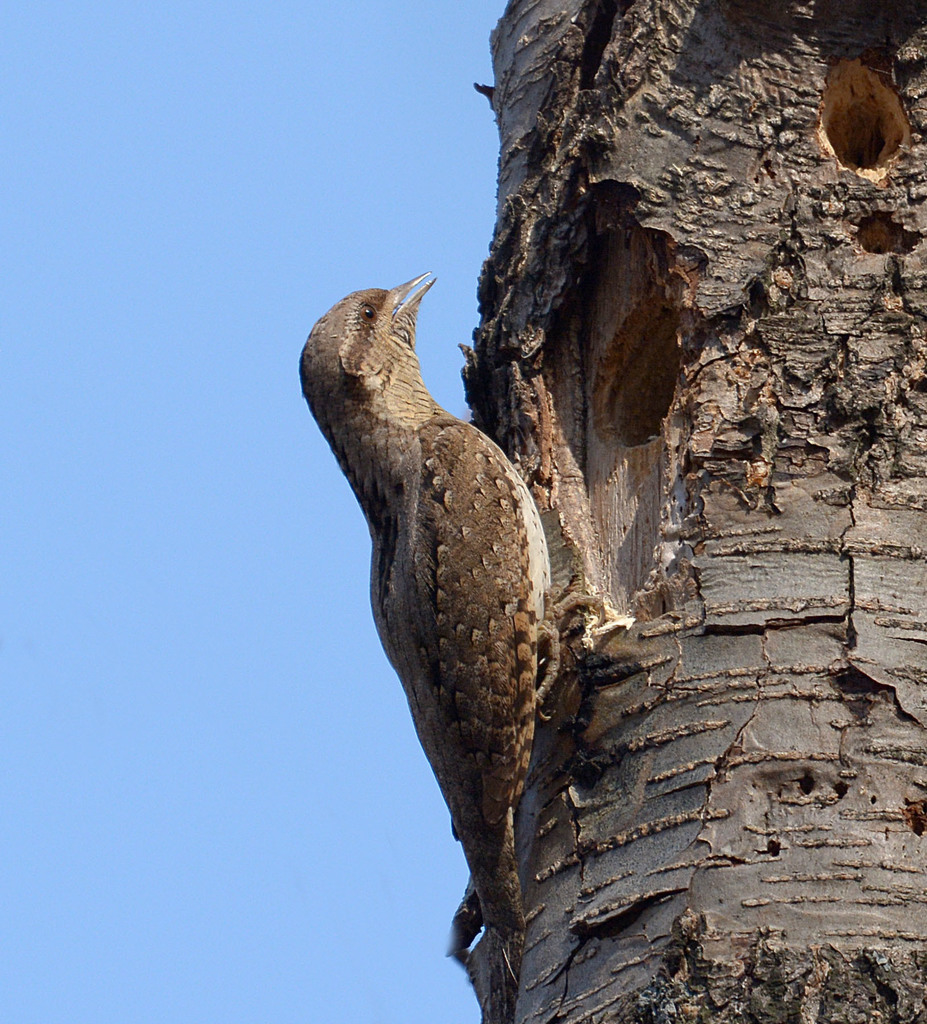
El más atípico representante de la familia de los pícidos en Europa es un ave de pequeño tamaño y críptico plumaje que poco tiene que ver con los verdaderos pájaros carpinteros. En efecto, el extraño torcecuello es incapaz de taladrar la madera, carece de algunas de las adaptaciones de los piciformes típicos y se comporta más como un paseriforme cuando se posa en las ramas o corretea por el suelo; sin embargo, conserva los hábitos trogloditas y una larga lengua con la que asalta los hormigueros.The Wryneck is a biological intermediate between woodpeckers and passerines. It nests in existing tree hollows (often old woodpecker holes) but never excavates its own. It uses its long, sticky tongue to raid ant nests, which form the bulk of its diet. While it shares the woodpecker's 'zygodactyl' feet (two toes forward, two back), it behaves more like a shy songbird, often hiding in the undergrowth.
IdentificaciónIdentification
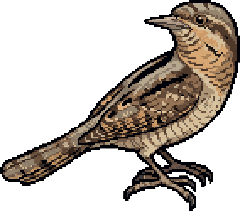
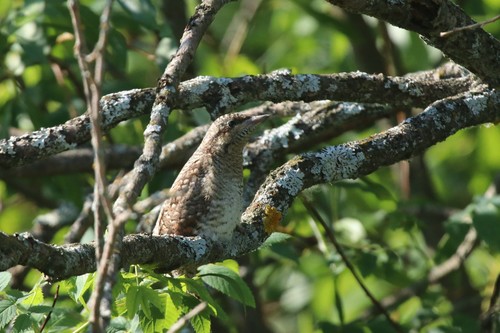
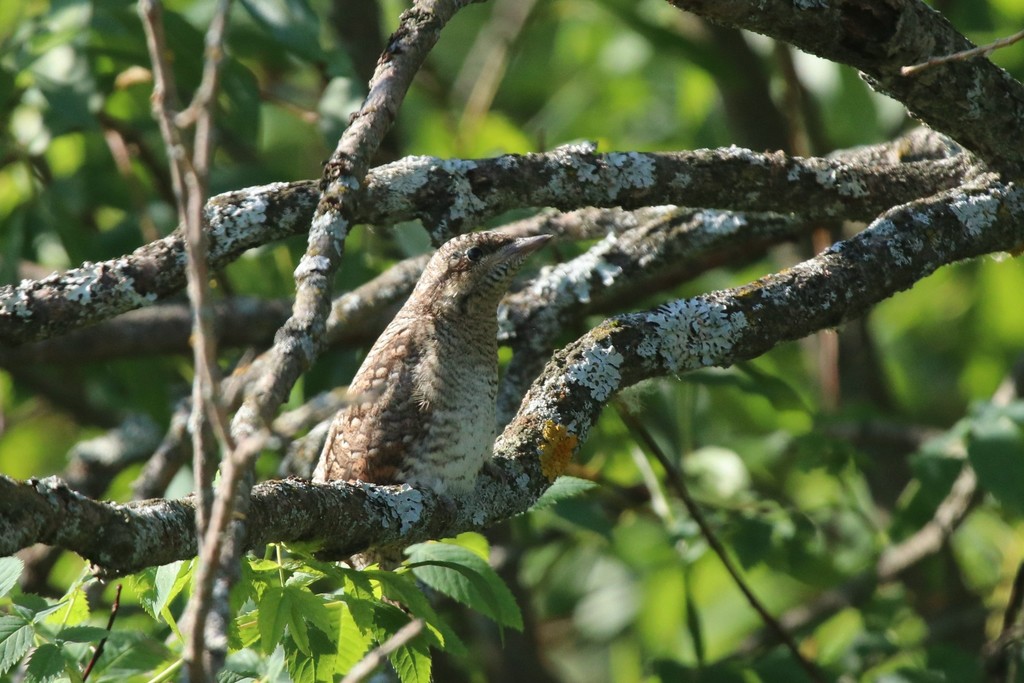
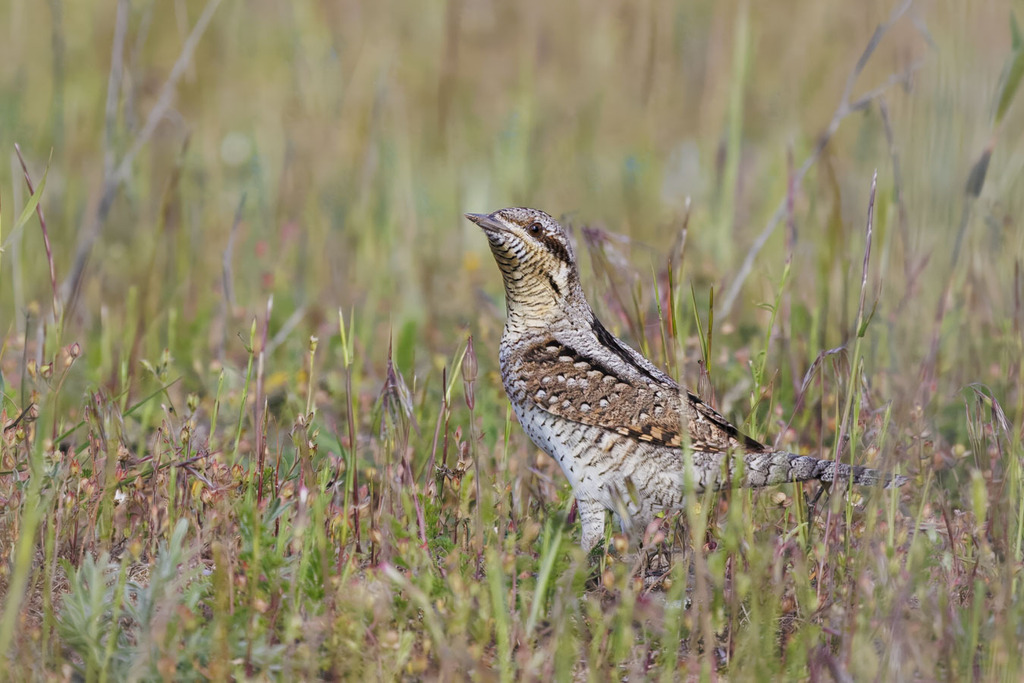
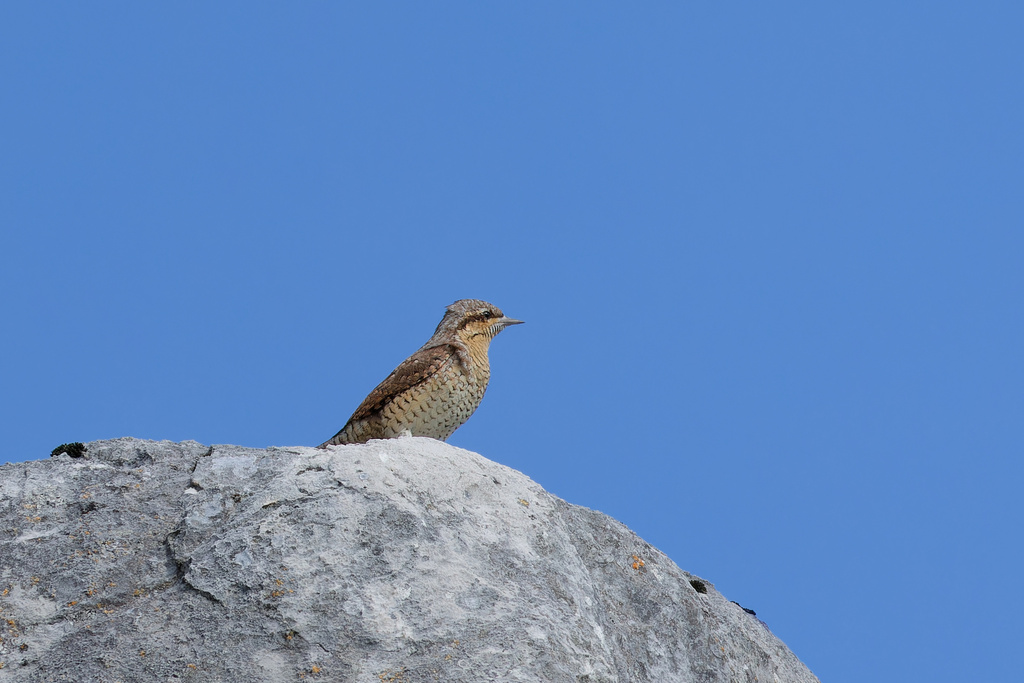
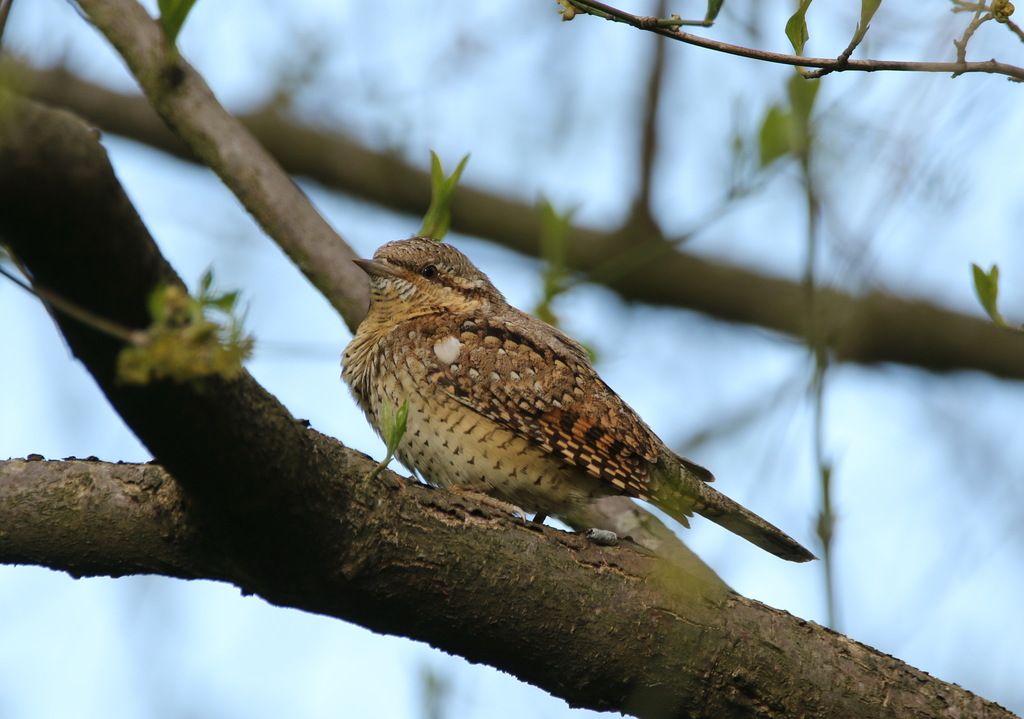
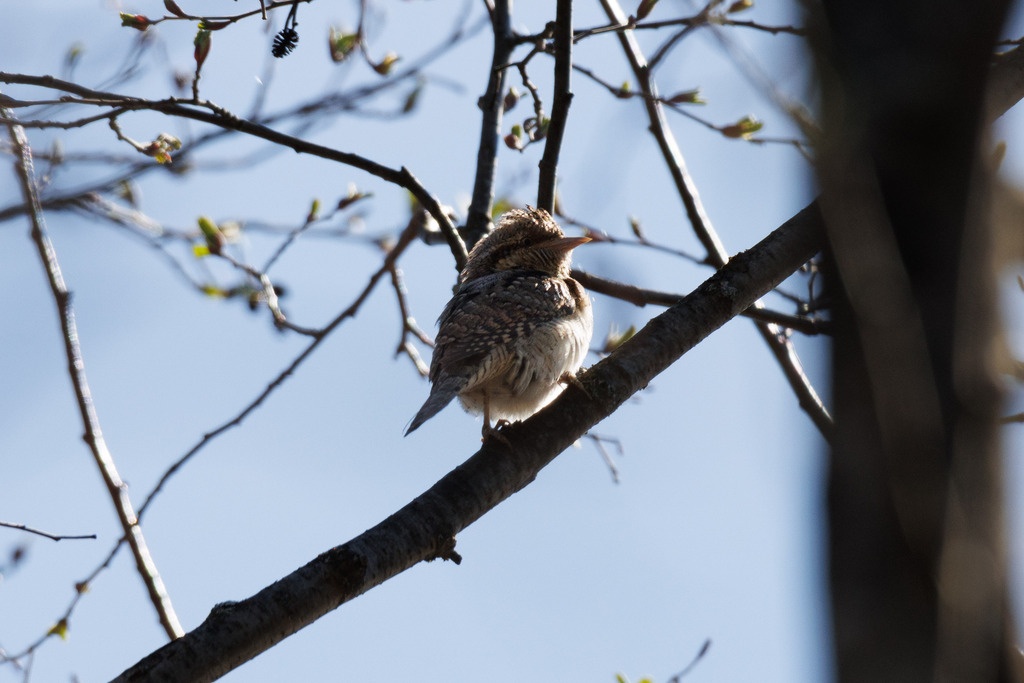
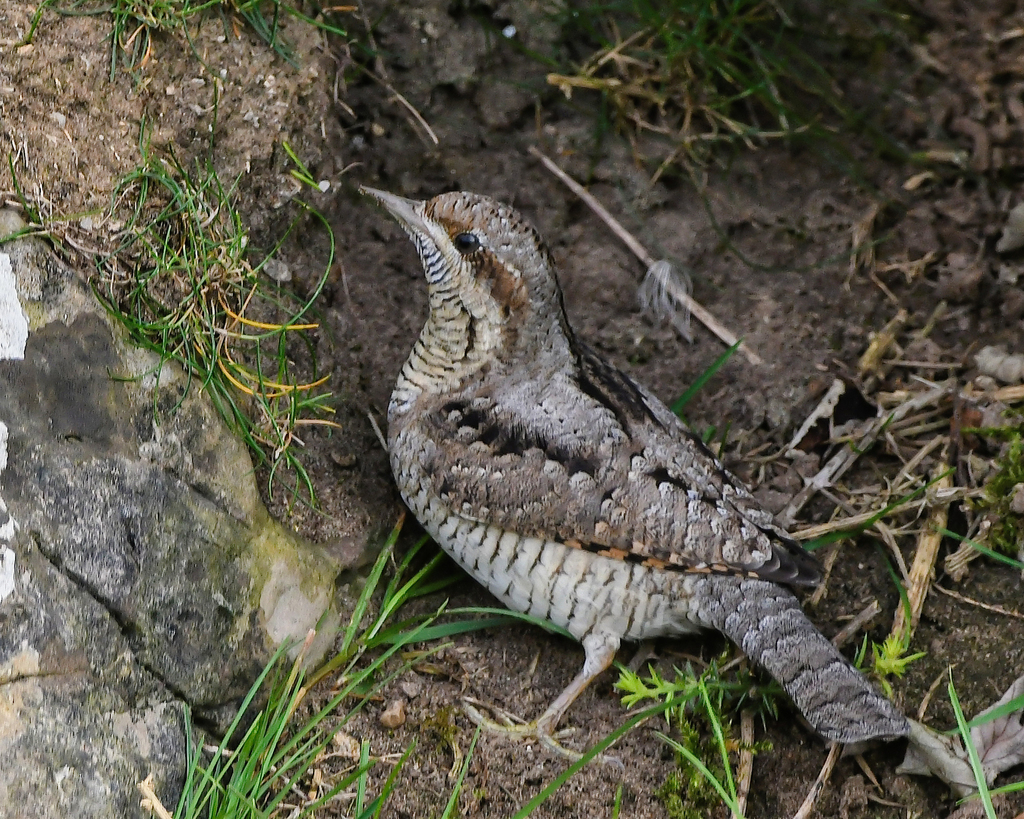
El torcecuello euroasiático es un pícido de pequeño tamaño que posee un aspecto característico y notables singularidades morfológicas que lo diferencian de los restantes componentes de la familia, dentro de la cual constituye una subfamilia independiente. En contraposición a los contrastados coloridos de otros pájaros carpinteros, el torcecuello luce una librea muy críptica, de color pardo grisáceo y profusamente manchada de punteados y barrados, que recuerda inmediatamente a la de los chotacabras o las rapaces nocturnas. La especie no presenta apenas dimorfismo sexual y su aspecto general resulta bastante diferente del de otros pícidos, pues recuerda en ocasiones al de un paseriforme, ya que suele deambular a saltos por el suelo, prefiere posarse en ramas horizontales (en lugar de hacerlo por los troncos) y carece de algunas de las características propias del grupo, como las rígidas rectrices (sustituidas en su caso por largas plumas blandas) y el fornido pico para perforar la madera, algo que el torcecuello jamás intenta.An atypical woodpecker that looks more like a nightjar or a large sparrow. It has exceptionally cryptic, bark-like plumage in tones of grayish-brown with intricate mottling and barring. Unlike other woodpeckers, its bill is short and weak—incapable of drilling wood—and its tail is soft, not stiff. It gets its name from its ability to twist its neck nearly 180 degrees in a 'snake-like' defensive display. It spends much of its time on the ground feeding on ants.
DistribuciónDistribution
La especie se encuentra bastante repartida por la geografía peninsular y las islas Baleares, si bien resulta más frecuente en la mitad norte de la Península, buena parte de Levante y Mallorca. Es rara, sin embargo, en la cornisa cantábrica y Galicia, así como en la zona centro (con poblaciones muy dispersas), mientras que en el sur aparece con cierta densidad en algunos núcleos situados en diferentes serranías andaluzas. Falta en Canarias, Ceuta y Melilla.Widespread throughout most of the Peninsula and the Balearics, more common in the north and the Mediterranean coast. It is rare in the humid Cantabrian-Galician strip and fragmented in the center and south. Absent from Canary Islands. Most are summer visitors, though some winter in the Mediterranean.
Textos reproducidos con permiso de laTexts translated and reproduced with permission from the Guía de Aves de España © SEO/BirdLife
Estado de conservaciónConservation Status
- EX
- RE
- CR
- EN
- VU
- NT
- LC
VulnerableVulnerable
Qué significa cada categoríaWhat each category means
- LC
- Preocupación menor: Taxón evaluado que no califica para categorías amenazadas. Especies abundantes y ampliamente distribuidasLeast Concern - Evaluated taxon that does not qualify for threatened categories. Widespread and abundant taxa
- NT
- Casi amenazada: No califica actualmente como amenazada, pero está cerca de calificar o es probable que califique en el futuro cercanoNear Threatened - Does not currently qualify as threatened, but is close to qualifying or likely to qualify in the near future
- VU
- Vulnerable: Enfrenta un alto riesgo de extinción en estado silvestre según los criterios A a E de IUCNVulnerable - Facing a high risk of extinction in the wild based on IUCN criteria A to E
- EN
- En peligro: Enfrenta un riesgo muy alto de extinción en estado silvestre según los criterios A a E de IUCNEndangered - Facing a very high risk of extinction in the wild based on IUCN criteria A to E
- CR
- En peligro crítico: Enfrenta un riesgo extremadamente alto de extinción en estado silvestre según los criterios A a E de IUCNCritically Endangered - Facing an extremely high risk of extinction in the wild based on IUCN criteria A to E
- DD
- Datos insuficientes: Información inadecuada para evaluar el riesgo de extinción basándose en distribución o estado poblacionalData Deficient - Inadequate information to assess extinction risk based on distribution and/or population status
- NE
- No evaluada: No ha sido evaluada aún contra los criterios de la Lista Roja de IUCNNot Evaluated - Has not yet been assessed against the IUCN Red List criteria
- RE
- Extinta regionalmente: El taxón ya no existe en la región específica, aunque puede sobrevivir en otros lugaresRegionally Extinct - Taxon no longer exists in the specific region, though it may survive elsewhere
- EX
- Extinta - No existe duda razonable de que ha muerto el último individuo del taxónExtinct - No reasonable doubt that the last individual of the taxon has died
TaxonomíaTaxonomy
- OrdenOrder
- Piciformes
- FamiliaFamily
- Picidae
Presencia en EspañaPresence in Spain
- De pasoPassage migrant
- EstivalSummer visitor
- HabitualRegular
- InvernanteWinter visitor
- ResidenteResident
En la app: todo el año.In the app: all year.
Dónde verlaWhere to see it
2.397 cuadrículas de 10 km con registros de 2020 a 2024. Toca un mes para ver dónde se ha visto.2,397 10 km squares with records from 2020 to 2024. Pick a month to see where it has been seen.
Cargando el mapa…Loading the map…
Dónde es regularWhere it is regular
Provincias con registros en al menos 3 de los 5 años algún mes, de más a menos frecuente, y sus mejores meses.Provinces with records in at least 3 of the 5 years in some month, from most to least frequent, and their best months.
- La RiojaLa Riojaabril, mayo, junioApril, May, June
- SoriaSoriaabril, mayo, junioApril, May, June
- ZaragozaZaragozaabril, mayo, junioApril, May, June
- BurgosBurgosabril, mayo, junioApril, May, June
- TeruelTeruelabril, mayo, junioApril, May, June
- BalearesBalearic Islandsabril, mayo, marzoApril, May, March
- HuescaHuescaabril, mayo, junioApril, May, June
- GuadalajaraGuadalajaraabril, mayo, junioApril, May, June
- SegoviaSegoviaabril, mayo, junioApril, May, June
- CórdobaCórdobaabril, septiembre, octubreApril, September, October
Ver las 49 provinciasSee all 49 provinces
- LeónLeónabril, mayo, junioApril, May, June
- LleidaLleidaabril, mayo, junioApril, May, June
- CastellónCastellónabril, mayo, junioApril, May, June
- ÁlavaÁlavaabril, mayo, junioApril, May, June
- BarcelonaBarcelonaabril, mayo, junioApril, May, June
- ZamoraZamoraabril, septiembre, mayoApril, September, May
- GuipúzcoaGuipúzcoaabril, septiembre, agostoApril, September, August
- GironaGironaabril, mayo, junioApril, May, June
- AlbaceteAlbacetemayo, abril, julioMay, April, July
- HuelvaHuelvamayo, abril, septiembreMay, April, September
- A CoruñaA Coruñaseptiembre, agosto, octubreSeptember, August, October
- JaénJaénabril, mayo, junioApril, May, June
- NavarraNavarraabril, mayo, septiembreApril, May, September
- BadajozBadajozseptiembre, octubre, noviembreSeptember, October, November
- TarragonaTarragonaabril, mayo, junioApril, May, June
- PontevedraPontevedraseptiembre, agosto, octubreSeptember, August, October
- AlicanteAlicanteabril, junio, mayoApril, June, May
- PalenciaPalenciaabril, mayo, julioApril, May, July
- VizcayaVizcayaabril, septiembre, mayoApril, September, May
- AsturiasAsturiasseptiembre, abril, agostoSeptember, April, August
- Ciudad RealCiudad Realseptiembre, octubre, junioSeptember, October, June
- CáceresCáceresseptiembre, octubre, noviembreSeptember, October, November
- MadridMadridabril, septiembre, mayoApril, September, May
- CuencaCuencaabril, mayo, junioApril, May, June
- SevillaSevillaseptiembre, noviembre, octubreSeptember, November, October
- CantabriaCantabriamayo, abril, septiembreMay, April, September
- SalamancaSalamancaseptiembre, abril, mayoSeptember, April, May
- LugoLugoseptiembre, mayo, octubreSeptember, May, October
- OurenseOurenseabril, mayo, julioApril, May, July
- ValenciaValenciaabril, junio, mayoApril, June, May
- AlmeríaAlmeríanoviembre, octubre, febreroNovember, October, February
- ValladolidValladolidseptiembre, abril, mayoSeptember, April, May
- GranadaGranadaoctubre, septiembre, noviembreOctober, September, November
- Las PalmasLas Palmasabril, septiembre, mayoApril, September, May
- ÁvilaÁvilaabril, septiembre, mayoApril, September, May
- ToledoToledoseptiembre, abril, octubreSeptember, April, October
- MurciaMurciaoctubre, noviembre, septiembreOctober, November, September
- MálagaMálagaoctubre, septiembre, abrilOctober, September, April
- CádizCádiznoviembre, octubre, diciembreNovember, October, December
Datos: registros en GBIF de 2020 a 2024 de Observation.org, eBird, iNaturalist y el ICO, descargados el 23/10/2026.Data: GBIF records from 2020 to 2024 from Observation.org, eBird, iNaturalist and the ICO, downloaded on 23/10/2026. GBIF.org (23 October 2026) GBIF Occurrence Download · doi:10.15468/dl.r5sf2a · CC BY-NC 4.0
GaleríaGallery
© Константин Селивёрстов · CC BY · iNaturalist 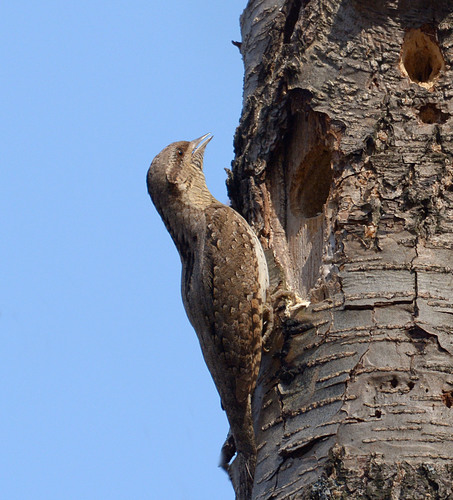
© Олег Юмашев · CC BY · iNaturalist 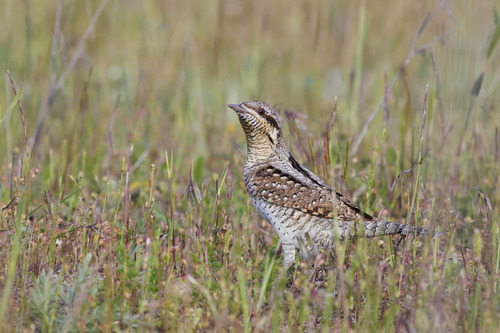
© Михаил Голомысов · CC BY · iNaturalist 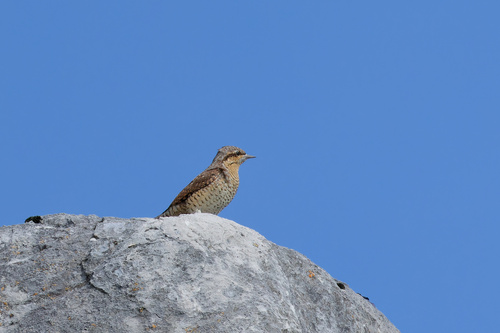
© Donald Davesne · CC BY · iNaturalist 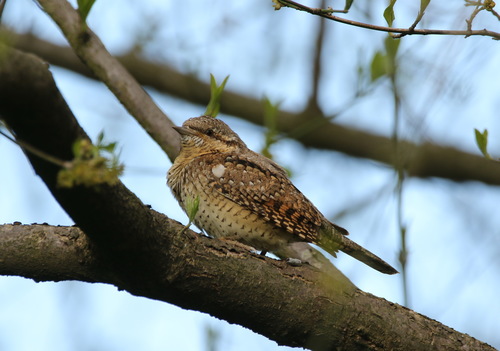
© Donald Hobern · CC BY · iNaturalist 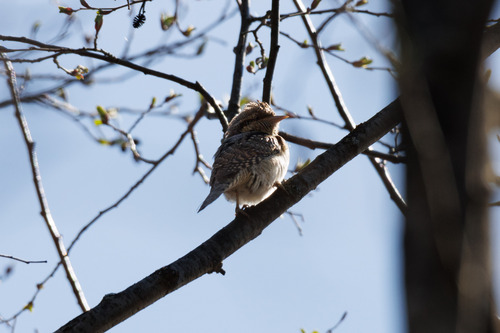
© Вячеслав Шуплецов · CC BY · iNaturalist 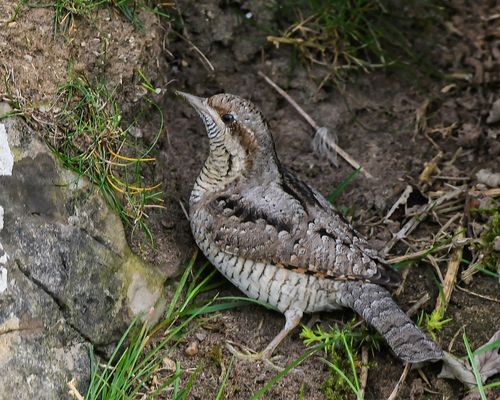
© Frank Sengpiel · CC BY · iNaturalist
Especies relacionadasRelated species
Otras aves de la familia Picidae y de órdenes cercanos.Other birds from the Picidae family and nearby orders.
- ComúnCommon
 Pito ibéricoIberian Green WoodpeckerPicus sharpei
- Poco comúnUncommon
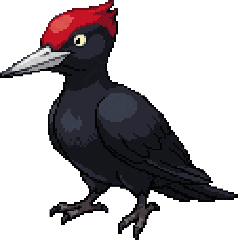 Picamaderos negroBlack WoodpeckerDryocopus martius
- ComúnCommon
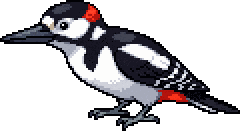 Pico picapinosGreat Spotted WoodpeckerDendrocopos major
- RaroRare
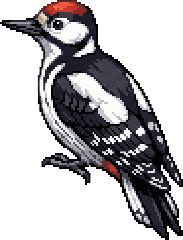 Pico dorsiblancoWhite-backed WoodpeckerDendrocopos leucotos
- Poco comúnUncommon
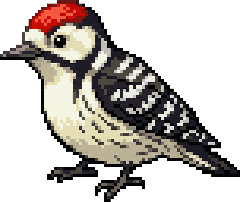 Pico menorLesser Spotted WoodpeckerDryobates minor
- Poco comúnUncommon
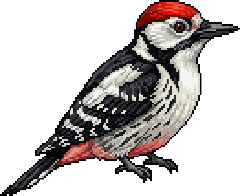 Pico medianoMiddle Spotted WoodpeckerDendrocoptes medius
- RaroRare
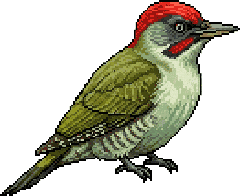 Pito bereberLevaillant's WoodpeckerPicus vaillantii
- RaroRare
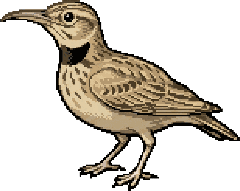 Alondra ricotíDupont's LarkChersophilus duponti
 Gratis, sin anuncios ni comprasFree, no ads, no purchases