 BirdPedy
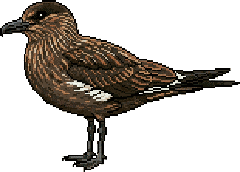
Págalo grandeGreat Skua
En 23 provincias en enero y en 9 en junioIn 23 provinces in January and 9 in June
Reporte de rarezaRarity report
Por qué es poco comúnWhy it is uncommonEl más potente de los págalos. Invernante marino regular y migrador frecuente que se observa a menudo acosando a otras aves para robarles.The most powerful of the skuas. A regular winter visitor at sea and a frequent migrant, often seen chasing other birds to rob them.
Cada carrizo es un mes: su altura, las provincias con registros de 2020 a 2024.Each reed is a month: its height, the provinces with records from 2020 to 2024.- Provincias con registrosProvinces with records
- 26 de 52of 52
- En la appIn the app
- Agosto a abrilAugust to April
- EnvergaduraWingspan
- 130-140 cm130-140 cm
- LongitudLength
- 50-55 cm50-55 cm
- Lista Roja de EspañaSpanish Red List
- NE No evaluada en EspañaNot assessed in Spain

Información generalGeneral Information
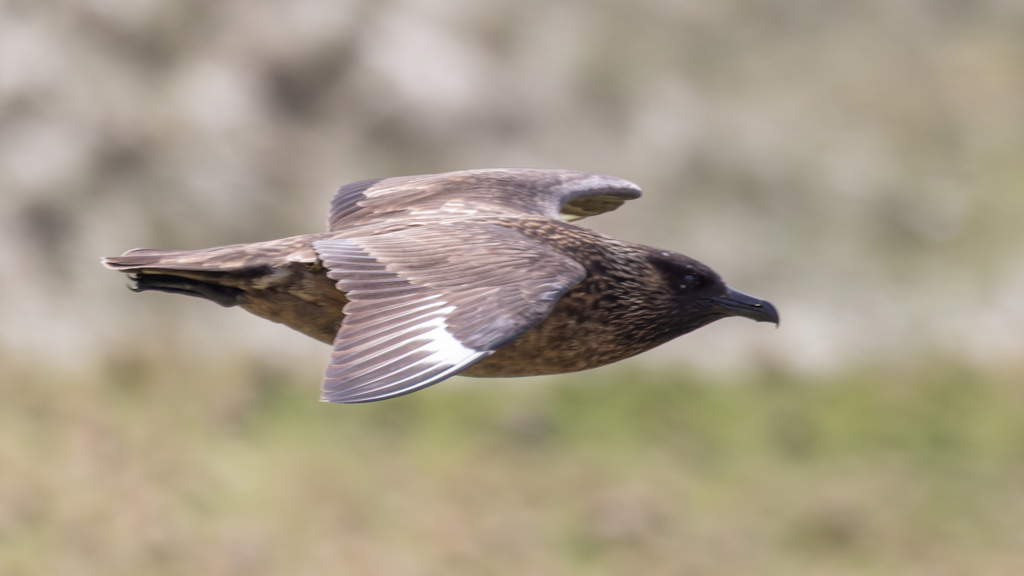
El págalo grande es una especie de gran tamaño, robusta, con alas potentes y pico ganchudo, conocida por sus comportamientos agresivos con otras aves marinas, a las que persigue y ataca para robarles comida. Se trata de un pájaro longevo y generalmente fiel a su pareja durante su larga vida. En España no se reproduce, aunque resulta regular en alta mar, y habitualmente se lo observa siguiendo a los barcos pesqueros para aprovechar los descartes. Es el págalo de mayor tamaño.The Great Skua is the 'pirate' of the Atlantic. It breeds in the north and winters in the rich pelagic waters off the Spanish and African coasts. It is very common far offshore, especially around fishing boats where it scavenges for discards. From the coast, it is best seen during autumn migration from the northern capes. It is a long-lived, powerful bird that symbolizes the untamed energy of the open sea.
IdentificaciónIdentification
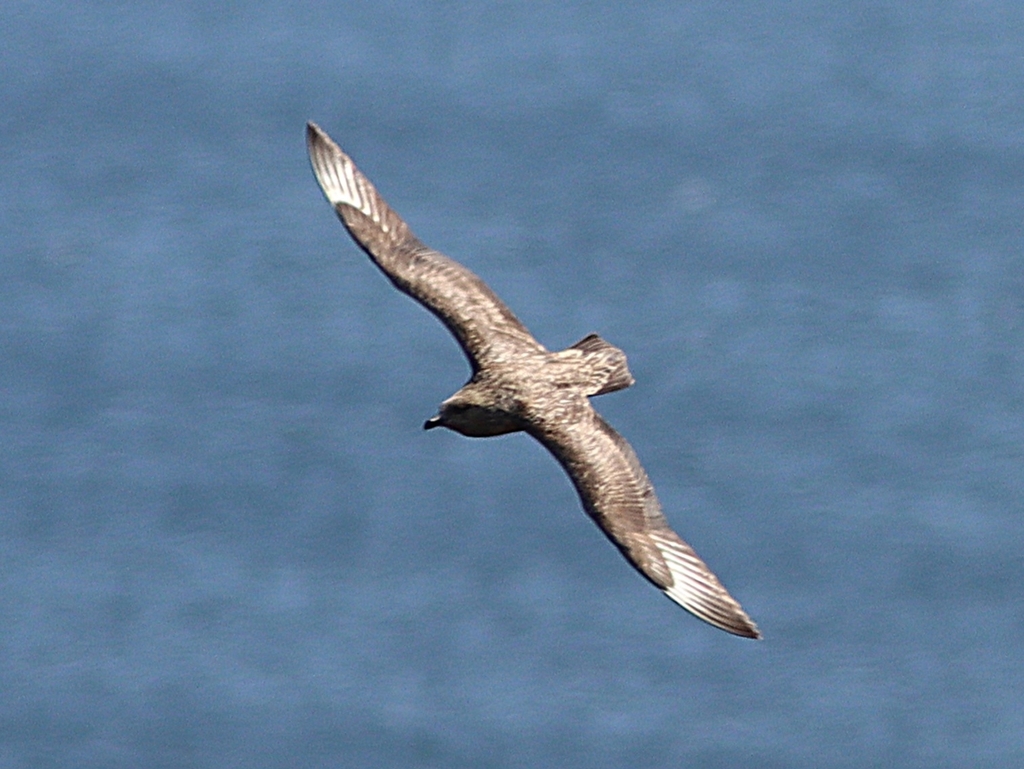
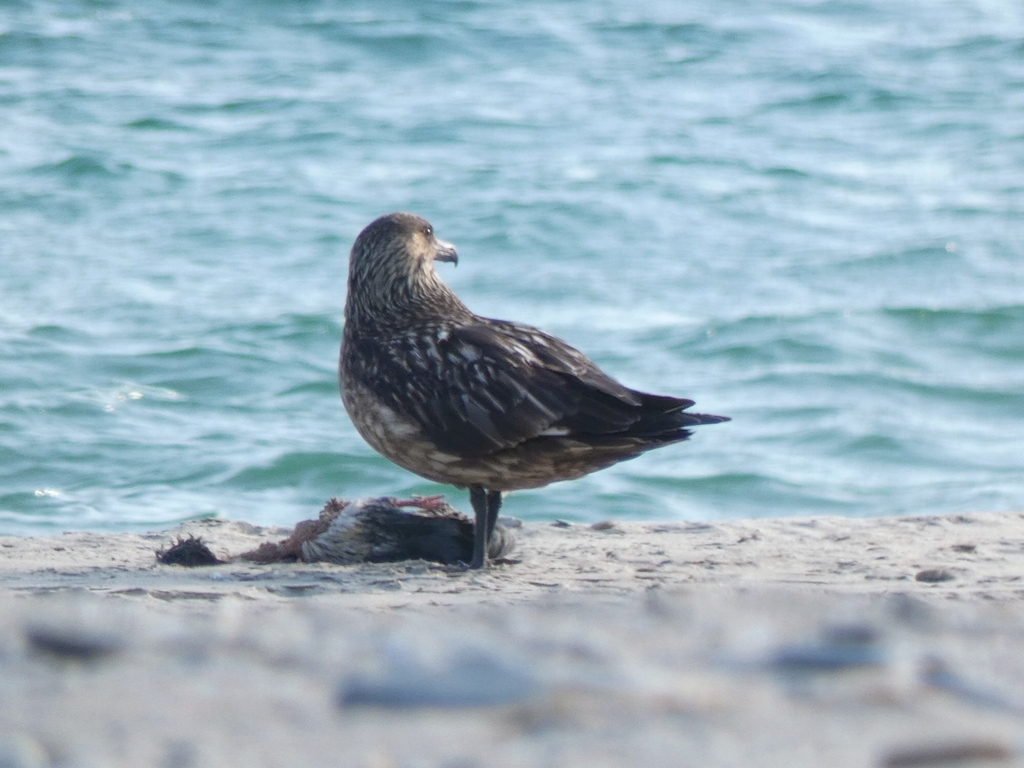
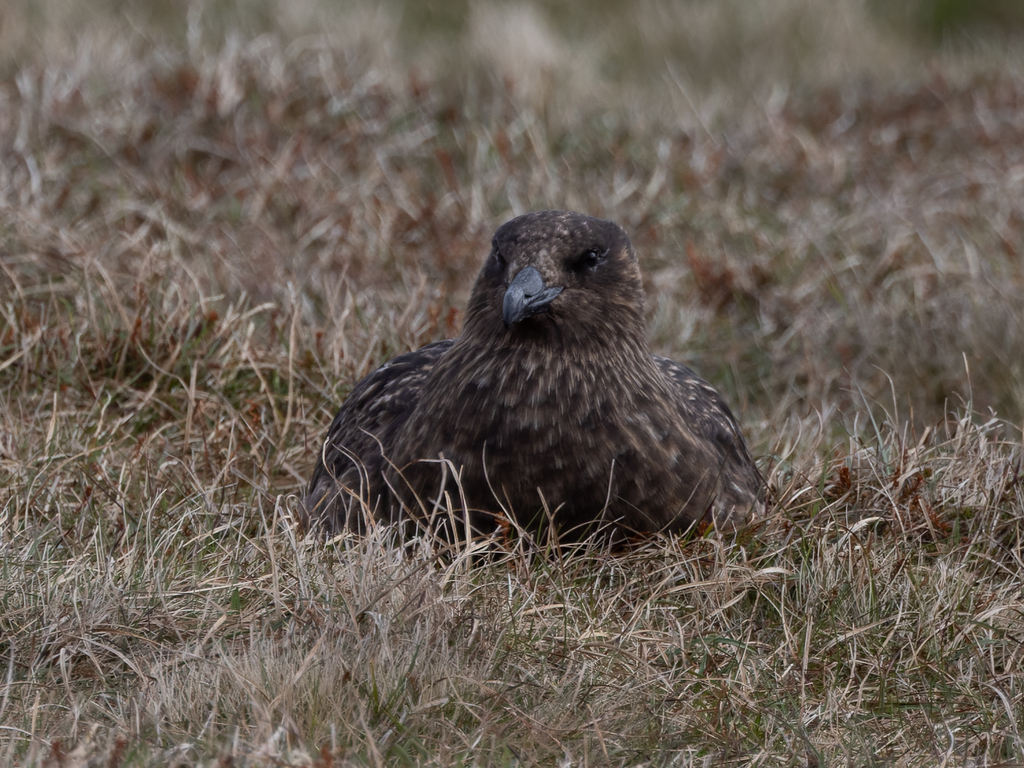
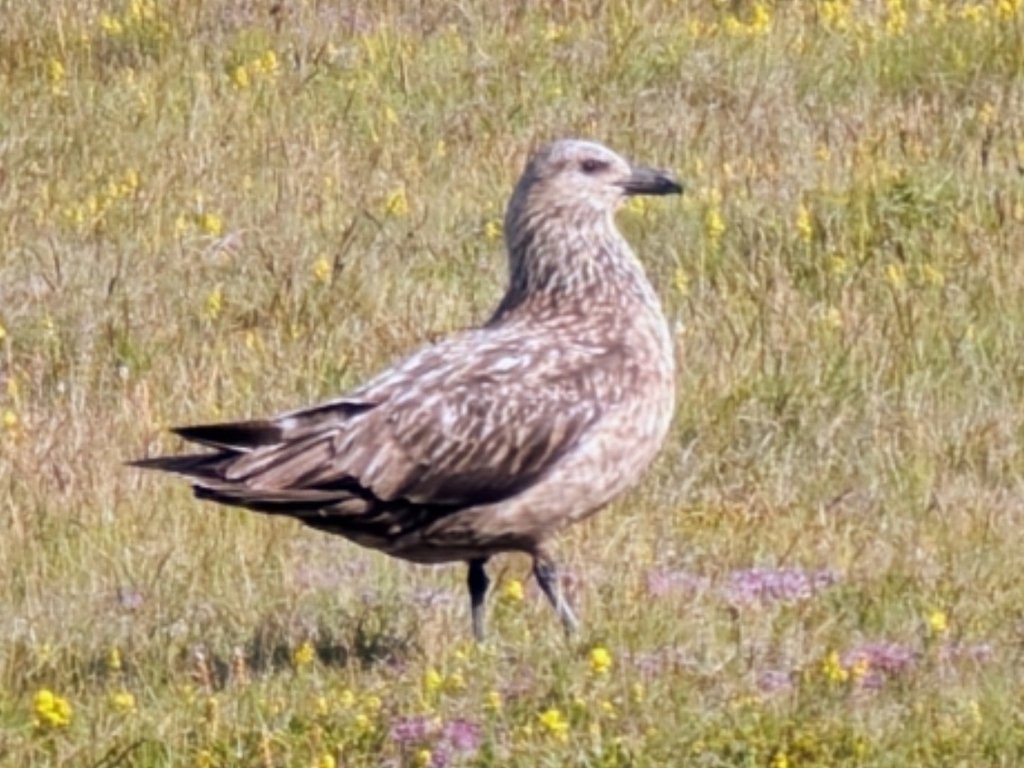
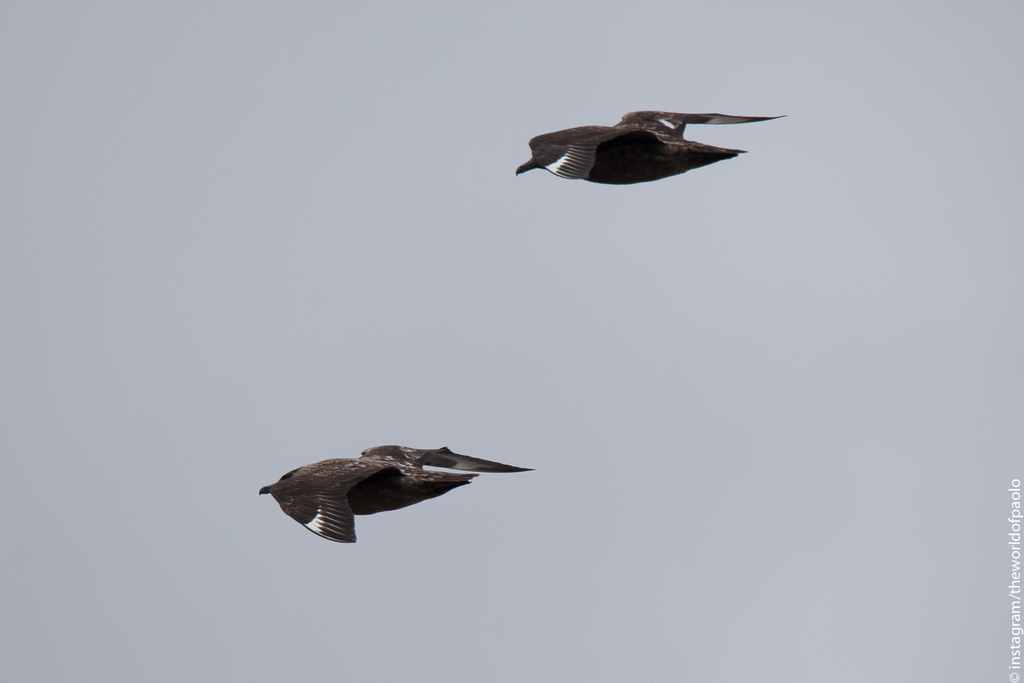
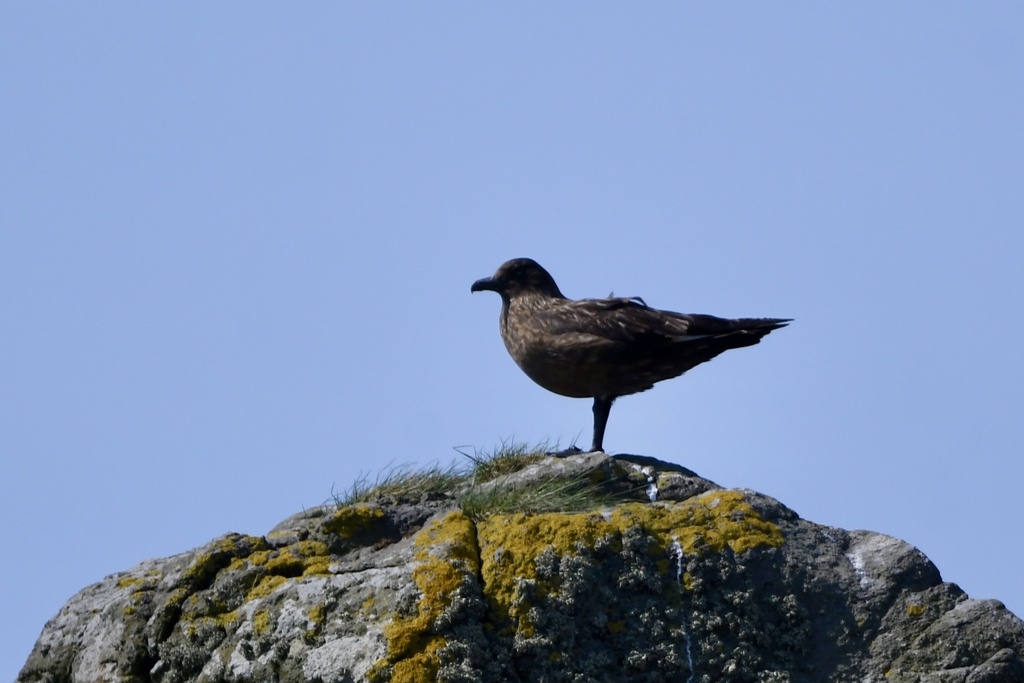
Ave marina parecida a una gaviota, pero con pico ganchudo, garras curvas, cuerpo robusto y coloración oscura. El adulto tiene cuerpo en forma de tonel, con cuello grueso, pico grande, cola corta, y alas anchas y cortas. Posee plumaje pardo, más o menos oscuro, y ligeramente moteado de manchas claras. Presenta conspicuas franjas blancas en la parte interior y exterior de las alas. Los juveniles son parecidos a los adultos, pero más rojizos y con franjas alares blancas menores. En vuelo muestra aspecto pesado, con aleteos poderosos y regulares. Puede volar a ras de la superficie o a bastante altura en el mar, y remonta más que otros págalos. Con frecuencia se posa en el agua.The largest and most powerful of the skuas, the size of a large gull but much more robust and predatory. It has a barrel-shaped body, thick neck, and broad wings. Its plumage is uniformly dark brown with diagnostic huge white panels on the wing tips. It is famous for its aggressive behavior, chasing and attacking other seabirds to steal their food (kleptoparasitism).
DistribuciónDistribution
En paso migratorio resulta común en las costas del Cantábrico y Galicia y menos abundante en puntos del Mediterráneo. Inverna en aguas pelágicas atlánticas frente a las costas de la Península Ibérica y, en menor número, en el Mediterráneo. Sus mayores abundancias en esas fechas están sobre todo el golfo de Vizcaya, la plataforma continental frente a Galicia y Portugal y el entorno de las islas Canarias.Common passage migrant and winter visitor. Most frequent along the Cantabrian and Galician coasts. Reguarly seen following fishing boats in the Atlantic, Cantabrian, and occasionally Mediterranean. Also in Canarias.
Textos reproducidos con permiso de laTexts translated and reproduced with permission from the Guía de Aves de España © SEO/BirdLife
Estado de conservaciónConservation Status
- EX
- RE
- CR
- EN
- VU
- NT
- LC
NE
No evaluada en EspañaNot assessed in Spain
Qué significa cada categoríaWhat each category means
- LC
- Preocupación menor: Taxón evaluado que no califica para categorías amenazadas. Especies abundantes y ampliamente distribuidasLeast Concern - Evaluated taxon that does not qualify for threatened categories. Widespread and abundant taxa
- NT
- Casi amenazada: No califica actualmente como amenazada, pero está cerca de calificar o es probable que califique en el futuro cercanoNear Threatened - Does not currently qualify as threatened, but is close to qualifying or likely to qualify in the near future
- VU
- Vulnerable: Enfrenta un alto riesgo de extinción en estado silvestre según los criterios A a E de IUCNVulnerable - Facing a high risk of extinction in the wild based on IUCN criteria A to E
- EN
- En peligro: Enfrenta un riesgo muy alto de extinción en estado silvestre según los criterios A a E de IUCNEndangered - Facing a very high risk of extinction in the wild based on IUCN criteria A to E
- CR
- En peligro crítico: Enfrenta un riesgo extremadamente alto de extinción en estado silvestre según los criterios A a E de IUCNCritically Endangered - Facing an extremely high risk of extinction in the wild based on IUCN criteria A to E
- DD
- Datos insuficientes: Información inadecuada para evaluar el riesgo de extinción basándose en distribución o estado poblacionalData Deficient - Inadequate information to assess extinction risk based on distribution and/or population status
- NE
- No evaluada: No ha sido evaluada aún contra los criterios de la Lista Roja de IUCNNot Evaluated - Has not yet been assessed against the IUCN Red List criteria
- RE
- Extinta regionalmente: El taxón ya no existe en la región específica, aunque puede sobrevivir en otros lugaresRegionally Extinct - Taxon no longer exists in the specific region, though it may survive elsewhere
- EX
- Extinta - No existe duda razonable de que ha muerto el último individuo del taxónExtinct - No reasonable doubt that the last individual of the taxon has died
TaxonomíaTaxonomy
- OrdenOrder
- Charadriiformes
- FamiliaFamily
- Stercorariidae
Presencia en EspañaPresence in Spain
- De pasoPassage migrant
- HabitualRegular
- InvernanteWinter visitor
En la app: agosto a abril.In the app: August to April.
Dónde verlaWhere to see it
211 cuadrículas de 10 km con registros de 2020 a 2024. Toca un mes para ver dónde se ha visto.211 10 km squares with records from 2020 to 2024. Pick a month to see where it has been seen.
Cargando el mapa…Loading the map…
Dónde es regularWhere it is regular
Provincias con registros en al menos 3 de los 5 años algún mes, de más a menos frecuente, y sus mejores meses.Provinces with records in at least 3 of the 5 years in some month, from most to least frequent, and their best months.
- A CoruñaA Coruñaagosto, septiembre, octubreAugust, September, October
- MálagaMálagaenero, febrero, diciembreJanuary, February, December
- GuipúzcoaGuipúzcoanoviembre, diciembre, octubreNovember, December, October
- CádizCádizfebrero, marzo, eneroFebruary, March, January
- LugoLugoagosto, septiembre, diciembreAugust, September, December
- TarragonaTarragonafebrero, enero, diciembreFebruary, January, December
- PontevedraPontevedraenero, diciembre, febreroJanuary, December, February
- VizcayaVizcayanoviembre, octubre, diciembreNovember, October, December
- HuelvaHuelvaenero, octubre, febreroJanuary, October, February
- CantabriaCantabriaoctubre, noviembre, septiembreOctober, November, September
Ver las 19 provinciasSee all 19 provinces
- AsturiasAsturiasseptiembre, octubre, noviembreSeptember, October, November
- ValenciaValenciafebrero, marzo, eneroFebruary, March, January
- CastellónCastellónfebreroFebruary
- AlmeríaAlmeríafebrero, diciembre, marzoFebruary, December, March
- AlicanteAlicanteenero, marzo, diciembreJanuary, March, December
- MurciaMurciamarzoMarch
- BalearesBalearic Islandsmarzo, febreroMarch, February
- BarcelonaBarcelonafebrero, marzo, eneroFebruary, March, January
- GranadaGranadamarzoMarch
Datos: registros en GBIF de 2020 a 2024 de Observation.org, eBird, iNaturalist y el ICO, descargados el 23/10/2026.Data: GBIF records from 2020 to 2024 from Observation.org, eBird, iNaturalist and the ICO, downloaded on 23/10/2026. GBIF.org (23 October 2026) GBIF Occurrence Download · doi:10.15468/dl.r5sf2a · CC BY-NC 4.0
GaleríaGallery
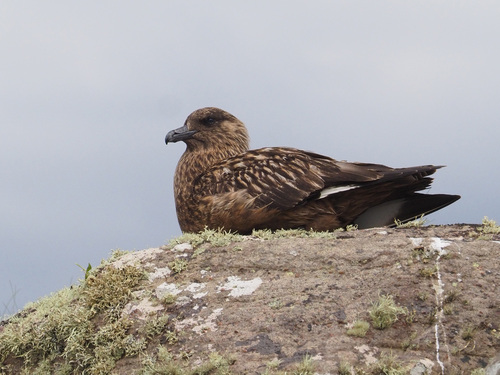
© gwynmwilliams · CC BY · iNaturalist 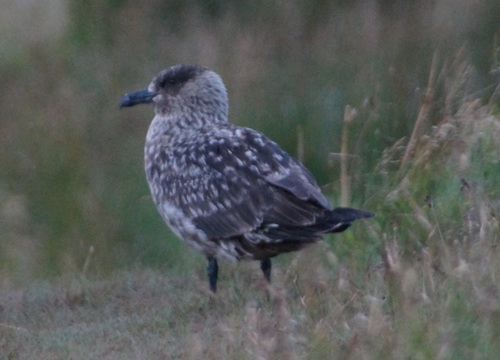
© przese · CC BY · iNaturalist 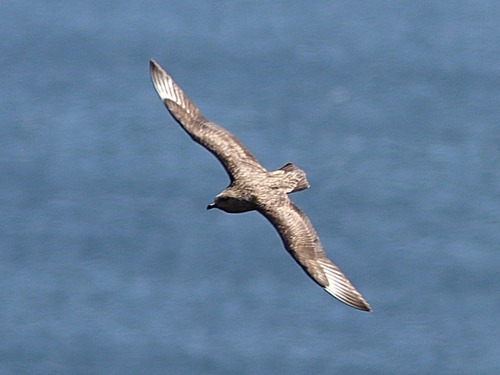
© Eric Tittley · CC BY · iNaturalist 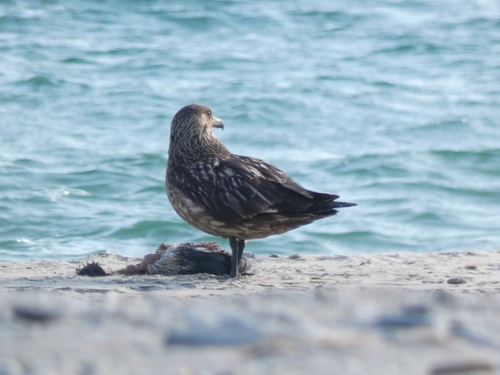
© Steve Lawson · CC BY · iNaturalist 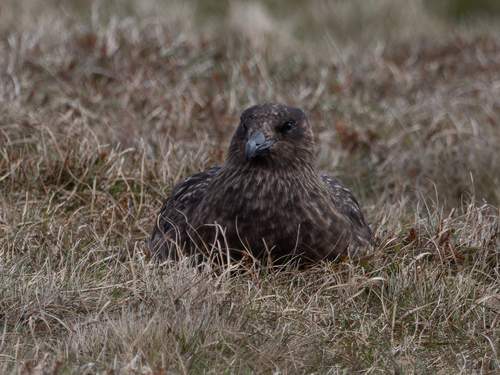
© William Stephens · CC BY · iNaturalist 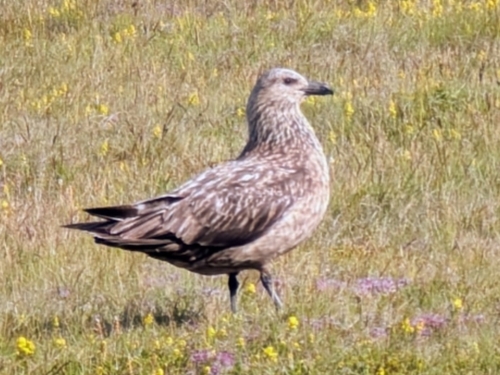
© Ametsak · CC BY · iNaturalist 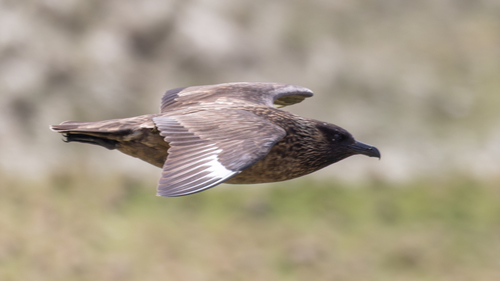
© William Stephens · CC BY · iNaturalist 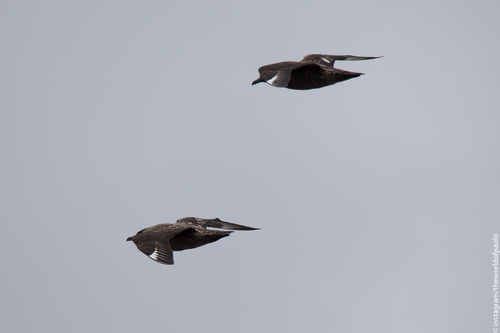
© Paolo Zucca · CC BY · iNaturalist 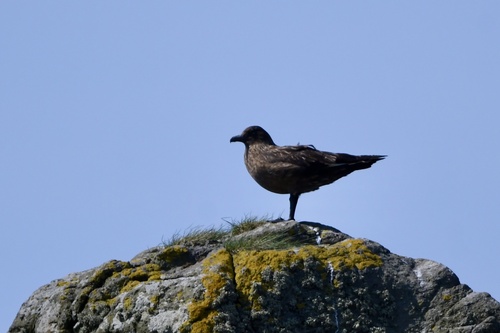
© Stanley Davis · CC BY · iNaturalist
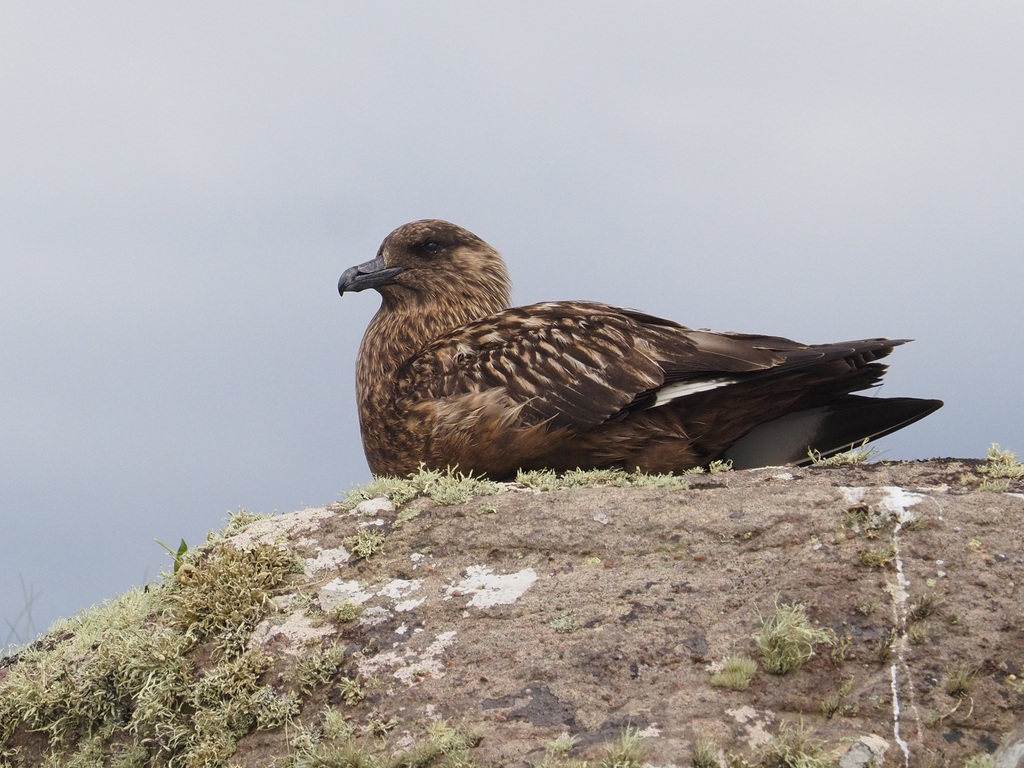
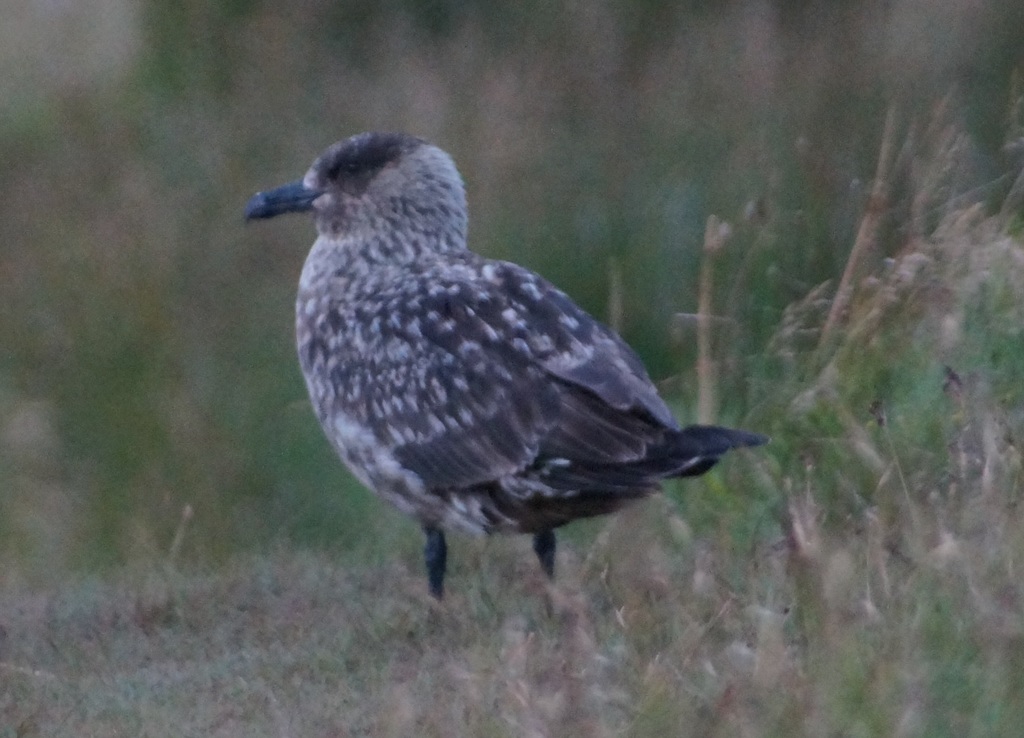
Especies relacionadasRelated species
Otras aves de la familia Stercorariidae y de órdenes cercanos.Other birds from the Stercorariidae family and nearby orders.
- Poco comúnUncommon
 Págalo pomarinoPomarine SkuaStercorarius pomarinus
- Poco comúnUncommon
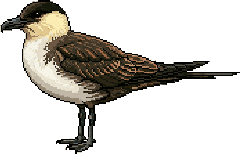 Págalo parásitoArctic SkuaStercorarius parasiticus
- RaroRare
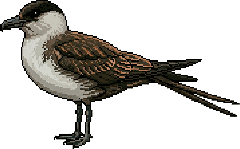 Págalo raberoLong-tailed SkuaStercorarius longicaudus
- ÉpicoEpic
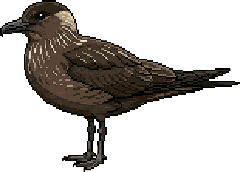 Págalo polarSouth Polar SkuaStercorarius maccormicki
- ÉpicoEpic
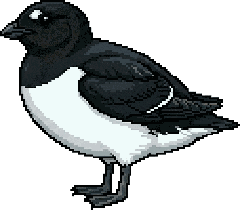 Mérgulo atlánticoLittle AukAlle alle
- Poco comúnUncommon
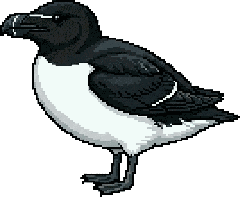 Alca comúnRazorbillAlca torda
- LegendarioLegendary
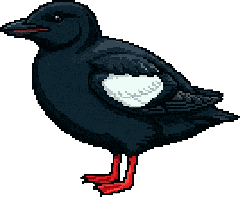 Arao aliblancoBlack GuillemotCepphus grylle
- Poco comúnUncommon
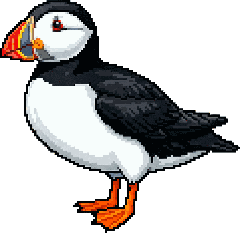 Frailecillo atlánticoAtlantic PuffinFratercula arctica
 Gratis, sin anuncios ni comprasFree, no ads, no purchases