 BirdPedy
Págalo raberoLong-tailed Skua
En 11 provincias en septiembre y sin registros 5 meses del añoIn 11 provinces in September, and no records in 5 months of the year
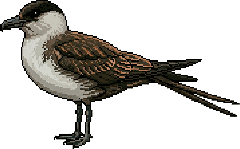
Reporte de rarezaRarity report
Por qué es raroWhy it is rareEl más ligero y elegante de los págalos. Migrador marcadamente pelágico que rara vez se aproxima a la costa.The lightest and most elegant of the skuas. A markedly pelagic migrant that rarely comes close to the coast.
Cada carrizo es un mes: su altura, las provincias con registros de 2020 a 2024.Each reed is a month: its height, the provinces with records from 2020 to 2024.- Provincias con registrosProvinces with records
- 13 de 52of 52
- En la appIn the app
- Julio a noviembreJuly to November
- EnvergaduraWingspan
- 1,1 m1.1 m
- LongitudLength
- 48-53 cm (incluyendo la cola, de 10-29 cm)48-53 cm (including tail, 10-29 cm)
- Lista Roja de EspañaSpanish Red List
- NE No evaluada en EspañaNot assessed in Spain

Información generalGeneral Information
El págalo rabero es un ave pelágica cuyas rutas migratorias discurren en general por alta mar, de modo que los avistamientos son mucho más raros que los de otros págalos. En España es un ave de paso y los avistamientos se producen con más frecuencia en las costas gallegas en su viaje posnupcial hacia las costas occidentales de África y del Antártico.The Long-tailed Skua is an elusive traveler of the blue ocean. Its migration routes stay far offshore, making coastal sightings rare. However, hundreds pass every year off the Galician capes. It is a bird of extreme elegance and endurance. Its needle-tail and buoyant, tern-like flight are a favorite for observers on pelagic trips. It is a symbol of the deep, remote Atlantic currents that flow far from our shores.
IdentificaciónIdentification
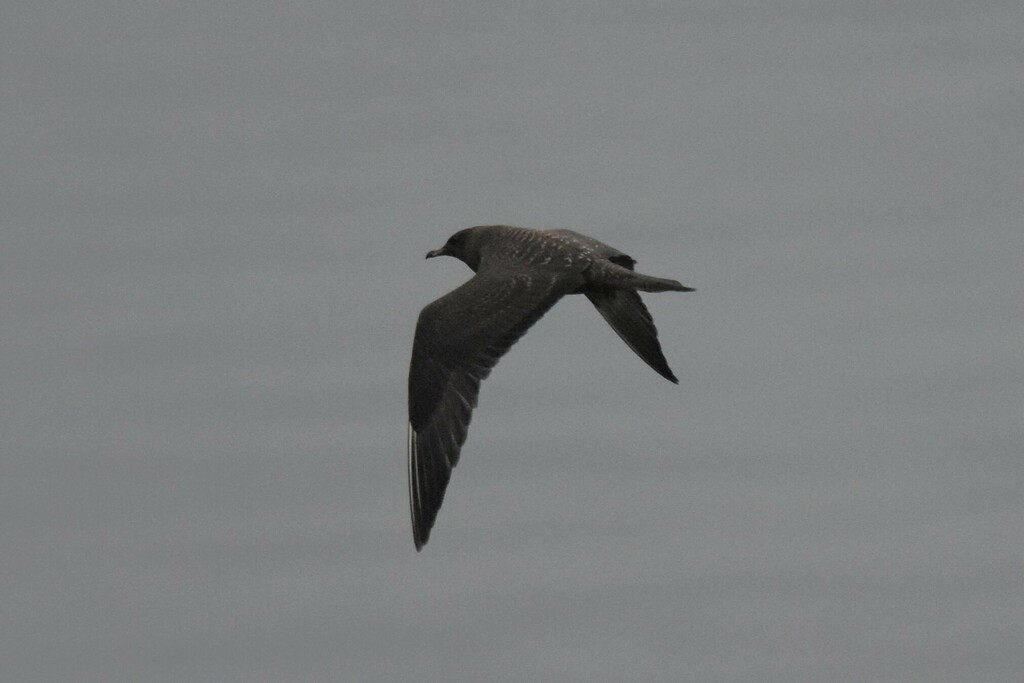
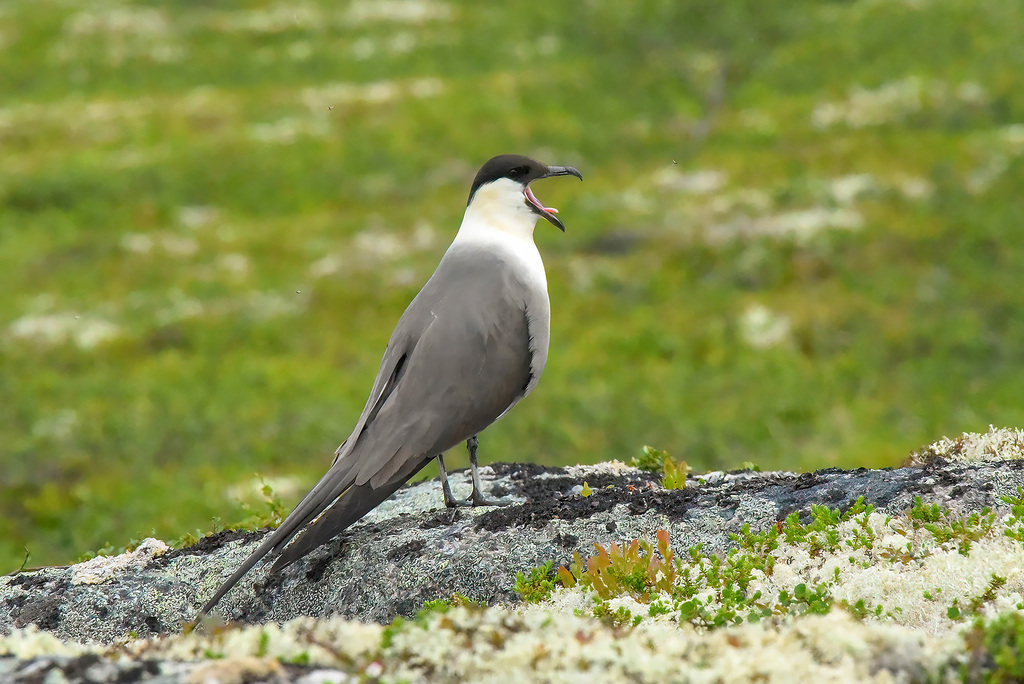
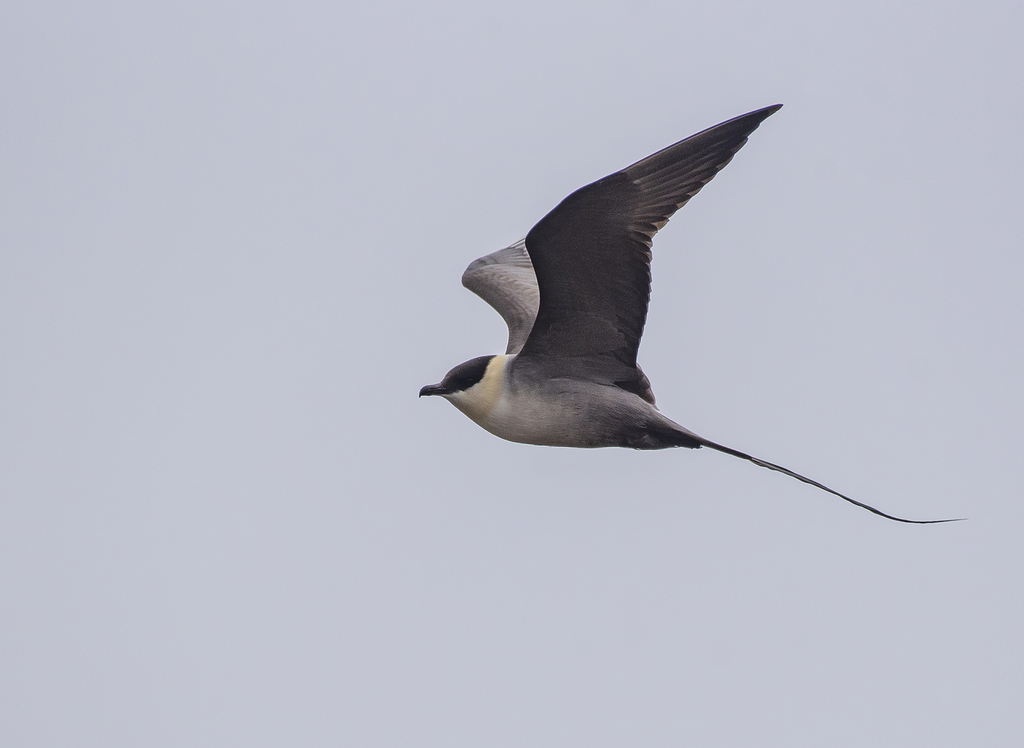
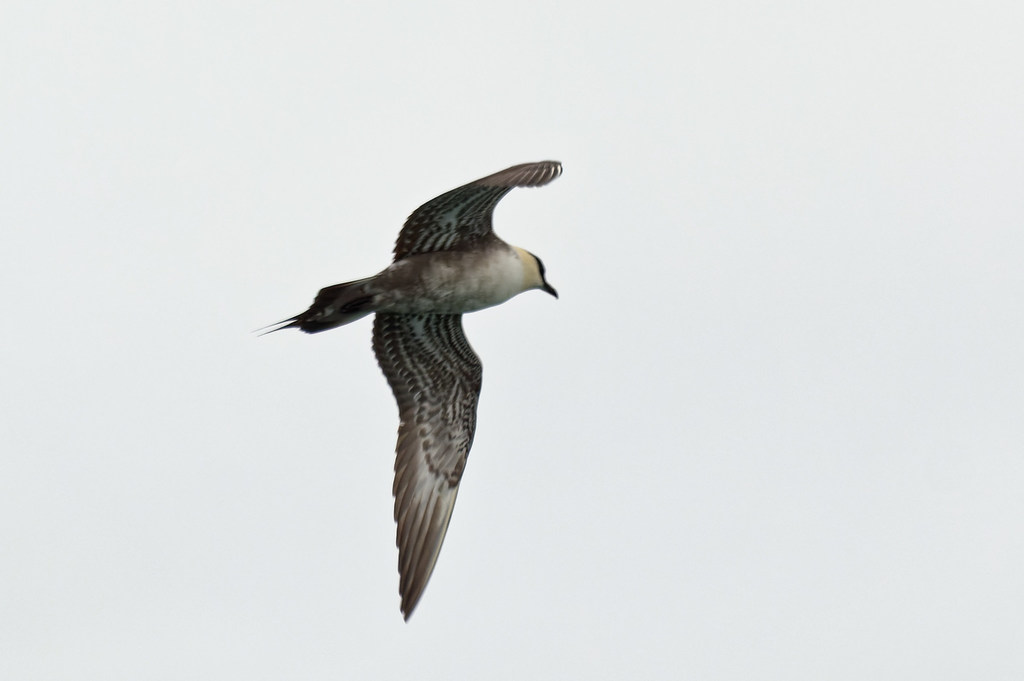
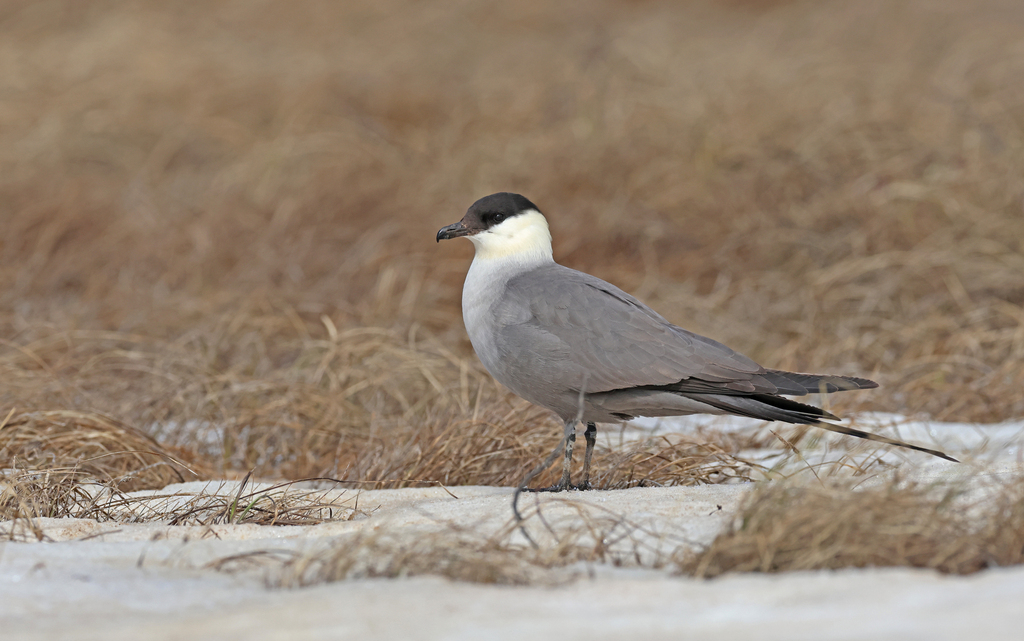
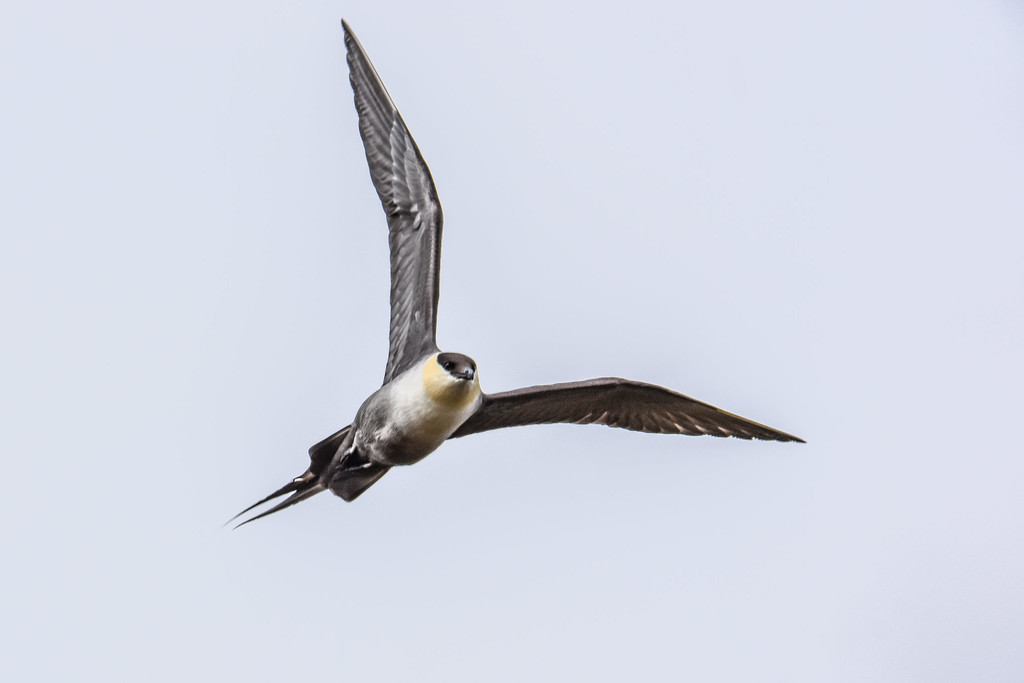
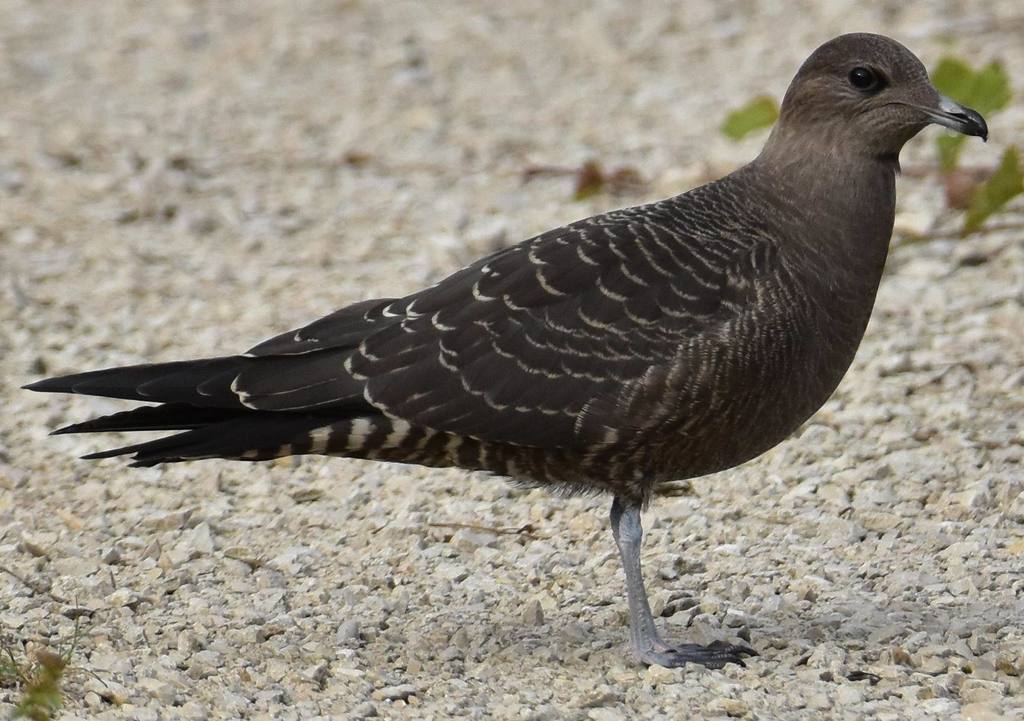
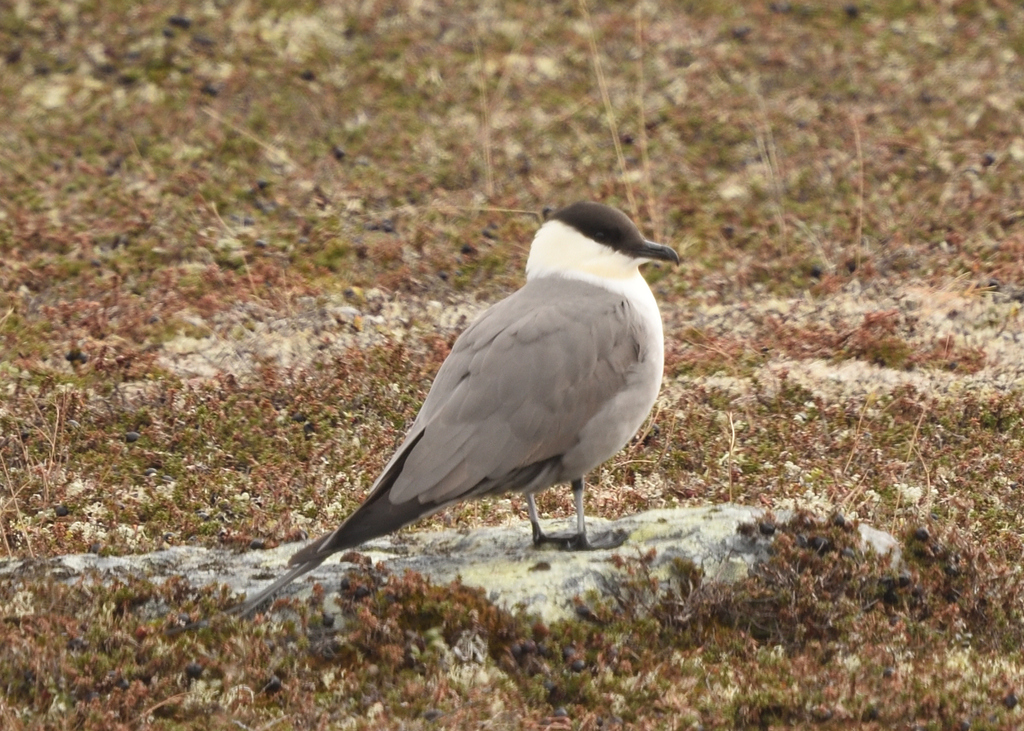
El págalo rabero es el menor de los págalos y también del más esbelto y ligero al volar. Como rasgos distintivos en los adultos cabe citar las rectrices internas, alargadas a modo de rabo, así como un capirote negro, bien delimitado, y la ausencia de “ventanas” blancas en las alas. Los jóvenes e inmaduros se parecen más a los de otras especies, en particular a los del págalo parásito, pero tienen las alas más estrechas, la cola más larga, el pico más corto, y el obispillo y las coberteras caudales barrados.The smallest and most slender of the skuas. Breeding adults have exceptionally long, needle-like central tail feathers. It is the most lightweight and graceful flyer of the group, often hovering over the sea. It has a very clean, high-contrast plumage and usually lacks the white wing-windows of its larger cousins. It is highly pelagic during its migrations.
DistribuciónDistribution
En España esta especie puede verse en paso entre julio y noviembre, con pico en agosto. La mayor parte de los registros se producen frente e las costas del noroeste peninsular, donde se ha realizado una estimación de una media de paso en torno a 800 ejemplares por año sólo en horas de luz, sin tener en cuenta el paso nocturno. Ocasionalmente, puede haber avistamientos en otras partes del litoral español, tanto cantábrico como mediterráneo, con observaciones también en el archipiélago canario.Regular passage migrant, mostly pelagic. Peak passage in August off the northwest coast (Galicia). Occasional off other coasts and the Canary Islands. One of the most long-distance migrants among skuas.
Textos reproducidos con permiso de laTexts translated and reproduced with permission from the Guía de Aves de España © SEO/BirdLife
Estado de conservaciónConservation Status
- EX
- RE
- CR
- EN
- VU
- NT
- LC
NE
No evaluada en EspañaNot assessed in Spain
Qué significa cada categoríaWhat each category means
- LC
- Preocupación menor: Taxón evaluado que no califica para categorías amenazadas. Especies abundantes y ampliamente distribuidasLeast Concern - Evaluated taxon that does not qualify for threatened categories. Widespread and abundant taxa
- NT
- Casi amenazada: No califica actualmente como amenazada, pero está cerca de calificar o es probable que califique en el futuro cercanoNear Threatened - Does not currently qualify as threatened, but is close to qualifying or likely to qualify in the near future
- VU
- Vulnerable: Enfrenta un alto riesgo de extinción en estado silvestre según los criterios A a E de IUCNVulnerable - Facing a high risk of extinction in the wild based on IUCN criteria A to E
- EN
- En peligro: Enfrenta un riesgo muy alto de extinción en estado silvestre según los criterios A a E de IUCNEndangered - Facing a very high risk of extinction in the wild based on IUCN criteria A to E
- CR
- En peligro crítico: Enfrenta un riesgo extremadamente alto de extinción en estado silvestre según los criterios A a E de IUCNCritically Endangered - Facing an extremely high risk of extinction in the wild based on IUCN criteria A to E
- DD
- Datos insuficientes: Información inadecuada para evaluar el riesgo de extinción basándose en distribución o estado poblacionalData Deficient - Inadequate information to assess extinction risk based on distribution and/or population status
- NE
- No evaluada: No ha sido evaluada aún contra los criterios de la Lista Roja de IUCNNot Evaluated - Has not yet been assessed against the IUCN Red List criteria
- RE
- Extinta regionalmente: El taxón ya no existe en la región específica, aunque puede sobrevivir en otros lugaresRegionally Extinct - Taxon no longer exists in the specific region, though it may survive elsewhere
- EX
- Extinta - No existe duda razonable de que ha muerto el último individuo del taxónExtinct - No reasonable doubt that the last individual of the taxon has died
TaxonomíaTaxonomy
- OrdenOrder
- Charadriiformes
- FamiliaFamily
- Stercorariidae
Presencia en EspañaPresence in Spain
- De pasoPassage migrant
- HabitualRegular
En la app: julio a noviembre.In the app: July to November.
Dónde verlaWhere to see it
38 cuadrículas de 10 km con registros de 2020 a 2024. Toca un mes para ver dónde se ha visto.38 10 km squares with records from 2020 to 2024. Pick a month to see where it has been seen.
Cargando el mapa…Loading the map…
Dónde es regularWhere it is regular
Provincias con registros en al menos 3 de los 5 años algún mes, de más a menos frecuente, y sus mejores meses.Provinces with records in at least 3 of the 5 years in some month, from most to least frequent, and their best months.
- A CoruñaA Coruñaagosto, septiembre, julioAugust, September, July
- LugoLugoagosto, septiembreAugust, September
- VizcayaVizcayaseptiembre, octubreSeptember, October
- CantabriaCantabriaseptiembreSeptember
Datos: registros en GBIF de 2020 a 2024 de Observation.org, eBird, iNaturalist y el ICO, descargados el 23/10/2026.Data: GBIF records from 2020 to 2024 from Observation.org, eBird, iNaturalist and the ICO, downloaded on 23/10/2026. GBIF.org (23 October 2026) GBIF Occurrence Download · doi:10.15468/dl.r5sf2a · CC BY-NC 4.0
GaleríaGallery

© Justine · CC BY · iNaturalist 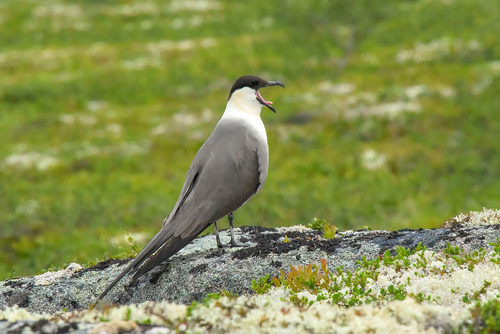
© Настя Бухвалова · CC BY · iNaturalist 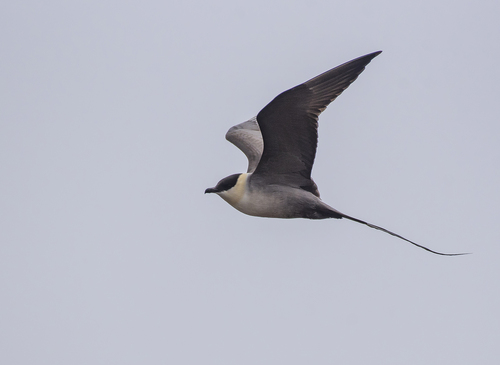
© Griha Hasanov · CC BY · iNaturalist 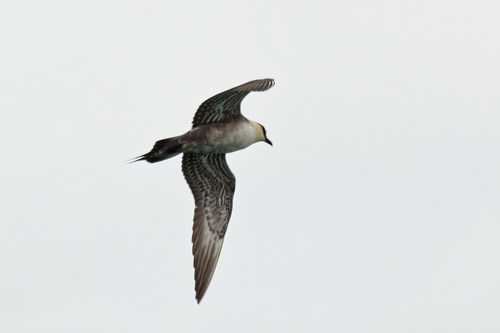
© Donald Davesne · CC BY · iNaturalist 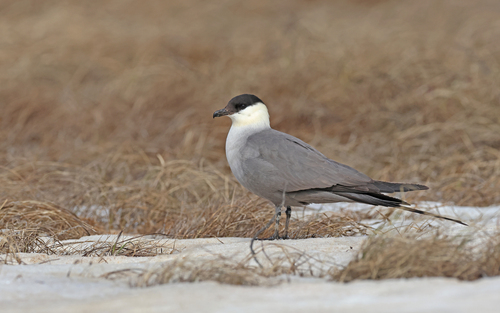
© Christoph Moning · CC BY · iNaturalist 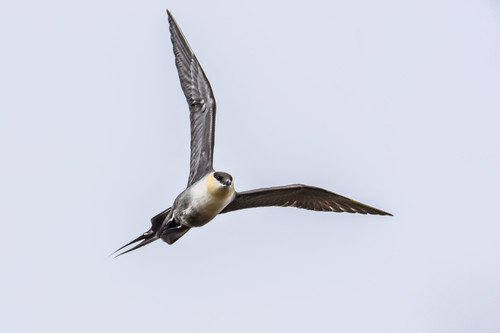
© Jay Pruett · CC BY · iNaturalist 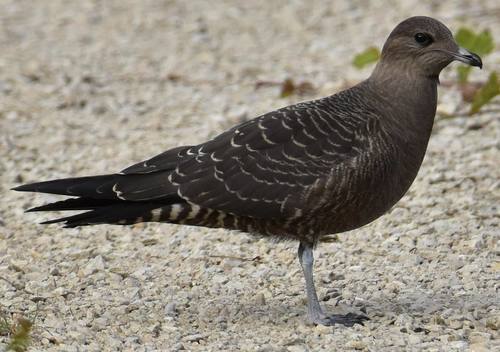
© Thorsten Hackbarth · CC BY · iNaturalist 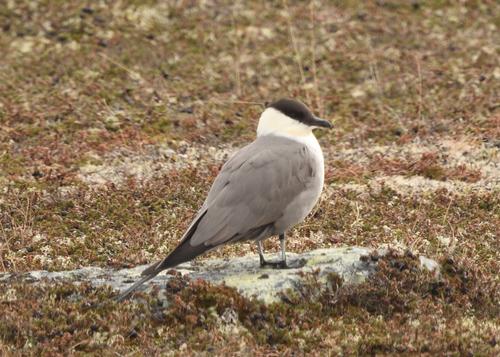
© Guy Babineau · CC BY · iNaturalist
Especies relacionadasRelated species
Otras aves de la familia Stercorariidae y de órdenes cercanos.Other birds from the Stercorariidae family and nearby orders.
- ÉpicoEpic
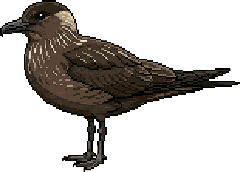 Págalo polarSouth Polar SkuaStercorarius maccormicki
- Poco comúnUncommon
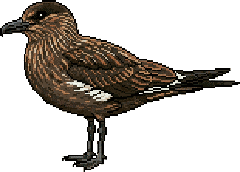 Págalo grandeGreat SkuaStercorarius skua
- Poco comúnUncommon
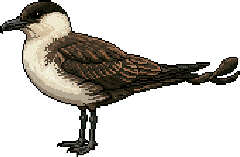 Págalo pomarinoPomarine SkuaStercorarius pomarinus
- Poco comúnUncommon
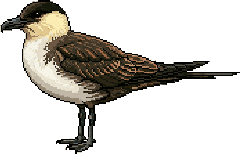 Págalo parásitoArctic SkuaStercorarius parasiticus
- ÉpicoEpic
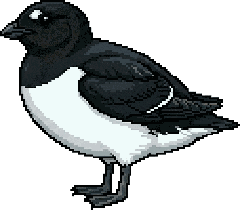 Mérgulo atlánticoLittle AukAlle alle
- Poco comúnUncommon
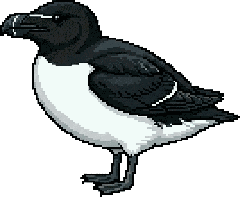 Alca comúnRazorbillAlca torda
- LegendarioLegendary
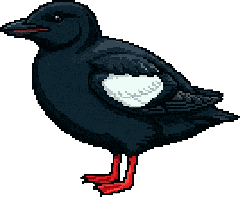 Arao aliblancoBlack GuillemotCepphus grylle
- Poco comúnUncommon
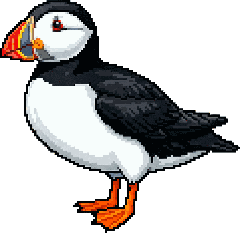 Frailecillo atlánticoAtlantic PuffinFratercula arctica
 Gratis, sin anuncios ni comprasFree, no ads, no purchases