 BirdPedy
Escribano nivalSnow Bunting
En 15 provincias en noviembre y sin registros 5 meses del añoIn 15 provinces in November, and no records in 5 months of the year
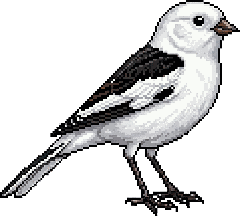
Reporte de rarezaRarity report
Por qué es raroWhy it is rareEntre 2020 y 2024 se vio en España en 144 ocasiones distintas, que suman 295 días, todos los años (datos de Observation.org, eBird, iNaturalist y el ICO publicados en GBIF). En la guía de aves de SEO/BirdLife figura como habitual en España.Between 2020 and 2024 it was seen in Spain on 144 separate occasions, adding up to 295 days, every year (data from Observation.org, eBird, iNaturalist and ICO published on GBIF). SEO/BirdLife's bird guide lists it as regular in Spain.
Cada carrizo es un mes: su altura, las provincias con registros de 2020 a 2024.Each reed is a month: its height, the provinces with records from 2020 to 2024.- Provincias con registrosProvinces with records
- 29 de 52of 52
- En la appIn the app
- Octubre a abrilOctober to April
- EnvergaduraWingspan
- 32-38 cm32-38 cm
- LongitudLength
- 16-17 cm16-17 cm
- Lista Roja de EspañaSpanish Red List
- DD Datos insuficientesData Deficient

Información generalGeneral Information
Las grises costas invernales del norte de la Península reciben todos los años un pequeño y regular contingente de unas aves originarias de las latitudes más gélidas del continente. Se trata de los escribanos nivales, unos paseriformes de característico plumaje, que se reproducen en las tundras, las montañas y las costas de Escandinavia o Siberia y que invernan en diferentes lugares del centro y oeste de Europa.The Snow Bunting is the 'snowflake' of the bird world. This Arctic specialist arrives every year in small numbers to spend the winter on our northern coasts. They are exceptionally tame and beautiful birds that seem at home in the freezing winds of the Atlantic shoreline. Seeing a flock of these white-and-buff birds dancing over a Spanish beach is a magical winter experience. They are symbols of the absolute endurance and beauty of the frozen North.
IdentificaciónIdentification
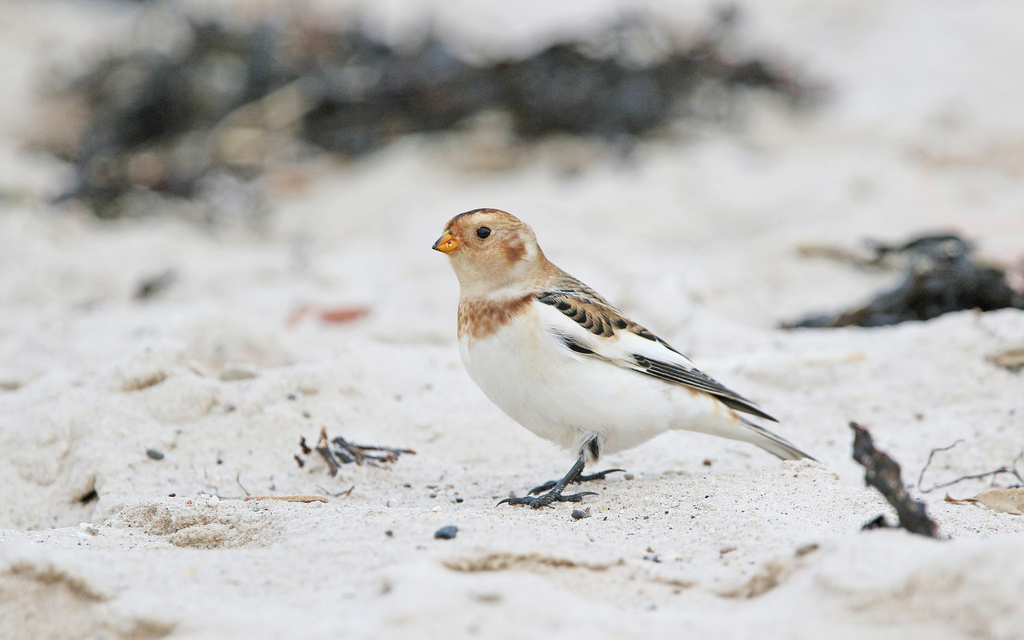
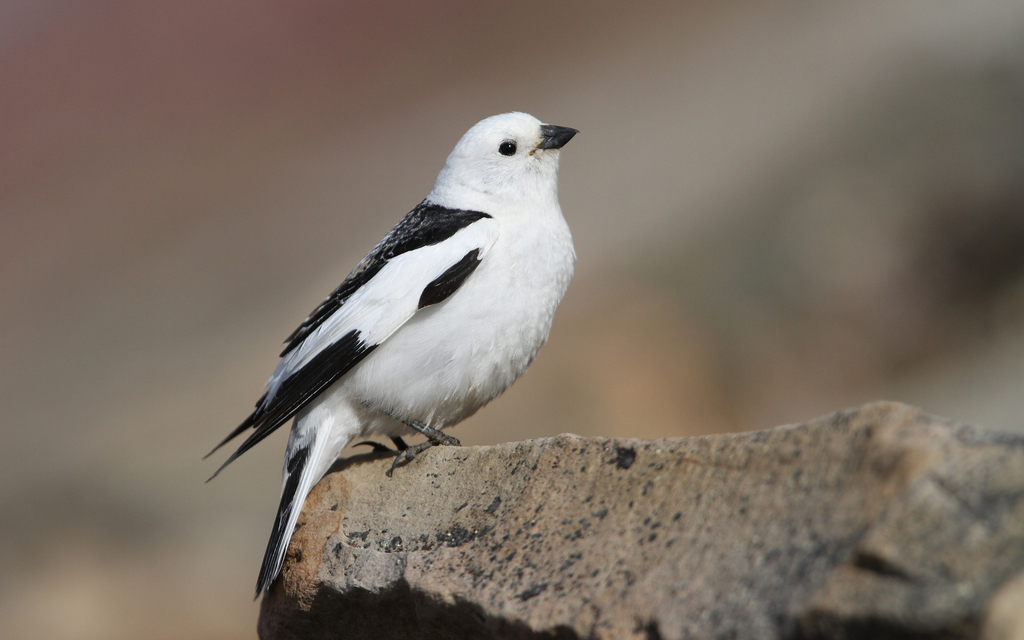
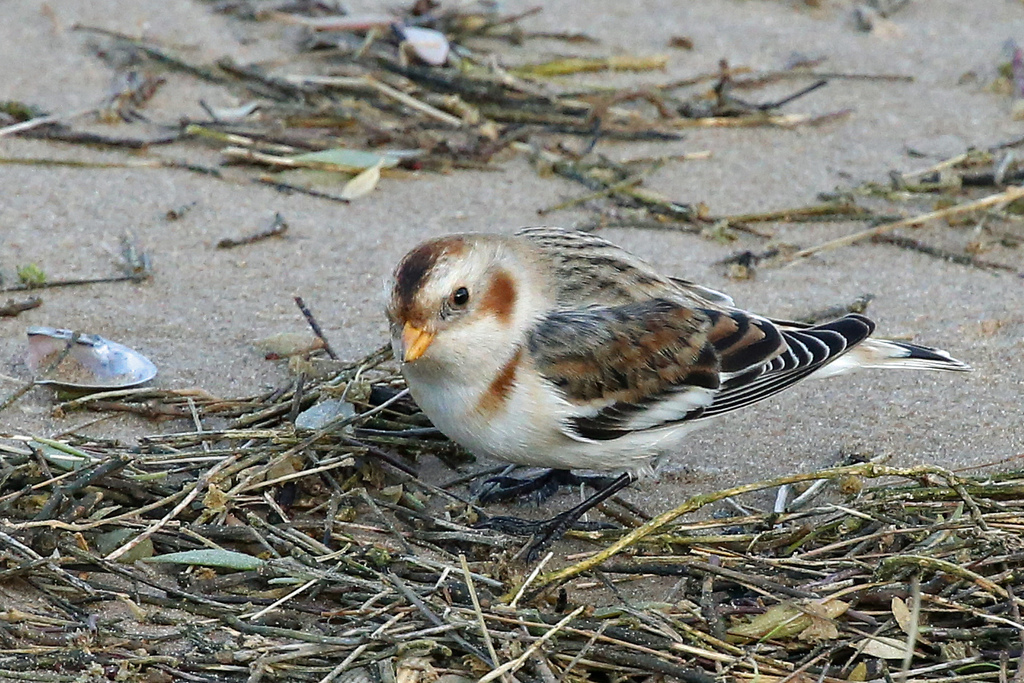
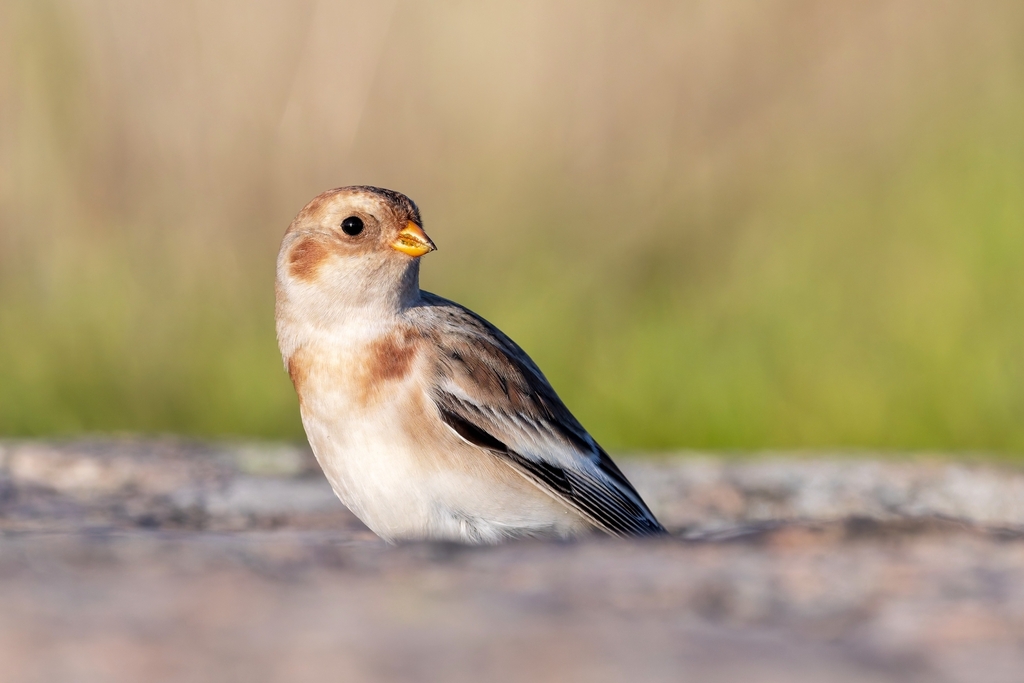
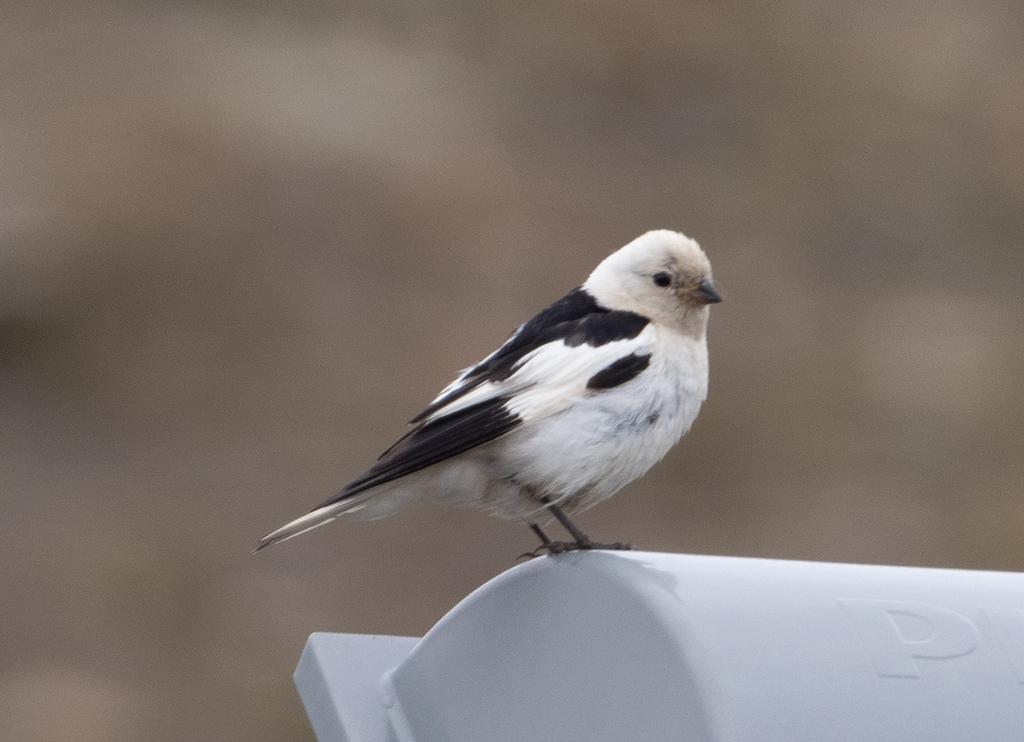
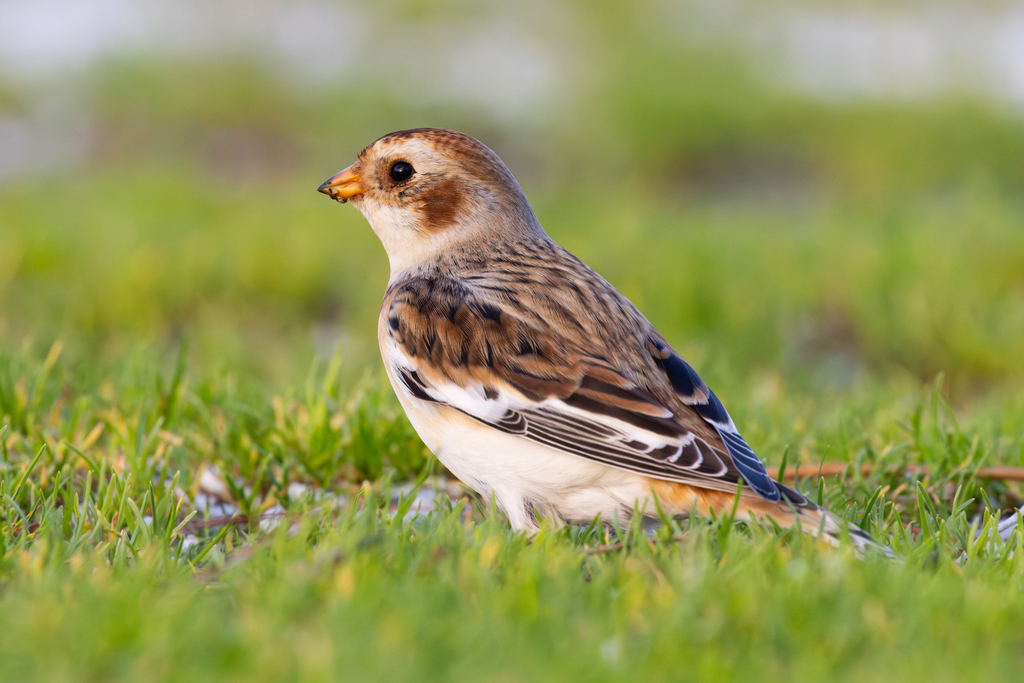
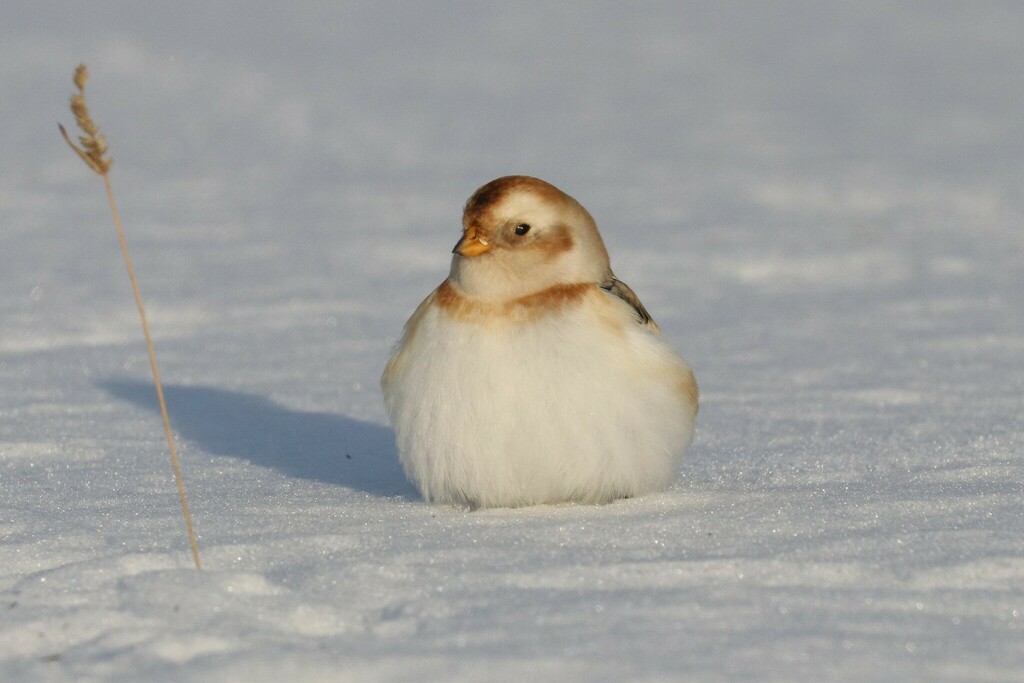
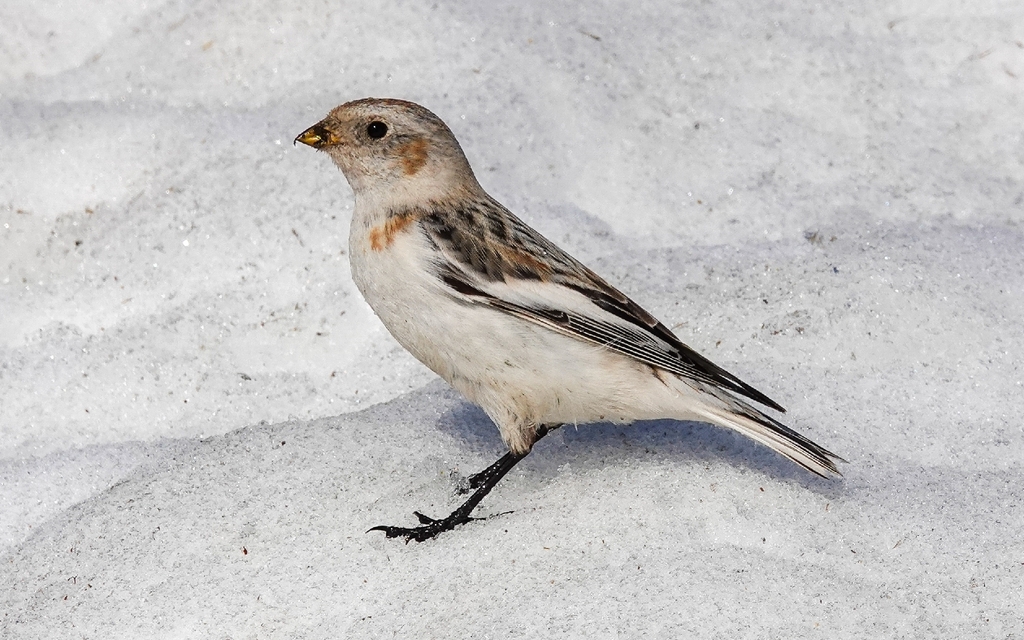
De tamaño semejante a otros escribanos de nuestra fauna, el nival se distingue claramente de aquellos por presentar un plumaje llamativamente blanco, especialmente en verano. Las partes dorsales son, fuera de la estación reproductora, pardo-rojizas, al igual que el píleo y las mejillas, en tanto que las partes inferiores y la garganta lucen un intenso color blanco, especialmente en los machos. Ambos sexos presentan unas llamativas y amplias franjas alares blancas. También en el obispillo y las plumas externas de la cola aparecen grandes extensiones blancas, que se hacen particularmente visibles en vuelo. Los individuos inmaduros que podemos encontrar durante el invierno en España son, en general, menos blancos, de un color marrón grisáceo en el manto y cabeza, y con franjas alares muy reducidas. La especie suele moverse en pequeños bandos muy activos, aunque bastante confiados.A beautiful and iconic bird of the High Arctic. It is the whitest of all the buntings. In summer, males are pure black and white. In winter, they have a soft, buff-and-white plumage but reveal spectacular, broad white wing patches in flight. It has a robust, black bill and a very hardy nature. It is often found on coastal dunes and rocky shores in winter.
DistribuciónDistribution
No se reproduce en nuestro país y solo aparece en invierno en áreas del litoral cantábrico, norte de Galicia y Costa Brava. A España llega la subespecie nivalis.Regular but scarce winter visitor (October-March). Restricted to the Northern/Cantabrian coast and Costa Brava. Subspecies 'nivalis'.
Textos reproducidos con permiso de laTexts translated and reproduced with permission from the Guía de Aves de España © SEO/BirdLife
Estado de conservaciónConservation Status
- EX
- RE
- CR
- EN
- VU
- NT
- LC
DD
Datos insuficientesData Deficient
Qué significa cada categoríaWhat each category means
- LC
- Preocupación menor: Taxón evaluado que no califica para categorías amenazadas. Especies abundantes y ampliamente distribuidasLeast Concern - Evaluated taxon that does not qualify for threatened categories. Widespread and abundant taxa
- NT
- Casi amenazada: No califica actualmente como amenazada, pero está cerca de calificar o es probable que califique en el futuro cercanoNear Threatened - Does not currently qualify as threatened, but is close to qualifying or likely to qualify in the near future
- VU
- Vulnerable: Enfrenta un alto riesgo de extinción en estado silvestre según los criterios A a E de IUCNVulnerable - Facing a high risk of extinction in the wild based on IUCN criteria A to E
- EN
- En peligro: Enfrenta un riesgo muy alto de extinción en estado silvestre según los criterios A a E de IUCNEndangered - Facing a very high risk of extinction in the wild based on IUCN criteria A to E
- CR
- En peligro crítico: Enfrenta un riesgo extremadamente alto de extinción en estado silvestre según los criterios A a E de IUCNCritically Endangered - Facing an extremely high risk of extinction in the wild based on IUCN criteria A to E
- DD
- Datos insuficientes: Información inadecuada para evaluar el riesgo de extinción basándose en distribución o estado poblacionalData Deficient - Inadequate information to assess extinction risk based on distribution and/or population status
- NE
- No evaluada: No ha sido evaluada aún contra los criterios de la Lista Roja de IUCNNot Evaluated - Has not yet been assessed against the IUCN Red List criteria
- RE
- Extinta regionalmente: El taxón ya no existe en la región específica, aunque puede sobrevivir en otros lugaresRegionally Extinct - Taxon no longer exists in the specific region, though it may survive elsewhere
- EX
- Extinta - No existe duda razonable de que ha muerto el último individuo del taxónExtinct - No reasonable doubt that the last individual of the taxon has died
TaxonomíaTaxonomy
- OrdenOrder
- Passeriformes
- FamiliaFamily
- Calcariidae
Presencia en EspañaPresence in Spain
- HabitualRegular
- InvernanteWinter visitor
En la app: octubre a abril.In the app: October to April.
Dónde verlaWhere to see it
106 cuadrículas de 10 km con registros de 2020 a 2024. Toca un mes para ver dónde se ha visto.106 10 km squares with records from 2020 to 2024. Pick a month to see where it has been seen.
Cargando el mapa…Loading the map…
Dónde es regularWhere it is regular
Provincias con registros en al menos 3 de los 5 años algún mes, de más a menos frecuente, y sus mejores meses.Provinces with records in at least 3 of the 5 years in some month, from most to least frequent, and their best months.
- CantabriaCantabrianoviembre, octubreNovember, October
- AsturiasAsturiasnoviembre, octubre, diciembreNovember, October, December
- A CoruñaA Coruñanoviembre, octubre, marzoNovember, October, March
- LugoLugonoviembreNovember
Datos: registros en GBIF de 2020 a 2024 de Observation.org, eBird, iNaturalist y el ICO, descargados el 23/10/2026.Data: GBIF records from 2020 to 2024 from Observation.org, eBird, iNaturalist and the ICO, downloaded on 23/10/2026. GBIF.org (23 October 2026) GBIF Occurrence Download · doi:10.15468/dl.r5sf2a · CC BY-NC 4.0
GaleríaGallery

© Christoph Moning · CC BY · iNaturalist 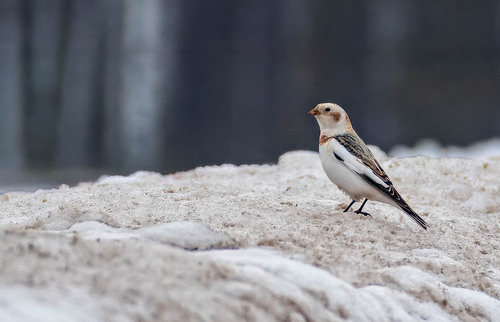
© Михаил Малышев · CC BY · iNaturalist 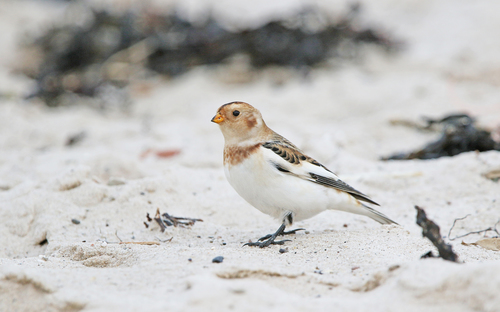
© Christoph Moning · CC BY · iNaturalist 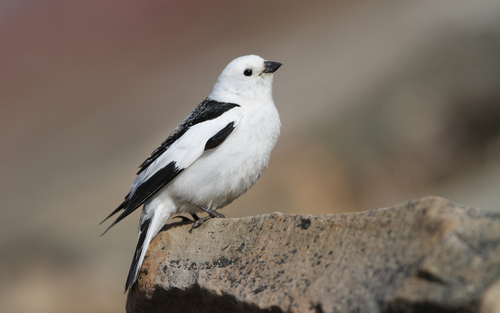
© Christoph Moning · CC BY · iNaturalist 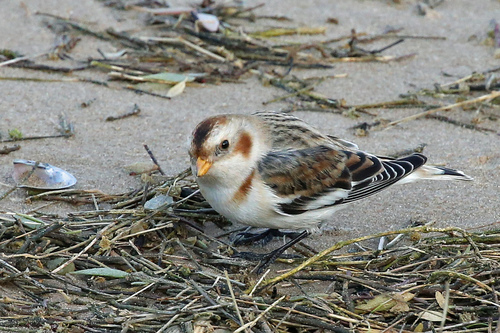
© Roy Lowry · CC BY · iNaturalist 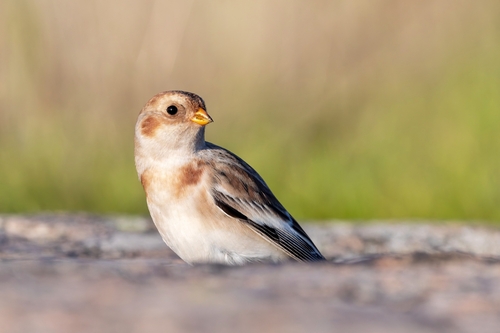
© Олеся · CC BY · iNaturalist 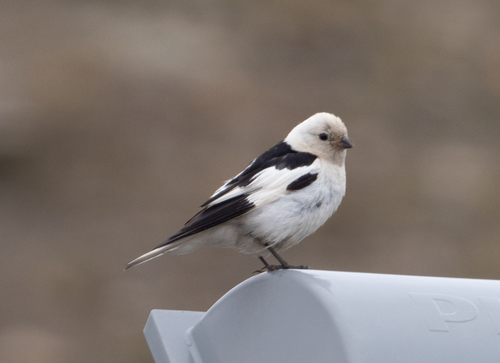
© William Stephens · CC BY · iNaturalist 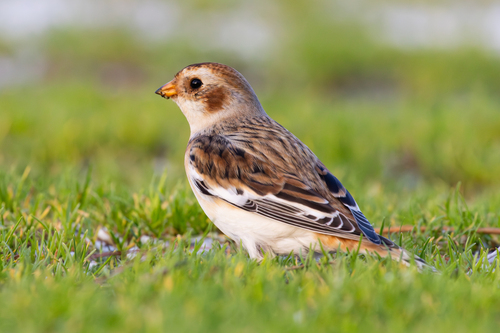
© Diego González Dopico · CC BY · iNaturalist 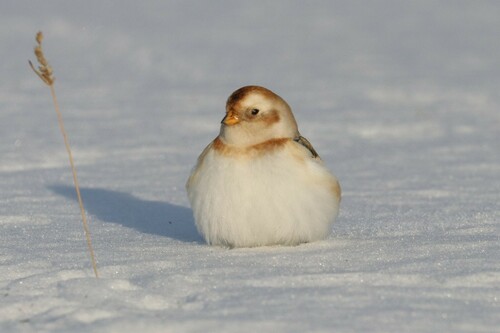
© Константин Селивёрстов · CC BY · iNaturalist 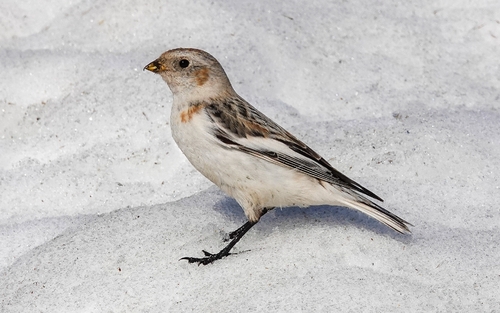
© Валерия Ковалева · CC BY · iNaturalist
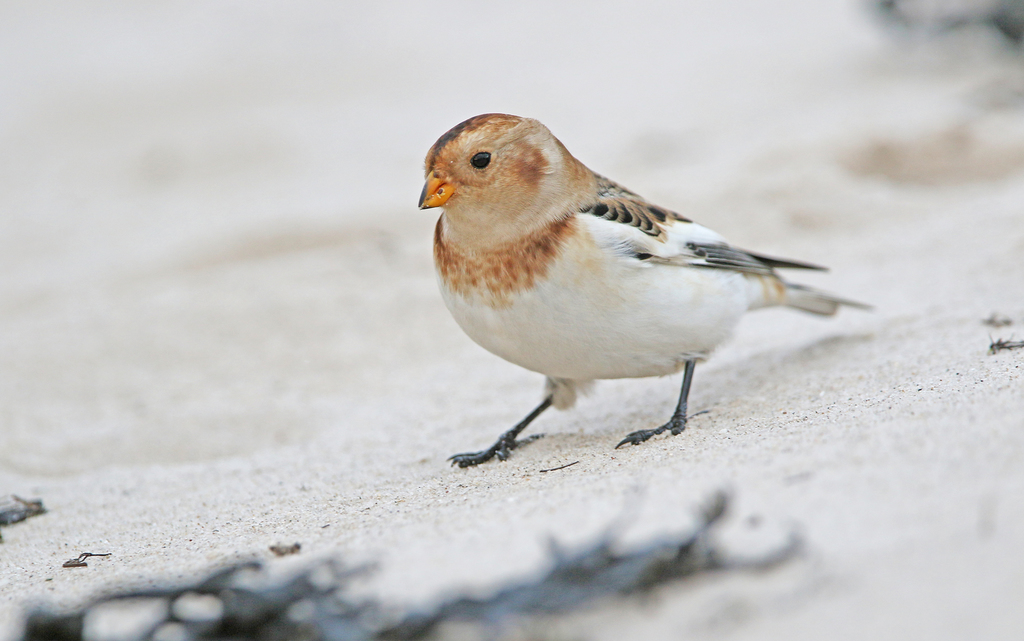
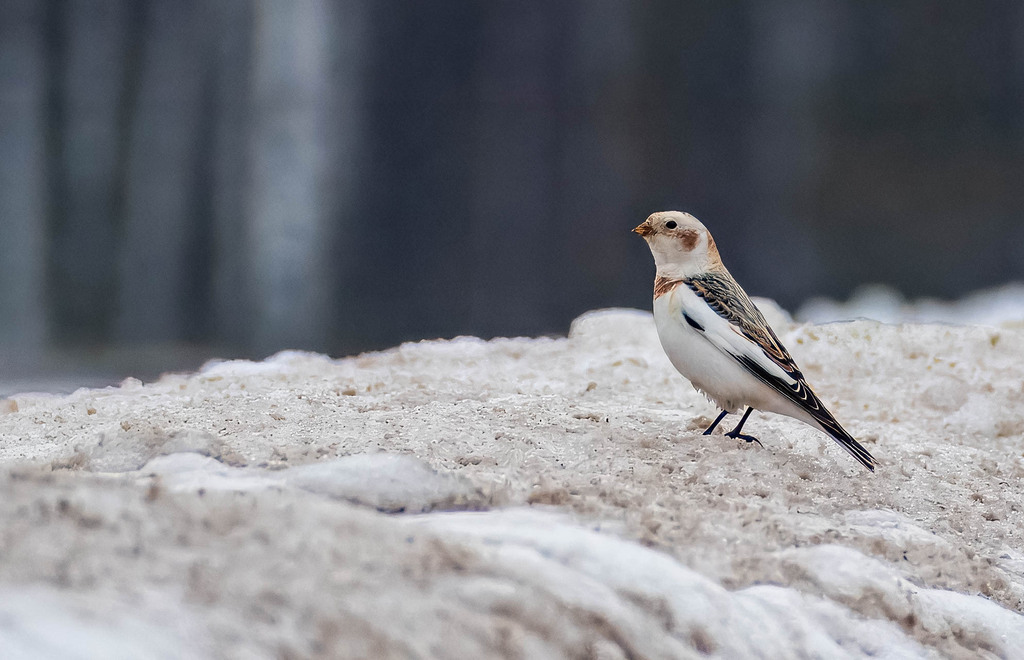
Especies relacionadasRelated species
Otras aves de la familia Calcariidae y de órdenes cercanos.Other birds from the Calcariidae family and nearby orders.
- ÉpicoEpic
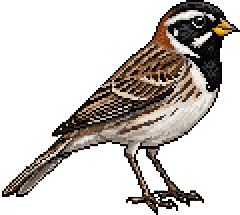 Escribano lapónLapland BuntingCalcarius lapponicus
- LegendarioLegendary
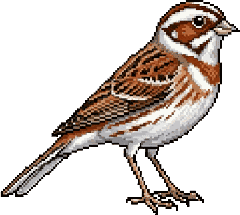 Escribano cabeciblancoPine BuntingEmberiza leucocephalos
- LegendarioLegendary
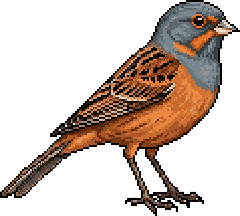 Escribano cenicientoCretzschmar's BuntingEmberiza caesia
- RaroRare
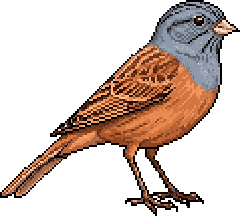 Escribano saharianoHouse BuntingEmberiza sahari
- ÉpicoEpic
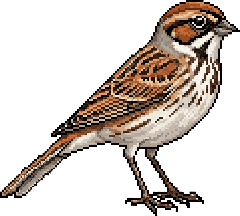 Escribano pigmeoLittle BuntingEmberiza pusilla
- ÉpicoEpic
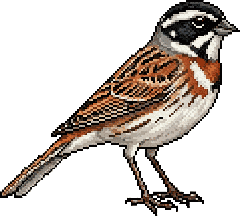 Escribano rústicoRustic BuntingEmberiza rustica
- LegendarioLegendary
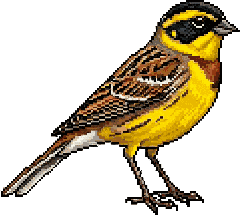 Escribano aureoladoYellow-breasted BuntingEmberiza aureola
- LegendarioLegendary
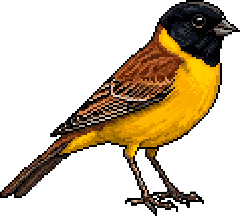 Escribano cabecinegroBlack-headed BuntingEmberiza melanocephala
 Gratis, sin anuncios ni comprasFree, no ads, no purchases