 BirdPedy
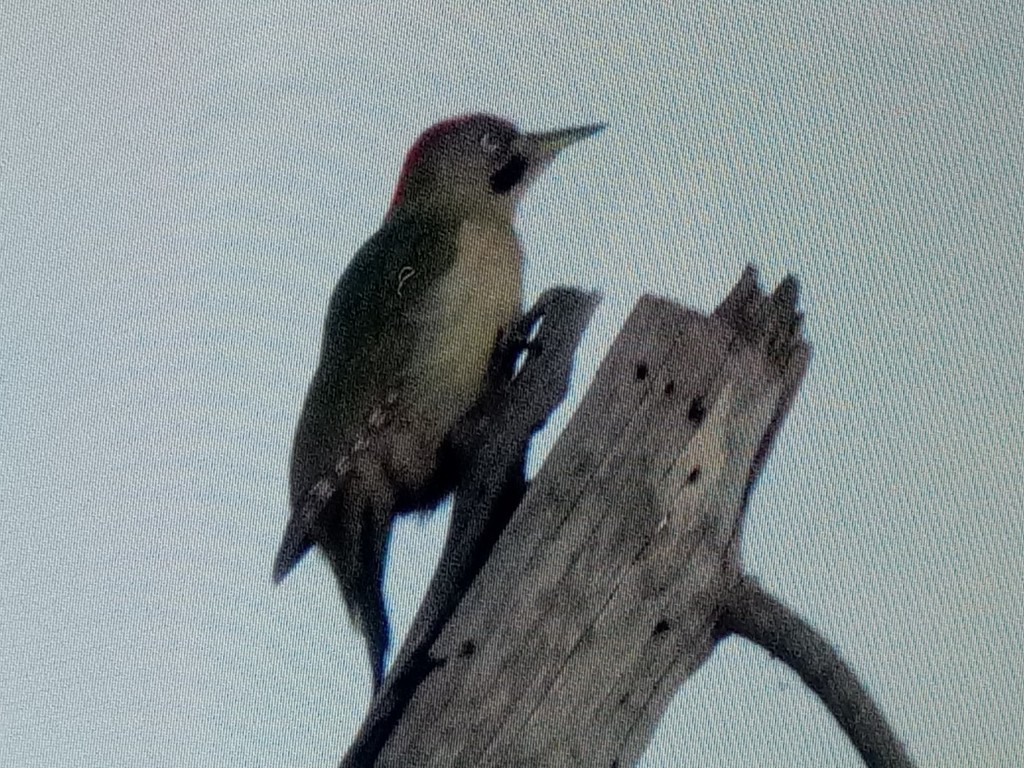
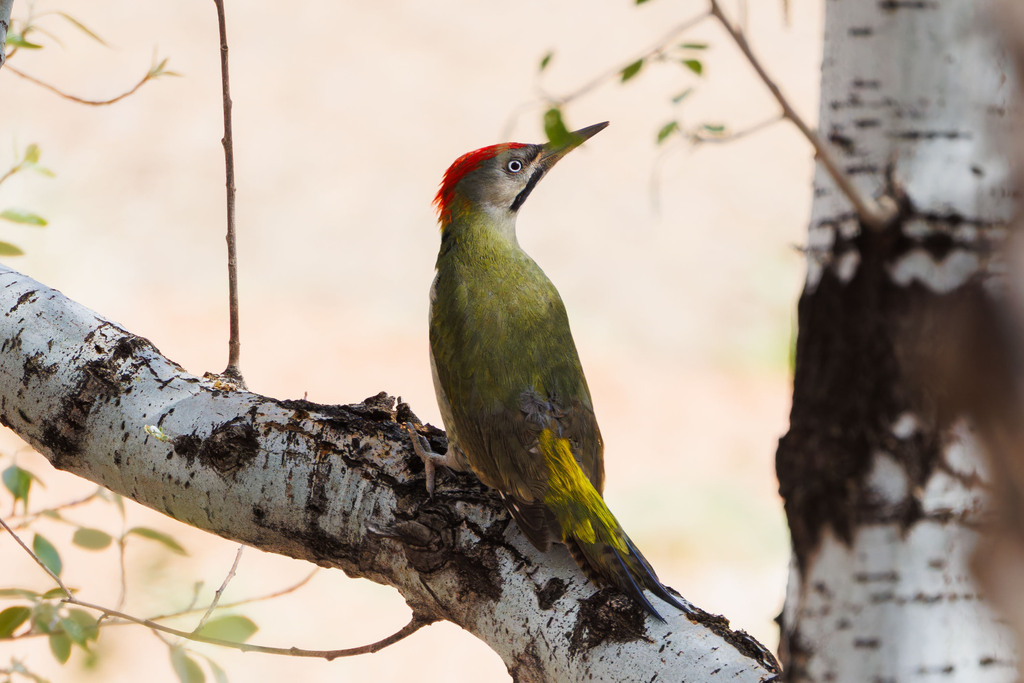
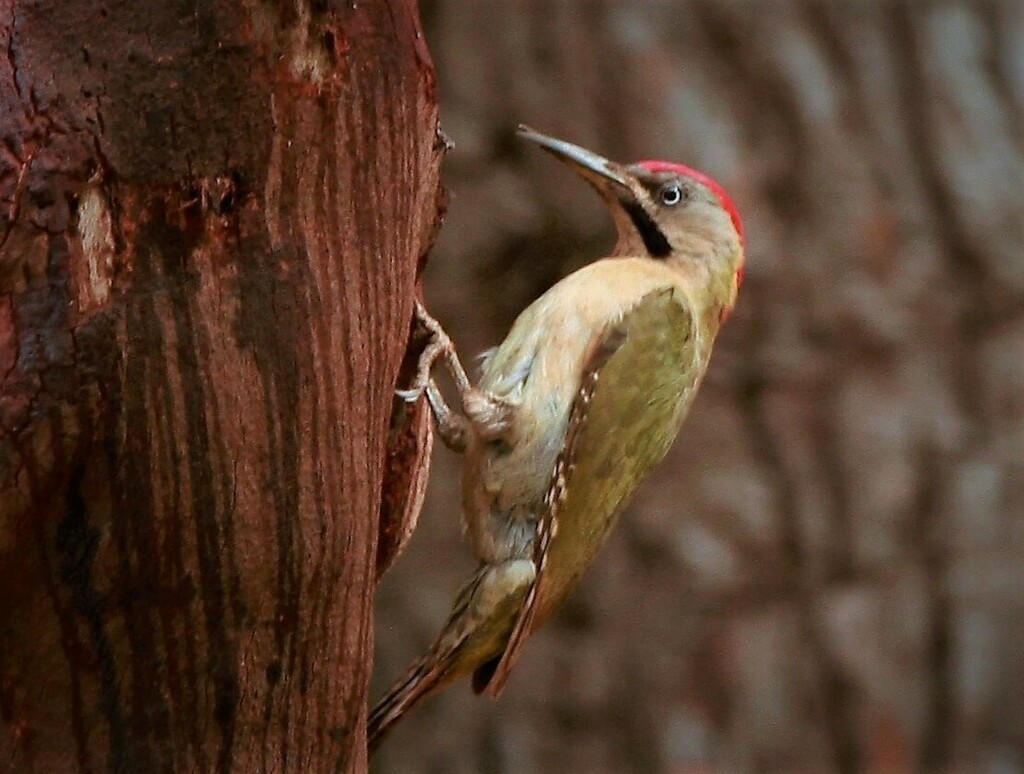
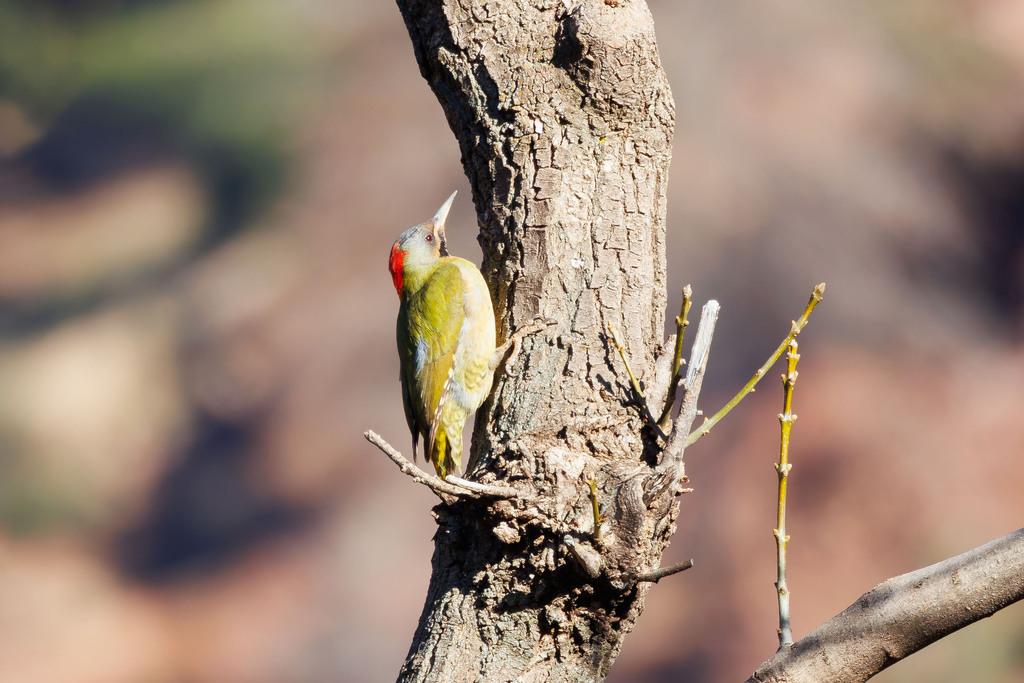
Pito bereberLevaillant's Woodpecker
En 1 provincia en enero y en 1 en eneroIn 1 province in January and 1 in January
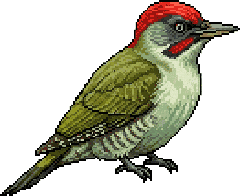
Reporte de rarezaRarity report
Por qué es raroWhy it is rareEntre 2020 y 2024 se vio en España en 38 ocasiones distintas, que suman 131 días, todos los años (datos de Observation.org, eBird y iNaturalist publicados en GBIF). El Comité de Rarezas de SEO/BirdLife homologa sus citas, excepto en Ceuta.Between 2020 and 2024 it was seen in Spain on 38 separate occasions, adding up to 131 days, every year (data from Observation.org, eBird and iNaturalist published on GBIF). SEO/BirdLife's Rarities Committee assesses its records, except in Ceuta.
Cada carrizo es un mes: su altura, las provincias con registros de 2020 a 2024.Each reed is a month: its height, the provinces with records from 2020 to 2024.- Provincias con registrosProvinces with records
- 1 de 52of 52
- En la appIn the app
- Todo el añoAll year
- EnvergaduraWingspan
- No disponibleNot available
- LongitudLength
- No disponibleNot available
- Lista Roja de EspañaSpanish Red List
- LC Preocupación menorLeast Concern

Estado de conservaciónConservation Status
- EX
- RE
- CR
- EN
- VU
- NT
- LC
Preocupación menorLeast Concern
Sin categoría en el Libro Rojo de las Aves de España 2021No category in the Red Book of the Birds of Spain 2021
Qué significa cada categoríaWhat each category means
- LC
- Preocupación menor: Taxón evaluado que no califica para categorías amenazadas. Especies abundantes y ampliamente distribuidasLeast Concern - Evaluated taxon that does not qualify for threatened categories. Widespread and abundant taxa
- NT
- Casi amenazada: No califica actualmente como amenazada, pero está cerca de calificar o es probable que califique en el futuro cercanoNear Threatened - Does not currently qualify as threatened, but is close to qualifying or likely to qualify in the near future
- VU
- Vulnerable: Enfrenta un alto riesgo de extinción en estado silvestre según los criterios A a E de IUCNVulnerable - Facing a high risk of extinction in the wild based on IUCN criteria A to E
- EN
- En peligro: Enfrenta un riesgo muy alto de extinción en estado silvestre según los criterios A a E de IUCNEndangered - Facing a very high risk of extinction in the wild based on IUCN criteria A to E
- CR
- En peligro crítico: Enfrenta un riesgo extremadamente alto de extinción en estado silvestre según los criterios A a E de IUCNCritically Endangered - Facing an extremely high risk of extinction in the wild based on IUCN criteria A to E
- DD
- Datos insuficientes: Información inadecuada para evaluar el riesgo de extinción basándose en distribución o estado poblacionalData Deficient - Inadequate information to assess extinction risk based on distribution and/or population status
- NE
- No evaluada: No ha sido evaluada aún contra los criterios de la Lista Roja de IUCNNot Evaluated - Has not yet been assessed against the IUCN Red List criteria
- RE
- Extinta regionalmente: El taxón ya no existe en la región específica, aunque puede sobrevivir en otros lugaresRegionally Extinct - Taxon no longer exists in the specific region, though it may survive elsewhere
- EX
- Extinta - No existe duda razonable de que ha muerto el último individuo del taxónExtinct - No reasonable doubt that the last individual of the taxon has died
TaxonomíaTaxonomy
- OrdenOrder
- Piciformes
- FamiliaFamily
- Picidae
Presencia en EspañaPresence in Spain
- HabitualRegular
- ResidenteResident
En la app: todo el año.In the app: all year.
Revisión científica de BirdPedyBirdPedy scientific review
Revisada por BirdPedy el 28/10/2026 ·Reviewed by BirdPedy on 28 October 2026 · Cómo revisamosHow we review
PresenciaPresence
El pito bereber no tiene ficha en la guía de seo.org, y la Lista de las aves de España de 2022 solo lo recoge en los territorios del norte de África, donde no lo considera rareza [1]. En 2022, el Comité de Rarezas dejó de considerarlo rareza en Ceuta “al confirmarse la reproducción y su crecimiento poblacional en la zona” [2], con dos nidos ocupados y un pollo en cada uno.
La presencia de BirdPedy describe toda España, Ceuta y Melilla incluidas, así que figura como habitual y residente todo el año, y como rareza del Comité en toda España salvo en Ceuta.
Levaillant’s Woodpecker has no account in the seo.org guide, and the Checklist of the birds of Spain 2022 only lists it in the North African territories, where it does not consider it a rarity [1]. In 2022, the Rarities Committee stopped treating it as a rarity in Ceuta “as breeding and population growth in the area have been confirmed” [2], with two occupied nests and one chick in each.
BirdPedy’s presence describes the whole of Spain, Ceuta and Melilla included, so it is listed as regular and resident all year round, and as a Committee rarity throughout Spain except in Ceuta.
ReferenciasReferences
- Rouco, M. et al. (2022). Lista de las aves de España. Edición de 2022. SEO/BirdLife. Madrid.Rouco, M. et al. (2022). Lista de las aves de España (Checklist of the birds of Spain). 2022 edition. SEO/BirdLife. Madrid. seo.org
- Comité de Rarezas de SEO/BirdLife (2023). Informe de julio-agosto de 2022.SEO/BirdLife Rarities Committee (2023). Report for July-August 2022. seo.org
Dónde verlaWhere to see it
1 cuadrículas de 10 km con registros de 2020 a 2024. Toca un mes para ver dónde se ha visto.1 10 km squares with records from 2020 to 2024. Pick a month to see where it has been seen.
Cargando el mapa…Loading the map…
Dónde es regularWhere it is regular
Provincias con registros en al menos 3 de los 5 años algún mes, de más a menos frecuente, y sus mejores meses.Provinces with records in at least 3 of the 5 years in some month, from most to least frequent, and their best months.
- CeutaCeutamarzo, septiembre, abrilMarch, September, April
Datos: registros en GBIF de 2020 a 2024 de Observation.org, eBird, iNaturalist y el ICO, descargados el 23/10/2026.Data: GBIF records from 2020 to 2024 from Observation.org, eBird, iNaturalist and the ICO, downloaded on 23/10/2026. GBIF.org (23 October 2026) GBIF Occurrence Download · doi:10.15468/dl.r5sf2a · CC BY-NC 4.0
GaleríaGallery
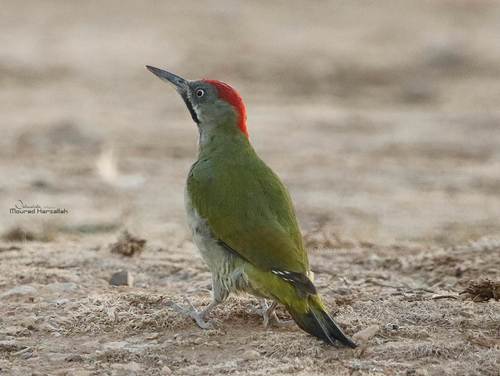
© Mourad Harzallah · CC BY · iNaturalist 
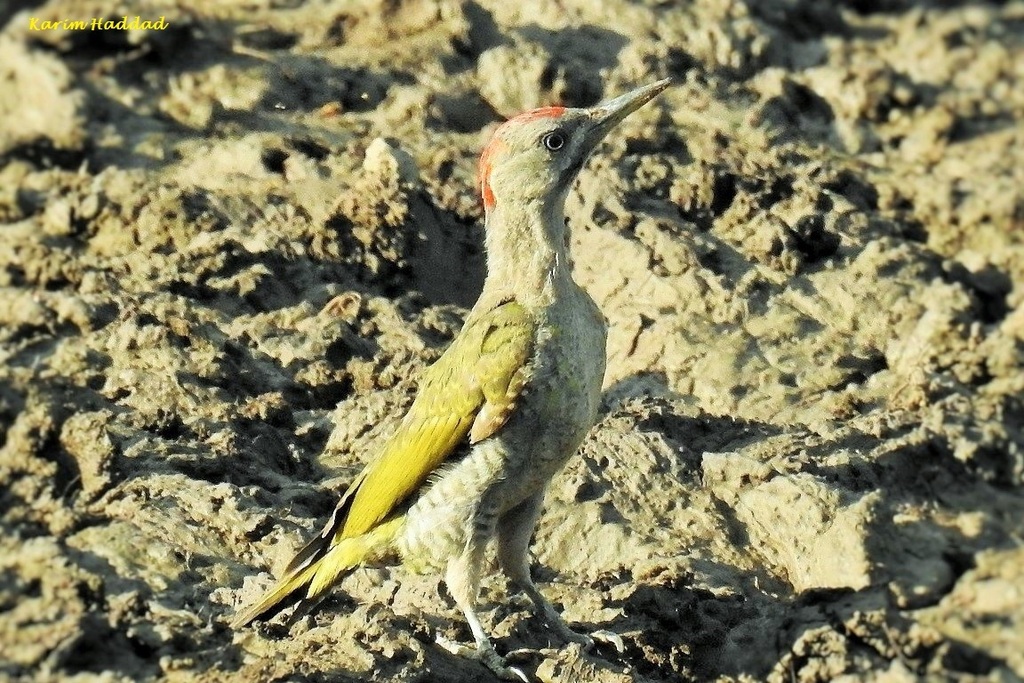
© Karim Haddad · CC BY · iNaturalist 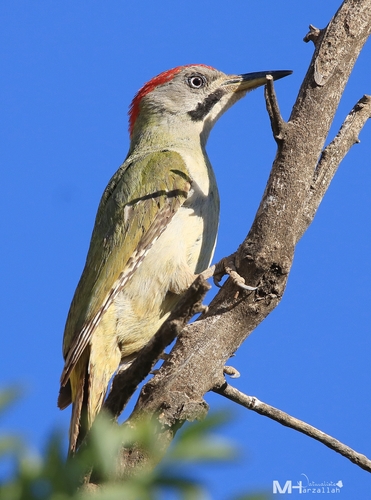
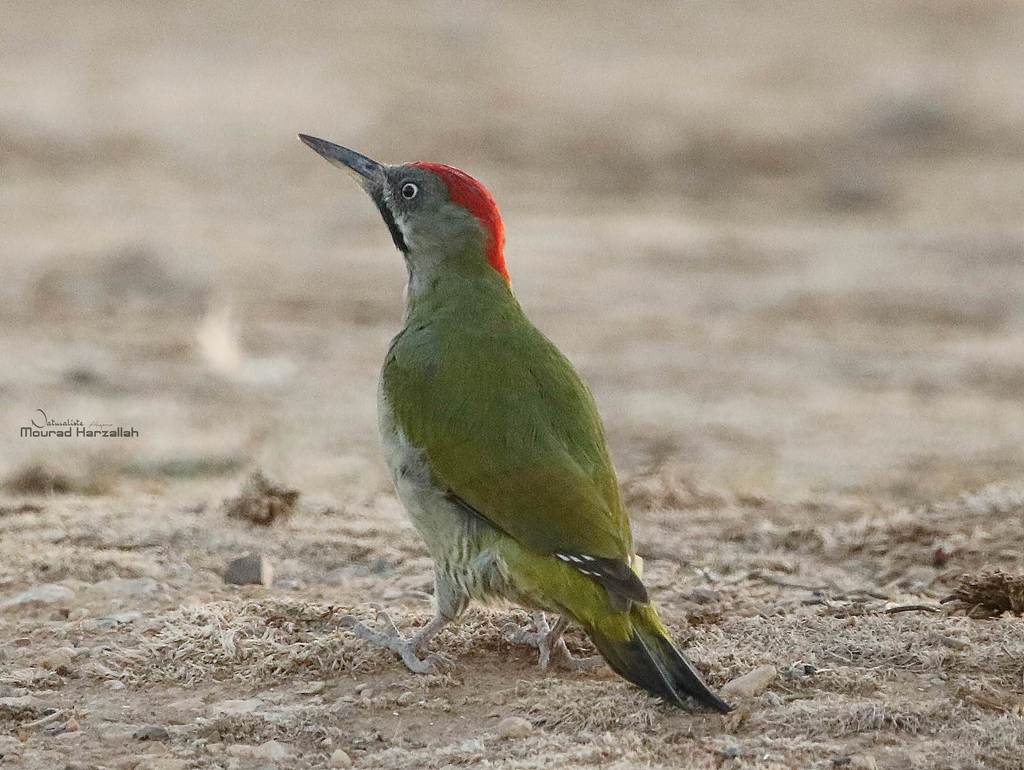
© Mourad Harzallah · CC BY · iNaturalist 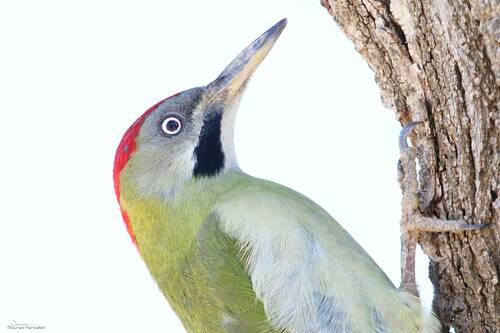
© Mourad Harzallah · CC BY · iNaturalist 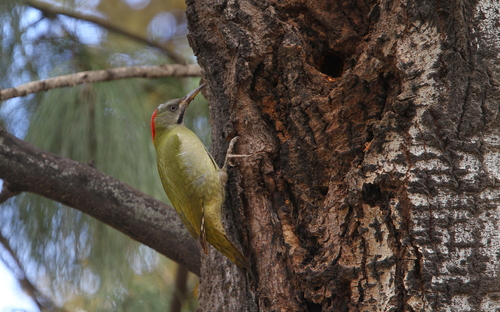
© Christoph Moning · CC BY · iNaturalist 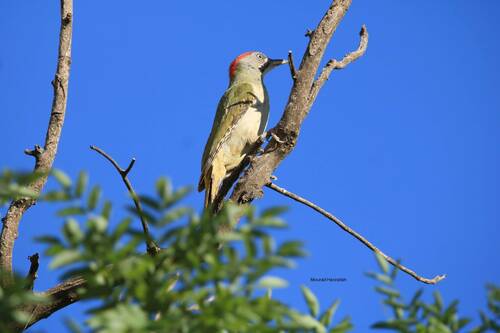
© Mourad Harzallah · CC BY · iNaturalist 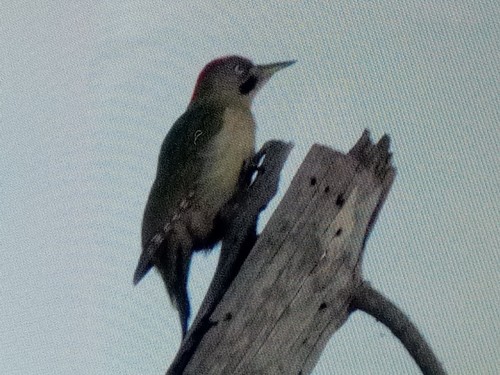
© Karim Haddad · CC BY · iNaturalist 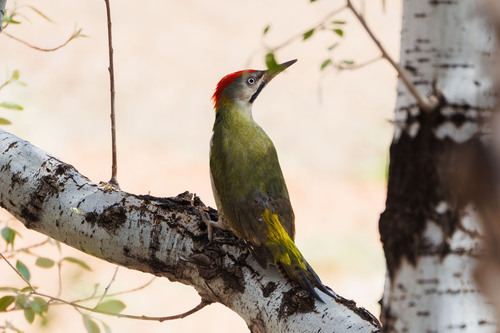
© Михаил Голомысов · CC BY · iNaturalist 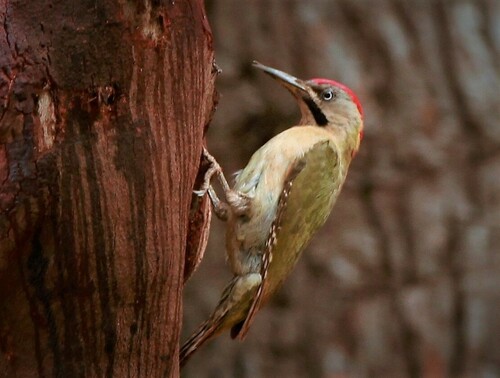
© Alidz31 · CC BY · iNaturalist 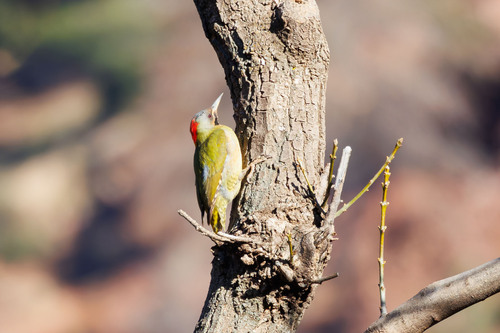
© Михаил Голомысов · CC BY · iNaturalist
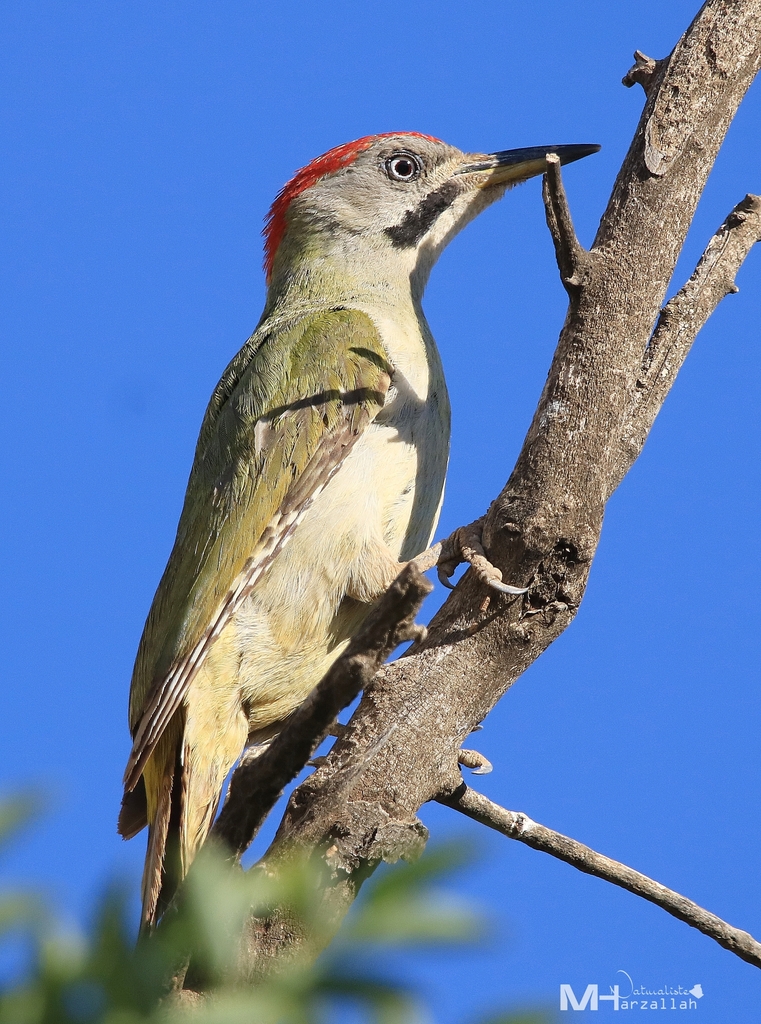
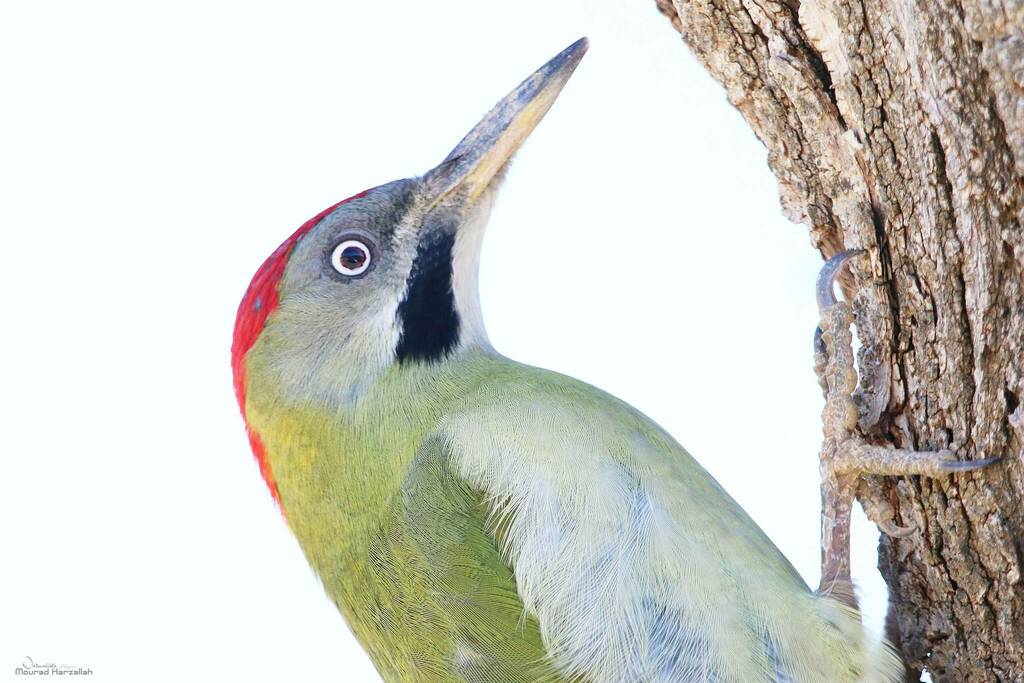
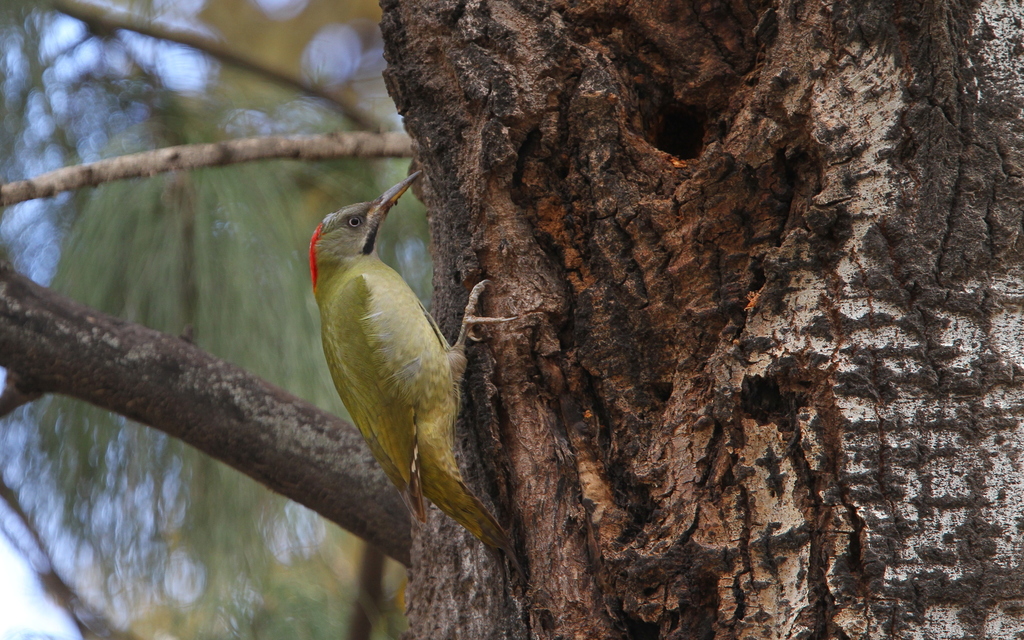
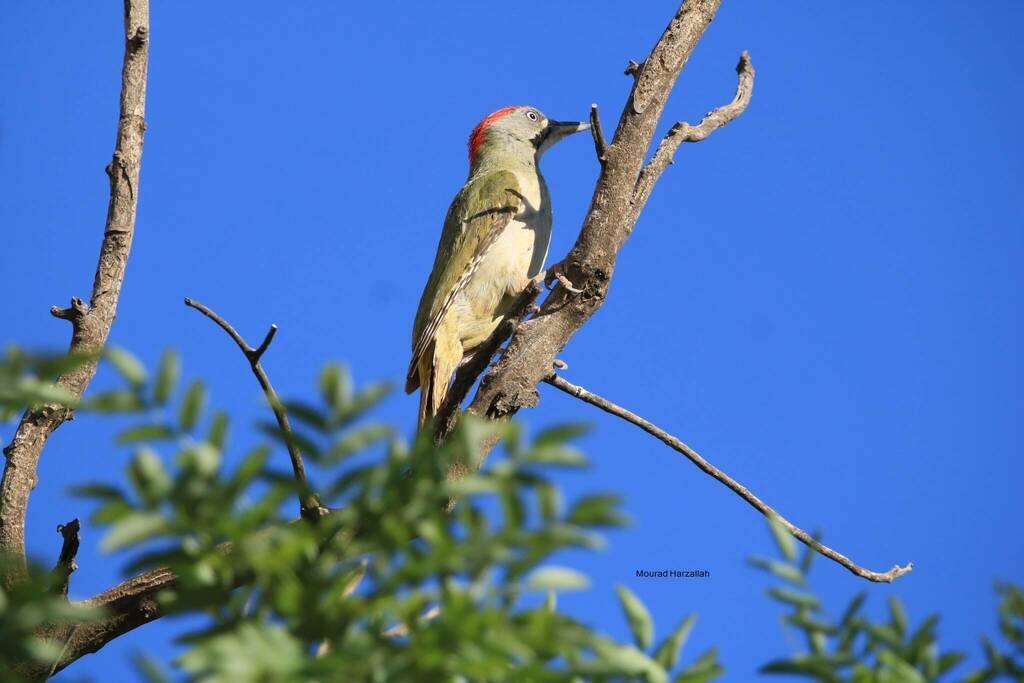
Especies relacionadasRelated species
Otras aves de la familia Picidae y de órdenes cercanos.Other birds from the Picidae family and nearby orders.
- Poco comúnUncommon
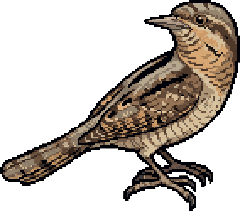 Torcecuello euroasiáticoEurasian WryneckJynx torquilla
- ComúnCommon
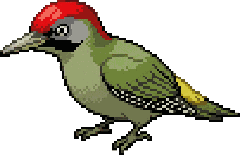 Pito ibéricoIberian Green WoodpeckerPicus sharpei
- Poco comúnUncommon
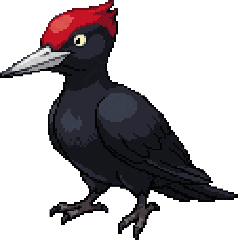 Picamaderos negroBlack WoodpeckerDryocopus martius
- ComúnCommon
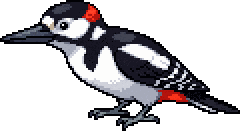 Pico picapinosGreat Spotted WoodpeckerDendrocopos major
- RaroRare
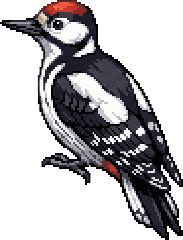 Pico dorsiblancoWhite-backed WoodpeckerDendrocopos leucotos
- Poco comúnUncommon
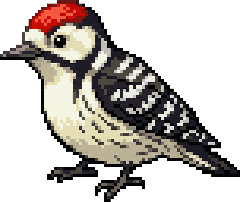 Pico menorLesser Spotted WoodpeckerDryobates minor
- Poco comúnUncommon
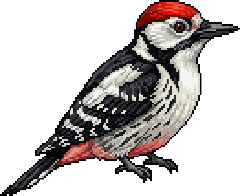 Pico medianoMiddle Spotted WoodpeckerDendrocoptes medius
- RaroRare
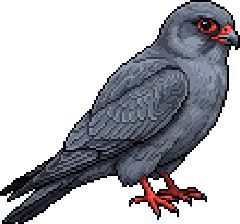 Cernícalo patirrojoRed-footed FalconFalco vespertinus
 Gratis, sin anuncios ni comprasFree, no ads, no purchases