 BirdPedy
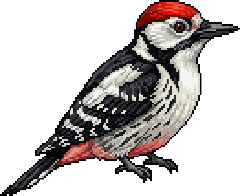
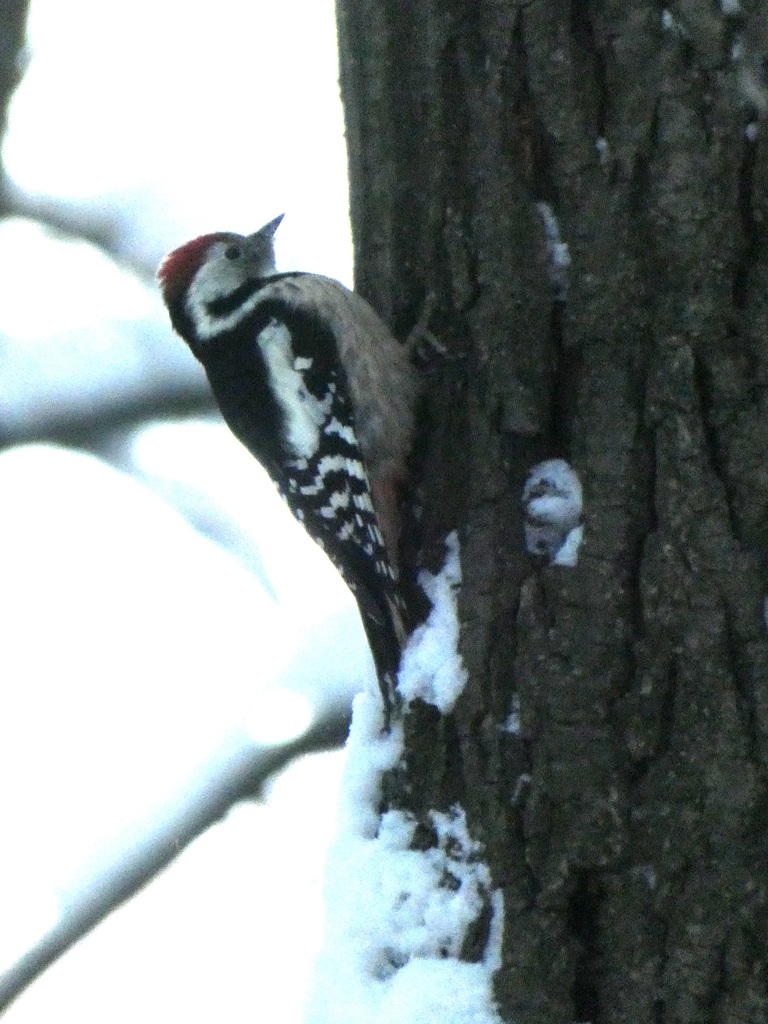
Pico medianoMiddle Spotted Woodpecker
En 10 provincias en enero y en 7 en julioIn 10 provinces in January and 7 in July
Reporte de rarezaRarity report
Por qué es poco comúnWhy it is uncommonEspecialista de robledales maduros y centenarios. Distribución muy localizada en la cornisa cantábrica, Pirineos y Sistema Ibérico.Specialist of mature oak forests. Very localized distribution in Cantabrian cornice, Pyrenees, and Iberian System.
Cada carrizo es un mes: su altura, las provincias con registros de 2020 a 2024.Each reed is a month: its height, the provinces with records from 2020 to 2024.- Provincias con registrosProvinces with records
- 11 de 52of 52
- En la appIn the app
- Todo el añoAll year
- EnvergaduraWingspan
- 33-34 cm33-34 cm
- LongitudLength
- 19,5-22 cm19.5-22 cm
- Lista Roja de EspañaSpanish Red List
- DD Datos insuficientesData Deficient

Información generalGeneral Information
El pico mediano es un habitante de las grandes espesuras forestales, de los bosques viejos, bien estructurados y con variedad de especies leñosas, donde abunden los grandes y añosos árboles, los troncos podridos y la madera muerta. Es, en definitiva, un morador de bosques maduros, algo que no abunda precisamente en nuestro territorio, donde este picamaderos está recluido en unos pocos enclaves propicios del norte peninsular, en los que corre un grave riesgo de extinción a causa del aislamiento de sus poblaciones.The Middle Spotted Woodpecker is a specialist of old-growth deciduous forests, particularly those with ancient oaks and plenty of dead wood. In Spain, it is a rare and localized resident of the Cantabrian Mountains and the Pyrenees. It is less of a 'drummer' than other woodpeckers, relying more on its unique, nasal 'kwaay' call to establish territory. Its survival is strictly tied to the preservation of mature, unmanaged forests. It is a symbol of the health of our northern oak woods.
IdentificaciónIdentification
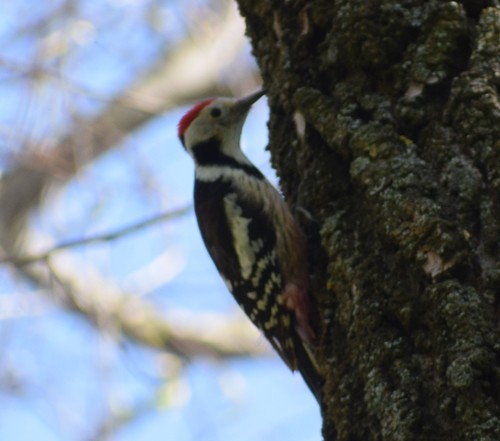
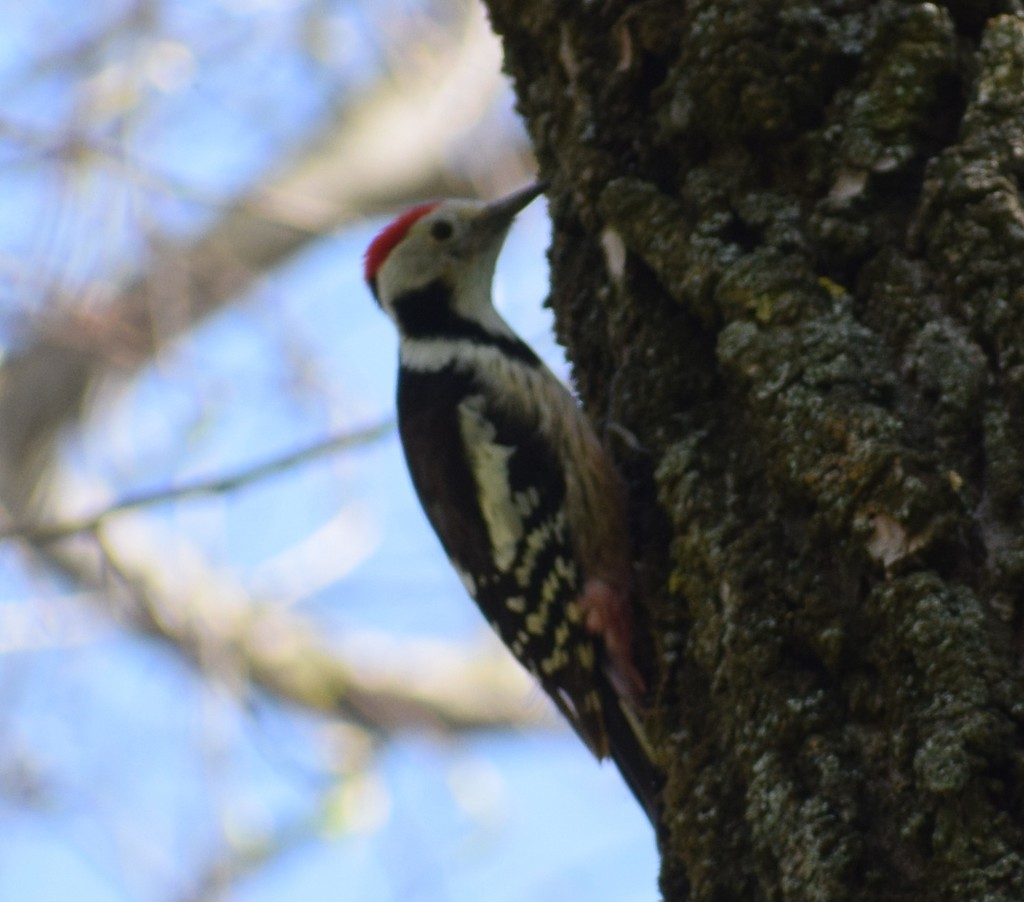
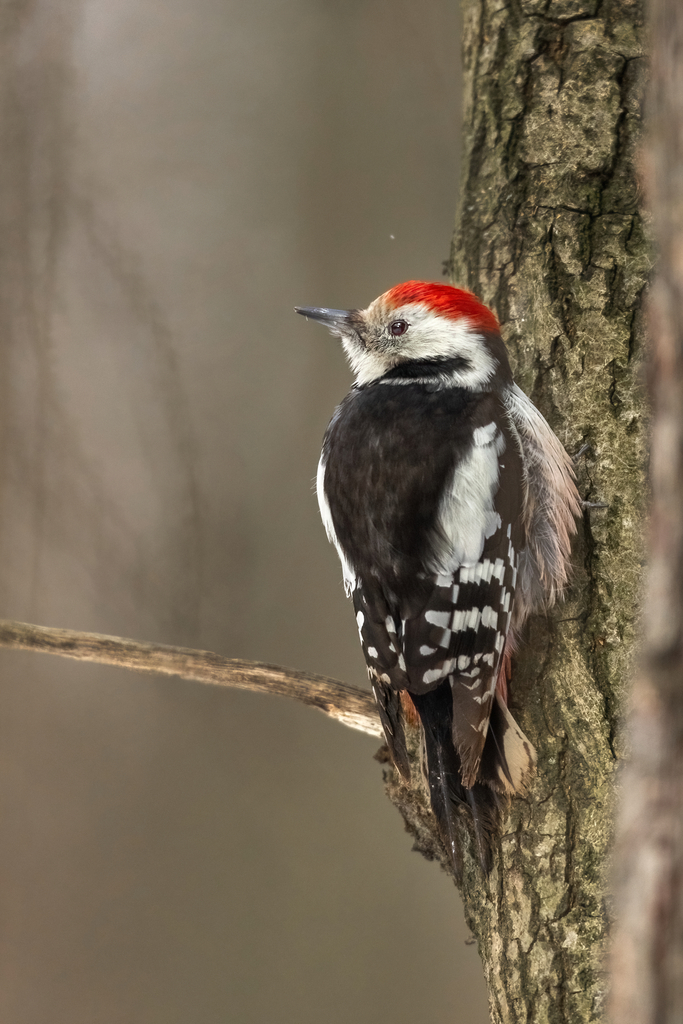
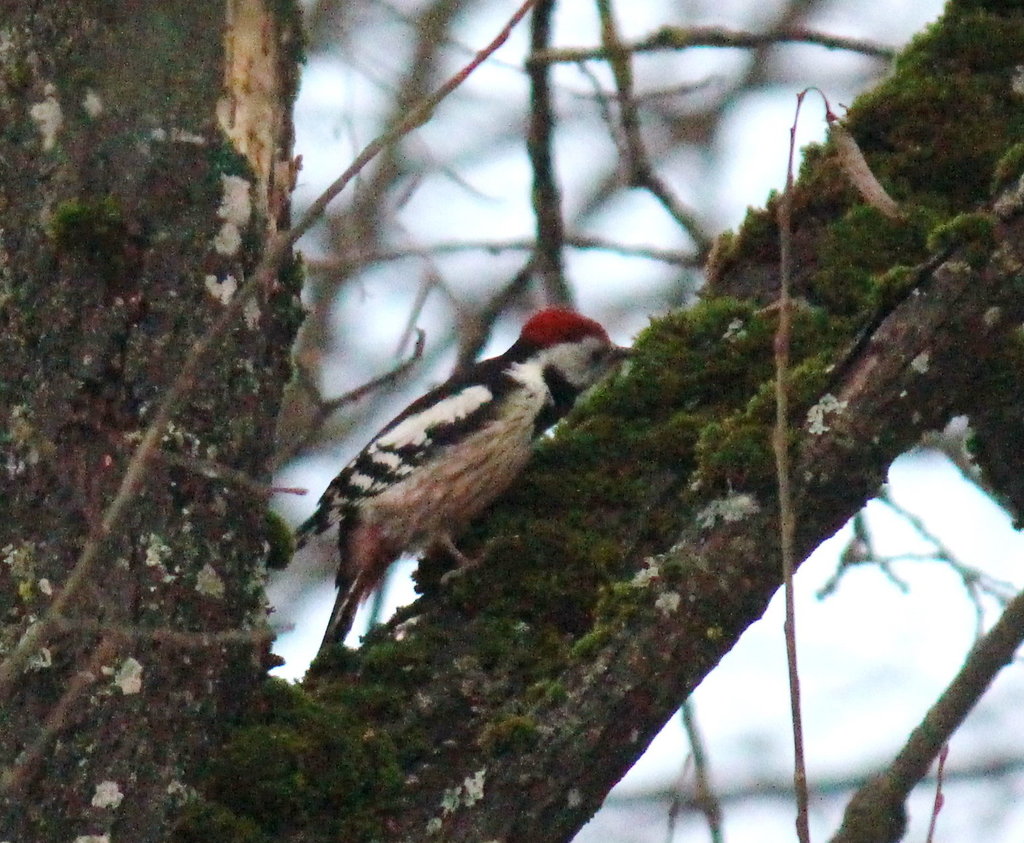
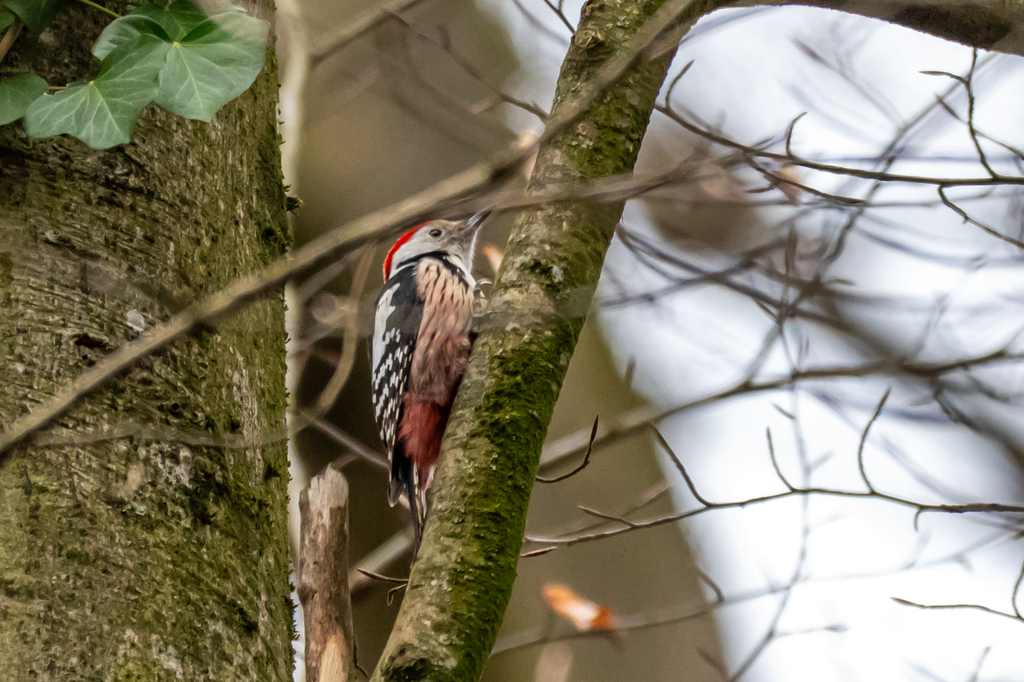
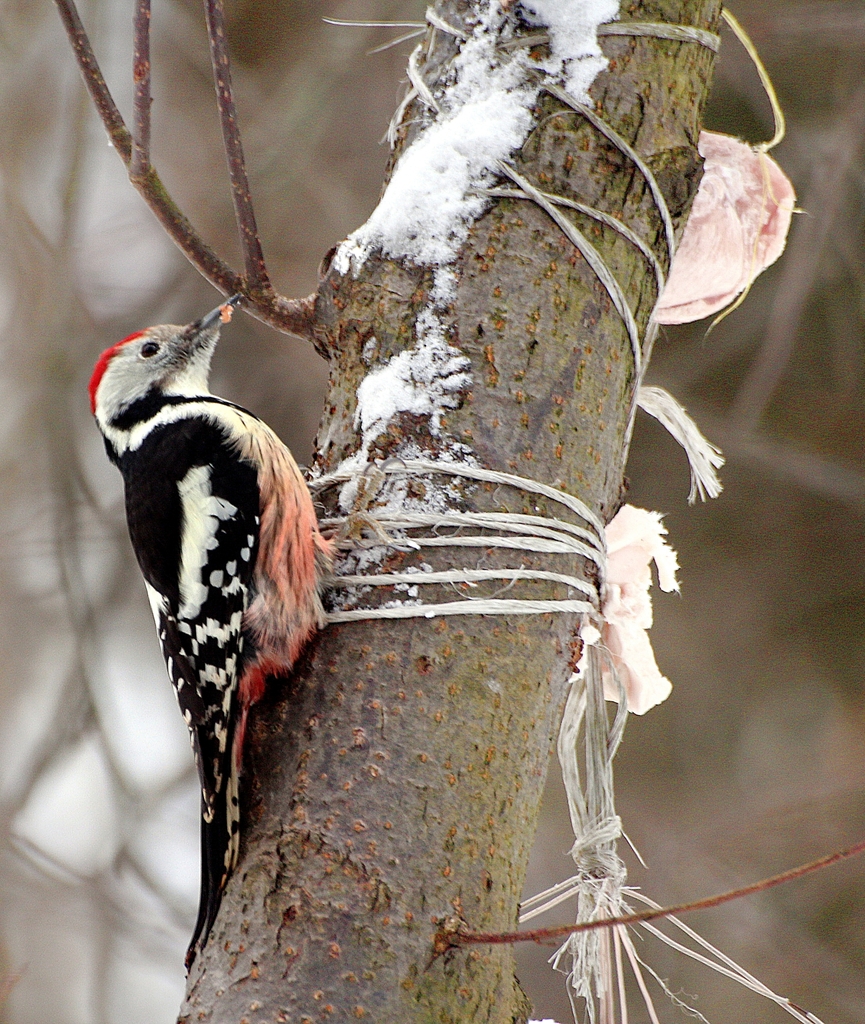
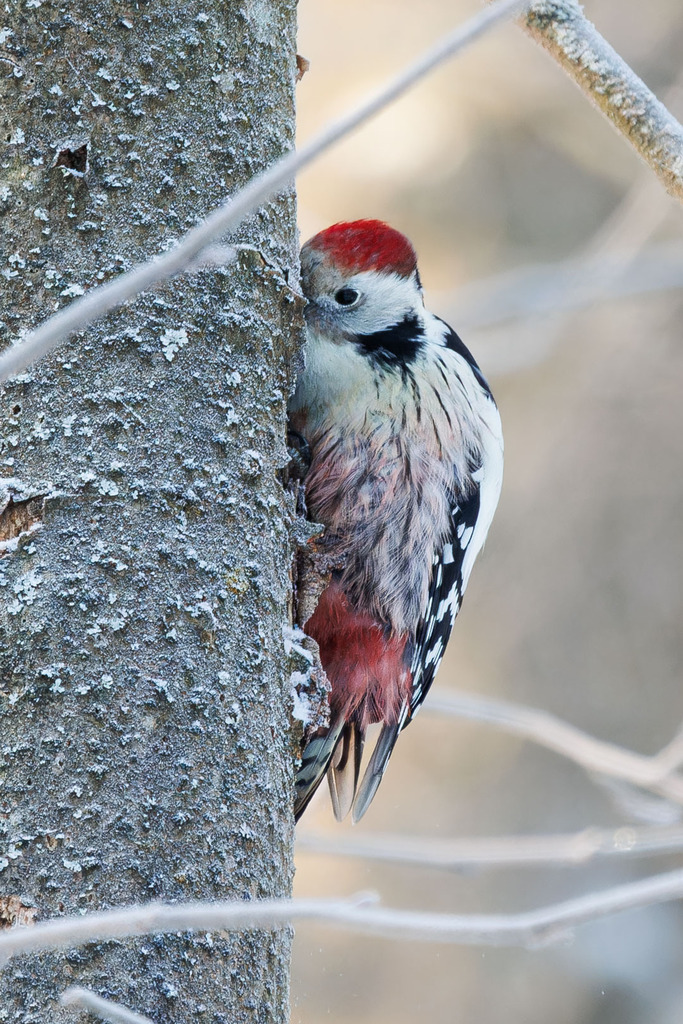
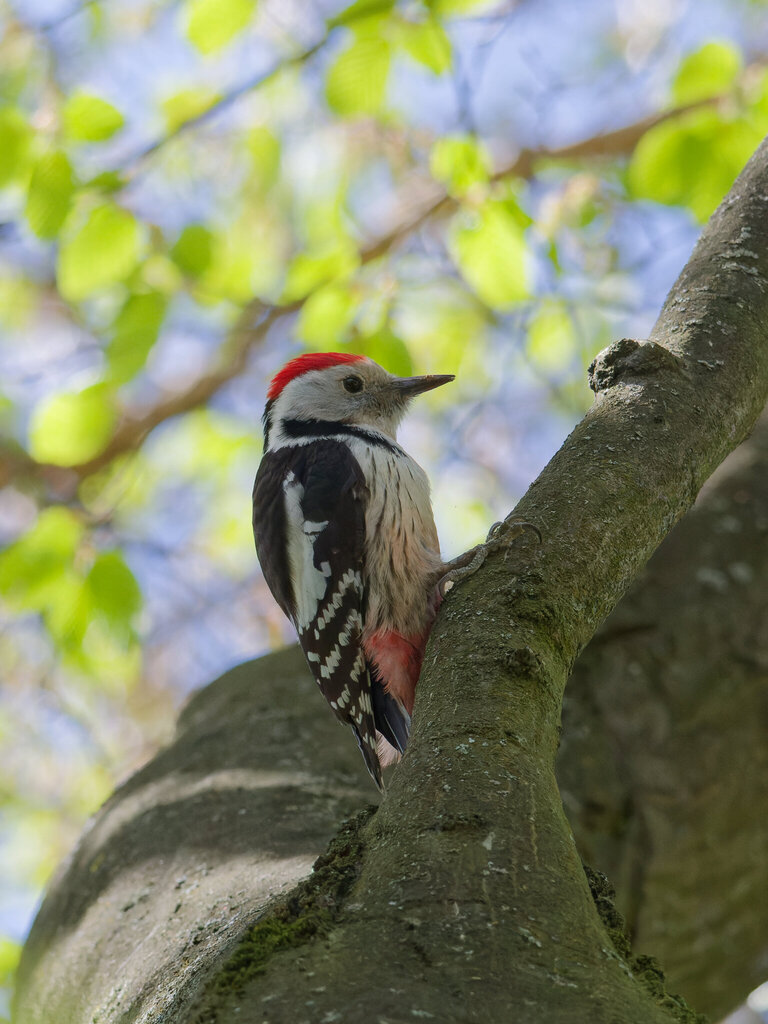
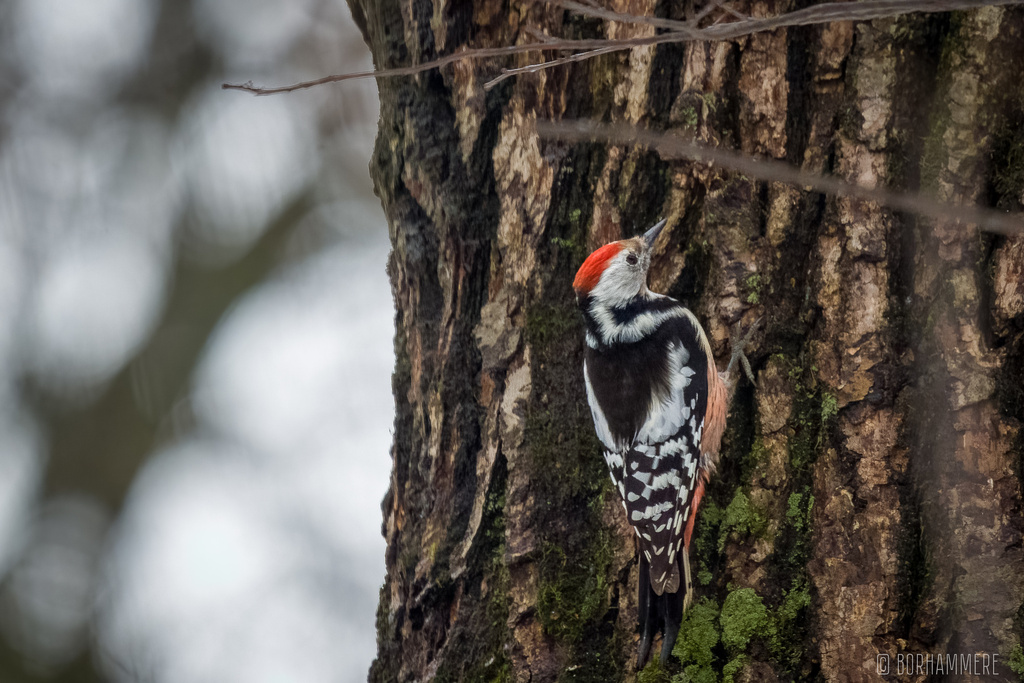
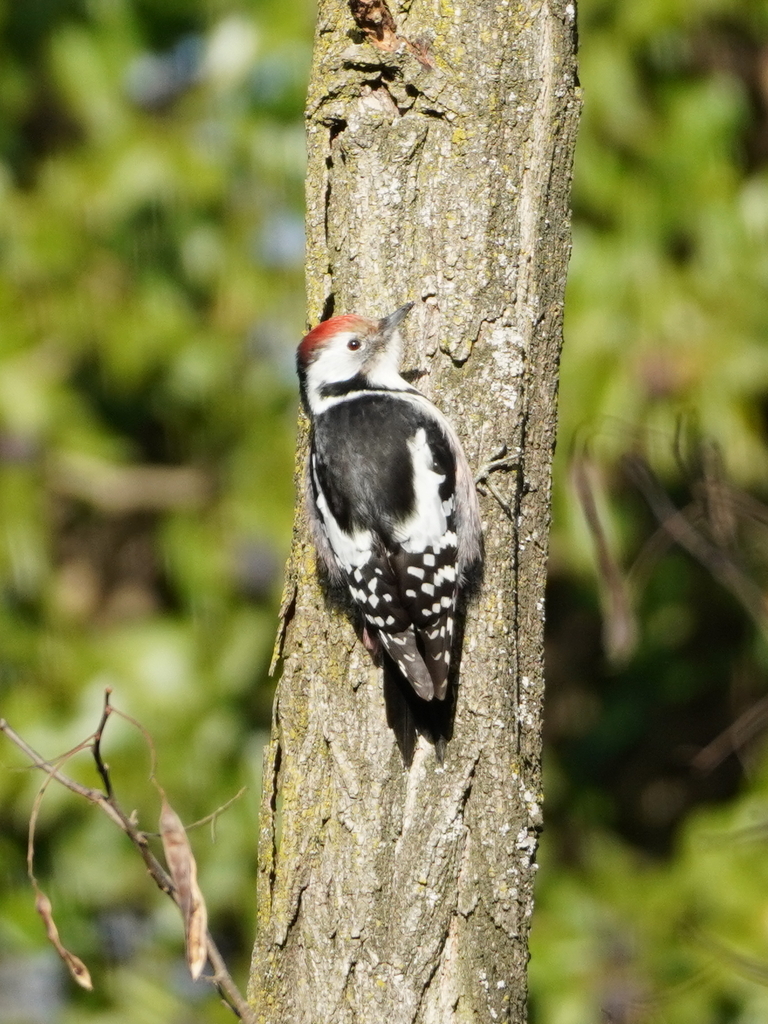
Este pícido muestra un aspecto y patrón de coloración muy parecidos a los del pico picapinos, del que se diferencia, sin embargo, por poseer un tamaño algo menor, la cabeza más redondeada, el pico no tan largo y la totalidad del píleo de un llamativo color rojo (dibujo 1 y dibujo 2). La bigotera —ancha y negra— no enlaza en ningún caso con el pico ni la nuca. El dimorfismo sexual es muy sutil, ya que el macho simplemente presenta el píleo de un color rojo más intenso que la hembra, y algo más extendido por la nuca. Los jóvenes, como ocurre en otros pícidos, lucen una librea menos contrastada y con los colores más apagados.A medium-sized woodpecker, slightly smaller than the Great Spotted Woodpecker. It has a more rounded head and a shorter bill. Adults are unmistakable for having a solid red cap (píleo) in both sexes, which lacks the black border found in other species. Its facial pattern is 'cleaner' as the black mustache (malar stripe) does not reach the bill or the neck. It has a pinkish-red vent and extensive dark streaking on the flanks.
DistribuciónDistribution
La presencia de este pícido en nuestro país se limita a la Cordillera Cantábrica y Pirineos, desde los Ancares lucenses hasta el valle de Arán, al norte de Lérida, si bien aparece de forma muy discontinua. Sus poblaciones se concentran en dos núcleos principales: uno en el sector oriental de la Cordillera Cantábrica (en León, Cantabria y Palencia), y otro entre Álava y Navarra.Rare and localized resident. Found in the Cantabrian Mountains (Galicia, Asturias, León, Palencia, Cantabria) and the Western Pyrenees (Navarra, Álava). Population is fragmented and isolated.
Textos reproducidos con permiso de laTexts translated and reproduced with permission from the Guía de Aves de España © SEO/BirdLife
Estado de conservaciónConservation Status
- EX
- RE
- CR
- EN
- VU
- NT
- LC
DD
Datos insuficientesData Deficient
Qué significa cada categoríaWhat each category means
- LC
- Preocupación menor: Taxón evaluado que no califica para categorías amenazadas. Especies abundantes y ampliamente distribuidasLeast Concern - Evaluated taxon that does not qualify for threatened categories. Widespread and abundant taxa
- NT
- Casi amenazada: No califica actualmente como amenazada, pero está cerca de calificar o es probable que califique en el futuro cercanoNear Threatened - Does not currently qualify as threatened, but is close to qualifying or likely to qualify in the near future
- VU
- Vulnerable: Enfrenta un alto riesgo de extinción en estado silvestre según los criterios A a E de IUCNVulnerable - Facing a high risk of extinction in the wild based on IUCN criteria A to E
- EN
- En peligro: Enfrenta un riesgo muy alto de extinción en estado silvestre según los criterios A a E de IUCNEndangered - Facing a very high risk of extinction in the wild based on IUCN criteria A to E
- CR
- En peligro crítico: Enfrenta un riesgo extremadamente alto de extinción en estado silvestre según los criterios A a E de IUCNCritically Endangered - Facing an extremely high risk of extinction in the wild based on IUCN criteria A to E
- DD
- Datos insuficientes: Información inadecuada para evaluar el riesgo de extinción basándose en distribución o estado poblacionalData Deficient - Inadequate information to assess extinction risk based on distribution and/or population status
- NE
- No evaluada: No ha sido evaluada aún contra los criterios de la Lista Roja de IUCNNot Evaluated - Has not yet been assessed against the IUCN Red List criteria
- RE
- Extinta regionalmente: El taxón ya no existe en la región específica, aunque puede sobrevivir en otros lugaresRegionally Extinct - Taxon no longer exists in the specific region, though it may survive elsewhere
- EX
- Extinta - No existe duda razonable de que ha muerto el último individuo del taxónExtinct - No reasonable doubt that the last individual of the taxon has died
TaxonomíaTaxonomy
- OrdenOrder
- Piciformes
- FamiliaFamily
- Picidae
- SinónimosSynonyms
- Dendropicos medius
Presencia en EspañaPresence in Spain
- HabitualRegular
- ResidenteResident
En la app: todo el año.In the app: all year.
Dónde verlaWhere to see it
100 cuadrículas de 10 km con registros de 2020 a 2024. Toca un mes para ver dónde se ha visto.100 10 km squares with records from 2020 to 2024. Pick a month to see where it has been seen.
Cargando el mapa…Loading the map…
Dónde es regularWhere it is regular
Provincias con registros en al menos 3 de los 5 años algún mes, de más a menos frecuente, y sus mejores meses.Provinces with records in at least 3 of the 5 years in some month, from most to least frequent, and their best months.
- CantabriaCantabriajulio, junio, mayoJuly, June, May
- ÁlavaÁlavamarzo, febrero, abrilMarch, February, April
- LleidaLleidajunio, julio, agostoJune, July, August
- PalenciaPalenciajulio, agosto, septiembreJuly, August, September
- LeónLeónfebrero, enero, julioFebruary, January, July
- BurgosBurgosenero, septiembre, junioJanuary, September, June
- NavarraNavarramayo, marzo, noviembreMay, March, November
- HuescaHuescaabril, marzo, diciembreApril, March, December
Datos: registros en GBIF de 2020 a 2024 de Observation.org, eBird, iNaturalist y el ICO, descargados el 23/10/2026.Data: GBIF records from 2020 to 2024 from Observation.org, eBird, iNaturalist and the ICO, downloaded on 23/10/2026. GBIF.org (23 October 2026) GBIF Occurrence Download · doi:10.15468/dl.r5sf2a · CC BY-NC 4.0
GaleríaGallery
© Gergely Nigg · CC BY · iNaturalist 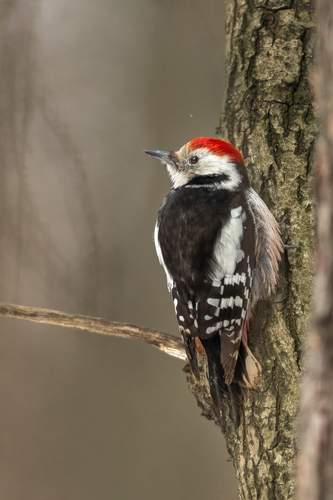
© egorbirder · CC BY · iNaturalist 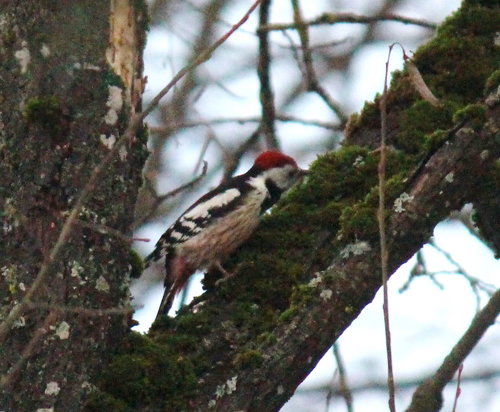
© Юлия Медведько · CC BY · iNaturalist 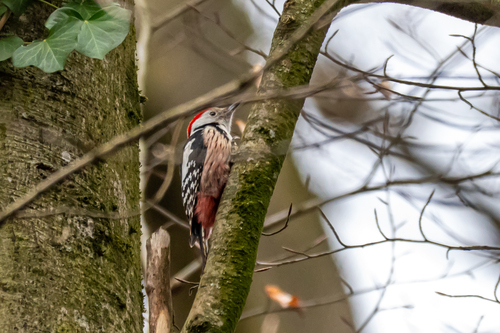
© Codrin Bucur · CC BY · iNaturalist 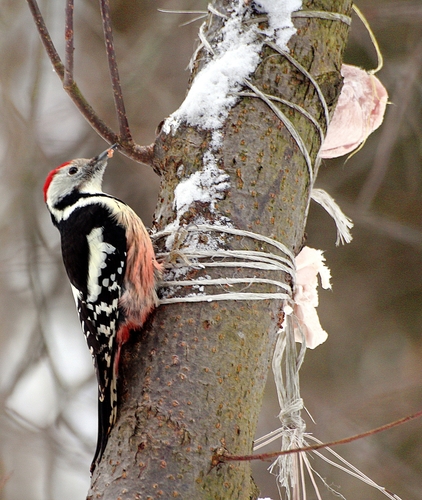
© Сергей Пахмутов · CC BY · iNaturalist 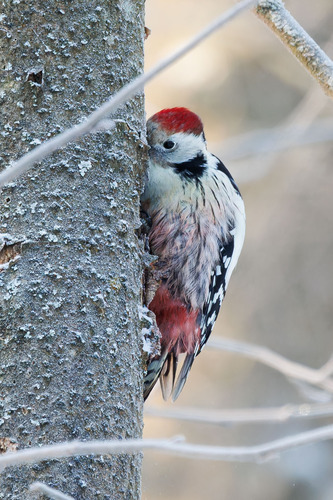
© Михаил Голомысов · CC BY · iNaturalist 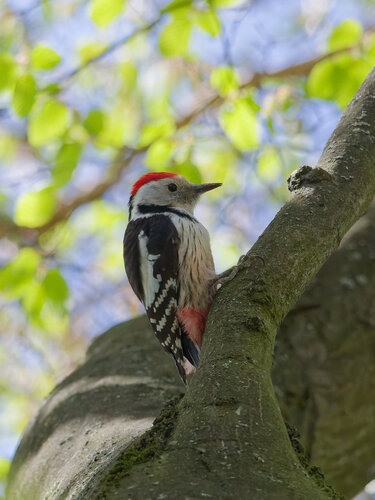
© Donald Davesne · CC BY · iNaturalist 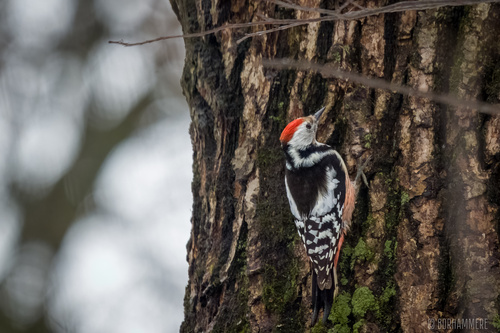
© Шальнов Кирилл · CC BY · iNaturalist 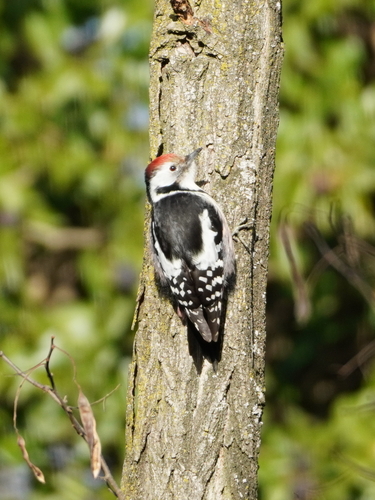
© Patrick Hacker · CC BY · iNaturalist 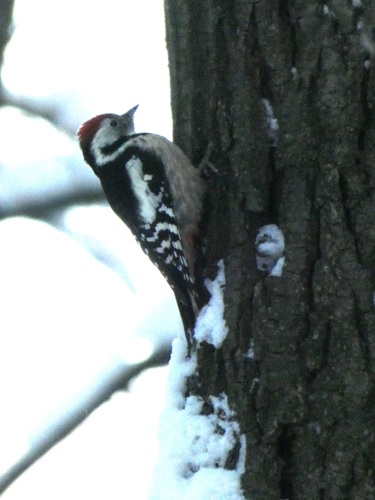
© Андрей Суравенков · CC BY · iNaturalist
Especies relacionadasRelated species
Otras aves de la familia Picidae y de órdenes cercanos.Other birds from the Picidae family and nearby orders.
- RaroRare
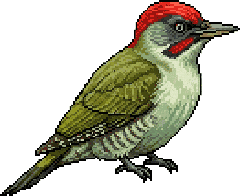 Pito bereberLevaillant's WoodpeckerPicus vaillantii
- Poco comúnUncommon
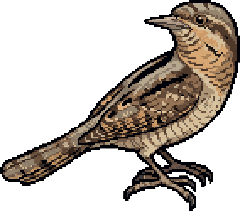 Torcecuello euroasiáticoEurasian WryneckJynx torquilla
- ComúnCommon
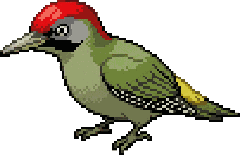 Pito ibéricoIberian Green WoodpeckerPicus sharpei
- Poco comúnUncommon
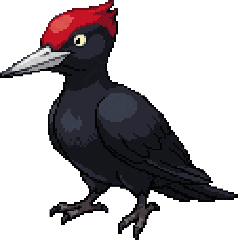 Picamaderos negroBlack WoodpeckerDryocopus martius
- ComúnCommon
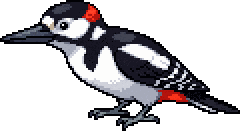 Pico picapinosGreat Spotted WoodpeckerDendrocopos major
- RaroRare
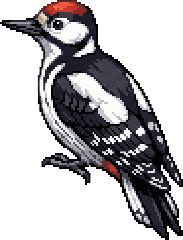 Pico dorsiblancoWhite-backed WoodpeckerDendrocopos leucotos
- Poco comúnUncommon
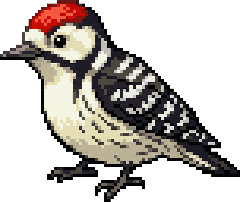 Pico menorLesser Spotted WoodpeckerDryobates minor
- RaroRare
 Cernícalo patirrojoRed-footed FalconFalco vespertinus
 Gratis, sin anuncios ni comprasFree, no ads, no purchases