 BirdPedy
Falaropo picogruesoRed Phalarope
En 34 provincias en noviembre y sin registros 2 meses del añoIn 34 provinces in November, and no records in 2 months of the year
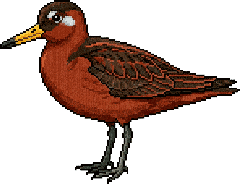
Reporte de rarezaRarity report
Por qué es raroWhy it is rareLimícola marcadamente pelágica. Llega a nuestras costas o se observa desde embarcaciones sobre todo tras fuertes temporales atlánticos que empujan a las aves hacia tierra.Markedly pelagic wader. Reaches our coasts or is observed from boats mainly after strong Atlantic storms.
Cada carrizo es un mes: su altura, las provincias con registros de 2020 a 2024.Each reed is a month: its height, the provinces with records from 2020 to 2024.- Provincias con registrosProvinces with records
- 44 de 52of 52
- En la appIn the app
- Octubre a febreroOctober to February
- EnvergaduraWingspan
- 36-41 cm36-41 cm
- LongitudLength
- 20-22 cm20-22 cm
- Lista Roja de EspañaSpanish Red List
- DD Datos insuficientesData Deficient

Información generalGeneral Information
De hábitos todavía más marinos que su cercano pariente el falaropo picofino, el picogrueso es un ave propia de las frías costas del Ártico, donde se reproduce. Como sucede en otros falaropos, esta especie presenta también un acusado dimorfismo sexual invertido, ya que las hembras son de vistosos colores durante la estación reproductora, mientras que los machos, además de resultar de diseños más sobrios, son los que se encargan de la incubación y la crianza de los pollos.The Red Phalarope is the ultimate explorer. It breeds in the High Arctic and winters in the rich upwelling waters off the West African coast. In Spain, it is most often seen from coastal headlands after major autumn storms. Small numbers are regularly found in Galicia and Asturias. It is a hardy specialist that thrives in the wildest marine environments, only rarely seeking shelter in coastal lagoons.
IdentificaciónIdentification
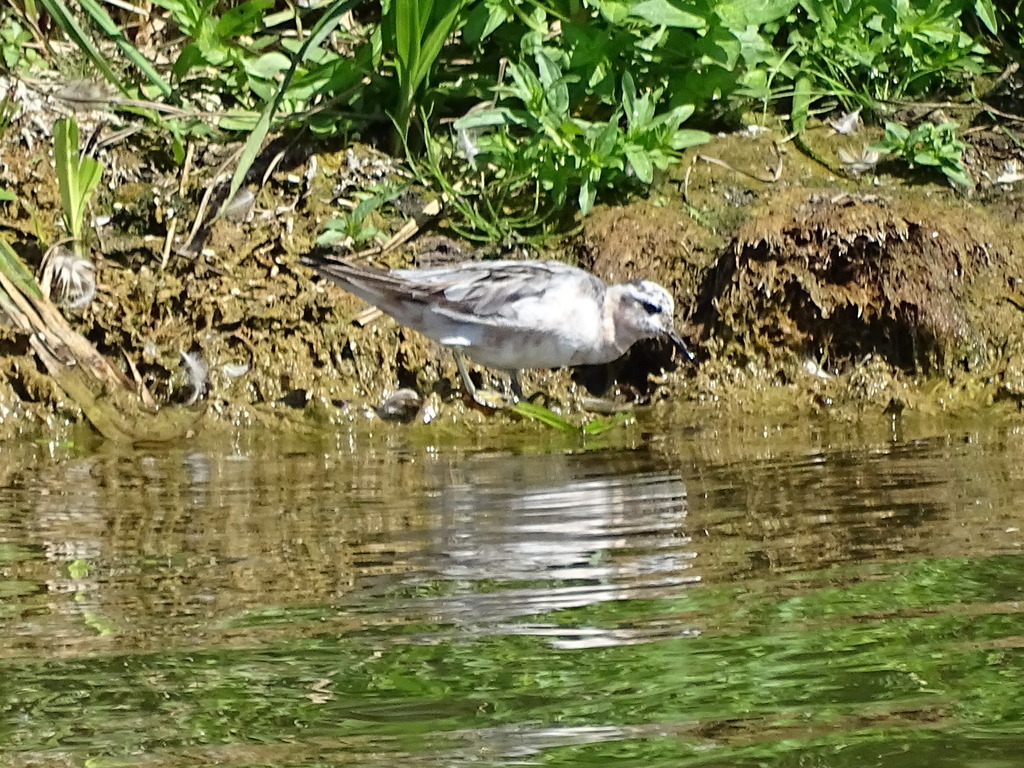
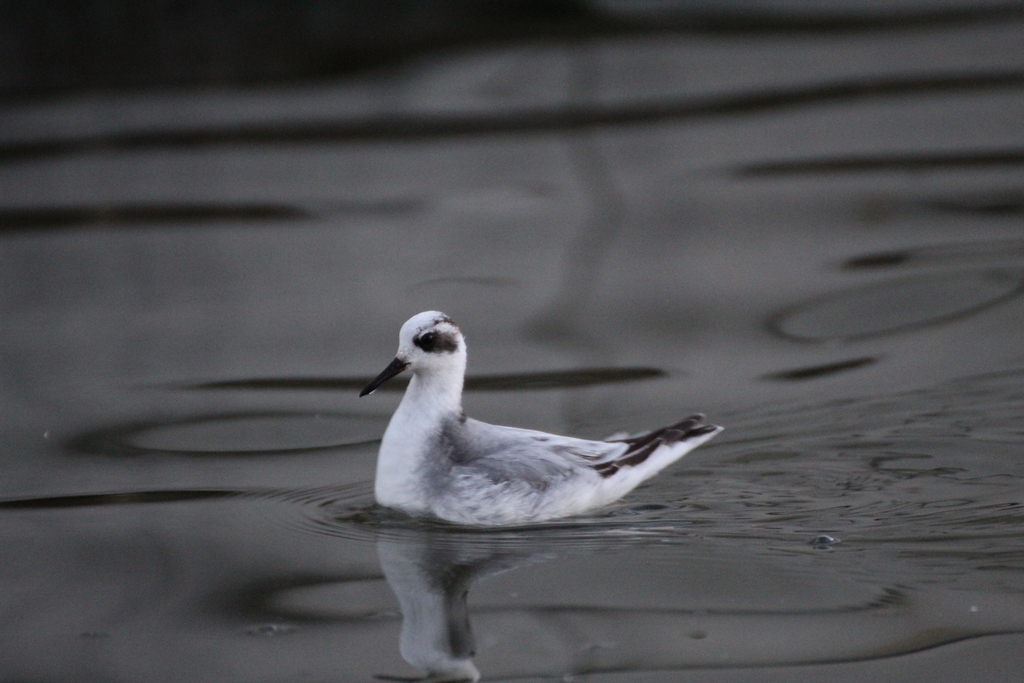
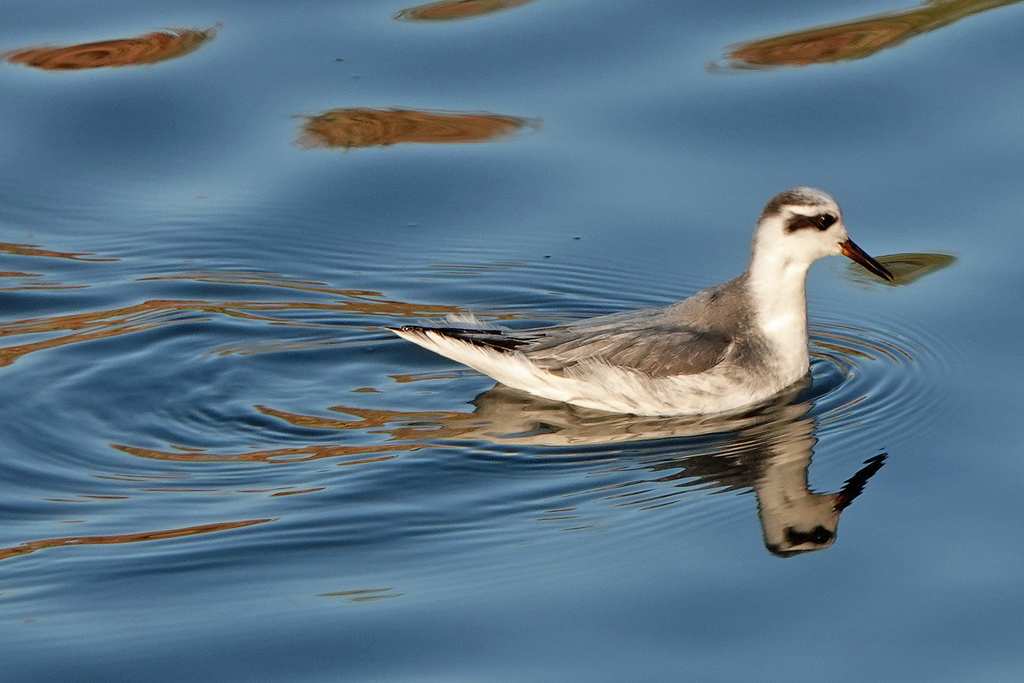
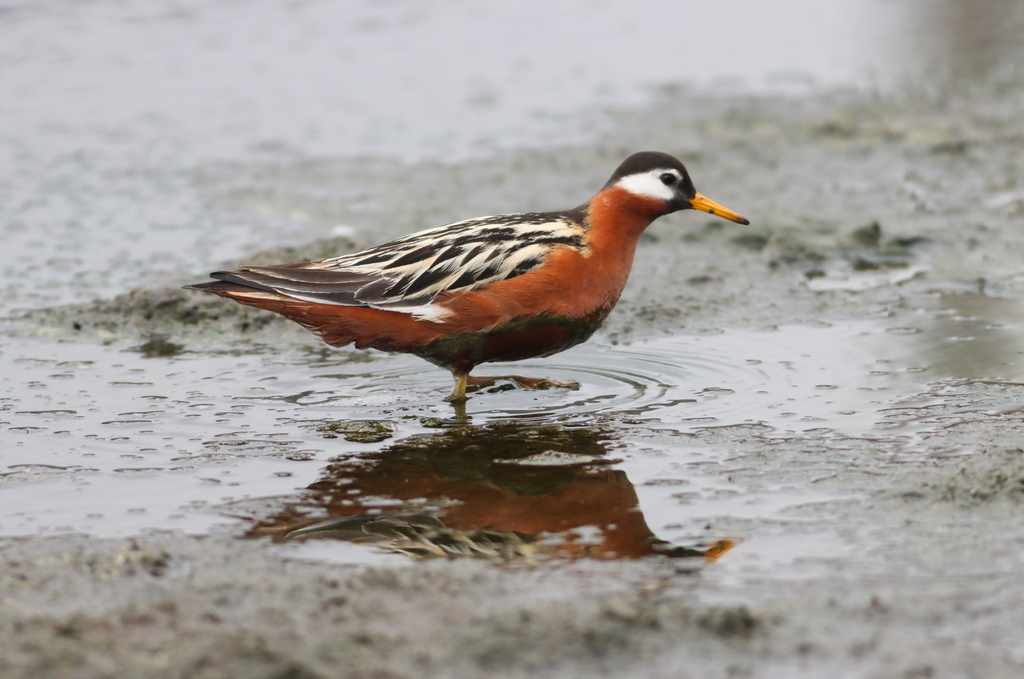
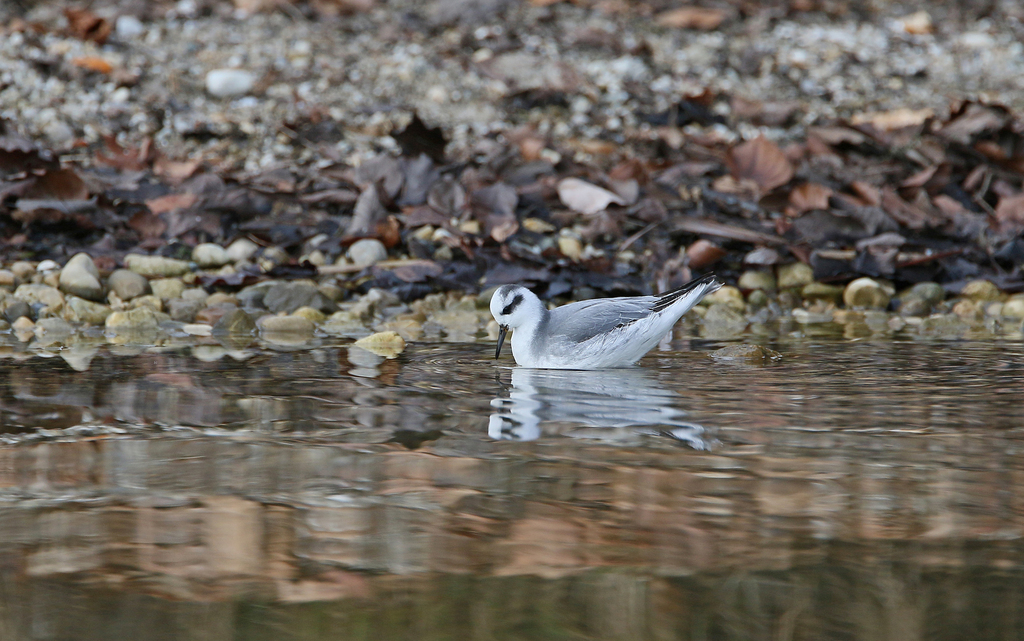
El falaropo picogrueso es una limícola nadadora de aspecto muy similar al del falaropo picofino, pero ligeramente mayor y con el pico más corto y grueso que este. La hembra en plumaje nupcial, mucho más vistoso que el del macho, presenta el píleo negro, en contraste con una ancha franja blanca que rodea el ojo y se extiende hacia la nuca. El cuello, la garganta y las regiones ventrales lucen un intenso color castaño rojizo, mientras que las plumas de las partes superiores son oscuras con márgenes claros. El pico es amarillo con la punta negra. El macho en época estival ostenta un plumaje más apagado y luce el píleo estriado de claro. El individuo no reproductor (dibujo 2 y dibujo 3) posee las partes superiores grises y con los bordes de las plumas poco destacados, lo que le otorga un aspecto más uniforme que el que exhibe el falaropo picofino en plumaje invernal. Los ejemplares juveniles, por su parte, presentan un tinte rosado en el cuello y las plumas de las zonas superiores en tonos oscuros con bordes ante.Similar in size to the Red-necked Phalarope but more robust with a shorter, thicker bill that has a yellow base. In summer, both sexes are a breathtaking saturated reddish-chestnut from head to tail. In winter, it is a very plain and elegant pearl-gray bird (hence its English name 'Grey Phalarope' outside the Americas). It is the most marine of all shorebirds, spending the entire winter far out in the Atlantic.
DistribuciónDistribution
Unos pocos ejemplares se citan anualmente para la invernada en las costas cántabro-atlánticas y en el área del estrecho de Gibraltar (más raramente en aguas interiores o en el Mediterráneo). En Asturias aparece de modo regular entre octubre y febrero.Scarce but regular winter visitor and passage migrant. Most frequent along the Cantabrian and Galician coasts after storms. Regular in Asturias between October and February. Subspecies 'fulicarius'.
Textos reproducidos con permiso de laTexts translated and reproduced with permission from the Guía de Aves de España © SEO/BirdLife
Estado de conservaciónConservation Status
- EX
- RE
- CR
- EN
- VU
- NT
- LC
DD
Datos insuficientesData Deficient
Qué significa cada categoríaWhat each category means
- LC
- Preocupación menor: Taxón evaluado que no califica para categorías amenazadas. Especies abundantes y ampliamente distribuidasLeast Concern - Evaluated taxon that does not qualify for threatened categories. Widespread and abundant taxa
- NT
- Casi amenazada: No califica actualmente como amenazada, pero está cerca de calificar o es probable que califique en el futuro cercanoNear Threatened - Does not currently qualify as threatened, but is close to qualifying or likely to qualify in the near future
- VU
- Vulnerable: Enfrenta un alto riesgo de extinción en estado silvestre según los criterios A a E de IUCNVulnerable - Facing a high risk of extinction in the wild based on IUCN criteria A to E
- EN
- En peligro: Enfrenta un riesgo muy alto de extinción en estado silvestre según los criterios A a E de IUCNEndangered - Facing a very high risk of extinction in the wild based on IUCN criteria A to E
- CR
- En peligro crítico: Enfrenta un riesgo extremadamente alto de extinción en estado silvestre según los criterios A a E de IUCNCritically Endangered - Facing an extremely high risk of extinction in the wild based on IUCN criteria A to E
- DD
- Datos insuficientes: Información inadecuada para evaluar el riesgo de extinción basándose en distribución o estado poblacionalData Deficient - Inadequate information to assess extinction risk based on distribution and/or population status
- NE
- No evaluada: No ha sido evaluada aún contra los criterios de la Lista Roja de IUCNNot Evaluated - Has not yet been assessed against the IUCN Red List criteria
- RE
- Extinta regionalmente: El taxón ya no existe en la región específica, aunque puede sobrevivir en otros lugaresRegionally Extinct - Taxon no longer exists in the specific region, though it may survive elsewhere
- EX
- Extinta - No existe duda razonable de que ha muerto el último individuo del taxónExtinct - No reasonable doubt that the last individual of the taxon has died
TaxonomíaTaxonomy
- OrdenOrder
- Charadriiformes
- FamiliaFamily
- Scolopacidae
Presencia en EspañaPresence in Spain
- De pasoPassage migrant
- HabitualRegular
- InvernanteWinter visitor
En la app: octubre a febrero.In the app: October to February.
Dónde verlaWhere to see it
187 cuadrículas de 10 km con registros de 2020 a 2024. Toca un mes para ver dónde se ha visto.187 10 km squares with records from 2020 to 2024. Pick a month to see where it has been seen.
Cargando el mapa…Loading the map…
Dónde es regularWhere it is regular
Provincias con registros en al menos 3 de los 5 años algún mes, de más a menos frecuente, y sus mejores meses.Provinces with records in at least 3 of the 5 years in some month, from most to least frequent, and their best months.
- GuipúzcoaGuipúzcoanoviembre, diciembre, octubreNovember, December, October
- A CoruñaA Coruñaagosto, noviembre, septiembreAugust, November, September
- ZamoraZamoranoviembre, diciembreNovember, December
- CantabriaCantabrianoviembre, diciembre, octubreNovember, December, October
- VizcayaVizcayanoviembre, octubre, septiembreNovember, October, September
- AsturiasAsturiasnoviembre, diciembreNovember, December
- NavarraNavarranoviembre, diciembreNovember, December
- CádizCádizenero, diciembreJanuary, December
- ZaragozaZaragozanoviembreNovember
- LugoLugoagostoAugust
Ver las 11 provinciasSee all 11 provinces
- PontevedraPontevedranoviembreNovember
Datos: registros en GBIF de 2020 a 2024 de Observation.org, eBird, iNaturalist y el ICO, descargados el 23/10/2026.Data: GBIF records from 2020 to 2024 from Observation.org, eBird, iNaturalist and the ICO, downloaded on 23/10/2026. GBIF.org (23 October 2026) GBIF Occurrence Download · doi:10.15468/dl.r5sf2a · CC BY-NC 4.0
GaleríaGallery
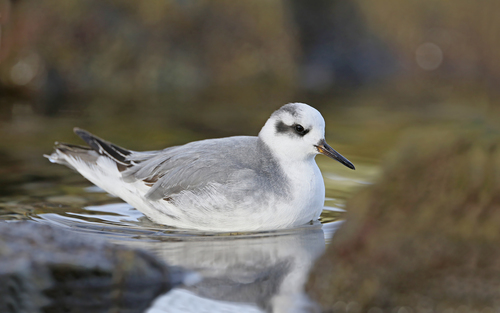
© Christoph Moning · CC BY · iNaturalist 
© Christoph Moning · CC BY · iNaturalist 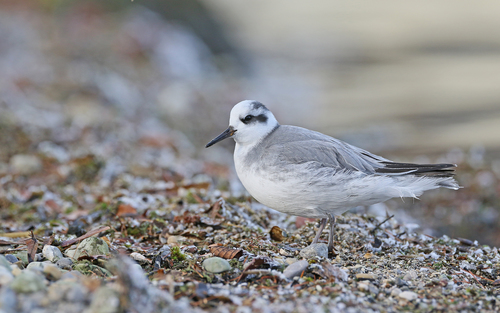
© Christoph Moning · CC BY · iNaturalist 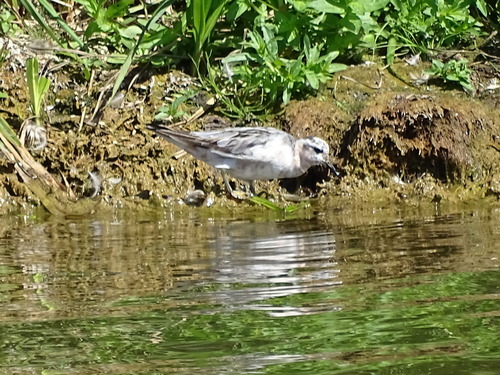
© Dietmar K. L. Moser · CC BY · iNaturalist 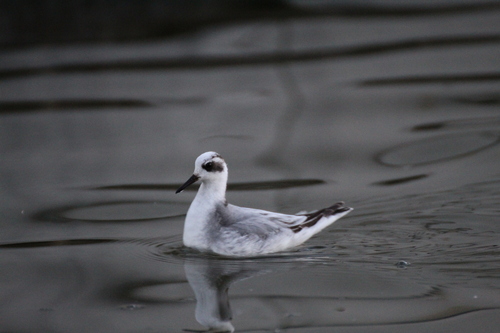
© Diego González Dopico · CC BY · iNaturalist 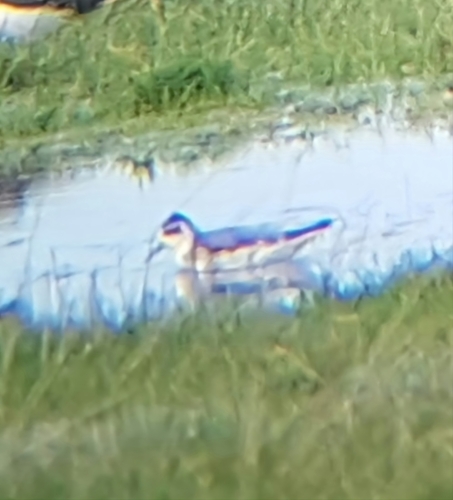
© ikelman · CC BY · iNaturalist 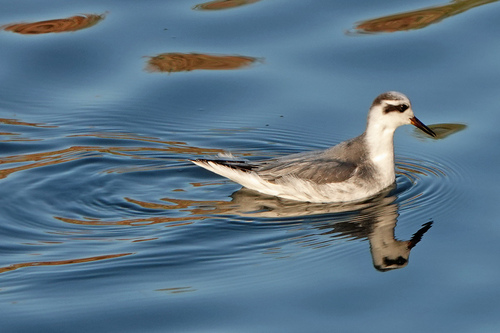
© Roy Lowry · CC BY · iNaturalist 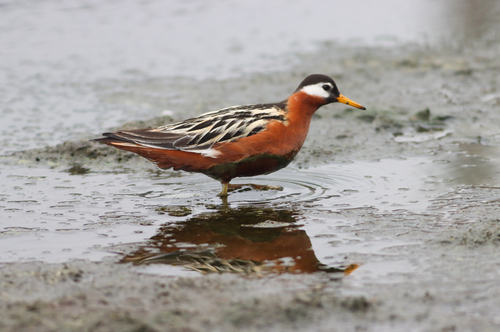
© Vsevolod Rudyi · CC BY · iNaturalist 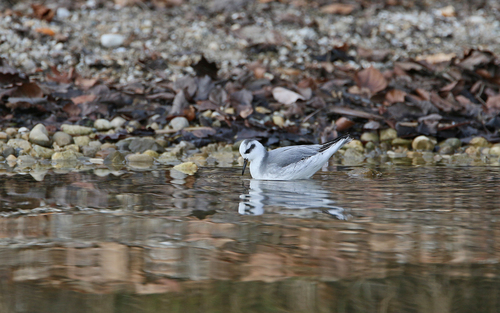
© Christoph Moning · CC BY · iNaturalist
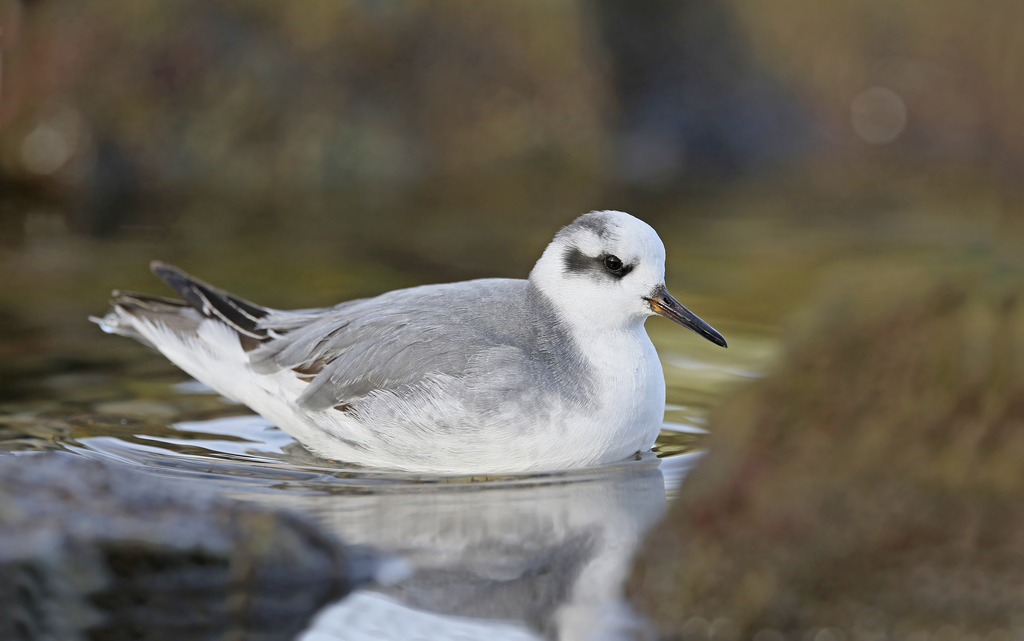
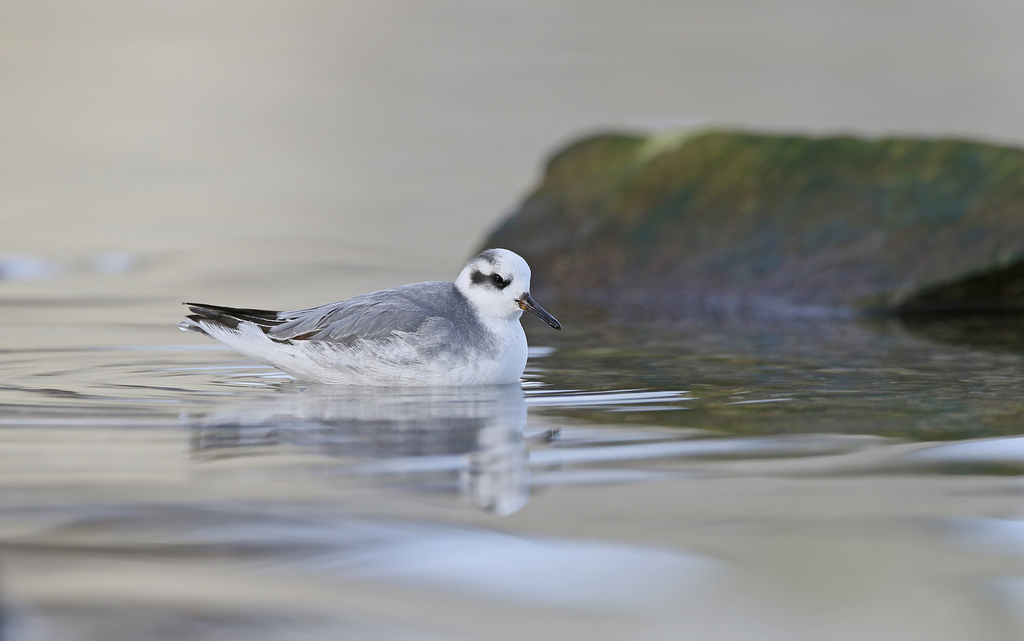
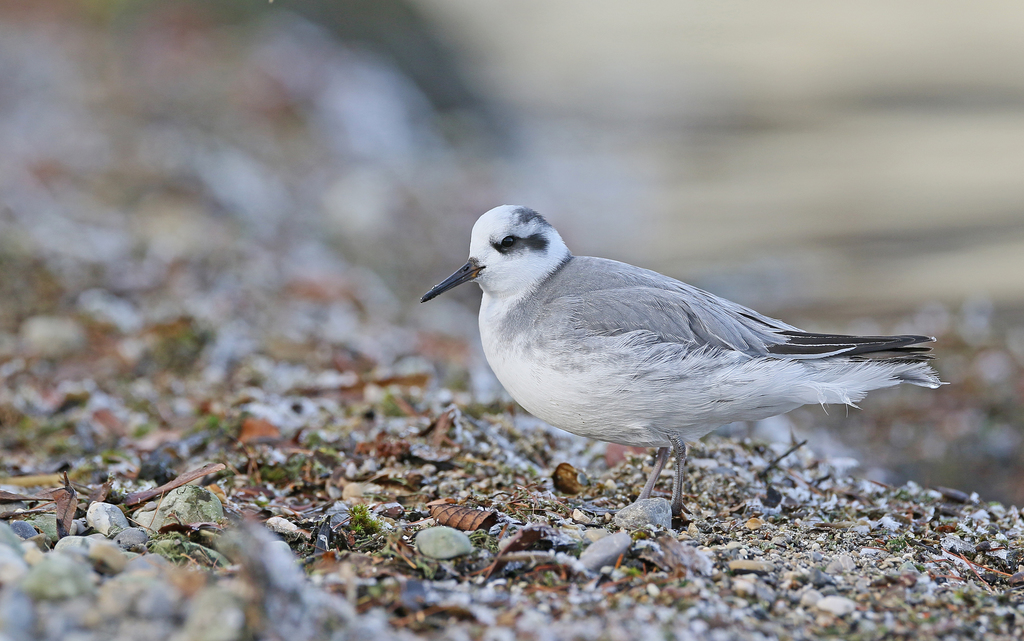
Especies relacionadasRelated species
Otras aves de la familia Scolopacidae y de órdenes cercanos.Other birds from the Scolopacidae family and nearby orders.
- ÉpicoEpic
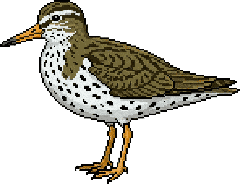 Andarríos maculadoSpotted SandpiperActitis macularius
- ComúnCommon
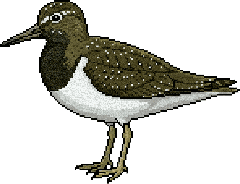 Andarríos grandeGreen SandpiperTringa ochropus
- LegendarioLegendary
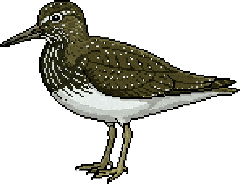 Andarríos solitarioSolitary SandpiperTringa solitaria
- ÉpicoEpic
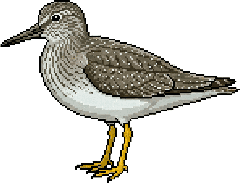 Archibebe patigualdo chicoLesser YellowlegsTringa flavipes
- RaroRare
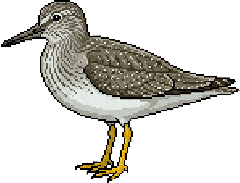 Archibebe finoMarsh SandpiperTringa stagnatilis
- Poco comúnUncommon
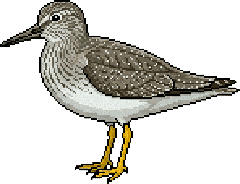 Andarríos bastardoWood SandpiperTringa glareola
- Poco comúnUncommon
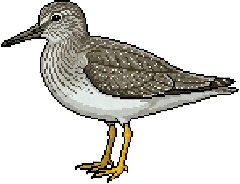 Archibebe oscuroSpotted RedshankTringa erythropus
- ComúnCommon
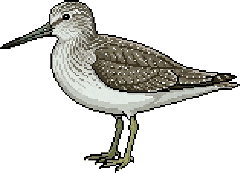 Archibebe claroCommon GreenshankTringa nebularia
 Gratis, sin anuncios ni comprasFree, no ads, no purchases