 BirdPedy
Autillo europeoEurasian Scops Owl
En 48 provincias en mayo y en 13 en eneroIn 48 provinces in May and 13 in January
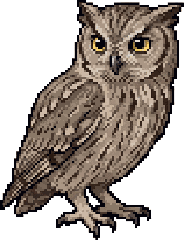
Reporte de rarezaRarity report
Por qué es poco comúnWhy it is uncommonEntre 2020 y 2024 se vio en España en 3.837 ocasiones distintas, repartidas en 1.468 días, todos los años (datos de Observation.org, eBird, iNaturalist y el ICO publicados en GBIF). En la provincia mediana, 1 de cada 1.800 registros de aves es suyo. En la guía de aves de SEO/BirdLife figura como habitual en España.Between 2020 and 2024 it was seen in Spain on 3,837 separate occasions, spread over 1,468 days, every year (data from Observation.org, eBird, iNaturalist and ICO published on GBIF). In the median province, 1 in every 1,800 bird records is of this species. SEO/BirdLife's bird guide lists it as regular in Spain.
Cada carrizo es un mes: su altura, las provincias con registros de 2020 a 2024.Each reed is a month: its height, the provinces with records from 2020 to 2024.- Provincias con registrosProvinces with records
- 49 de 52of 52
- En la appIn the app
- Marzo a septiembreMarch to September
- EnvergaduraWingspan
- 47-54 cm47-54 cm
- LongitudLength
- 19-21 cm19-21 cm
- Lista Roja de EspañaSpanish Red List
- VU VulnerableVulnerable

Información generalGeneral Information
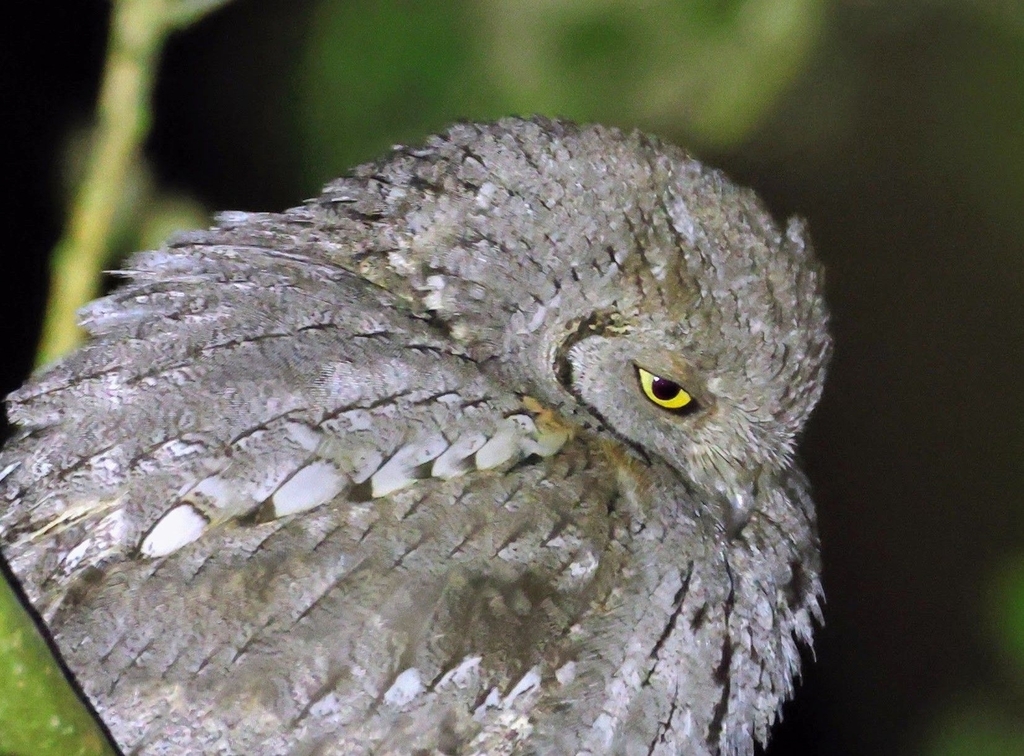
La menor de nuestras rapaces nocturnas es un ave discreta y en general reservada, que suele pasar inadvertida gracias al excelente camuflaje que le proporciona su plumaje, aunque resulta, en cambio, fácil de detectar por su característico canto. De dieta básicamente insectívora, el autillo europeo resulta muy sensible a las transformaciones del hábitat y al uso de plaguicidas.A discreet and secretive bird that is a master of camouflage. It is primarily insectivorous and highly sensitive to pesticide use. While common in Mediterranean woodlands and parks, it is a migratory owl, with most individuals traveling to Africa for the winter—though some remain in the warmest parts of the south and the Balearics.
IdentificaciónIdentification
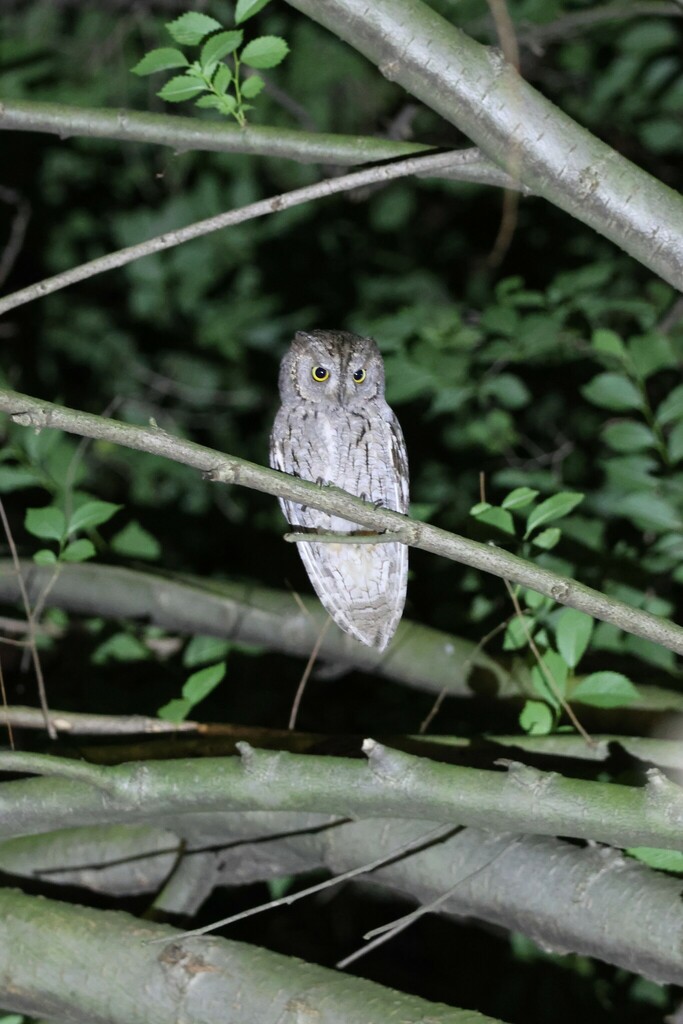
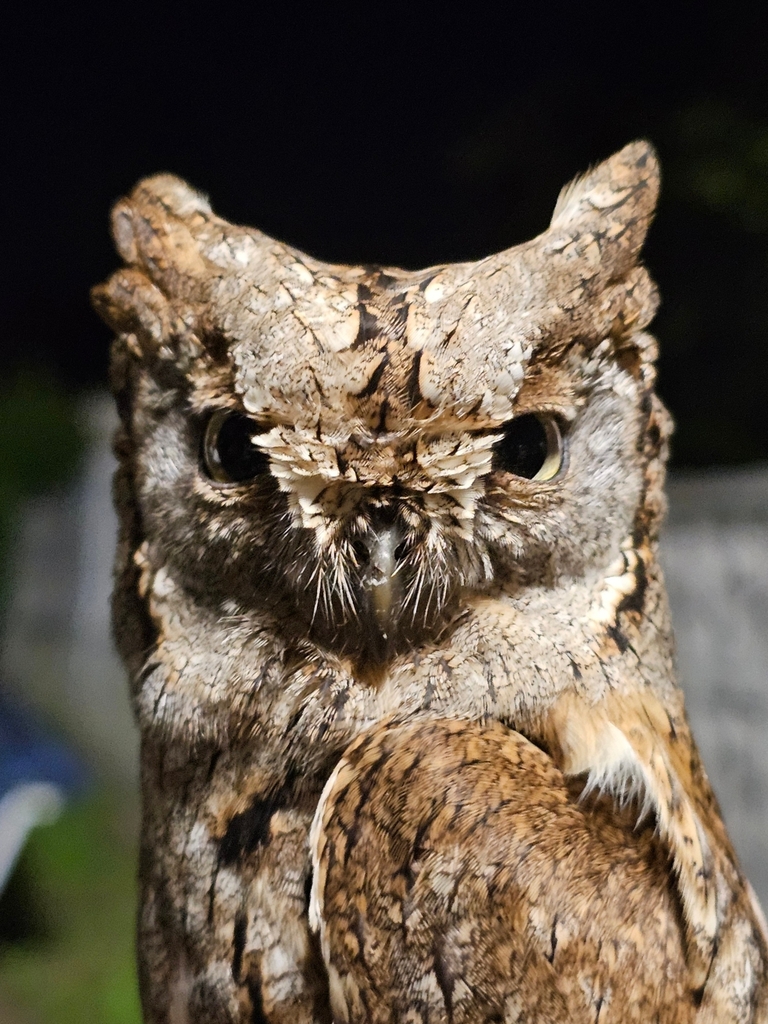
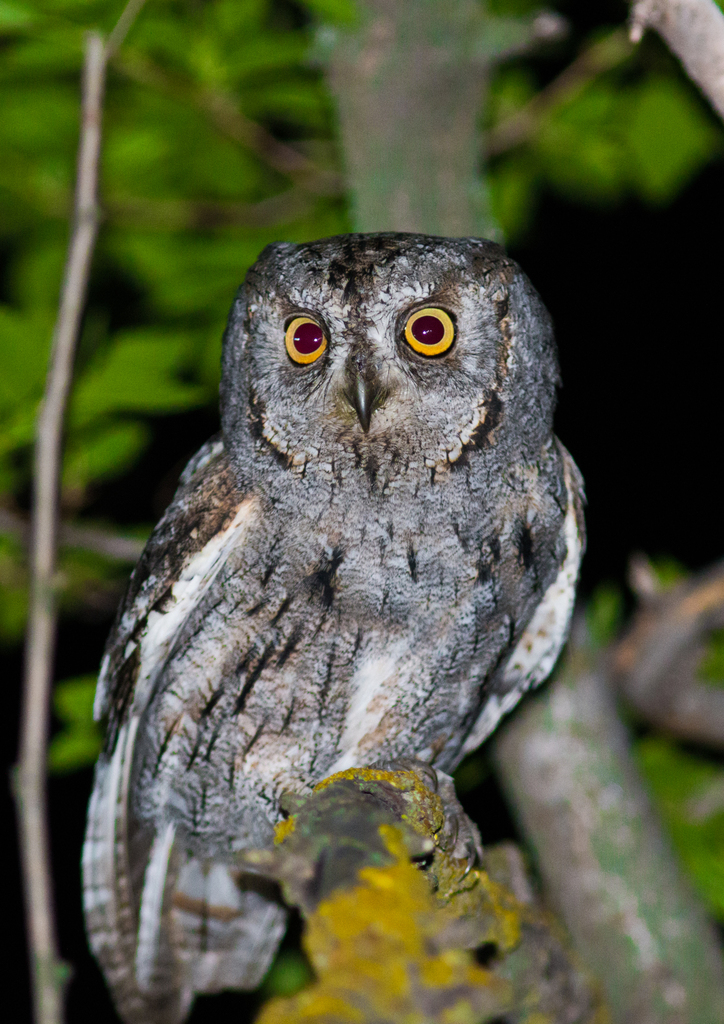
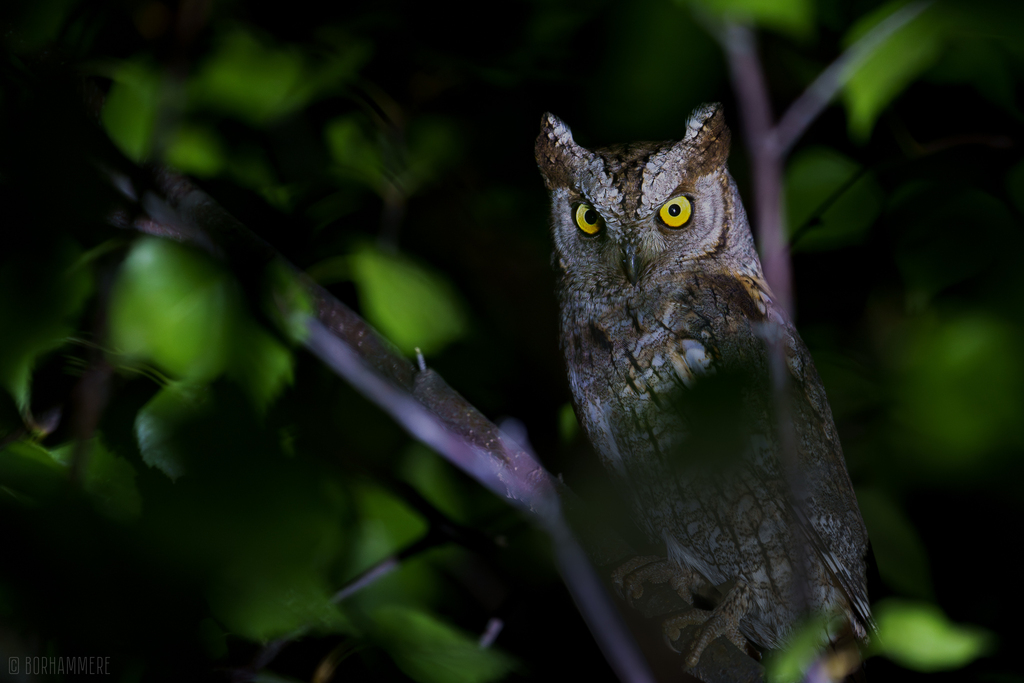
El autillo europeo, además de por su pequeño tamaño, se caracteriza por poseer un plumaje grisáceo o pardo rojizo, que presenta un complejo diseño de salpicaduras, franjas y vermiculados, en diferentes tonalidades, lo que le permite pasar completamente inadvertida cuando descansa en las ramas de los árboles. Contribuyen a aumentar su mimetismo los pequeños penachos cefálicos, a modo de falsas “orejas”, que descomponen la redondez de su cabeza. Los ojos tienen color amarillo brillante. Ambos sexos difieren en sus medidas corporales (son mayores las hembras), si bien las diferencias en cuanto al plumaje resultan bastante sutiles. Los jóvenes muestran un plumaje muy semejante al de los adultos.The smallest Spanish owl, about the size of a man's hand. It has incredibly cryptic, bark-like plumage in tones of gray or brownish-red. When alert, it raises two tiny ear tufts ('ears') that break its silhouette. It has bright yellow eyes. It is rarely seen during the day but is unmistakable at night due to its monotonous, flute-like 'tyuh' call, repeated with clockwork precision.
DistribuciónDistribution
El autillo está ampliamente distribuido por toda Iberia, Baleares y Ceuta, pero no en Melilla ni en las islas Canarias. Si bien resulta abundante en buena parte de las regiones, se hace más escaso hacia el noroeste, ausentándose ausente en gran parte de Galicia, Asturias y León, así como en áreas montañosas elevadas y en zonas muy áridas. La población reproductora pertenece a la subespecie mallorcae, mientras que los individuos invernantes corresponden a la subespecie scops, presente en el resto de Europa.Widespread in Iberia, Baleares, and Ceuta. Absent from Canaries and Melilla. Scarce in the humid northwest (Galicia/Asturias). Breeding birds belong to 'mallorcae'; winterers to 'scops'.
Textos reproducidos con permiso de laTexts translated and reproduced with permission from the Guía de Aves de España © SEO/BirdLife
Estado de conservaciónConservation Status
- EX
- RE
- CR
- EN
- VU
- NT
- LC
VulnerableVulnerable
Qué significa cada categoríaWhat each category means
- LC
- Preocupación menor: Taxón evaluado que no califica para categorías amenazadas. Especies abundantes y ampliamente distribuidasLeast Concern - Evaluated taxon that does not qualify for threatened categories. Widespread and abundant taxa
- NT
- Casi amenazada: No califica actualmente como amenazada, pero está cerca de calificar o es probable que califique en el futuro cercanoNear Threatened - Does not currently qualify as threatened, but is close to qualifying or likely to qualify in the near future
- VU
- Vulnerable: Enfrenta un alto riesgo de extinción en estado silvestre según los criterios A a E de IUCNVulnerable - Facing a high risk of extinction in the wild based on IUCN criteria A to E
- EN
- En peligro: Enfrenta un riesgo muy alto de extinción en estado silvestre según los criterios A a E de IUCNEndangered - Facing a very high risk of extinction in the wild based on IUCN criteria A to E
- CR
- En peligro crítico: Enfrenta un riesgo extremadamente alto de extinción en estado silvestre según los criterios A a E de IUCNCritically Endangered - Facing an extremely high risk of extinction in the wild based on IUCN criteria A to E
- DD
- Datos insuficientes: Información inadecuada para evaluar el riesgo de extinción basándose en distribución o estado poblacionalData Deficient - Inadequate information to assess extinction risk based on distribution and/or population status
- NE
- No evaluada: No ha sido evaluada aún contra los criterios de la Lista Roja de IUCNNot Evaluated - Has not yet been assessed against the IUCN Red List criteria
- RE
- Extinta regionalmente: El taxón ya no existe en la región específica, aunque puede sobrevivir en otros lugaresRegionally Extinct - Taxon no longer exists in the specific region, though it may survive elsewhere
- EX
- Extinta - No existe duda razonable de que ha muerto el último individuo del taxónExtinct - No reasonable doubt that the last individual of the taxon has died
TaxonomíaTaxonomy
- OrdenOrder
- Strigiformes
- FamiliaFamily
- Strigidae
Presencia en EspañaPresence in Spain
- EstivalSummer visitor
- HabitualRegular
- InvernanteWinter visitor
- ResidenteResident
En la app: marzo a septiembre.In the app: March to September.
Dónde verlaWhere to see it
1.939 cuadrículas de 10 km con registros de 2020 a 2024. Toca un mes para ver dónde se ha visto.1,939 10 km squares with records from 2020 to 2024. Pick a month to see where it has been seen.
Cargando el mapa…Loading the map…
Dónde es regularWhere it is regular
Provincias con registros en al menos 3 de los 5 años algún mes, de más a menos frecuente, y sus mejores meses.Provinces with records in at least 3 of the 5 years in some month, from most to least frequent, and their best months.
- NavarraNavarraabril, mayo, junioApril, May, June
- AlbaceteAlbacetejulio, junio, agostoJuly, June, August
- JaénJaénjulio, junio, mayoJuly, June, May
- GuadalajaraGuadalajaramayo, abril, junioMay, April, June
- CuencaCuencamayo, abril, junioMay, April, June
- AsturiasAsturiasabril, junio, mayoApril, June, May
- GranadaGranadaabril, junio, mayoApril, June, May
- ValladolidValladolidmayo, julio, junioMay, July, June
- MurciaMurciajulio, mayo, agostoJuly, May, August
- BalearesBalearic Islandsjulio, junio, mayoJuly, June, May
Ver las 47 provinciasSee all 47 provinces
- MadridMadridmayo, abril, junioMay, April, June
- TeruelTeruelagosto, abril, mayoAugust, April, May
- GironaGironaabril, julio, mayoApril, July, May
- CastellónCastellónmayo, junio, abrilMay, June, April
- SevillaSevillajulio, agosto, abrilJuly, August, April
- Ciudad RealCiudad Realabril, mayo, julioApril, May, July
- BarcelonaBarcelonamayo, julio, abrilMay, July, April
- CáceresCáceresabril, julio, mayoApril, July, May
- LleidaLleidajulio, abril, junioJuly, April, June
- La RiojaLa Riojaabril, marzo, mayoApril, March, May
- CantabriaCantabriaabril, mayo, junioApril, May, June
- TarragonaTarragonamayo, abril, julioMay, April, July
- CórdobaCórdobaabril, marzo, mayoApril, March, May
- SegoviaSegoviaabril, julio, mayoApril, July, May
- HuescaHuescaabril, mayo, julioApril, May, July
- LeónLeónmayo, abril, julioMay, April, July
- ZaragozaZaragozaabril, mayo, junioApril, May, June
- BadajozBadajozabril, mayo, marzoApril, May, March
- AlmeríaAlmeríajunio, abril, julioJune, April, July
- ÁvilaÁvilaabril, mayo, julioApril, May, July
- ValenciaValenciamayo, junio, julioMay, June, July
- PalenciaPalenciamayo, abril, agostoMay, April, August
- OurenseOurensejulio, abril, mayoJuly, April, May
- BurgosBurgosmayo, abril, junioMay, April, June
- SoriaSoriamayo, abril, julioMay, April, July
- AlicanteAlicantejunio, mayo, abrilJune, May, April
- PontevedraPontevedrajulio, agosto, mayoJuly, August, May
- ZamoraZamoramayo, julio, junioMay, July, June
- VizcayaVizcayamayo, junio, abrilMay, June, April
- MálagaMálagamayo, junio, abrilMay, June, April
- ÁlavaÁlavaabril, mayo, julioApril, May, July
- SalamancaSalamancajulio, mayo, abrilJuly, May, April
- ToledoToledomayo, junio, marzoMay, June, March
- CádizCádizjulio, mayo, junioJuly, May, June
- GuipúzcoaGuipúzcoaabril, mayoApril, May
- A CoruñaA Coruñamayo, junio, abrilMay, June, April
- HuelvaHuelvamayoMay
Datos: registros en GBIF de 2020 a 2024 de Observation.org, eBird, iNaturalist y el ICO, descargados el 23/10/2026.Data: GBIF records from 2020 to 2024 from Observation.org, eBird, iNaturalist and the ICO, downloaded on 23/10/2026. GBIF.org (23 October 2026) GBIF Occurrence Download · doi:10.15468/dl.r5sf2a · CC BY-NC 4.0
GaleríaGallery
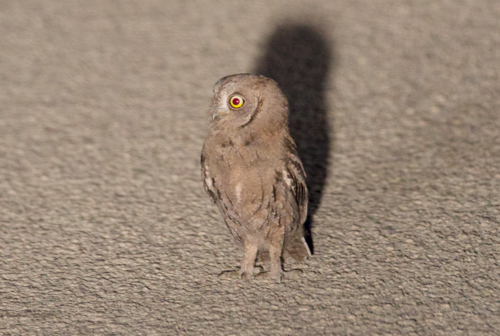
© Edoardo Nardelli · CC BY · iNaturalist 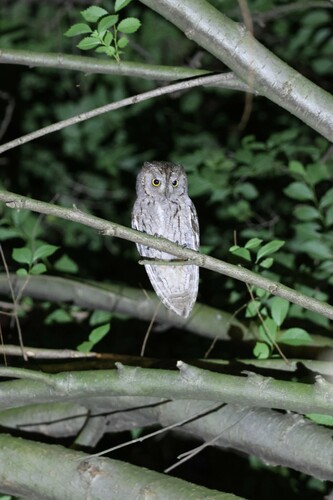
© Diego González Dopico · CC BY · iNaturalist 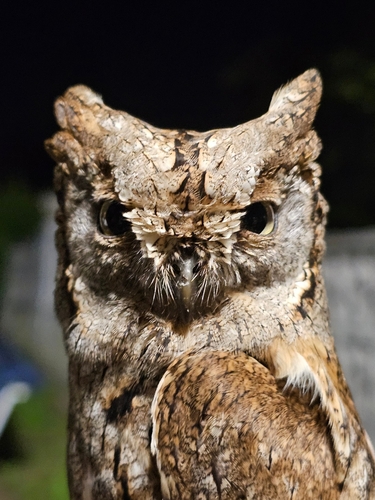
© Diego González Dopico · CC BY · iNaturalist 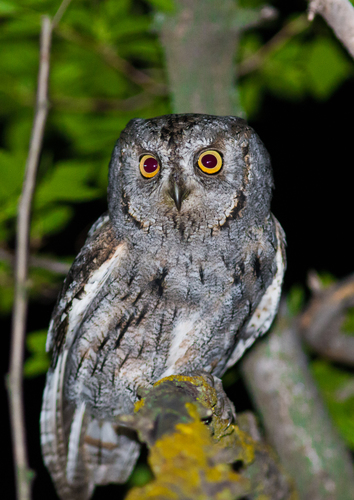
© Алина Урусова · CC BY · iNaturalist 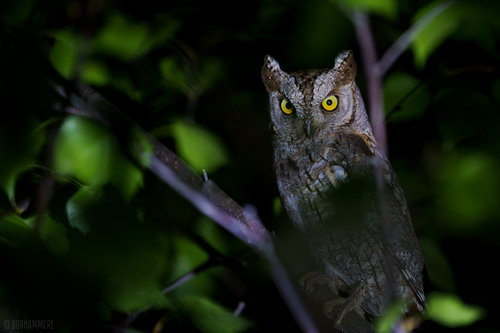
© Шальнов Кирилл · CC BY · iNaturalist 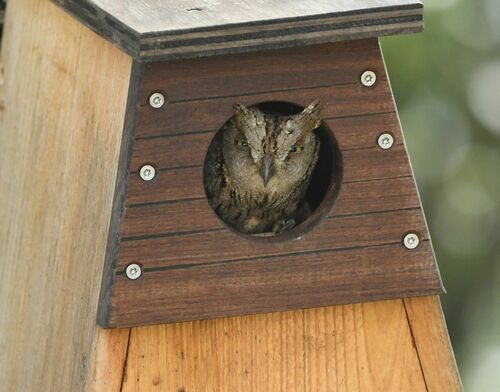
© Julien Renoult · CC BY · iNaturalist 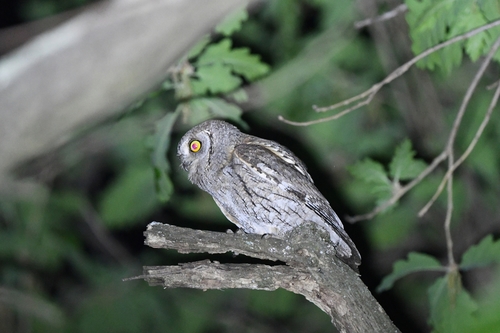
© Julien Renoult · CC BY · iNaturalist 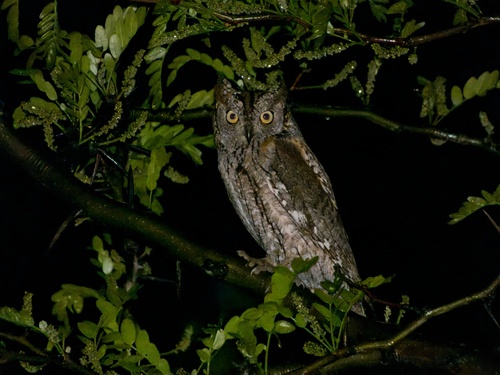
© Juan Rodríguez · CC BY · iNaturalist 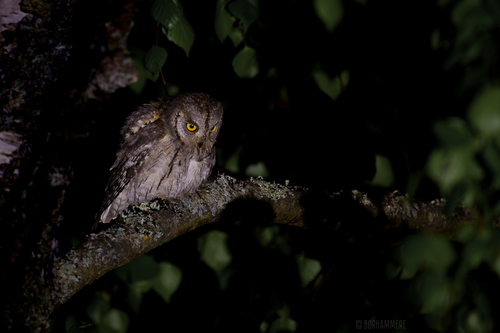
© Шальнов Кирилл · CC BY · iNaturalist 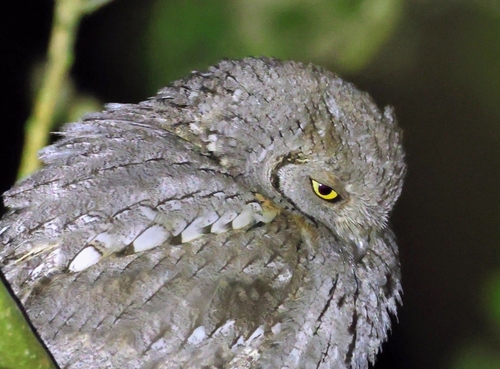
© Barry Stewart · CC BY · iNaturalist
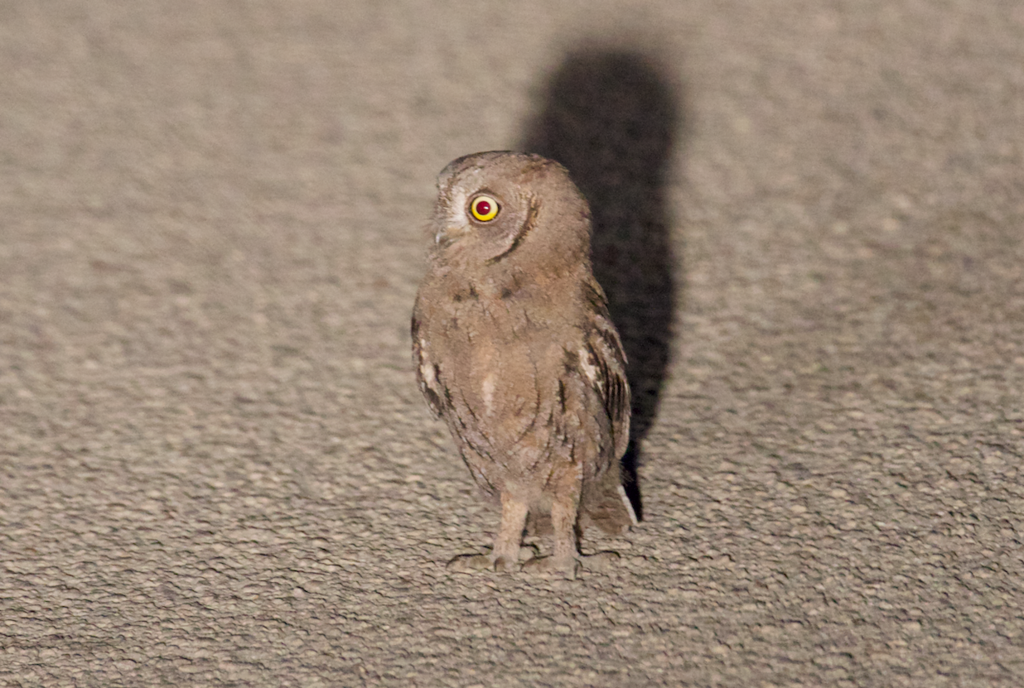
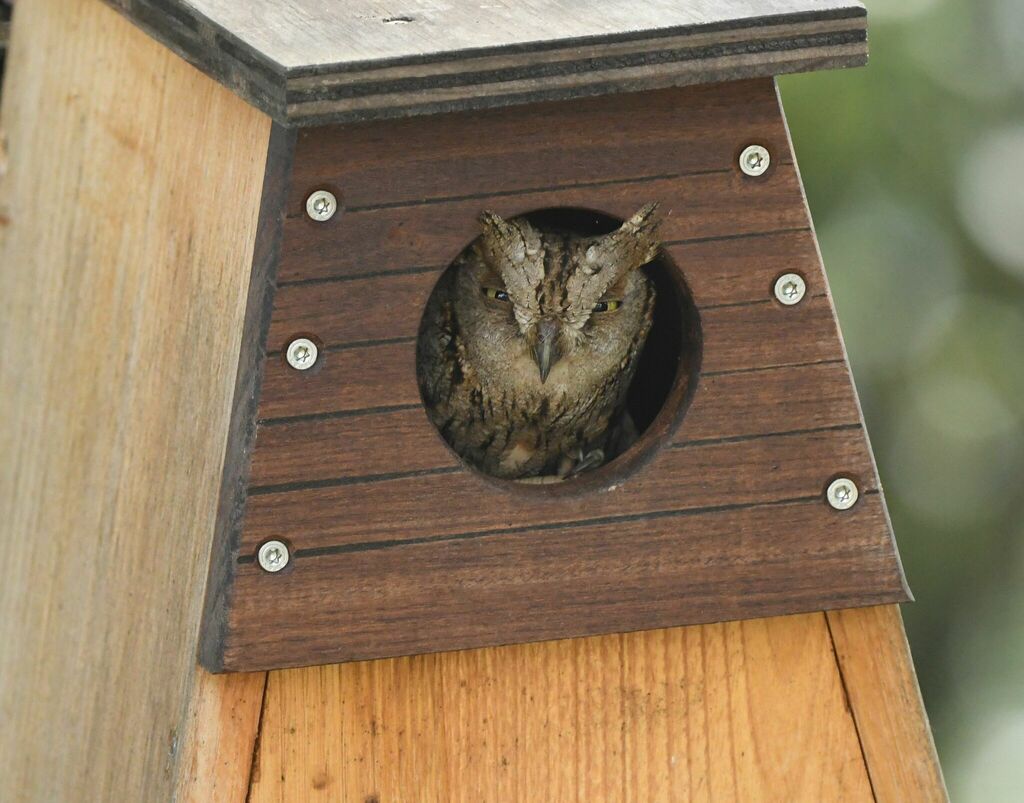
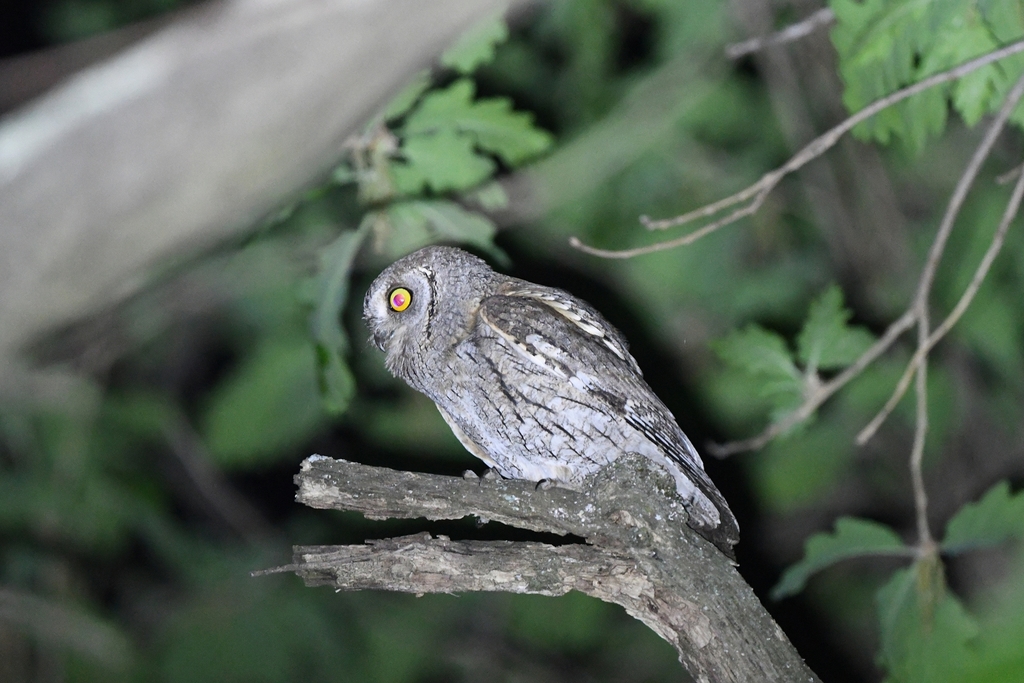
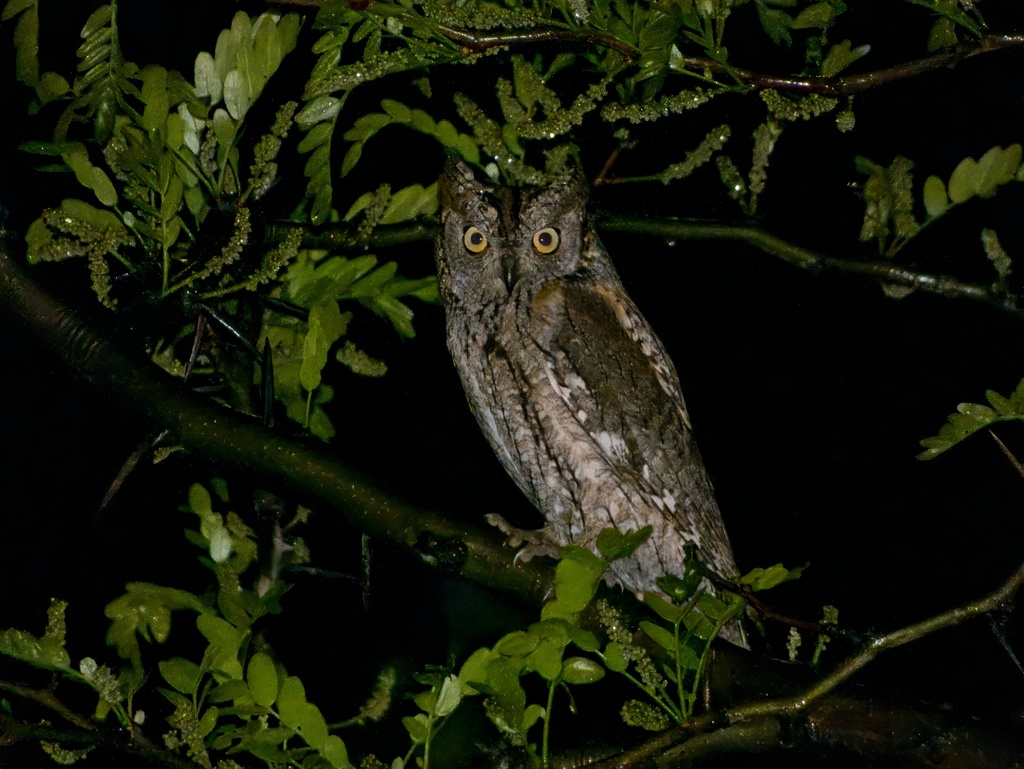
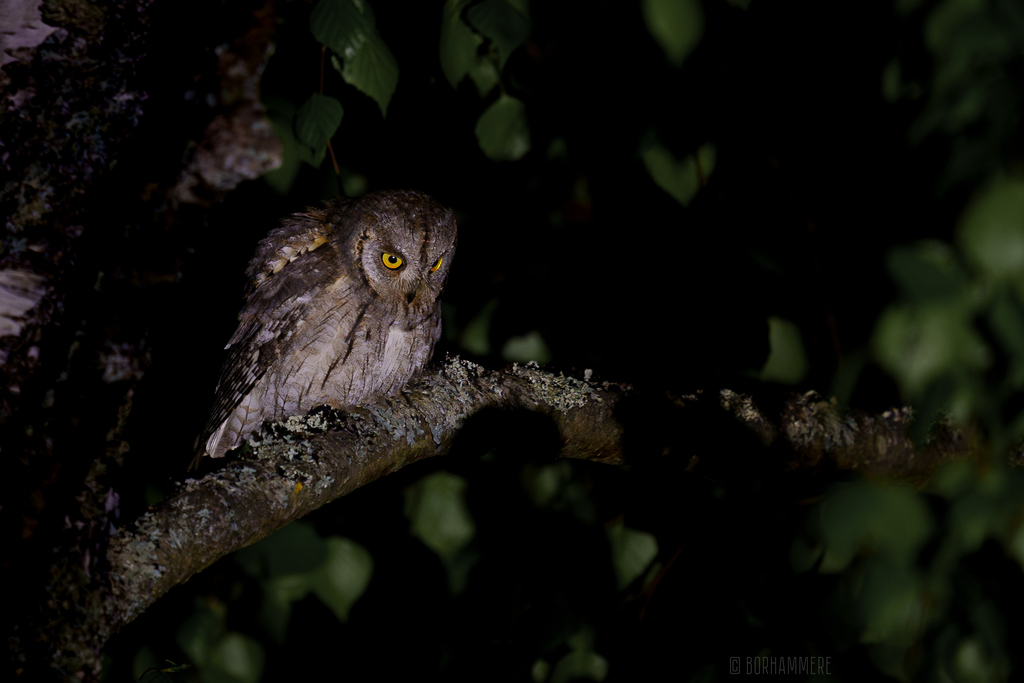
Especies relacionadasRelated species
Otras aves de la familia Strigidae y de órdenes cercanos.Other birds from the Strigidae family and nearby orders.
- ComúnCommon
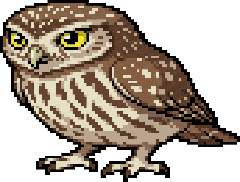 Mochuelo europeoLittle OwlAthene noctua
- Poco comúnUncommon
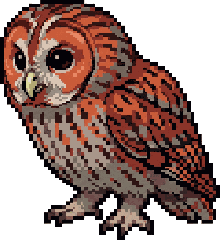 Cárabo comúnTawny OwlStrix aluco
- Poco comúnUncommon
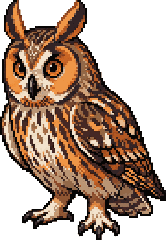 Búho chicoLong-eared OwlAsio otus
- Poco comúnUncommon
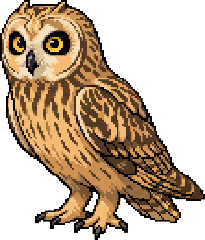 Búho campestreShort-eared OwlAsio flammeus
- RaroRare
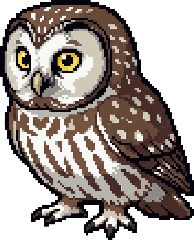 Mochuelo borealBoreal OwlAegolius funereus
- LegendarioLegendary
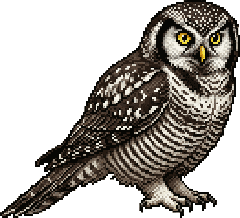 Cárabo gavilánNorthern Hawk-OwlSurnia ulula
- LegendarioLegendary
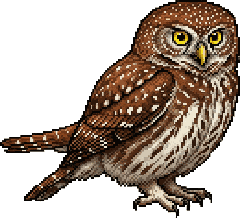 Mochuelo chicoEurasian Pygmy OwlGlaucidium passerinum
- LegendarioLegendary
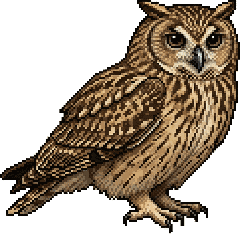 Búho moroMarsh OwlAsio capensis
 Gratis, sin anuncios ni comprasFree, no ads, no purchases